2027 Credit Requirements for a Journalism Degree Explained

Co-Founder and Chief Data Scientist
Many students pursuing a journalism degree struggle to understand the credit requirements needed for timely graduation, leading to extended study periods and increased debt. According to the National Center for Education Statistics, only 55% of journalism students complete their degrees within six years. This delay often results from unclear transfer policies and misaligned course selections. With the journalism field becoming more competitive, efficient academic planning is critical for success. This article will clarify credit requirements, transfer guidelines, and strategies to streamline degree completion, helping students navigate their programs effectively and enter the workforce without unnecessary delay.
Key Things to Know About Credit Requirements for Journalism Degrees
- Journalism degrees typically require completing a defined total of credits over several years, balancing general education with specialized reporting and media courses.
- Transfer credits and prior learning assessments can significantly reduce coursework, allowing faster progression and potentially lowering overall tuition expenses.
- The credit structure influences academic pacing, affecting graduation timelines; students who manage these efficiently may enter the journalism workforce sooner.
How Many Credits Are Required for a Journalism Degree?
Careful planning around credit expectations is essential for journalism students to manage their academic workload and estimate the time required to graduate. Clear knowledge of these credit requirements supports effective scheduling and aligns coursework with career objectives. Below is a concise overview of typical credit hours for journalism degree programs at different levels.
- Undergraduate journalism degree: typically requires approximately 120-130 credits. These are divided among general education courses covering writing, communication, and social sciences, core journalism classes focused on reporting, media ethics, multimedia journalism, and news production, as well as electives or specialized study areas. Understanding these journalism degree credit requirements explained by category helps students grasp the curriculum balance.
- Graduate journalism degree: generally requires about 30-48 credits. The graduate coursework emphasizes advanced study, critical analysis, and practical skills development. It often includes concentrated topics such as investigative reporting, data journalism, or media law, sometimes requiring research projects or a thesis component to deepen expertise.
For students interested in complementary certifications alongside their journalism studies, programs like BCBA certification online can offer additional career advancement opportunities. Accurate awareness of credit requirements combined with informed course selection enables learners to progress efficiently through their degree pathways.
How Many Core and Elective Credits Are Required for a Journalism Degree?
Balancing core and elective credits in a journalism degree is essential for effective academic planning and career preparation. This balance ensures students build foundational skills while tailoring their studies to evolving industry demands. Recent trends show that journalism students increasingly select electives that focus on digital media and data journalism, highlighting shifts in the field's skill requirements.
Below is an overview of typical credit distributions in a journalism degree program:
- Core Course Credits: These usually amount to 30 to 45 credits, representing about 40% to 60% of total degree requirements. Core courses emphasize essential journalism skills such as news writing, media ethics, reporting techniques, multimedia storytelling, and journalism law. Completing journalism degree core course credits helps students develop critical thinking and ethical reporting abilities vital to the profession.
- Elective Credit Requirements: Electives often make up the remaining 40% to 60% of credits, allowing students to explore specialized topics like digital media, public relations, investigative journalism, or data journalism. Elective credit requirements for journalism programs encourage adaptability and deeper expertise, cultivating skills that align with specific career goals and industry trends in media.
Students interested in complementary technical fields might also consider an online engineering degree, which can provide valuable skills for media technology integration and digital reporting.
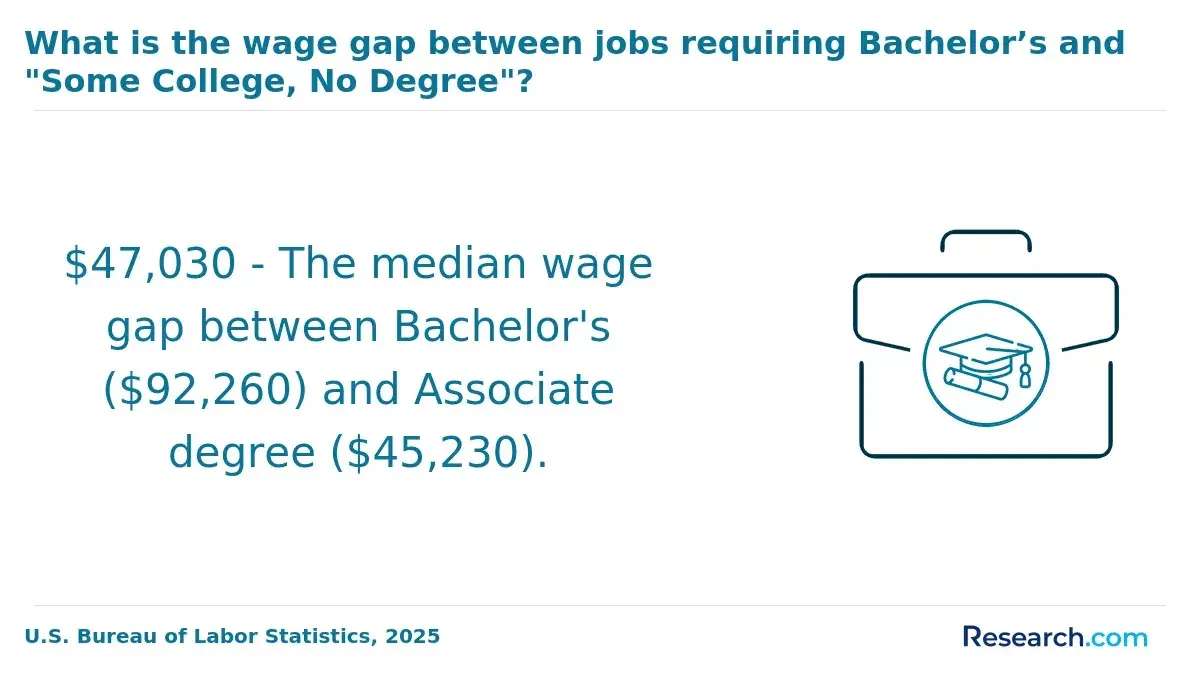
Do Online Journalism Programs Require the Same Number of Credits?
Knowing how credit requirements compare between online and on-campus journalism programs is essential for effective academic planning and evaluating options. With online journalism enrollment increasing by nearly 15% over recent years, understanding these factors has become even more critical for prospective students. The following points outline key aspects to consider.
- Credit Load Consistency: Most bachelor's degrees in journalism demand between 120 and 130 credits, whether completed online or in person. This standardization ensures that all students meet comparable academic and skill development benchmarks regardless of format.
- Course Design and Delivery: Online courses often use modular or asynchronous formats, offering more scheduling flexibility but requiring strong self-discipline. In contrast, traditional on-campus programs tend to follow set class times and more synchronous interaction.
- Workload Distribution: While credit totals remain similar, the pacing of assignments and assessments may differ, with online classes sometimes spreading workload over longer periods to accommodate remote learners.
- Graduation and Transfer Policies: Clear credit transfer rules are vital for students switching formats or institutions. Consistency in credit requirements supports timely graduation and helps avoid unnecessary coursework.
- Career Alignment: Credits typically reflect mastery of skills needed for journalism careers. Students should ensure courses meet industry standards for career readiness and professional advancement.
A graduate of an online journalism program I spoke with shared, "At first, I wondered if online credits counted the same as traditional ones. Managing the flexible schedule was challenging, especially balancing live sessions and deadlines across time zones." He appreciated the ability to complete all requirements without relocating or quitting his job. "It felt empowering to meet the same credit standards at my own pace-without compromising the quality of learning."
Knowing the credit requirements for accelerated programs is essential for students aiming to finish their journalism degrees sooner without sacrificing course quality. This understanding supports better academic planning and effective management of an intensified schedule.
Here are key points about credit demands in accelerated journalism programs:
- Credit Requirements by Level: Most accelerated undergraduate journalism tracks require about 120 to 130 credits, similar to traditional degrees but completed in less time. Graduate programs generally ask for 30 to 45 credits, focusing on specialized skills and advanced topics.
- Distribution of Credits: The bulk of these credits come from core journalism classes such as reporting, media law, and ethics. Electives offer opportunities to concentrate on fields like digital media, investigative reporting, or broadcast journalism, providing some academic flexibility within the compressed timeframe.
- Course Load and Time Frame: Accelerated formats reduce the number of semesters, which means students handle a greater number of courses each term with fewer breaks. While demanding, this approach allows driven students to graduate more quickly without lowering academic standards.
Knowing transfer credit policies is vital for students who want to continue their education efficiently or shorten the time needed to earn a journalism degree. Recent data shows that about 40% of students in bachelor's journalism programs enroll as transfer students, emphasizing the value of clear credit transfer rules. Below is an overview of typical credit acceptance at different degree levels to help guide academic planning.
- Associate degrees: These programs often accept up to 75% of credits from prior coursework, providing flexibility for students to build on existing credits while completing the degree.
- Bachelor's degrees: Most bachelor's programs permit between 30% and 60% of transfer credits. However, core journalism classes usually must be completed directly at the degree-granting institution, limiting transferability in major-specific subjects.
- Master's and professional degrees: Graduate programs tend to restrict transfer credits, generally accepting only 12 to 15 graduate-level credits. This ensures foundational and advanced coursework maintains academic rigor and integrity.
- Doctoral and accelerated programs: These often have the most stringent policies, allowing minimal transfer credits. This limitation helps preserve the quality of research and practicum components critical to advanced journalism training.
- Core vs. elective credits: Transferred credits are more commonly applied to elective courses rather than required core journalism classes, supporting degree progression without compromising program standards.
When discussing how many transfer credits are accepted toward a journalism degree, a graduate shared her experience navigating these policies. She recalled feeling overwhelmed initially by the complexity and the need to verify which courses would count toward her major. "It wasn't just about keeping credits; it was understanding how they fit into my overall plan," she said. Her process involved detailed consultations with advisors and reviewing course equivalencies carefully. Despite the challenges, she appreciated that transferring some credits allowed her to focus more on specialized journalism topics and internships. This balance of strategic planning and patience made her transition smoother and ultimately helped her complete the program on a timeline aligned with her career goals.
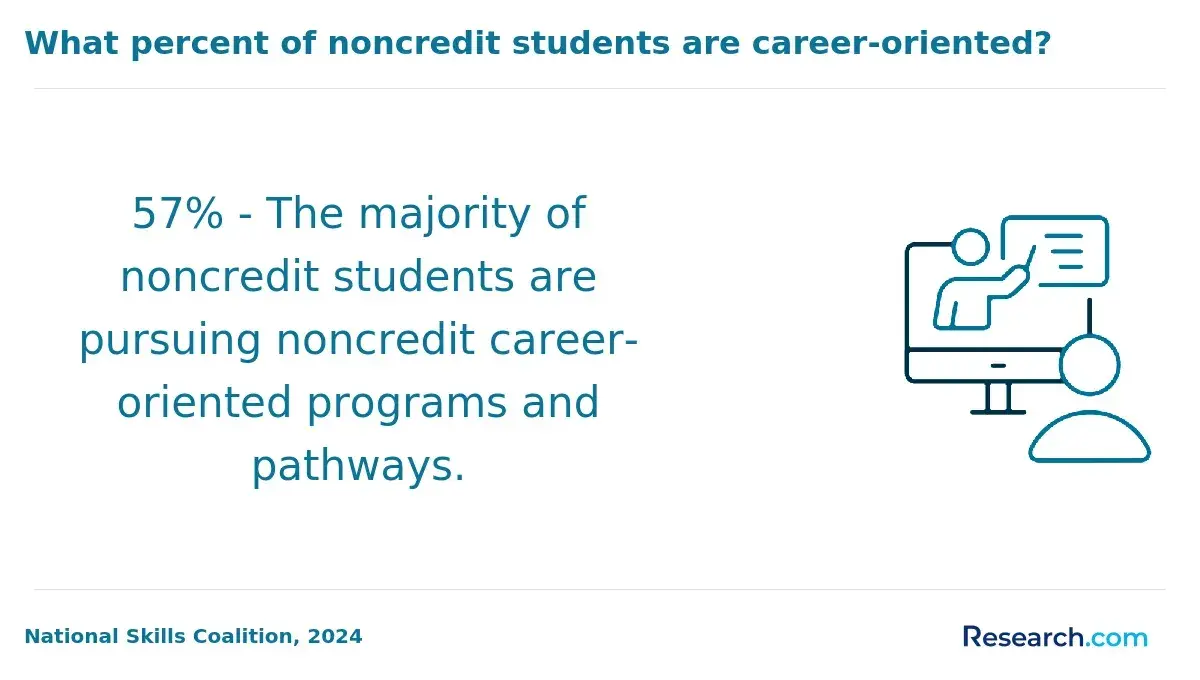
Prior learning assessment (PLA) is a process that allows journalism degree students to earn academic credit for relevant professional work experience. Eligible work typically involves roles that develop skills and knowledge closely aligned with journalism coursework. Below is an overview of the types of experience that often qualify for credit and how universities manage these credits.
- Reporting and Editing: Many programs accept hands-on tasks like news reporting, writing, and editorial responsibilities. Universities require portfolios or published samples to verify competency in journalistic practices.
- Broadcasting and Media Production: Experience in radio, television, or digital media production can count, with some schools requiring detailed project documentation or supervisor letters to assess the skill level.
- Communications and Public Relations: Work in communications roles may be accepted if aligned with journalism objectives, often documented through resumes and performance evaluations to establish relevance.
- Internships and Freelance Assignments: These practical experiences can qualify when they demonstrate skills consistent with course outcomes. Written exams or interviews sometimes complement portfolios for credit determination.
Universities use a combination of documentation, testing, and interviews to evaluate prior learning assessment journalism programs. However, there are limits-usually PLA credits cannot exceed 30 to 40 percent of total degree requirements-to ensure students complete essential coursework traditionally. This approach can shorten time-to-degree and reduce tuition expenses, but careful academic advising is crucial to navigate credit transfers and degree requirements properly.
Those exploring PLA should balance work experience credits for journalism degree pathways with formal course plans to avoid gaps. Many campus and online programs offer these options, including online psychology degree programs, demonstrating the growing accessibility of credit for experiential learning.
Licensure impact on journalism degree credit hours varies considerably by state and the specific professional licensing board. Many journalism careers, especially in broadcast or specialized media, require licensure or certification that mandates completion of particular coursework or practical experiences.
Accreditation bodies often align journalism programs with these licensure standards to ensure graduates satisfy industry criteria. This alignment can include required courses, internships, or clinical hours that extend beyond general degree requirements, thereby increasing total credit hours and potentially lengthening the time to degree completion.
For instance, mandatory practical reporting or media production projects serve both academic and professional purposes, affecting student workload and tuition costs. Considering licensure impact on journalism program credits also highlights how state regulations influence curriculum design and reinforce adherence to professional norms.
Online and campus journalism programs differ in how they integrate these requirements, though both typically demand the same total credits to meet licensure rules. Online programs may offer greater flexibility for fulfilling clinical hours, yet students must still complete additional credits specific to licensure demands in some states.
Aligning degree credits with licensure benefits students by providing clear career pathways and enhancing professional readiness, yet it also involves challenges such as extended study periods and higher costs. Prospective students should factor in these considerations when planning their academic journey to efficiently navigate course and credit requirements. Exploring the best bachelor degrees in related fields can also offer insight into the value of specialized training and credentialing in today's competitive job market.
A credit hour represents one hour of direct instruction per week across a typical academic term, usually 15 weeks. Understanding credit calculations is essential for students planning their journalism degree to effectively manage their course load and graduation timeline.
- Lecture-based courses: These commonly assign one credit hour per hour of weekly classroom instruction. For example, three weekly lecture hours typically equal three credit hours, forming the core of the credit system in journalism programs.
- Labs, practicums, and clinicals: Due to their hands-on nature, these courses often require more contact hours per credit, such as two to three lab hours equaling a single credit hour. They provide practical experience complementing journalistic theory.
- Capstone or project-based courses: Credit values here vary, reflecting the time commitment to research, writing, or multimedia projects. These courses tie together theoretical and practical skills essential for degree completion.
Credit calculations differ between undergraduate and graduate journalism programs. Undergraduates may require around 120 credit hours including general education and electives, while graduate programs often have fewer total credits but emphasize greater intensity per credit. Online and on-campus formats follow similar credit standards, though delivery methods may differ slightly.
Students exploring options can also consider accredited online programs, including those identified among online colleges that accept FAFSA. Accreditation ensures consistent quality and that credit hour calculations reflect genuine academic progress.
A bachelor's degree in journalism usually requires completing between 120 and 130 total credits, which includes core courses, general education, and electives. This total credit requirement plays a significant role in determining how many semesters a student will need to graduate. Several important factors affect how long it takes to finish a journalism degree, outlined below:
- Core credits: These essential courses cover fundamental topics such as reporting, writing, and media ethics. Students must complete all core credits to meet graduation criteria, which sets a baseline duration for the program.
- Elective requirements: Many programs include electives outside of journalism, which can increase overall credit demands. Poor planning of electives may lengthen time-to-degree if students take more courses than necessary.
- Transfer credits: Transferring applicable credits from other accredited institutions can reduce the time needed to graduate. However, transfer approval depends on how well those credits align with the journalism program's curriculum.
- Accelerated formats: Online and hybrid programs often use condensed course schedules or shorter terms. These options can help students complete credits faster than traditional on-campus semesters, potentially shortening graduation timelines.
- Prior learning assessment: Some schools offer credit for relevant work experience or proficiency exams, decreasing the total credits required. This process can significantly accelerate degree completion for students with applicable backgrounds.
Both on-campus and online journalism programs are shaped by these credit-related factors. Online formats tend to offer greater flexibility in pacing, which can enable quicker graduation. In contrast, conventional campus programs often follow fixed semester schedules that may extend the time needed. Effectively managing credits, transfer options, and elective planning is crucial for completing a journalism degree efficiently.
Completing additional academic credits can enhance career advancement, leadership opportunities, and access to specialized or higher-paying roles within certain segments of the journalism industry. However, these benefits depend on the relevance and focus of the extra coursework rather than the quantity alone.
- Advanced Concentrations: Pursuing extra credits in areas like digital media, investigative reporting, or data journalism can build niche expertise that appeals to specialized employers.
- Licensure and Certification Prep: Additional coursework aimed at preparing for professional licenses or certifications may open doors in particular journalism fields requiring formal credentials.
- Technical Skill Development: Earning credits in multimedia production, coding, or new platforms can improve job readiness and adaptability in evolving media environments.
- Unrelated Coursework: Accumulating credits outside core journalism subjects typically does not translate into higher salaries or career growth.
- Portfolio and Experience Focus: Employers prioritize demonstrated skills, quality portfolios, and internships over the total number of academic credits completed.
- Professional Degree Pathways: Graduate degrees often have a stronger impact on earnings and promotion opportunities than undergraduate credit overload without specific career intent.
Employers emphasize the quality of skills and practical experience rather than the sheer volume of credits. Labor market trends show networking and ongoing professional development generally influence career trajectories more than exceeding credit requirements. Efficient completion of a bachelor's program, typically around 120 credits, can also be advantageous by enabling earlier workforce entry.
What Graduates Say About The Credit Requirements for Their Journalism Degree
- Izzie: "The flexibility of the online journalism degree program was a game changer for me, allowing me to complete credits at my own pace while balancing work and family. Considering the average cost per credit was quite affordable compared to traditional routes, I was able to invest wisely without accumulating overwhelming debt. Earning extra credits expanded my skill set and directly contributed to landing a role in digital media that values versatile reporters."
- Red: "Reflecting on my experience, the journalism degree program's online structure offered much-needed leeway with credit requirements, which helped me tailor my coursework to my interests. Although each credit came with a reasonable cost, the option to spread expenses over time made it manageable. The additional credits I earned sharpened my investigative skills and opened doors in niche journalism sectors I hadn't previously considered."
- JP: "Professionally, obtaining extra credits through the online journalism program distinctly elevated my career profile. The cost per credit was competitive, especially for an accredited online program, making the investment worthwhile. I appreciated how the program's flexible credit system let me efficiently fulfill requirements without sacrificing my full-time job, ultimately enabling a smooth transition into higher editorial responsibilities."
Other Things You Should Know About Journalism Degrees
Internships are often an integral part of a journalism degree and can count towards required elective credits. These programs typically assign credits based on the number of hours worked or the level of involvement in journalistic activities during the internship period. Institutions may vary in their specific requirements.
Some journalism programs include language proficiency or foreign language credits as part of their curriculum to enhance reporting skills in diverse communities. While not universal, requiring one or two credits in a second language helps prepare students for international journalism or covering multicultural beats.
A journalism program should hold regional accreditation, and its mass communication or journalism sequence should align with ACEJMC standards if the school claims professional accreditation. Credits from regionally accredited colleges are the most likely to transfer, but the receiving institution sets the final transfer rule and limit.
- Print and Online Journalism https://comm.wayne.edu/journalism/print-and-digital
- BA in Journalism Degree Requirements | School of Communication | American University, Washington, DC https://www.american.edu/soc/journalism/ba/ba-journo-requirements.cfm
- Program Requirements https://vancouver.calendar.ubc.ca/faculties-colleges-and-schools/school-journalism-writing-and-media/master-journalism/program-requirements
- Journalism (Certificate of Higher Education) https://www.bbk.ac.uk/courses/2025/certificates/programmes/UEHMEJRN/0/journalism-certificate-of-higher-education
- What Grades Do I Need to Apply for Journalism? https://www.applytouni.com/applying/courses/applying-for-journalism/what-grades-do-i-need-to-apply-for-journalism/
- Associate Degree in Journalism | Aims Community College https://www.aims.edu/degrees-certificates/journalism/requirements
- Degree Requirements – Journalism, Writing & Publishing – 2024/2025 University of King's College Academic Calendar https://academiccalendar.ukings.ca/20242025calendar/chapter/degree-requirements-journalism/
- Experts tell journalism grads, be real | The Reynolds Center https://businessjournalism.org/2022/05/graduates/
- Journalism degree entry requirements https://www.whatuni.com/advice/clearing/entry-requirements-to-study-a-journalism-degree/92391/
- What Counts as Journalism Experience for Graduate School Admissions? - DegreeQuery.com https://www.degreequery.com/communications-and-media-studies-degrees/what-counts-as-journalism-experience-for-graduate-school-admissions/