
2027 Does a Journalism Degree Require Internships or Clinical Hours?

Co-Founder and Chief Data Scientist
Many prospective journalism students face uncertainty about whether internships or clinical hours are mandatory components of their degree programs. This is critical because hands-on experience often shapes employability in a field where 37% of journalism graduates report internships as essential to securing their first job. Without clarity, students risk unexpected time commitments or missed opportunities for practical learning.
This article, prepared by career planning experts, examines the typical requirements of journalism degrees regarding internships and clinical hours, exploring how they influence program duration, skill development, and career readiness. It aims to guide readers in selecting programs that align with their professional goals and personal circumstances.
Key Things to Know About Journalism Degree Internships or Clinical Hours
- Many journalism degrees require hands-on internships or clinical hours to develop practical skills and meet graduation criteria, though these are typically not mandatory for licensure.
- Online programs often organize remote or local internships flexibly, while campus-based programs coordinate structured placements with media outlets, impacting how hours are completed.
- Completing practical hours significantly enhances career readiness, with 65% of graduates reporting improved employment outcomes and faster job placements in journalism roles.
Does a Journalism Degree Require Internships or Clinical Hours?
Whether a journalism degree requires internships or clinical hours depends largely on the program, but internships are generally common and often mandatory for students. Unlike clinical hours found in healthcare, clinical hours in journalism programs are uncommon; instead, journalism degree internship requirements focus on hands-on experience within newsrooms or media organizations. These internships aim to provide practical skills and industry exposure, making them a core part of many journalism curricula to prepare students for professional challenges.
Journalism internships typically occur during the junior or senior years, allowing students to apply classroom knowledge in real-world settings while earning credit. These experiences, usually lasting from a few months to an academic semester with a weekly commitment of 10 to 20 hours, help build professional networks and enhance technical and editorial skills.
Prospective students should consider internship policies carefully, as they affect time management and career readiness. For those interested in broader educational options, exploring accredited online MBA programs may also be worthwhile for complementary skills in communication and management.
Are Internships Paid or Unpaid in Journalism Programs?
Internship compensation in journalism programs varies significantly, with both paid and unpaid options common, making it important for students to plan accordingly for program costs and career development. About 40% of journalism internships offer monetary compensation, indicating many students may gain experience without financial pay.
Key points regarding paid internships in journalism programs and unpaid journalism internship opportunities include:
- Payment structures: Many internships provide stipends or hourly wages, especially at larger media companies with budgets for entry-level roles. However, unpaid internships remain prevalent, mainly at smaller news outlets and nonprofit organizations.
- Influencing factors: Whether an internship is paid often depends on the size and funding of the host organization, internship duration, and if academic credit is awarded as part of the program.
- Career value of unpaid internships: Unpaid internships may still offer valuable professional experience and networking opportunities that enhance resumes and improve career prospects in the competitive journalism field.
- Academic credit and program requirements: Some journalism programs allow internships, paid or unpaid, to count toward degree requirements, helping students gain practical skills within structured time commitments.
- Financial planning considerations: Students pursuing unpaid journalism internship opportunities should prepare for additional resources or flexible schedules to accommodate the lack of pay during their practical training.
Students seeking flexible and accelerated degree options in related fields may consider a fast track social work degree online to complement their understanding of community issues often covered in journalism careers.
What Is the Difference Between Internships or Clinical Hours in Journalism Degree Levels?
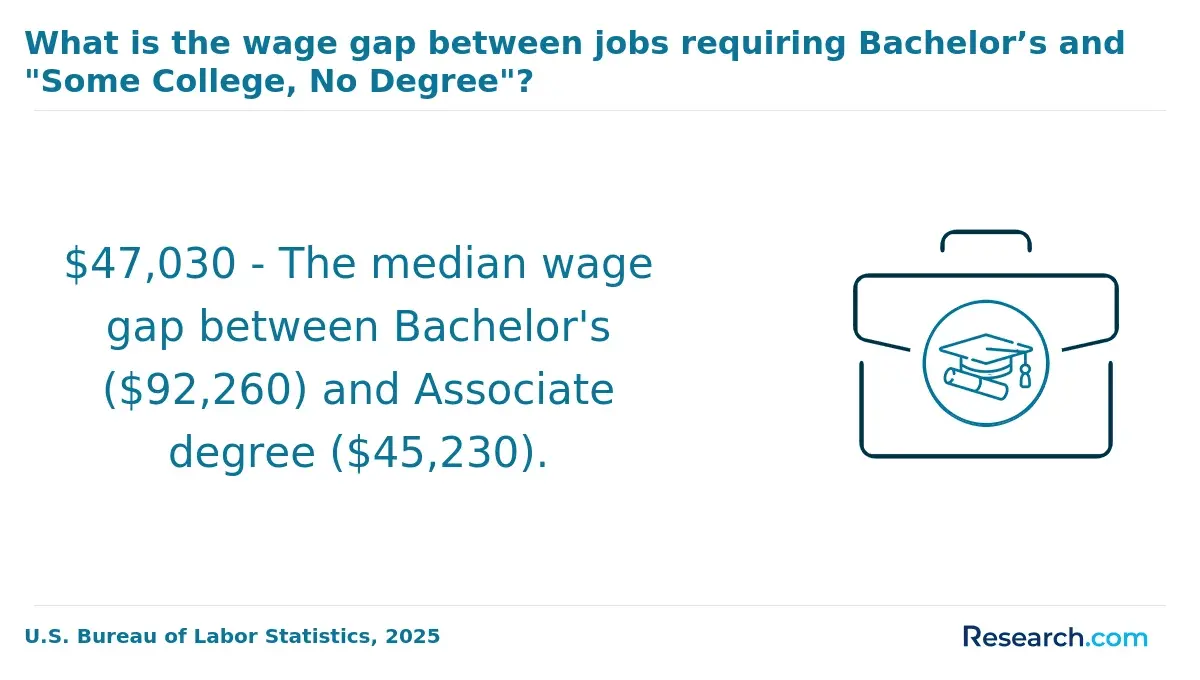
Students planning their academic and career pathways in journalism benefit from recognizing the differences in internship requirements by degree level. These distinctions shape the time commitment, skill development, and professional readiness students can expect during their education. Understanding these variations helps set realistic expectations and aligns training with long-term goals.
Below is an overview clarifying clinical hours versus internships in journalism programs at various degree levels:
- Associate degree: Internships are typically brief, introductory experiences designed to familiarize students with newsroom operations. Supervision is close, focusing on basic skills and workplace behavior, with an emphasis on foundational exposure rather than intensive project work.
- Bachelor's degree: More structured journalism internship requirements by degree level come into play here, usually lasting a semester with moderate autonomy. Students gain hands-on experience producing content under professional guidance, building portfolios while developing essential reporting and editing abilities.
- Master's degree: Clinical hours or internships involve deeper immersion in specialized reporting or media analysis. These require longer commitments, heightened responsibility, and tailored mentorship to prepare students for leadership roles or advanced journalism careers.
- Doctoral or professional degrees: Though less common, any practicums or internships emphasize research-driven projects and critical evaluation skills developed under faculty supervision, often with a scholarly or strategic focus.
Prospective students weighing their options can also explore related pathways, such as an affordable online psychology masters, which reflect similar professional training structures. This background supports an informed choice of programs emphasizing clinical or internship components aligned with career aims.
Accelerated journalism programs compact traditional internship or clinical hour requirements into shorter, more intense schedules. To accommodate this, students often dedicate longer weekly hours or complete practicums in concentrated periods. These programs carefully sequence hands-on training alongside demanding academic work, ensuring that all criteria are fulfilled without overloading students. Many offer internships during summer or condensed semesters, maximizing focus within the limited timeframe.
Balancing practical experience with accelerated coursework requires flexible approaches, such as evening or weekend internships. Programs frequently provide structured milestones and mentorship to help students meet career readiness and licensure mandates. Approximately 60% of students in accelerated journalism tracks engage in internships, underscoring the field's commitment to experiential learning despite condensed timelines.
Internship or clinical hour requirements do not significantly differ between online and on-campus journalism programs. Both formats maintain similar structures to ensure students meet professional standards through practical experience. These internships are designed to translate classroom learning into real-world skills, with comparable expectations for ethical reporting, networking, and industry competence. Notably, enrollment in online education has increased by more than 20% in recent years, reflecting a growing demand for flexible, experiential learning opportunities in journalism.
The key distinction lies in how internships are completed. Online students typically have greater latitude to select placements based on geographic convenience and schedule flexibility, often allowing remote internship options. By contrast, on-campus students usually engage in internships facilitated within local media networks, benefiting from more direct institutional support and supervision. These practical differences influence how students balance their professional preparation alongside other commitments, yet both pathways aim to deliver equivalent career readiness.
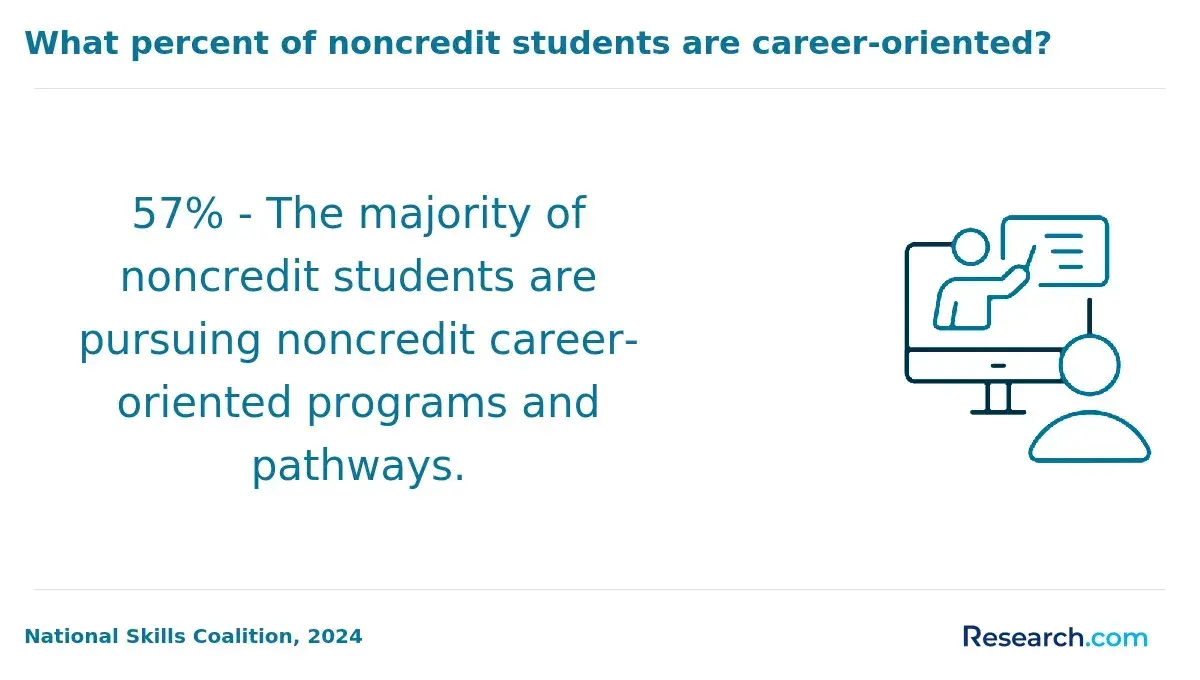
The choice of specialization within a journalism degree significantly influences internship or clinical hour requirements, as different fields demand unique practical experiences. Approximately 75% of journalism students complete at least one internship directly related to their chosen specialization, highlighting the importance of tailored hands-on training.
Specializations such as investigative journalism often require intensive, long-term internships focused on research, fact-checking, and legal considerations. In contrast, broadcast journalism emphasizes hands-on camera work and live reporting, typically involving shorter but more frequent clinical hours in media studios or newsrooms, demonstrating how journalism degree specialization internship requirements vary widely.
These differences in internship structure affect students' scheduling, workload, and career preparation. Students pursuing investigative or print journalism might engage in fewer but longer internships that demand substantial project commitments over a semester. Conversely, those in broadcast or multimedia tracks may juggle multiple shorter clinical hours simultaneously with their coursework, balancing technical training and live production responsibilities.
By aligning practical experiences with specialization needs, programs enhance employability and skill development, though students must carefully manage the time commitments required. For those exploring degree options that combine practical training with career outcomes, it's valuable to compare degrees that make the most money alongside specialization demands to strategically plan their education and professional path.
Work experience can sometimes substitute for internship requirements in journalism degree programs, a question frequently posed by students juggling jobs alongside their studies. Whether such experience is accepted depends on several key factors: the relevance to the field, the duration, and the quality of the work performed.
Programs often require employer verification to ensure that the experience aligns with their educational objectives. Additionally, accreditation criteria can influence flexibility, with some degrees enforcing strict internship rules while others allow for professional experience to count.
Substitutions are more common for mid-career individuals returning to school or students in applied journalism tracks who already possess substantial relevant experience. In contrast, many traditional undergraduate journalism programs maintain mandatory internships to guarantee hands-on, supervised training essential for career readiness. Since policies differ widely across institutions and by degree level, students should consult academic advisors to understand whether their professional history can fulfill internship requirements.
Internship or clinical rotation duration significantly impacts students' practical learning and professional growth, with many journalism programs requiring between 120 and 200 hours to meet academic and accreditation standards. Increasingly, programs are offering flexible scheduling options to accommodate various student needs and career paths.
Below are typical internship timelines found in journalism degree programs.
- Short-term internships: These usually span 4 to 6 weeks, often scheduled during summer breaks. They provide focused experiences aimed at developing specific skills or exposure to particular departments, ideal for students seeking brief but intensive practical work.
- Semester-long internships: Lasting roughly 8 to 16 weeks, these align with an academic semester and integrate seamlessly into the university calendar. They allow students to gain comprehensive involvement in newsroom operations while maintaining progress toward graduation.
- Extended internships: Going beyond 16 weeks, these offer deep immersion into the field, sometimes serving as capstone projects. They are common in programs emphasizing in-depth expertise or specialized tracks such as broadcast or digital media journalism.
The exact duration often depends on the program's structure, focus area, and accrediting bodies' requirements, which may set minimum hour thresholds. Prospective students should weigh how internship length fits with their academic plans and career objectives, considering both the depth of experience and scheduling flexibility offered by their chosen programs.
Job placement outcomes are a key concern for students considering a journalism degree, as they directly affect the return on investment for their education. According to a 2022 National Association of Colleges and Employers (NACE) report, students who completed at least one internship were 20% more likely to receive a full-time job offer related to their field within six months of graduation compared to those without internship experience.
The impact of internships on journalism degree employment outcomes can be understood through several important factors:
- Employer Preference: Employers in journalism prioritize candidates with practical experience because internships demonstrate valuable skill development and provide insights into newsroom environments. Candidates with internship experience often stand out during hiring processes.
- Professional Networking: Internships offer opportunities to build connections with editors, reporters, and media professionals. These relationships frequently lead to job referrals and open doors to career opportunities after graduation.
- Skill Development: Internships allow students to apply classroom knowledge in real-world settings, which strengthens technical abilities such as writing, editing, multimedia production, and use of digital tools crucial for journalism roles.
- Conversion to Full-Time Roles: Many internships act as extended interviews, and successful interns are often offered full-time positions, which increases direct hiring chances and reduces job search time post-graduation.
For students exploring degree options with manageable time commitments, internships can be a vital part of program structure and career preparation. Those seeking one of the easiest bachelor degree to get online may find that selecting programs with integrated internship opportunities greatly enhances job placement outcomes.
Practical experience significantly influences starting salaries for journalism graduates, with studies indicating those who complete internships or clinical hours can earn about 10-15% more than peers without such experience. This wage premium reflects the value employers place on demonstrated skills beyond classroom learning.
Several key reasons explain this trend:
- Employer Valuation of Experience: Hands-on experience signals readiness and reliability, reducing the need for extensive training and perceived hiring risks. Employers tend to prefer candidates who have already applied theoretical knowledge in real-world settings.
- Stronger Negotiation Leverage: Graduates with internships or fieldwork often negotiate better starting salaries, as practical work builds confidence and evidences commitment to the profession. This added credibility can justify higher compensation offers.
- Industry Standards Emphasize Portfolios: Journalism frequently relies on portfolios to showcase candidates' abilities. Internships help students compile relevant work samples, making them more competitive and increasing earning potential.
- Program and Specialization Variations: Compensation impacts vary depending on journalism focus and program design. Areas like multimedia or investigative journalism usually place greater importance on practical skills, elevating salary premiums. Likewise, programs that integrate experiential learning better prepare students for tech-driven sectors, which rewards adaptability.
Overall, hands-on experience provides a measurable advantage in career readiness and compensation, though the degree of impact depends on industry niche and educational approach within journalism degrees.
What Graduates Say About Their Journalism Degree Internships or Clinical Hours
- Jewel: "Completing the internship requirement as part of my online journalism degree was surprisingly seamless and affordable, especially compared to traditional programs that often exceed $20,000. The hands-on experience I gained was invaluable and directly boosted my confidence when entering the job market. I genuinely believe this internship was the cornerstone of my early career success."
- Russell: "The cost of the internship within my journalism degree program was reasonable, which made it easier to focus on gaining real-world skills without financial strain. Reflecting on the experience, I appreciate how it challenged me to adapt quickly while working remotely with professional media outlets. This aspect of the program distinctly shaped my approach as a journalist today. "
- Christian: "From a professional standpoint, fulfilling the internship requirement online offered flexibility and practical exposure that complemented my academic studies well. The average cost was manageable, reassuring for someone balancing work and education. This internship was pivotal in expanding my network and portfolio, clearly influencing my career trajectory. "
Other Things You Should Know About Journalism Degrees
A journalism degree typically does not require clinical hours. Instead, programs emphasize internships, which provide practical experience. Students are generally encouraged to seek internships to gain hands-on skills in reporting and media production, which are crucial for a successful journalism career.
Many journalism programs now offer remote internship options, especially following advances in digital communication and media. Remote internships provide flexibility and allow students to work with media outlets beyond their local area. However, some programs may still require in-person internships to ensure hands-on experience with certain equipment or newsroom environments.
Some journalism programs allow students to substitute internships with capstone projects, independent reporting assignments, or collaborative media productions. These alternatives provide practical experience while accommodating students with scheduling or location constraints. Approval by academic advisors or program coordinators is generally required for such substitutions.
Many journalism degrees require 3 to 6 internship credit hours, usually completed after the sophomore or junior year. Programs often set a minimum work placement of 120 to 240 hours, and the credits count only if the internship is approved by the department or faculty supervisor.
- The Barriers to Paid Internships in Media https://nbcuacademy.com/paid-internships-journalists/
- Journalism Career Paths & Internships | Polygence https://www.polygence.org/blog/journalism-internships-careers
- Journalism Work Experience for Year 12: A Student’s Guide - Immerse Education https://www.immerse.education/career-exploration/media-and-journalism/journalism-work-experience-year-12/
- Journalism Professional Practicum (JPP) | Study Programs https://www.acicis.edu.au/our-programs/journalism-and-communication/journalism-professional-practicum-jpp/
- BJ in Journalism https://catalog.missouri.edu/schoolofjournalism/journalism/bj-journalism/
- Internships in Communication & Philosophy https://www.fgcu.edu/cas/departments/commphil/internships
- Are paid journalism internships enough to build a career? https://objectivejournalism.org/2020/11/paid-journalism-internships-are-often-the-best-chance-to-build-a-career-are-they-enough/
- PR, Communication, & Journalism Internship | Isla Internships Abroad https://www.isla-serve.org/pr-communication-journalism-internship
- How to turn an internship into a journalism job https://cjf-fjc.ca/how-turn-internship-journalism-job/
- Internships https://www.wlu.edu/journalism-and-mass-communications-department/internships


