2027 Cheapest and Shortest Online Construction Management Degree Programs That Pay Well: Cost, Duration, and Salary Outlook

Co-Founder and Chief Data Scientist
Choosing an online construction management degree usually comes down to three hard questions: how much it costs, how fast it can be completed, and whether employers will respect the credential. For working adults, transfer students, military learners, and career changers, the wrong program can mean unnecessary debt, lost time, or a degree that does not improve job prospects.
Construction management programs prepare students to coordinate budgets, schedules, crews, materials, safety requirements, contracts, and client expectations across building and infrastructure projects. Online and accelerated formats can make that training more accessible, but “cheap” and “short” should never be the only filters. Accreditation, curriculum quality, faculty experience, student support, and career outcomes matter just as much as tuition.
This guide explains what affordable and accelerated online construction management degrees typically cost, how financial aid works, what the shortest formats look like, which skills students gain, and how to evaluate legitimacy and return on investment. It is designed to help you compare programs with a practical eye before committing your time and money.
Key Benefits of the Cheapest and Shortest Online Construction Management Degree Programs That Pay Well
- Online construction management degrees often cost 30-50% less than on-campus programs, significantly reducing student debt and increasing accessibility for working professionals.
- The shortest programs can be completed in 12-18 months, enabling faster entry into the workforce and quicker career advancement compared to traditional timelines.
- Graduates report median salaries above $90,000 annually, reflecting strong demand and a high return on investment relative to program length and cost.
How Much Does an Affordable Online Construction Management Degree Typically Cost?
An affordable online construction management degree can still represent a major financial commitment, so students should look beyond the advertised tuition rate. The real cost depends on credit price, transfer credits, program length, required software, online fees, books, and whether the school charges different rates for in-state and out-of-state students.
According to recent data, average tuition and fees for online bachelor's programs have risen by roughly 2.4% annually. That makes early cost comparison especially important for students trying to finish quickly without taking on more debt than necessary.
- Tuition per credit: Many programs charge between $250 and $600 per credit hour. Public institutions may offer lower rates, especially for in-state students, while private schools sometimes charge one flat online rate regardless of residency.
- Estimated total tuition: Most bachelor's degrees require 120 to 130 credits, which places total tuition from about $30,000 to $78,000 before aid, transfer credit, employer reimbursement, or scholarships are applied.
- Program length: Accredited bachelor's programs often take three to four years, but students with transfer credits, an associate degree, or prior learning credit may shorten the timeline.
- Additional fees: Students should budget approximately $500 to $1,000 for technology fees, course materials, construction software, online learning platforms, and exam proctoring.
When comparing programs, calculate the full degree cost rather than only the per-credit rate. A school charging less per credit may still cost more if it accepts fewer transfer credits or requires more total credits. Students comparing graduate or business-focused options can also review how pricing works for an affordable online MBA degree, since tuition models, transfer policies, and flexible scheduling can vary widely across online programs.
Can You Get Financial Aid in the Cheapest Online Construction Management Programs?
Yes. Students in the cheapest online construction management programs may qualify for financial aid if the school and program meet eligibility requirements. Price alone does not determine aid access; accreditation, enrollment status, degree level, and the student’s financial profile all affect eligibility.
Approximately 85% of undergraduates in online programs benefit from some form of financial aid. For construction management students, the best approach is usually to combine several funding sources rather than rely on one award.
- Federal Grants: The Pell Grant and other need-based grants do not require repayment. Students must submit the FAFSA and meet federal eligibility requirements.
- Merit-Based Scholarships: Schools, professional associations, and industry groups may award scholarships for academic performance, leadership, construction experience, military service, or career goals.
- Federal Student Loans: Federal loans usually offer borrower protections and repayment options that private loans may not provide. Students should still borrow carefully and compare expected payments with likely earnings.
- Employer Tuition Assistance: Construction firms, engineering companies, contractors, and public agencies may reimburse tuition for employees pursuing job-related education. Students should ask whether reimbursement requires a minimum grade, continued employment, or manager approval.
With average online tuition ranging between $200 and $400 per credit and programs lasting 1.5 to 4 years, aid can significantly change the final price. Before enrolling, confirm whether the program is eligible for federal aid, whether accelerated terms affect aid disbursement, and whether dropping below part-time status could reduce funding. Students comparing fast online formats in other fields can review examples such as the fastest online MSW programs to better understand how speed, workload, and cost interact.
What Are the Shortest Online Construction Management Degree Programs?
The shortest online construction management degree programs are usually designed for students who already bring credits, construction experience, or a prior credential. A first-time bachelor’s student with no transfer credits will usually need more time than a learner entering with an associate degree or substantial completed coursework.
About 30% of undergraduate online students choose accelerated or shortened degree programs, showing strong demand for faster completion options. In construction management, shorter formats can help students move into supervisory or project-based roles sooner, but they also require strong time management.
- Program types and lengths: The shortest online construction management degree programs generally range from 12 to 24 months, depending on enrollment status and accepted transfer credits. Accelerated bachelor's degrees can often be finished in 18 months through year-round terms or 5- to 8-week courses, while associate degrees and certificate programs may be completed within a year.
- Accelerated pacing: Short courses let students complete more classes across the year. This can reduce calendar time, but it does not reduce academic expectations. Assignments, exams, group projects, and readings are compressed into fewer weeks.
- Credit for experience: Some schools award credit for prior learning, military training, professional certifications, or documented work experience. This can shorten the path for students already working in construction, estimating, inspection, safety, or project coordination.
- Cost and ROI: Tuition typically ranges between $250 and $500 per credit hour. Students should compare that cost with the median salary of $97,180 for construction managers, while remembering that salary depends on experience, location, employer type, and project scale.
- Alternative pathways: Students who need faster career entry may consider a certificate or associate degree first, then complete a bachelor's degree later. Those comparing fast online study options in other disciplines can also examine a low-cost online MLIS degree to see how accelerated formats differ by field.
The shortest option is not always the best option. A compressed program works best when the student has a stable schedule, reliable technology, and enough time each week for concentrated coursework. Students who work irregular shifts or manage heavy family responsibilities may be better served by a flexible part-time route.
What Is the Typical Format of the Shortest Online Construction Management Degree Programs?
The shortest online construction management programs usually use accelerated academic calendars, structured weekly deadlines, and project-based assignments. The goal is to help students move quickly while still covering essential topics such as estimating, scheduling, safety, contracts, building systems, and construction law.
Recent data shows that 60% of students appreciate modular pacing for balancing work and study in technical fields like construction management. That structure can be helpful, but it requires consistent weekly effort.
- Term length: Courses are commonly delivered in 5- to 8-week modules instead of traditional 15-week semesters. Students may take one or two courses at a time, then move immediately into the next term.
- Course delivery: Programs often combine recorded lectures, readings, quizzes, construction simulations, scheduling exercises, estimating assignments, and occasional live sessions.
- Weekly workload: Students typically spend 12 to 15 hours per week on coursework, projects, discussion boards, and group activities. The workload may increase when major projects or exams are due.
- Student interaction: Online students communicate through discussion boards, video meetings, email, team projects, peer reviews, and instructor feedback. Some programs also provide virtual mentoring or networking opportunities.
A recent graduate of an accelerated online construction management program described the pace as demanding but useful. The concise 6-week courses required careful scheduling, especially while balancing work and family, but the clear course structure helped her stay on track.
She said the ability to move quickly through each course kept her motivated. Virtual discussions, timely instructor feedback, and applied assignments made the online format feel connected to real construction problems. Finishing in just under two years helped her pursue advancement sooner than a traditional schedule would have allowed.
How Do Online Classes Work for Accelerated Construction Management Degrees?
Online classes in accelerated construction management degrees are usually built around weekly modules. Students log in through a learning platform, review assigned materials, complete technical exercises, participate in discussions, and submit projects by set deadlines. Nearly 40% of postsecondary students participate in online learning, and accelerated construction management programs use that format to serve students who need flexibility without slowing degree progress.
- Asynchronous learning: Most programs let students watch lectures, review materials, and complete assignments on their own schedule during the week. This is helpful for working adults, but it still requires disciplined planning.
- Live components: Some courses include occasional synchronous sessions for presentations, team meetings, instructor Q&A, or project reviews. Students should check whether attendance is required and whether sessions are recorded.
- Condensed course timelines: Classes generally last between 5 to 8 weeks instead of a traditional 15-week semester. The same core material is covered in less time, so falling behind for even one week can be difficult to recover from.
- Applied assignments: Students may complete cost estimates, project schedules, safety plans, contract analyses, site logistics plans, and case studies based on real or simulated projects.
- Instructor access: Faculty usually communicate through email, virtual office hours, forums, grading comments, and announcements. Strong programs provide clear response-time expectations.
- Peer collaboration: Group projects are common because construction management depends on coordination. Students may use shared documents, video meetings, and project management tools to complete team assignments.
- Completion pace: The combination of accelerated terms and flexible access enables many students to earn their degrees in 18 months or less, especially when they enter with transfer credits.
Before enrolling, ask for a sample course schedule. A legitimate accelerated program should clearly show weekly expectations, assessment methods, technology requirements, and how students receive support when they struggle.
What Skills Do Students Gain from a Shortest-Track Online Construction Management Degree?
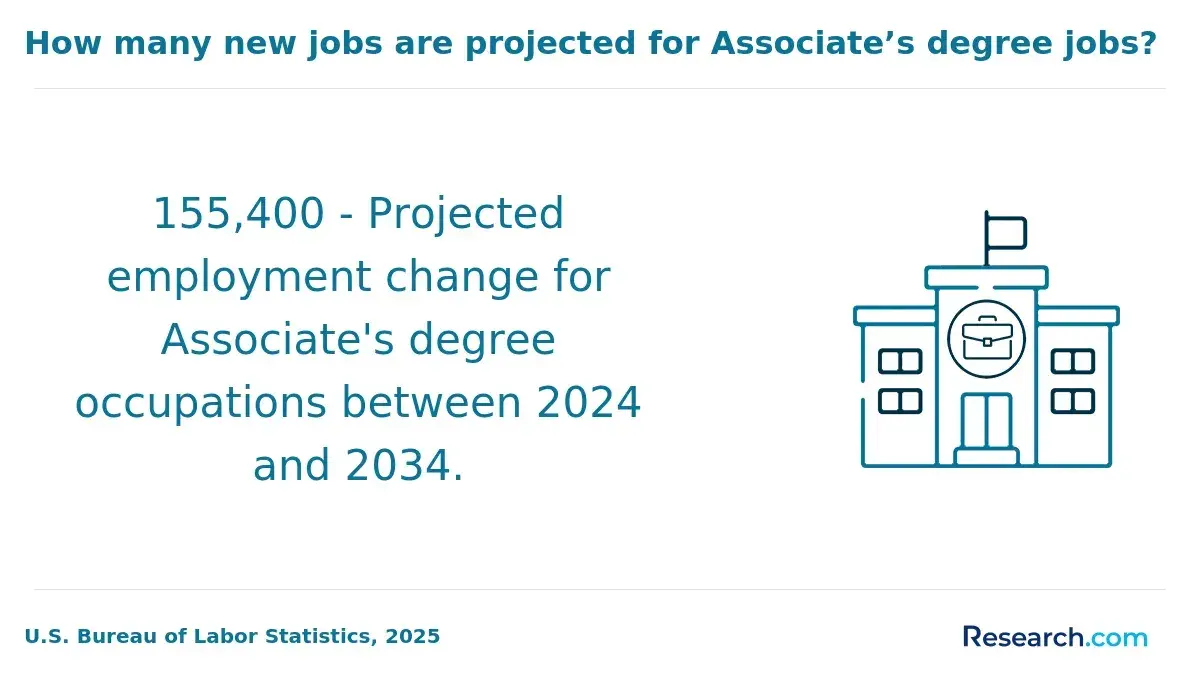
A shortest-track online construction management degree should build practical skills that apply directly to project planning, field coordination, cost control, safety, and team leadership. With an expected employment growth rate of 11% from 2022 to 2032, programs often emphasize job-ready competencies that can be used in contractor, developer, engineering, public works, and facilities environments.
- Construction technology and technical literacy: Students study materials, methods, drawings, specifications, building systems, scheduling tools, estimating software, and project documentation.
- Budgeting and cost control: Coursework typically covers quantity takeoffs, labor and material costs, bids, change orders, cash flow, and cost reporting.
- Scheduling and coordination: Students learn how to sequence work, identify dependencies, manage delays, track progress, and coordinate subcontractors and suppliers.
- Safety and regulatory awareness: Programs introduce safety planning, jobsite risk, compliance responsibilities, and the role of documentation in reducing hazards and liability.
- Critical thinking and problem-solving: Construction projects change quickly. Students practice evaluating constraints, resolving conflicts, and making decisions when cost, time, quality, and safety compete.
- Communication and leadership: Graduates must communicate with owners, architects, engineers, inspectors, subcontractors, vendors, and field teams. Strong written documentation and clear verbal communication are essential.
- Professionalism and time management: Accelerated programs force students to manage deadlines, prioritize work, and maintain accountability—habits that transfer directly to construction roles.
One graduate from a fast online construction management program described the pace as both challenging and useful. Balancing work, family, and coursework required him to prioritize tasks carefully and communicate early when problems came up.
He said the program strengthened his organization and confidence because assignments mirrored the pressure of real project environments. That kind of applied learning is especially valuable for students who want to move from field work or administrative roles into management responsibilities.
Are Cheap and Fast Online Construction Management Degree Programs Considered Legitimate?
Cheap and fast online construction management programs can be legitimate, but students need to verify quality before enrolling. Low tuition may reflect public funding, efficient online delivery, transfer-friendly policies, or accelerated scheduling. It can also signal weak support, poor recognition, or limited academic oversight. Speed and price should be evaluated alongside accreditation and outcomes.
- Accreditation: Legitimate programs should hold regional or recognized institutional accreditation, and some may also have programmatic accreditation relevant to construction education. Accreditation affects credit transfer, financial aid eligibility, graduate school admission, and employer confidence.
- Faculty credentials: Instructors should have relevant academic qualifications, construction industry experience, or both. Faculty with field knowledge can connect theory to project realities.
- Curriculum quality: A credible curriculum covers construction methods, estimating, scheduling, safety, contracts, project management, building codes, and leadership rather than offering only general business courses.
- Licensing and certification alignment: Requirements for licensure and certification vary by role and location. A strong program should explain how its coursework supports professional goals without guaranteeing credentials students have not yet earned.
- Employer recognition: Look for employer partnerships, internship opportunities, advisory boards, alumni outcomes, and job placement support. These signals help show whether the credential has market value.
- Transparent costs and policies: Legitimate schools clearly publish tuition, fees, transfer rules, refund policies, graduation requirements, and student support options.
Students comparing accredited construction management programs should prioritize schools that are transparent about outcomes, course expectations, faculty qualifications, and total cost. Avoid any program that promises a degree with little coursework, refuses to disclose accreditation details, or guarantees employment or salary results.
What Are the Highest-Paying Roles for Online Construction Management Degree Graduates?
Online construction management graduates can pursue several well-paid roles, especially after gaining field experience and proving they can manage budgets, schedules, people, and risk. The degree can support career advancement, but the highest salaries usually require a combination of education, technical competence, leadership ability, certifications, and project experience.
- Construction Manager: Construction managers earn median annual wages around $98,000 according to the U.S. Bureau of Labor Statistics. They oversee schedules, budgets, personnel, subcontractors, safety expectations, and project quality.
- Project Executive: These senior professionals earn salaries well above $120,000 and often manage client relationships, financial performance, staffing strategy, and multiple large projects. This role usually requires extensive experience beyond the degree.
- Cost Estimator: Cost estimators typically earn between $75,000 and $95,000. They analyze drawings, labor, materials, equipment, subcontractor pricing, and market conditions to prepare project budgets and bids.
- Construction Superintendent: Superintendents usually earn salaries within the $75,000 to $95,000 range. They manage daily site operations, coordinate crews, solve field problems, and help keep projects on schedule.
Earning potential depends on geographic location, project size, company type, specialization, and credentials such as PMP or LEED. Students who choose affordable programs—often costing $200 to $400 per credit—and complete them through accelerated pathways may improve return on investment if the degree helps them qualify for higher-responsibility roles sooner. Those considering advanced study can compare options such as the best one-year online master's programs to understand how graduate credentials may fit into a long-term career plan.
For cost-conscious students and career changers, the best strategy is to pair the degree with field exposure, internships, estimating or scheduling experience, and professional certifications aligned with the roles they want.
What Is the Job Placement Rate for Online Construction Management Graduates?
Job placement rates for online construction management graduates can be strong, but they vary by school, region, student experience, and how the institution defines placement. Accredited online programs frequently report job placement statistics for construction management degrees exceeding 85% within six months after graduation, which suggests healthy demand when programs are aligned with employer needs.
- Industry demand: Infrastructure, residential, commercial, and public works projects create ongoing need for managers who can coordinate budgets, schedules, safety, and teams.
- Program reputation: Graduates from accredited and well-known programs may benefit from stronger employer recognition, especially when the curriculum reflects current construction practices.
- Internship and practicum experience: Programs with hands-on components, capstone projects, or employer partnerships can help students build portfolios and professional contacts before graduation.
- Alumni networks: Active alumni groups can connect students with job leads, referrals, mentoring, and industry insight.
- Student background: Learners who already work in construction may use the degree for promotion, while career changers may need internships, entry-level project roles, or assistant project manager positions to build experience.
Salary expectations are favorable, with the U.S. Bureau of Labor Statistics reporting a median annual wage around $98,340 for construction managers, and the top 10% earning above $169,070. Tuition typically ranges from $300 to $600 per credit, with most bachelor's programs completing in about two years. This balance of cost and earning potential can make an online construction management degree a worthwhile investment when the program is reputable and the student has a clear career plan.
Students who want to strengthen their résumé may also explore online certificates that pay well. Certificates in project management, safety, estimating, sustainability, or construction technology can complement a degree, but they should be chosen based on employer demand and career goals.
How Do You Choose the Best Cheap Online Construction Management Degree Program?
The best cheap online construction management degree is not simply the one with the lowest tuition. It is the program that offers a recognized credential, relevant coursework, realistic pacing, strong support, and a total cost that makes sense for your expected career outcome. Tuition typically ranges between $150 and $400 per credit, so small differences in transfer credit, fees, and completion time can significantly affect the final price.
- Verify accreditation first: Choose programs recognized by the American Council for Construction Education (ACCE) or regional accrediting bodies. Proper accreditation supports academic quality, credit transfer, financial aid access, and employer recognition.
- Review the curriculum: Look for core courses in project management, cost estimating, scheduling, construction safety, contracts, building systems, construction law, and legal regulations. Avoid programs that lack construction-specific coursework.
- Compare total cost, not just tuition: Add tuition, fees, books, software, proctoring, residency requirements, and any lost income from reduced work hours. Then subtract confirmed aid, scholarships, employer reimbursement, and accepted transfer credits.
- Check program length and pacing: Many online degrees offer accelerated options that can be finished in 18 to 24 months. Make sure the pace is realistic for your work schedule and family responsibilities.
- Evaluate student support: Strong programs offer academic advising, career counseling, internship guidance, technical help, tutoring, library access, and responsive faculty communication.
- Ask about career outcomes: Review graduation rates, job placement data, internship participation, employer partnerships, and alumni career paths. The U.S. Bureau of Labor Statistics cites a median annual wage near $97,000, with top earners making over $160,000, but individual outcomes depend on location, experience, and role.
- Confirm transfer and prior learning policies: Students with prior credits, military training, industry certifications, or construction experience may be able to reduce both cost and completion time.
A practical shortlist should include three to five programs. For each one, request a degree plan, transfer evaluation, total cost estimate, sample course schedule, and details on career support before applying or enrolling.
What Graduates Say About Their Cheapest and Shortest Online Construction Management Degree
- : "I was looking for a way to accelerate my career without breaking the bank, and this affordable, fast online construction management degree fit perfectly. With tuition around $10,000, it was an investment I could confidently make. Since graduating, I've been promoted twice and now lead project teams with greater expertise. — Justin"
- : "Choosing a rapid online construction management program was a game-changer for me because it balanced cost and quality. Spending under $12,000 on my degree was much more manageable than traditional paths, and the skills I gained have already helped me secure better roles in the industry. Reflecting back, it was definitely worth the commitment. — Winnie"
- : "As a working professional, finding an affordable construction management program that I could complete quickly was essential. At about $9,500 total, the cost was reasonable, and the curriculum was directly relevant to real-world challenges I face daily. This degree has enhanced my professional credibility and opened doors to larger projects. — Sonya"
Other Things You Should Know About Construction Management Degrees
Financial aid for online construction management degrees in 2027 includes federal student loans, grants, scholarships specifically for construction management, and employer tuition assistance. Check with individual programs for specific opportunities and eligibility criteria, as they vary widely across institutions.
To enroll in 2027 online construction management degree programs, applicants typically need a high school diploma or equivalent. Some programs might also require relevant work experience in construction or a related field. Specific prerequisites can vary by institution.
References
- Construction Management online short course | University of Cape Town https://www.uct.ac.za/continuing-education/partners/2u-edx/construction-management
- Construction Management Degrees | Full Guide | FutureLearn https://www.futurelearn.com/info/blog/construction-management-degree-guide
- The 10 Most Affordable Master's in Construction Management Online https://www.geteducated.com/online-college-ratings-and-rankings/masters-in-construction-management-online/
- Online Construction Management Courses https://www.elearningcollege.com/free-online-courses/online-construction-management-courses
- Can You Get a Construction Management Degree Online? - National https://www.national.edu/2022/03/23/can-you-get-a-construction-management-degree-online/
- Construction Management (Ph.D.) (Accelerated Online) https://www.gradcollege.txst.edu/programs/construction-management-phd.html
- Top Online Construction Management Programs | UniAthena https://uniathena.com/top-online-construction-management-programs
- Online Master's in Construction Management (Accelerated) | NEIT https://www.neit.edu/academics/graduate-degrees/construction-management-ms
- Online Construction Management Program | Technology and Occupational Sciences https://nmu.edu/tos/construction-online