
2027 Medical Assisting Degree vs. Certificate: Which Should You Choose?

Co-Founder and Chief Data Scientist
Choosing between a medical assisting degree and a certificate is mainly a question of speed, cost, transferability, and long-term career flexibility. A certificate can help you qualify for entry-level medical assisting work sooner, while an associate degree usually includes broader coursework that may support advancement, credit transfer, or future education.
This guide compares both options in the areas that matter most before enrollment: program length, online availability, admission requirements, credits, tuition, accreditation, jobs, salary expectations, and whether certificate credits may apply toward a degree later. Use it to match the credential to your timeline, budget, and career plan rather than assuming one path is automatically better than the other.
Key Points About Medical Assisting Degree vs. Certificate Programs
- Degree programs often take 1-2 years, offering broader skills and higher salary potential-certificates typically require less time and focus on essential clinical tasks.
- Graduates with degrees have better prospects for advancement into supervisory or specialized roles compared to certificate holders.
- Certificate programs prioritize quick entry into the workforce, while degrees include coursework that enhances critical thinking and administrative expertise.
What Are the Differences Between Medical Assisting Degree and Certificate Programs?
The main difference is scope. A medical assisting certificate is typically built for faster workforce entry, with coursework focused on core clinical and administrative duties. A medical assisting degree usually takes longer because it adds general education and broader healthcare coursework, which may help with advancement or future academic plans.
Both credentials can prepare students for medical assisting roles, but they serve different priorities. If you need to start working quickly, a certificate may be the practical choice. If you want a stronger academic foundation and more flexibility later, a degree may be worth the added time and cost.
| Factor | Medical Assisting Certificate | Medical Assisting Degree |
| Primary goal | Fast preparation for entry-level medical assisting work | Broader preparation for clinical, administrative, and possible advancement roles |
| Time commitment | Shorter and more focused | Longer because it includes additional coursework |
| Coursework | Emphasizes practical medical assisting skills | Combines medical assisting courses with general education |
| Cost | Often lower because the program is shorter | Often higher because the program requires more credits and time |
| Best fit | Students who want to enter the workforce quickly | Students who want a more complete academic credential or may continue their education |
- Choose a certificate if speed matters most. Certificate programs are usually designed around the essential skills employers expect from entry-level medical assistants, such as patient intake, basic clinical procedures, records support, and front-office tasks.
- Choose a degree if you want a broader credential. Associate degree programs generally include additional coursework in areas such as communication, math, anatomy, medical office procedures, and healthcare systems.
- Think beyond the first job. A certificate may be enough for immediate employment, but a degree may be more useful if you later want supervisory duties, more transferable credits, or a foundation for additional healthcare education.
- Compare programs, not just credential names. Accreditation, externship quality, certification exam eligibility, employer relationships, and total cost can matter more than whether the credential is labeled “certificate,” “diploma,” or “degree.”
How Long Does It Take to Complete a Medical Assisting Degree vs. a Certificate Program?
A medical assisting certificate is usually the faster option. Completing a medical assistant certificate program length generally takes about 9 to 12 months of full-time study. An associate degree in medical assisting usually requires 18 to 24 months of full-time study because it includes more credits and general education courses.
Program length can vary by school, enrollment status, format, and whether the curriculum includes an externship or practicum. For example, United Career Institute's Clinical Medical Assistant associate degree is designed to finish in 18 months, while their diploma program takes 12 months.
| Program type | Typical full-time timeline | Why it takes that long |
| Certificate or diploma | About 9 to 12 months | Focused curriculum centered on medical assisting skills |
| Associate degree | About 18 to 24 months | Medical assisting coursework plus general education requirements |
- Full-time study is the fastest route. Students who take a full course load can usually complete a certificate or degree in the shortest advertised timeframe.
- Part-time study extends the timeline. Working students, caregivers, and those taking fewer courses per term should expect completion to take longer.
- Online or hybrid courses may improve scheduling. Flexible formats can make a program easier to complete, but they do not always reduce total credit or clinical requirements.
- Transfer credits can help degree students. Prior college coursework may shorten an associate degree if the school accepts those credits toward general education or program requirements.
- Externships can affect timing. Even when classes are online, clinical placements may follow site availability, health documentation deadlines, and background check clearance.
If your main question is how long to get a medical assisting associate degree, plan for the longer 18 to 24 month path unless you have transferable credits or an accelerated schedule. If you want the fastest route into the field, certificate programs are usually the shorter option. For a broader look at short career-focused credentials, see certificates that can lead to strong earning potential.
Can You Complete a Medical Assisting Degree or Certificate Entirely Online?
Some medical assisting coursework can be completed online, but students should be careful with the phrase “entirely online.” Medical assisting is a hands-on healthcare occupation, so many accredited programs require in-person labs, externships, practicums, or supervised clinical experiences before graduation or certification eligibility.
Online certificate options do exist. Davenport University offers a one-year program, and Barton County Community College offers a three-term certificate with academic coursework that can be completed remotely. Some programs, such as the CCMA certificate at Advanced Clinical Training, can be finished entirely online within 6-8 weeks and may include optional externship placements.
Degree programs are more likely to use a hybrid structure. Davenport University, for example, requires 560 contact hours and a 180-hour practicum on-site. South College also requires supervised practicum experiences before graduation. These requirements exist because medical assistants must learn patient-facing procedures, safety practices, documentation workflows, and clinical communication in realistic settings.
What to verify before choosing an online program
- Clinical requirements: Ask whether labs, externships, or practicums are required and where they take place.
- Certification eligibility: Confirm whether completing the program qualifies you for the certification exam you plan to take.
- Accreditation: Check whether the program is accredited by a recognized body relevant to medical assisting education.
- State and employer expectations: Requirements can vary by location and workplace, especially for hands-on duties.
- Placement support: If an externship is required, ask whether the school arranges placements or expects students to find their own sites.
A fully online medical assistant certificate program may be convenient, but convenience should not be the only deciding factor. A program that lacks meaningful hands-on preparation may be less useful when applying for jobs or sitting for certification. For readers comparing online education options more broadly, this guide to the best degree programs for seniors online can help frame questions about flexibility and program quality.
Breakdown of All Fully Online Title IV Institutions

Medical assisting certificate and degree programs usually have accessible admissions standards, but degree programs may involve more steps because they are offered through colleges and include broader academic requirements. In both cases, students should expect documentation requirements before clinical training, especially immunizations and background checks.
Admission Requirements for Medical Assisting Degree Programs
- Educational background: Most degree programs require a high school diploma or GED.
- College application: Applicants typically submit a formal application to the college or university offering the associate degree.
- Transcripts: Official high school transcripts are commonly required to verify academic history.
- Placement tests: Some schools require placement exams in subjects such as math or English to determine the correct course level.
- Immunizations and background check: These are often required before students can enter clinical labs, externships, or practicum settings.
- Prerequisite courses: Some programs may require or recommend courses such as biology or health sciences before admission to the major or clinical portion.
Admission Requirements for Medical Assisting Certificate Programs
- Educational background: Most certificate programs require a high school diploma or GED.
- Program application: Applicants usually apply through a technical school, community college, or career college.
- Transcripts: High school transcripts may be requested, although some certificate programs have a simpler documentation process.
- Immunizations and background check: These may be required before externships or other patient-facing experiences.
- No prerequisite courses: Many certificate programs do not require prior college coursework, which can make them accessible to students entering healthcare for the first time.
| Requirement | Certificate program | Degree program |
| High school diploma or GED | Usually required | Usually required |
| Formal college admission | May be simpler | Commonly required |
| Placement testing | Less common | May be required |
| Prerequisites | Usually not required | May be required by some schools |
| Clinical clearance | Often required before externship | Often required before practicum or clinical work |
Before applying, ask whether admission to the school is separate from admission to the medical assisting program. Also confirm whether clinical placement depends on background check results, drug screening, immunization records, CPR training, or health documentation. Students thinking beyond medical assisting may also want to compare longer-term education investments, including bachelor's degrees associated with higher pay.
Medical assisting degree programs require more credits than certificate programs because they include both career training and general education. An associate degree usually requires around 60 semester credit hours. A certificate or diploma typically requires between 36 and 40 credit hours.
- Associate degree: Usually around 60 semester credit hours, combining medical assisting courses such as anatomy and clinical procedures with general education classes such as English and math.
- Certificate or diploma: Typically between 36 and 40 credit hours, with coursework focused mainly on practical medical assisting skills and fewer general education requirements.
The credit difference matters because it affects tuition, time in school, workload, and transfer options. A lower-credit certificate may help you graduate and start working sooner. A higher-credit associate degree may be more useful if you later want to transfer credits, pursue another healthcare credential, or qualify for roles that prefer broader education.
- Medical assisting certificate student: "I appreciated that the certificate was focused and did not include unrelated classes. It was intense, but knowing I could complete it in less time helped me stay motivated during difficult weeks. The shorter credit load made it easier to balance work, family, and school while preparing for an entry-level healthcare role."
When comparing credit requirements, do not look only at the total. Review the course list. A 36-credit certificate with a strong externship and certification preparation may be more valuable than a longer program with weak clinical support. Likewise, a 60-credit degree may be a better fit if its general education courses can transfer into a future program.
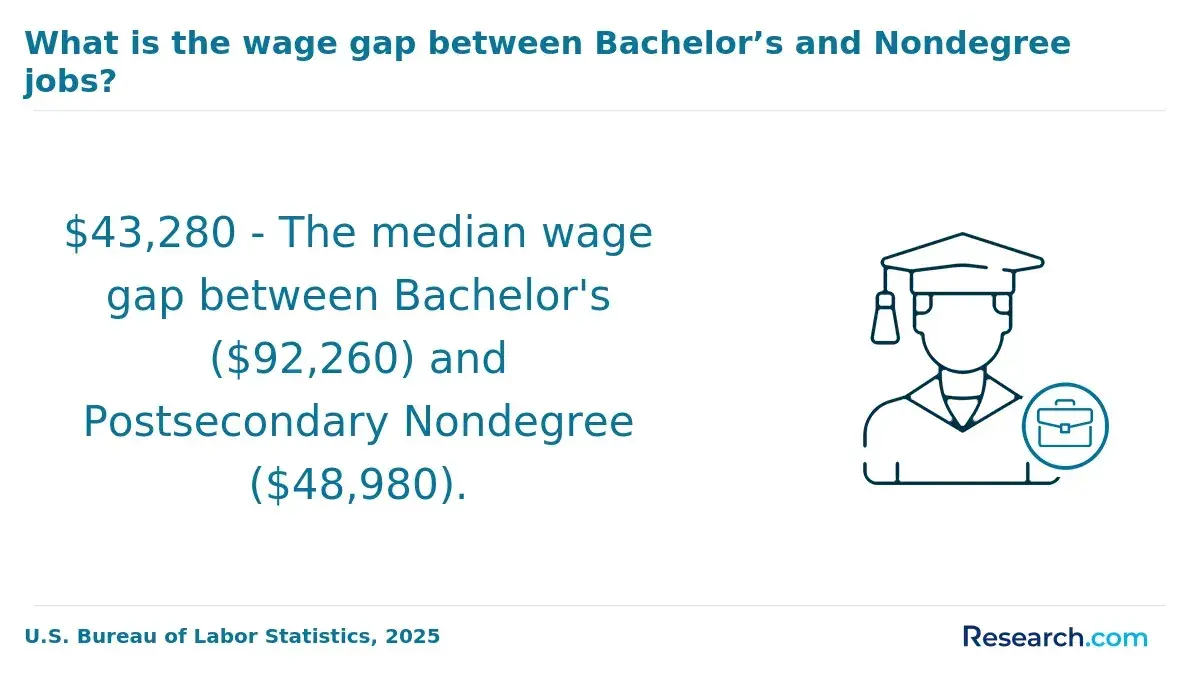
Medical assisting certificates usually cost less than associate degrees because they require fewer credits and less time in school. The average cost for earning an associate degree in medical assisting ranges from $10,000 to $40,000, with some private or out-of-state programs reaching up to $60,000. Certificate programs generally cost between $1,500 and $15,000, depending on the school, format, and length.
Average Tuition for Medical Assisting Degree Programs
- Tuition range: The average cost for an associate degree in medical assisting ranges from $10,000 to $40,000, with some private or out-of-state programs reaching up to $60,000.
- Institution type: Public community colleges are often more affordable than private colleges and universities.
- Program length: Degree programs typically require two years of full-time study, which increases total cost compared with shorter certificate routes.
- Additional fees: Students may pay for lab fees, textbooks, uniforms, supplies, background checks, immunizations, and certification exams.
- Location impact: In-state students at public institutions usually pay less than out-of-state students.
Average Tuition for Medical Assisting Certificate Programs
- Tuition range: Certificates generally cost between $1,500 and $15,000, making them the lower-cost option in many cases.
- Community college programs: Many community colleges offer certificate programs priced from $2,000 to $5,000.
- Vocational and private schools: Technical and vocational schools usually charge between $8,000 and $12,000, sometimes exceeding $15,000 in large metropolitan areas.
- Program duration: Certificate programs are shorter, typically lasting 6-12 months, which can reduce tuition and living expenses while in school.
- Online and hybrid options: Online or hybrid certificates may range from $3,000 to $10,000, depending on the provider and required clinical components.
| Cost factor | Certificate | Associate degree |
| Typical tuition range | $1,500 and $15,000 | $10,000 to $40,000 |
| Lower-cost option | Often community colleges at $2,000 to $5,000 | Often public in-state community colleges |
| Higher-cost option | Technical and vocational schools between $8,000 and $12,000, sometimes exceeding $15,000 in large metropolitan areas | Private or out-of-state programs, with some reaching up to $60,000 |
| Typical duration | 6-12 months | Two years of full-time study |
When comparing tuition, calculate the full cost of attendance rather than tuition alone. Ask whether books, supplies, scrubs, exam fees, insurance, background checks, and clinical requirements are included. A cheaper program is not always the better value if it lacks accreditation, certification exam eligibility, or externship support. For more examples of shorter education paths with potential workforce returns, review these fast degree options that may lead to well-paying careers.
You may be able to transfer certificate credits toward a medical assisting degree later, but it is never automatic. Transfer decisions depend on the receiving school’s policies, the accreditation of the original program, course content, grades earned, credit type, and how closely the certificate courses match degree requirements.
Schools often look more favorably on credits from accredited programs, including programs recognized by CAAHEP or ABHES. Even then, some courses may transfer only as electives, while others may not transfer at all if the course objectives, contact hours, or clinical requirements do not match the degree curriculum.
Questions to ask before enrolling in a certificate program
- Is the certificate program accredited? Accreditation can affect transferability, certification eligibility, and employer recognition.
- Does the school have articulation agreements? Some colleges have formal pathways that show exactly how certificate credits apply to a degree.
- What grades are required for transfer? Colleges may require a minimum grade before accepting credits.
- Is there a credit transfer limit? Many institutions cap how many certificate credits can be applied toward an associate degree.
- Will clinical courses transfer? Hands-on courses may be harder to transfer if requirements differ between schools.
- What documentation is needed? Keep syllabi, transcripts, course descriptions, externship records, and program handbooks.
The safest approach is to contact the degree-granting institution before starting the certificate. Ask for a written explanation of what may transfer, what will not, and whether transfer credit decisions are final or subject to review after admission.
- Medical assisting graduate: "After finishing my medical assisting certificate, I had to gather transcripts, course descriptions, and program documents before the college could evaluate my credits. Several core courses transferred, but some did not because the course objectives were different. I wish I had asked about transfer policies before enrolling."
If you already know you want a degree eventually, compare certificate programs based on transfer pathways, not just speed. A certificate that costs slightly more but has a clear bridge to an associate degree may save time and money later.
Medical assisting certificate programs and degree programs can both be accredited, but they are not always accredited in the same way or with the same consistency. The important question is not whether the credential is a certificate or a degree; it is whether the specific program meets recognized standards and supports certification eligibility.
The Commission on Accreditation of Allied Health Education Programs (CAAHEP) and the Accrediting Bureau of Health Education Schools (ABHES) are the primary organizations associated with medical assisting program quality. Graduating from an accredited program is commonly required to take national certification exams like the CMA.
Accreditation can affect several practical outcomes:
- Certification eligibility: Some national credentials require completion of an accredited program.
- Employer confidence: Employers may prefer graduates from programs with recognized quality standards.
- Credit transfer: Colleges are more likely to evaluate credits from accredited institutions and programs.
- Clinical training quality: Accredited programs are more likely to have structured expectations for labs, practicums, externships, and competencies.
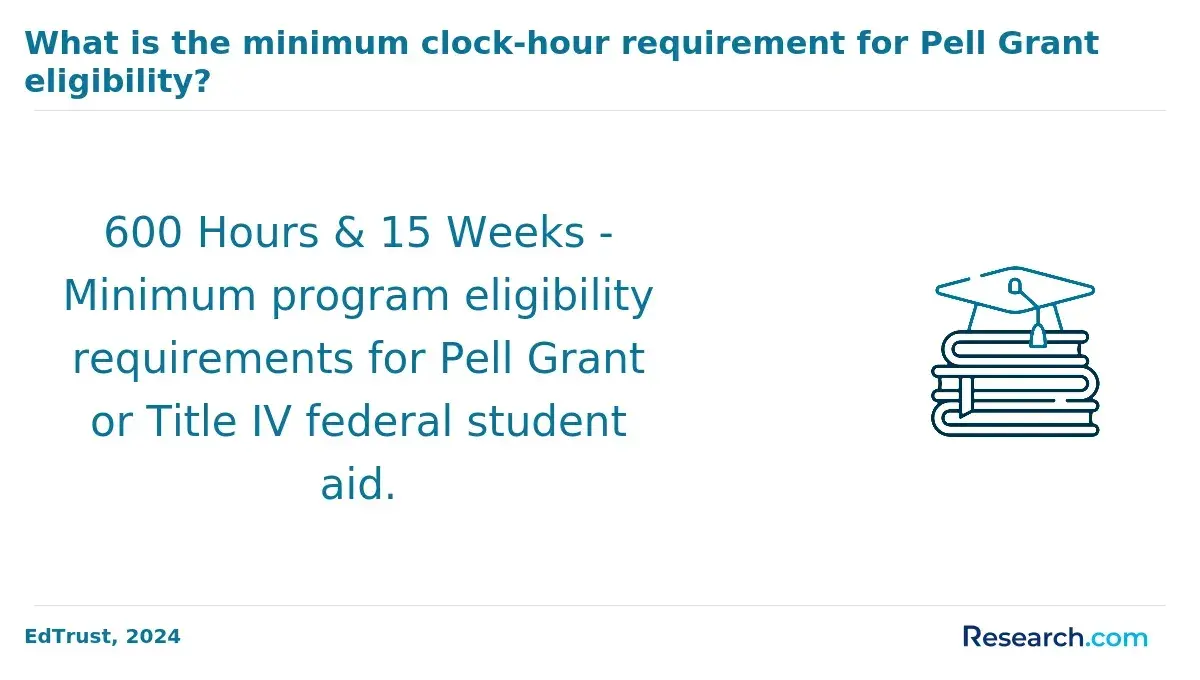
- Financial aid access: Institutional and program status can affect whether students qualify for certain forms of aid.
Prospective students should verify accreditation directly through CAAHEP or ABHES rather than relying only on marketing language. Also check whether the program is recognized by certifying organizations such as the American Association of Medical Assistants (AAMA) or the American Medical Technologists (AMT). Ask the school for certification exam pass rates, graduate employment outcomes, externship placement information, and any recent accreditation actions.
A common mistake is assuming that a school’s general accreditation automatically means the medical assisting program has the specific accreditation needed for certification. Confirm both institutional accreditation and program-level recognition before enrolling.
Both a medical assisting certificate and an associate degree can lead to entry-level medical assisting roles. The difference is that a degree may provide broader preparation for leadership, administrative responsibility, or specialized settings, while a certificate is usually aimed at faster entry into standard clinical and front-office positions.
Jobs You Can Get with a Medical Assisting Degree
- Lead medical assistant: Supports daily clinical workflow, assists providers, and may help coordinate other medical assistants.
- Clinical team leader: Helps organize clinical staff activities and patient service processes in a healthcare setting.
- Medical office manager: Handles administrative leadership duties such as scheduling, billing coordination, office procedures, and staff support.
- Patient care coordinator: Helps patients navigate appointments, provider communication, follow-up instructions, and care plans.
- Specialized medical assistant: Works in specialty clinics and may perform more focused clinical or administrative tasks depending on employer training and policy.
Jobs You Can Get with a Medical Assisting Certificate
- Medical assistant (clinical and administrative): Performs routine patient care support and office tasks in outpatient clinics, physician offices, and similar settings.
- Certified medical assistant: Uses certification to demonstrate competency for clinical and administrative duties, depending on exam eligibility and employer requirements.
- Medical office assistant: Supports front-office operations, including scheduling, patient intake, records, and communication.
- Administrative medical assistant: Focuses on clerical and office responsibilities within healthcare facilities.
| Credential | Common job direction | Best suited for |
| Certificate | Entry-level clinical and administrative medical assisting roles | Students who want to enter the workforce quickly |
| Associate degree | Medical assisting roles with broader administrative, coordination, or leadership potential | Students who want more advancement flexibility |
Job titles vary by employer, state rules, clinic size, and certification status. Before choosing a program, review job postings in your area and note what employers request: certification, accredited program completion, externship experience, electronic health record skills, phlebotomy experience, or prior patient care exposure.
Starting salary can differ by credential, location, employer, certification, and experience. Medical assisting certificate graduates in the U.S. typically start from $34,000 to $38,000 per year, or about $16-$18 per hour. Graduates with an associate degree in medical assisting often start higher, between $40,000 and $44,000 annually ($19-$21 per hour), approaching the national average for all medical assistants.
| Credential | Typical starting salary | Typical hourly equivalent |
| Medical assisting certificate | $34,000 to $38,000 per year | About $16-$18 per hour |
| Associate degree in medical assisting | $40,000 and $44,000 annually | $19-$21 per hour |
- Credential type matters, but it is not the only factor. Some employers may value the broader preparation of an associate degree, while others focus more on certification, experience, and demonstrated skills.
- Experience can raise starting offers. Internships, externships, prior healthcare work, and strong references can make a new graduate more competitive.
- Location affects pay. Metropolitan areas may offer higher wages, though cost of living can also be higher.
- Work setting matters. Pay can vary between physician offices, outpatient centers, specialty clinics, hospital-affiliated practices, and large healthcare systems.
- Career outlook is favorable. Medical assistants are expected to see 12% growth from 2024 to 2034, well above average for other occupations.
A certificate may produce a faster return because it costs less and takes less time. A degree may support higher starting pay and better advancement options, but it also requires a larger upfront investment. Compare total tuition, time out of the workforce, financial aid, and local employer preferences before deciding. For broader salary comparisons in career-focused education, see this overview of high-paying trade school jobs.
Here's What Graduates of Medical Assisting Programs Say About Their Degree or Certificate
- Caden: "The medical assisting certificate was the right choice for me because I needed a focused route into healthcare without spending extra time in school. The pace was demanding, but the lower cost and shorter timeline made it realistic while I was working. I knew a degree might help later, but the certificate helped me get started."
- Hank: "My medical assisting degree gave me more than basic clinical training. I studied administrative processes, communication, and broader healthcare topics that helped me feel more prepared in the workplace. It took longer and cost more, but I viewed it as an investment in long-term career growth."
- Colton: "After completing both a certificate and a degree, I can see why each option works for different goals. The certificate helped me build practical skills quickly, while the degree gave me a wider understanding of healthcare operations and helped me pursue more responsibility. The best choice depends on your budget, timeline, and where you want the credential to take you."
Other Things You Should Know About Medical Assisting Degrees
Yes, if the certificate comes from a postsecondary medical assisting program accredited by CAAHEP or ABHES and includes the required coursework and clinical practice. The CMA (AAMA) credential is awarded by the American Association of Medical Assistants after passing the national exam.
In 2027, pursuing a medical assisting degree typically costs more than obtaining a certificate, as degree programs often span longer durations with more comprehensive coursework. Certificates, being shorter, generally incur lower tuition fees, making them a more cost-effective option for those seeking to enter the workforce quickly.
- How Much Do Medical Assisting Programs Cost? - Delta Technical College https://www.deltatechnicalcollege.com/resources/how-much-do-medical-assisting-programs-cost/
- Medical Assistant Career: Duties, Certification, Programs https://www.bryantstratton.edu/careers/medical-assistant/
- Medical Assisting Certification vs. Accredited Degree: Which Is Better for Your CMA Career | Bryan University Online© https://bryanuniversity.edu/faq/medical-assisting-certification-vs-accredited-degree-which-is-better-for-your-cma-career/
- Types of Medical Assistant Certifications | CHCP https://www.chcp.edu/blog/medical-assistant-certification-how-to-choose/
- Medical Assisting Degree Vs. Diploma | United Career Institute | November 2025 https://unitedcareer.edu/medical-assisting-degree-vs-diploma/
- Medical Assisting Advanced A.S. | EFSC Health Sciences https://www.easternflorida.edu/academics/health-nursing/medical-assisting-advanced/index.php
- Certification vs Degree Programs – What’s the Best Fit for You? https://pmi.edu/blog/certification-vs-degree-programs-whats-the-best-fit-for-you/
- How To Become A Medical Assistant | NurseJournal.org https://nursejournal.org/careers/medical-assistant/how-to-become/
- Medical Assistant Associate Degree vs. Diploma https://www.medicaltechnologyschools.com/medical-assistant/degree-vs-diploma
- Become a Certified Medical Assistant: Certificate Program https://mwcc.edu/academics/certificate/medical-assisting/


