
2027 Best Medical Assisting Degrees for Working Adults

Co-Founder and Chief Data Scientist
Balancing a full-time job with pursuing education can overwhelm many working adults aiming for a medical assisting degree. Approximately 70% of adult learners report flexibility as their top priority when choosing a program. Without adaptable schedules or online options, career advancement stalls, prolonging time to certification.
The medical assisting field is projected to grow 19% by 2031, intensifying competition for certified professionals. This article examines the best medical assisting degrees designed for working adults, focusing on flexible, accredited programs that accommodate busy schedules and foster career growth in healthcare support roles.
Key Things to Know About Medical Assisting Degrees for Working Adults
- Many programs offer flexible scheduling and online or hybrid formats, enabling working adults to balance education with job and family responsibilities.
- Accelerated medical assisting degrees reduce time to completion, allowing faster entry or advancement in healthcare roles.
- Employers increasingly value relevant clinical experience and certifications from accredited programs, enhancing job placement and career growth opportunities.
What Are the Best Medical Assisting Degrees for Working Adults?
The best medical assisting degrees for working adults vary based on schedule flexibility, career alignment, and return on investment. Many busy professionals benefit from programs that allow part-time enrollment or online education, enabling them to balance full-time jobs and personal commitments while advancing their skills. One notable trend is the increasing availability of hybrid and remote learning options tailored to adult learners.
Below are several medical assisting degree options especially suited for employed students seeking the best medical assisting degrees for working adults and top accredited medical assisting programs for busy professionals.
- Associate Degree in Medical Assisting: Provides comprehensive clinical and administrative training through flexible online or hybrid formats, allowing students to study at their own pace while gaining hands-on experience relevant to multiple healthcare settings.
- Certificate in Medical Assisting: Offers focused, shorter programs to quickly develop core clinical skills, ideal for those aiming to enter or re-enter the workforce rapidly without sacrificing current job responsibilities.
- Specialization in Electronic Health Records: Emphasizes mastering digital documentation, aligning with the rising demand for tech-savvy medical assistants and increasing employability in modern healthcare environments.
- Medical Office Administration: Combines medical knowledge with office management skills, perfect for those pursuing administrative roles that often feature more predictable hours and remote work possibilities.
- Phlebotomy Certification within Medical Assisting: Adds highly practical skills in blood collection, providing a short-term credential that enhances job opportunities without extensive time commitments.
Programs designed for working adults typically offer evening, weekend, or online coursework, ensuring flexibility while delivering practical curricula tailored for healthcare careers. These options support career advancement and accommodate the demands faced by adult learners enrolled in top accredited medical assisting programs for busy professionals.
For those considering broader healthcare education, exploring a related pharmacy degree online can also complement a medical assisting background and open additional career pathways.
What Are the Admission Requirements for Working Adults in Medical Assisting Degree Programs?
Admission requirements for working adults in medical assisting degree programs often differ from those for traditional students, as many adult learners balance education with full-time employment and other responsibilities. Recent statistics reveal that nearly 40% of graduate students in the U.S. enroll part-time, reflecting the growing need for flexible eligibility criteria tailored to non-traditional students.
Several key factors shape medical assisting degree eligibility criteria for adult learners. These considerations help accommodate the unique circumstances of working professionals seeking career advancement or a career change. Common admission requirements include:
- Relevant Prior Work Experience: Experience in healthcare or related fields can strengthen applications and sometimes substitute for formal prerequisites, acknowledging the practical skills adult learners bring.
- Adjusted GPA Expectations: Programs may relax minimum GPA requirements to account for professional experience and diverse academic backgrounds common among working adults.
- Standardized Test Waivers: Many programs increasingly waive standardized testing for applicants who demonstrate significant work experience or prior academic success.
- Professional Recommendations: Letters from employers or supervisors that speak to a candidate's abilities and work ethic often play a crucial role in admissions decisions.
- Flexible Enrollment Options: Part-time status, evening classes, or online coursework are typically available to accommodate demanding work schedules and personal commitments.
For those interested in accelerated timelines, there are options like medical assistant degree online 6 weeks programs which provide intensive, flexible paths tailored for working adults. Carefully evaluating admission requirements can help prospective students identify the best path to achieve their medical assisting career goals.
What Coursework Is Required in Medical Assisting Degree Programs for Working Adults?
Medical assisting coursework for working adults is designed to balance career relevance, practical skills, and flexible learning formats that accommodate full-time employment. Over 60% of students in these programs are adults seeking career advancement, highlighting the demand for accessible education tailored to busy schedules. Programs often offer online or hybrid courses to support this group.
Below are common required classes in medical assisting degree programs that equip students with skills applicable to healthcare settings.
- Medical Terminology: Introduces essential healthcare language to enable clear communication with professionals and patients. This is vital for working adults to quickly interpret medical documentation and instructions in fast-paced environments.
- Clinical Procedures: Focuses on practical skills such as taking vital signs, administering injections, and assisting with examinations. These hands-on competencies prepare students for immediate job readiness and enhance patient care capabilities.
- Health Record Management: Covers electronic health records and proper documentation standards. Mastery of this area helps working professionals efficiently manage patient information while adhering to privacy regulations.
- Pharmacology: Explains medication types, dosages, and administration protocols. These skills support safe assistance in medical settings and open opportunities for expanded responsibilities.
- Medical Office Administration: Develops expertise in scheduling, billing, and insurance processing, empowering students to handle critical front-office functions and increase their value within healthcare facilities.
Adult learners exploring these programs often compare options like nursing schools that are easy to get into to find the best fit for their career goals.
The time required to complete a medical assisting degree while maintaining a full-time job varies due to multiple personal and educational factors. On average, working adults take about 18 months to finish this program, though individual timelines can range from one to two years or more. Several key elements influence how long it takes to graduate.
Factors affecting duration include:
- Program Format: Many students choose online or hybrid courses for flexibility, but these formats can sometimes extend the overall timeline compared to traditional on-campus programs that follow a full-time schedule.
- Course Load: Balancing work and study often means enrolling part-time, which naturally lengthens completion time. Those who can dedicate more hours might finish faster.
- Prior Credits: Transferable college credits or relevant certifications can reduce the number of required courses, helping some students accelerate their progress.
- Work Schedule: Demanding or irregular hours can necessitate lighter semesters or breaks, delaying graduation. A predictable work routine may enable more consistent course completion.
- Accelerated Options: Some programs offer intensive tracks allowing faster completion, but these require strong commitment and time management skills.
A professional who finished an online medical assisting degree while working shared that navigating full-time employment alongside coursework was challenging but manageable with discipline. He noted, "There were moments when balancing work deadlines and studying felt overwhelming, especially during practical assignments."
To cope, he set strict weekly goals and relied heavily on the program's online resources and support networks. His experience highlighted how self-motivation and structured planning are key to successfully completing the degree within a tight schedule.
For employed students, the cost of a medical assisting degree is a major concern because balancing tuition with work and personal expenses can be challenging. Enrollment in part-time health programs, including medical assisting, has grown by about 15% over the last five years, reflecting the rising demand for affordable, flexible education options.
Several key factors determine the total cost of a medical assisting degree for working adults:
- Tuition per Credit: Rates for each credit hour vary widely by institution and state, affecting overall affordability. Higher per-credit costs increase total expenses, especially for extended programs.
- Program Length: Accelerated courses usually cost less upfront but require heavier time commitments, while lengthier programs spread tuition over more months, easing financial pressure but potentially increasing total costs.
- Additional Fees: Beyond tuition, expect charges for registration, technology access, and lab use. These mandatory fees add to the overall price and differ based on program delivery and school policies.
- Textbooks and Supplies: Required materials depend on course format; online learners might face fewer physical textbook costs but still need digital resources, which can quickly add up.
- Delivery Format: Online programs often save money on commuting and offer flexible pacing, yet on-campus options might involve extra fees for facilities or parking. Choosing the right format influences final expenses.
Many working adults can offset costs through employer tuition assistance or scholarships aimed at adult learners, making medical assisting degrees more attainable while continuing full-time employment.
Financial aid plays a vital role for adults balancing work, studies, and family while pursuing medical assisting degrees. Access to support can ease financial pressures and help maintain focus on education amidst competing responsibilities. Several tailored assistance options exist to meet the needs of busy learners.
Key financial aid options include:
- Federal Financial Aid: This encompasses grants, loans, and work-study programs that depend on demonstrated financial need. Adult students typically apply through FAFSA to qualify for these funds, which can significantly offset college costs.
- Employer Tuition Assistance: Many workplaces encourage continuing education by offering tuition reimbursement or assistance plans. Eligibility is employer-dependent and often requires commitment to remain employed during or after the program.
- Scholarships for Adult Learners: Targeted scholarships exist specifically for non-traditional students, often rewarding academic performance, career aspirations, or community involvement relevant to healthcare fields.
- Grants: Grants provide financial support without the need for repayment, frequently based on merit or need. State agencies and local organizations sometimes offer grants tailored for adults pursuing healthcare training.
- Payment Plans and Tax Benefits: Flexible installment plans allow spreading tuition payments over time, lessening upfront financial strain. Additionally, tax credits such as the Lifetime Learning Credit offer ways to reduce the overall expense burden.
A professional who earned her Medical Assisting degree while working reflected on her journey, sharing how complicated managing finances felt at first. "Balancing shifts, family needs, and tuition deadlines was stressful," she explained. She stressed the importance of persistence and using all available resources. "Employer tuition assistance covered a big chunk, which kept me motivated," she noted.
Managing deadlines for FAFSA and scholarships was overwhelming, but careful planning helped. Her advice: "Stay organized, ask questions often, and don't hesitate to seek help from financial aid offices-they really made a difference in making education affordable." This firsthand experience highlights how navigating financial paths, though challenging, can be empowering and lead to rewarding career growth.
Balancing coursework with full-time employment and personal commitments presents unique challenges for working adults enrolled in Medical Assisting programs. Institutional support services play a vital role in helping these students manage their responsibilities and remain on track academically.
- Flexible Scheduling: Provides options such as evening, weekend, and online classes, allowing students to tailor their studies around busy work and family lives. This flexibility helps prevent conflicts and reduces dropout rates.
- Academic Advising: Offers personalized guidance to help students select appropriate courses and map out career objectives. Regular advising sessions boost motivation and ensure steady progress toward certification or degree completion.
- Tutoring Support: Delivers targeted assistance with challenging subjects to strengthen understanding and build confidence. This service improves retention and academic success by addressing individual learning needs.
- Mental Health Resources: Access to counseling and stress management tools supports emotional well-being. Encouraging resilience helps students maintain focus and balance throughout demanding program requirements.
- Career Services: Equips students with job search strategies, resume development, and interview preparation tailored to Medical Assisting roles. These resources enhance readiness for workforce entry or advancement after graduation.
Accreditation confirms that medical assisting programs meet established educational standards, ensuring students acquire the necessary skills and knowledge for the field. For working adults, this credential is vital because employers favor graduates from accredited programs, recognizing their training as credible and industry-relevant.
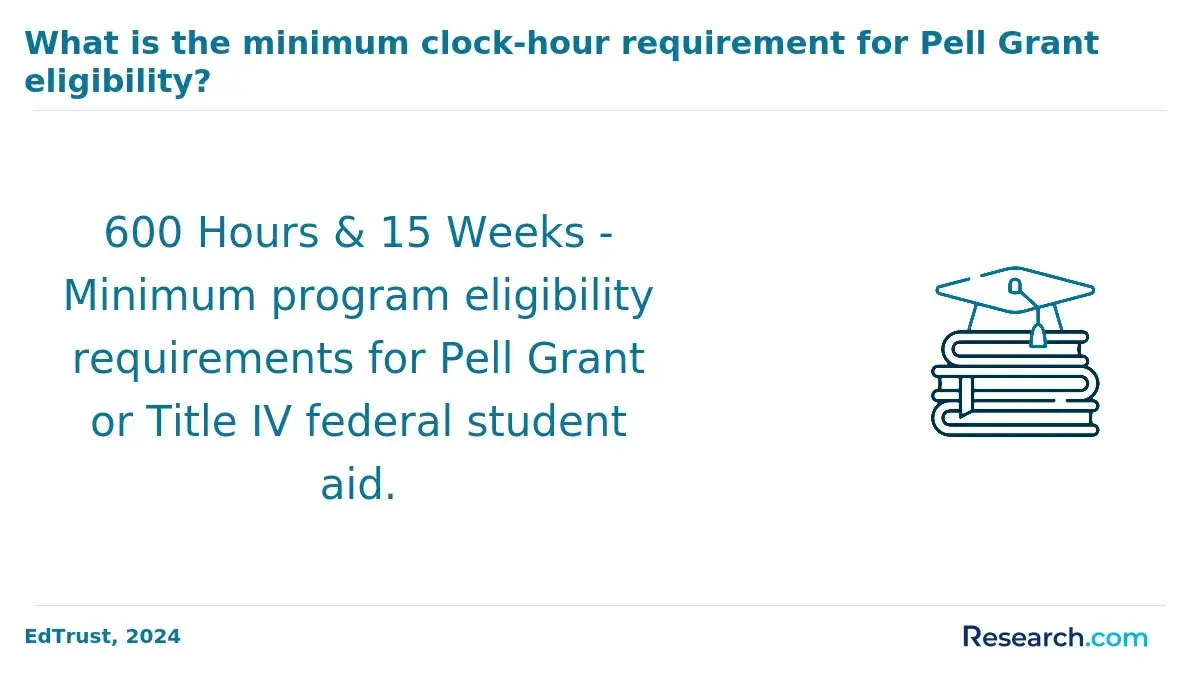
Attending an accredited program also often qualifies students for federal financial aid, which can be a critical support for adults balancing work and family commitments. Currently, over 40% of graduate students in the U.S. are adult learners, reflecting a growing need for flexible, accredited programs tailored to their schedules.
The long-term benefits of accreditation include smoother credit transfer between schools, allowing students to continue their education without setbacks. It also ensures eligibility for licensure and certification exams that many medical assisting roles require. Furthermore, accredited degrees commonly hold more weight with employers and professional bodies, enhancing career growth opportunities for working adults committed to advancing in their field.
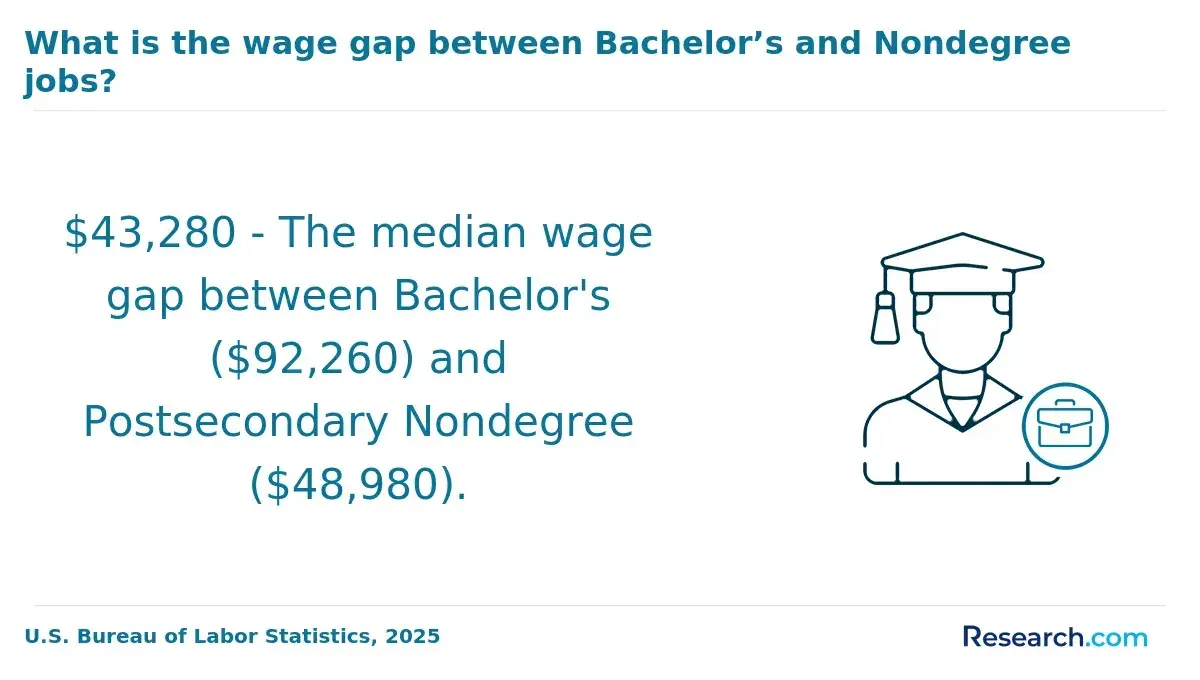
Salary growth is a major motivator for working professionals considering a medical assisting degree, as it enhances financial stability while balancing full-time employment. The median annual wage for medical assistants is around $38,000, but those with formal degrees and certifications often see salaries exceeding $45,000, reflecting the potential for a significant medical assisting degree salary increase.
- Industry Demand: Healthcare facilities experiencing staffing shortages tend to offer more competitive wages for qualified medical assistants. This demand creates opportunities for degree holders to negotiate higher pay due to their credentialed skills.
- Role Advancement: Medical assisting degree holders are more likely to access supervisory or specialized roles. These positions typically come with better pay and contribute to career growth with medical assisting degree credentials.
- Employer Policies: Wage increases often depend on how much employers prioritize formal education and certifications. Some organizations reward credentials more heavily, while others base pay largely on tenure or experience.
- Experience and Education: Combining years of hands-on experience with a formal degree generally results in incremental salary increases. This blend enhances an individual's value and eligibility for pay raises over time.
- Specialization: Focus areas within medical assisting, such as clinical duties, administration, or specific medical fields, can further influence earning potential. Specializing often aligns with higher-paying responsibilities.
Working adults seeking flexibility in their education often benefit from programs that allow them to earn credentials without sacrificing income. For those interested in advancing their careers through an accredited pathway, exploring options like an affordable healthcare administration degree online can also complement medical assisting qualifications and support long-term career growth.
A medical assisting degree enables working adults to qualify for higher-level, more specialized, or leadership-oriented roles rather than entry-level technician positions. This credential builds on foundational clinical and administrative skills, helping experienced professionals advance in their careers within healthcare settings.
Common advanced job roles pursued by those with a medical assisting degree for career advancement opportunities with a medical assisting degree include:
- Medical Office Manager: Oversees daily operations of medical facilities, managing staff schedules, billing, and patient services. The organizational and clinical knowledge acquired through the degree supports success in this leadership role.
- Clinical Coordinator: Responsible for coordinating patient care activities and ensuring adherence to healthcare protocols. The degree's clinical training aids in effective team management and quality care delivery.
- Specialized Medical Assistant: Applies focused expertise in areas like cardiology or orthopedics, enhanced by advanced coursework or certifications that the degree makes accessible.
- Health Information Technician: Manages electronic health records and information systems, utilizing administrative skills developed throughout the program.
- Patient Care Supervisor: Leads care teams on the frontlines, focusing on patient care quality and staff development, leveraging leadership and clinical preparation from the degree.
Each of these roles represents a meaningful step up, combining specialization, leadership, or expanded responsibility that working adults can achieve through the best medical assisting jobs for working adults. Many adults seeking flexible, accredited programs balance full-time employment while preparing for these career opportunities.
For those interested in continued education beyond an assisting degree, exploring the cheapest DNP programs can be a cost-effective way to further advance in the healthcare field.
What Graduates Say About Their Medical Assisting Degrees for Working Adults
- Kaiden: "Choosing to enroll in an online medical assisting degree program while continuing my full-time job was a game changer for me. The flexibility allowed me to balance work and study without sacrificing either. Considering the average cost hovered around what I could manage without debt, it felt like a smart investment. Since graduation, I've earned several promotions and increased my confidence in clinical settings. The entire experience truly exceeded my expectations. "
- Hank: "When I first decided to pursue a part-time medical assisting degree, I was hesitant about affording the tuition alongside my living expenses. However, knowing the typical range of costs helped me budget accordingly and apply for manageable financing options. Reflecting now, the decision revitalized my career path, opening doors to new opportunities and greater job security. It's a commitment, but one that pays off professionally and personally."
- Colton: "Working full-time and attending classes for a part-time medical assisting degree program was challenging, yet highly rewarding. The cost was reasonable, especially given the direct impact it had on advancing my career in healthcare administration. Completing the program enhanced my skill set and broadened my perspective on patient care. This education was a critical stepping stone that helped me move into leadership roles. "
Other Things You Should Know About Medical Assisting Degrees
Yes, many accredited institutions offer fully online medical assisting degree programs designed for working adults. These programs provide flexible schedules and digital coursework, allowing students to study without disrupting full-time employment. However, clinical externships or hands-on labs are often required and must be completed in person at approved healthcare facilities.
Most graduates prepare for the Certified Medical Assistant (CMA) exam from the American Association of Medical Assistants or the Registered Medical Assistant (RMA) exam from American Medical Technologists. Eligibility usually requires completing an accredited program, and many schools align coursework with exam content in anatomy, clinical procedures, and medical office skills.
Working adults can gain practical experience through externship programs included in many medical assisting degrees. These programs provide hands-on training in healthcare settings, allowing students to apply theoretical knowledge. Additionally, part-time work in healthcare facilities can offer valuable experience while pursuing a degree.
- 6 Things to Look For in Medical Assistant Programs | CALRegional https://calregional.com/blog/6-things-to-look-for-in-medical-assistant-programs/
- Medical Assisting (Cert) | KPSAHS Programs https://kpsahs.edu/academics/all-programs/medical-assisting-cert
- Online Medical Assistant Program | CCMA Certification https://www.stepful.com/medical-assistant
- Top Medical Assistant Classes Online with Financial Aid https://www.edumed.org/online-schools/medical-assistant-programs/financial-aid/
- Medical Assistant Career Advancement | Goodwin University https://www.goodwin.edu/enews/how-medical-assistants-can-advance-their-careers/
- Medical Assisting https://crc.losrios.edu/academics/programs-majors/medical-assisting
- CAAHEP and ABHES Accredited Programs https://www.aama-ntl.org/medical-assisting/caahep-and-abhes-accredited-programs
- Columbus State Community College https://www.cscc.edu/academics/departments/medical-assisting/faq.shtml
- Medical Assistant Programs With Financial Aid - BAMASF https://bamasf.edu/medical-assistant-programs-with-financial-aid-bma/
- 20 Best Medical Assistant Programs | Become With Lantern https://www.learnhowtobecome.org/best-medical-assistant-programs/


