
2027 Return on Investment (ROI) of a Medical Assisting Degree Program

Co-Founder and Chief Data Scientist
Many prospective students hesitate to invest in a medical assisting degree amid concerns about job stability and salary growth. With the healthcare industry expanding rapidly, employment for medical assistants is projected to grow 18% through 2032, much faster than average for all occupations.
Despite this promising outlook, questions remain about whether the time and financial investment translate to a sustainable career and sufficient return on investment. This article explores the costs, job prospects, salary trends, and career advancement opportunities associated with medical assisting degrees to help readers make well-informed decisions about pursuing this educational path.
Key Things to Know About Medical Assisting Degree ROI
- Medical assisting graduates earn a median annual wage of approximately $37,000, with potential increases as they specialize or gain experience.
- The field offers diverse career advancement options, including specialized certifications that can lead to supervisory or administrative roles.
- Job stability is strong, with healthcare employment growing at 19% through 2030, supporting sustained long-term salary growth and industry flexibility.
How Is ROI Calculated for a Medical Assisting Degree Program?
Return on investment (ROI) in higher education quantifies the financial benefit of completing a degree relative to its costs and duration. This measure helps prospective students compare the value of a program against the time and money required.
Evaluating ROI enables individuals to make informed decisions about pursuing a medical assisting degree by balancing program expenses with potential earnings.
Several key factors influence the calculation of ROI for a medical assisting degree program, including:
- Tuition and Fees: This includes all direct costs such as tuition, books, and additional fees. Understanding the total expense helps assess the upfront financial commitment associated with the medical assisting program cost versus salary analysis.
- Opportunity Cost: Time invested in education could alternatively be spent earning income. Calculating opportunity cost requires estimating wages foregone while completing the program.
- Time to Completion: The length of the program impacts both direct costs and opportunity costs. Shorter programs generally improve ROI by allowing quicker entry into the workforce.
- Post-Graduation Salary: Expected starting wages after graduation are essential to estimate how rapidly the initial investment is recovered. Medical assisting careers often offer competitive salaries that influence ROI positively.
- Long-Term Earning Potential: Beyond initial pay, ROI also reflects future salary growth and career advancement opportunities, which can increase total returns.
For those interested in further advancing their healthcare education, exploring DNP programs can provide insight into additional pathways to enhance earning potential and career growth.
How Much Does a Medical Assisting Degree Program Cost?
Accurately assessing the total cost of a medical assisting degree program is vital to understanding its return on investment, especially as student loan debt for U.S. college graduates averages around $32,000. Without a full accounting of expenses, students might misjudge the financial commitment required and its impact on their future earnings.
Key factors influencing the overall cost include:
- Tuition and Fees: Typically the largest portion of expenses, these vary widely based on program type and geographic location, often ranging from several thousand to more than $15,000 for certificates or associate degrees.
- Books and Materials: Costs for textbooks, lab kits, and uniforms can accumulate to several hundred or even over a thousand dollars, adding to the financial burden.
- Living and Relocation Expenses: Students relocating or living on or near campus need to budget for housing, transportation, and daily living costs, which can significantly increase total outlays.
- Opportunity Cost: Time spent studying instead of working might lead to lost income, a factor that should be weighed when calculating real ROI.
- Hidden or Indirect Costs: These may include fees for certification exams, required background checks, or supplementary training mandated by employers.
One graduate I spoke with described navigating these expenses as a "balancing act." He recalled feeling overwhelmed managing tuition payments alongside daily living costs without steady income. "I had to get creative, taking on part-time shifts between classes, but that often left me exhausted," he said.
The unexpected fees for certification exams also caught him off guard, adding pressure to his budget. Still, he emphasized that understanding these financial realities upfront helped him stay committed despite the challenges.

What Financial Aid Is Available for Medical Assisting Degree Programs?
Financial aid can significantly reduce upfront expenses for those pursuing a medical assisting degree, enhancing long-term return on investment by lowering debt and easing financial strain after graduation. Recent data indicates that approximately 71% of undergraduate students in the U.S. receive some form of financial assistance to support their education costs.
Several financial aid options commonly help improve affordability and ROI for medical assisting programs:
- Scholarships: Awarded based on merit or financial need, scholarships do not require repayment and directly decrease overall education expenses, helping graduates carry less debt.
- Grants: Typically funded by federal or state sources, grants reduce out-of-pocket costs for tuition or materials and must be repaid only in rare circumstances, aiding in maintaining manageable debt levels.
- Federal Loans: While these loans require repayment, they often feature lower interest rates and income-driven repayment plans, limiting financial burden and supporting positive ROI.
- Employer Tuition Assistance: Some employers reimburse education costs for employees enrolled in relevant programs, which substantially lowers net expenses if accessible.
- Work-Study Programs: These opportunities enable students to earn income through part-time employment connected to their field, decreasing the need to borrow and improving financial outcomes.
Breakdown of All 2-Year Online Title IV Institutions

The time needed to finish a medical assisting degree plays a crucial role in determining its return on investment (ROI) because it affects how soon graduates start earning and the total cost of education including tuition and living expenses. The longer a program takes, the greater the opportunity cost, potentially lowering financial returns unless offset by higher initial wages.
On the other hand, quicker completion enables students to enter the workforce faster, boosting early income and reducing overall expense.
Several factors influence how long it takes to complete a medical assisting degree and thus impact the financial payoff. Key considerations include:
- Enrollment status: Full-time students generally finish sooner but may have less flexibility to work while studying, which can strain finances during the program.
- Program format: Online or accelerated courses often shorten the duration, offering convenience and faster entry into employment compared to traditional classroom schedules.
- Transfer credits: Accepting prior college credits can cut down the required coursework, saving both time and money.
- Clinical requirements: Hands-on internships or externships may extend program length but provide essential practical experience that enhances job prospects and readiness.
- Scheduling flexibility: Programs with flexible timetables accommodate students' work and personal commitments but might result in a longer path to completion.
When I spoke with a recent medical assisting graduate about how long it took her to finish the degree, she shared a thoughtful perspective. Although she originally planned to complete the program in under a year, balancing evening classes with a part-time job stretched her timeline to nearly 18 months.
She described feeling both anxious and motivated, emphasizing that while the extended timeframe was challenging, it allowed her to gain valuable clinical experience and maintain financial stability. Her experience underscored how individual circumstances and priorities shape the duration and ultimately the value of the degree.
The delivery format of medical assisting programs significantly influences return on investment (ROI) through differences in cost, flexibility, and career outcomes. Enrollment in online healthcare programs has surged by over 20% according to a report from the National Center for Education Statistics, reflecting growing acceptance of remote learning options. This trend has made prospective students consider how online versus on-campus medical assisting ROI compares based on these factors.
Key differences that affect ROI for students evaluating programs include:
- Tuition and fees: Online medical assisting programs generally offer lower tuition and fees compared to their on-campus counterparts, making initial costs more manageable for many students.
- Opportunity cost: The flexible schedules of online study reduce opportunity costs by allowing students to maintain income through continued employment, which is especially valuable for working professionals or career changers.
- Networking and career services: On-campus programs typically provide stronger networking opportunities and direct access to career services that can assist with job placement and long-term career growth.
- Employer perception: Employer preferences vary; some prioritize on-campus graduates for their hands-on clinical experience while others respect the self-discipline demonstrated by online learners.
- Long-term earning potential: Earnings tend to be similar across both formats but can be influenced by individual career networks established during the program.
When comparing ROI of medical assisting programs, it's also worth exploring options like medical billing and coding schools online with financial aid for related career paths offering financial support and flexible learning environments.
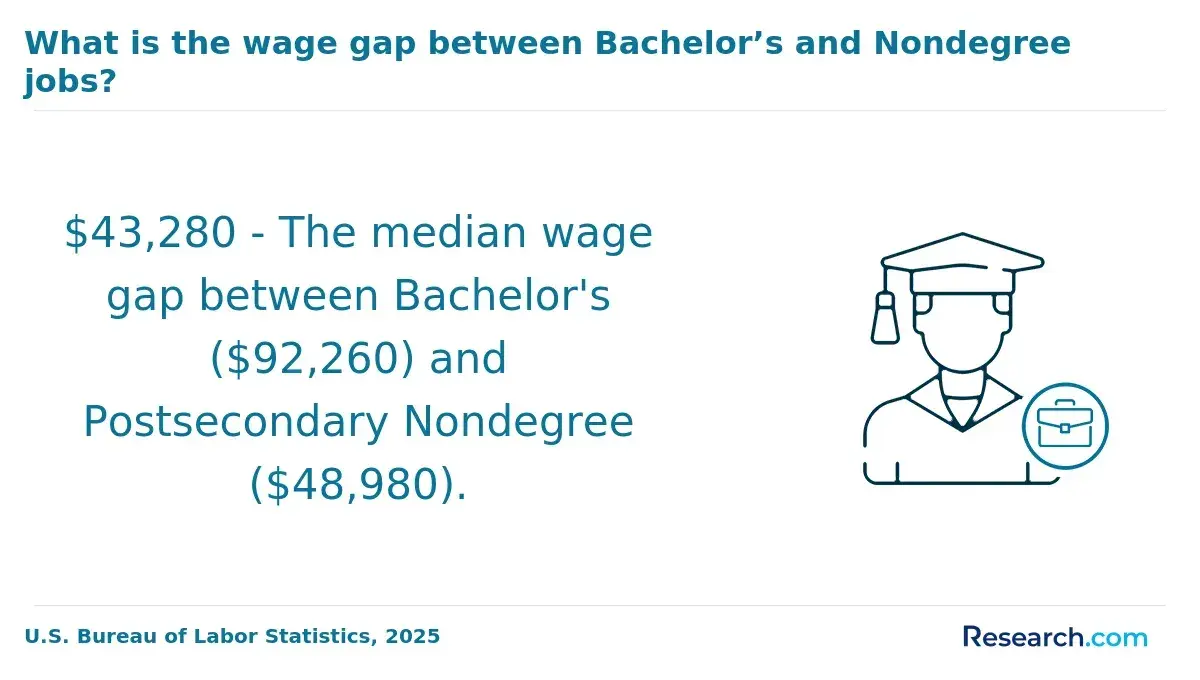
Post-graduation salary is a key driver of ROI for a medical assisting degree, as it reflects the financial gains relative to the program's cost and time investment. In the United States, typical earnings for medical assistants range from $30,000 to $45,000 annually, providing a baseline for evaluating a program's value.
Several factors influence average salary outcomes and thus impact the degree's overall ROI:
- Industry: Medical assistants in outpatient care centers or specialty clinics usually earn higher wages than those working in general practice settings or small offices, which can increase the financial return of their degree.
- Geographic Location: Salaries are often elevated in urban regions or states with higher living costs, while rural areas may offer lower pay but potentially have less competition for jobs.
- Prior Experience: Individuals with previous healthcare backgrounds or certifications typically secure better starting salaries, helping to improve the overall ROI of their medical assisting degree.
- Specialization: Additional skills such as billing, coding, or phlebotomy can boost compensation, making the degree more financially advantageous.
- Career Level: Entry-level roles offer lower pay, but moving into supervisory or administrative positions over time generally increases earnings and long-term ROI.
Considering these elements is vital for those assessing the financial benefits of a medical assisting degree, especially when comparing alternative pathways such as a health administration degree online.
Promotions play a critical role in improving the return on investment (ROI) of a medical assisting degree by offering salary increases, expanded responsibilities, and greater career mobility. These factors collectively enhance long-term earnings potential and professional growth.
A significant workforce trend is the growing emphasis on credential-based advancement, with employers increasingly valuing formal education such as a medical assisting degree when considering candidates for higher-level roles. This shift highlights the importance of education for employees seeking career advancement with medical assisting degree qualifications.
Here are key ways a medical assisting degree may impact promotional opportunities and maximize ROI:
- Credential Requirements: Many supervisory and specialized roles require formal credentials. Obtaining a medical assisting degree ensures eligibility for these positions, aligning education with job requirements to facilitate upward mobility.
- Leadership Preparation: Degree programs often include leadership and administrative training, helping graduates develop skills necessary for managerial tasks and preparing them for roles with greater responsibility.
- Employer Support: Graduates may gain access to tuition reimbursement or professional development funding, encouraging continued education and accelerating promotional timelines.
- Internal Promotion Policies: Healthcare organizations frequently reward employees who pursue formal education, making degree holders more competitive for internal promotions compared to peers without credentials.
- Experience and Education Balance: Combining hands-on experience with a degree strengthens a candidate's case for advancement, as many institutions prioritize this balance for leadership positions.
Integrating a medical assisting degree into your career path not only enhances promotional opportunities for medical assistants but also improves long-term financial returns. For those exploring further education options, resources like cheapest online WHNP programs provide useful guidance on affordable pathways to advance in healthcare.
The return on investment (ROI) for medical assisting graduates varies significantly across different industries due to differences in salary levels, opportunities for career advancement, and demand for specialized skills. Industries that combine competitive pay with strong promotion potential and growing healthcare needs tend to provide the highest ROI.
Here are some of the highest ROI industries for medical assisting graduates, where compensation growth and job stability often align.
- Ambulatory care centers: These outpatient facilities typically offer higher salaries than general clinics because they handle specialized services and greater patient volumes, enabling faster recoupment of education costs.
- Specialty medical practices: Areas like cardiology or oncology demand advanced medical assisting skills, which can translate into better pay and valuable experience for career progression.
- Hospitals: While hospitals may be more structured environments, they provide clear promotion paths, certification opportunities, and benefits that enhance long-term financial returns.
- Diagnostic laboratories: These facilities prioritize technical expertise, offering steady employment and regular wage increases, contributing to consistent ROI.
- Healthcare administration and insurance: For medical assistants interested in non-clinical roles, these industries often provide higher salaries and career growth tied to administrative skill sets.
Given the varied options, prospective students looking to maximize their returns should consider both salary potential and industry stability. For those weighing the cost of education against career benefits, exploring the cheapest DNP program online offers additional pathways in healthcare with strong financial outcomes. Understanding the best-paying medical assisting careers by industry can also guide students toward long-term success.
Accreditation in medical assisting degree programs signifies that the curriculum, faculty, and training facilities meet established quality standards set by recognized educational and professional organizations. This endorsement assures students and employers that graduates have received comprehensive and industry-relevant training.
As a result, many healthcare employers favor applicants from accredited programs because it indicates preparedness for the workforce. Moreover, accreditation frequently impacts eligibility to sit for certification or licensure exams, which are increasingly important in today's competitive job market.
The long-term financial benefits of choosing an accredited medical assisting program are substantial. Graduates from such programs often gain greater employer trust, enhancing job opportunities and career advancement. Accreditation also opens doors to access federal student aid, reducing the overall cost burden and improving return on investment.
Additionally, credits earned are more likely transferable to advanced education pathways, facilitating career growth, while eligibility for licensure exams further supports professional mobility and higher earning potential.
The return on investment for a medical assisting degree depends on several factors including the cost of the program, length of study, salary potential after graduation, and available opportunities for career growth. Programs typically range from one to two years, allowing relatively quick entry into the workforce.
Annual earnings for medical assistants average about $38,000, with continued demand in the field projected to grow by around 16% in the coming decade. This steady job outlook can help reduce extended unemployment periods, positively influencing the overall ROI of the degree.
Deciding if a medical assisting degree is worth pursuing varies based on individual circumstances. Strong industry demand and flexible program formats that enable students to work while studying improve the financial benefit of the degree.
Access to financial aid or scholarships can also lower upfront costs, enhancing ROI. However, those aiming for higher income or faster career advancement might find greater long-term returns by exploring alternative healthcare careers that offer more substantial wages or opportunities for progression.
What Graduates Say About The ROI of Their Medical Assisting Degree
- Candice: "Choosing to pursue a medical assisting degree as a traditional student was one of the best decisions I've made. Although the average cost of attendance can seem high, around $15,000 to $20,000, I viewed it as a smart investment in my future, especially knowing the steady demand in healthcare. Graduating opened doors to hands-on roles in clinics where I felt my skills truly mattered. It's been worth every penny and effort. "
- Abigail: "Studying medical assisting online was perfect for my lifestyle and budget. The flexibility helped me balance work and school without incurring the heavy costs of on-campus programs, which often reach upward of $20,000. Earning my degree online proved invaluable; it boosted my confidence and positioned me for promotions I hadn't anticipated. The return on investment is definitely real if you commit. "
- Veronica: "As a part-time student, I was cautious about the financial and time commitments involved in a medical assisting program. The cost, typically between $12,000 and $18,000, initially felt daunting, but reflecting on my career growth, I realize it's a sensible long-term investment. This program allowed me to gain essential skills and advance professionally while maintaining my job. The balance has truly enhanced my career trajectory."
Other Things You Should Know About Medical Assisting Degrees
The Certified Medical Assistant (CMA) credential from the AAMA is widely recognized by employers and can strengthen hiring prospects and wage potential. Many employers also accept the RMA from AMT, but specific job postings often list one credential and may require current certification status.
In 2027, job location significantly influences the ROI of a medical assisting degree. Urban areas generally offer higher salaries, enhancing ROI, while rural locations may offer fewer opportunities with lower compensation. Thus, graduates in metropolitan regions often see better financial returns relative to their educational investment.
- How Much Does It Cost to Become a Medical Assistant? https://www.fhcaorlando.com/blog/medical-assistant-programs-cost
- 6 Things to Look For in Medical Assistant Programs | CALRegional https://calregional.com/blog/6-things-to-look-for-in-medical-assistant-programs/
- Online vs In-Person Medical Assistant Programs: Which is Right for You? https://www.clinicalskillsinstitute.com/post/online-vs-in-person-medical-assistant-programs-which-is-right-for-you
- 7 Steps to Navigating the ROI Discussion https://laerdal.com/information/7-steps-to-navigating-the-roi-discussion/
- Medical Assistant ROI Guide: What Your Degree or Certificate in Medical Assisting Could Be Worth https://www.medicalassistantschools.com/articles/medical-assistant-roi-guide-what-your-degree-or-certificate-in-medical-assisting-could-be-worth/
- Medical Assistant Program Cost | Dallas Medical Assistant School https://dallasmedicalassistant.com/tuition/
- Exploring the ROI of Educating the Next Generation of Missoula Medical Professionals https://missoulamedicalassistant.com/blog/medical-assisting/exploring-the-roi-of-educating-the-next-generation-of-missoula-medical-professionals/
- FAQs About a Career in a Medical Assisting https://www.athenacareers.edu/faqs-about-a-career-in-a-medical-assisting/
- How Long Does It Take to Become a Medical Assistant? | UMA https://www.ultimatemedical.edu/blog/how-long-to-become-medical-assistant/
- Is Medical Assistant Training Covered by Financial Aid_ https://pulsemedicalassistantschool.com/blog/medical-assisting/is-medical-assistant-training-covered-by-financial-aid/


