
2027 Licensing Exams Required After Completing a Medical Assisting Degree Program

Co-Founder and Chief Data Scientist
Graduates of medical assisting degree programs often face uncertainty about the licensing exams required to advance their careers. With healthcare employers increasingly favoring certified professionals, nearly 60% of medical assistants hold nationally recognized certification, illustrating its importance in competitive hiring. Without clear knowledge of the necessary exams, newly graduated medical assistants risk delayed employment or limited job opportunities.
This article explains the key licensing exams available after completing a medical assisting program, detailing eligibility criteria and the impact these certifications have on career prospects. Readers will gain clarity on how to navigate post-graduation requirements to secure their positions in the healthcare workforce.
Key Things to Know About the Licensing Exams Required After Completing a Medical Assisting Degree Program
- Eligibility for certification exams typically requires graduation from an accredited medical assisting program, ensuring candidates meet foundational educational standards.
- Exams like the CMA cover clinical and administrative topics, including anatomy, pharmacology, and billing, with a multiple-choice format lasting about two hours.
- Most candidates prepare for months before testing, often scheduling exams shortly after program completion to improve employment prospects in a competitive healthcare job market.
What Licensing Exams Are Required After Completing a Medical Assisting Degree?
After completing a medical assisting degree program, many graduates must pass professional certification tests to boost their employability and demonstrate their qualifications. While not uniformly required by law in all states, these licensing exams are important; surveys show that over 70% of healthcare employers prefer or require certification, making these exams a key step for career entry.
Understanding the required certification tests for medical assisting graduates is essential for successful job placement and advancement.
The most commonly recognized licensing exams for medical assistants include the following:
- Certified Medical Assistant (CMA) exam: Offered by the American Association of Medical Assistants (AAMA), this exam suits graduates of accredited programs and assesses clinical and administrative skills, medical law, ethics, and patient care.
- Registered Medical Assistant (RMA) exam: Provided by the American Medical Technologists (AMT), it targets those with specific education and experience, focusing on practical skills and medical knowledge necessary for professional practice.
- National Certified Medical Assistant (NCMA) exam: Administered by the National Center for Competency Testing (NCCT), this exam emphasizes clinical competencies alongside office procedures, providing a well-rounded credential.
- Certified Clinical Medical Assistant (CCMA) exam: From the National Healthcareer Association (NHA), it highlights clinical skills and office duties crucial for effective medical assisting roles.
Successfully passing any of these exams validates essential skills, influencing employment eligibility and career advancement. For graduates exploring further education options, programs like RN to BSN no clinicals offer additional pathways to expand healthcare careers. Prospective students seeking guidance on licensing exams for medical assistants after degree completion should carefully consider which certification best aligns with their career goals and the demands of the healthcare job market.
What Topics Are Covered on the Medical Assisting Licensing Exam?
Effective preparation for the medical assisting licensing exam relies heavily on understanding the exam content, as approximately 70% of candidates pass the test on their first try. Candidate surveys and exam data highlight certain challenging subject areas, emphasizing the need to focus study efforts accordingly.
Below are the core subject areas typically evaluated on medical assistant certification tests, which ensure a comprehensive assessment of both clinical and administrative skills.
- General Medical Knowledge: This section assesses foundational science, medical terminology, and basic pathophysiology essential for understanding diseases and treatment protocols. Mastery of these basics supports safe and informed care delivery.
- Clinical Procedures: Candidates must demonstrate competency in practical skills such as phlebotomy, EKG administration, and infection control. This reflects the hands-on nature of medical assisting and ensures patient safety.
- Administrative Duties: This area tests knowledge of medical office management, including scheduling, billing, and coding. Proficiency here enables efficient healthcare operations and supports accurate patient record-keeping.
- Patient Interaction and Communication: Strong interpersonal skills are evaluated to ensure professionalism and effective communication, critical for positive patient outcomes and teamwork.
- Legal and Ethical Practices: This covers confidentiality, patient rights, and healthcare laws to uphold ethical standards and protect both patients and healthcare providers.
Each topic is assessed largely through multiple-choice questions that simulate real-world scenarios, preparing medical assistants to meet workplace demands confidently. These testing areas reflect the vital balance of clinical competence and administrative expertise required in medical assisting licensing exam content areas.
Those researching post-graduation steps after medical assisting certification may also want to explore advanced educational opportunities, such as the easiest DNP program online, to expand their career prospects.
What Requirements Must Be Met to Take the Medical Assisting Licensing Exam?
Meeting the eligibility criteria for the medical assisting licensing exam is essential for smooth career progression after graduation. Early awareness of these requirements helps candidates plan effectively and avoid delays in certification and employment.
The following outlines common prerequisites that applicants typically need to fulfill.
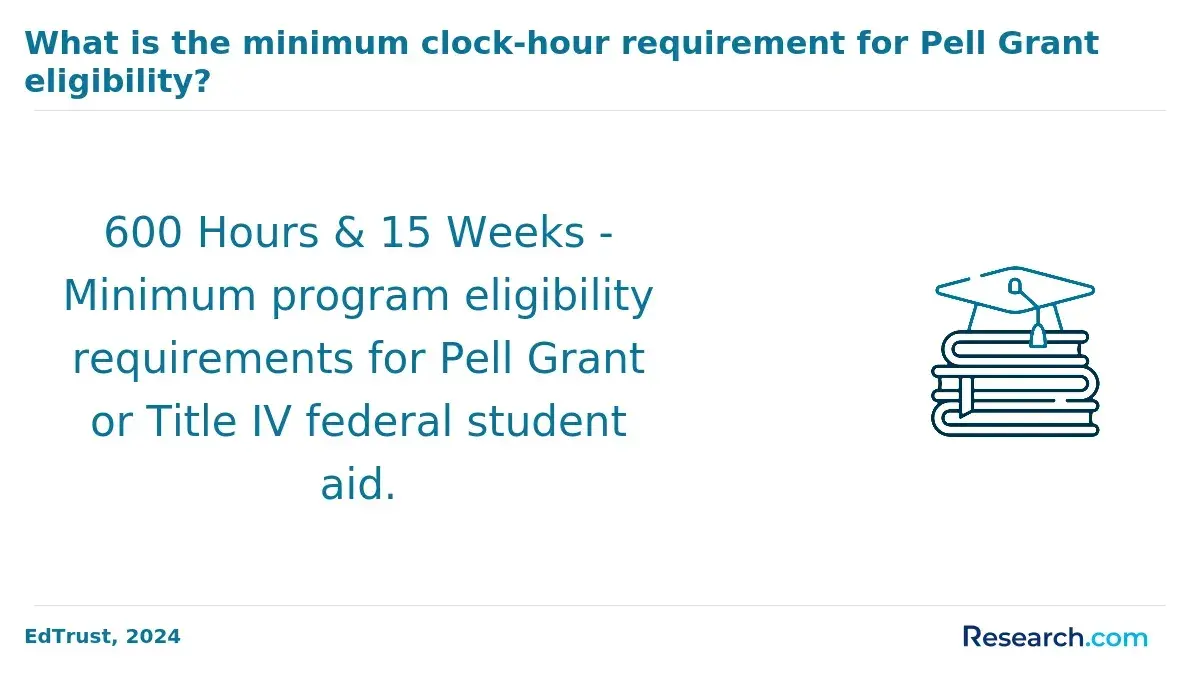
- Completion of an accredited medical assisting program: Candidates must graduate from a program accredited by recognized agencies to ensure they possess the foundational skills and knowledge aligned with industry standards. This is a key requirement for most licensing exams.
- Proof of practical experience: Many exams require clinical experience verified through externships or supervised hours, demonstrating hands-on competency in healthcare environments. The extent and type of experience needed may vary by jurisdiction.
- Good moral character or background checks: Applicants often must pass criminal background checks to confirm they have no disqualifying records, safeguarding patient safety and maintaining professional integrity.
- Submission of official transcripts or documentation: This provides evidence of academic completion and confirms eligibility to sit for the certification exam.
- Specialization-specific requirements: Depending on whether the focus is administrative or clinical medical assisting, additional targeted training or coursework may be necessary to meet exam prerequisites.
Eligibility criteria to qualify for medical assisting certification exams can vary depending on state regulations and exam boards, with some allowing work experience to substitute formal education. Prospective candidates should carefully review their local regulatory body's guidance before scheduling the exam.
For those considering further education, several online healthcare degrees offer accelerated paths that may support advanced career goals in the medical assisting field.
Graduates holding an online medical assisting degree can generally pursue licensure or certification, but eligibility often hinges on the program's accreditation and specific state rules. Licensing bodies usually require completion of programs accredited by recognized organizations such as CAAHEP or ABHES, ensuring graduates are well-prepared for credentialing exams.
Many states also mandate some form of in-person clinical training to confirm practical skills, limiting eligibility for certification like the CMA credential if this is absent. Recent statistics indicate about 75% of students completing accredited online programs successfully achieve certification, reflecting growing acceptance of well-designed remote education.
Still, because state requirements vary-particularly regarding hands-on clinical hours and partnerships with healthcare facilities-prospective students should verify that their chosen program aligns with their state's rules to avoid hurdles in obtaining licensure.
When I spoke with a graduate of an online medical assisting degree, he shared that while the coursework was flexible, arranging the required clinical hours was initially stressful due to limited local site options. He mentioned, "Finding a clinical placement near home took extra effort since the program didn't assign one directly."
Despite this, completing the hands-on training boosted his confidence and helped him pass the certification exam. He advised others, "Make sure you understand the clinical requirements early and reach out for support; it's manageable but needs planning."
Programs in medical assisting significantly enhance exam performance, with graduates from accredited courses achieving certification exam pass rates above 70%, according to the American Association of Medical Assistants. These programs integrate essential elements that boost readiness for licensing assessments.
Key methods include:
- Curriculum alignment: Coursework is designed around the competencies and topics covered on certification exams, ensuring students focus on relevant knowledge and clinical skills.
- Exam-focused coursework: Repetitive reinforcement of critical concepts and procedures helps solidify understanding and retention, which are vital for success on exams.
- Practice exams: Simulated testing environments provide familiarity with exam format and timing, aiding in confidence building and identifying areas needing improvement.
- Internships or externships: Hands-on clinical experiences deepen practical skills and make theoretical concepts easier to apply during both exams and real-world situations.
- Faculty guidance: Personalized review sessions and exam strategy coaching offer targeted support, drawing on instructors' professional expertise to optimize student preparedness.
Combined, these approaches ensure medical assisting students are thoroughly prepared to meet licensing requirements and succeed in their certification exams.
Accurately estimating the cost of licensing exams after completing a medical assisting degree is crucial for effective financial planning and career preparation. Awareness of the expenses involved in the medical assistant licensing exam cost helps candidates avoid unexpected financial strain.
Below are key cost factors to consider when budgeting for certification.
- Exam fee: The Certified Medical Assistant (CMA) exam administered by the AAMA typically costs around $125 for members and $250 for nonmembers. This fee covers the official evaluation ensuring your skills and knowledge meet industry standards.
- Application fees: Fees for submitting paperwork to certification boards generally range from $50 to $100. These vary depending on the certifying organization and type of medical assisting certification test pursued.
- Retake fees: Candidates who do not pass the exam on their first attempt must pay the full exam fee again for each retake, which can substantially increase total costs.
- Study materials: Many candidates invest in practice tests, textbooks, or online review courses to prepare, with costs ranging from $50 to several hundred dollars based on the depth of study required.
- Additional training: Some students may need extra review sessions or training beyond standard preparatory materials, adding further expenses before taking the licensing exam.
When planning your budget, factor in these costs to fully understand the financial commitment involved in obtaining certification. Those seeking affordable further education or advanced practice can explore options like the cheapest online nurse practitioner programs to continue their healthcare careers without excessive debt.
Scheduling the medical assisting licensing exam strategically can greatly impact the speed at which candidates advance in their careers. Data shows that roughly 70% of exam spots fill up within the initial two weeks of the testing window, underscoring the need for prompt registration.
Below are critical aspects that shape how often candidates can sit for this exam.
- Testing Windows: Exams are generally available year-round but through limited monthly or bi-monthly time frames, allowing some consistency yet requiring timely booking.
- Proctoring Options: Both in-person and online proctored exams exist, with online formats offering greater flexibility and broader access for candidates across jurisdictions.
- Retake Policies: Candidates who do not pass must typically wait around 30 days before attempting again, which affects the frequency of exam participation and planning.
- Jurisdictional Variations: State-specific rules can dictate availability, exam procedures, and scheduling restrictions, influencing overall access to testing.
When I spoke with a graduate of a medical assisting degree about her experience registering for the licensing exam, she reflected on the balance between urgency and preparation. "I knew I had to act fast because slots fill quickly," she explained, "but I also wanted to feel confident going in."
She shared how she monitored testing windows closely and scheduled her exam soon after completing her coursework. The waiting period after an initial unsuccessful attempt was a stressful but necessary time to review her weaknesses.
Ultimately, she emphasized that understanding the rhythms of exam availability helped her stay motivated and manage anxiety throughout the process.
Licensing requirements for medical assisting jobs vary widely, with roughly 60% of employers favoring candidates who hold certification, even though formal licensure is not always mandatory. This preference reflects industry trends that value validated skills and professionalism.
Several important factors influence whether a license or certification is needed for employment.
- State regulations: Specific states may mandate licensure or registration for medical assistants, affecting whether a license is legally required to practice. These rules aim to ensure patient safety and standardized care within the state's healthcare system.
- Job role and clinical duties: Positions that include clinical tasks, such as administering injections or conducting lab tests, often require certification or licensure. Non-clinical roles may not have these requirements.
- Employer preferences: Many healthcare providers prefer certified medical assistants to reduce liability risks and maintain a high standard of patient care, making certification a competitive advantage.
- Specialization: Medical assistants working in specialized fields like cardiology or podiatry may face distinct credential requirements aligned with the specific healthcare area's regulations and practices.
- Professional certifications: Certificates like the Certified Medical Assistant (CMA) credential, while voluntary, significantly enhance job prospects and can be essential for career advancement in many settings.
Although a license is not always a prerequisite for employment with a medical assisting degree, earning a nationally recognized certification often plays a crucial role in securing a position and advancing within the healthcare field.
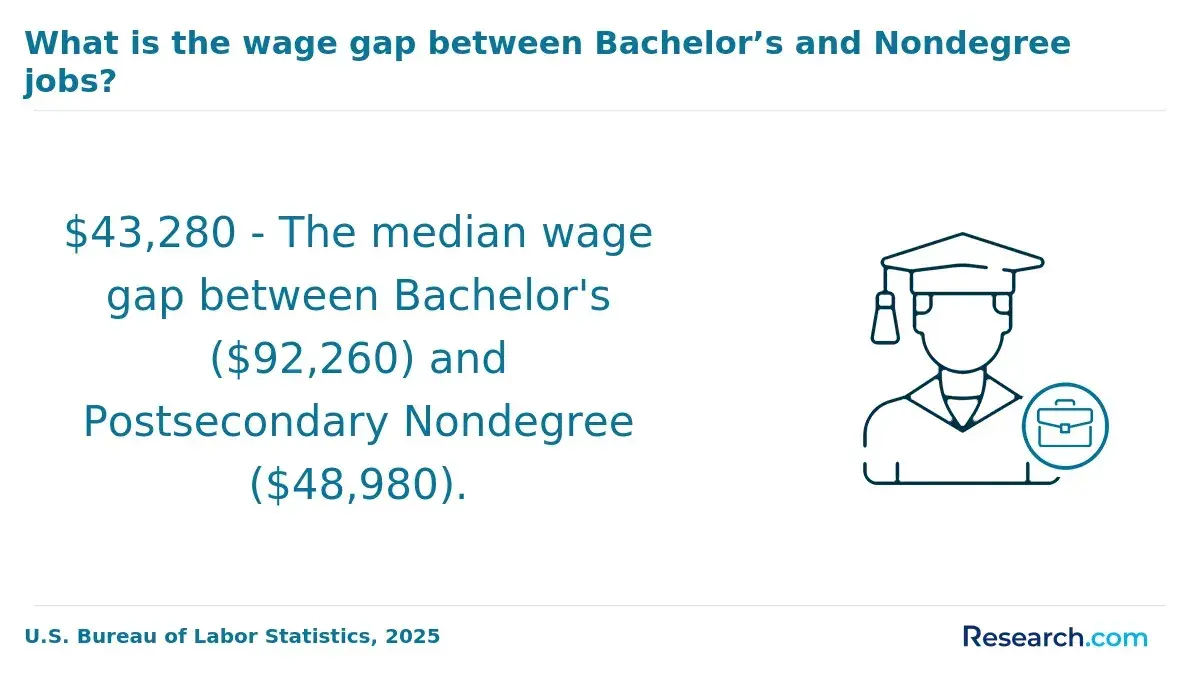
Licensure can significantly influence earning potential for medical assistants, with licensed professionals typically earning between $30,000 and $45,000 annually, often leaning toward the higher end of this range. This difference reflects the validated skills and knowledge licensing represents.
The following factors highlight why licensed medical assistants tend to earn more compared to unlicensed graduates.
- Regulatory requirements: Certain states mandate licensure or certification to perform specific medical assisting duties, giving licensed professionals a legal advantage and access to roles that unlicensed workers cannot fill.
- Access to higher-paying roles: Licensing qualifies medical assistants for more specialized and advanced clinical tasks or administrative leadership, expanding job opportunities and increasing salary potential.
- Employer preferences: Healthcare providers often prefer or require licensed medical assistants, associating licensure with greater competence and reliability, which can translate to higher starting wages and job security.
- Career advancement: Licensed individuals are more likely to be considered for promotions or continuing education options, helping increase lifetime earnings and professional growth.
- Geographic differences: States with stricter licensing laws generally offer higher wages to licensed staff due to increased demand and professional standards.
Job opportunities for licensed medical assistants tend to be broader and better compensated than those for unlicensed individuals. Graduates interested in improving their career prospects may also explore affordable online options to advance their credentials, such as cheap RN to BSN online programs, which can complement medical assisting experience and open additional pathways.
Medical assisting license portability is important due to increasing workforce mobility and healthcare providers' need for flexible staffing. However, medical assisting licenses are generally governed by individual states, each with its own regulatory authority and distinct requirements.
Unlike professions such as nursing, only a few states have established reciprocity agreements or participate in interstate compacts for medical assistants, limiting seamless practice across state lines. As a result, many medical assistants must navigate varying regulations depending on where they intend to work.
To use a medical assisting license in a new state, common options include applying for licensure by endorsement, providing proof of current certification and experience. Some states require passing additional state-specific examinations or jurisprudence tests, while others mandate supervised practice or orientation periods.
The exact process depends on the specialty area and the state licensing board overseeing the credential, so it is critical to verify criteria before pursuing employment outside the original licensing jurisdiction.
What Graduates Say About The Licensing Exams After Completing a Medical Assisting Degree
- Dominic: "Taking the licensing exam after completing my online medical assisting degree was surprisingly manageable, especially given the flexibility I had while studying. The cost of licensure, around $150, was reasonable compared to the benefits it's brought to my career. Since passing, I've landed a position in a busy clinic where my license truly sets me apart. "
- Cyril: "The exam experience was nerve-wracking but rewarding, as I could study at my own pace through the online program. The investment in licensure fees felt like a small price for the doors it opened professionally. Holding a medical assisting license has deepened my confidence and expanded the types of roles I qualify for in healthcare. "
- Ira: "Completing an online medical assisting program and then tackling the licensing exam gave me a great mix of convenience and credibility. Paying the exam fee, which was about $150, was an expected step but one that quickly paid off in career advancement. Having this license has allowed me to step into more responsible positions with ease and gain professional respect. "
Other Things You Should Know About Medical Assisting Degrees
The CMA exam is administered by the American Association of Medical Assistants, or AAMA. Candidates typically test through an approved testing center after meeting AAMA eligibility rules, which usually include graduation from an accredited medical assisting program.
Military medical experience can sometimes fulfill eligibility requirements for certification exams. Certain certification bodies recognize military training and work experience if it aligns with the scope of medical assisting duties. However, candidates must provide proper documentation, and specific criteria vary by certifying organization.
If you fail the medical assisting licensing exam in 2027, you can typically retake it. The waiting period for a retake depends on the accrediting body, such as the American Association of Medical Assistants (AAMA) or the National Healthcareer Association (NHA). Usually, a 30 to 60-day waiting period is required between attempts.
- Medical Assistant (NCMA) | Exam Fee: $119 https://www.ncctinc.com/certifications/medical-assistant
- Requirements - The California Certifying Board for Medical Assistants https://ccbma.org/certification/requirements/
- Certification https://www.aama-ntl.org/certification
- What to Expect After Completing a CMA Program https://www.athenacareers.edu/what-to-expect-after-completing-a-cma-program/
- Medical Assistant | Online National Certification https://www.americanalliedhealth.com/certification/registered-medical-assistant-(RMA)
- Medical Assistant Certification — NPS https://npscerts.com/medical-assistant-certification/
- Medical Assistant Certification | CCMA https://www.nhanow.com/certification/nha-certifications/certified-clinical-medical-assistant-(ccma)
- Medical Assistant Certification Test Guide | Goodwin University https://www.goodwin.edu/enews/medical-assistant-certification-exam/
- Online: Medical Assistant Certification (CCMA) - Phlebotomy Career Training https://phlebotomycareertraining.com/program/online-medical-assistant-certification/
- Porting Professional Privileges Across State Lines https://www.robinsonbradshaw.com/newsroom/publications/Porting-Professional-Privileges-Across-State-Lines


