2027 MBA vs. Master's in Medical Assisting: Which Drives Better Career Outcomes

Co-Founder and Chief Data Scientist
Choosing between an MBA and a master's in medical assisting presents a critical dilemma for professionals aiming to enhance leadership roles in healthcare. Employment statistics from the U. S. Bureau of Labor Statistics reveal that healthcare occupations, including those requiring specialized medical assisting skills, are projected to grow 16% from 2021 to 2031, much faster than average.
However, career advancement and earning potential differ substantially depending on the graduate degree pursued. This article examines key factors such as industry demand, salary trends, and leadership opportunities, helping readers determine which degree better aligns with their professional goals in healthcare management and clinical support.
Key Benefits of MBA vs. Master's in Medical Assisting
- An MBA enhances leadership skills and strategic decision-making, positioning graduates for high-level management roles and increasing earning potential in healthcare administration.
- A master's in medical assisting offers specialized clinical expertise, boosting credibility and facilitating career advancement in patient care and supervisory roles.
- Medical assisting master's graduates often experience faster job placement, benefiting from targeted training that aligns with evolving healthcare technologies and regulatory standards.
What is the difference between an MBA and a master's in medical assisting?
Both an MBA and a master's in medical assisting are graduate-level degrees designed to enhance professional knowledge, but they serve distinct career objectives and learning requirements. Each program develops leadership capabilities and specialized skills tailored to different industries.
Below are key distinctions that clarify how these degrees compare in several critical areas, helping students evaluate the difference between MBA and master's in medical assisting.
- Curriculum Focus: An MBA centers on broad business principles, covering leadership, finance, marketing, and organizational behavior applicable across many sectors. In contrast, a master's in medical assisting offers specialized training in healthcare administration, clinical procedures, medical terminology, and patient care coordination.
- Leadership and Management Emphasis: MBA programs emphasize executive-level leadership and strategic decision-making across departments. Meanwhile, master's in medical assisting programs prepare students to lead healthcare teams and manage clinical workflows with attention to regulatory compliance specific to health settings.
- Skill Development: MBAs sharpen analytical, financial, and leadership competencies usable in diverse industries, including healthcare. Those earning a master's in medical assisting develop clinical skills combined with healthcare operations and patient management expertise.
- Long-Term Career Advancement: MBA holders often qualify for broader leadership roles with higher potential salaries, supported by data showing an average 50% salary increase post-MBA. Conversely, the master's in medical assisting directs graduates toward specialized roles within healthcare environments with a defined clinical focus.
- Industry Relevance: Those evaluating an MBA vs master's in medical assisting career outcomes should weigh the broader leadership preparation of the MBA against the healthcare-specific expertise of medical assisting. Individuals interested in advancing within clinical healthcare settings might also explore options like online DNP programs to expand their credentials.
What are the typical admissions requirements for an MBA vs. a master's in medical assisting?
Admissions requirements play a crucial role in determining which graduate degree pathway aligns best with your professional goals and experience. Knowing the distinct prerequisites for an MBA versus a master's in medical assisting can help prospective students make informed choices tailored to their leadership aspirations and career advancement. Below is a comparison highlighting the typical admissions criteria for each program.
MBA Admissions Requirements
- Undergraduate Degree Background: An MBA typically requires a bachelor's degree in any discipline, focusing more on leadership potential than on specific academic fields.
- Work Experience Expectations: Most programs expect two to five years of relevant professional experience, often favoring candidates with managerial roles.
- GPA Requirements: A minimum GPA of around 3.0 is common, though some schools may offer flexibility based on work experience.
- Standardized Tests: GRE or GMAT scores are usually requested but may be waived depending on professional accomplishments or other factors.
- Letters of Recommendation: These generally emphasize leadership qualities and professional achievements.
- Personal Statement: Applicants outline their career goals and leadership aspirations to demonstrate fit and motivation.
Master's in Medical Assisting Admissions Requirements
- Undergraduate Degree Background: Candidates often need a bachelor's degree in health sciences or a related field, reflecting the specialized nature of this program.
- Work Experience Expectations: Prior certification or practical experience in healthcare settings is commonly required to ensure clinical competency.
- GPA Requirements: A minimum GPA near 3.0 is typical, comparable to MBA programs but aligned with scientific coursework.
- Standardized Tests: Less commonly required, lowering barriers for healthcare professionals shifting toward leadership roles.
- Letters of Recommendation: Recommendations focus on clinical skills and potential for leadership in medical administration.
- Personal Statement: This should express dedication to patient care and healthcare management principles.
For individuals considering healthcare leadership but starting from a clinical background, exploring options like medical coding and billing classes online with financial aid can provide practical credentials that complement advanced degrees.

How long does it take to complete an MBA vs. a master's in medical assisting?
Choosing a program duration that aligns with your personal and professional needs is a key factor when deciding between advanced degrees. Time commitment affects not only how soon you can enter or advance in the workforce but also how you balance education with other responsibilities. Here's a breakdown comparing typical timeframes for completing an MBA versus a master's in medical assisting.
MBA Program Duration
- Typical Length: Full-time MBA programs usually take about two years to finish, providing a comprehensive curriculum balanced over multiple semesters.
- Part-Time Options: Part-time MBAs extend the timeline to three years or more, allowing students to continue working while studying but requiring more time to graduate.
- Accelerated Programs: Some schools offer intensive one-year MBAs, which demand heavier course loads and minimal breaks, ideal for motivated students seeking rapid completion.
- Impact of Pacing: Choosing between full-time, part-time, or accelerated formats significantly affects how long the degree takes; full-time study speeds up graduation, while part-time provides flexibility at the expense of duration.
Master's in Medical Assisting Program Duration
- Typical Length: These programs generally require 12 to 18 months for full-time students, reflecting a focused curriculum on clinical and administrative medical skills.
- Part-Time Options: Part-time study may extend completion to around two years, accommodating working healthcare professionals who need a lighter schedule.
- Accelerated Formats: Accelerated tracks are often available, enabling students to quickly progress through essential coursework and clinical hours within a shorter timeframe.
- Impact of Pacing: Full-time routes lead to fast completion, whereas part-time study offers flexibility, requiring a longer overall commitment but fitting better with work-life balance.
When speaking with a professional who chose a master's in medical assisting over an MBA, he expressed that managing work alongside coursework was a constant challenge but ultimately rewarding. "Balancing night shifts at the hospital with studying for exams wasn't easy," he recalled, emphasizing how crucial the program's flexible scheduling was for him.
He noted the hands-on clinical experiences required intense focus, making the accelerated pace feel demanding but purposeful. Reflecting on his choice, he shared, "I needed a program that matched my immediate career goals without the broader business focus of an MBA. The timeframe helped me stay motivated because I could see myself advancing in the healthcare field much sooner." This firsthand perspective highlights how duration, alongside program content, shapes important decisions for many students.
Choosing a graduate program with well-defined specializations helps students tailor their education to specific career objectives and acquire skills that meet industry demands. This focused training supports effective leadership development and enhances professional growth. Comparing the specialization paths of an MBA and a master's in medical assisting highlights distinct approaches to developing expertise within their respective fields.
MBA Specializations
- Finance: Concentrates on managing corporate finances, investment strategies, and financial analysis, equipping graduates for roles in banking, corporate finance, and investment management.
- Marketing: Develops skills in market research, brand management, and consumer behavior, preparing students for leadership in advertising, sales, and product development.
- Operations Management: Focuses on optimizing business processes, supply chain logistics, and quality control, ideal for roles in production management and organizational efficiency.
- Entrepreneurship: Encourages innovation, business planning, and venture capital awareness, enabling graduates to launch startups or drive growth in emerging enterprises.
Master's in Medical Assisting Specializations
- Clinical Management: Builds expertise in coordinating patient care, overseeing medical office routines, and ensuring compliance with healthcare regulations, suited for supervisory positions in clinical environments.
- Health Informatics: Emphasizes managing electronic health data, analyzing medical information, and enhancing healthcare delivery through technology, valuable for health IT roles.
- Patient Safety and Quality Assurance: Focuses on healthcare standards, risk mitigation, and policy enforcement to promote safer clinical practices and improve patient outcomes.
- Medical Billing and Coding: Centers on precise billing procedures, insurance claims processing, and reimbursement systems, critical for administrative and financial healthcare operations.
Networking is a vital element of graduate education that significantly impacts career growth and ongoing professional development. Building connections can open doors to new opportunities, mentorship, and insights across industries. Exploring how MBA and master's in medical assisting programs facilitate networking reveals distinct approaches tailored to different career paths.
MBA Networking Opportunities
- Alumni Events: These gatherings create a platform for MBA students to connect with graduates working across diverse fields, fostering relationships that extend beyond healthcare into various leadership roles.
- Corporate Mentorships: Partnerships between MBA programs and businesses enable students to receive guidance from industry experts, helping them navigate career challenges and grow professionally.
- Leadership Workshops: Workshops focused on leadership skills bring together a broad network of peers and professionals, encouraging collaboration and skill-building vital for managerial positions.
- Industry Conferences: Attending these events exposes MBA students to trends and key figures across sectors, expanding their professional reach and potential job prospects.
Master's in Medical Assisting Networking Opportunities
- Clinical Internships: Hands-on experiences in medical settings connect students directly with healthcare professionals and potential employers within a clinical context.
- Professional Healthcare Groups: Membership in specialized associations helps students stay updated on industry standards and forge relationships focused on healthcare administration and support roles.
- Certification Bodies: Engagement with certification organizations offers networking with peers and leaders committed to advancing medical assisting practices and standards.
- Local Job Fairs: These events provide opportunities to meet area employers looking for skilled medical assisting professionals, facilitating employment in community healthcare settings.
When discussing networking with a professional who completed her MBA, she emphasized the real-world impact of those connections. Initially, navigating such a broad network felt overwhelming, especially balancing corporate events and mentorship meetings. Yet, she reflected on how these experiences introduced her to leaders in different industries, enabling her to pivot from a traditional healthcare role into strategic management positions.
She noted, "The mentorships opened doors I didn't know existed and gave me confidence to pursue leadership tracks that wouldn't have been possible otherwise." These ongoing relationships provided not just job leads but sustained guidance, illustrating how MBA networks actively contribute to long-term professional success.
Career services play a crucial role in helping graduate students achieve their professional goals and maximize the return on their degrees. Effective career support connects students with the tools and networks needed to transition smoothly into the workforce or advance in their current fields. The structure and focus of these services vary widely between different graduate programs, reflecting their respective industries.
Comparing the career services in MBA programs and master's in medical assisting programs reveals important differences tailored to their unique career paths.
MBA Career Services
- Resume and Interview Coaching: MBA programs offer personalized coaching that emphasizes leadership and strategic management skills, preparing candidates for competitive business roles.
- Mentorship Networks: Extensive access to industry professionals helps students build connections that can lead to internships and job opportunities.
- Job Placement Assistance: Comprehensive services guide students through recruitment processes across various business sectors, often resulting in higher earning potential.
- Internships: Broad internship opportunities in numerous industries provide practical experience and support professional growth.
- Professional Development: Workshops, webinars, and networking events strengthen students' business acumen and expand their career horizons.
Master's in Medical Assisting Career Services
- Specialized Job Placement: Focused support directs students toward roles in medical offices, hospitals, and clinics, reflecting the healthcare industry's demands.
- Resume and Interview Preparation: Tailored assistance addresses healthcare-specific qualifications and certifications to enhance employability.
- Clinical Internships and Externships: Practical placements are integral, helping students fulfill certification prerequisites and gain hands-on experience.
- Certification Assistance: Guidance ensures students meet licensure and credentialing requirements vital for healthcare careers.
- Professional Development Resources: Healthcare-focused workshops and networking events support ongoing education and job market readiness.
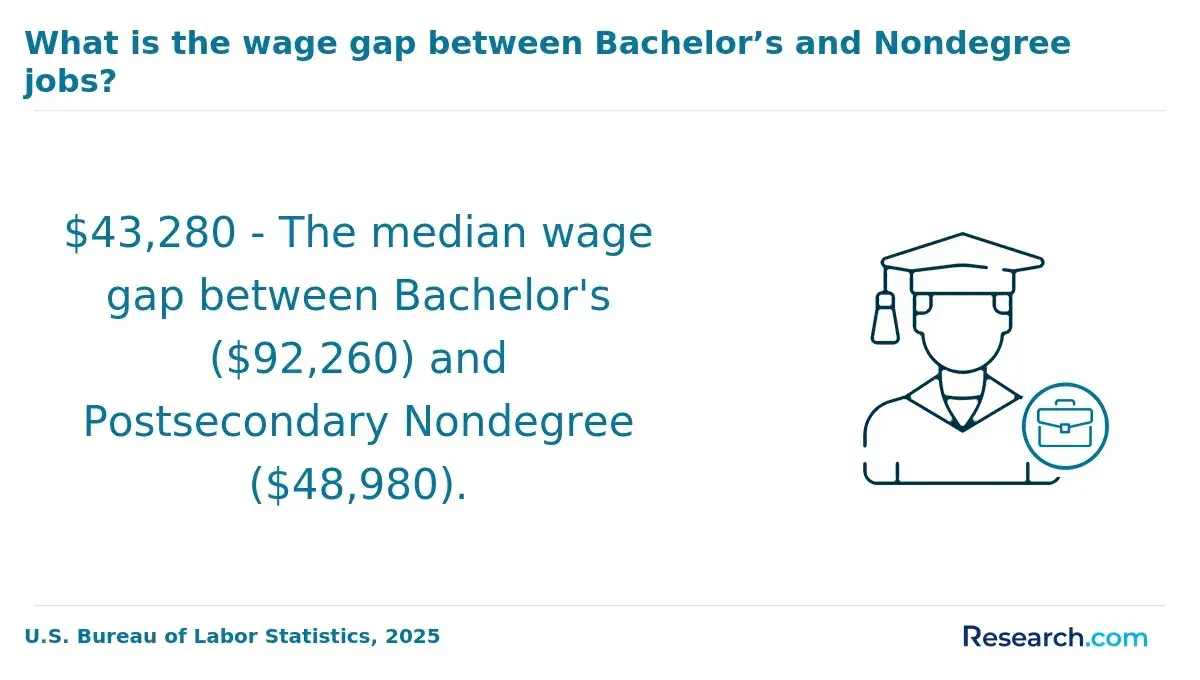
The U.S. Bureau of Labor Statistics highlights the significant difference in earning potential between these career paths, with MBA graduates earning median wages near $105,000 annually, while medical assistants average around $37,000. Nevertheless, the master's in medical assisting attracts strong employer demand due to healthcare growth.
Students considering this path may also explore accredited programs through affordable online medical billing and coding schools, which complement healthcare career services. Overall, understanding MBA career services and networking opportunities alongside master's in Medical Assisting job placement support is essential for making an informed decision.
The MBA is widely acknowledged as a globally prestigious qualification, known for its versatility across multiple industries such as finance, technology, and healthcare management. Employers often view it as a reliable indicator of leadership, strategic planning, and business acumen.
According to the Graduate Management Admission Council's Corporate Recruiters Survey, more than 90% of employers worldwide recognize the MBA as essential for senior-level leadership positions. In contrast, master's degrees in medical assisting do not share the same universal recognition, primarily focusing on clinical and administrative expertise in healthcare settings. The MBA's broad applicability tends to enhance career mobility and earning potential beyond specialized fields.
Master's degrees in medical assisting hold significant value within healthcare environments where advanced clinical skills and regulatory knowledge are critical. These degrees are especially relevant in hospitals, medical practices, and specialized healthcare providers, often preferred for technical leadership roles requiring direct patient care oversight.
While the credential may have strong regional importance, particularly in the U.S., it lacks the widespread business recognition held by MBAs. For roles that bridge healthcare and management, such as hospital administration, employers often favor candidates with MBAs due to their comprehensive management training and cross-sector applicability.
Career paths are a crucial consideration when deciding between an MBA and a master's in medical assisting. According to the U.S. Bureau of Labor Statistics, management occupations are projected to grow 8% from 2022 to 2032, highlighting strong demand for qualified leaders. Evaluating the typical industries and roles associated with each degree helps clarify which aligns best with individual career goals.
Careers for MBA Graduates
- Healthcare Management: MBA career opportunities in healthcare management often include leadership roles such as healthcare managers or operations directors. Graduates leverage strategic management, finance, and organizational skills to improve healthcare facility performance and patient outcomes.
- Business Analysis and Consulting: MBAs frequently enter business analyst or consulting roles across various industries. Their broad skillset supports executive decision-making and operational efficiency, preparing them for high-level oversight positions.
- Finance and Marketing Leadership: Many MBA graduates pursue leadership roles in corporate finance or marketing departments. Their training enables them to develop financial strategies or manage marketing campaigns that drive business growth.
Careers for Master's in Medical Assisting Graduates
- Advanced Clinical Roles: Graduates with a master's in medical assisting often work directly within clinical settings as advanced clinical assistants or patient care coordinators. Their degree deepens clinical expertise, supporting hands-on leadership in healthcare delivery.
- Medical Office Management: This degree prepares professionals for managing administrative functions in medical offices or clinics, including workflow optimization and compliance oversight to ensure efficient operations.
- Training and Coordination: Many graduates become training coordinators or supervisors within healthcare facilities, focusing on staff development and standardizing clinical procedures for improved patient care.
Those interested in specialized healthcare roles may also explore the cheapest online nurse practitioner programs as additional advanced education options. Ultimately, both degrees offer distinctive paths to leadership but serve different sectors and professional objectives aligned with the graduate's career aspirations.
Evaluating potential salary differences is essential for students considering graduate programs, as it helps align educational investments with career goals and financial expectations. Understanding how compensation varies between degrees can guide decisions about which path offers the best long-term rewards. The following comparison explores salary trends for MBA and master's in medical assisting graduates.
MBA Graduate Salaries
- Starting Salaries: MBA graduates in the U.S. commonly earn between $65,000 and $90,000 annually, reflecting the value placed on broad business skills and leadership potential.
- Industry Impact: Industries such as finance, consulting, and management typically offer higher salary scales, helping MBA holders secure roles with significant earning power compared to many other fields.
- Experience and Growth: With experience, MBA professionals often surpass six-figure incomes. Leadership opportunities and strategic positions can accelerate salary growth significantly over time.
- Location Factors: Metropolitan areas with thriving economies tend to provide more lucrative compensation packages for MBA graduates, boosting overall earning potential.
Master's in Medical Assisting Graduate Salaries
- Starting Salaries: Those holding a master's in medical assisting generally begin their careers with salaries ranging from $40,000 to $60,000, which align with the specialized healthcare focus of their roles.
- Industry and Setting: Medical assisting roles are primarily based in healthcare environments where pay tends to be more standardized, resulting in less variation compared to MBA fields.
- Experience and Advancement: While salary increments tend to be steadier and incremental, graduates may advance to supervisory or specialist positions that offer modest increases.
- Location Influence: Regions with high demand for healthcare services, particularly urban areas, may offer better wages for medical assisting professionals.
The differences in earning trajectories between MBA vs medical assisting salary comparison highlight the contrast between broad business leadership paths and specialized healthcare expertise.
Students weighing these careers should consider both immediate salary ranges and long-term growth. For those evaluating healthcare graduate options, exploring the cheapest DNP online program can also be a strategic step toward leadership roles within the medical field.
Choosing between an MBA and a master's in medical assisting is essential to ensure your graduate studies align with your long-term career ambitions. This decision shapes the skills you develop, the roles you qualify for, and your potential for leadership and earnings. Consider these key aspects when evaluating which degree best fits your professional path.
- Career Goals: An MBA prepares you for broad leadership roles across sectors, including healthcare management, while a master's in medical assisting focuses on clinical specialization and patient care coordination.
- Industry and Role: Business management positions often come with higher salaries and versatile opportunities, whereas medical assisting targets healthcare delivery and supervisory clinical roles.
- Earning Potential: Business leadership paths through an MBA typically yield higher median incomes compared to specialized medical assisting careers.
- Program Duration and Cost: MBA programs generally span two years full-time, while medical assisting master's degrees can be shorter and sometimes less costly.
- Networking and Leadership: An MBA offers extensive networking beyond healthcare, supporting diverse leadership options, whereas medical assisting's network is more niche and clinically focused.
What Graduates Say About Their Master's in Medical Assisting vs. MBA Degree
- Lexi: "Choosing a master's in medical assisting over an MBA was a clear decision for me because I wanted targeted expertise in healthcare rather than broad business skills. The program's flexible schedule made it manageable alongside my part-time job, and knowing the average cost was reasonable eased my financial worries. Since graduating, I've seen a tangible boost in my clinical responsibilities and confidence."
- Darius: "I approached the master's in medical assisting program with a reflective mindset, valuing its specialized focus on patient care instead of the generalized business approach of an MBA. Balancing my coursework with family commitments was challenging but doable with disciplined time management. This degree has significantly enhanced my role in healthcare administration, making me a more effective professional."
- Colton: "Professionally, pursuing a master's in medical assisting offered the practical skills I sought, while an MBA felt too broad for my clinical career aspirations. The program's schedule was intensive but well-structured, enabling me to maintain my current job. Graduating not only deepened my medical knowledge but also opened doors to leadership opportunities in healthcare settings."
Other Things You Should Know About Medical Assisting Degrees
A Master's in Medical Assisting is more aligned with healthcare roles, focusing on clinical skills and patient care management. An MBA offers broader business and management skills, which can be applicable in healthcare but isn't specifically targeted to clinical roles.
Employers in direct patient care or clinical operations often value a master's in medical assisting more, as it demonstrates specialized healthcare knowledge and advanced clinical skills. However, for roles involving administration, strategic planning, or healthcare management, an MBA tends to be more highly regarded.
Most programs require an associate or bachelor’s degree, medical office experience, and prerequisite courses in anatomy and physiology, medical terminology, and basic computer skills. Some schools also ask for CPR certification, a minimum 2.5–3.0 GPA, and immunization records before clinical placement.
- 3 Reasons to Pursue a Health Care MBA https://www.coursera.org/articles/healthcare-mba
- MHA vs. MBA: Which Graduate Degree Is Right for You? - Cornell Brooks Public Policy https://publicpolicy.cornell.edu/masters-blog/mha-vs-mba-which-graduate-degree-is-right-for-you/
- Should You Get a Healthcare MBA or an MHA? - The Quantic Blog https://quantic.edu/blog/2023/01/03/should-you-get-a-healthcare-mba-or-an-mha/
- MHA vs. MBA: What's the Difference? | UAGC https://www.uagc.edu/blog/mha-vs-mba-whats-difference
- What is an MHA vs. MBA? | University of Phoenix https://www.phoenix.edu/articles/healthcare/what-is-an-mha-vs-mba.html
- MHA vs. MBA: Which is Right For You? https://sps.wfu.edu/articles/mha-vs-mba/
- Should I Get an MBA in Health Care (MBA-HCA) or an MHA? | MVNU https://mvnu.edu/blogs/should-i-get-an-mba-in-health-care-or-an-mha/
- MBA in Healthcare Management vs. Master's in Healthcare Administration - Graduate School https://www.highpoint.edu/graduate/mba-healthcare-management-vs-masters-healthcare-administration/
- MHA vs. MBA: Which One is Best for Your Healthcare Career? https://potomac.edu/mha-vs-mba-which-should-you-choose/
- Should You Get an MBA or MPH to Work in Digital Health? — Massively Better Healthcare https://www.massivelybetterhealthcare.com/resources/mba-or-mph-for-digital-health