2027 Highest Level of Medical Assisting Degree You Can Achieve: Academic Progression Explained

Co-Founder and Chief Data Scientist
Many aspiring medical assistants struggle to identify the highest academic credential they can pursue to enhance their career prospects. According to the U. S. Bureau of Labor Statistics, employment for medical assistants is projected to grow 19% from 2022 to 2032, emphasizing the value of advanced qualifications.
However, confusion about degree pathways can limit motivation and delay professional advancement. This article clarifies the academic progression available, from certificates to bachelor's degrees, highlighting how each level impacts job roles and salary potential.
Readers will gain a clear roadmap for achieving the top credential in medical assisting and making informed educational decisions.
Key Benefits of the Highest Level of Medical Assisting Degree
- Attaining the highest medical assisting degree enhances advanced clinical and administrative expertise, enabling professionals to handle complex patient care and healthcare management efficiently.
- Graduates gain leadership skills crucial for supervising teams and influencing healthcare policies, contributing to improved clinic operations and patient outcomes.
- Higher degrees open doors to research and innovation roles, fostering contributions to medical assisting practices and increasing earning potential by up to 25% over entry-level positions.
What is the Highest Level of Medical Assisting Degree You Can Earn?
The highest medical assisting degree available is typically a bachelor's degree in medical assisting or a closely related health sciences field.
This degree offers the most advanced academic credential tailored specifically to medical assisting, delivering comprehensive knowledge in both clinical and administrative skills. It often includes coursework in healthcare management and may prepare students for leadership roles within healthcare settings.
The bachelor's degree in medical assisting suits those aiming to progress beyond entry-level positions, supporting career goals such as supervisory roles, healthcare administration, or transitions into specialized healthcare fields and education.
It follows earlier academic steps like diplomas, certificates, or associate degrees, expanding expertise with advanced subjects including management, research, and healthcare policy.
While graduate programs dedicated solely to medical assisting are uncommon, many graduates pursue broader healthcare or public health degrees.
According to the U.S. Bureau of Labor Statistics, employment for medical assistants is projected to grow 16% from 2021 to 2031, which highlights the increasing value of advanced credentials.
For professionals interested in further graduate education, options include programs such as online dnp degrees, which complement clinical experience with leadership and advanced practice skills.
Advanced medical assisting education levels enhance career flexibility and open doors to leadership, academic, or expanded clinical roles within healthcare systems.
What Are the Admission Requirements to the Highest Level of Medical Assisting Degree?
Admission to the highest level of medical assisting degrees is notably competitive, reflecting the rigorous standards set for graduate or doctoral programs. Recent data shows that only about 15% of applicants are admitted to doctoral programs in health professions, highlighting the selectivity of advanced studies.
For prospective students targeting leadership or research roles, it is important to grasp the prerequisites and criteria involved. This understanding helps ensure successful applications for the most advanced medical assisting pathways.
The admission requirements for advanced medical assisting degree programs often encompass a range of academic and professional qualifications.
Below is a detailed breakdown of the typical prerequisites you should be aware of when preparing your application.
- Completed undergraduate degree: A bachelor's degree in medical assisting or a closely related health field is usually required. This foundational education establishes your readiness for graduate-level coursework and research.
- Minimum GPA: Programs generally expect a minimum GPA around 3.0, ensuring that candidates have demonstrated consistent academic performance.
- Professional or clinical experience: Relevant work experience in clinical settings or certifications helps prove practical competence and dedication to the field.
- Standardized test scores: Some programs may require results from tests like the GRE to assess analytical and verbal skills, though this varies.
- Research proposal or statement of purpose: Applicants often need to submit a detailed outline of their intended research or study focus, demonstrating critical thinking and scholarly intent.
- Letters of recommendation: Strong endorsements from academic advisors or employers can provide insight into the applicant's qualifications and potential for success.
- Interview with admissions committee: An interview may be conducted to evaluate motivation, communication skills, and fit within the program's goals.
For those beginning their academic journey or exploring options, reviewing different medical assistant programs can provide useful context and help build the foundation needed for advanced study.

What Core Subjects Are Studied in the Highest Level of Medical Assisting Degree?
Coursework at the highest academic level in medical assisting extends well beyond the foundational and practical skills covered in associate or bachelor's programs. It emphasizes critical thinking, advanced healthcare policies, and evidence-based practice designed to prepare students for research, education, or leadership roles.
This advanced curriculum is essential for those pursuing doctoral or terminal degrees who seek to influence the profession at a systemic or academic level.
The highest level medical assisting degree core courses focus on subjects that build expertise in healthcare innovation, management, and research methodologies.
Prospective students should carefully consider these topics, as they shape long-term career paths and academic contributions within the field.
- Advanced Clinical Procedures: This subject involves an in-depth exploration of complex diagnostic and therapeutic techniques. It expands foundational clinical knowledge with an emphasis on innovation and adherence to the latest best practices.
- Healthcare Research Methods: Training includes qualitative and quantitative research design, biostatistics, and comprehensive data analysis. These skills are vital for conducting rigorous research relevant to medical assisting's evolving role.
- Healthcare Leadership and Management: Coursework covers organizational behavior, healthcare laws, ethics, and financial management to equip graduates for supervisory or executive roles within healthcare systems.
- Health Informatics and Technology: Focuses on information systems, electronic health records, and emerging technologies that enhance patient care and operational efficiency.
For students exploring advanced medical assisting curriculum topics, these core subjects provide a substantial foundation to drive professional growth and contribute meaningfully to healthcare policy and delivery.
Those interested in pursuing further education might also explore easy nursing programs to get into as a potential pathway into healthcare.
Time commitment and program length are crucial factors for students aiming to achieve the highest academic credential in medical assisting, as they impact both personal planning and career progression. Understanding the typical duration helps set realistic expectations and manage professional and educational responsibilities effectively.
Completing a doctoral or terminal degree focused on medical assisting generally spans from 3 to 7 years, with the exact timeframe depending on various influences.
Full-time enrollment usually allows students to finish within 3 to 5 years, while part-time students juggling work or family commitments often require 6 to 7 years or more to complete their studies.
Doctoral-level programs commonly include comprehensive coursework, exams, and research projects such as dissertations or capstone studies, all contributing to an extended timeline.
Students entering these programs with prior degrees, such as a bachelor's or master's in related fields, may experience a shorter path due to transferable credits or waived requirements.
Balancing professional healthcare roles alongside academic demands might slow progress but also offers valuable practical experience that can enhance learning.
Data from the National Center for Education Statistics illustrates that completion rates vary widely depending on enrollment status and discipline, underscoring individual differences.
Prospective students should carefully evaluate these factors when planning their pathway toward the highest medical assisting qualifications.
At the most advanced stage of a medical assisting degree, skill development shifts toward specialized expertise, leadership, and autonomous judgment that surpass undergraduate or master's level expectations.
This level demands the ability to think critically and lead decisively, preparing students to handle complex healthcare challenges with confidence.
- Advanced analytical thinking: Students learn to assess detailed patient data and healthcare workflows critically, aiming to enhance treatment effectiveness and operational procedures.
- Research and problem-solving: Training emphasizes designing research initiatives, analyzing outcomes, and applying evidence-based solutions to real-world clinical issues.
- Strategic decision-making: Learners refine their ability to make well-informed choices that optimize patient management and healthcare resource allocation.
- Leadership: Developing skills to coordinate teams, streamline work processes, and encourage collaboration within interdisciplinary healthcare settings.
- Communication: Mastering the art of delivering complex medical information in a clear and empathetic manner to both patients and colleagues.
- Ethical judgment: Applying rigorous ethical standards to maintain patient privacy, secure informed consent, and uphold professional integrity.
One professional who completed the highest level of medical assisting recalled the demanding process with clarity. "Navigating the responsibility of leading clinical teams was initially daunting," he shared, describing moments of uncertainty when making pivotal decisions under pressure.
He emphasized how structured problem-solving exercises and research projects built his confidence, allowing him to transform hesitation into empowerment. "It wasn't just about knowledge; it was about learning to trust my judgment and communicate effectively even in stressful situations," he reflected.
This experience underscored how essential these advanced skills are in bridging theory and real-world healthcare delivery.
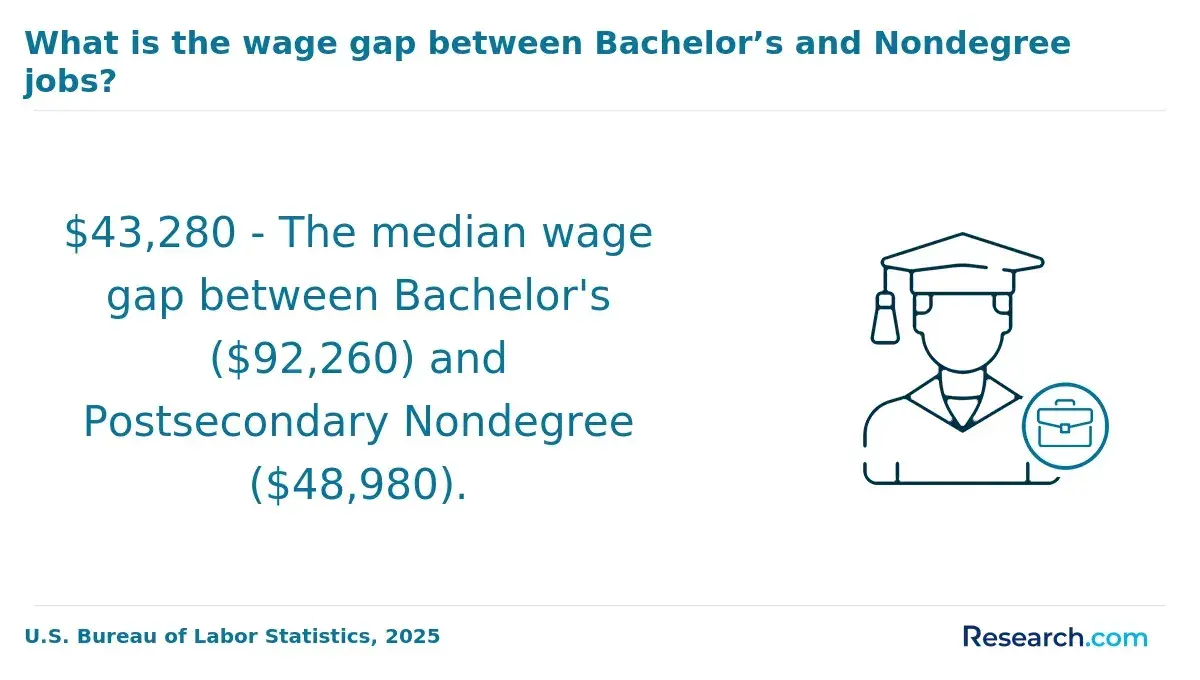
Professional certifications are a crucial credential for graduates holding the highest medical assisting degrees, such as a bachelor's degree, as they validate expertise and enhance career prospects.
These certifications complement the advanced skills and leadership training acquired in such programs, supporting career growth and greater professional recognition.
Common advanced medical assisting certifications available with the highest medical assisting degree include the following:
- Certified Medical Assistant (CMA): Offered by the American Association of Medical Assistants (AAMA), this certification is widely recognized and demonstrates proficiency in clinical and administrative medical assisting tasks.
- Registered Medical Assistant (RMA): Administered by the American Medical Technologists (AMT), the RMA credential validates a broad set of competencies that can improve job opportunities, especially for those aiming to specialize or take on supervisory roles.
- Certified Clinical Medical Assistant (CCMA): Provided by the National Healthcareer Association (NHA), the CCMA focuses on clinical skills essential for delivering patient care. This certification supports graduates who wish to expand their expertise and pursue specialized healthcare positions.
While some medical assisting degree programs integrate certification preparation, others recommend pursuing these certifications after graduation to increase professional credibility and career mobility.
Obtaining such credentials is particularly valuable because certified medical assistants often experience better job prospects and higher wages compared to their non-certified peers, according to the Bureau of Labor Statistics.
This dynamic reflects the healthcare industry's growing emphasis on credentials that attest to both knowledge and clinical competence.
For those considering further academic advancement, combining certifications with a degree can also open pathways into healthcare administration or management.
Those interested may explore options like the cheapest online healthcare management degree to supplement their medical assisting credentials and broaden their career potential.
For students contemplating terminal or doctoral-level medical assisting programs, knowing the range of career options available after graduation is crucial. With healthcare rapidly evolving, those holding the highest qualifications often find themselves positioned for roles beyond typical clinical duties.
In fact, employment for advanced healthcare professionals is expected to rise by more than 15% over the next decade, underscoring the expanding demand for specialized expertise.
Below is an overview of typical career paths for graduates of these advanced programs.
- Clinical Leadership: Graduates frequently become supervisors or department heads, managing medical assisting teams and ensuring quality patient care while implementing efficient clinical workflows.
- Healthcare Administration: These professionals take on roles shaping policy and overseeing operations within healthcare organizations, using their deep understanding of clinical and regulatory environments to optimize service delivery.
- Research Coordination: Many initiate or oversee clinical trials and health outcomes studies, applying rigorous methodologies to contribute to medical knowledge and improve patient care standards.
- Educational Development: Graduates often design and implement curricula and training programs, preparing the next generation of medical assistants with up-to-date skills and best practices.
- Specialized Technical Roles: Positions in medical informatics or advanced diagnostic areas allow graduates to leverage expertise in healthcare technology and data management, supporting innovative clinical solutions.
These career paths benefit from a comprehensive grasp of healthcare law, ethics, and emerging technologies, all of which are integral components of terminal medical assisting degrees.
When asked about her experience pursuing the highest level of medical assisting degree, a professional reflected on the journey as both demanding and rewarding.
She described balancing intensive coursework with real-world clinical responsibilities as a challenge that required strong time management and perseverance.
"The most valuable part was gaining a strategic perspective on healthcare systems," she noted, emphasizing how this shifted her role from a hands-on practitioner to an influential leader within her organization.
Through her advanced studies, she not only deepened her clinical knowledge but also acquired leadership skills that opened doors to policy development and administrative positions she previously considered unreachable.
This educational milestone transformed her career trajectory, equipping her to impact healthcare delivery far beyond direct patient care.
Salary outcomes are a key factor when considering terminal or doctoral-level medical assisting programs, due to the significant time and financial investment required.
Graduates with the highest level medical assisting degree often find themselves positioned for leadership or specialized clinical roles, which align with growing industry demand.
For context, the average salary for medical assisting degree holders at this advanced stage reflects this trend and underscores the value of pursuing the most advanced credentials.
- Early-career salaries: Graduates typically start with salaries ranging from about $50,000 to $60,000. This range reflects entry-level positions as professionals begin to build experience and additional certifications.
- Long-term earning potential: With experience and leadership opportunities, long-term earnings can surpass $90,000. This increase is often tied to supervisory, managerial, or educational roles within healthcare settings.
- Industry variation: Salary can vary significantly depending on geographic location and sector. Roles in healthcare management and teaching generally command higher wages compared to some clinical or administrative positions.
- Advanced degree benefits: Holding the highest credential opens pathways to supervisory and specialized positions that typically offer improved compensation. These roles may include healthcare education or management, which are growing fields for medical assisting professionals.
Students looking for flexible ways to advance their careers may also explore other healthcare education options; for example, online programs such as the cheapest rn to bsn online offer affordable alternatives to complement their medical assisting background.
Understanding the earnings of highest level medical assistants helps prospective students gauge the potential return on investment of advanced education. As healthcare continues to evolve, professionals with terminal-level qualifications are well-positioned for roles that reflect both their expertise and leadership capabilities.
Pursuing the highest level of medical assisting education requires thoughtful consideration due to the significant time and financial commitments involved, often extending over multiple years.
The healthcare sector is expected to grow by 13% from 2022 to 2032, suggesting expanding opportunities but also heightened competition for advanced roles. Carefully evaluating your motivations and resources is essential before enrolling in terminal or doctoral-level programs.
Reflect on the following factors to determine if this path suits your ambitions:
- Career Goals: Identify whether you aspire to leadership, teaching, or specialized clinical roles that benefit from advanced credentials and expertise.
- Research Interests: Advanced medical assisting degrees often emphasize research skills; ensure you are prepared to engage in in-depth study and investigation.
- Financial and Time Investment: Assess tuition costs alongside your ability to balance study with existing professional and personal responsibilities.
- Prior Academic Preparation: Confirm you meet the academic prerequisites and are ready for the rigor of graduate-level coursework.
- Long-Term Benefits: Consider how the degree may enhance career advancement, earning potential, or influence within the healthcare field.
Achieving the highest medical assisting degree can significantly enhance professional growth, increase earning potential, and meet the evolving demands of the healthcare sector.
For instance, medical and health services managers, roles often accessible with advanced credentials, reported a median annual income of approximately $101,340 in 2022, reflecting the value placed on higher qualifications in this field.
This advanced degree develops comprehensive clinical and administrative expertise, positioning graduates for leadership roles such as clinical supervisors or health services managers.
It also offers career flexibility, enabling transitions into related healthcare areas or further academic pathways like nursing or healthcare administration. Such versatility proves advantageous amid the ongoing transformation of healthcare technologies and systems.
Despite these benefits, pursuing the highest level of medical assisting education involves considerable time and financial commitments, often requiring three to four years beyond initial certifications.
Balancing rigorous coursework, which covers complex subjects like healthcare law, advanced clinical skills, and health data management, with personal and professional responsibilities can be demanding.
Prospective students should carefully assess their readiness and whether this path aligns with their career objectives or if gaining hands-on experience and certifications might better suit their current situation.
What Graduates Say About Their Highest Level of Medical Assisting Degree
- Kaiden: "Enrolling in the highest level of medical assisting degree was a game-changer for me, especially considering the reasonable cost of attendance around $15,000. The program thoroughly equipped me with essential skills, from advanced clinical techniques to healthcare administration, setting a solid foundation for my career. Today, I'm confidently advancing in my profession, knowing my education gave me a competitive edge. "
- Hank: "Reflecting on my experience, the investment of approximately $15,000 in the medical assisting degree felt justified given the comprehensive competencies I gained, such as patient care, medical terminology, and lab procedures. These skills have continually shaped my approach to healthcare delivery and professional growth. The degree truly elevated my career opportunities in a meaningful way. "
- Colton: "From a professional standpoint, the cost of the highest level medical assisting program was quite reasonable when weighed against the extensive training in both clinical and administrative areas I received. This program honed my expertise in diagnostics and patient management, contributing directly to my success and credibility within the healthcare field. I highly recommend it to anyone serious about advancing their career. "
Other Things You Should Know About Medical Assisting Degrees
In 2027, the highest level of Medical Assisting education may offer specializations in fields like clinical health, administrative management, and medical coding. This allows professionals to tailor their expertise to specific areas within the medical field, enhancing career opportunities.
The main accreditor for medical assisting programs is the Commission on Accreditation of Allied Health Education Programs, or CAAHEP, through its Medical Assisting Education Review Board. Programs often also seek institutional approval from regional accrediting agencies for transfer and financial aid eligibility.
In 2027, the highest degree you can achieve in Medical Assisting is typically an Associate's Degree in Medical Assisting. This degree prepares students with a comprehensive education, combining clinical skills with administrative knowledge. Upon completion, graduates are equipped to pursue various roles in healthcare settings or continue further education in the medical field.
- 12 Benefits of Becoming a Medical Assistant https://www.rasmussen.edu/degrees/health-sciences/blog/benefits-of-becoming-medical-assistant/
- 20 Must-Have Medical Assistant Skills | Goodwin University https://www.goodwin.edu/enews/must-have-medical-assistant-skills/
- The Ultimate Guide to Medical Assistant Certifications https://nurse.org/healthcare/medical-assistant-certifications/
- Duration of Medical Assistant Programs Explained https://www.centuracollege.edu/blogs/student-development/how-long-medical-assistant-program/
- What Are the Highest-Paying Medical Assistant Specialties in 2025? https://ccitraining.edu/blog/highest-paying-medical-assistant-specialties/
- What Skills Do Medical Assistants Use? | Miller-Motte College https://www.miller-motte.edu/blog/healthcare/what-skills-do-medical-assistants-use/
- Medical Assistant Degree | What Levels are Available for Students? https://www.mymedicalassistingdegree.com/degree/
- Top-Paying Medical Assistant Specialties in 2025: Where to Earn the Most — https://www.nysmda.com/ https://www.nysmda.com/dental-news/top-paying-medical-assistant-specialties-in-2025-where-to-earn-the-most
- How Long Is a Medical Assistant Program in Queens? | SPSON https://www.stpaulsschoolofnursing.edu/blog/medical-assisting/how-long-is-a-medical-assistant-program-in-queens--new-york-.html