2027 How to Become a Forensic (Criminal Justice) Social Worker

Co-Founder and Chief Data Scientist
If you want to help people whose lives intersect with courts, child protection, corrections, victim services, or behavioral health systems, forensic social work may be the right specialization to explore. Forensic social workers—also called criminal justice social workers—apply social work training in legal settings, where decisions can affect safety, custody, sentencing, treatment, rehabilitation, and basic civil rights.
That work matters because legal systems often depend on accurate assessments, trauma-informed support, and coordinated services. In child maltreatment cases in 2025, 12.3% were reported by social service personnel (ACF, 2025), showing how often social service professionals become part of legal intervention and protection processes. Forensic social workers may serve children and families, incarcerated people, crime victims, defendants, people with mental health conditions, and individuals returning to the community after justice-system involvement.
This guide explains how to become a forensic social worker, what the job involves, which education and licensure steps are usually required, where these professionals work, what skills matter most, how much they can earn, and how to decide whether this path fits your goals among the broader fields of social work.
How to Become a Forensic Social Worker Table of Contents
- Why pursue a career in forensic social work?
- Forensic Social Work Career Outlook
- Required Skills for Forensic Social Workers
- Steps to Become a Forensic Social Worker
- What ethical challenges do forensic social workers face?
- How can forensic social workers effectively manage workplace stress and prevent burnout?
- What legal and regulatory challenges shape forensic social work practice?
- How Can Forensic Social Workers Enhance Their Clinical Competency?
- How Can Forensic Social Workers Enhance Cultural Competence?
- How is technology transforming forensic social work?
- What Financial Aid Options Are Available for Forensic Social Work Students?
- Is an Accelerated MSW Program a Strategic Advantage in Forensic Social Work?
- Why Consider CACREP-Accredited Online Programs?
- Are forensic social workers also required to have a background in forensic science?
- What are the current trends shaping forensic social work for 2027?
- Is a Master's in Social Work Worth It for Forensic Specialization?
Quick Answer: How Do You Become a Forensic Social Worker?
Most forensic social workers start by earning a bachelor’s degree in social work, psychology, sociology, criminal justice, or a related field. Many roles—especially clinical, assessment, court-related, and supervisory positions—require a Master of Social Work (MSW), state social work licensure, supervised experience, and training in legal systems, trauma, child welfare, corrections, or victim advocacy.
The typical path is: earn a bachelor’s degree, gain relevant field experience, complete an MSW from an accredited program, meet your state’s licensure requirements, build forensic experience through courts or justice-related agencies, and consider specialized certifications or continuing education. A dedicated forensic science degree is usually not required because forensic social work focuses on people, systems, assessment, advocacy, and service coordination rather than laboratory evidence.
Why pursue a career in forensic social work?
Forensic social work sits at the point where social work practice meets the legal system. Practitioners use social work knowledge to support legal decision-making, protect vulnerable people, reduce harm, connect clients with services, and help courts and agencies understand the human context behind legal cases.
This career may appeal to you if you want a role that combines direct service, advocacy, documentation, crisis response, and collaboration with legal professionals. Forensic social workers may assess family safety, support crime victims, coordinate reentry plans, provide treatment in correctional settings, prepare court reports, testify as expert witnesses, or advocate for policy changes that affect justice-involved populations.
As of 2025, there are about 115,200 forensic social workers in the United States (Zippia, 2025). Their work can involve people in prisons, jails, courts, psychiatric hospitals, child welfare agencies, community programs, and government offices. One cited distribution reported that 41.2% of social workers had a primary focus involving judicial and legal support services, 25.9% focused on people with mental health disorders, and 11.3% focused on people receiving healthcare. In child welfare and protection work, professionals may also encounter cases where children and families are not heard quickly enough, a concern reflected in public discussions about how children who report abuse can be ignored.
The strongest reason to choose forensic social work is fit. This field is not only about wanting to help. It also requires comfort with legal procedures, high-stakes documentation, conflicting stakeholder demands, trauma exposure, safety concerns, and the need to remain objective under pressure.
| Forensic social work may fit you if... | You may want another social work path if... |
| You are interested in courts, corrections, child protection, victim advocacy, or legal decision-making. | You prefer a setting with less involvement in legal deadlines, court reports, or mandated processes. |
| You can balance empathy with objectivity and careful documentation. | You want a role centered mainly on long-term voluntary counseling without legal oversight. |
| You are willing to work with trauma, family conflict, violence, substance use, mental illness, and systemic inequity. | You are uncomfortable with crisis-heavy environments or adversarial systems. |
| You want to collaborate with judges, attorneys, probation officers, law enforcement, clinicians, and community agencies. | You prefer independent practice with fewer multidisciplinary or government-system interactions. |
Forensic Social Work Career Outlook
Understanding the career outlook is an important part of deciding how to become a forensic social worker. The broader social work field continues to need professionals who can support vulnerable populations, coordinate services, and respond to behavioral health, child welfare, and justice-system needs. According to the Bureau of Labor Statistics (BLS), employment of social workers, including forensic social workers, is projected to grow 12% by 2031, which is much faster than the average for all occupations.
Career prospects can vary widely by state, local funding, agency type, licensure level, and specialization. Child welfare, victim services, juvenile justice, behavioral health, and reentry work may offer different hiring conditions than private clinical practice or court consulting. Salaries can also differ by employer and location, and forensic social work compensation is not always comparable with legal professions such as attorneys or judges.
Forensic social workers who build advanced clinical skills, legal-system experience, strong report-writing ability, and relevant credentials may be better positioned for supervisory, clinical, consulting, policy, or expert-witness roles. However, no credential guarantees a specific salary or job outcome.
Where forensic social workers work
Forensic social workers can be employed in public agencies, nonprofit organizations, healthcare systems, correctional institutions, courts, and private practices. Like professionals in other areas of social work, they may provide counseling, case management, advocacy, assessment, referrals, crisis intervention, and systems navigation. Their work settings may also overlap with broader systems-level roles associated with macro social work job titles. For a general overview of what social workers do across settings, the British Association of Social Workers provides a useful description of how professionals work in a variety of settings.
| Setting | Typical responsibilities | Who this setting may suit |
| Criminal justice system | Assessment, treatment planning, counseling, reentry support, mitigation reports, probation or parole coordination, and support for people in courts, prisons, jails, or juvenile facilities. | Professionals interested in rehabilitation, accountability, behavioral health, and court-connected services. |
| Child welfare system | Safety assessments, family service plans, court documentation, permanency planning, support for abused or neglected children, and coordination with protective services and family courts. The most common type of maltreatment recorded by Child Welfare Information Gateway was neglect, reaching 76% of all cases. | People who want to work with children, caregivers, family systems, trauma, and protection proceedings. |
| Mental health facilities | Clinical assessment, discharge planning, crisis response, treatment coordination, and support for clients with mental health conditions who also have legal involvement or trauma histories. | Social workers seeking a clinical role that still intersects with courts, safety planning, or mandated care. |
| Victim services agencies | Crisis intervention, safety planning, court accompaniment, legal-system navigation, advocacy, and referrals for survivors of domestic violence, sexual assault, trafficking, or other crimes. Among victim service providers, 48.2% accompanied victims to criminal court while 61.3% informed victims about case events and proceedings (BJS, 2025). | Professionals committed to survivor-centered advocacy and trauma-informed support. |
| Private practice or consulting | Therapy, evaluations, expert consultation, court-related reports, training, or specialized services for clients affected by trauma or justice-system involvement. | Experienced licensed clinicians who want more autonomy and specialized practice options. |
How much do forensic social workers make?
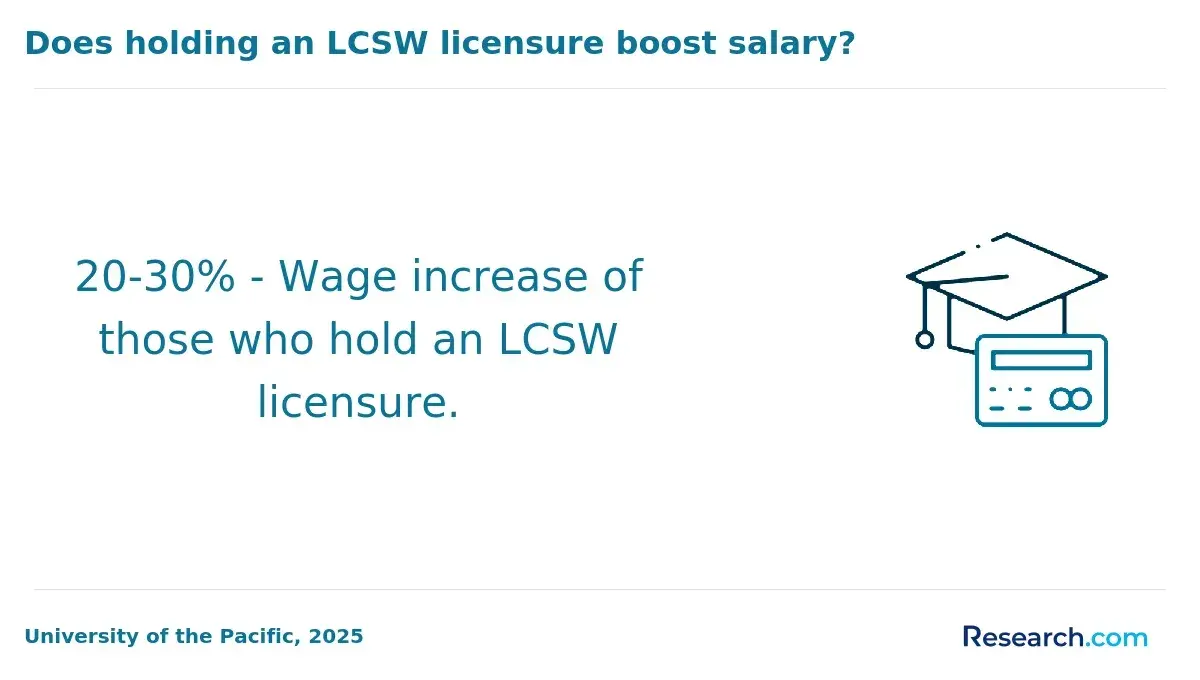
The forensic social worker salary depends on location, employer, education, licensure, experience, specialization, and job duties. The BLS classifies forensic social workers under “Social Workers, All Other” occupational employment and wage data. Based on this data set, the median wage for this group is $61,420, with the highest 10% earning an average of $95,560. The forensic psychologist salary is typically in the same range.
The BLS reports the job outlook for social workers to grow 12% through 2031, with an estimated 74,700 openings for social workers projected each year, on average. Advancement may be possible through additional supervised experience, clinical licensure, specialized credentials, leadership roles, policy work, program administration, or court consultation.
Required Skills for Forensic Social Workers
Forensic social work requires more than compassion. The work often involves legal scrutiny, safety concerns, trauma exposure, mandated clients, conflicting information, and records that may be used in court. Strong practitioners combine social work values with careful documentation, ethical judgment, legal awareness, and cultural humility.
Core professional skills
- Assessment and risk evaluation. Forensic social workers must identify client needs, strengths, safety concerns, mental health factors, family dynamics, and service barriers. They may use interviews, standardized tools, collateral information, records, and professional judgment. Estimates suggest there were over 463,000 licensed social workers in the United States (ASWB, 2025).
- Legal and procedural knowledge. Practitioners need a working understanding of criminal and civil court processes, mandated reporting, confidentiality limits, client rights, correctional policies, child protection procedures, and professional ethics. Overall employment of social workers is projected to grow 6% by 2034, faster than the average for all occupations, with about 74,000 openings projected each year on average over the decade.
- Report writing and documentation. Court-connected work depends on accurate, neutral, timely, and defensible records. Forensic social workers must separate facts, client statements, professional observations, and clinical opinions.
- Case management. Many clients need coordinated support across housing, treatment, education, healthcare, benefits, transportation, legal appointments, and family services. Strong case management is essential when systems are fragmented or slow. Discussions about the need to strengthen the child protection workforce show why timely service coordination matters.
- Research and policy literacy. Forensic social workers should be able to interpret policies, program evidence, risk factors, and legal requirements so their work is informed rather than purely reactive.
- Communication with multiple audiences. A single case may require conversations with clients, caregivers, judges, attorneys, probation officers, teachers, physicians, therapists, law enforcement, and agency administrators. Clear communication reduces mistakes and protects clients.
- Cultural competence and humility. Race, disability, language, immigration status, poverty, gender identity, religion, and community context can shape how people experience legal and social service systems. Forensic social workers must recognize bias and adapt practice responsibly.
Personal and interpersonal skills
- Empathy with boundaries. Clients may be frightened, angry, distrustful, or mandated to participate. Effective support requires compassion without overidentification or loss of objectivity.
- Active listening. Legal-system involvement can make clients feel unheard. Strong listening helps uncover safety concerns, trauma history, and practical barriers that may not appear in official records.
- Critical thinking. Forensic social workers regularly work with incomplete, conflicting, or emotionally charged information. They must evaluate evidence carefully and avoid assumptions.
- Flexibility. Court dates, emergency placements, crisis calls, jail access, agency staffing, and client safety issues can change quickly.
- Collaboration. This field is multidisciplinary. Social workers need to advocate effectively while working with professionals whose priorities and ethical frameworks may differ.
- Resilience. The work can involve abuse, violence, incarceration, family separation, and systemic barriers. Long-term success depends on supervision, peer support, and sustainable workload practices. Leaving a role mid-case can affect vulnerable clients, which is one reason career planning and support are important during periods of workforce strain, including discussions of social work careers during the Great Resignation.
Steps to Become a Forensic Social Worker
The path to forensic social work usually includes formal education, field experience, licensure, and specialized training. Requirements vary by state and employer, so students should verify licensure rules where they plan to practice before choosing a program.
| Step | What to do | Decision tip |
| 1. Earn a bachelor’s degree | Begin with a bachelor’s degree in social work or a related area such as psychology, sociology, or criminal justice. A total of 25,846 bachelor’s degrees in social work were conferred (CSWE, 2025). | A BSW can provide a direct foundation in human behavior, policy, research, and practice. Related majors may still work, but MSW admissions requirements can differ. |
| 2. Build relevant experience | Seek internships, volunteer work, or entry-level jobs in child welfare, victim services, behavioral health, courts, corrections, domestic violence programs, youth services, or reentry organizations. | Choose placements that expose you to legal documentation, mandated reporting, crisis intervention, or multidisciplinary teams. |
| 3. Complete an MSW | An MSW is commonly required for advanced forensic social work roles, especially clinical and supervisory positions. Approximately 34,000 master’s degrees in social work were conferred in the United States (CSWE, 2025). | Look for field placements or electives in forensic practice, child welfare, trauma, mental health, criminal justice, or policy. |
| 4. Obtain state licensure | Most states require licensure to practice social work. Requirements commonly include an approved degree, supervised experience, and a licensing exam. Based on ASWB data, master’s of social work graduates have a 72.8% passing rate (ASWB, 2025). | Check your state board before enrolling. Licensure titles and clinical requirements vary. |
| 5. Specialize through forensic experience | Work in legal or justice-connected environments and learn court procedures, ethical standards, safety planning, documentation, and expert collaboration. | Experience with courts, correctional facilities, child protection, or victim services can be more valuable than a general credential alone. |
| 6. Consider certification or continuing education | Pursue specialized training in forensic social work, trauma, case management, corrections, child welfare, or clinical practice. | Certifications can strengthen credibility, but employers may value licensure and relevant experience more heavily. |
If you are still comparing degree paths, a social work degree program can help you understand foundational academic options. Working adults may also compare online master’s degree social work programs, but they should confirm accreditation, field placement requirements, and state licensure alignment before enrolling. Some forensic social workers work closely with a criminologist or other legal-system professionals, and a smaller number pursue a Juris Doctor or JD/PhD path if they want to practice law or move into legal scholarship.
Forensic social worker certifications and specialized training
Certification is not always required, but it can help demonstrate focused preparation. The National Association of Forensic Counselors (NAFC) is the primary certification board that grants certifications to qualified forensic social work professionals. Forensic specialty certifications for clinical and non-clinical levels and addiction specialty certifications are among the certifications offered to forensic social workers. The NAFC is the first and largest independent multi-disciplinary credentialing board representing the Forensic Counselor and Criminal Justice Specialist.
| Credential or training area | Best for | What to verify |
| Certified Forensic Social Worker (CFSW) | Social workers who want recognition of forensic social work knowledge and experience. | Confirm current eligibility rules, exam requirements, renewal expectations, and employer recognition. |
| Certified Advanced Social Work Case Manager (C-ASWCM) | Professionals whose forensic role centers on complex service coordination and systems navigation. | Check education, experience, documentation, and continuing education requirements. |
| Trauma-Focused Cognitive Behavioral Therapy (TF-CBT) Certification | Clinicians working with children and adolescents who have experienced trauma. | Make sure the training fits your client population and scope of practice. |
| Certified Clinical Trauma Professional (CCTP) | Social workers providing trauma-informed assessment or counseling. | Review whether the credential is respected by your target employers or licensing board. |
| Forensic social work certificate programs | Students or professionals seeking structured exposure to court-connected practice. | Evaluate faculty expertise, curriculum depth, supervised practice opportunities, and whether the credential is academic, professional, or continuing education-based. |
What ethical challenges do forensic social workers face?
Ethics are central to forensic social work because practitioners often serve clients while also responding to court orders, agency rules, safety mandates, and public accountability. The same professional may be asked to support a client, document risk, share information with authorities, and testify in a legal proceeding. That makes boundaries and transparency essential.
- Confidentiality and legal disclosure. Clients need privacy, but forensic social workers may have duties related to mandated reporting, court orders, subpoenas, institutional safety, or supervision requirements. The key is to explain confidentiality limits clearly and disclose only what is required and ethically appropriate.
- Dual loyalty. A practitioner may feel pulled between client advocacy and legal-system demands. For example, a court-ordered assessment may not produce the outcome the client wants. Social workers must be honest about their role from the start.
- Informed consent in mandated settings. Clients in prisons, psychiatric facilities, child welfare cases, or court programs may not feel free to refuse services. Forensic social workers should explain the purpose of services, who will receive information, and what participation means.
- Objectivity in reports and testimony. Court-facing work requires neutral, evidence-informed communication. Practitioners must avoid advocacy that distorts facts, as well as punitive interpretations that ignore trauma or social context.
- Conflicts between legal and social work values. The law may not always align with a client’s preference, family needs, or broader social justice goals. Consultation, supervision, ethics review, and careful documentation help practitioners handle these conflicts responsibly.
- Bias and cultural harm. Risk assessments and legal systems can reflect structural inequities. Forensic social workers should examine how race, poverty, disability, language, immigration status, and trauma history affect both client behavior and system response.

How can forensic social workers effectively manage workplace stress and prevent burnout?
Forensic social work can involve repeated exposure to trauma, conflict, danger, institutional pressure, and moral distress. Burnout prevention should not be treated as an individual weakness issue. It requires healthy supervision, realistic caseloads, peer consultation, clear boundaries, trauma-informed agency policies, time away from crisis work, and access to mental health support when needed.
Practical strategies include using reflective supervision, debriefing after difficult cases, rotating high-intensity assignments when possible, documenting workload concerns, building a peer network, and pursuing continuing education in trauma, crisis response, and emotional regulation. Professionals who want broader grounding in behavior, stress, and mental health interventions may also explore online psychology programs, especially if they are comparing social work and psychology-related training.
What legal and regulatory challenges shape forensic social work practice?
Forensic social workers operate inside legal and regulatory frameworks that affect what they can document, disclose, recommend, and provide. Common issues include mandated reporting, confidentiality limits, evidence handling, court testimony, client records, telehealth rules, correctional policies, interstate practice restrictions, and licensure scope.
Because these rules change, practitioners should regularly review state board guidance, agency policies, court expectations, and professional ethics standards. Students comparing MSW options should look beyond tuition and ask whether a program helps them understand law-related practice, documentation, child welfare regulations, correctional systems, and clinical ethics. Cost-conscious students may compare the cheapest CSWE-accredited online MSW programs, but affordability should be evaluated alongside accreditation, field placement quality, licensure alignment, and student support.
How Can Forensic Social Workers Enhance Their Clinical Competency?
Clinical competency matters when forensic social workers provide assessment, therapy, safety planning, trauma intervention, crisis services, or court-related clinical opinions. Strong clinical practice requires supervised experience, evidence-informed methods, ongoing training, accurate diagnosis within scope, and a clear understanding of how legal involvement changes the therapeutic relationship.
Professionals who plan to pursue independent clinical practice should compare licensure-focused education and supervision options. LCSW programs can help students identify pathways aligned with clinical licensure preparation, but students should still verify state-specific requirements. Clinical growth also comes from interdisciplinary consultation with attorneys, psychologists, psychiatrists, probation officers, child welfare workers, and victim advocates.
How Can Forensic Social Workers Enhance Cultural Competence?
Cultural competence in forensic social work is not limited to respectful communication. It includes recognizing how legal systems can affect communities differently, how trauma and distrust shape client behavior, and how assessment tools or agency policies may produce unequal outcomes. Social workers should use culturally responsive interviewing, qualified interpreters when needed, community-informed referrals, and supervision that addresses bias.
It is also important to understand professional role boundaries. Social workers, psychologists, attorneys, counselors, and correctional staff may all contribute to a case, but their training and responsibilities differ. Students comparing helping professions can review the difference between social worker and psychologist to clarify which route best matches their interests.
How is technology transforming forensic social work?
Technology is changing how forensic social workers document cases, communicate with clients, coordinate with courts, and protect sensitive information. The benefits are real, but so are the risks. Digital practice requires strong judgment around privacy, access, consent, cybersecurity, and documentation.
- Electronic case management. Digital records can improve continuity, reporting, and coordination, but they also make accuracy and access control critical. A poorly written note can affect a legal proceeding.
- Telehealth and virtual meetings. Remote services can help clients in rural areas, detention settings, shelters, or transportation-limited situations. Practitioners must confirm identity, privacy, emergency protocols, and state practice rules.
- Data analysis and risk tools. Agencies may use data to identify needs, track outcomes, or support risk assessment. Social workers should understand both the value and the limits of these tools, especially where bias may be embedded.
- Online training and simulation. Virtual learning can support skill-building in interviewing, testimony preparation, crisis response, and documentation. It should supplement—not replace—supervised field experience.
- Digital ethics. Consent, confidentiality, record retention, client communication, and court-related disclosures must be managed carefully when services or records are digital.
- Legal-system coordination. Shared portals and electronic communication can speed up collaboration, but forensic social workers must know what information they are permitted to share and with whom.
Students considering advanced social work education may also compare doctoral routes. A DSW vs PhD comparison can help clarify whether practice leadership or research-focused scholarship is the better fit.
What Financial Aid Options Are Available for Forensic Social Work Students?
Financial aid for forensic social work students may include federal aid, institutional scholarships, grants, assistantships, employer tuition support, payment plans, public service-focused funding, and state-based programs. Availability depends on the school, degree level, enrollment status, financial need, academic profile, and field placement requirements.
Students should compare total program cost, not just tuition. Important expenses can include fees, travel to field placements, exam preparation, background checks, liability insurance, technology, books, lost work hours, and licensure costs. Financial aid advisors can explain program-specific options, but students should also ask how often scholarships are renewed and whether aid applies to summer or part-time enrollment. If you are comparing related social science pathways, affordable online sociology degree programs may provide additional context on cost-conscious study options.
| Cost or funding question | Why it matters |
| Is the MSW program CSWE-accredited? | Accreditation can affect licensure eligibility and employer acceptance. |
| Are field placements arranged by the school? | Forensic placements can be competitive, and students may need support securing appropriate sites. |
| Does tuition differ for online, out-of-state, or part-time students? | The cheapest option on paper may not be the cheapest once fees and residency rules are included. |
| Can you keep working while enrolled? | Field hours and intensive courses may reduce income or require schedule changes. |
| Are there employer reimbursement or public service options? | Some students reduce costs through agency employment or service-linked funding. |
Is an Accelerated MSW Program a Strategic Advantage in Forensic Social Work?
An accelerated MSW can be useful if you already have strong academic preparation, relevant experience, and the ability to manage a compressed schedule. The main advantage is speed: students may reach advanced fieldwork, licensure preparation, or forensic employment sooner than they would in a traditional timeline.
The trade-off is intensity. Accelerated programs can leave less time for paid work, reflection, elective exploration, and gradual skill development. In forensic social work, where documentation, trauma exposure, and ethical judgment matter, speed should not come at the expense of field placement quality or supervision. If a shorter timeline is important, compare the fastest MSW program options while asking whether they offer strong practicum support in courts, child welfare, behavioral health, corrections, or victim services.
Why Consider CACREP-Accredited Online Programs?
Students should understand the difference between social work and counseling accreditation before choosing a graduate program. For social work licensure, CSWE accreditation is typically the key standard to verify. CACREP—the Council for Accreditation of Counseling and Related Educational Programs—applies to counseling programs, not traditional MSW programs.
A cheapest CACREP-accredited program online may be worth exploring if you are considering a counseling career that intersects with trauma, courts, or behavioral health. However, if your goal is to become a licensed social worker or forensic social worker, confirm whether the program meets social work licensure requirements in your state.
- Affordability. Online counseling programs may reduce some relocation or commuting costs, but students should compare total tuition, fees, practicum requirements, and licensure-related expenses.
- Flexibility. Online formats can help working adults complete coursework, though practicum and internship hours usually still require scheduled site-based work.
- Accreditation fit. CACREP can matter for counseling licensure pathways. CSWE is the accreditation students usually need for MSW-based social work licensure.
- Career alignment. Choose the accreditation that matches your intended license and job title, not just the lowest advertised tuition.
Are forensic social workers also required to have a background in forensic science?
Forensic social workers are generally not required to have a forensic science background. The word “forensic” means the work relates to legal questions or legal systems; it does not mean every forensic role involves laboratory science, crime scene analysis, or physical evidence processing.
A forensic science degree may be useful for students who want to understand scientific evidence, investigations, or criminalistics, but forensic social work is primarily concerned with people, behavior, trauma, family systems, rights, services, risk, and advocacy. A basic understanding of forensic science can help in some multidisciplinary cases, but it is not a substitute for social work education, supervised practice, or licensure.
What are the current trends shaping forensic social work for 2027?
Forensic social work is being shaped by technology, trauma-informed practice, legal reform, workforce pressure, and growing attention to equity. These trends affect what employers expect and what students should look for in training.
- Trauma-informed practice. Forensic social workers increasingly need to recognize how trauma influences memory, behavior, trust, family functioning, and engagement with services. This is especially important in child welfare, domestic violence, trafficking, incarceration, and victim services. Students seeking accessible entry points into the field may compare easiest social work degree options while still checking program quality and licensure fit.
- Digital documentation and service delivery. Electronic case systems, virtual meetings, and telehealth can improve access, but they also raise privacy and evidence-management concerns.
- Systemic advocacy. Forensic social workers are increasingly involved in conversations about racial disparities, mental health access, poverty, reentry barriers, child welfare reform, and the criminalization of unmet social needs.
- Interdisciplinary teamwork. Complex cases require coordination across legal, medical, mental health, educational, correctional, and community systems. Collaboration skills are now essential rather than optional.
- Specialized continuing education. Employers may value training in trauma, risk assessment, forensic interviewing, cultural competence, digital ethics, substance use, child protection, and correctional mental health.
- Prevention and diversion. Many systems are giving more attention to reducing recidivism, supporting at-risk youth, connecting people to treatment, and addressing problems before they become legal crises.
- Expanding roles beyond traditional settings. Forensic social work skills can apply in human trafficking response, disaster response, workplace violence prevention, behavioral threat assessment, and community violence intervention.
Is a Master's in Social Work Worth It for Forensic Specialization?
An MSW is often worth considering if you want advanced clinical, supervisory, assessment, leadership, or court-connected responsibilities in forensic social work. Many entry-level helping roles may be available with a bachelor’s degree, but an MSW can expand eligibility for licensure, independent clinical practice, higher-responsibility casework, and specialized settings.
The value of an MSW depends on cost, accreditation, licensure alignment, field placement quality, your target state, and your career goals. Before enrolling, compare expected debt with realistic job options, ask about forensic or justice-related placements, and confirm whether the program prepares graduates for the license you need. If you are still weighing career outcomes, reviewing what can you do with a masters in social work can help you compare roles beyond forensic practice.
Common Mistakes to Avoid When Preparing for Forensic Social Work
- Choosing a program without checking accreditation. For MSW students, CSWE accreditation is often central to licensure eligibility. Do not assume every online or low-cost program qualifies.
- Focusing only on tuition. Field placement support, fees, travel, exam costs, and lost work hours can change the real price of a degree.
- Assuming forensic science and forensic social work are the same. They are related to legal systems in different ways, but they prepare students for different roles.
- Ignoring state licensure rules. Social work licensure is state-specific. A program that works for one state may not meet another state’s requirements.
- Waiting too long to gain relevant experience. Courts, corrections, child welfare, and victim services can be emotionally demanding. Early field exposure helps you test fit before committing to a specialization.
- Underestimating documentation. In forensic settings, records may be reviewed by courts, attorneys, agencies, or licensing boards. Writing quality matters.
- Assuming salary outcomes are guaranteed. Pay varies by employer, location, licensure, experience, and role. Use salary data as a planning tool, not a promise.
- Neglecting self-care and supervision. Trauma exposure and moral stress can shorten careers if professionals lack support and boundaries.
Questions to Ask Before Choosing a Forensic Social Work Path
| Question | Why to ask it |
| Does this program meet licensure requirements in the state where I plan to work? | Licensure eligibility is one of the most important practical factors in social work education. |
| Does the school offer forensic, child welfare, corrections, victim services, or behavioral health field placements? | Specialized experience can help you compete for forensic roles after graduation. |
| Who supervises field placements, and what support is available if a placement fails? | High-quality supervision is essential in legal and trauma-exposed settings. |
| How does the program teach documentation, ethics, mandated reporting, and court-related practice? | These are daily requirements in forensic social work. |
| What are the total costs, including fees and field placement expenses? | Total cost affects return on investment more than tuition alone. |
| What licenses or certifications do local employers prefer? | Employer expectations vary by region and setting. |
| Am I prepared for work involving trauma, conflict, safety concerns, and legal scrutiny? | Personal fit is as important as academic interest. |
Discover Your Path to a Forensic Social Work Career
Forensic social work is a demanding but meaningful specialization for people who want to bring social work values into legal and justice-connected environments. It builds on the broader what is social work definition by applying assessment, advocacy, counseling, and systems navigation in settings where legal outcomes and human needs intersect.
These professionals play an important role in helping justice systems account for trauma, dignity, safety, mental health, family context, and access to services. Public discussions of how social workers have changed communities reflect the broader impact of the profession. If you are drawn to legal settings but want a more psychology-centered route, you may also compare a specialized forensic psychology degree program.
Licensure rules remain one of the most important planning details. If you want to practice in a specific state, review local requirements early. For example, students considering practice in Texas can begin by researching how to get a Texas social work license.
Key Insights
- Forensic social work connects social services and the legal system. Practitioners may work in courts, corrections, child welfare, victim services, mental health facilities, reentry programs, and private practice.
- An MSW is often important for advancement. Bachelor’s-level roles may exist, but many clinical, supervisory, assessment, and court-related positions require an MSW, licensure, and supervised experience.
- Licensure rules are state-specific. Before choosing a program, confirm accreditation, field placement requirements, exam expectations, and whether the degree supports your intended license.
- Forensic social work is not forensic science. A forensic science background can be helpful in some cases, but the core preparation is social work education, legal-system knowledge, ethical practice, and client-centered intervention.
- Documentation and objectivity are career-critical. Reports, assessments, and testimony may affect court decisions, custody, treatment, release planning, or safety outcomes.
- Trauma-informed and culturally responsive practice are essential. Many clients have experienced violence, neglect, incarceration, poverty, discrimination, or system mistrust.
- Salary and job prospects vary. The BLS category “Social Workers, All Other” reports a median wage of $61,420, with the highest 10% earning an average of $95,560, but actual earnings depend on location, employer, licensure, and role.
- Choose programs by fit, not speed alone. Accelerated and online options can be valuable, but forensic social work students should prioritize accreditation, field placement quality, licensure alignment, and supervision.
References:
- Association of Social Work Boards. (2025). The licensed social work workforce. https://www.aswb.org/wp-content/uploads/2025/07/Social-Work-Workforce-Study-Series-Report-2.pdf
- Accredited Schools Online. (2025). Criminal Justice Careers. https://www.accreditedschoolsonline.org/criminal-justice-degree/careers/
- ABCSW. (n.d.). Forensic and correctional social work specialty. https://www.abcsw.org/apply-for-forensic-and-correctional-social-work
- Bureau of Labor Statistics. (2026). Social workers: Occupational outlook handbook. U.S. Department of Labor. https://www.bls.gov/ooh/community-and-social-service/social-workers.htm
- Council on Social Work Education. (n.d.). About CSWE. https://www.cswe.org/
- Council on Social Work Education. (2025). Annual Statistics on Social Work Education in the United States. https://www.cswe.org/research-statistics/annual-statistics-on-social-work-education/
- National Organization for Forensic Social Work (NOFSW). https://fswalliance.org/
- Forensic Social Work Certificate Program: Foundation Skills for Forensic Social Work. (n.d.). National Forensic Social Work Alliance. https://fswalliance.org/program/forensic-social-work-certificate-program-foundation-skills-for-forensic-social-work-virtual-format-only/
- Social Work Degrees. (2025). How to become a forensic social worker: 2026 career guide. https://www.socialworkdegrees.org/forensic-social-work
- Social Work Workforce, Licensing, and Hawai‘i: An Overview. (2025). PMC. https://pmc.ncbi.nlm.nih.gov/articles/PMC12403241/
Other Things You Should Know About How to Become a Forensic (Criminal Justice) Social Worker
In 2027, aspiring forensic social workers need a Master's degree in Social Work (MSW). Specialization in forensic or criminal justice social work is beneficial. Additionally, state licensure is required, which may include post-graduate supervised experience and passing a licensing exam.
To become a forensic social worker in 2027, obtaining certifications such as the Certified Forensic Social Worker (CFSW) through the National Organization of Forensic Social Work is beneficial. This certification enhances credibility and demonstrates expertise in the intersection of social work and legal systems.
Most MSW programs require 900 to 1,200 supervised fieldwork hours, and many forensic placements are completed in courts, jails, probation offices, or victim advocacy agencies. These hours are usually split across foundation and advanced practicums before graduation and clinical licensure.
In 2027, forensic social workers typically earn between $50,000 and $80,000 annually, depending on their location, experience, and the organization they work for. Those with advanced degrees or specialized certifications may earn higher salaries.
Yes, forensic social workers in 2027 must complete at least 30 hours of continuing education every two years, including coursework in ethics and legal standards. Requirements can vary by state, so verification with local licensing bodies is recommended.
Aspiring forensic social workers in 2027 should pursue bachelor’s and master’s degrees in social work with an emphasis on criminal justice. Completing courses in psychology, criminology, and the legal system is recommended to build a strong foundation for this specialized field.