2027 Fields of Social Work: Explore Your Best Career Path as a Social Worker

Co-Founder and Chief Data Scientist
Choosing a field in social work is not just a question of “What job can I get?” It is a decision about the people you want to serve, the problems you want to address, the license you may need, and the kind of work environment you can sustain over time. Social workers support individuals, families, schools, hospitals, courts, nonprofits, public agencies, veterans, older adults, and communities facing complex social and economic challenges.
The career outlook remains strong. The U.S. Bureau of Labor Statistics reports a median pay of $63,770 per year and projects faster-than-average employment growth of 7% by 2033, with an increase of 53,800 positions (Bureau of Labor Statistics, 2025). Other cited BLS figures in this guide list median pay at $58,380 per year or $28.07 per hour, 743,500 social work-related jobs in the U.S., and an expected increase of 53,700 new employees over a decade through 2033. These figures show why social work remains a practical career option, but salary and advancement depend heavily on specialization, education, licensure, location, and employer type.
This guide explains the major fields of social work, how education and licensure shape your options, which roles may require a BSW, MSW, DSW, LCSW, or child welfare credential, and how to compare career paths based on salary, work setting, stress level, growth potential, and long-term fit.
Fields of Social Work Table of Contents
- What is social work?
- Skills Required for Social Work
- Degrees in Social Work for 2026
- Social Work Job Outlook
- Social Work Career Paths
- Social Work Internship and Fieldwork Opportunities
- Social Work Volunteer Opportunities
- How can social workers manage personal stress and prevent burnout?
- What are the key ethical considerations in professional social work?
- Can Affordable Online MSW Programs Enhance Career Growth?
- How can social workers expand their expertise and gain competitive advantages in the field?
- What challenges do social workers face in their careers?
- What are the best educational paths for aspiring social workers?
- The Role of Education in Advancing Social Work Careers
- Is a Social Work Degree Worth the Investment?
- How does obtaining an advanced degree impact social work compensation?
- Are Accelerated Online MSW Programs Worth Considering for Fast-Tracking Your Career?
- Can affordable online doctoral programs bolster your career sustainability?
- Can Professional Networking and Mentorship Amplify Your Career Success?
- Future Trends in Social Work
Quick Answer: What are the main fields of social work?
The major fields of social work include clinical and mental health social work, child welfare, school social work, healthcare and medical social work, aging and gerontology, substance use services, justice and corrections, community organizing, policy and planning, public welfare, veterans services, international social work, occupational and employee assistance programs, administration, academia, and research. Clinical roles usually require an MSW and state licensure, while many community, nonprofit, public welfare, and entry-level case support roles may begin with a BSW or related degree.
| Career goal | Most relevant social work path | Typical education or credential | Best fit for students who want to... |
| Provide therapy or mental health treatment | Clinical, mental health, or substance use social work | MSW, supervised clinical hours, LCSW | Work directly with clients in treatment settings |
| Protect children and support families | Child welfare or school social work | BSW or MSW; CWEL and/or LCSW may apply | Serve children, parents, foster systems, and schools |
| Work in hospitals or healthcare systems | Medical social work, hospice, care coordination | MSW or DSW; LCSW often preferred or required | Help patients navigate illness, care plans, and resources |
| Influence systems instead of individual cases | Policy, planning, administration, advocacy, research | BSW, MSW, DSW, or Ph.D. depending on role | Shape programs, laws, funding, or organizational strategy |
| Serve military-connected populations | Military and veterans social work | BSW or MSW; LCSW commonly required | Support veterans, service members, and families |
What is social work?
Social work is a profession focused on improving individual well-being, strengthening families, expanding access to services, and addressing social conditions that harm communities. It combines direct service, advocacy, counseling, case management, crisis response, policy work, and community development.
Unlike many helping professions that focus mainly on one person’s symptoms or behavior, social work considers the person-in-environment context. That means social workers look at housing, income, safety, family systems, discrimination, disability, trauma, education, healthcare access, legal systems, and community resources when helping a client or population.
Social work connects closely with government, healthcare, criminal justice, education, public policy, human behavior, sociology, psychology, and nonprofit management. This is why social workers can pursue many different roles, from clinical therapist to hospital discharge planner, child welfare investigator, school social worker, policy analyst, program director, researcher, or community organizer.
Skills Required for Social Work
Strong social workers need more than compassion. The work requires sound judgment, legal and ethical awareness, documentation accuracy, crisis response, cultural humility, and the ability to coordinate care across complicated systems. The most important skills fall into two broad groups: practice skills and professional durability skills.
Core practice skills
- Crisis intervention: Social workers may respond when clients face self-harm, suicide risk, domestic violence, homelessness, abuse, medical instability, or family separation. This requires calm assessment, immediate safety planning, referral knowledge, and the ability to work under pressure. The urgency is real: approximately 55% of female homicide victims globally are killed by intimate partners or family members (UNODC, 2025).
- Client counseling: Social workers must explain options clearly, respect client autonomy, protect privacy, and help people make informed decisions. Effective counseling is not simply giving advice; it involves listening, motivational communication, and practical planning.
- Deductive and inductive reasoning: Practitioners often work with incomplete information. They must connect details, identify inconsistencies, recognize risk indicators, and avoid jumping to conclusions, especially in abuse, trauma, custody, or crisis cases.
- Critical thinking: Social workers evaluate client statements, agency policies, research findings, assessment tools, and treatment recommendations. They need to know what evidence supports an intervention and where the limits of that evidence are.
- Research literacy: Evidence-based practice requires the ability to interpret studies, compare interventions, review outcomes, and distinguish credible resources from untested claims.
- Decision-making: Social workers may help determine referrals, safety plans, discharge options, foster care placement, treatment pathways, or emergency intervention steps. Decisions can affect a client’s safety, family stability, and access to care.
- Counseling and psychotherapy: Clinical social workers use therapeutic methods to assess and treat mental health concerns. Independent clinical practice typically requires a license such as the LCSW, depending on state rules.
Professional and interpersonal skills
- Empathy: Social workers need to understand what clients are experiencing without assuming every client will respond the same way. Empathy builds trust and improves assessment quality.
- Professional boundaries: Caring deeply does not mean taking over a client’s life. Boundaries protect both the client and the practitioner and help prevent ethical conflicts.
- Active listening: Social workers listen for what clients say, what they avoid saying, and what body language, behavior, or context may reveal. This is especially important when clients are afraid, ashamed, traumatized, or legally vulnerable.
- Emotional intelligence: High-stress conversations require self-control, de-escalation, and awareness of how emotions influence communication and judgment.
- Organization: Case notes, service plans, referrals, court documents, medical coordination, deadlines, and follow-ups must be managed carefully. Poor documentation can hurt clients and expose agencies to legal risk.
- Resilience and self-care: Social workers encounter trauma, conflict, scarcity, and loss. A review study in Traumatology found that exposure to client trauma, challenging client behaviors, and workers’ own trauma histories were risk factors for secondary traumatic stress, while personal resilience and organizational support were protective factors among direct support professionals.
| Skill area | Why it matters | How to build it |
| Crisis response | Clients may face immediate safety risks | Field placement, supervision, crisis training, role-play |
| Documentation | Records support continuity of care and legal compliance | Case note practice, supervisor feedback, agency templates |
| Ethical judgment | Clients often disclose sensitive, high-stakes information | Ethics coursework, consultation, licensure preparation |
| Interdisciplinary coordination | Social workers frequently work with courts, hospitals, schools, and agencies | Internships, interprofessional meetings, referral mapping |
| Self-management | Burnout can reduce quality of care | Boundaries, peer support, supervision, manageable caseload planning |
Degrees in Social Work for 2026
Your degree level determines which social work roles you can pursue, how much supervision you may need, and whether you can move into clinical practice, leadership, research, or academia. Before enrolling, compare accreditation, field placement support, state licensure alignment, total cost, transfer credit policy, and whether the program fits your work schedule.
Bachelor of Social Work or Bachelor of Arts in Social Work (BSW/BASW)
The BSW or BASW is the common starting point for many entry-level social work jobs. Traditional bachelor’s programs usually take 4 years. Some universities also offer bridge or advanced-standing options that can shorten the path to an MSW for qualified BSW graduates.
A bachelor’s program introduces interviewing, case management, community outreach, service planning, social policy, research basics, assessment, advocacy, and crisis response. If you are comparing tuition, admissions, and career options, Research.com’s guide to social work degree costs, requirements, and job opportunities can help you map the financial and academic side of the decision.
Master of Social Work (MSW)
The MSW is the major career-expanding credential in social work and typically takes 2 years. It is often required for clinical roles, advanced direct practice, supervision, healthcare social work, policy leadership, and many specialized positions. If you are still clarifying the degree itself, review what an MSW is and how it fits into social work careers.
MSW programs commonly offer tracks in clinical or direct practice, community development, community organization, planning and administration, management, policy, children and families, mental health, adult services, and substance misuse. Students interested in systems-level work can also explore macro social work career paths. Those needing flexibility may compare online social work degree programs, but online students should confirm field placement support in their local area.
Doctorate in Social Work (DSW)
The DSW is a terminal professional degree for experienced social workers who want to lead agencies, teach, supervise advanced practice, conduct applied research, influence policy, or design evidence-based interventions. It is especially relevant for professionals seeking senior leadership, academia, advanced clinical practice, or policy implementation roles.
A related option is a human services degree, which may fit students interested in service delivery, program coordination, or community support roles that do not require a traditional social work license.
Social work licensure
Licensure is one of the most important decision points in social work. To practice as a licensed social worker, candidates generally must meet state education and experience requirements and pass an exam developed by the Association of Social Work Boards (ASWB). Requirements vary by state or province, so students should verify rules before enrolling in a program, especially if they plan to move.
Licensed clinical social workers are typically authorized to provide clinical services in healthcare, behavioral health, private practice, and other treatment settings. Non-licensed workers may still hold many valuable roles, but they generally cannot provide independent clinical services. Renewal rules vary and often require continuing education.
The licensure exam requires serious preparation. Students interested in related behavioral health roles may also review jobs in the psychology field to compare training expectations and career boundaries.
Some child welfare roles require additional credentials. For example, many states or agencies may require a separate child welfare credential such as the Child Welfare Employee Licensure exam for professionals who provide or supervise direct child welfare services for DCFS or affiliated agencies. Background checks may include child abuse and neglect tracking systems and sex offender registries.
| Education level | Typical time | Common roles | When it makes sense |
| BSW/BASW | 4 years | Case aide, community outreach worker, public welfare worker, entry-level child welfare role | You want to enter the field and may later pursue an MSW |
| MSW | 2 years | Clinical social worker, school social worker, medical social worker, policy specialist, supervisor | You want clinical eligibility, specialization, or advancement |
| DSW | Varies by program | Senior practitioner, administrator, professor, applied researcher, policy leader | You want leadership, teaching, research, or advanced practice authority |
Social Work Job Outlook
Social work employment is projected to grow faster than average, with the U.S. Bureau of Labor Statistics citing 7% growth by 2033. The guide also cites an expected increase of 53,700 new employees over a decade through 2033 and a total of 743,500 jobs related to social work in the U.S.
Compensation varies widely. Cited data indicate that MSW salaries are $13,000+ higher than BSW salaries and that PhD and DSW holders earn $20-$25,000 more than MSW holders. The same source notes that male MSWs earn $1,200 more than female MSWs, while female PhDs earn $7,000 more than male PhDs. Higher MSW salaries are associated with research organizations, government agencies, hospital inpatient facilities, large cities, and urban clusters (Socialworkers.org, 2026).
Readers should treat these salary figures as planning references rather than guarantees. Actual pay depends on employer, state, union status, degree, license, caseload, shift, risk exposure, years of experience, and whether the position is clinical, administrative, public-sector, nonprofit, or private-sector.
Social Work Career Paths
The fields below represent common social work specializations and related roles. Salary figures are cited estimates and may vary by location, degree, license, setting, risk level, and experience. Use this section to narrow your options, then verify local job postings and state licensure rules before choosing a program or specialization.
Academia and Research
Academia and research fit social workers who want to teach, evaluate interventions, publish studies, train future practitioners, or shape policy through evidence. This path is less about daily casework and more about developing knowledge, improving practice models, and preparing the next generation of social workers.
- Salary examples: Researcher/Research Assistant: $31,739 with a bachelor’s degree; $59,000 with an MSW. Public Health Educator: $36,994. Assistant professor: $67,150. Associate professor: $82,462. Professor: $106,044.
- Part-time teaching pay: Faculty with a Master’s Degree can expect an average of $4,233 per baccalaureate-level course taught, while faculty with a research doctorate degree can make $5,706 per course. For higher degree courses, the latter can make from $4,736 to $5,202 per course (ZipRecruiter, 2026).
- Outlook: +12% overall growth by 2030.
- Education: BASW, BSW, or MSW for research assistant roles; Ph.D. in Social Work or a related field for professor-level roles.
- Licensure: LCSW is optional for many academic and research positions, though it can strengthen practice-based teaching and clinical research credentials.
Administration and Management
Administration is a good fit for social workers who want to improve service delivery through staffing, budgeting, compliance, program design, quality assurance, partnerships, and policy implementation. These roles often require strong communication, finance, supervision, and organizational leadership skills.
- Salary examples: Program Director, Non-Profit: $61,764. Social Services Director: $83,718. Executive Director: $96,675. Chief Operating Officer (COO): $106,889. Social Work Supervisor: $54,369. Chief Executive Officer (CEO): $139,313.
- Outlook: +12% overall growth.
- Education: MSW or DSW for director or C-suite roles; MSW for many assistant manager roles.
- Licensure: Often optional, but clinical agencies may prefer or require an LCSW for supervisory authority.
Advocacy and Community Organizing
Community organizers and advocates work on social problems at the group, neighborhood, or systems level. They may address housing, violence prevention, environmental justice, racial equity, disability access, victim services, public health, and community development.
- Salary examples: Program Manager, Non-Profit Organization: $57,451. Victim Advocate: $46,157. Chief Executive Officer (CEO): $149,792. Director of Operations: $56,761. Executive Director: $68,282. Program Director, Non-Profit: $65,094. Program Coordinator, Non-Profit Organization: $43,786. Senior Grant Writer: $57,164. Program Officer, Foundation: $86,258. Prevention/Intervention Specialist: $41,425. Advocacy Director: $91,152. Director of Development (Fundraising): $69,647.
- Outlook: +12% overall growth.
- Education: BSW or MSW.
- Licensure: Usually optional unless the role includes clinical duties.
Aging and Gerontology
Gerontology social workers support older adults, caregivers, hospice patients, long-term care residents, and families navigating aging-related services. Demand is affected by population aging. The U.S. Census Bureau reports that the 65 and older demographic, currently at 61.2 million, is forecast to reach 82 million by 2050, increasing from 18% to 23% of the total population (U.S. Census Bureau, 2025). Non-Hispanic whites are projected to decrease from 59% to 41% by 2060, indicating increasing racial diversity among older adults.
- Salary examples: Certified Occupational Therapy Assistant (COTA): $47,529. MSW, Gerontology: $65,000. Social Worker, Hospice: $57,952. Social Worker (MSW): $47,284. Medical Social Worker: $63,000. Social Worker: $58,137. Licensed Clinical Social Worker (LCSW): $63,437. Case Manager Supervisor: $67,000. Admissions Coordinator: $45,674.
- Outlook: +12% overall growth.
- Education: MSW.
- Licensure: LCSW for many clinical roles.
Child Welfare
Child welfare social workers help protect children, support families, assess safety, coordinate foster or kinship care, and connect parents and children with services. The work can be emotionally demanding and legally complex, but it can also be one of the most direct ways to improve a child’s safety and stability.
- Salary examples: Child Welfare Worker: $40,695. Child Welfare Specialist: $57,724. Psychotherapist: $66,787. Qualified Intellectual Disability Professional (QIDP): $34,761. Victim Advocate: $37,115. Social/Human Service Assistant: $41,351. Clinical Social Worker: $54,753. Clinical Director: $73,468.
- Outlook: +12% overall growth.
- Education: MSW is commonly preferred for advanced roles.
- Licensure: CWEL and LCSW may be required depending on role and state.
Developmental Disabilities
Social workers in developmental disability services support individuals with conditions such as Down syndrome, epilepsy, cerebral palsy, autism spectrum disorder, fetal alcohol spectrum diseases, attention deficit hyperactivity disorder (ADHD), and related conditions. They help clients and families coordinate care, build skills, access benefits, participate in community life, and manage daily needs.
The cited source notes that one in six children aged 3 to 17 years have one or more developmental disabilities. Students interested in related behavioral approaches can also compare behavioral psychology salary and career paths.
- Salary examples: Senior Social Worker: $39,848. Child Welfare Specialist: $57,724. Clinical Director: $73,468. Clinical Social Worker: $54,753. Patient Advocate: $52,697. Prevention/Intervention Specialist: $33,567. Psychotherapist: $66,787. Qualified Intellectual Disability Professional (QIDP): $34,761. Social Worker, Hospice: $50,560. Vice President (VP), Operations: $94,356.
- Median Annual Salary cited: $78,303.
- Outlook: +12% overall growth.
- Education: MSW.
- Licensure: CWEL and LCSW may apply.
Healthcare and Medical Social Work
Medical social workers help patients and families understand care plans, manage stress, coordinate discharge, access insurance or benefits, and connect with community resources. They often work in hospitals, clinics, hospice, rehabilitation centers, long-term care facilities, and public health settings.
- Salary examples: Admissions Director: $55,709. Care Coordinator: $45,638. Certified Nurse Assistant (CNA): $32,793. Clinical Director: $73,468. Clinical Social Worker: $54,753. Licensed Practical Nurse (LPN): $45,897. Live-In Caregiver: $31,880. Medical Social Worker: $87,299. Medical and Public Health Social Worker: $45,901. Nursing Assistant: $36,390. Patient Care Technician: $36,607. Program Director, Healthcare: $78,159. Social Worker, Hospice: $50,560. Social/Human Service Assistant: $41,351. Victim Advocate: $37,115. Qualified Intellectual Disability Professional (QIDP): $34,761.
- Outlook: +12% overall growth.
- Education: MSW or DSW.
- Licensure: LCSW is commonly required or preferred for clinical responsibilities.
International Social Work
International social workers address issues such as gender inequality, poverty, child labor, disasters, displacement, conflict, and human rights. They may work with governments, NGOs, humanitarian organizations, refugee programs, and global health agencies. Additional language skills can be a major advantage.
- Salary examples: Case Management: $48,065. Intake Coordinator: $42,744. Save the Children: $69,000. UN entry-level P1-P3 positions: $37,000 to $80,000 plus 65.7% added to cover abroad living costs. WHO: $156,173. International Rescue Committee: $72,233.
- Median Annual Salary cited: $60,818.
- Outlook: +12% overall growth.
- Education: BSW, MSW, or DSW; additional language(s) recommended.
- Licensure: Often optional unless the role includes regulated clinical practice.
Justice and Corrections
Corrections social workers and correctional treatment specialists support people involved with jails, prisons, probation, parole, reentry programs, and court-related services. They may assess mental health and substance use needs, coordinate rehabilitation programs, support family contact, and help clients prepare for reintegration. The Bureau of Labor Statistics describes the requirements of probation officers and correctional treatment specialists, which overlap with many justice-focused social work roles.
- Salary examples: Prison Social Worker: $72,886. Federal executive branch level: $83,020. Local government: $62,450. Prevention/Intervention Specialist: $33,567. Probation Officer: $61,505. Psychotherapist: $66,787. Research Associate: $64,269. Service Coordinator: $32,886. Social/Human Service Assistant: $41,351. Training & Development Specialist: $70,221. Training Director: $74,331. Vice President (VP), Operations: $94,356. Victim Advocate: $37,115.
- Outlook: 12% by 2030.
- Education: BSW or MSW.
- Licensure: LCSW for clinical treatment roles.
Mental Health and Clinical Social Work
Clinical social workers assess and treat mental health concerns, often through psychotherapy, care planning, crisis intervention, and coordination with medical or psychiatric providers. This path is appropriate for students who want direct treatment work and are prepared for licensure requirements.
- Salary examples: Mental Health Therapist: $50,217. Licensed Clinical Social Worker (LCSW): $66,683. Licensed Professional Counselor: $43,727. Case Manager: $41,842. Social Worker (MSW): $46,634. Mental Health Clinician: $52,484. Occupational Therapist (OT): $74,843. Behavior Therapist: $44,780. Mental Health Case Manager: $38,099. Psychotherapist: $66,787. Program Director, Healthcare: $78,159. Qualified Intellectual Disability Professional (QIDP): $34,761.
- Outlook: +12% overall growth.
- Education: BSW, MSW, or DSW, depending on role.
- Licensure: LCSW for independent clinical practice.
Military and Veterans Social Work
Military and veterans social workers support veterans, service members, and families with healthcare access, PTSD, substance use, housing, employment, education, family relationships, discharge planning, suicide risk, and transition to civilian life.
- Salary examples: Social Worker, Department of Veteran’s Affairs: $71,666. Social Worker, federal government: $83,608.55. Social Worker, Veterans Health Administration: $83,502.97. Social Worker, Bureau of Prisons/Federal Prison System: $78,667.45. Social worker, National Institutes of Health: $107,881.47. Social worker, Department of State: $127,312.58. Social worker, Substance Abuse & Mental Health Service Administration: $52,175.00.
- Outlook: +12% overall growth.
- Education: BSW or MSW.
- Licensure: LCSW commonly required for clinical federal roles.
Mental Health and Substance Use Social Work
Mental health and substance use social workers support clients with co-occurring needs, addiction, trauma, mental illness, unemployment, poverty, family stress, and physical abuse. SAMHSA describes the connection between mental health conditions and substance use, which is a core issue in this field.
- Salary examples: Mental Health and Substance Abuse Social Workers: $ 60,130. Licensed Professional Counselor: $43,727. Occupational Therapist (OT): $74,843. Victim Advocate: $37,115. Case Management: $48,065. Prevention/Intervention Specialist: $33,567. Clinical Social Worker: $54,753. Clinical Director: $73,468. Environmental Health & Safety (EHS) Manager: $88,870. Psychotherapist: $66,787. Physician Assistant (PA): $106,994. Education Program Director: $65,246. General/Operations Manager: $80,841.
- Outlook: +12% overall growth.
- Education: MSW.
- Licensure: LCSW for clinical treatment roles.
Occupational and Employee Assistance Program Social Work
Occupational social workers and EAP counselors help employees manage personal, workplace, financial, family, health, and mental health challenges that may affect job performance and well-being. They may also advise organizations on workplace culture, productivity, crisis response, and employee support systems.
- Salary examples: EAP Counselor: $75,852. Licensed Professional Counselor: $43,727. Service Coordinator: $32,886. Training & Development Specialist: $70,221. Clinical Social Worker: $54,753. Program Director, Healthcare: $78,159. Social/Human Service Assistant: $41,351. Utilization Review (UR) Director: $65,699. Program Administrator, Non-Profit Organization: $52,125.
- Median Annual Salary cited: $63,264.
- Outlook: +12% overall growth.
- Education: MSW.
- Licensure: LCSW may be required for counseling responsibilities.
Policy and Planning
Policy and planning social workers study social problems, evaluate programs, review regulations, analyze outcomes, and recommend new approaches. This path suits people who want to influence how services are funded, designed, measured, and delivered.
- Salary examples: Policy Analyst: $61,979. Social Worker: $55,825. Research Director: $110,325. Project Manager, General: $80,412. Program Coordinator, Non-Profit Organization: $42,168. Senior Marketing Manager: $96,481. Office Administrator: $75,451.
- Outlook: +12% overall growth.
- Education: BSW, MSW, or DSW.
- Licensure: Usually optional unless clinical practice is included.
Politics
Political social work uses policy, organizing, lobbying, public education, and civic engagement to address systemic barriers. Professionals in this area may work on campaigns, legislative advocacy, public agencies, nonprofits, or coalitions focused on racial, economic, social, and political justice.
- Salary examples: Social Worker: $51,129. Case Manager: $44,568. Licensed Clinical Social Worker (LCSW): $65,473. Social Worker (MSW): $52,105. Executive Director: $72,358. Medical Social Worker: $56,123. Program Manager, Non-Profit Organization: $60,245. Psychotherapist: $66,787.
- Outlook: +12% overall growth.
- Education: BSW, MSW, or DSW.
- Licensure: LCSW is optional unless the role includes clinical services.
Public Welfare
Public welfare social workers help administer benefits, coordinate income supports, supervise service standards, train staff, evaluate programs, and help clients access resources. Many serve older adults, people with disabilities, children, families, and individuals with limited income.
- Salary examples: Environmental Health & Safety (EHS) Manager: $88,870. General/Operations Manager: $80,841. Operations Manager: $56,063. Program Assistant: $39,107. Public Health Educator: $36,994. Licensed Professional Counselor: $43,727. Child Welfare Specialist: $57,724. Director of Development (Fundraising): $69,647. Psychotherapist: $66,787. Social/Human Service Assistant: $41,351. Social Worker, Hospice: $50,560. Victim Advocate: $37,115.
- Outlook: +12% overall growth.
- Education: BSW or MSW.
- Licensure: Often optional unless clinical duties are included.
School Social Work
School social workers support students whose learning is affected by mental health needs, disability, family instability, bullying, violence, homelessness, foster care, pregnancy or parenting, truancy, juvenile justice involvement, or transitions between school and treatment programs. They also advise teachers, administrators, and families on student support, behavior, safety, and community resources.
This path is a strong fit for social workers who want to work with children and adolescents in an education setting while coordinating with families, special education teams, counselors, child welfare agencies, and community providers.
- Salary examples: School Social Worker: $57,941. Licensed Professional Counselor: $43,727. Psychotherapist: $66,787. Public Health Educator: $36,994. Qualified Intellectual Disability Professional (QIDP): $34,761. Occupational Therapist (OT): $74,843. Child Welfare Specialist: $57,724. Clinical Social Worker: $54,753. Service Coordinator: $32,886. Social/Human Service Assistant: $41,351.
- Outlook: +12% overall growth.
- Education: BSW or MSW.
- Licensure: LCSW and CWEL may apply depending on state, district, and role.
| Field | Best fit | Potential drawback to consider |
| Clinical and mental health | You want therapy, diagnosis, and treatment work | Requires licensure, supervision hours, and emotional resilience |
| Child welfare | You want to protect children and strengthen families | High stress, legal complexity, and difficult safety decisions |
| Healthcare | You want to work in hospitals, hospice, or care coordination | Fast-paced environment and complex medical systems |
| Policy and advocacy | You want to change systems and programs | Less direct client contact and slower visible outcomes |
| Administration | You want leadership, budgeting, and program strategy | More management responsibility and less direct practice |
Social Work Internship and Fieldwork Opportunities
Field education is where social work students learn how classroom concepts function in real cases. Internships and practicums place students in agencies, schools, hospitals, community programs, courts, or behavioral health settings under supervision from faculty and field instructors, often including licensed clinical social workers.
Fieldwork helps students practice assessment, documentation, referral planning, crisis response, client communication, ethical decision-making, and interdisciplinary collaboration. It also gives students a realistic preview of the pace, emotional load, and expectations of different social work settings.
Internships can also become professional networking channels. Supervisors, peers, and agency partners may later provide references, job leads, mentorship, or specialized knowledge. For MSW or DSW students, field experience and applied research may also inform capstone projects, theses, or practice improvement initiatives.
Social Work Volunteer Opportunities
Volunteering can help prospective social workers test their interest in the field before committing to a degree. Volunteer roles may include crisis hotline support, food distribution, community outreach, youth mentoring, elder support, refugee assistance, disaster response, advocacy, or nonprofit program support.
However, not every volunteer role is appropriate for beginners. Positions involving domestic violence, substance use, incarceration, child abuse, severe mental illness, or crisis response may require training, supervision, and strong boundaries. Choose organizations that provide orientation, safety protocols, and clear role limits.
How can social workers manage personal stress and prevent burnout?
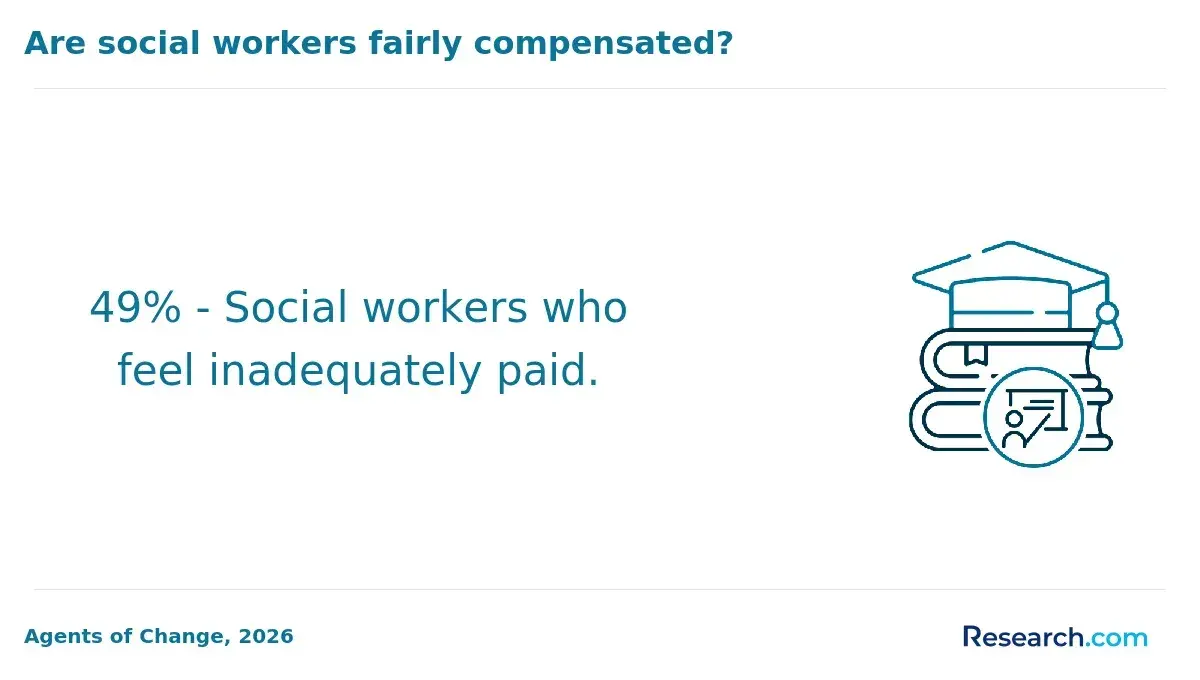
Social work can expose professionals to trauma, grief, scarcity, conflict, and high caseloads. Burnout prevention is not a luxury; it is part of competent practice. A social worker who is chronically exhausted, isolated, or unsupported is less able to make sound decisions and provide consistent care.
- Set clear boundaries: Define work hours, emergency procedures, communication rules, and what you can and cannot provide. Boundaries protect both clients and practitioners.
- Use supervision intentionally: Supervision should include more than administrative updates. Bring ethical concerns, safety questions, emotional reactions, and uncertainty about cases.
- Build peer support: Colleagues can help normalize stress, share resources, and reduce isolation, especially in high-intensity roles.
- Protect recovery time: Sleep, exercise, therapy, family time, spiritual practice, hobbies, and rest help maintain long-term capacity.
- Watch for compassion fatigue: Cynicism, numbness, irritability, dread, sleep problems, and loss of empathy can signal the need for support or workload changes.
What are the key ethical considerations in professional social work?
Ethical social work requires confidentiality, informed consent, accurate documentation, cultural humility, professional boundaries, conflict-of-interest awareness, and responsible use of power. Social workers often serve clients who are minors, legally involved, medically fragile, traumatized, financially vulnerable, or dependent on public systems, so ethical lapses can cause serious harm.
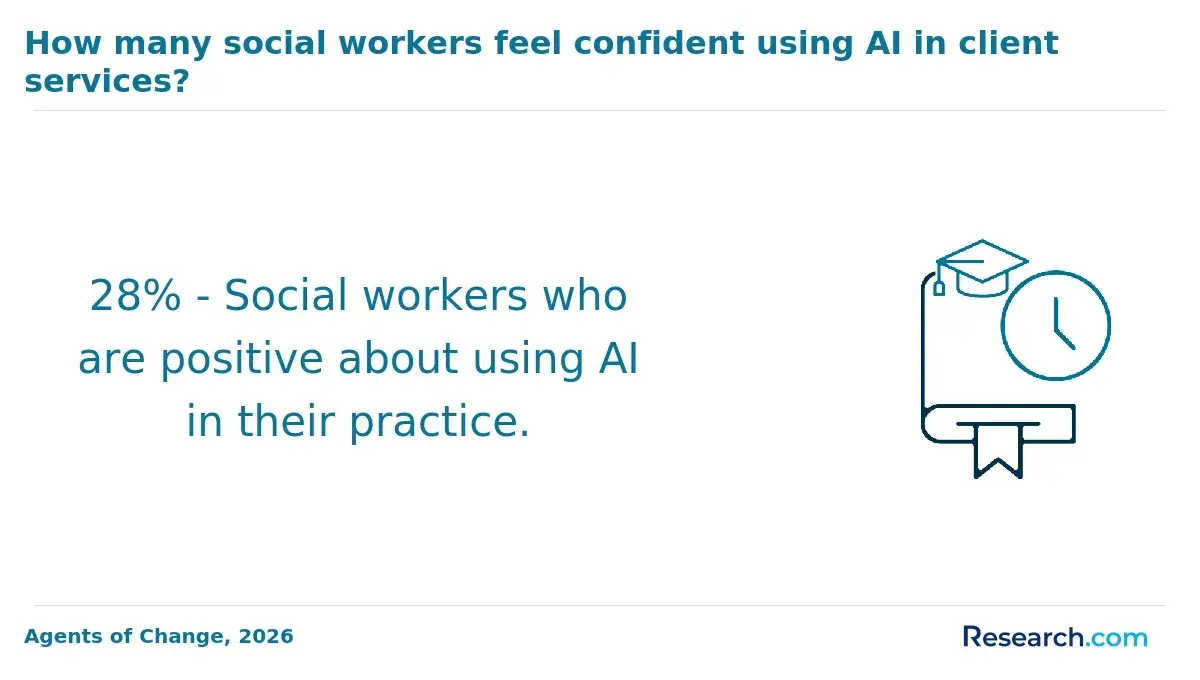
Technology adds new ethical questions around telehealth privacy, electronic records, AI-supported screening tools, digital communication, and data security. Social workers should understand agency policies, state laws, and professional standards before using new tools in client care. Students interested in adjacent helping professions can compare careers related to social studies.
Can Affordable Online MSW Programs Enhance Career Growth?
Affordable online MSW programs can support career growth when they are properly accredited, include strong field placement support, and align with state licensure requirements. Cost matters, but the cheapest program is not always the best value if it delays licensure, lacks local placement partnerships, or does not match your career goal.
Working adults may benefit from flexible formats, but they should compare total tuition, fees, required campus visits, placement assistance, cohort structure, graduation timeline, and clinical preparation. Research.com’s guide to the cheapest online master's in social work can help students identify lower-cost options to evaluate further.
How can social workers expand their expertise and gain competitive advantages in the field?
Career growth in social work usually comes from a combination of specialization, licensure, supervision experience, continuing education, and professional relationships. The right strategy depends on whether you want more clinical responsibility, leadership, policy influence, research opportunities, or a different population focus.
- Earn specialized credentials: Training in trauma-informed care, addiction, crisis intervention, gerontology, child welfare, school practice, or cultural competency can make you more competitive for targeted roles.
- Advance your degree strategically: A BSW can open entry-level roles, while an MSW can support clinical eligibility and leadership. Students seeking flexible undergraduate options can compare the cheapest online BSW programs.
- Join professional organizations: Associations, conferences, and local networks can provide continuing education, job leads, policy updates, and mentorship.
- Contribute to research or program evaluation: Publishing, presenting, or helping evaluate outcomes can strengthen your profile in academia, policy, administration, and evidence-based practice.
- Seek supervision and mentorship: Experienced mentors can help you navigate licensure, ethical issues, salary negotiation, specialization, and leadership transitions.
What challenges do social workers face in their careers?
Social work is meaningful, but it is not easy work. Before choosing the field, students should understand the pressures that commonly affect retention, well-being, and career satisfaction.
- Emotional exposure: Many roles involve trauma, grief, abuse, addiction, poverty, illness, violence, or family separation.
- High caseloads: Heavy workloads can reduce time per client, increase documentation pressure, and heighten burnout risk.
- Resource limitations: Agencies may lack enough funding, housing options, treatment slots, transportation services, or staff.
- Bureaucracy: Social workers often manage regulations, insurance rules, eligibility systems, court deadlines, and agency documentation.
- Work-life strain: Crisis calls, long hours, emotional intensity, and administrative burden can affect personal life.
- Advancement barriers: Higher-level roles may require an MSW, supervised hours, licensure, or specialized clinical preparation. Students pursuing clinical pathways can review licensed clinical social worker degree programs.
| Common mistake | Why it creates problems | Better approach |
| Choosing a program without checking accreditation | It may not meet licensure or employer expectations | Verify accreditation and state board acceptance before applying |
| Focusing only on tuition | Fees, travel, lost work time, and delayed licensure can raise total cost | Compare total cost, placement support, timeline, and outcomes |
| Assuming online programs automatically meet licensure rules | State requirements vary | Ask the program and state board about licensure alignment |
| Ignoring field placement logistics | A weak placement process can delay graduation | Ask who finds placements and whether sites exist near you |
| Relying only on rankings | A highly ranked program may not fit your career goal or budget | Use rankings as one input, not the whole decision |
| Assuming salary outcomes are guaranteed | Pay depends on license, state, employer, and experience | Review local job postings and salary ranges before enrolling |
What are the best educational paths for aspiring social workers?
The best path depends on your career target. If you want entry-level case support or community service roles, a BSW may be enough to start. If you want clinical practice, school social work, healthcare social work, supervision, or specialized direct practice, an MSW is usually the stronger choice. If you want senior leadership, applied research, teaching, or policy influence, a DSW or Ph.D. may be appropriate.
Accreditation should be a first filter, not an afterthought. Students comparing graduate options can begin with best online MSW programs CSWE-accredited, then evaluate cost, admissions standards, field placement, clinical preparation, state licensure alignment, and specialization options.
The Role of Education in Advancing Social Work Careers
Education affects social work careers in three major ways: it determines which roles you can enter, whether you can pursue licensure, and how easily you can move into specialization or leadership. A BSW builds foundational knowledge in case management, ethics, research, policy, and community practice. An MSW adds advanced practice preparation and often supports clinical licensure pathways. A DSW or Ph.D. can support teaching, research, executive leadership, and high-level policy work.
- Start with the role you want: Do not choose a degree first and hope it fits. Identify whether your goal is clinical practice, child welfare, schools, hospitals, policy, nonprofit leadership, or research.
- Check admissions and accessibility: If you need a realistic entry point, compare options such as the easiest social work programs to get into, while still verifying quality and accreditation.
- Confirm licensure alignment: Ask whether graduates meet educational requirements in your state and whether the program supports supervised clinical preparation.
- Plan for continuing education: Social workers must keep learning as laws, interventions, ethics standards, and client needs change.
- Use online education carefully: Online programs can be flexible, but field placements, supervision, and state approvals are still essential.
Is a Social Work Degree Worth the Investment?
A social work degree can be worth the investment if it leads to the roles you actually want and if the total cost is manageable relative to your expected salary, licensure timeline, and advancement opportunities. The value is strongest when the program is accredited, has strong field placements, fits your state’s licensure rules, and helps you enter a specialization with stable demand.
Before enrolling, compare tuition, fees, financial aid, transfer credits, field placement support, graduation rates, licensure outcomes, local employer demand, and salary expectations. Research.com’s guide on whether a social work degree is worth it can help you evaluate the return on investment more carefully.
How does obtaining an advanced degree impact social work compensation?
Advanced education can improve compensation by expanding access to clinical, supervisory, administrative, academic, and specialized roles. Cited data indicate that MSW salaries are $13,000+ higher than BSW salaries and that PhD and DSW holders earn $20-$25,000 more than MSWs. However, degree level alone does not guarantee higher pay. License status, employer type, state, specialty, and experience still matter.
Students comparing graduate-level career outcomes can review master of social work jobs salary to understand how MSW-level roles differ across practice areas.
Are Accelerated Online MSW Programs Worth Considering for Fast-Tracking Your Career?
Accelerated online MSW programs can be useful for students who already meet admission requirements, can handle an intensive pace, and need to move quickly toward advanced practice or licensure. They are not ideal for everyone. A faster timeline can increase stress, reduce flexibility, and make field placement scheduling more difficult.
Before choosing an accelerated format, ask how many field hours are required, whether placements are secured for you, how many courses you will take at once, whether you can keep working, and whether the program meets your state’s licensure rules. Research.com’s comparison of accelerated MSW online programs can help you evaluate whether speed is worth the trade-offs.
Can affordable online doctoral programs bolster your career sustainability?
Affordable online doctoral programs may support long-term career sustainability for experienced social workers who want to move into leadership, teaching, program design, research, or policy work without leaving employment. The key is to choose a program that matches your career goal rather than pursuing a doctorate only for prestige.
Doctoral study requires time, money, and sustained academic effort. Compare faculty expertise, dissertation or capstone expectations, research support, tuition, residency requirements, and career outcomes. If cost is a major concern, review low cost online DSW programs.
Can Professional Networking and Mentorship Amplify Your Career Success?
Networking and mentorship can accelerate a social work career by connecting you with supervisors, field instructors, hiring managers, policy leaders, researchers, and peers who understand the realities of the profession. Good mentors can help with licensure planning, ethical decision-making, burnout prevention, specialization choices, and leadership development.
Networking works best when it is specific. Join groups related to your field, attend continuing education events, ask for informational interviews, and stay connected with field placement supervisors. Professionals who want broader service-delivery knowledge may also consider an affordable human services online degree as a complementary pathway.
Future Trends in Social Work
Several trends are shaping social work careers: rising demand for behavioral health services, aging populations, increased attention to trauma-informed care, workforce shortages in public systems, telehealth growth, data-driven program evaluation, and the use of AI-supported tools in screening, documentation, and resource navigation. These tools may help with decision support, but they do not replace ethical judgment, cultural context, or human relationships.
Social workers should expect employers to value licensure, interprofessional collaboration, digital documentation skills, outcome measurement, crisis response, and cultural competency. Those exploring state-specific options can review social work programs in Florida or compare career expectations and social worker salary in Texas.
Questions to Ask Before Choosing a Social Work Path
- Do I want direct client work, clinical treatment, community organizing, research, or management?
- Will my target role require an MSW, LCSW, CWEL, DSW, or other credential?
- Does the program I am considering meet my state’s licensure requirements?
- How will I complete fieldwork if I study online or work full time?
- What salary ranges appear in local job postings for my target role?
- What type of stress am I prepared to handle: crisis, bureaucracy, trauma exposure, legal risk, or leadership pressure?
- Does the employer or specialization offer supervision, training, and reasonable caseload expectations?
References:
- Bureau of Labor Statistics. (2025). Occupational Outlook Handbook: Social Workers. https://www.bls.gov/ooh/community-and-social-service/social-workers.htm
- Council on Social Work Education. (n.d.). CSWE: Council on Social Work Education. https://www.cswe.org/
- National Conference of State Legislatures. (n.d.). Brief Allied Health Professions Series: Social Workers. https://www.ncsl.org/health/social-workers
- National Association of Social Workers. (2025). NASW Practice Standards Under Review in 2025. https://www.socialworkers.org/Practice/NASW-Practice-Standards-Guidelines/NASW-Practice-Standards-Under-Review-in-2025
- National Council on Social Work Education. (2025). 2025 ASWB Education Meeting Insights. https://aswbeducation.org/wp-content/uploads/2025/05/Insights-from-the-Social-Work-Census-handout.pdf
- Social Work Census Project. (2025). The Self-Identified Social Work Workforce. https://swcensus.org/wp-content/uploads/2025/07/Social-Work-Workforce-Study-Series-Report-1.pdf
- Social Work Degrees.org. (2026). Social worker salary by state: 2026 complete guide. https://www.socialworkdegrees.org/faq/how-much-do-social-workers-make
- United Nations Office on Drugs and Crime. (2025). Global study on homicide 2024: Gender-related killings of women and girls. https://www.unodc.org/unodc/en/data-and-analysis/global-study-on-homicide.html
- U.S. Census Bureau. (2025, June 26). Older adults outnumber children in 11 states, nearly half of counties. https://www.census.gov/newsroom/press-releases/2025/older-adults-outnumber-children.html
- U.S. Bureau of Labor Statistics. (2025). Social workers: How to become one. https://www.bls.gov/ooh/community-and-social-service/social-workers.htm
- ZipRecruiter. (2026). Professor of social work salary in Texas. https://www.ziprecruiter.com/Salaries/Professor-Of-Social-Work-Salary--in-Texas
Key Insights
- Social work is broad: The field includes clinical care, child welfare, schools, hospitals, aging services, corrections, veterans services, policy, research, administration, and community organizing.
- Licensure changes your options: Many entry-level roles may begin with a BSW, but clinical practice usually requires an MSW, supervised experience, and a license such as the LCSW.
- Salary depends on specialization: Healthcare, federal government, research, administration, and advanced-degree roles may pay more, but location, employer, and licensure matter heavily.
- Fieldwork is not optional background experience: Internships and practicums are where students build practical judgment, documentation habits, referral skills, and professional networks.
- Program choice should be practical: Check accreditation, licensure alignment, field placement support, total cost, transfer policies, and local job demand before enrolling.
- Burnout risk is real: High caseloads, trauma exposure, bureaucracy, and resource shortages make supervision, boundaries, and organizational support essential.
- The best path starts with the role: Decide whether you want direct service, therapy, leadership, policy, or research before choosing a BSW, MSW, DSW, or related credential.
Other Things You Should Know About Fields of Social Work
In 2027, social work offers diverse paths, including clinical social work, school social work, community practice, healthcare social work, and policy advocacy. Each path requires different skills, education, and experiences, allowing professionals to specialize according to their interests and strengths.
Internships and volunteer work provide hands-on experience, networking opportunities, and practical skills essential in 2027. They enhance your resume, give you real-world insights into various fields, and improve your chances of employment in diverse social work settings.
In 2027, to practice social work, you'll need to complete a Bachelor of Social Work degree, pass the ASWB exam, and obtain state licensing. Requirements vary by state, so check your state's social work board regulations for specific criteria and renewal conditions.
Most social work programs require a criminal background check before field placement, and some agencies also require fingerprinting, TB clearance, or child abuse registry checks. Rules are set by the university and the placement site, and they must be completed before the practicum begins.
Technology plays a crucial role in social work education and practice in 2027 by offering online learning modules, virtual simulations for client interaction, and data management tools. These innovations help develop crucial skills and improve outreach and service delivery efficiency.