2027 Best Online Bachelor's in Clinical Psychology With Transfer-Friendly Policies

Co-Founder and Chief Data Scientist
Choosing an online clinical psychology bachelor's program is often a transfer-credit decision as much as a major decision. The Bureau of Labor Statistics projects employment for substance abuse, behavioral disorder, and mental health counselors to grow 17% from 2024 to 2034, making psychology preparation timely for students aiming at mental health careers. This guide is for transfer students, working adults, and career changers who want an accredited online path. You'll learn how programs differ, which schools are transfer-friendly, what credits may count, what careers are realistic, and when graduate school is required.
Key Things You Should Know
- Most online "clinical psychology" bachelor's options are accredited psychology degrees with clinical, counseling, mental health, human services, or addiction-related coursework; independent clinical licensure usually requires a master's or doctorate.
- Transfer-friendly schools commonly accept up to 90 credits toward a 120-credit bachelor's degree, but upper-division psychology courses, residency requirements, GPA rules, and recency limits can reduce usable transfer credit.
- Cost and ROI depend heavily on transfer credits: College Board's 2024-25 benchmark lists average published tuition and fees at $11,610 for in-state public four-year students and $43,350 for private nonprofit four-year students.
What is an online bachelor's in clinical psychology, and how does it differ from other psychology majors?
An online bachelor's in clinical psychology is usually a Bachelor of Arts or Bachelor of Science in Psychology that emphasizes abnormal psychology, counseling concepts, psychopathology, assessment, trauma, addiction, crisis intervention, or human services. At the undergraduate level, "clinical" does not mean you can diagnose or treat clients independently. Instead, it means the curriculum is oriented toward understanding mental health conditions, helping relationships, research methods, ethics, and pathways into graduate clinical training.
This differs from a general psychology major, which may cover the full discipline more broadly, including cognition, social psychology, lifespan development, neuroscience, personality, and statistics. It also differs from counseling, social work, and human services degrees because psychology tends to be more research-focused, while counseling and social work often include more direct practice preparation at the graduate level. If you are still comparing broader online options, a psychology online degree can be a flexible starting point before narrowing into clinical or counseling interests.
The table below shows how common undergraduate psychology-related pathways compare. Use it to match your degree choice with your likely next step, not just the course titles that sound most interesting.
| Program type | Best fit | Typical focus | Important limitation |
| Clinical psychology-oriented bachelor's | Students planning graduate study in clinical psychology, counseling, school psychology, or related fields | Mental health, psychopathology, research, assessment concepts, ethics | Does not qualify graduates for independent clinical psychologist licensure |
| General psychology bachelor's | Students who want flexibility across business, research, health, education, or graduate school | Human behavior, cognition, development, statistics, research methods | May require electives to build a mental health career profile |
| Counseling or human services bachelor's | Students seeking applied helping roles after graduation or a counseling master's later | Case management, helping skills, community services, crisis support | Clinical counseling licensure still generally requires a graduate degree |
| Social work bachelor's | Students interested in casework, public services, advocacy, and an MSW pathway | Systems, policy, field education, social services | Professional licensure rules vary by state and degree level |
Which accredited schools offer the best online clinical psychology bachelor's programs for transfer students?
The best online bachelor's options for transfer students are regionally accredited, transparent about credit evaluation, and realistic about clinical career outcomes. Because fully online bachelor's degrees explicitly titled "clinical psychology" are uncommon, strong choices often include online psychology degrees with mental health, counseling, addiction, or applied psychology coursework.
The schools below are not ranked solely by prestige. They are included because they offer online psychology-related bachelor's pathways, maintain institutional accreditation, and have transfer policies that may help students with prior college credit shorten their time to completion.
| School | Online program fit | Transfer-friendly feature to check | Best for |
| Southern New Hampshire University | Online BA in Psychology with mental health-related concentration options | May accept up to 90 transfer credits toward a bachelor's degree | Students with substantial prior credits who want broad online flexibility |
| Arizona State University Online | Online psychology bachelor's options with research and behavioral science foundations | Transfer pathways and course equivalency tools can help community college students plan | Students who want a large public university with strong online infrastructure |
| University of Central Florida Online | Online BS in Psychology with tracks that may align with clinical or human behavior interests | Florida transfer pathways can be useful for AA graduates and in-state community college transfers | Florida transfer students and learners seeking a public university option |
| Liberty University | Online psychology bachelor's programs with counseling, crisis, and Christian counseling-related options | Often advertises generous transfer credit opportunities, subject to evaluation | Students seeking faith-integrated coursework and accelerated online terms |
| Purdue Global | Online BS in Psychology with applied concentrations such as addictions or human services-related study | Designed for adult learners and may evaluate prior college, military, and experiential learning | Working adults who want career-oriented pacing |
| Fort Hays State University | Online BA or BS in Psychology | Public-university online option with transfer evaluation for prior coursework | Cost-conscious students seeking a traditional psychology curriculum online |
| University of Maryland Global Campus | Online BS in Psychology | Known for adult learner pathways and acceptance of many transfer credits where applicable | Military-affiliated students, working adults, and students with previous credits |
Before choosing, confirm three things directly with the school: regional accreditation, whether the online program is available in your state, and how your previous psychology, biology, statistics, and general education credits apply to the degree audit. A school may advertise a high transfer-credit maximum, but that does not mean every course will satisfy major requirements.
How do transfer-friendly policies work for online clinical psychology degrees, and how many credits can I bring?
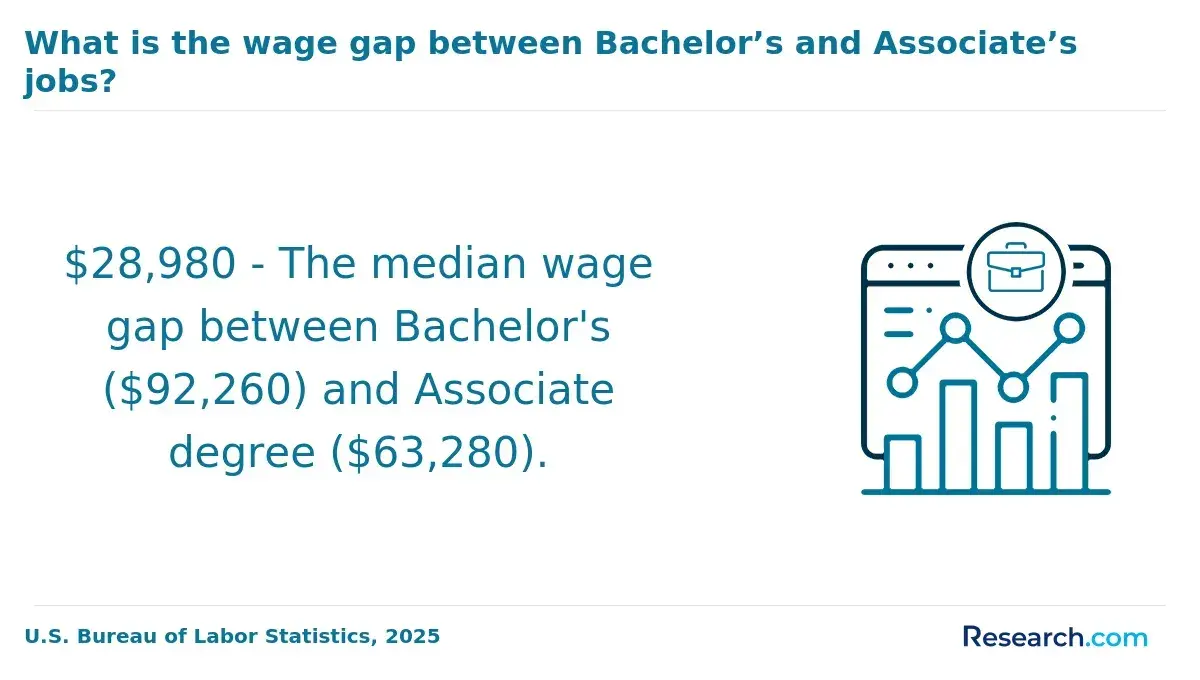
Transfer-friendly policies determine how much of your previous college work counts toward the new degree. Most bachelor's degrees require about 120 credits, and many online programs allow a large portion to transfer. The practical question is not only "How many credits can I bring?" but "How many credits reduce the courses I still need?"
Here is the typical sequence transfer students should follow before enrolling. This process helps prevent the common mistake of accepting admission before seeing how credits actually apply.
- Request unofficial transfer estimates from multiple schools before committing to one program.
- Send transcripts from every college attended, including dual-enrollment, community college, military, and prior university coursework.
- Ask whether accepted credits apply to general education, electives, prerequisites, or upper-division psychology major requirements.
- Confirm the school's residency requirement, because many institutions require a minimum number of credits to be completed through them.
- Check whether older science, statistics, or psychology courses have recency limits, especially if you plan to apply to graduate school later.
- Compare your remaining courses, not just total accepted credits, to estimate true time and cost to graduation.
The table below explains the transfer-credit categories you are likely to encounter. Understanding these categories helps you ask sharper questions when speaking with admissions or academic advising.
| Transfer category | What it means | Why it matters |
| General education credits | Courses such as English composition, math, humanities, and natural sciences | These often transfer well and can clear many lower-division requirements |
| Major prerequisite credits | Introductory psychology, statistics, biology, or research-related courses | These can help you move into upper-division psychology coursework faster |
| Upper-division psychology credits | Advanced coursework such as abnormal psychology, cognition, or personality | Schools may limit how many advanced major credits can transfer |
| Elective credits | Credits accepted toward the total degree but not tied to a specific requirement | Useful for reaching 120 credits, but less useful if many required courses remain |
| Nontraditional credits | Military training, exams, prior learning assessment, or professional training | Can reduce cost, but policies vary widely and may not satisfy psychology major requirements |
A realistic transfer-friendly target is a program that accepts the most credits into degree requirements, offers clear advising, and avoids unnecessary course repetition. The biggest red flag is a school that promotes "up to 90 credits" but will not provide a degree plan showing exactly what remains.
What admission requirements and prior coursework are needed for an online clinical psychology bachelor's?
Admission requirements for online bachelor's programs in clinical psychology or psychology are usually accessible, especially for transfer students. Most schools ask for official transcripts, a minimum GPA, proof of high school completion if you have limited college credit, and an application form. Selective public universities may require stronger academic records or specific lower-division preparation.
Prior coursework matters because psychology is both a social science and a research discipline. Students who arrive with the following courses completed may have a smoother transition into upper-division study and graduate-school prerequisites later.
- Introductory psychology, because it establishes core vocabulary across cognition, development, personality, and mental health.
- College algebra or quantitative reasoning, because statistics and research methods require comfort with data.
- Statistics, because graduate programs and research-focused psychology courses often expect quantitative preparation.
- Biology or human biology, because clinical psychology connects behavior with brain, body, health, and development.
- English composition or writing-intensive coursework, because case summaries, research papers, and ethical analyses require strong writing.
Some programs also ask whether you have completed an associate degree. An Associate of Arts or Associate of Science can be helpful, but it is not automatically better than individual transferable courses. The better indicator is whether the receiving institution has an articulation agreement or published transfer map with your previous college.
Common admissions mistakes include hiding a prior transcript, assuming low grades will not matter, and waiting too long to ask about academic forgiveness or repeat policies. Schools usually require all transcripts, and graduate programs may review the full academic record even if a bachelor's program accepts you.
How does studying clinical psychology online compare with campus-based programs in flexibility and outcomes?
Online study can be a strong fit for clinical psychology-oriented undergraduates because much of the bachelor's curriculum is reading-, writing-, discussion-, and research-based. The main trade-off is that online students must be more intentional about networking, research experience, and supervised human-services exposure.
The comparison below shows where online and campus-based formats differ most. Use it to decide which format fits your schedule, learning style, and long-term clinical goals.
| Factor | Online bachelor's | Campus-based bachelor's | Decision point |
| Schedule flexibility | Often asynchronous or built around shorter terms | Usually tied to fixed class times | Online is often better for working adults and caregivers |
| Peer and faculty interaction | Primarily through discussion boards, video meetings, email, and virtual office hours | More spontaneous interaction before and after class | Campus may be better if you need frequent in-person academic support |
| Research opportunities | Available at some schools but may require extra outreach | Often easier to join labs or assist faculty in person | Graduate-school applicants should ask specifically about online research access |
| Field exposure | May rely on local volunteering, internships, or remote arrangements | May connect more directly to nearby campus partners | Students seeking clinical graduate programs should build experience early |
| Outcome quality | Depends on accreditation, curriculum, advising, and student engagement | Depends on the same academic quality factors | Format alone does not determine value |
Current online programs increasingly use digital simulations, telehealth case discussions, virtual collaboration, and learning analytics. These tools can help students practice ethical reasoning and case conceptualization, but they do not replace supervised clinical training. If your goal is licensure, treat online undergraduate study as academic preparation, not as a substitute for graduate practicum, internship, and post-degree supervised hours.
What courses, concentrations, and practicum experiences are included in a clinical psychology bachelor's curriculum?
A clinical psychology-oriented bachelor's curriculum usually combines psychology foundations, research training, mental health coursework, and electives that support a future specialization. A high-quality program should teach students how to evaluate evidence, communicate clearly, understand human development, and recognize ethical limits.
The table below summarizes common curriculum components and why each matters. This can help you compare degree plans beyond course names.
| Curriculum area | Common courses | Why it matters |
| Psychology core | Introduction to psychology, social psychology, personality, cognitive psychology, lifespan development | Builds broad understanding of behavior across settings and populations |
| Clinical and mental health focus | Abnormal psychology, psychopathology, counseling theories, crisis intervention, trauma, addiction | Introduces the concepts students need before graduate clinical training |
| Research and statistics | Statistics, research methods, experimental psychology, capstone research | Prepares students to read studies, evaluate claims, and apply evidence responsibly |
| Ethics and diversity | Professional ethics, multicultural psychology, health disparities, community psychology | Supports culturally responsive and legally aware practice preparation |
| Applied experience | Internship, service learning, volunteer placement, capstone project | Helps students test career fit and strengthen graduate applications |
Not every online bachelor's includes a formal practicum. When it does, the experience is usually observational or support-oriented rather than clinical treatment. Students should look for applied options that align with their goals, such as crisis hotline volunteering, behavioral health technician work, research assistantships, peer support programs, or human-services internships.
When comparing curricula, ask these questions before enrolling.
- Does the program include abnormal psychology, statistics, research methods, and a senior capstone or research course?
- Can online students complete internships or service learning in their own communities?
- Are there electives in addiction, trauma, child and adolescent development, forensic psychology, or health psychology?
- Will faculty write recommendations for graduate school if you perform well in online courses?
- Does the program explain which courses are recommended for students planning a counseling, social work, clinical psychology, or PsyD pathway?
How much does an online clinical psychology bachelor's cost, and what financial aid can students access?
The cost of an online clinical psychology bachelor's depends on tuition, transfer credits, residency status, fees, books, technology costs, and how long you stay enrolled. Transfer students should calculate total remaining cost rather than comparing only per-credit tuition.
College Board's 2024-25 national pricing benchmarks provide useful context for evaluating whether an online option is affordable. Published prices are not the same as net cost after grants and scholarships, but they help you identify outliers.
- Average published tuition and fees for in-state students at public four-year institutions: $11,610.
- Average published tuition and fees for out-of-state students at public four-year institutions: $30,780.
- Average published tuition and fees at private nonprofit four-year institutions: $43,350.
To estimate your real cost, multiply the number of credits you still need by the school's per-credit tuition, then add required fees and materials. A student transferring 75 usable credits into a 120-credit degree has a very different cost profile than a student whose 75 credits transfer mostly as electives.
Students can usually access federal financial aid if the school is accredited and the student meets eligibility requirements. Common funding sources include the Pell Grant, federal student loans, state grants, employer tuition assistance, military education benefits, institutional scholarships, and payment plans. The maximum Pell Grant for the 2024-25 award year is $7,395, which can meaningfully reduce costs for eligible students but may not cover the full price of attendance.
If your long-term goal is counseling rather than clinical psychology, compare degree routes carefully. Some students may find that a psychology bachelor's plus a counseling master's is the better path, while others may prefer starting with the cheapest online counseling degree options if they are already sure about counseling practice.
The most common cost mistake is choosing the lowest tuition without checking transfer fit, graduate-school preparation, or total completion time. A slightly higher per-credit program may cost less overall if it accepts more credits into requirements and offers courses in a schedule that prevents extra semesters.
What jobs can you get with a bachelor's in clinical psychology, and which roles need graduate study?
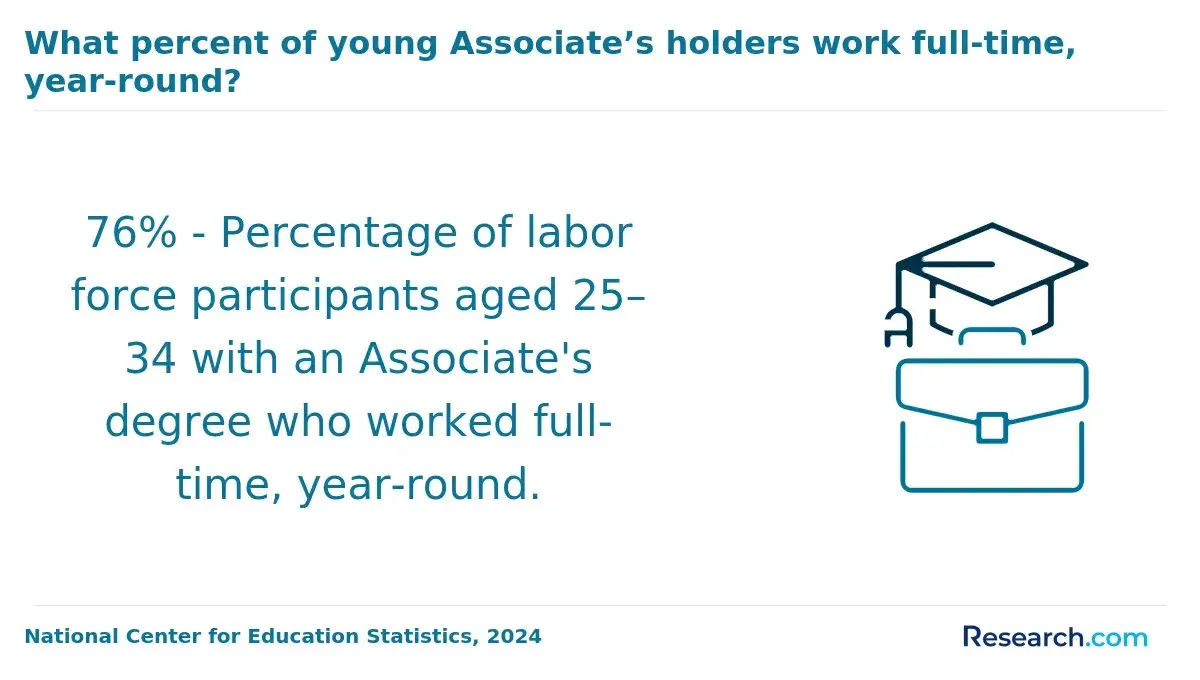
A bachelor's in clinical psychology or psychology can support entry-level roles in mental health-adjacent, human services, research, education, corrections, and community support settings. It is not usually enough for independent therapy, psychological testing, or clinical diagnosis. For those roles, graduate education and state licensure are typically required.
The table below separates bachelor's-level possibilities from roles that usually require graduate study. This distinction is essential for evaluating whether the degree matches your career expectations.
| Career direction | Typical bachelor's-level roles | Roles usually requiring graduate study | What to build during the bachelor's |
| Mental health services | Behavioral health technician, psychiatric aide, crisis line worker, case management assistant | Licensed professional counselor, clinical psychologist, marriage and family therapist | Volunteer experience, ethics, crisis training, strong recommendations |
| Addiction and recovery | Substance use technician, recovery support specialist, prevention program assistant | Licensed addiction counselor, clinical supervisor, counselor educator | Addiction coursework, supervised support experience, state credential research |
| Research and data | Research assistant, survey coordinator, lab assistant, behavioral data assistant | Psychological scientist, clinical researcher, professor | Statistics, research methods, faculty projects, data tools |
| Forensic and legal settings | Victim advocate assistant, correctional program aide, probation support roles | Forensic psychologist, licensed evaluator, expert consultant | Forensic electives, writing samples, internship exposure |
| Human services and community programs | Social services assistant, residential counselor, program coordinator assistant | Licensed clinical social worker, program director, policy specialist | Case documentation, community engagement, cultural competence |
Students interested in legal and criminal justice applications should understand that forensic psychology careers often require more than a bachelor's degree. If you are exploring that path, it can help to review what can I do with a masters in forensic psychology before choosing undergraduate electives.
This degree is a good fit if you want to work with people, understand mental health systems, and possibly continue to graduate school. It may be a poor fit if you want a short path to independent clinical practice, dislike research and writing, or need a credential that leads directly to licensure immediately after the bachelor's.
What is the salary outlook for clinical psychology graduates and related mental health careers?
Salary outcomes vary by role, location, employer, experience, licensure, and graduate education. Bachelor's-level psychology roles often pay less than licensed clinical roles, but they can provide the experience needed for graduate applications and career clarity.
The table below uses Bureau of Labor Statistics May 2024 wage data where available. Treat these figures as labor-market reference points, not guarantees for individual graduates.
| Occupation | Typical education or credential context | May 2024 median annual wage | How to interpret it |
| Social and human service assistants | Often accessible with a high school diploma or bachelor's, depending on employer | $43,580 | A common entry point for psychology graduates seeking casework exposure |
| Psychiatric technicians | Often requires postsecondary coursework or employer training; requirements vary | $42,590 | Can provide direct behavioral health environment experience before graduate school |
| Substance abuse, behavioral disorder, and mental health counselors | Often requires a bachelor's or master's depending on role and state license level | $59,190 | Higher-level counseling roles usually require graduate education and licensure |
| Clinical and counseling psychologists | Typically requires a doctoral degree, internship, supervised experience, and licensure | $95,830 | Represents a graduate-level licensed pathway, not a bachelor's-only outcome |
The strongest job-growth signal is in counseling-related services. BLS projects 17% employment growth for substance abuse, behavioral disorder, and mental health counselors from 2024 to 2034, much faster than the average for all occupations. For bachelor's students, that growth suggests demand in the broader behavioral health system, but the best-paying and most autonomous roles still tend to require advanced credentials.
Technology is also changing the field. Telehealth platforms, electronic health records, measurement-based care tools, and AI-supported documentation are becoming more common. Undergraduate students can strengthen employability by learning ethical data handling, digital communication, privacy basics, and evidence-based decision-making rather than relying only on interpersonal skills.
How does a bachelor's in clinical psychology prepare you for licensure, graduate school, and advanced credentials?
A bachelor's in clinical psychology prepares you for licensure indirectly by building the academic base needed for graduate study. It typically does not make you license-eligible as a psychologist, counselor, marriage and family therapist, or clinical social worker by itself. State boards set licensure requirements, and those requirements vary by profession and state.
For students planning advanced credentials, the bachelor's years should be used strategically. The following steps can make a future application stronger and reduce the risk of choosing the wrong graduate path.
- Identify the specific license you want, such as psychologist, licensed professional counselor, licensed mental health counselor, licensed clinical social worker, or marriage and family therapist.
- Check your state licensing board's education requirements before choosing graduate programs.
- Complete undergraduate courses in statistics, research methods, abnormal psychology, developmental psychology, and ethics.
- Build supervised experience through volunteering, research, crisis support, peer mentoring, or human-services work.
- Ask faculty early about recommendation letters, research opportunities, and writing samples for graduate applications.
- Compare master's, PhD, and PsyD pathways based on licensure goals, cost, research expectations, internship requirements, and time to completion.
A master's in counseling, social work, or marriage and family therapy may be the most direct path for students who want to provide therapy sooner. A PhD in clinical psychology is often more research-intensive and highly competitive. A PsyD is typically practice-focused, but students should evaluate accreditation, internship match support, debt, and licensure outcomes carefully. If you are comparing doctoral options later, reviewing cheapest PsyD programs online can help you understand cost trade-offs before committing.
The most important red flag is any program implying that an undergraduate clinical psychology degree alone leads to independent clinical licensure. A trustworthy program should clearly explain what the bachelor's can do, what it cannot do, and which graduate pathways align with your goals.
Other Things You Should Know About Clinical Psychology
If your GPA is low, emphasize other strengths like relevant work experience or strong letters of recommendation. Consider taking additional coursework to improve your GPA. Research schools with flexible admissions policies, or write a compelling personal statement to address any academic shortcomings. Identify and apply to transfer-friendly programs that may offer support for students with diverse academic backgrounds.
Some online programs offer virtual research methods courses, remote faculty projects, or capstone research using existing datasets. If you plan to apply to competitive graduate programs, ask whether online students can join research teams, present posters, or receive faculty mentorship.
Employers generally focus on whether the institution is accredited, whether the degree is completed, and whether you have relevant skills or experience. The online format is less likely to be an issue when the transcript comes from an accredited institution and the program has the same academic standards as campus offerings.
References
- Guide To Online Clinical Psychology Degrees https://www.psychology.org/online-degrees/clinical-psychology/
- Can You Complete an Online Psychology Degree in One Year? https://www.counselingpsychology.org/articles/complete-online-degree-psychology-one-year/
- Why choose a distance learning Master’s degree in Psychology? https://www.pfh.de/en/blog/why-choose-distance-learning-masters-psychology
- Bachelor’s in Psychology Programs Online | Social Work License Map https://socialworklicensemap.com/social-work-resources/comparing-social-service-degrees/ba-psychology/
- Bachelor’s in Psychology Programs Online https://www.onlinemswprograms.com/careers/social-work-vs-counseling-vs-psychology/ba-psychology/
- Clinical Psychology Transfer Credit FAQ | Fuller Seminary https://fuller.edu/academics/school-of-psychology/clinical-psychology-transfer-credits-faqs/
- Top 10 Best Online Bachelors in Psychology Degree Programs 2016 https://www.bestpsychologydegrees.com/top/online-bachelors/
- 2025 Most Affordable Online Colleges for Psychology Degrees https://www.onlineu.com/most-affordable-colleges/psychology-degrees
- How To Become A Clinical Psychologist | Clinical Psychology Degrees And Careers https://www.learnhowtobecome.org/psychologist/clinical-psychologist/
- Becoming a Psychologist - Canadian Psychological Association https://cpa.ca/students/career/becomingapsychologist/