2027 Online Clinical Psychology Degrees for Employees Seeking Tuition Reimbursement

Co-Founder and Chief Data Scientist
Choosing an online clinical psychology degree is harder when your employer is helping pay for it: the program must fit your work schedule, reimbursement rules, and licensing goal. The stakes are real-BLS wage data from May 2024 places the median annual salary for psychologists at $94,310, but licensed clinical roles usually require specific accredited training. This guide is for working adults comparing online, hybrid, and campus options. You will learn how accreditation, tuition reimbursement, licensure, timelines, and career outcomes affect the smartest choice.
Key Things You Should Know
- Most employees should verify three things before enrolling: institutional accreditation, whether the program's clinical training meets state licensure rules, and whether the employer reimburses online or hybrid coursework.
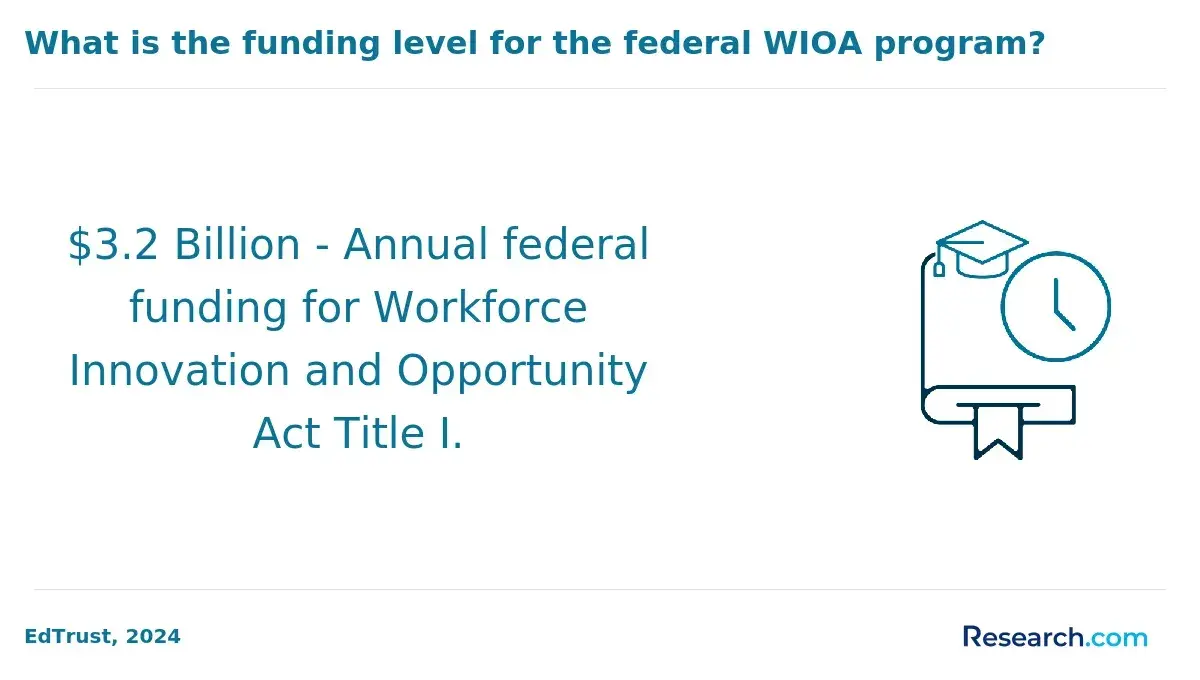
- The IRS generally allows up to $5,250 in employer-provided educational assistance to be excluded from taxable income each year, so reimbursement can reduce cost but may not cover a full graduate psychology program.
- For clinical psychologist licensure, a doctoral degree, supervised clinical hours, internship experience, and state board approval are typically required; a master's degree may support related counseling or behavioral health roles but often is not enough to become a licensed psychologist.
What are online clinical psychology degrees for tuition reimbursement?
Online clinical psychology degrees are psychology programs delivered fully online or through a hybrid format that includes remote coursework plus in-person clinical training. For employees seeking tuition reimbursement, the right program is not simply the most convenient one; it is the one that meets the employer's reimbursement policy, supports the student's career goal, and avoids accreditation or licensure problems later.
Clinical psychology focuses on assessment, diagnosis, research, psychotherapy, and evidence-based treatment of mental, emotional, and behavioral disorders. Online programs can work well for didactic courses such as psychopathology or research methods, but clinical practice requirements usually must be completed in person through supervised placements, practica, internships, or residencies.
The table below shows how common online psychology degree levels differ. This comparison matters because tuition reimbursement policies often apply to degree-seeking programs, but the career outcomes vary sharply by credential level.
| Degree level | Best fit | Typical online format | Clinical psychology outcome |
| Bachelor's in psychology | Employees starting or changing fields | Often fully online | Prepares for entry-level human services, research support, case management, or graduate study |
| Master's in clinical psychology or counseling-related field | Students seeking advanced behavioral health roles | Online or hybrid with fieldwork | May support licensure in counseling or therapy fields depending on state and program design |
| PsyD or PhD in clinical psychology | Students pursuing psychologist licensure, testing, supervision, or clinical leadership | Usually hybrid or campus-based with substantial in-person training | Can meet psychologist licensure education requirements if properly accredited and state-approved |
Employees should also distinguish "clinical psychology" from general psychology. A general online psychology degree can be valuable for business, HR, social services, or graduate preparation, but it may not include the clinical practicum sequence needed for licensure. If cost is the first concern, comparing a psychology degree online cheap can help you identify lower-cost starting points before committing to a more expensive clinical pathway.
Which accreditation do online clinical psychology programs need?
Accreditation is the first quality check because it affects transfer credits, financial aid, employer reimbursement, graduate admission, and licensure eligibility. At minimum, the college or university should hold recognized institutional accreditation from an accreditor accepted by the U.S. Department of Education or the Council for Higher Education Accreditation.
Programmatic accreditation depends on the degree level. The American Psychological Association Commission on Accreditation accredits doctoral programs in clinical, counseling, and school psychology, as well as internships and postdoctoral residencies. It does not accredit bachelor's degrees or most stand-alone master's programs in psychology. This distinction matters because an online bachelor's or master's program can be institutionally accredited without being APA-accredited.
Use the following checklist before sending an enrollment agreement to your employer or HR benefits team. These items help prevent the common mistake of choosing a convenient online program that later fails a licensure or reimbursement review.
- Confirm the school's institutional accreditation in an official accreditation database, not only on the school's marketing page.
- For doctoral study, verify whether the specific clinical psychology program is APA-accredited or otherwise accepted by your target state board.
- Ask whether online students complete the same curriculum, faculty-supervised clinical training, and degree designation as campus students.
- Request written confirmation that the program's practicum, internship, and residency requirements can be completed in your state.
- Send the program name, cost estimate, course schedule, and accreditation details to your employer before enrolling.
Doctoral applicants should be especially cautious with programs advertised as "online clinical psychology doctorates." Some may be legitimate hybrid programs, while others may not meet licensure expectations in the state where you plan to practice. Comparing APA-accredited PsyD programs is a practical way to understand what credible doctoral pathways usually require.
Can an online clinical psychology degree meet licensure requirements?
An online or hybrid clinical psychology degree can support licensure only if it satisfies the rules of the state licensing board where you intend to practice. For licensed psychologist roles, most states require a doctoral degree in psychology, supervised clinical experience, an internship, passage of the Examination for Professional Practice in Psychology, and a state jurisprudence or ethics requirement.
The most important point for working adults is that "online" does not remove in-person clinical requirements. You may complete theory and research courses remotely, but assessment training, therapy practice, supervision, internship placements, and some residencies usually require face-to-face participation. This can affect your work schedule more than the online course format itself.
The table below summarizes common licensure-related decision points. It is not a substitute for state board review, but it shows where online students most often need documentation before enrolling.
| Licensure factor | Why it matters | What to verify |
| Degree level | Psychologist licensure usually requires a doctoral degree | Whether the credential matches your state's psychologist licensing statute |
| Program accreditation | State boards may require or strongly prefer APA-accredited doctoral training | Whether the exact program is accepted by your target state board |
| Practicum and internship | Clinical hours must be supervised and documented | Whether placements are available in your state or require relocation |
| Residency rules | Some boards define minimum in-person or full-time study expectations | Whether online delivery satisfies residency or face-to-face training rules |
| Postdoctoral hours | Many states require supervised experience after the doctorate | How many hours are required and whether your employer can support them |
A smart approach is to work backward from the license, not forward from the program. Identify your target state, read the board's education rules, then ask admissions for a written licensure disclosure. If the school cannot clearly explain where its graduates are eligible for licensure, treat that as a red flag.
What tuition reimbursement rules apply to psychology students?
Employer tuition reimbursement is a workplace benefit that repays part of your education cost after you meet policy requirements. For psychology students, the challenge is that clinical programs can include tuition, fees, textbooks, residencies, clinical travel, background checks, liability insurance, testing materials, and unpaid fieldwork. Your employer may reimburse only some of these expenses.
Under current IRS rules, up to $5,250 in employer-provided educational assistance can generally be excluded from taxable income each year. This amount is helpful, but it may cover only a portion of graduate psychology tuition, so employees should calculate the remaining out-of-pocket cost before choosing a program.
Before enrolling, ask HR or benefits administration for the written education assistance policy. The most important rules usually fall into the following categories.
- Eligibility rules: Some employers require full-time status, a minimum tenure period, or manager approval before the course start date.
- Program rules: The employer may require the degree to relate to your current job, future role, or approved career path.
- Payment timing: Many employers reimburse after course completion, which means you may need to pay tuition upfront.
- Grade requirements: Policies often require a minimum grade for reimbursement, especially for graduate coursework.
- Annual caps: Reimbursement may reset by calendar year, fiscal year, or academic year, which can affect course sequencing.
- Repayment clauses: Some employers require repayment if you leave the company within a defined period after receiving benefits.
One common mistake is comparing only tuition per credit. A better approach is to build a reimbursement budget that includes employer caps, federal aid, transfer credits, technology fees, residency travel, and the number of credits you can reasonably complete while working. Employees trying to finish faster should also compare whether an online accelerated psychology degree aligns with reimbursement limits, because a faster pace can increase upfront cash flow pressure.
How do online and campus clinical psychology programs compare?
Online and campus clinical psychology programs can cover similar academic content, but they differ in flexibility, networking, supervision logistics, and access to campus-based clinical resources. For employees using tuition reimbursement, the best option is usually the one that balances schedule control with licensure reliability.
Recent federal postsecondary data show that distance education remains a mainstream option for U.S. college students, especially adults balancing work and school. The practical meaning is that employers are increasingly familiar with online coursework, but clinical psychology still requires careful scrutiny because licensure depends on supervised practice, not just course delivery.
The table below compares the major trade-offs. Use it to decide whether online, hybrid, or campus study better fits your job schedule, location, and clinical training needs.
| Factor | Online or hybrid program | Campus program | Best choice when |
| Work flexibility | Often better for shift workers, parents, and employees with fixed job duties | Less flexible if courses meet during standard work hours | Online is stronger when you cannot relocate or reduce work hours |
| Clinical placement support | May require students to help locate approved local sites | May have established regional training partnerships | Campus is stronger when you need intensive placement support |
| Licensure transparency | Varies widely by state and program design | Often clearer if the program has long-standing local board relationships | Either can work if the school provides written state licensure disclosures |
| Peer and faculty access | Depends on synchronous sessions, residencies, and advising model | More frequent in-person interaction | Campus is stronger if you learn best through in-person mentorship |
| Total cost | May reduce relocation and commuting costs but can include residency travel | May include commuting, parking, relocation, or lost work hours | Online is stronger if travel savings outweigh residency expenses |
Choose online or hybrid study if you need geographic flexibility and can document local clinical placements. Choose campus study if you want stronger in-person mentorship, easier access to training clinics, or a clearer local licensure pathway. Avoid any program that treats clinical placement as an afterthought.
What courses are included in online clinical psychology programs?
Online clinical psychology programs combine psychology science, clinical theory, research methods, ethics, assessment, intervention, and supervised practice. The exact curriculum depends on degree level: bachelor's programs emphasize foundations, master's programs add applied skills, and doctoral programs require deeper assessment, therapy, research, and supervised clinical training.
The following course areas are common because they support both clinical competence and later licensure review. Reviewing them helps employees avoid enrolling in a broad psychology program that lacks the clinical depth they actually need.
- Abnormal psychology: Covers major mental health conditions, diagnostic frameworks, and how symptoms affect functioning.
- Developmental psychology: Examines cognitive, social, emotional, and biological development across the lifespan.
- Psychological assessment: Introduces testing principles, measurement, interpretation, and ethical use of assessment tools.
- Psychopathology and diagnosis: Focuses on diagnostic reasoning, differential diagnosis, and clinical case formulation.
- Evidence-based psychotherapy: Covers approaches such as cognitive behavioral therapy, trauma-informed care, family systems, or integrative treatment models.
- Research methods and statistics: Builds skills for evaluating studies, designing research, and applying evidence to clinical decisions.
- Ethics and professional standards: Addresses confidentiality, boundaries, informed consent, mandated reporting, cultural competence, and professional conduct.
- Practicum or internship: Provides supervised clinical experience with clients or assessment cases in approved settings.
Technology is also changing what students need to learn. Telehealth, electronic health records, digital assessment tools, and AI-supported documentation are increasingly common in behavioral health settings. Programs should teach ethical use of technology, privacy rules, and clinical judgment rather than presenting software as a substitute for professional training.
What admission requirements do online clinical psychology programs have?
Admission requirements vary by degree level and selectivity. Online bachelor's programs are usually more accessible, while clinical psychology doctoral programs can be highly competitive because they must match students with faculty expertise, research expectations, and clinical training capacity.
The table below summarizes typical requirements by program level. Use it to identify which pathway fits your academic record, work experience, and timeline before you invest in application fees.
| Program level | Common admission requirements | What strengthens an application |
| Online bachelor's in psychology | High school diploma or GED, transcripts, placement requirements, transfer credit review | Completed general education credits, strong writing skills, and clear career goals |
| Online master's in clinical or counseling-related psychology | Bachelor's degree, minimum GPA, prerequisite psychology courses, letters of recommendation, statement of purpose | Human services experience, research exposure, volunteer work, and evidence of readiness for supervised practice |
| Hybrid PsyD or PhD in clinical psychology | Bachelor's or master's degree, strong GPA, recommendations, essays, interviews, research or clinical experience, possible prerequisite coursework | Clear fit with faculty interests, clinical maturity, research skills, and realistic understanding of licensure demands |
Employees should not assume that work experience alone will offset weak academic preparation. If your undergraduate record is uneven, consider taking statistics, research methods, abnormal psychology, or developmental psychology before applying to graduate programs. If your real goal is counseling rather than psychologist licensure, comparing which counseling degree is easiest can help clarify whether a counseling pathway may be more direct than clinical psychology.
Common red flags include programs that admit students without reviewing state licensure goals, avoid discussing practicum placement, or promise unusually fast completion for a clinical credential. Strong programs are transparent about selectivity, workload, supervision, and outcomes.
How long does an online clinical psychology degree take?
The timeline depends on degree level, transfer credit, enrollment intensity, clinical placement availability, dissertation or doctoral project requirements, and employer reimbursement limits. Working adults often choose part-time study to maintain income and benefits, but part-time enrollment can extend the path to licensure.
The table below provides realistic timeline ranges. These are general planning ranges, not guarantees, because clinical placements and state requirements can add time.
| Pathway | Typical time for full-time students | Typical time for working adults | Main timeline variable |
| Bachelor's in psychology | About 4 years from first enrollment | Often 2 to 6 years depending on transfer credits and course load | Transfer credit and employer reimbursement cap |
| Master's in clinical or counseling-related psychology | About 2 to 3 years | Often 3 to 4 years part time | Fieldwork sequence and course availability |
| PsyD in clinical psychology | Often 4 to 6 years plus postdoctoral requirements where required | May take longer if the program allows reduced loads | Practicum, internship, dissertation or clinical project, and state rules |
| PhD in clinical psychology | Often 5 to 7 years plus postdoctoral requirements where required | Part-time options are limited in many research-focused programs | Research milestones, dissertation, internship, and funding structure |
To shorten the timeline without creating reimbursement problems, map courses across calendar years. If your employer caps benefits annually, spreading credits strategically may reduce out-of-pocket cost even if it delays graduation slightly. Conversely, accelerating can make sense if you have savings, transfer credits, predictable work hours, and a program with clear clinical placement support.
What jobs can you get with a clinical psychology degree?
Career options depend heavily on degree level and licensure. A bachelor's degree can open doors to behavioral health support and human services roles, while independent diagnosis, psychotherapy, psychological testing, and clinical supervision generally require graduate education and state licensure.
The table below connects credentials to common job directions. It helps employees decide whether the next degree is necessary for the role they actually want.
| Credential | Possible roles | Typical responsibilities | Licensure note |
| Bachelor's in psychology | Case manager, behavioral health technician, research assistant, human services coordinator | Client support, documentation, program coordination, data collection, referrals | Usually not eligible for independent clinical practice |
| Master's in clinical, counseling, or related field | Therapist, counselor, assessment assistant, program manager, crisis services clinician | Counseling, intake, treatment planning, group support, supervised clinical services | Licensure depends on state and whether the degree meets counseling, marriage and family therapy, or related requirements |
| Doctorate in clinical psychology | Clinical psychologist, health psychologist, neuropsychology trainee, assessment specialist, clinical supervisor | Diagnosis, psychotherapy, psychological testing, consultation, supervision, research-informed treatment | Psychologist licensure typically requires a doctoral degree and supervised hours |
| Doctorate plus specialization | Forensic psychologist, pediatric psychologist, rehabilitation psychologist, academic clinician | Specialized assessment, expert consultation, teaching, program development, advanced clinical services | May require postdoctoral training, board certification, or specialized supervised experience |
Clinical psychology may be a strong fit if you are comfortable with emotionally complex work, detailed documentation, ethical decision-making, and long training timelines. It may not be the best path if you primarily want a short route into counseling, coaching, HR, or general wellness work. In those cases, counseling, social work, applied behavior analysis, or industrial-organizational psychology may align better.
What salary and job outlook does clinical psychology offer?
Salary in clinical psychology varies by license, degree level, setting, state, specialization, and years of experience. The most reliable way to interpret pay is to compare roles by required credential rather than assuming every psychology degree leads to psychologist-level earnings.
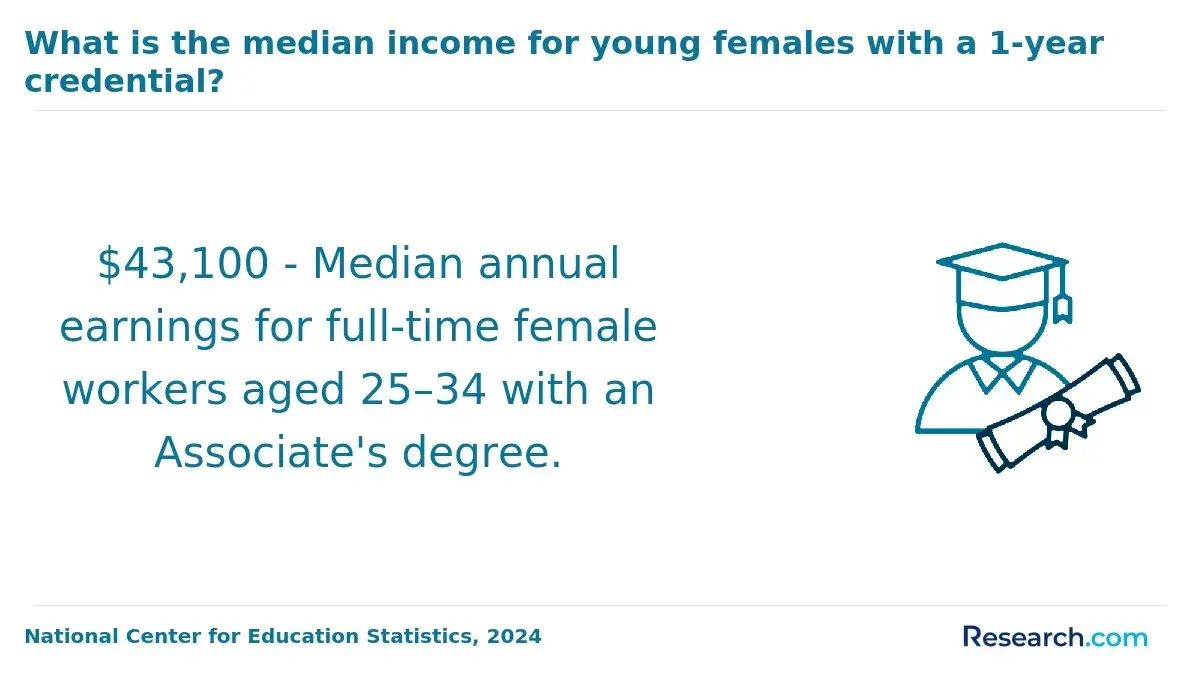
BLS May 2024 wage data reports a median annual wage of $94,310 for psychologists. This figure is useful as a national benchmark, but it includes multiple psychologist categories and does not represent entry-level pay, unlicensed roles, or every clinical setting.
The table below shows how salary expectations should be interpreted by career stage. It avoids treating one national median as a guaranteed outcome.
| Career stage | Common setting | Pay interpretation | Decision point |
| Pre-licensure or bachelor's-level roles | Community agencies, residential programs, hospitals, research teams | Usually below licensed psychologist benchmarks | Useful for experience, but often not the final ROI target for a clinical degree |
| Master's-level licensed or supervised roles | Outpatient clinics, schools, community mental health, crisis programs | Pay depends on state license type, payer mix, and supervision status | Can be a practical path if you want therapy work without a psychology doctorate |
| Licensed psychologist roles | Hospitals, private practice, universities, government, integrated care | More closely aligned with national psychologist wage benchmarks | Requires longer training and careful licensure planning |
| Specialized doctoral practice | Neuropsychology, forensic work, health psychology, leadership, consulting | May offer higher earning potential in some markets, but often requires additional training | Best for students willing to invest in specialization and supervised experience |
Job outlook is also favorable but not automatic. The BLS projects psychologist employment to grow faster than the average for all occupations over the 2024 to 2034 period, reflecting ongoing demand for mental health, school-based, and healthcare-integrated services. For employees evaluating ROI, the key question is whether the specific degree leads to the license or role that local employers actually require.
To evaluate value, compare total net cost after reimbursement with the credential's realistic outcome. Include unpaid internship time, reduced work hours, licensure exam fees, supervision costs, and the possibility that your employer may not reimburse courses that do not directly relate to your current role.
Other Things You Should Know About Clinical Psychology
In 2027, tuition reimbursement for an online clinical psychology degree typically requires employer approval of the degree program, proof of enrollment, and successful course completion. Each employer may have specific policies, so employees should consult their HR department to ensure the program qualifies for reimbursement.
It is possible in some bachelor's and master's programs, but it becomes harder during practica, internships, residencies, and doctoral training. Ask schools for a sample weekly schedule before enrolling so you can see whether the workload fits your job.
Many clinical placement sites require student liability coverage, and some schools arrange it through program fees. Ask whether coverage is included, optional, or your responsibility before you begin practicum or internship work.
Strong clinical psychology students are ethical, reflective, emotionally steady, culturally responsive, detail-oriented, and open to supervision. Academic ability matters, but so do judgment, communication, boundaries, and resilience.
References
- What's the difference between a master's in psychology and a master's in clinical psychology? | edX https://www.edx.org/resources/what-is-the-difference-between-a-masters-in-psychology-and-a-masters-in-clinical-psychology
- Psychology Accreditation: What you need to know https://www.onlinepsychologydegrees.com/articles/accreditation/
- Understanding the Differences Between Graduate Degrees in Clinical Psychology – IECA https://www.iecaonline.com/journal-article/understanding-the-differences-between-graduate-degrees-in-clinical-psychology/
- Guide To Online Clinical Psychology Degrees https://www.psychology.org/online-degrees/clinical-psychology/
- Online Master’s in Clinical Psychology https://onlinecounselingprograms.com/online-counseling-degrees/online-masters-in-psychology/clinical-psychology/
- What is Tuition Reimbursement and How Does it Work? https://www.aiuniv.edu/blog/2016/march/what-is-tuition-reimbursement