2027 Best Online Clinical Psychology Degrees for Students Interested in Child and Adolescent Psychology

Co-Founder and Chief Data Scientist
Choosing an online clinical psychology degree is a high-stakes decision because child and adolescent mental health work often requires supervised field training and, for psychologist roles, a doctorate. The need is real: the CDC reported in 2024 that youth mental health concerns remain a major public health issue, with many students still reporting persistent sadness or hopelessness. This guide is for students comparing online psychology, counseling, and clinical pathways. You will learn which degree types fit child-focused careers, how accreditation affects licensure, what programs cost, and how to avoid expensive enrollment mistakes.
Key Things You Should Know
- The best online path depends on the target role: a bachelor's degree can support entry-level youth services jobs, a master's in counseling or marriage and family therapy can lead to counselor licensure, and licensed clinical psychologist roles generally require an APA-accredited doctorate plus supervised experience.
- Accreditation is the biggest decision point: regional institutional accreditation is essential for transfer, aid, and employer recognition, while APA accreditation applies to doctoral psychology programs, internships, and postdoctoral residencies rather than typical online master's programs.
- Use salary data cautiously: the U.S. Bureau of Labor Statistics reported a May 2024 median annual wage of $96,100 for clinical and counseling psychologists, but pay varies by license, degree level, setting, state, and years of supervised experience.
What are the best online clinical psychology degrees for child and adolescent interests?
The best online clinical psychology degree for child and adolescent interests is the one that matches the job you actually want. "Clinical psychology" usually refers to assessment, diagnosis, psychotherapy, and treatment planning for mental health conditions. "Child and adolescent psychology" focuses those skills on infants, children, teens, families, schools, developmental stages, trauma, behavioral concerns, and family systems.
For online students, the most realistic choices fall into several categories. Some are fully online for coursework but require in-person practicum or internship hours; others are strong preparation programs but do not lead directly to independent clinical licensure.
The table below compares common online degree options by fit, licensure value, and trade-off. Use it to narrow your search before comparing individual schools.
| Degree path | Best fit | Child and adolescent focus | Licensure relevance | Main trade-off |
| Online bachelor's in psychology | Students starting from scratch or planning graduate school | Often includes lifespan development, abnormal psychology, child development, and research methods | Does not qualify graduates to practice independently as clinicians | Lower cost and flexible entry point, but limited clinical authority |
| Online master's in child and adolescent psychology | Students interested in research, program coordination, behavioral support, or doctoral preparation | Strongest topical match for youth development and mental health | May be non-licensure unless designed for counseling, school psychology, or therapy licensure | Excellent specialization, but students must verify the credential outcome |
| Online master's in clinical mental health counseling | Students who want to become licensed professional counselors | Can include child counseling electives, trauma, play therapy, family counseling, and adolescent development | Often designed for LPC or equivalent state licensure when accredited and properly structured | Leads to counselor licensure, not licensed psychologist status |
| Online marriage and family therapy degree | Students who want to treat children and teens within family systems | Strong fit for family conflict, parenting, couples issues affecting children, and relational therapy | Can support LMFT licensure when it meets state and accreditation requirements | Less focused on psychological testing than doctoral psychology programs |
| Hybrid PsyD or PhD in clinical psychology | Students seeking licensed psychologist roles | May offer child, pediatric, school, neuropsychology, or family-focused tracks | Doctoral study is typically required for psychologist licensure | More selective, longer, and usually not fully online because clinical training must be supervised in person |
If speed is your top concern, compare accelerated bachelor's options carefully before moving into graduate training. A fastest online psychology degree may help you finish prerequisites sooner, but it should still offer strong research methods, developmental psychology, and transfer-friendly accreditation.
A common mistake is choosing a program because the title sounds clinical. Before enrolling, ask whether the program leads to a specific license, what supervised placements are required, whether child-focused electives are available, and whether graduates have entered the type of role you want.
Is online clinical psychology accredited for licensure?
Online clinical psychology can be accredited for licensure, but the answer depends on the degree level and the profession. Institutional accreditation, such as accreditation from a recognized regional accreditor, tells you the school meets broad academic standards. Professional accreditation tells you whether a program aligns with expectations in a specific field.
For students who want to become licensed psychologists, APA accreditation is the key standard to understand. The American Psychological Association accredits doctoral programs in clinical, counseling, and school psychology, as well as internships and postdoctoral residencies. APA accreditation is not normally applied to stand-alone bachelor's or master's psychology programs.
The table below separates the accreditation signals that matter most. This distinction can prevent one of the most expensive mistakes in psychology education: assuming that any online psychology master's degree leads to clinical licensure.
| Accreditation or approval type | Where it matters | What students should verify |
| Institutional accreditation | All degree levels | The college or university is accredited by an agency recognized by the U.S. Department of Education or CHEA |
| APA accreditation | Doctoral psychology programs, internships, postdoctoral residencies | The doctoral program and required training experiences meet psychologist licensure expectations in the target state |
| CACREP accreditation | Counseling master's programs | The curriculum and supervised hours align with LPC or similar counselor licensure requirements |
| COAMFTE accreditation | Marriage and family therapy programs | The program supports LMFT licensure preparation in the state where the student wants to practice |
| State board approval | Any license-track program | The licensing board accepts the degree, field hours, exams, and supervision plan |
Practical due diligence should happen before you apply, not after you are admitted. Follow these steps when evaluating licensure fit:
- Identify the exact license you want, such as licensed psychologist, LPC, LMHC, LMFT, or school psychologist.
- Check the licensing board rules in the state where you expect to practice.
- Ask the school for written confirmation of whether the program meets educational requirements in that state.
- Confirm how practicum, internship, and supervision placements are arranged for online students.
- Review whether graduates are eligible for required exams, such as the EPPP for psychologists or counselor exams used by the state.
Be cautious with programs that advertise "clinical" training but avoid saying which license they prepare students for. Licensure is state-specific, and moving states can add requirements even when a program is reputable.
How do online and campus clinical psychology programs compare?
Online and campus clinical psychology programs can teach similar academic content, but they differ in flexibility, supervision logistics, cohort experience, and access to local training sites. For child and adolescent interests, the in-person component matters because students often need supervised practice with children, families, schools, clinics, hospitals, or community agencies.
The table below summarizes the practical differences that most affect decision-making. It is especially useful if you are balancing work, caregiving, relocation limits, or a need for local practicum placement.
| Factor | Online or hybrid programs | Campus programs | Decision point |
| Course delivery | Lectures, discussions, and assignments may be asynchronous or live online | Classes meet in person on a regular schedule | Online works well for disciplined students who need flexibility |
| Clinical training | Usually completed in person at approved local or regional sites | Often supported through campus-affiliated clinics and local partnerships | Ask how placements are secured and who is responsible for finding sites |
| Faculty access | Available through video meetings, online office hours, and learning platforms | Available through office hours, labs, clinics, and informal contact | Students seeking intensive mentorship may prefer a small cohort or campus model |
| Peer network | Can be national and diverse but requires effort to build relationships | Usually easier to form local study and practicum networks | Consider whether you need local professional contacts for child-focused placements |
| Relocation | Often reduced, though short residencies may be required | Often required unless the school is nearby | Online is strongest when relocation would create major cost or family barriers |
Online learning is not automatically easier. Strong programs still require research writing, statistics, ethics training, supervised practice, recorded skill demonstrations, and rigorous assessment. The best fit is usually a program that combines flexible coursework with transparent, well-supported field placement processes.
Students should consider campus or hybrid programs when they want intensive research lab access, pediatric hospital placements, psychological assessment training, or a doctoral pathway that depends heavily on faculty mentorship. Students should consider online programs when they need schedule flexibility and can secure approved local clinical experiences.
What coursework do child psychology programs include?
Child psychology coursework blends general clinical foundations with developmental science. A strong program should help students understand how children's symptoms, family environments, school contexts, culture, trauma exposure, and developmental stage affect assessment and treatment.
Most programs group coursework into several skill areas. These categories help you read a curriculum and judge whether it fits child and adolescent goals rather than adult-focused counseling alone.
- Developmental foundations: child development, adolescent development, lifespan psychology, attachment, and developmental psychopathology.
- Clinical foundations: abnormal psychology, diagnosis, counseling theories, evidence-based interventions, crisis response, and treatment planning.
- Family and systems work: family therapy, parenting interventions, school collaboration, community mental health, and multicultural practice.
- Assessment and research: psychological testing basics, research methods, statistics, program evaluation, and ethical use of assessment tools.
- Specialized youth topics: trauma-informed care, play therapy, autism spectrum disorder, child abuse and neglect, pediatric psychology, and adolescent substance use.
Students who want a deeper developmental focus can compare a masters in child development online with counseling or clinical mental health programs. The key difference is that child development programs may be excellent for research, education, advocacy, or doctoral preparation but may not include the supervised counseling curriculum needed for licensure.
A strong child-focused curriculum should also teach practical boundaries. For example, a counselor may provide therapy to a child with anxiety, while a licensed psychologist may also conduct certain psychological assessments depending on state scope-of-practice rules and training. Knowing the difference helps students avoid overpaying for a credential that does not match their intended responsibilities.
What are the admission requirements for these programs?
Admission requirements vary by degree level, but clinical and child-focused programs generally look for academic readiness, communication skills, ethical judgment, and a realistic understanding of mental health work. Competitive graduate programs may also value experience with youth, research exposure, or human services employment.
The table below shows common requirements by program level. Requirements differ by school, so treat this as a checklist for comparing admissions pages rather than a universal rule.
| Program level | Common academic requirements | Common application materials | Experience that can help |
| Bachelor's in psychology | High school diploma or equivalent; transfer credits if applicable | Application, transcripts, placement records, and sometimes a personal statement | Volunteer work, peer mentoring, child care, tutoring, or community service |
| Master's in child or adolescent psychology | Bachelor's degree; psychology prerequisites may be required | Transcripts, recommendation letters, statement of purpose, resume, and sometimes writing sample | Research assistant work, youth programs, behavioral health support, education experience |
| Master's in counseling or MFT | Bachelor's degree; minimum GPA set by the school | Interview, statement of goals, references, background check readiness, and transcripts | Helping roles, crisis line volunteering, school support work, case management exposure |
| Clinical psychology doctorate | Bachelor's or master's degree depending on program; strong research and statistics preparation | CV, faculty fit statement, recommendations, research experience, interview, and writing sample | Research lab work, clinical support roles, publications or posters, and strong mentor alignment |
Before applying, build an application strategy instead of sending the same materials everywhere. These steps can improve fit and reduce wasted application fees:
- Decide whether your target is psychologist licensure, counselor licensure, family therapy licensure, school-based work, or non-licensure youth services.
- Compare prerequisite courses, especially statistics, research methods, abnormal psychology, and developmental psychology.
- Ask whether online students must attend residencies, complete background checks, or find their own placements.
- Prepare a statement that connects your child and adolescent interests to the program's faculty, curriculum, and training model.
- Apply to a balanced list of programs based on accreditation, cost, placement support, selectivity, and career fit.
One red flag is an admissions process that feels too fast for a clinical program. Programs that include therapy training should evaluate readiness for supervised practice, not just ability to pay tuition.
How long do online clinical psychology degrees take?
The time required depends on degree level, enrollment intensity, transfer credits, practicum hours, and whether the program is licensure-track. Online coursework may create scheduling flexibility, but it does not eliminate supervised clinical hour requirements.
The table below gives typical completion ranges. Use these ranges to compare opportunity cost, not just graduation date, because a longer program may be necessary for a regulated license.
| Degree or pathway | Typical time to complete | What can shorten the timeline | What can extend the timeline |
| Online associate or transfer pathway | About 2 years | Dual enrollment or prior college credits | Part-time enrollment or developmental coursework |
| Online bachelor's in psychology | About 4 years, or 1 to 3 years for transfer students | Generous transfer policy, summer terms, accelerated sessions | Changing majors, limited course availability, work schedule conflicts |
| Online master's in child and adolescent psychology | About 1.5 to 3 years | Full-time study and no thesis requirement | Thesis, capstone delays, or part-time pacing |
| Online counseling or MFT master's | About 2 to 4 years | Full-time enrollment and well-organized practicum placement | Supervised field placement availability and state-specific hour rules |
| Clinical psychology PhD or PsyD | Often 5 to 7 years, plus postdoctoral supervised experience in some states | Entering with relevant research and clear faculty fit | Dissertation, internship match, specialization, and licensure supervision requirements |
Students often underestimate the practicum and internship calendar. Child and adolescent placements may follow school-year schedules, clinic intake cycles, or agency background check timelines. If you need to keep working full time, ask whether evening, weekend, school-based, or telehealth-supervised placements are acceptable under program and state rules.
An accelerated option makes sense when you are completing general education or psychology prerequisites. It may not make sense for advanced clinical training if it compresses skill development, limits supervision quality, or leaves you scrambling for field placements.
What do online clinical psychology degrees cost?
Online clinical psychology degree costs vary widely because students may pay per credit, per term, or by program, and clinical programs can add fees for residencies, background checks, liability insurance, technology, assessments, and travel to field sites. The most useful comparison is total cost to credential, not tuition alone.
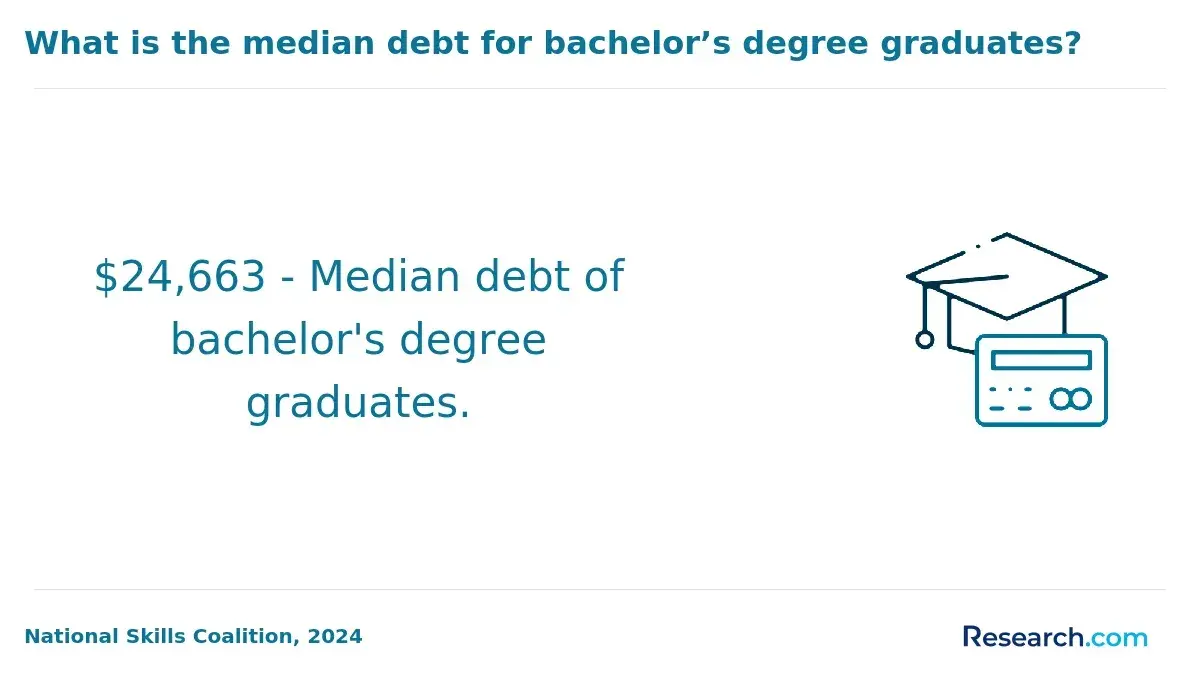
The National Center for Education Statistics reported in 2024 that average undergraduate tuition and required fees are substantially lower at public institutions than private nonprofit institutions. That broad pattern matters, but it does not decide value by itself; scholarships, transfer credits, licensure alignment, and placement support can change the true return on investment.
When estimating affordability, include the major price categories that commonly affect online psychology and counseling students:
- Tuition charged per credit or term, including different rates for in-state, out-of-state, and online students.
- University fees, technology fees, clinical skills platform fees, graduation fees, and transcript fees.
- Books, assessment materials, software, and statistical tools required for research or testing courses.
- Residency travel, lodging, lost work time, and transportation to practicum or internship sites.
- Background checks, immunizations, liability insurance, fingerprinting, and state exam or license application fees.
The table below shows how cost decisions usually play out. It is designed to help you identify the cheapest option that still protects your career goal.
| Cost choice | Potential advantage | Risk to check | Best use case |
| Public online university | Often lower tuition, especially for in-state students | Limited child-specific electives or placement support in some programs | Students seeking an affordable accredited bachelor's or master's option |
| Private nonprofit university | May offer specialized cohorts, strong advising, or established clinical networks | Higher sticker price if aid is limited | Students who receive aid or need a specific licensure-focused curriculum |
| Accelerated program | Can reduce time out of the workforce | May be intense for students balancing practicum and employment | Transfer students with strong preparation and stable schedules |
| Non-licensure master's | Can cost less and finish faster than a license-track program | May not qualify for independent counseling or psychologist roles | Students targeting research, education, advocacy, or doctoral preparation |
To reduce cost, prioritize transfer credit, employer tuition assistance, public university options, scholarships, and programs that clearly meet licensing requirements in your state. Avoid choosing the lowest tuition if the program would require a second graduate degree to reach your intended career.
What careers can you pursue with this degree?
Career options depend heavily on degree level and license. A child and adolescent psychology interest can lead to direct therapy, family services, school support, research, behavioral intervention, advocacy, or doctoral-level psychological assessment.
The table below connects common roles with the education level typically associated with them. It does not replace state licensing rules, but it helps clarify what each degree can realistically support.
| Career path | Typical minimum preparation | Common responsibilities | Important limitation |
| Behavioral health technician or youth support specialist | Bachelor's degree or related experience, depending on employer | Support treatment plans, document behavior, assist children and families in structured settings | Works under supervision and does not independently diagnose or treat |
| Case manager or child welfare service coordinator | Bachelor's degree; some roles prefer a master's | Coordinate services, connect families with resources, track care plans, collaborate with agencies | Role may be administrative rather than clinical |
| Licensed professional counselor or mental health counselor | License-track master's in counseling plus supervised hours | Provide therapy, treatment planning, crisis support, and child or adolescent counseling within scope | License titles and scopes vary by state |
| Licensed marriage and family therapist | License-track MFT master's plus supervised hours | Treat family systems, parent-child conflict, adolescent adjustment, and relational concerns | Not the same credential as psychologist licensure |
| School psychologist | Specialist-level or doctoral preparation depending on state and role | Assessment, intervention planning, school consultation, and student support | School-based scope differs from private clinical practice |
| Licensed clinical psychologist | Doctorate, internship, supervised experience, exam, and state licensure | Assessment, diagnosis, psychotherapy, consultation, research, and advanced treatment planning | Longest and most regulated path |
Students drawn to family-based treatment should compare counseling and MFT pathways early. A marriage and family counseling degree online may be a better fit than a general psychology master's if your goal is to work clinically with children in the context of parents, siblings, and household dynamics.
Technology is also changing the field. Telehealth, electronic health records, measurement-based care tools, and AI-assisted documentation are becoming more common in behavioral health settings. Students should look for programs that teach ethics, privacy, telehealth boundaries, and culturally responsive care rather than treating technology as a substitute for clinical judgment.
How much do child and adolescent psychology graduates earn?
Earnings vary by license, workplace, geography, client population, and whether a professional works in schools, hospitals, private practice, community mental health, government, or residential care. Degree level matters, but it is not the only factor; supervised experience, specialization, and state reimbursement conditions can also affect pay.
For a current benchmark, the U.S. Bureau of Labor Statistics reported a May 2024 median annual wage of $96,100 for clinical and counseling psychologists. This figure is most relevant to doctoral-level licensed psychologist roles, not bachelor's-level youth services jobs or every master's-level counseling role.
The table below provides salary context by role family using U.S. labor market categories. Use these categories as planning benchmarks, not promises of individual earnings.
| Role family | Relevant BLS salary context | How to interpret it |
| Clinical and counseling psychologists | May 2024 median annual wage of $96,100 | Most applicable to licensed psychologist roles that generally require doctoral preparation |
| School psychologists | BLS tracks this as a separate psychologist category | Pay often depends on school district salary schedules, contract length, and state credentialing |
| Marriage and family therapists | BLS reports earnings separately from psychologists | Most relevant for LMFT-track graduates working with couples, families, children, and adolescents |
| Mental health counselors | BLS reports this group separately from psychologists | Most relevant for master's-level counselor licensure pathways rather than psychologist licensure |
| Social and human service assistants | BLS reports lower wages than doctoral clinical roles | Useful benchmark for entry-level youth services work before or during graduate school |
Job outlook should also be read by occupation. BLS projections released for the 2024 to 2034 period show continued demand for mental health-related occupations, with particularly strong projected growth in counseling and therapy fields compared with the average for all occupations. For students, this means the master's-level licensure route may offer faster entry into direct care, while the doctoral route may open broader assessment, supervision, academic, and specialty practice options.
To evaluate return on investment, compare expected debt with the role you are actually pursuing. A high-cost doctoral program may make sense for students committed to licensed psychologist work, while a lower-cost counseling or MFT program may be more efficient for students whose main goal is therapy with children and families.
What licensure or certification is needed after graduation?
Licensure after graduation depends on the profession, not just the degree title. Students interested in children and adolescents should decide whether they want to be a licensed psychologist, professional counselor, marriage and family therapist, school psychologist, or another regulated provider.
The table below outlines common post-graduation requirements. Exact rules vary by state, and students should verify requirements with the state board where they plan to practice.
| Credential goal | Typical education requirement | Common post-graduation requirements | Child-focused consideration |
| Licensed psychologist | Doctoral degree in clinical, counseling, or school psychology, typically from an accredited program | Internship, supervised experience, EPPP, jurisprudence exam in some states, and state application | Seek child, pediatric, family, assessment, or adolescent training experiences |
| Licensed professional counselor or equivalent | License-track counseling master's | Supervised clinical hours, national or state exam, background check, and continuing education | Choose child counseling, trauma, play therapy, school collaboration, or family electives where available |
| Licensed marriage and family therapist | MFT or closely related license-track master's | Supervised relational therapy hours, exam, state application, and continuing education | Useful for treating youth concerns within family systems |
| School psychologist | Specialist-level or doctoral school psychology preparation depending on state | State education credential and, in some cases, national certification or supervised school experience | Strong fit for assessment, intervention, and consultation in K-12 settings |
| Board certification or specialty credentials | Usually post-licensure training and experience | Additional supervised practice, documentation, exam, or portfolio depending on credential | Can support specialization but usually does not replace state licensure |
Students comparing online counseling degrees should focus on state alignment, supervised placement support, and accreditation before comparing tuition. A cheaper program can become more expensive if it does not meet the educational requirements for the license you need.
Before enrolling, ask admissions and program directors these questions:
- Which specific state licenses does the program prepare students to pursue?
- Is the program professionally accredited for the field, and is the institution accredited?
- How many practicum and internship hours are required, and can they be completed near my home?
- Who approves field sites and supervisors for online students?
- What exam pass rate, internship placement information, or licensure outcome data can the program share?
- Are there state authorization limits that prevent students from enrolling or completing placements in certain states?
The safest strategy is to work backward from the license, then choose the degree. This prevents the common mistake of completing a psychology program that is academically interesting but not accepted for the clinical role you planned to enter.
Other Things You Should Know About Clinical Psychology
Yes. Many students work with children and adolescents as licensed counselors, marriage and family therapists, school-based professionals, case managers, behavioral specialists, or researchers. The right path depends on whether you want to provide therapy, conduct assessments, work in schools, or support programs and services.
Usually, yes. Even when coursework is online, clinical training normally requires supervised in-person practicum, internship, or fieldwork. Programs may allow local placements, but students should confirm who finds the site and whether it meets state licensing rules.
The biggest red flag when comparing online clinical psychology degrees is lack of accreditation. Accreditation ensures the program meets quality standards and is recognized by employers and licensing boards. Always verify your chosen program's accreditation status to ensure a legitimate and valuable educational experience.
References
- How To Become A Child Psychologist | Child Psychology Degrees And Careers https://www.learnhowtobecome.org/psychologist/child-psychologist/
- I have a degree, now what? https://targetjobs.co.uk/careers-advice/career-ideas/i-have-degree-now-what
- Understanding the Differences Between Graduate Degrees in Clinical Psychology – IECA https://www.iecaonline.com/journal-article/understanding-the-differences-between-graduate-degrees-in-clinical-psychology/
- Difference Between Licensure vs. Certification | University of Bridgeport https://www.bridgeport.edu/news/designing-your-career-path-licensure-vs-certification/
- Child Psychology Degree and Career Guide https://www.psychologydegree411.com/degrees/child-psychology/
- Online Master’s in Clinical Psychology https://onlinecounselingprograms.com/online-counseling-degrees/online-masters-in-psychology/clinical-psychology/
- Child Psychology degrees https://www.whatuni.com/degree-courses/search
- Admissions Criteria https://ed.wum.edu.pl/pl/admissions-criteria
- Best Online Child Psychology Master's Programs 2025 https://www.psychology.org/degrees/child-psychology/masters/
- Master’s in Child Psychology Guide https://www.bestpsychologydegrees.com/masters-degree-in-child-psychology/