2027 Online Clinical Psychology Degrees That Help Build Evidence-Based Practice Skills

Co-Founder and Chief Data Scientist
Choosing an online clinical psychology degree is a high-stakes decision because the wrong program can delay licensure or limit clinical roles. Demand is also rising: the U. S. Bureau of Labor Statistics projects psychologist employment to grow 7% from 2024 to 2034, faster than the average for all occupations. This guide is for prospective students comparing online, hybrid, and campus-based paths. You will learn how these programs teach evidence-based practice, what accreditation matters, what training costs, and how to choose a program that fits your licensure and career goals.
Key Things You Should Know
- Licensure as a psychologist in the United States typically requires a doctoral degree, supervised clinical experience, passing exams, and state board approval; a bachelor's or most master's degrees alone usually do not qualify someone to practice independently as a clinical psychologist.
- According to May 2024 BLS wage data, clinical and counseling psychologists had a median annual wage of $96,100, but salaries vary by state, employer, license status, specialty, and years of experience.
- The safest online option is usually a hybrid or online-flexible program with verified regional institutional accreditation, APA accreditation for doctoral clinical psychology when applicable, documented practicum placement support, and a curriculum tied to evidence-based assessment and treatment.
What is an online clinical psychology degree and how does it support evidence-based practice?
An online clinical psychology degree is a psychology program delivered fully or partly through distance learning that prepares students to understand mental health assessment, diagnosis, research, therapy methods, ethics, and human behavior. The phrase can describe several levels of education, but the career outcomes differ sharply by degree level.
Evidence-based practice means using the best available research, clinical expertise, and client characteristics to guide assessment and treatment. In clinical psychology education, this is not just a research concept. It affects how students learn to select interventions, evaluate client progress, avoid unsupported techniques, and adjust care when the evidence does not fit a client's culture, symptoms, risk level, or goals.
The degree level matters because online programs may share similar course names while leading to very different outcomes. This table summarizes the most common options and what each can realistically support.
| Degree level | Typical online format | Clinical practice outcome | Best fit |
| Bachelor's in psychology or clinical psychology concentration | Often fully online | Does not qualify graduates for independent clinical practice | Students preparing for graduate study, case management, behavioral health support, or research assistant roles |
| Master's in clinical psychology | Online or hybrid, often with local practicum requirements | May support supervised roles or licensure in related counseling fields if the curriculum meets state rules | Students seeking advanced psychology training, research preparation, or a possible counseling-adjacent pathway |
| PsyD in clinical psychology | Usually hybrid rather than fully online | Can support psychologist licensure if accredited and state-approved | Students focused mainly on clinical assessment, therapy, supervision, and applied practice |
| PhD in clinical psychology | Usually campus-based or hybrid with significant in-person training | Can support psychologist licensure if accredited and state-approved | Students interested in research, teaching, assessment, and clinical practice |
Online delivery works best for didactic learning, such as research methods, psychopathology, ethics, psychopharmacology foundations, and intervention theory. Clinical skill development, however, still depends on live supervision, role-play, practicum, internship, feedback on real cases, and competency evaluation. A strong online clinical psychology program should therefore make the technology feel secondary to the training model.
Are online clinical psychology programs accredited and licensure-eligible in the United States?
Some online and hybrid psychology programs are legitimate, but students should not assume that "online," "clinical," or "doctoral" means licensure-ready. In the United States, accreditation and licensure are separate systems. Accreditation evaluates educational quality; licensure is granted by state psychology boards.
For doctoral clinical psychology programs, the most important programmatic accreditation is usually accreditation by the American Psychological Association Commission on Accreditation. APA accreditation is widely expected by state boards, internship sites, postdoctoral employers, hospitals, and academic medical settings. Institutional accreditation also matters because it affects federal financial aid eligibility, transferability, and employer recognition.
Students should verify several layers before enrolling because each layer answers a different question.
- Institutional accreditation: Confirms that the college or university is recognized by a U.S. Department of Education-recognized accreditor.
- Programmatic accreditation: For doctoral clinical psychology, APA accreditation is the key credential to check; for counseling-oriented programs, CACREP or MPCAC may be relevant depending on the intended license.
- State licensure alignment: Confirms whether the curriculum, practicum, internship, supervision hours, and exams meet the rules in the state where the student plans to practice.
- Internship eligibility: For doctoral psychology students, access to appropriate internship placements can affect graduation timeline and licensure readiness.
A common mistake is choosing a master's program labeled "clinical psychology" and assuming it leads to psychologist licensure. In most states, the protected title "psychologist" requires a doctoral degree. A master's degree may still be useful, but its licensure value depends on whether it meets requirements for a specific credential such as licensed professional counselor, licensed mental health counselor, marriage and family therapist, or psychological associate where available.
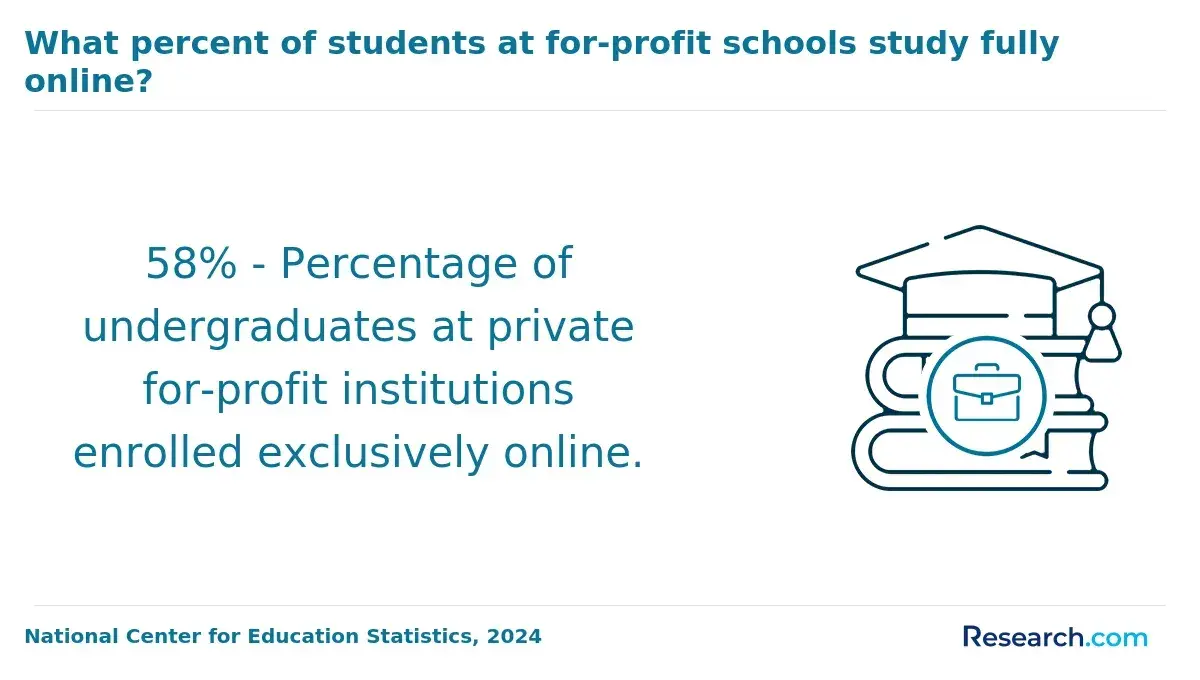
How do online clinical psychology degrees compare with campus-based programs for training quality?
Online and campus-based programs can both be academically rigorous, but clinical psychology training quality depends less on the lecture format and more on supervision, assessment practice, faculty expertise, practicum access, internship preparation, and licensure alignment. The strongest online programs are usually hybrid because clinical competencies must be observed and evaluated in real or simulated professional settings.
The following comparison helps clarify where online delivery can be efficient and where in-person training still carries advantages.
| Training factor | Online or hybrid programs | Campus-based programs | Decision point for students |
| Coursework | Often flexible and accessible for working adults | Structured around campus schedules | Online may be better if flexibility is essential and the curriculum is rigorous |
| Clinical skill practice | May use synchronous video, residencies, simulations, and local practicum | Often easier to integrate with campus clinics and labs | Ask how skills are observed, recorded, graded, and remediated |
| Research mentoring | Can be strong if faculty actively supervise remote students | Often easier for lab-based research and grant-funded teams | Students aiming for PhD research careers should compare faculty fit closely |
| Practicum placement | May require students to find local approved sites | May have established regional placement networks | Online students should confirm placement support in writing |
| Peer and faculty interaction | Depends on live classes, cohorts, residencies, and supervision model | Often more spontaneous and frequent | Students who need daily academic community may prefer campus-based study |
Online learning is not automatically weaker, but it is less forgiving when a program lacks placement infrastructure. If a school cannot explain how it verifies supervisors, handles site shortages, documents clinical hours, or prepares students for internship applications, that is a red flag.
Technology is also changing training quality. Programs increasingly use secure telehealth platforms, recorded role-plays, digital assessment tools, and outcome-tracking systems. These tools can help students practice modern care delivery, but they should supplement-not replace-supervised clinical experience with real feedback.
What coursework and clinical training build evidence-based practice skills in these programs?
Evidence-based practice skills develop through repeated cycles of learning, applying, measuring, and revising clinical decisions. A useful program should teach students not only what treatments have research support, but also how to choose among them for a specific client and how to know whether treatment is working.
Look for a curriculum that connects research literacy with real clinical decision-making. The strongest programs typically include the following training components.
- Psychopathology and diagnosis: Students learn how mental disorders are classified, how symptoms present across populations, and how to avoid overreliance on checklists.
- Psychological assessment: Training should cover test selection, validity, cultural limitations, clinical interviewing, risk assessment, and integrated report writing.
- Research methods and statistics: Students learn to evaluate study quality, interpret effect sizes, understand treatment manuals, and identify weak or unsupported claims.
- Evidence-based interventions: Coursework may include cognitive behavioral therapy, exposure-based treatments, behavioral activation, dialectical behavior therapy skills, acceptance and commitment therapy, family systems approaches, and trauma-informed care.
- Ethics and legal standards: Students study confidentiality, informed consent, mandated reporting, telehealth, documentation, boundaries, and professional competence.
- Diversity and cultural responsiveness: Training should address how culture, identity, disability, language, racism, stigma, and access barriers affect assessment and treatment.
- Practicum and supervision: Students apply skills under licensed supervision and receive feedback on case formulation, documentation, therapeutic alliance, and treatment planning.
A program that claims to teach evidence-based practice should also teach measurement-based care. That means students use structured tools and client feedback to monitor symptoms and functioning over time. This matters because a treatment supported by research may still need adjustment if a specific client is not improving.
Prospective students should ask whether the program includes supervised work with telehealth, crisis procedures, interprofessional collaboration, and electronic health record documentation. These are increasingly common in behavioral health settings and can make training more relevant to modern practice.
What admission requirements and prior education are needed for online clinical psychology degrees?
Admission requirements depend on the degree level. A bachelor's program may accept first-year or transfer students, while doctoral programs usually require a strong academic record, research or clinical exposure, recommendations, a personal statement, and a clear fit with the program's training model.
Students who are early in their education can use an accelerated psychology degree online to shorten the time to graduate study, but they should still prioritize prerequisite quality, statistics preparation, research exposure, and transfer policies over speed alone.
The table below shows the usual preparation expected at each level and how it affects the next step.
| Program type | Common prior education | Typical admission materials | What applicants should prove |
| Bachelor's in psychology | High school diploma, GED, or transfer credits | Transcripts, application, possible essay | Readiness for college-level writing, statistics, and social science coursework |
| Master's in clinical psychology | Bachelor's degree, often with psychology prerequisites | Transcripts, statement of purpose, recommendations, resume, possible interview | Academic preparation, ethical maturity, and realistic career goals |
| PsyD in clinical psychology | Bachelor's or master's degree depending on program | Recommendations, essays, interview, clinical or research experience, sometimes GRE scores | Commitment to applied clinical work and readiness for intensive practicum training |
| PhD in clinical psychology | Bachelor's or master's degree with strong research preparation | Faculty-fit statement, research experience, writing sample, recommendations, interview | Research alignment, methodological skill, and long-term scholarly potential |
Applicants should avoid applying only to programs with familiar names or convenient schedules. Clinical psychology admissions committees often look for evidence that the applicant understands the field's ethical responsibilities, can handle emotionally demanding work, and has the academic discipline to evaluate research critically.
Before applying, students can strengthen their profile through research assistant work, crisis line volunteering, behavioral health technician roles, statistics coursework, or supervised human services experience. None of these guarantees admission, but they can help applicants make a more credible case for readiness.
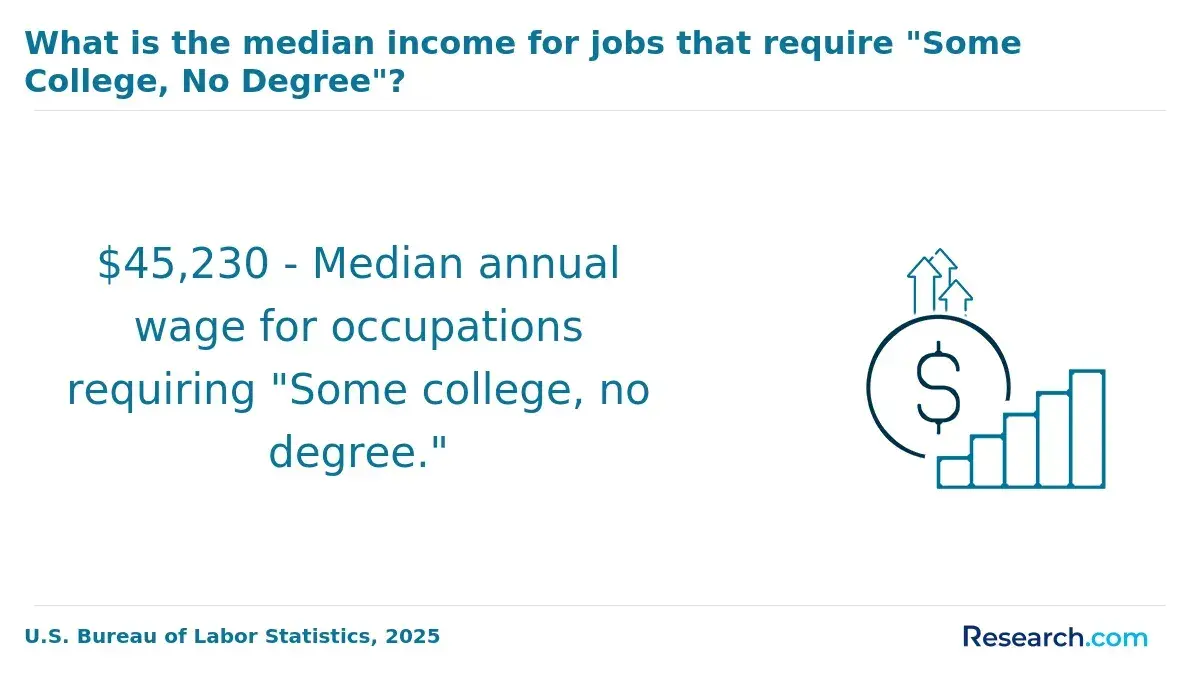
How long do online clinical psychology programs take, and what do they typically cost?
Program length depends on degree level, transfer credits, enrollment intensity, dissertation or capstone requirements, practicum availability, and internship timing. Cost depends on tuition, fees, residency travel, books, assessment materials, background checks, supervision-related expenses, and the income students give up if they reduce work hours.
For students comparing graduate options, an online masters psychology program may be a lower-cost step than entering a doctoral program immediately, but it is only the right choice if it fits the student's intended license or doctoral preparation plan.
The table below gives a practical timeline comparison rather than promising a fixed completion date. Individual programs can be shorter or longer depending on structure and state requirements.
| Degree path | Common completion range | Main cost drivers | Important trade-off |
| Bachelor's degree | About 4 years full time, less with transfer credit | Tuition, general education courses, technology fees | Lower entry cost, but not enough for independent clinical practice |
| Master's degree | About 2 to 3 years | Graduate tuition, practicum fees, local placement costs | Can build advanced skills, but may not lead to psychologist licensure |
| PsyD | Often 4 to 6 years plus internship and postdoctoral requirements where applicable | High credit load, clinical fees, residencies, internship travel, dissertation or project costs | Practice-focused training, often with substantial total cost |
| PhD | Often 5 to 7 years plus internship and postdoctoral requirements where applicable | Tuition, research time, living expenses, internship relocation | May offer stronger funding at some institutions, but admissions can be highly competitive |
Cost comparisons should include financing terms, not just tuition. For example, Federal Student Aid lists a 4.228% origination fee for Direct PLUS Loans first disbursed on or after October 1, 2024 and before October 1, 2025. For borrowers using graduate loans, that fee increases the real cost of attendance before interest is even considered.
Use the following steps to compare affordability more accurately.
- Ask each program for a full cost-of-attendance estimate that includes tuition, fees, books, residencies, background checks, travel, and clinical placement expenses.
- Confirm whether tuition is charged per credit, per term, or by cohort and whether rates differ for online students.
- Compare funding options, including assistantships, scholarships, employer tuition benefits, military benefits, and paid research or teaching roles.
- Model repayment using conservative salary assumptions and include interest, fees, and time out of the workforce.
- Check whether part-time enrollment reduces short-term pressure but increases total time, fees, or opportunity cost.
The cheapest program is not always the best value if it lacks licensure alignment or practicum support. The most expensive program is not automatically stronger either. A good ROI analysis connects cost to accreditation, completion support, clinical placement quality, internship outcomes, and the specific career the student wants.
What clinical psychology careers can graduates pursue and in which work settings?
Career options depend heavily on degree level and license status. A doctoral-level licensed clinical psychologist can provide assessment, diagnosis, psychotherapy, consultation, supervision, and in some jurisdictions additional specialized services. Graduates with bachelor's or master's degrees can still work in behavioral health, but they usually hold different titles and responsibilities.
Students comparing psychology and counseling pathways should understand that some roles overlap in therapy settings but differ in licensure rules and training emphasis. Those considering doctoral counseling routes can compare counseling PhD programs with clinical psychology doctorates to see which better matches their research, teaching, or counseling goals.
The table below outlines common roles connected to clinical psychology training and the settings where they appear.
| Role | Typical minimum education or credential | Common responsibilities | Work settings |
| Licensed clinical psychologist | Doctoral degree, supervised experience, exams, state license | Assessment, diagnosis, psychotherapy, treatment planning, consultation, supervision | Hospitals, private practice, community mental health, VA settings, universities, correctional facilities |
| Clinical neuropsychologist | Doctoral degree plus specialized training and supervised experience | Cognitive assessment, brain-behavior evaluation, rehabilitation consultation | Medical centers, rehabilitation hospitals, specialty clinics, academic health systems |
| Behavioral health clinician or therapist | Often master's-level counseling, social work, or marriage and family therapy license | Therapy, intake assessment, case coordination, treatment documentation | Community agencies, telehealth practices, schools, integrated care clinics |
| Psychological associate or examiner | Varies by state, often master's-level psychology plus supervision | Testing support, assessment administration, supervised clinical services | Clinics, schools, forensic settings, private practices |
| Research coordinator or clinical research specialist | Bachelor's or master's degree, research experience | Participant recruitment, protocol management, data collection, compliance documentation | Universities, hospitals, contract research organizations, public health agencies |
Work settings also affect day-to-day life. Private practice may offer autonomy but requires business management and referral building. Hospitals may offer complex cases and interprofessional teams but can involve productivity pressure. Community mental health can provide broad experience but may involve high caseloads. Academic roles may combine research, teaching, supervision, and grant activity.
Students should choose a program based on the setting they want to enter. Someone interested in psychological testing should look for strong assessment training. Someone drawn to trauma treatment should examine practicum sites and faculty expertise. Someone interested in research should prioritize faculty mentorship and publication opportunities.
What are the salary expectations and job outlook for clinical psychologists and related roles?
Salary expectations should be treated as labor-market context, not a promise. Pay varies by license, state, specialty, employer type, work setting, and whether the clinician is employed, contracted, or self-employed. The most relevant national benchmark is from the U.S. Bureau of Labor Statistics, which reported a May 2024 median annual wage of $96,100 for clinical and counseling psychologists.
That median can help students think about affordability, but it should not be used alone to justify high debt. New licensees, prelicensed clinicians, part-time workers, and professionals in lower-paying community roles may earn less than the median. Specialists in medical centers, forensic assessment, neuropsychology, leadership, or established private practice may earn more, but those paths often require additional supervised experience, reputation building, or specialized training.
The job outlook is favorable but competitive in quality-sensitive settings. BLS projects psychologist employment to grow 7% from 2024 to 2034. For students, that suggests continued demand for mental health expertise, but employers will still evaluate licensure eligibility, supervised experience, assessment competence, ethics, documentation skill, and fit with the population served.
Several current trends influence salary and hiring.
- Telehealth normalization: Many employers expect clinicians to understand remote care ethics, privacy rules, crisis planning, and rapport-building through video platforms.
- Integrated behavioral health: Primary care clinics and medical systems increasingly value psychologists who can collaborate with physicians, nurses, social workers, and psychiatrists.
- Measurement-based care: Employers may prefer clinicians who can document outcomes and adjust treatment using structured clinical data.
- Assessment demand: Psychological testing, neuropsychological screening, autism evaluations, and forensic evaluations can create specialized opportunities for clinicians with strong assessment training.
The smartest salary strategy is to match training to a real market need. Students should review job postings in their target state before enrolling and note the required degree, license, supervised hours, testing skills, populations served, and preferred evidence-based treatments.
How do accreditation and state licensing boards affect clinical psychology credentialing?
Accreditation and state boards affect nearly every step from admission to independent practice. A program can be academically legitimate and still fail to meet the rules for the license a student wants. That is why students should verify requirements before enrolling, again before practicum, and again before applying for internship or postdoctoral training.
State psychology boards generally evaluate whether applicants completed the right degree, accumulated required supervised experience, passed required exams, and met ethics or jurisprudence requirements. Many states also require applicants to pass the Examination for Professional Practice in Psychology, commonly called the EPPP. Some states add oral exams, state law exams, background checks, or postdoctoral supervised hours.
Use this sequence to reduce credentialing risk.
- Identify the exact license title you want in the state where you plan to practice.
- Read the state board's education rules and note degree level, accreditation language, coursework, practicum, internship, and supervision requirements.
- Ask the program to provide written documentation showing how its curriculum and clinical sequence align with that state's rules.
- Confirm whether internship sites, postdoctoral placements, and supervisors must meet specific board criteria.
- Save syllabi, practicum evaluations, supervision logs, internship documentation, and official program handbooks for future licensing applications.
Mobility is another issue. A program that works for one state may not automatically work for another. Students who may relocate should compare requirements in multiple states and ask whether the program participates in licensure disclosure processes. Military families, telehealth-focused clinicians, and students near state borders should be especially careful.
One major red flag is vague language such as "may prepare students for licensure" without a state-by-state explanation. That phrase is not enough. Students need to know which license, in which state, under which rules, and with which additional steps after graduation.
How can prospective students evaluate and choose a reputable online clinical psychology program?
A reputable online clinical psychology program should make its accreditation, curriculum, faculty qualifications, clinical training model, student support, costs, outcomes, and licensure disclosures easy to verify. If a school relies mainly on convenience, speed, or emotional marketing, slow down and investigate.
Students comparing cost-sensitive mental health pathways may also want to review a cheapest counseling degree online option, especially if their goal is counseling licensure rather than psychologist licensure. The right choice depends on the credential required for the work they actually want to do.
Before committing, use a structured evaluation process rather than relying on rankings or advertisements.
- Verify institutional accreditation through recognized accreditation databases and confirm the accreditor is currently recognized.
- For doctoral clinical psychology, check the program's APA accreditation status directly rather than relying only on school marketing pages.
- Ask for state-specific licensure disclosures for the state where you plan to practice.
- Request details on practicum placement support, approved site criteria, supervisor qualifications, and what happens if no local placement is available.
- Review faculty biographies for clinical licenses, research areas, publications, supervision experience, and fit with your interests.
- Compare total cost of attendance, not just tuition, and ask whether rates can change during the program.
- Ask about cohort size, student-to-faculty ratios in supervision, remediation policies, and student support services.
- Review internship match support, exam preparation, graduation rates, and licensure-related outcomes where available.
- Speak with current students or alumni about workload, responsiveness, placement quality, and transparency.
- Read the student handbook before enrolling, especially policies on dismissal, clinical suitability, transfer credits, leaves of absence, and grievance procedures.
Common mistakes include choosing the fastest program, assuming online means easier, ignoring residency travel costs, enrolling before checking state board rules, and treating a master's degree as interchangeable with a doctoral psychology license. A better approach is to start with the desired role and work backward to the required credential.
For many students, the best program is not the most prestigious or the cheapest. It is the one that offers verified licensure alignment, strong evidence-based clinical training, realistic costs, appropriate flexibility, and a support system that can carry students through practicum, internship, exams, and early career development.
Other Things You Should Know About Clinical Psychology
In most states, clinical psychologists cannot prescribe medication. A small number of jurisdictions allow appropriately trained prescribing psychologists under specific laws, but this is not the standard pathway and requires additional education and credentialing.
A PsyD is often more practice-focused, while a PhD usually places more emphasis on research and academic training. Both can lead to psychologist licensure if the program meets accreditation and state requirements, so the better option depends on whether the student wants a primarily clinical, research, teaching, or mixed career.
Many online bachelor's and master's students work while enrolled, especially part time. Doctoral clinical psychology programs are harder to combine with full-time employment because practicum, supervision, research, residencies, internship, and dissertation requirements can be intensive and schedule-specific.
References
- Clinical Psychology https://chp.mercer.edu/admissions/admissions-requirements/clinical-psychology/
- Enhancing Clinical Education: Evidence-Based Strategies - European Society of Medicine https://esmed.org/enhancing-clinical-education-evidence-based-strategies/
- Applying to Graduate Programs in Clinical Psychology: A Guide for Prospective Students, Advisors, and Faculty Part II https://nobaproject.com/blog/2019-09-12-applying-to-graduate-programs-in-clinical-psychology-nbsp-a-guide-for-prospective-students-advisors-and-faculty-part-ii
- Guide To Online Clinical Psychology Degrees https://www.psychology.org/online-degrees/clinical-psychology/
- Understanding the Differences Between Graduate Degrees in Clinical Psychology – IECA https://www.iecaonline.com/journal-article/understanding-the-differences-between-graduate-degrees-in-clinical-psychology/
- How Employers View Online Degrees in Counseling & Psychology https://www.counselingpsychology.org/articles/how-employers-view-online-degrees-in-counseling-and-psychology/
- State licensure and certification information for psychologists https://www.apaservices.org/practice/ce/state/state-info
- Does it Matter if my Psychology Degree Program is Accredited? https://www.bestpsychologydegrees.com/faq/does-it-matter-if-my-psychology-degree-program-is-accredited/