2027 Online Behavioral Health Management Degrees With Low Total Student Debt Potential

Co-Founder and Chief Data Scientist
Choosing an online behavioral health management degree is really a cost-and-career decision: you need training for a growing mental health system without taking on debt that limits your options. The need is real: the U.S. Health Resources and Services Administration continues to project behavioral health workforce shortages in many communities.
This guide is for students comparing affordable online bachelor's and master's pathways, including health administration, human services, addiction services, and behavioral health operations. You will learn how to judge cost, accreditation, program fit, timelines, and career value before enrolling.
Key Things You Should Know
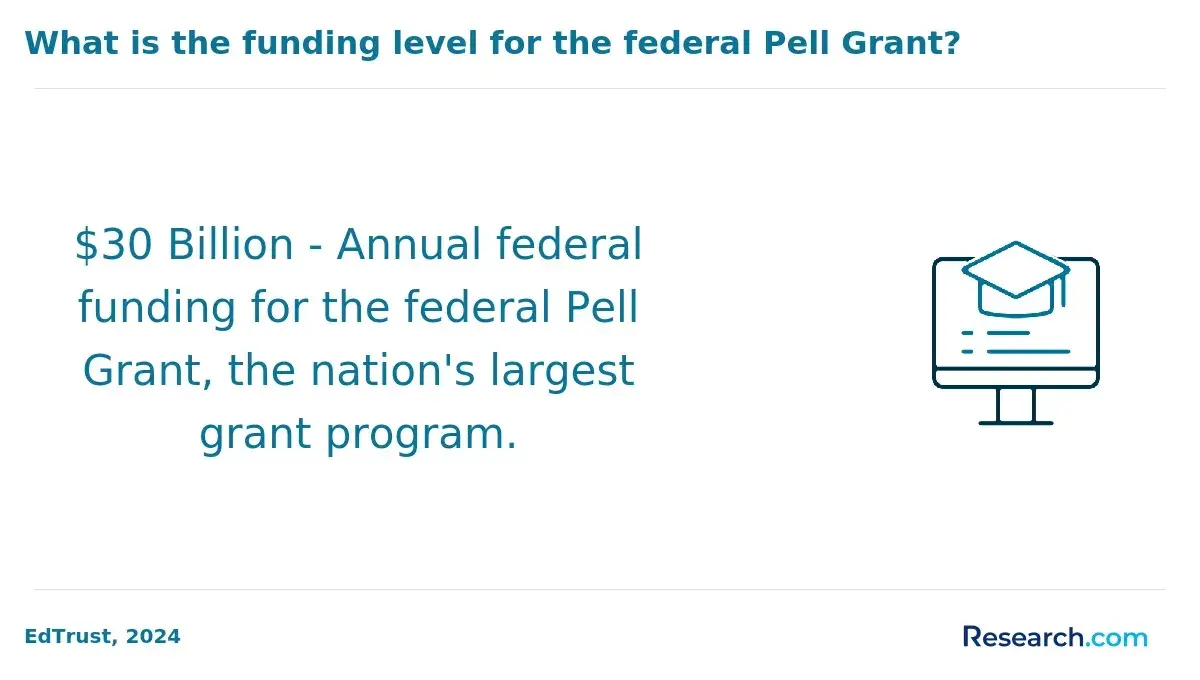
- Low-debt programs are usually regionally accredited, transfer-friendly, online or hybrid, and priced below high-cost private alternatives; College Board's 2024 pricing data shows average published tuition and fees of $11,610 for in-state public four-year students versus $43,350 at private nonprofit four-year colleges.
- The degree is strongest for students aiming at behavioral health operations, case management, program coordination, health services administration, compliance, community programs, or graduate study; it is not automatically a counseling license pathway.
- BLS May 2024 wage data places the median pay for medical and health services managers at $117,960 and for social and community service managers at $78,240, but salaries vary by role, state, experience, employer, and whether the job requires clinical licensure.
What is an online behavioral health management degree and how does it reduce student debt?
An online behavioral health management degree prepares students to help run, improve, and coordinate services in mental health, substance use treatment, community health, crisis response, residential care, telehealth, and nonprofit programs. The exact title may vary. Some schools use names such as behavioral health science, health services administration, human services, healthcare management, addiction studies, community health, or psychology with a behavioral health concentration.
The debt-reduction value comes from matching the degree level and program design to the job you actually want. A student who wants to manage scheduling, billing, quality improvement, outreach, or program operations may not need the same graduate-level clinical pathway as someone pursuing counseling licensure.
If your goal is to become a licensed counselor, compare a dedicated mental health degree online because management-focused programs often do not meet supervised practice or licensure curriculum requirements.
Students can lower total debt by focusing on the full price of attendance, not only the advertised tuition rate. The most debt-conscious programs usually combine several cost controls:
- Transfer-friendly curriculum: Accepting community college credits, prior bachelor's credits, military training, or approved professional learning can reduce the number of credits you pay for.
- Online delivery: Online programs can reduce relocation, commuting, parking, and housing costs, especially for working adults.
- Flat-rate or competency-based tuition: Some programs let motivated students complete more courses per term for the same tuition price.
- Employer tuition assistance: Hospitals, community mental health agencies, insurers, and nonprofit providers may help pay for job-related education.
- Clear career alignment: Choosing the wrong degree level can create unnecessary borrowing, especially if the target role requires a license, certification, or graduate degree not included in the program.
Federal loan costs also matter. For the 2024-25 academic year, Federal Student Aid set Direct Subsidized and Unsubsidized Loan interest for undergraduate borrowers at 6.53% and Direct Unsubsidized Loan interest for graduate borrowers at 8.08%. That makes borrowing discipline more important for master's students because interest can increase the total repayment burden even when tuition looks manageable.
Which accredited online behavioral health management programs offer the lowest total student debt potential?
The lowest total student debt potential usually comes from accredited online programs that let students reuse credits, continue working, and avoid relocation. Because "behavioral health management" is not always a standalone major, the smartest search strategy is to compare adjacent accredited programs that lead to behavioral health operations roles.
The table below summarizes the program categories most likely to support behavioral health management goals while keeping borrowing lower. Use it to narrow your search before comparing exact tuition, fees, transfer policies, and financial aid offers from individual schools:
| Program category | Common online degree titles | Why it may lower debt | Best fit |
| Public online bachelor's degree-completion program | Human services, behavioral health science, health services administration, community health | Often accepts large blocks of transfer credit and may offer lower in-state or online tuition | Students with prior college credit or an associate degree |
| Competency-based online bachelor's or master's program | Health and human services, healthcare management, health administration | Can reduce total cost for students who complete courses quickly and consistently | Self-directed adults with work experience and strong time management |
| Online healthcare administration pathway with behavioral health electives | Healthcare administration, health services management, public health administration | Broader management degree may open more employer options while still supporting behavioral health settings | Students aiming for operations, compliance, finance, or clinic management |
| Online human services or addiction studies program | Human services, substance use counseling support, addiction studies, case management | May be shorter and more career-specific than a broad psychology degree | Students seeking entry-level behavioral health, community, or recovery support roles |
| Online master's for working professionals | MHA, MPH, MS in human services, MS in healthcare management | Part-time pacing can preserve income and employer benefits while studying | Experienced staff moving into supervision, program management, or administration |
A low-debt shortlist should include programs that are accredited, transparent about total cost, and realistic about outcomes. If you want a broader healthcare operations route, an affordable health administration degree may be a better fit than a narrowly labeled behavioral health program because it can apply to hospitals, insurers, outpatient clinics, and behavioral health organizations.
Before applying, compare programs using a debt-focused checklist rather than relying only on rankings or advertisements:
- Ask for the total estimated cost to graduate, including tuition, technology fees, books, placement fees, background checks, and repeated-course charges.
- Request a transfer evaluation before enrollment so you know how many credits remain.
- Check whether online students pay in-state, out-of-state, flat-rate, or program-specific tuition.
- Confirm whether the program includes internships, practicums, or fieldwork and whether you must find your own site.
- Review graduation rates, retention data, student support, and career services for online learners.
- Compare the degree title and curriculum against job postings in your target area.
A common mistake is choosing the cheapest advertised tuition without checking whether enough courses are available online, whether credits will transfer, or whether the degree meets the employer's preferred qualifications. The better move is to calculate cost per completed credential, not cost per credit in isolation.
How do online behavioral health management degrees compare to campus programs in cost and flexibility?
Online behavioral health management degrees can be less expensive than campus programs, but online is not automatically cheaper. The real savings depend on tuition policy, transfer credits, living costs, commuting costs, work schedule, and whether the program requires in-person fieldwork. For many adult learners, the biggest financial advantage is the ability to keep working while studying.
The comparison below shows how online and campus formats tend to differ for students trying to reduce borrowing. It is especially useful if you are deciding whether convenience is worth possible trade-offs in networking, structure, or hands-on experience:
| Factor | Online program | Campus program | Debt impact |
| Housing and relocation | Usually no relocation required | May require moving near campus | Online can reduce non-tuition borrowing |
| Work schedule | Often asynchronous or evening-friendly | Class times may be less flexible | Online can help students preserve income |
| Tuition structure | May use flat-rate, online, or per-credit pricing | May charge campus-based fees | Either format can be cheaper depending on school policy |
| Fieldwork | May require local placement coordination | May have established local partners | Poor placement support can add time and cost |
| Peer and faculty access | Requires proactive communication | More face-to-face interaction | Stronger support can improve persistence and reduce repeated courses |
| Technology needs | Reliable computer and internet required | Campus labs may reduce personal tech needs | Online students should budget for equipment and software |
College Board's 2024 data shows that published tuition and fees vary sharply by sector, with in-state public four-year pricing far below private nonprofit averages. For behavioral health management students, this means a public online option with strong transfer credit can be financially stronger than a private online program, but sector alone does not determine value.
Online study makes the most sense when you are organized, have predictable access to technology, and can complete assignments without constant in-person reminders. Campus study may be better if you need intensive structure, want local internship pipelines, or are entering a field where supervised practice connections are the main value of the program.
What admission requirements do online behavioral health management bachelor's and master's programs have?
Admissions requirements depend on degree level and school selectivity. Bachelor's programs are usually accessible to first-time college students and transfer students, while master's programs often expect a completed bachelor's degree and some evidence that you can succeed in graduate-level writing, research, and management courses.
For bachelor's programs, applicants commonly need to provide the following materials. These requirements help schools verify academic readiness and determine how many credits can apply toward graduation:
- High school diploma, GED, or equivalent completion record for first-time students.
- Official transcripts from every college previously attended.
- Minimum GPA, often with conditional admission options for students below the standard threshold.
- Transfer credit evaluation, especially for associate degree holders or returning adults.
- Placement information for math, writing, or general education requirements when needed.
- Background check or immunization documentation if the program includes fieldwork in healthcare or community settings.
For master's programs, schools usually look for evidence of academic preparation and professional direction. A clinical license is not always required for management programs, but relevant experience can strengthen an application.
- Bachelor's degree from an accredited institution.
- Official undergraduate and graduate transcripts, if applicable.
- Resume showing healthcare, behavioral health, nonprofit, social services, military, public health, or administrative experience.
- Statement of purpose explaining career goals in behavioral health leadership or management.
- Letters of recommendation, often from supervisors or faculty members.
- Prerequisite coursework or bridge courses if the applicant lacks healthcare, statistics, psychology, or management background.
Do not assume that easier admission means lower risk. Open-access programs can be valuable, but students should still check advising quality, course availability, online support, and graduation outcomes. A program that admits quickly but provides weak transfer advising can cost more in the long run.
What courses and skills are typically included in an online behavioral health management curriculum?
An online behavioral health management curriculum usually blends healthcare operations, behavioral health systems, ethics, finance, community services, data, and leadership. The strongest programs teach students how services are delivered, paid for, measured, staffed, and improved in real organizations.
The table below connects common courses with the practical skills they build. This helps you compare whether a program is preparing you for management work, direct support work, graduate study, or a mix of all three:
| Course area | What students study | Skill developed |
| Behavioral health systems | Mental health services, substance use treatment, crisis systems, community care models | Understanding how care is organized across providers and agencies |
| Healthcare administration | Operations, budgeting, staffing, reimbursement, quality improvement | Managing programs, clinics, teams, and service lines |
| Ethics and law | Confidentiality, consent, mandated reporting, compliance, patient rights | Reducing organizational risk and protecting clients |
| Case management and care coordination | Referral systems, service planning, interdisciplinary collaboration | Helping clients navigate fragmented systems |
| Health data and documentation | Electronic records, reporting, outcomes tracking, privacy practices | Using information responsibly to improve services |
| Diversity and community health | Social determinants of health, cultural responsiveness, access barriers | Designing services that fit community needs |
| Leadership and supervision | Team communication, conflict management, workforce planning | Preparing for coordinator, supervisor, or manager roles |
Technology is becoming more important in behavioral health organizations because telehealth, electronic health records, analytics, and AI-assisted documentation are changing daily workflows. Students who want to strengthen the data side of their profile can compare a health information management degree online, especially if they are interested in compliance, privacy, revenue cycle, or health data quality.
When reviewing a curriculum, look for applied assignments rather than only theory. Strong programs may ask students to analyze a behavioral health budget, design a community referral map, evaluate a quality measure, write a compliance memo, or build a staffing plan. Those projects can become useful interview examples.
How long do online behavioral health management degrees take and what affects time to completion?
Time to completion depends on degree level, transfer credits, course load, term structure, fieldwork, and whether the program is self-paced or cohort-based. For debt-conscious students, finishing faster can reduce tuition and fees, but moving too quickly can backfire if it leads to failed courses, burnout, or lost work income.
The table below gives practical timeline ranges for common online behavioral health management pathways. Use it as a planning tool, not a promise, because every school applies credits and requirements differently:
| Pathway | Typical time frame | What can shorten it | What can extend it |
| Associate to bachelor's completion | About 1.5 to 3 years | Accepted transfer block, year-round courses, full-time enrollment | Missing prerequisites, limited course availability, part-time pacing |
| Full bachelor's degree | About 4 years full time | Dual enrollment, prior learning credit, summer terms | Developmental courses, changing majors, stopping out |
| Graduate certificate | About 6 to 12 months | Focused curriculum and continuous enrollment | Work conflicts or prerequisite requirements |
| Master's degree | About 1 to 3 years | Accelerated terms, employer support, prior graduate credit | Capstone delays, practicum requirements, part-time enrollment |
Accelerated programs can be useful, but the best candidates are students with stable schedules, strong writing skills, and clear career goals. If you are comparing speed across fields, an accelerated project management degree can also make sense for students who want broader operations leadership roles outside healthcare or behavioral health.
Before choosing a fast format, ask how many hours per week each course typically requires and whether courses overlap. A common mistake is assuming that online acceleration is easier. In reality, shorter terms often compress the same workload into fewer weeks.
How can students evaluate accreditation and program quality in behavioral health management online degrees?
Accreditation is one of the most important safeguards for students trying to avoid wasted tuition. At minimum, the institution should hold recognized institutional accreditation, often called regional accreditation. Depending on the program type, specialized accreditation may also matter, especially for counseling, social work, public health, healthcare management, or health informatics pathways.
Use the following steps to evaluate legitimacy and quality before you submit an application or financial aid form. This process helps you avoid programs that look convenient but may not support employment, transfer, licensure, or graduate admission goals:
- Verify institutional accreditation through the school's accreditation page and recognized accreditor listings.
- Check whether the specific program has specialized accreditation when your target career expects it, such as CACREP for counseling, CSWE for social work, CEPH for public health, CAHME for some healthcare management programs, or CAHIIM for health information programs.
- Ask whether the program is designed for management, direct service, licensure preparation, or graduate preparation.
- Confirm state authorization if you live outside the school's home state.
- Review whether fieldwork, internships, or practicums can be completed near you.
- Ask for online student outcomes, including retention, graduation, placement support, and alumni career paths.
- Compare faculty experience in behavioral health, healthcare administration, public health, social services, compliance, or nonprofit leadership.
Red flags include vague accreditation language, pressure to enroll immediately, unclear tuition and fee disclosures, promises of specific salaries, and claims that a nonclinical management degree automatically qualifies you for licensure. Another warning sign is a program that cannot explain how its curriculum maps to common behavioral health management jobs.
Quality is not only about brand name. A smaller public institution with strong advising, generous transfer policies, and relevant coursework may be a better low-debt choice than a more recognizable school that accepts fewer credits or charges higher program fees.
What entry-level and advanced careers can a behavioral health management degree support?
A behavioral health management degree can support both entry-level and advanced roles, depending on degree level, experience, state rules, and whether the position is clinical or administrative.
Many graduates work in community mental health centers, substance use treatment organizations, hospitals, outpatient clinics, residential programs, nonprofits, correctional health programs, schools, insurers, or government agencies.
The table below shows common career directions and how the degree may fit. It separates support, coordination, and management roles because these categories often require different experience levels and credentials:
| Career path | Typical responsibilities | Common degree level | Important limitation |
| Behavioral health technician or psychiatric aide supervisor track | Support client safety, documentation, daily program routines, and team coordination | Certificate, associate, or bachelor's | Direct care roles may require shift work and employer-specific training |
| Case management or care coordination | Connect clients to services, track referrals, communicate with providers, document progress | Bachelor's often preferred | Clinical case management may require licensure in some settings |
| Community program coordinator | Organize outreach, prevention programs, grants, volunteers, and community partnerships | Bachelor's | Grant-funded roles may depend on program budgets |
| Substance use program support or recovery services coordination | Coordinate groups, referrals, compliance records, and recovery support services | Bachelor's or specialized credential | State certification rules vary for addiction counseling roles |
| Behavioral health operations manager | Manage scheduling, staffing, reporting, quality processes, and service workflows | Bachelor's plus experience or master's | Employers may prefer healthcare administration experience |
| Program director or service line administrator | Oversee budgets, staff, compliance, outcomes, payer relationships, and strategy | Master's often preferred | Senior roles usually require several years of leadership experience |
This degree is most valuable for students who like systems, people, documentation, communication, and problem-solving. It may be a poor fit if you want to provide psychotherapy and the program does not meet counseling, social work, psychology, or marriage and family therapy licensure requirements.
To improve employability while enrolled, build experience through behavioral health volunteering, peer support work, crisis line training, internships, administrative roles, or entry-level positions in clinics and nonprofits. Employers often value practical familiarity with documentation, confidentiality, client flow, and community resources.
What are typical salaries and earning growth for behavioral health management graduates?
Salary outcomes vary widely because behavioral health management graduates enter different roles. A bachelor's graduate may start in coordination or direct support, while an experienced master's graduate may move into program administration. Location, employer type, licensure, union status, shift work, and years of experience can all change pay.
The table below uses BLS May 2024 national median wage data for related U.S. occupations. These figures are not guarantees for degree holders, but they give a realistic benchmark for comparing debt against likely career paths:
| Related occupation | Median annual wage | How it connects to behavioral health management |
| Medical and health services managers | $117,960 | Relevant for clinic, service line, operations, compliance, or health program management roles |
| Social and community service managers | $78,240 | Relevant for nonprofit, community behavioral health, outreach, residential, and social service programs |
| Substance abuse, behavioral disorder, and mental health counselors | $59,190 | Relevant when graduates pursue counseling-related credentials or supervised clinical pathways |
| Health education specialists | $62,860 | Relevant for prevention, outreach, wellness, and community behavioral health education programs |
| Social and human service assistants | $44,240 | Relevant for entry-level case support, navigation, and community service roles |
| Medical records specialists | $50,250 | Relevant for documentation, records, compliance, and behavioral health information workflows |
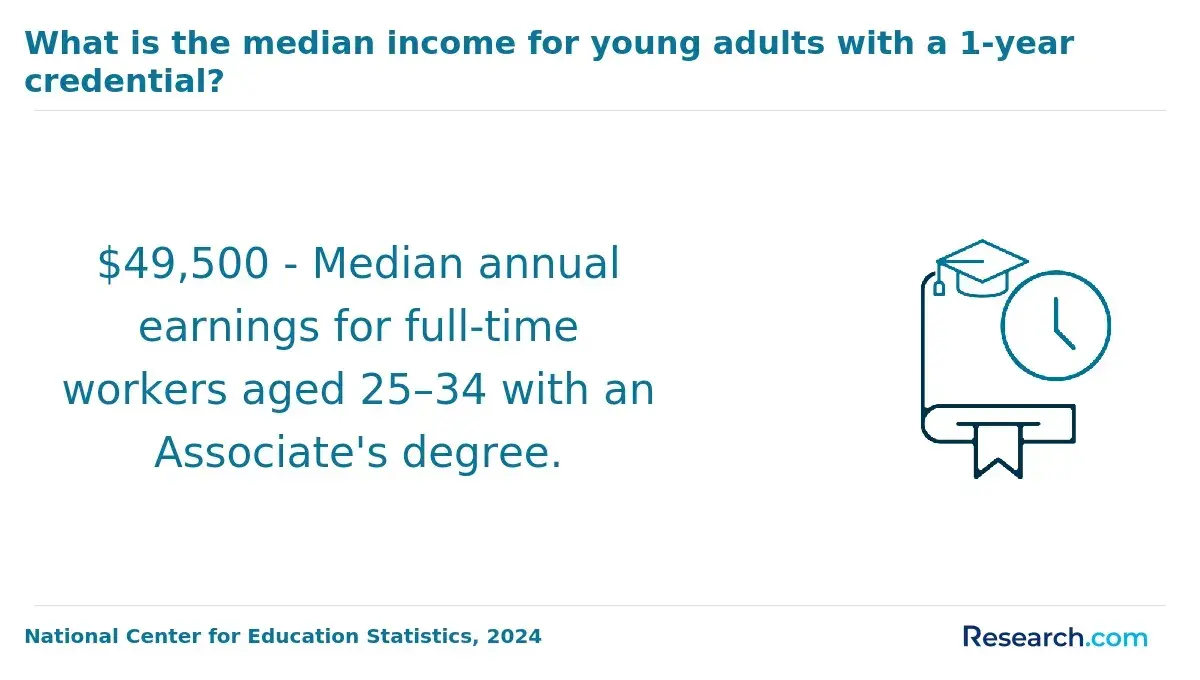
For ROI planning, compare the total amount you expect to borrow with the role you are realistically targeting first, not only the highest-paying role in the field. A low-cost bachelor's degree can make sense for entry into care coordination or program support, while a higher-cost graduate degree should be tied to a clear advancement plan, employer demand, or tuition assistance.
Earning growth usually comes from combining the degree with experience and a more specialized skill set. Examples include supervision, quality improvement, revenue cycle knowledge, grant management, data reporting, compliance, crisis services, or state-recognized addiction and peer support credentials.
How does the job outlook for behavioral health management and related roles shape long-term planning?
The long-term outlook for behavioral health management is shaped by workforce shortages, expanded telehealth use, payer scrutiny, demand for integrated care, and the need to measure outcomes. Managers who understand both people-centered care and operational systems are likely to remain important as organizations try to expand access while controlling costs.
The table below summarizes BLS 2024-2034 employment projections for related roles. Use these projections to understand broad labor market direction, not to predict a specific job offer in your city:
| Related occupation | Projected employment growth | Planning takeaway |
| Medical and health services managers | 23% | Strong demand supports management pathways, especially for students with operations and data skills |
| Substance abuse, behavioral disorder, and mental health counselors | 17% | Growth supports behavioral health service demand, but clinical roles may require separate licensure |
| Social and community service managers | 8% | Program leadership remains relevant, especially in nonprofit, government, and community service settings |
| Health education specialists and community health workers | 7% | Prevention, outreach, and navigation roles can complement behavioral health systems |
AI and automation are unlikely to replace the human judgment required in behavioral health coordination, supervision, and ethics-heavy decision-making. However, they are changing documentation, scheduling, triage support, quality reporting, and billing workflows. Students who learn data privacy, responsible technology use, and workflow improvement may have an advantage over candidates who only understand basic administration.
The best long-term plan is to choose a program that keeps debt manageable while building adaptable skills. Behavioral health organizations need people who can communicate with clinicians, support clients, manage staff, interpret data, handle compliance, and improve service delivery. A degree that develops those abilities can support multiple career moves even if your first job is not your final goal.
Other Things You Should Know About Behavioral Health Management
Yes, many 2027 online behavioral health management degree programs are designed to accommodate full-time workers. They offer flexible schedules and asynchronous learning options, allowing students to balance work and study effectively without accumulating excessive student debt.
A certificate may help current healthcare or social service workers add focused skills, but many coordinator and manager roles prefer or require a bachelor's degree. Senior roles often favor graduate education plus experience.
Usually not for bachelor's programs. For master's programs, prior experience in healthcare, behavioral health, social services, nonprofit work, military health, or administration can strengthen your application and make coursework more practical.
Ask about total cost to graduate, transfer credits, accreditation, online student support, fieldwork requirements, career outcomes, course availability, and whether the program is designed for management or clinical licensure preparation.
References
- Is an Online Bachelor’s Degree in Healthcare Management Right for You? | Miller-Motte College https://www.miller-motte.edu/blog/healthcare/is-an-online-bachelors-degree-in-healthcare-management-right-for-you/
- Behavioral Health Accreditation Promotes Accountability - NCQA https://www.ncqa.org/blog/behavioral-health-accreditation-promotes-accountability/
- Behavioral Health Workforce - Career Roadmap - Mayor's Office of Community Mental Health https://mentalhealth.cityofnewyork.us/workforce-career-roadmap
- 10 Fulfilling Mental Health Careers You Can Train for Now | Palo Alto University https://paloaltou.edu/resources/blog/mental-health-careers-you-can-start-now
- Best Online Master's In Mental Health Counseling 2025 https://www.psychology.org/rankings/best-mental-health-counseling-programs/
- Careers in Behavioral Health: Roles and Responsibilities https://sunriseservicesinc.com/careers-behavioral-health-roles-responsibilities/
- Online vs Hybrid vs Campus Learning in Healthcare: Which Is Right for You? https://www.edumed.org/articles/online-vs-hybrid-vs-campus/
- Online Health Management Degree | BSHM | University of Phoenix https://www.phoenix.edu/online-healthcare-degrees/health-management-bachelors-degree.html
- How long does it take to complete the DBH program? - Cummings Graduate Institute for Behavioral Health Studies https://cgi.edu/dbh-time/
- Online DBH Programs – Online Doctor of Behavioral Health https://www.onlineeducation.com/healthcare/doctor-of-behavioral-health-programs