2027 Online Behavioral Health Management Degrees That Help Build Compliance Skills

Co-Founder and Chief Data Scientist
Choosing a behavioral health management degree is increasingly a compliance decision, not just a leadership decision. Behavioral health providers face tighter privacy rules, payer audits, quality reporting, and workforce pressures, while the BLS projects medical and health services manager employment to grow 29% from 2023 to 2033.
This guide is for working adults, clinicians, case managers, and administrators comparing online programs. You will learn how these degrees build regulatory skills, what accreditation to verify, what they cost, and which career paths may justify the investment.
Key Things You Should Know
- Online behavioral health management degrees are most useful when they combine healthcare administration, behavioral health policy, HIPAA and 42 CFR Part 2 privacy training, quality improvement, ethics, and payer compliance.
- The BLS reported a May 2024 median annual wage of $117,960 for medical and health services managers, but behavioral health salaries vary by setting, state, credentials, and supervisory scope.
- Before enrolling, verify institutional accreditation, state authorization, fieldwork expectations, transfer-credit rules, and whether the curriculum supports your target role rather than assuming "online" means flexible or licensure-ready.
What is an online behavioral health management degree and how does it build compliance skills?
An online behavioral health management degree prepares students to lead programs that deliver mental health, substance use, crisis response, case management, community behavioral health, or integrated care services. Unlike a counseling or social work degree, it usually focuses less on direct therapy and more on operations, policy, finance, staffing, quality improvement, risk management, and compliance.
Compliance skills matter because behavioral health organizations operate under overlapping rules: patient privacy, informed consent, documentation standards, utilization review, fraud and abuse prevention, grant requirements, state licensing rules, and payer-specific billing policies. A strong program teaches students how to translate those rules into everyday systems, such as intake workflows, incident reporting, chart audits, staff training, and corrective action plans.
The table below shows how common degree levels differ. This helps readers decide whether they need a broad management credential, a graduate specialization, or a shorter add-on credential.
| Option | Best fit | Compliance value | Limitations |
| Bachelor's in behavioral health administration, healthcare administration, or human services management | Students moving into entry-level supervision, program coordination, or operations roles | Builds foundational knowledge in healthcare systems, ethics, documentation, budgeting, and service delivery | May not be enough for director-level roles in larger systems without experience or graduate study |
| Master's in behavioral health management, healthcare administration, public health, or human services leadership | Working professionals seeking program manager, compliance, quality, or executive-track roles | Develops advanced policy analysis, risk management, finance, leadership, and regulatory decision-making skills | May not qualify students for clinical licensure unless the program is specifically designed for that purpose |
| Graduate certificate in behavioral health administration or compliance | Clinicians, case managers, or administrators who already hold a degree | Targets specific gaps such as HIPAA, quality assurance, reimbursement, or organizational compliance | Usually narrower than a full degree and may have less career mobility on its own |
The most practical programs use case studies and applied projects. For example, a student might evaluate a mock privacy breach, design a compliance training plan, analyze a payer audit finding, or create a quality dashboard for a behavioral health clinic. These assignments build the same judgment employers need when regulations are ambiguous and operational pressures are high.
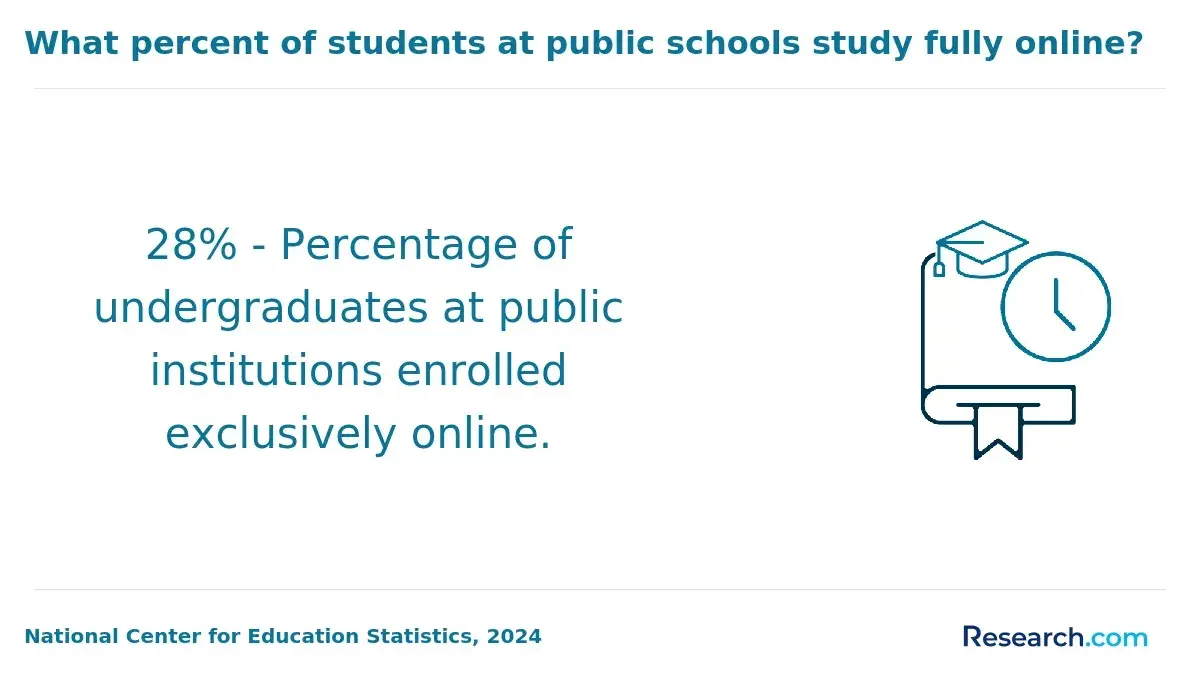
How do online behavioral health management programs compare with campus-based options for working adults?
Online behavioral health management programs can be a strong fit for working adults because many students already work in clinics, hospitals, nonprofit agencies, correctional health, social services, or managed care. The trade-off is that flexibility varies widely: some programs are fully asynchronous, while others require scheduled evening sessions, weekend intensives, supervised projects, or local fieldwork.
The comparison below summarizes the main differences that affect working students. Use it to decide whether convenience, networking, campus services, or hands-on structure matters most for your situation.
| Factor | Online program | Campus-based program | Decision point |
| Schedule | Often designed for part-time or asynchronous study | More likely to use fixed class times | Online is usually better if you work rotating shifts or manage family responsibilities |
| Applied learning | May use local projects, simulations, or employer-based assignments | May offer easier access to campus-affiliated clinics or local partnerships | Ask how the school supports students who need compliance-related practicum or capstone work |
| Networking | Can include virtual cohorts, discussion boards, and national classmates | May provide stronger regional employer connections | Choose based on where you plan to work after graduation |
| Cost structure | May reduce commuting and relocation costs | May include campus fees, transportation, and schedule-related opportunity costs | Compare total cost, not just tuition per credit |
| Learning style | Requires self-direction, writing discipline, and comfort with technology | Provides more face-to-face structure | Online can be difficult if you need frequent live support to stay on track |
Online study makes the most sense when you can connect coursework to your current job. For example, a residential program supervisor can use class projects to improve documentation review, while a care coordinator can study referral compliance or consent workflows. Students comparing broader healthcare leadership pathways may also want to review fastest online master's in healthcare management options if speed is a top priority.
Campus programs may be the better choice if you want in-person mentorship, local internship pipelines, or structured clinical-administrative exposure. This is especially true for students who are new to healthcare and need a stronger professional network before moving into management.
What accreditation should behavioral health management degrees have to support compliance-focused careers?
The first accreditation checkpoint is institutional accreditation from an agency recognized by the U.S. Department of Education or the Council for Higher Education Accreditation. This matters for federal financial aid, credit transfer, employer recognition, and graduate admissions. A compliance-focused student should not rely only on a school's marketing language; accreditation should be verified through official databases or the institution's accreditation page.
Programmatic accreditation is more complicated because behavioral health management degrees can sit in healthcare administration, public health, human services, psychology, business, or social work departments. The right benchmark depends on the credential and career goal.
| Accreditation or recognition area | Relevant to | Why it matters for compliance careers |
| Institutional accreditation | All degree seekers | Supports financial aid eligibility, credit transfer, and employer acceptance |
| Healthcare management accreditation or alignment | Healthcare administration and management programs | Signals that the curriculum covers leadership, finance, quality, policy, and healthcare systems |
| Public health accreditation or alignment | Programs housed in public health schools | Can strengthen population health, epidemiology, policy, and community behavioral health preparation |
| Social work accreditation | Students seeking social work licensure pathways | Important when the goal includes licensed clinical or macro social work practice |
| State authorization for online education | Online students studying across state lines | Confirms whether the school is authorized to enroll students in your state |
Students should be especially careful if they want a role that blends administration with clinical authority. A behavioral health management degree may help with supervision and compliance, but it usually does not replace a license-eligible counseling, psychology, nursing, or social work degree. If your target job requires licensure, confirm the requirements with your state board before applying.
Common red flags include vague claims such as "nationally recognized" without naming an accreditor, pressure to enroll before you can review curriculum details, unclear transfer policies, and programs that imply clinical licensure outcomes without stating state-specific limitations. In compliance careers, the habit of verifying credentials begins before you enroll.
What courses and training in these programs specifically strengthen regulatory and compliance competencies?
The best compliance-oriented behavioral health management programs do not treat regulation as a single ethics class. They spread compliance across documentation, billing, privacy, quality, leadership, data use, and organizational risk. This matters because real compliance failures often happen at the intersection of policy and daily operations.
Look for courses and applied assignments that help you practice the following competencies. These areas are especially relevant in behavioral health settings where privacy, substance use treatment rules, reimbursement, and patient safety concerns frequently overlap.
- Healthcare law and ethics: Covers consent, confidentiality, duty to warn, mandated reporting, patient rights, discrimination issues, and ethical leadership.
- HIPAA and behavioral health privacy: Trains students to understand protected health information, minimum necessary standards, breach response, and staff access controls.
- 42 CFR Part 2 and substance use treatment confidentiality: Helps students understand stricter privacy expectations for certain substance use disorder treatment records.
- Quality improvement and performance measurement: Builds skills in incident tracking, outcome measurement, root-cause analysis, corrective action, and continuous improvement.
- Billing, reimbursement, and payer compliance: Explains medical necessity, documentation support, utilization review, coding risk, and audit preparation.
- Behavioral health policy and financing: Connects federal and state policy to Medicaid, managed care, grants, parity requirements, and community-based service models.
- Data governance and health information systems: Covers electronic health records, role-based access, reporting dashboards, data quality, and cybersecurity awareness.
- Workforce supervision and training: Develops skills for onboarding, compliance education, performance documentation, and managing scope-of-practice boundaries.
Applied learning is the strongest signal that a program is serious about compliance. A capstone that asks students to build a mock compliance plan, audit documentation samples, or evaluate a privacy incident is more useful than a program that only requires discussion posts about regulation.
AI is also changing the skill set. Behavioral health organizations increasingly use analytics, documentation tools, scheduling automation, and risk stratification systems. Students should learn how to evaluate technology ethically, including bias risk, patient consent, privacy safeguards, and the limits of automated decision support.
What admission requirements and prior experience do online behavioral health management programs expect?
Admission requirements depend on degree level. Bachelor's programs may admit first-time college students or transfer students, while master's programs often expect a completed bachelor's degree and may prefer healthcare, behavioral health, social services, business, or public administration experience.
The list below outlines common application requirements. Reviewing these early helps you estimate timeline, transcript work, and whether you need prerequisite coursework before applying.
- Official transcripts: Schools use transcripts to verify prior credits, GPA, prerequisites, and degree completion for graduate applicants.
- Minimum GPA: Many programs set a minimum undergraduate GPA, though some offer conditional admission or consider professional experience.
- Resume or professional statement: Graduate programs often ask applicants to explain their experience, leadership goals, and interest in behavioral health systems.
- Letters of recommendation: These may come from supervisors, faculty members, or healthcare professionals who can speak to readiness for management study.
- Transfer-credit evaluation: Bachelor's completion programs may accept associate degrees, general education credits, military training, or prior healthcare coursework.
- Technology readiness: Online students need reliable internet access, comfort with learning platforms, and the discipline to meet weekly deadlines.
Prior clinical experience is helpful but not always required. A student with case management, billing, human services, peer support, health information, or nonprofit operations experience may be well positioned for a management track. However, students with no healthcare exposure should look for programs with strong advising, internships, or introductory healthcare systems courses.
One common mistake is choosing a master's program simply because it sounds advanced. If you lack a bachelor's degree or need foundational exposure to behavioral health systems, a bachelor's completion route may be more realistic. If you already supervise staff or manage programs, a graduate degree or certificate may provide a better return on time.
How long do online behavioral health management degrees take, and what do they typically cost?
Program length depends on degree level, transfer credits, enrollment pace, and whether the school uses traditional semesters or accelerated terms. A full bachelor's degree commonly takes about four years, but transfer students may finish faster. A master's degree often takes one to three years depending on full-time or part-time study. Certificates may take a few months to one year.
Costs vary by public or private status, residency rules, credit requirements, fees, and whether students can keep working while enrolled. NCES data released in 2024 shows that average graduate tuition and required fees remain substantially different by institution control, which means students should compare total program cost instead of assuming all online degrees are cheaper.
When comparing program costs, ask schools for a full written estimate. The most important cost categories usually include the following items.
- Tuition per credit and total credits required for graduation
- Online learning fees, technology fees, student service fees, and graduation fees
- Books, software, background checks, immunizations, or practicum-related expenses
- Travel costs for any required campus intensives or residencies
- Lost income if course schedules reduce work hours
- Financial aid availability, employer tuition assistance, scholarships, military benefits, or payment plans
Accelerated formats can reduce time out of the workforce, but they are not always easier. Short terms can compress reading, writing, group projects, and compliance case analyses into demanding weekly cycles. Students comparing speed-focused options in related fields can also look at accelerated healthcare programs to understand how faster formats are structured.
Use return on investment carefully. The degree may be worth it if it helps you qualify for supervisory, compliance, quality, or operations roles that require a bachelor's or master's degree. It may be a weaker investment if your target job requires a clinical license the program does not provide, or if the total debt would be difficult to repay based on local wages.
Which behavioral health management careers rely most on strong compliance skills and training?
Compliance skills are valuable across behavioral health, but they are especially important in roles that oversee documentation, privacy, billing, quality, audits, staff training, or regulated service delivery. These jobs often require judgment under pressure because leaders must protect patients, satisfy payers, support clinicians, and keep programs financially sustainable.
The table below connects common roles with the compliance responsibilities that usually matter most. Actual requirements vary by employer, state, funding source, and whether the role includes clinical supervision.
| Career path | Typical responsibilities | Compliance skills most used |
| Behavioral health program manager | Oversees service delivery, staffing, schedules, documentation, and performance goals | Chart review, incident reporting, staff training, policy implementation |
| Compliance coordinator or compliance manager | Monitors regulatory requirements, prepares audits, investigates concerns, and supports corrective action | Privacy, risk assessment, documentation standards, audit response |
| Quality improvement manager | Tracks outcomes, analyzes incidents, manages improvement projects, and reports performance metrics | Root-cause analysis, dashboard design, accreditation readiness, corrective action planning |
| Substance use program administrator | Manages programs serving patients with substance use disorders | 42 CFR Part 2, consent, confidentiality, payer rules, grant compliance |
| Clinical operations manager | Improves workflows across intake, scheduling, referrals, care coordination, and patient communication | Process mapping, access controls, utilization review, operational risk management |
| Managed care or payer liaison | Coordinates authorizations, network requirements, documentation requests, and contract expectations | Medical necessity, reimbursement policy, utilization review, audit documentation |
Some students also move into workforce compliance, training, or employee relations in healthcare organizations. If your interests lean toward staffing rules, employee investigations, onboarding, and organizational policy, an online masters degree in human resource management may be a useful comparison point alongside behavioral health management programs.
Students should avoid assuming that a management degree automatically authorizes clinical supervision. In many behavioral health settings, clinical supervision requires a specific professional license and years of post-licensure experience. Management authority and clinical authority are related, but they are not the same.
What salary ranges and advancement opportunities exist in behavioral health management and compliance roles?
Salary potential depends on title, education, license status, employer type, geography, budget authority, and whether the role is in a small nonprofit agency or a large health system. The BLS reported a May 2024 median annual wage of $117,960 for medical and health services managers, which provides a broad benchmark for healthcare leadership roles but does not isolate behavioral health management specifically.
For compliance-focused paths, BLS May 2024 wage data for compliance officers can serve as a second benchmark. This category includes many industries, so behavioral health employers may pay more or less depending on funding model, organization size, and risk level. Readers should treat national medians as reference points, then compare local job postings before estimating ROI.
Advancement usually follows one of several paths. Understanding these paths helps students choose electives, projects, and internships that match the roles they want later.
- Operations path: Move from coordinator or supervisor to program manager, director of behavioral health operations, or service line administrator.
- Compliance path: Move from documentation review or quality support into compliance analyst, compliance manager, privacy officer, or risk management leadership.
- Quality path: Move from data reporting or performance improvement into quality improvement manager, accreditation lead, or population health leadership.
- Executive path: Combine management experience, graduate education, budgeting skills, and regulatory expertise to pursue senior director or chief operating roles.
Certifications may strengthen advancement, but they should match the job. Examples include healthcare compliance, quality improvement, project management, privacy, or health information credentials. A degree builds the management foundation; targeted certification can signal specialized competence when employers want proof of applied regulatory knowledge.
How do behavioral health management degrees align with state and federal behavioral health regulations?
Behavioral health management programs align with regulation by teaching students how rules shape patient privacy, service access, documentation, staffing, reimbursement, and quality reporting. Federal rules create a baseline, while states and payers often add requirements. That is why compliance training must teach both legal literacy and operational problem-solving.
The 2024 final rule modifying 42 CFR Part 2 is a current example of why this field requires ongoing learning. The rule was designed to better align certain substance use disorder confidentiality requirements with HIPAA while preserving important patient protections. For students, the lesson is clear: privacy compliance is not static, and leaders must update policies, consent practices, and staff training as rules change.
The table below summarizes major regulatory areas that behavioral health managers often encounter. It is not a substitute for legal advice, but it can help students recognize which topics a strong curriculum should cover.
| Regulatory area | What it affects | Why managers need training |
| HIPAA privacy and security | Protected health information, electronic records, access controls, breach response | Managers often design workflows that determine who can access patient information and how staff communicate |
| 42 CFR Part 2 | Confidentiality of certain substance use disorder treatment records | Substance use programs need careful consent, disclosure, and training procedures |
| Medicaid and payer rules | Covered services, documentation, medical necessity, billing, utilization review | Incomplete documentation can create repayment risk and service disruptions |
| State licensing requirements | Facility standards, staffing, supervision, reporting, patient rights | Requirements vary by state and can affect program design and staffing models |
| Accreditation standards | Quality, safety, governance, performance improvement, record review | Many organizations use accreditation to demonstrate readiness and improve internal systems |
A practical program should teach students to ask three questions whenever a rule applies: What does the rule require, who is responsible for implementation, and how will the organization prove compliance during an audit or investigation? This mindset is more valuable than memorizing regulations that may change.
How can students evaluate and choose a reputable online behavioral health management program?
The best program is not always the fastest, cheapest, or highest ranked. It is the one that matches your target role, offers credible accreditation, fits your schedule, and provides enough applied compliance training to help you perform in real workplaces.
Use the following steps before applying. They are designed to help you avoid common mistakes and compare programs on evidence rather than advertising claims.
- Define your target role first: Decide whether you want program management, compliance, quality improvement, operations, policy, or executive leadership.
- Verify institutional accreditation: Confirm accreditation through official sources and check whether the school is authorized to enroll online students in your state.
- Read the curriculum course by course: Look for healthcare law, behavioral health policy, quality improvement, privacy, reimbursement, data governance, and applied capstone work.
- Ask about licensure boundaries: Confirm whether the degree supports management roles, clinical licensure, or both, and get state-specific answers in writing when licensure is involved.
- Compare total cost: Include tuition, fees, books, travel, technology, and the impact on work hours.
- Review student support: Ask about online advising, faculty access, writing support, career services, practicum coordination, and technical help.
- Check employer relevance: Search current job postings in your area and compare required degrees, preferred experience, certifications, and salary ranges.
- Ask for outcomes cautiously: Request graduation, retention, and career-support information, but remember that individual outcomes depend on experience, location, and employer needs.
Students with strong operations interests should also compare related degrees. For example, an accelerated online project management degree may fit someone focused on process improvement, implementation, and cross-functional projects rather than behavioral health-specific regulation.
Red flags include unclear accreditation, no named faculty, vague course descriptions, limited advising, unrealistic salary claims, and pressure to enroll immediately. A reputable program should welcome detailed questions because compliance-minded students need transparency before making a financial commitment.
Other Things You Should Know About Behavioral Health Management
Yes, many 2027 online behavioral health management programs are designed to accommodate working professionals. These programs often offer flexible schedules and asynchronous coursework, allowing students to balance their jobs with their studies effectively.
Look for institutional accreditation from a U.S. Department of Education–recognized accreditor, such as HLC, SACSCOC, MSCHE, NECHE, or WSCUC. For business-focused programs, AACSB accreditation is a strong sign of quality. Accredited status also helps with federal aid and transfer credit reviews.
Common backgrounds include case management, social services, nursing, counseling support, healthcare administration, billing, nonprofit operations, peer support, and quality improvement. Students without healthcare experience should prioritize programs with internships, applied projects, and strong career advising.
References
- Statutory, Legal and Compliance Requirements https://glomacs.sa/training-course/statutory-legal-and-compliance-requirements
- Maintain Compliance With Behavioral Health Training https://medtrainer.com/blog/maintain-compliance-with-behavioral-health-training/
- Online DBH Programs – Online Doctor of Behavioral Health https://www.onlineeducation.com/healthcare/doctor-of-behavioral-health-programs
- What Are Compliance Training Requirements? 2025 Guide - Peuneo https://peuneo.co.za/what-are-compliance-training-requirements-2025-guide/
- Behavioral Health Training: A Complete Guide for Workplaces https://www.thewmhi.com/mental-health/behavioral-health-training/
- CMS Behavioral Health Strategy https://www.cms.gov/about-cms/what-we-do/cms-behavioral-health-strategy
- A Complete Guide to Careers in Behavioral Health Fields https://behavioralhealth.careers/blog/careers-in-behavioral-health-guide/
- Behavioral Health Compliance: Best Practices to Implement and Ensure Regulatory Readiness - Verisys https://verisys.com/blog/behavioral-health-compliance/
- Health and Human Services: Campus & Online Degrees and Careers https://www.publichealthonline.org/human-services/online-degree-programs/
- Regulatory compliance training content: What it is and why it’s vital | Absorb LMS https://www.absorblms.com/resources/articles/regulatory-compliance-training-content