2027 What Can You Do With a Behavioral Health Management Degree

Co-Founder and Chief Data Scientist
A behavioral health management degree can lead to careers that connect mental health services, healthcare operations, community programs, and administration. The need is timely: SAMHSA's 2024 National Survey on Drug Use and Health reported that more than one in five U.S. adults had a mental illness in 2023, increasing demand for well-run behavioral health systems.
This guide is for students, career changers, and healthcare workers comparing degree options. You will learn what the degree covers, which jobs it can support, what salaries and costs look like, and how to choose a program wisely.
Key Things You Should Know
- A behavioral health management degree is usually best for people who want to coordinate programs, supervise services, manage care teams, analyze operations, or move into healthcare administration rather than provide independent psychotherapy.
- U.S. labor data supports strong demand in related roles: the BLS projects medical and health services managers to grow 29% from 2023 to 2033, while substance abuse, behavioral disorder, and mental health counselors are projected to grow 19%.
- Costs vary widely by institution and format; College Board's 2024 pricing data lists average published tuition and fees at $11,610 for in-state public four-year colleges and $43,350 for private nonprofit four-year colleges, before aid.
What is a behavioral health management degree and how is it different from psychology programs?
A behavioral health management degree prepares students to support, coordinate, and improve services for people receiving mental health, substance use, developmental disability, crisis intervention, or community-based care. The degree usually blends behavioral health concepts with management, ethics, healthcare systems, data, compliance, budgeting, and service delivery.
The biggest distinction is the career target. Psychology programs often focus on human behavior, research methods, assessment, and preparation for graduate-level clinical training. Behavioral health management programs are more applied and operations-focused. They are designed for students who want to manage programs, support care coordination, lead teams, work in behavioral health agencies, or move into health and human services administration.
Students comparing options should also know that behavioral health management overlaps with human services, healthcare administration, public health, social work, and counseling, but it does not replace every one of those fields. For example, a bachelor in human services may be a better fit if your main goal is direct community support, case assistance, or social service coordination across many populations.
The table below compares behavioral health management with closely related academic paths. Use it to clarify whether you want a management-focused route, a clinical counseling route, or a broader human services foundation.
| Program type | Main focus | Common career direction | Best fit for |
| Behavioral health management | Program operations, care systems, behavioral health services, compliance, leadership | Program coordinator, behavioral health supervisor, care manager, operations manager | Students who want to improve or manage behavioral health services |
| Psychology | Human behavior, cognition, development, research, assessment foundations | Research assistant, behavioral technician, graduate clinical training pathway | Students interested in psychological science or future clinical study |
| Human services | Community support, social service systems, client advocacy, case assistance | Case manager, family support worker, community outreach specialist | Students who want broad, people-facing service roles |
| Healthcare administration | Healthcare finance, policy, operations, quality improvement, organizational leadership | Clinic administrator, department manager, health services manager | Students who want broader healthcare leadership beyond behavioral health |
| Counseling or social work | Therapeutic practice, assessment, ethics, supervised clinical training | Licensed counselor, clinical social worker, therapist | Students seeking licensure for direct clinical care |
A behavioral health management degree can be worth considering if you enjoy solving service-delivery problems, coordinating teams, improving access to care, and working with vulnerable populations. It may not be the right degree if your primary goal is to become a licensed therapist, psychologist, or clinical social worker unless the program is explicitly designed to meet those licensure requirements.
What jobs can you get with a behavioral health management degree?
Behavioral health management graduates can pursue roles in behavioral health clinics, hospitals, community mental health centers, addiction treatment programs, residential facilities, nonprofit agencies, managed care organizations, government programs, and integrated primary care settings. The exact role depends on degree level, experience, state rules, employer requirements, and whether the job includes clinical duties.
The table below summarizes common career paths. It separates management, coordination, and direct-service roles because the same degree can lead to different responsibilities depending on the employer.
| Job title | Typical responsibilities | Common minimum education | Clinical license usually required? |
| Behavioral health program coordinator | Schedules services, tracks program outcomes, supports staff workflows, coordinates referrals | Bachelor's degree | No, unless clinical duties are included |
| Case manager or care coordinator | Connects clients to services, monitors care plans, documents needs, communicates with providers | Bachelor's degree; some roles accept associate-level experience | Usually no, but requirements vary |
| Community outreach or prevention specialist | Runs education programs, supports prevention campaigns, builds referral partnerships | Bachelor's degree | Usually no |
| Substance use program manager | Oversees program operations, compliance, staffing, reporting, and service quality | Bachelor's or master's degree plus experience | Sometimes, especially in treatment settings |
| Residential services manager | Supervises staff, manages schedules, supports safety procedures, monitors client services | Bachelor's degree plus supervisory experience | Varies by state and population served |
| Behavioral health operations manager | Improves workflows, manages budgets, tracks performance metrics, supports regulatory readiness | Bachelor's or master's degree | Usually no, unless also supervising clinical practice |
| Medical and health services manager | Leads departments, manages budgets, handles compliance, improves service delivery | Bachelor's degree; master's often preferred | Not typically, but role-specific requirements apply |
Day-to-day work is often a mix of people management, documentation, compliance, problem-solving, and coordination. In a clinic, you might track referral wait times, improve intake workflows, help staff use electronic health records, and prepare reports for leadership. In a nonprofit agency, you might coordinate grant-funded services, monitor outcomes, and build partnerships with schools, courts, hospitals, or housing organizations.
This degree can also support entry-level jobs that build experience before leadership roles. Those positions may not have "manager" in the title, but they can help you learn how behavioral health systems operate.
- Behavioral health technician or mental health technician roles can build frontline experience, especially in residential, crisis, or inpatient settings.
- Intake specialist roles help students understand eligibility, referrals, documentation, and access barriers.
- Quality improvement assistant roles can build skills in audits, reporting, compliance, and process improvement.
- Peer support and recovery support roles may require lived experience and separate state-recognized training or certification.
A common mistake is assuming that a management degree automatically qualifies you for any behavioral health job. Many direct-care and supervisory roles have separate requirements tied to licensure, certification, supervised experience, or state regulations. Always read job descriptions carefully and compare them with your program's curriculum before enrolling.
How much can you earn with a behavioral health management degree and what is the job outlook?
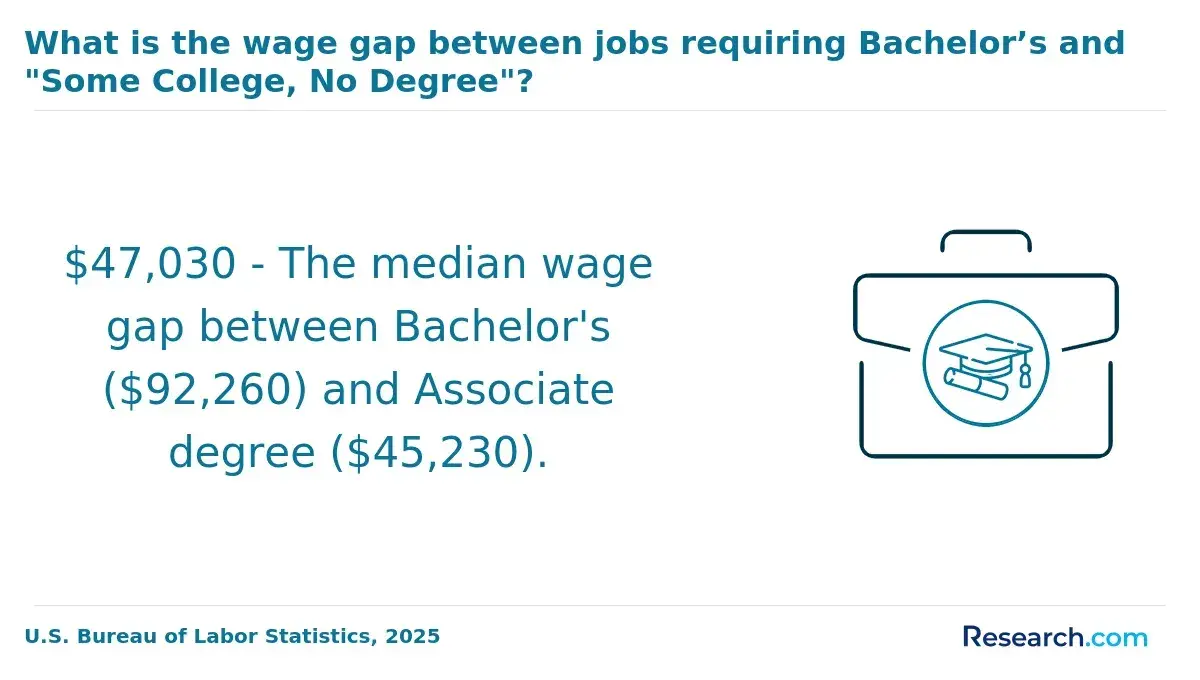
Earnings vary because behavioral health management sits between healthcare administration, social services, counseling support, and nonprofit program leadership. Your salary can depend on degree level, location, employer type, years of experience, supervisory scope, and whether the role is administrative or clinical.
Recent BLS wage and outlook data offers a practical salary frame for related occupations. These are not guaranteed outcomes for degree holders, but they help show where behavioral health management skills may fit in the U.S. labor market.
| Related occupation | Median annual wage | Projected growth | How to interpret it |
| Medical and health services managers | $117,960, May 2024 | 29% from 2023 to 2033 | Most relevant for graduates moving into clinic, department, or health system management |
| Social and community service managers | $78,240, May 2024 | 8% from 2023 to 2033 | Relevant for nonprofit, public agency, and community behavioral health program leadership |
| Substance abuse, behavioral disorder, and mental health counselors | $59,190, May 2024 | 19% from 2023 to 2033 | Relevant only when the role and credential path include counseling or treatment duties |
The strongest salary potential is usually in roles with budget authority, staff supervision, regulatory accountability, and operational responsibility. Entry-level coordination roles often pay less than management roles, but they can be useful stepping stones if you lack healthcare or social service experience.
The job outlook is favorable partly because behavioral health organizations are expanding access through integrated care, telehealth, crisis response programs, school-based services, and substance use treatment. Employers also need managers who can handle data reporting, payer requirements, compliance documentation, and workforce shortages. That makes practical experience with operations and technology increasingly valuable.
Use salary data carefully. A rural nonprofit case management role and a behavioral health operations manager role in a large health system may have very different compensation even if both value the same degree. Before choosing a program, check local job postings for the exact titles you want and note the education, license, and experience requirements employers repeat most often.
What courses and skills are typically taught in behavioral health management programs?
Behavioral health management programs usually combine behavioral science with healthcare operations. The goal is to help students understand client needs while also learning how agencies, clinics, and treatment programs are planned, funded, staffed, measured, and regulated.
The table below shows common course areas and the workplace skills they are meant to develop. This is especially useful when comparing programs because degree names can vary widely from one school to another.
| Course area | What students usually learn | Career value |
| Behavioral health systems | Mental health services, substance use treatment, crisis care, community-based care models | Helps graduates understand how services connect across providers and agencies |
| Healthcare management | Organizational leadership, staffing, budgeting, strategic planning, operations | Supports supervisory and administrative roles |
| Case management and care coordination | Referrals, care plans, client advocacy, documentation, interprofessional communication | Supports coordinator, intake, and case management roles |
| Ethics and law | Confidentiality, consent, mandated reporting, privacy, professional boundaries | Reduces risk in sensitive service environments |
| Quality improvement and data | Program evaluation, outcomes tracking, dashboards, audits, performance metrics | Helps graduates improve programs and report results |
| Diversity and trauma-informed care | Cultural responsiveness, social determinants of health, trauma-aware service delivery | Improves service quality for varied populations |
| Health information systems | Electronic records, documentation standards, data privacy, telehealth workflows | Supports modern clinic and agency operations |
Students should look for programs that teach both "people skills" and "systems skills." Behavioral health employers often need professionals who can communicate compassionately, solve operational problems, and use data without losing sight of client experience.
- Communication: writing clear notes, explaining services, resolving conflicts, and coordinating across clinical and nonclinical teams.
- Leadership: supervising staff, supporting morale, managing schedules, and handling difficult workplace situations.
- Compliance awareness: understanding privacy, documentation, safety, reporting, and ethical obligations.
- Data literacy: reading dashboards, tracking outcomes, identifying bottlenecks, and communicating trends to decision-makers.
- Technology use: working with electronic health records, telehealth platforms, referral systems, and AI-assisted administrative tools where permitted by employer policy.
Project coordination is becoming more important as behavioral health organizations implement new programs, technology systems, and grant-funded initiatives. Students who want a broader operations path may also compare healthcare-focused study with the best accelerated project management degree programs online, especially if they are interested in implementation, workflow redesign, or cross-functional leadership.
A red flag is a program that focuses only on general psychology courses but advertises management outcomes without meaningful coursework in healthcare administration, ethics, compliance, finance, data, or supervised field experience. For management careers, the operational side of the curriculum matters.
What education level do you need for behavioral health management careers: bachelor's, master's, or higher?
The right education level depends on whether you want entry-level service coordination, mid-level program management, senior healthcare leadership, or licensed clinical practice. A bachelor's degree can open many support and coordination roles, but a master's degree is often preferred for higher-level administration and required for many licensed counseling or clinical social work paths.
The table below explains how degree levels typically map to career options. Requirements vary by employer and state, so use this as a planning guide rather than a universal rule.
| Education level | Typical roles it may support | When it makes sense | Limitations to check |
| Certificate or associate degree | Behavioral health technician, peer support worker, intake assistant, support staff | You want a faster, lower-cost entry point or need experience before a bachelor's degree | Management advancement may be limited without further education |
| Bachelor's degree | Case manager, care coordinator, program coordinator, outreach specialist, assistant manager | You want a broad foundation and access to many non-licensed roles | Independent clinical practice is usually not available with only a bachelor's degree |
| Master's degree | Program manager, clinical program administrator, health services manager, licensed counselor pathway | You want advancement, specialized leadership, or a licensure-eligible clinical route | Licensure tracks must meet specific accreditation, practicum, and supervision rules |
| Doctorate | Executive leadership, research, teaching, psychology licensure pathway, advanced policy roles | You want top-level leadership, academic work, or psychologist-level clinical practice | Time and cost are substantial, and many management jobs do not require a doctorate |
If your goal is counseling, verify whether the program is actually a counseling degree rather than a management degree. Students aiming for therapist licensure often need a licensure-aligned graduate program, supervised clinical hours, and state board approval. A mental health counseling online masters may be more appropriate than a behavioral health management program if independent counseling practice is the main goal.
A practical path is to start with a bachelor's degree, work in a coordination or support role, and then decide whether to pursue a master's in healthcare administration, public health, social work, counseling, or organizational leadership. This can reduce the risk of paying for a graduate degree before you know which career track fits.
Choose a higher degree when the roles you want consistently list it as required or preferred. Consider a shorter credential or bachelor's-level path first when you are still testing the field, changing careers, or trying to avoid unnecessary debt.
How do online behavioral health management programs compare to campus-based options?
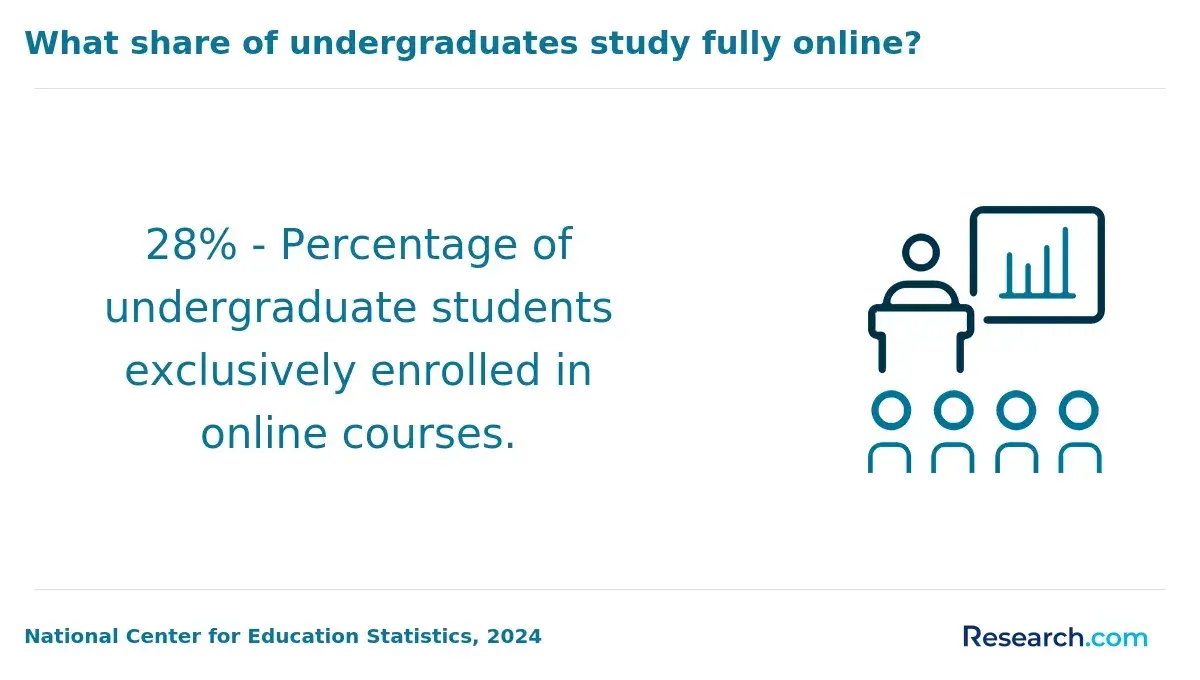
Online and campus-based programs can both be credible if they are properly accredited and aligned with your career goals. The best format depends on your schedule, learning style, need for field placement support, and access to local behavioral health employers.
The table below compares the main trade-offs. The goal is not to declare one format better, but to help you choose the option that fits your life and career stage.
| Factor | Online program | Campus-based program | Best choice when |
| Schedule flexibility | Often better for working adults and caregivers | More fixed class times and commuting demands | Choose online if you need to study around work shifts |
| Networking | Can be strong if the program offers live sessions, cohorts, and local partnerships | Often easier for in-person faculty and peer connections | Choose campus if local networking is a top priority |
| Field experience | May require you to find or complete placements locally | May have established local agency relationships | Choose the program with stronger placement support in your region |
| Learning format | Requires self-direction, time management, and comfort with digital platforms | Provides more face-to-face structure | Choose based on how you learn best |
| Career services | Quality varies widely; some online programs have strong virtual support | May offer local recruiting and employer events | Choose the school with relevant behavioral health employer connections |
Online education can be especially useful for behavioral health workers who already have experience but need a degree to move into supervision or administration. However, an online format is not automatically easier. It may require more discipline because documentation-heavy, ethics-focused, and management courses can involve extensive reading, writing, group projects, and applied assignments.
Before enrolling online, ask direct questions about practical support. These questions can prevent surprises later.
- Does the program require an internship, practicum, or capstone with a behavioral health organization?
- If field experience is required, does the school help locate sites in your state or region?
- Are live class meetings required, or is the coursework fully asynchronous?
- Can online students access the same career services, library resources, tutoring, and faculty advising as campus students?
- Does the program meet requirements for any credential you plan to pursue in your state?
A common mistake is choosing an online program only because it is fast. Accelerated pacing can be helpful, but it can also be difficult if you work full time or have family responsibilities. The better question is whether the format helps you finish successfully while gaining skills employers actually recognize.
What are the admission requirements for behavioral health management degree programs?
Admission requirements depend on the degree level and institution. Bachelor's programs usually focus on prior academic preparation, while master's programs may evaluate work experience, professional goals, references, and readiness for graduate-level writing and research.
The table below summarizes common requirements by program level. Schools may add interviews, background checks, health clearances, or placement requirements when students work with clients or agencies.
| Program level | Common admission requirements | What applicants should prepare |
| Associate degree or certificate | High school diploma or GED, application form, placement testing in some cases | Transcripts, basic math and writing readiness, career goals |
| Bachelor's degree | High school diploma or transfer credits, transcripts, minimum GPA, application essay in some cases | Prior college records, transfer credit review, personal statement if required |
| Master's degree | Accredited bachelor's degree, minimum GPA, resume, statement of purpose, references | Relevant work or volunteer experience, clear career goals, writing sample if requested |
| Licensure-oriented graduate program | Graduate admission requirements plus prerequisite courses, interview, background check, practicum eligibility | State licensure research, supervised fieldwork planning, board-approved curriculum verification |
Applicants can improve their readiness by showing that they understand behavioral health work. Admissions committees may value experience in healthcare, social services, peer support, crisis services, residential care, community outreach, or nonprofit work, even if the experience was not in a management role.
Before applying, take a few practical steps to avoid wasting application fees or choosing a program that does not match your goals.
- Compare the curriculum with job postings for the roles you want.
- Ask how many credits can transfer and whether transferred credits apply to major requirements or only electives.
- Confirm whether an internship, practicum, or field placement is required.
- Check whether background checks or immunization records are needed for fieldwork.
- Ask whether the program is designed for licensure, nonclinical management, or both.
One red flag is vague admissions messaging that promises broad behavioral health careers without explaining the difference between administrative, support, and licensed clinical roles. A reputable program should be clear about what its curriculum can and cannot qualify you to do.
How long does it take to complete a behavioral health management degree and what does it cost?
Program length depends on degree level, transfer credits, enrollment status, and whether the program is accelerated. A bachelor's degree typically takes about four years for first-time full-time students, while transfer students may finish faster. Master's programs often take one to three years depending on credit load and fieldwork requirements.
Cost is one of the most important decisions because behavioral health salaries vary by role. College Board's 2024 pricing data lists average published tuition and fees for full-time undergraduates at $11,610 for in-state public four-year colleges and $43,350 for private nonprofit four-year colleges. That gap shows why comparing total program cost, not just school reputation, matters.
The table below outlines common time and cost factors. It does not replace a school's official cost of attendance, but it helps you identify what to compare before enrolling.
| Factor | How it affects time or cost | What to check |
| Transfer credits | Can shorten time to graduation and reduce tuition | Whether credits apply to major requirements |
| Enrollment pace | Full-time study may finish faster; part-time study may fit work schedules | Course rotation and maximum time allowed to complete |
| Public vs. private tuition | Published tuition can differ substantially | Net price after grants, scholarships, and employer aid |
| Online fees | Some online programs charge technology or distance-learning fees | Total per-credit cost, not only tuition |
| Field placement | May add travel, background check, or unpaid time costs | Placement requirements and local availability |
| Books and materials | Can add recurring expenses each term | Required software, textbooks, and assessment platforms |
Students comparing management-oriented healthcare pathways may also review an affordable healthcare administration degree online, especially if they want broader health services management roles rather than a behavioral-health-specific curriculum.
To evaluate affordability, estimate the full cost and compare it with realistic job targets in your region. Do not assume a higher tuition program produces a higher salary. ROI depends on completion, debt, employer demand, transfer credits, experience, and whether the degree aligns with the roles you actually want.
- Request the full cost of attendance, including tuition, fees, books, technology charges, and estimated living expenses.
- Ask for a degree plan showing exactly how many credits you need after transfer evaluation.
- Compare net price after grants and scholarships, not only published tuition.
- Check whether your employer offers tuition assistance or paid practicum flexibility.
- Avoid borrowing based on the highest salary you see online; use entry-level and mid-level local job postings as a more realistic benchmark.
How do accreditation and licensing affect behavioral health management careers?
Accreditation and licensing can significantly affect your career options. Accreditation relates to the school or program's educational quality and recognition. Licensing relates to legal permission to practice in regulated professions, such as counseling, social work, psychology, nursing, or certain substance use treatment roles.
For most nonclinical behavioral health management jobs, regional or institutional accreditation is the baseline requirement because employers and graduate schools often expect degrees from accredited institutions. For clinical careers, programmatic accreditation and state board approval may be essential. For example, a management degree alone usually does not qualify someone to become a licensed professional counselor or clinical social worker.
The table below separates the most common credential issues so you can avoid confusing general degree recognition with professional practice authority.
| Credential issue | Why it matters | What to verify |
| Institutional accreditation | Affects transfer credits, financial aid eligibility, employer recognition, and graduate admission | Whether the school is accredited by an agency recognized by the U.S. Department of Education |
| Programmatic accreditation | May matter for counseling, social work, public health, healthcare management, or related fields | Whether the specific program has accreditation relevant to your target career |
| State licensure | Determines whether you can legally provide certain clinical services | Education, supervised hours, exams, background checks, and state board rules |
| Employer-required certification | May be required for substance use, peer support, case management, or crisis roles | State-approved training, exams, renewal rules, and continuing education |
Licensing rules vary by state and can change. If you plan to move, study online from another state, or pursue a clinical credential, check requirements in the state where you intend to work. Do this before enrolling, not after graduation.
Common red flags include schools that imply licensure without naming the state board, programs that do not disclose practicum requirements, and advisors who cannot explain whether the degree is administrative or clinical. A reputable program should encourage you to verify licensing with the appropriate state authority.
How can you choose a reputable behavioral health management program that fits your goals?
Choosing a behavioral health management program should start with your target role, not the school's marketing language. The same degree title can mean different things at different institutions, so the smartest approach is to compare curriculum, accreditation, cost, field experience, and career outcomes side by side.
Use the table below to identify fit before you apply. It highlights the differences between programs that are likely to support your goals and programs that may create avoidable risk.
| What to evaluate | Strong sign | Red flag |
| Career alignment | Curriculum clearly connects to behavioral health operations, care coordination, leadership, or administration | Career claims are broad but courses do not match job requirements |
| Accreditation | School accreditation is easy to verify and programmatic accreditation is disclosed when relevant | Accreditation language is vague or hard to confirm |
| Field experience | Internships, practicums, capstones, or applied projects are available and relevant | No applied learning despite claims of career preparation |
| Faculty background | Faculty include behavioral health, healthcare administration, public health, social service, or clinical systems experience | Faculty expertise is not disclosed |
| Cost transparency | Total tuition, fees, transfer policies, and financial aid options are clearly explained | Only monthly payment amounts are emphasized |
| Student support | Advising, writing help, career services, and placement support are available to online and campus students | Support services are unclear or limited after enrollment |
After narrowing your list, use a simple decision process. This helps you avoid choosing based only on speed, price, or a familiar school name.
- Pick three target job titles and collect at least 10 local job postings for each.
- List the education, experience, license, and skills that appear most often.
- Compare those requirements with each program's required courses, electives, and fieldwork.
- Calculate total net cost after transfer credits and aid.
- Ask the admissions office how graduates are prepared for specific roles, not just general career categories.
- Speak with current students, alumni, or local employers when possible.
- Choose the program that best balances cost, credibility, flexibility, and career alignment.
This degree is most likely to be a good investment if it helps you reach a specific role you can verify in the labor market. It may be less useful if you are unsure whether you want clinical practice, healthcare administration, nonprofit management, or direct community service. In that case, a lower-cost certificate, transfer-friendly bachelor's program, or entry-level job can help you test the field before committing to a more expensive degree.
Other Things You Should Know About Behavioral Health Management
In 2027, you can work in behavioral health management without a clinical background. Many roles focus on administration, coordination, and policy-making, which do not require clinical training. However, understanding clinical environments might enhance job performance and offer more flexibility in role selection.
It can be. Even nonclinical managers work around sensitive issues such as suicide risk, substance use, family crisis, trauma, homelessness, and access to care. Good programs and employers emphasize ethics, boundaries, supervision, documentation, and staff support.
Some roles can be partly remote, especially jobs involving utilization review, care coordination, data reporting, quality improvement, scheduling, or telehealth operations. Fully remote options depend on the employer, state rules, privacy requirements, and whether the role involves direct client contact.
Helpful qualities include emotional maturity, organization, cultural humility, clear communication, ethical judgment, patience, and comfort with documentation. Strong candidates can balance compassion for clients with practical attention to budgets, staffing, compliance, and service outcomes.
References
- How to Choose a Residential Treatment Program for You https://greaterbostonbehavioralhealth.com/rehab-blog/how-to-choose-residential-treatment-program/
- The Role of Behavioral Health in Managing Mental Health Conditions - Suffolk https://suffolkhealth.com/the-role-of-behavioral-health-in-managing-mental-health-conditions/
- Choosing a mental health provider: A step-by-step guide | Mental Health America https://mhanational.org/resources/choosing-a-provider/
- Online DBH Programs – Online Doctor of Behavioral Health https://www.onlineeducation.com/healthcare/doctor-of-behavioral-health-programs
- Can I Work in the Mental Healthcare Field with a Healthcare Management Degree? - Healthcare Management Degree Guide https://www.healthcare-management-degree.net/faq/can-i-work-in-the-mental-healthcare-field-with-a-healthcare-management-degree/
- DBH Admissions - Cummings Graduate Institute for Behavioral Health Studies https://cgi.edu/admissions/dbh/
- Online vs Hybrid vs Campus Learning in Healthcare: Which Is Right for You? https://www.edumed.org/articles/online-vs-hybrid-vs-campus/
- 10 Best Features of Successful Behavioral Healthcare Program https://azaleahealth.com/blog/best-behavioral-healthcare-program/
- What Can You Do with a Healthcare Management Degree? - MSU Denver https://www.msudenver.edu/what-can-you-do-with-a-healthcare-management-degree/
- 7 Criteria to Help You Choose the Best Care Management Software https://www.thoroughcare.net/blog/choosing-care-management-software