2027 Best Online Master's in Behavioral Health Management for Career Changers

Co-Founder and Chief Data Scientist
Changing into behavioral health management can be appealing if you want mission-driven work without becoming a therapist. Demand is strong: the U.S. Bureau of Labor Statistics projects medical and health services manager employment to grow 23% from 2024 to 2034, much faster than average.
This guide is for professionals moving from business, social services, healthcare, education, public safety, or operations into behavioral health leadership. You will learn what these online master's programs cover, how to compare them, what they cost, and which career paths may justify the investment.
Key Things You Should Know
- An online master's in behavioral health management is usually best for career changers who want to manage mental health, substance use, integrated care, or community health programs rather than provide direct clinical therapy.
- The strongest programs combine healthcare administration, behavioral health policy, finance, quality improvement, ethics, data analytics, and organizational leadership; licensure preparation varies and should never be assumed.
- BLS data shows strong demand for related leadership roles, with medical and health services managers earning a May 2024 median salary of $117,960, though pay depends heavily on role, employer, region, and prior experience.
What is an online master's in behavioral health management and who is it best for?
An online master's in behavioral health management is a graduate program focused on leading services for mental health, substance use treatment, crisis response, community behavioral health, integrated primary care, and related human services systems. Unlike counseling or social work degrees, the management version usually emphasizes administration, program design, compliance, budgeting, workforce supervision, population health, and service quality.
The degree is a strong fit for career changers who want to move into behavioral health from adjacent fields. For example, a teacher may want to manage youth mental health programs, a case manager may want to supervise teams, a business analyst may want to work in healthcare operations, or a military veteran may want to lead veteran-focused behavioral health services.
The table below shows common program formats and when each one makes the most sense. Use it to decide whether a behavioral health management master's, a broader healthcare administration degree, or a clinical pathway better matches your target role.
| Program type | Best for | What to check before enrolling |
| Master's in behavioral health management | Career changers seeking leadership roles in mental health, substance use, crisis, or community programs | Whether the curriculum includes healthcare finance, compliance, data, and field-based projects |
| Master of Health Administration with behavioral health electives | Students who want broader healthcare leadership options beyond behavioral health | Whether electives, projects, or internships can focus on behavioral health settings |
| Master's in counseling, social work, or psychology | Students who want clinical licensure and direct client care | Whether the program meets state licensure requirements for the intended profession |
| Graduate certificate in behavioral health leadership | Professionals who already have a graduate degree or need a shorter credential | Whether credits can transfer into a master's later |
A behavioral health management degree may not be the best choice if your main goal is to become a licensed therapist, psychologist, or clinical social worker. In that case, a licensure-aligned counseling, marriage and family therapy, psychology, or social work program is usually more appropriate.
How can career changers transition into behavioral health management with an online master's?
Career changers should treat the degree as one part of a transition plan, not as a stand-alone credential. Employers in behavioral health often value transferable experience in supervision, case coordination, budgeting, compliance, operations, customer service, data reporting, grant management, and community partnerships.
A practical transition path usually includes both academic preparation and targeted experience. The steps below can help you build credibility while you are still enrolled.
- Define your target setting first, such as community mental health, substance use treatment, crisis services, hospital behavioral health, corrections, school-linked programs, managed care, or nonprofit administration.
- Translate your current experience into behavioral health language, emphasizing team leadership, risk management, client services, quality improvement, documentation, and cross-functional coordination.
- Choose course projects that let you analyze real behavioral health problems, such as appointment no-shows, staff turnover, discharge planning, patient engagement, or funding gaps.
- Seek part-time, volunteer, internship, board, or practicum experiences with behavioral health organizations if you do not already work in the field.
- Build basic fluency in Medicaid, HIPAA, trauma-informed care, social determinants of health, parity rules, crisis systems, and value-based care.
If you are mainly interested in operations leadership but not specifically healthcare or behavioral health, compare this pathway with the quickest online project management degree options. Project management can lead to broader roles across industries, while behavioral health management is more specialized and mission-focused.
A common mistake is assuming that "helping people" is enough to enter management. Behavioral health organizations need leaders who understand funding, staffing, compliance, outcomes measurement, and ethical service delivery. The best online programs help career changers connect compassion with operational competence.
What admission requirements do online behavioral health management master's programs typically have?
Admissions requirements vary by school, but most online behavioral health management master's programs are designed for working adults and do not require an undergraduate degree in psychology or healthcare. However, programs may expect applicants to show academic readiness and a clear reason for entering the field.
The table below summarizes common requirements and how career changers can prepare. Requirements are school-specific, so verify each item directly with admissions before applying.
| Requirement | What schools commonly ask for | Career changer strategy |
| Bachelor's degree | Regionally accredited bachelor's degree in any field | Highlight relevant coursework or professional experience if your major was unrelated |
| GPA | Often a minimum undergraduate GPA, with conditional admission possible at some schools | Use recent graduate certificates or prerequisite courses to demonstrate readiness if your GPA is weak |
| Resume | Professional experience, leadership, service, or healthcare exposure | Reframe non-healthcare experience around supervision, compliance, budgeting, data, or client services |
| Statement of purpose | Career goals and fit with the program | Name the behavioral health population or setting you want to serve |
| Recommendations | Academic or professional references | Choose recommenders who can speak to judgment, ethics, leadership, and communication |
| Test scores | Many online professional master's programs are test-optional or do not require the GRE | Confirm the current policy instead of assuming tests are waived |
Before applying, ask whether the program accepts transfer credits, prior graduate coursework, military training, employer-sponsored learning, or certificate-to-master's pathways. These policies can affect both your timeline and total cost.
Red flags include vague admissions promises, unclear accreditation status, pressure to enroll immediately, and an advisor who cannot explain whether the degree supports your intended career path. A reputable program should be able to tell you who the program is designed for, what graduates typically pursue, and what the degree does not prepare you to do.
How do online behavioral health management programs compare to campus-based options?
Online and campus-based behavioral health management programs can lead to similar academic credentials, but the student experience is different. The best choice depends on your schedule, location, need for networking, learning style, and whether you can access behavioral health experience locally.
The comparison below can help you decide which format fits your life and career goals. Pay close attention to field experiences, live class expectations, and access to faculty because "online" does not always mean fully asynchronous.
| Factor | Online program | Campus-based program |
| Schedule | Often better for working adults, caregivers, and students outside major metro areas | Better for students who prefer fixed class times and in-person structure |
| Networking | Can be strong if the program has live sessions, group projects, alumni events, and employer partnerships | Often easier for spontaneous networking with faculty, peers, and local employers |
| Field experience | Usually completed near the student's location if required | Often tied to local agencies near campus |
| Technology | Requires comfort with learning platforms, video meetings, digital collaboration, and remote presentations | May still use online tools but relies more on in-person participation |
| Relocation | Usually unnecessary | May require commuting or moving |
Online programs make the most sense if you need to keep working, live far from universities with behavioral health leadership programs, or want to apply coursework immediately in your current job. Campus programs may be better if you learn best in person, want local agency connections, or need a structured routine.
If speed is important, compare standard program pacing with 1 year MHA programs online. Accelerated options can be efficient, but they may be intense for students who are new to healthcare terminology or who are balancing full-time work.
What courses and specializations are included in a behavioral health management curriculum?
A strong behavioral health management curriculum teaches students how behavioral health systems operate, how services are funded, how teams are supervised, and how outcomes are measured. For career changers, the most valuable courses are usually the ones that connect policy, finance, ethics, and day-to-day program operations.
Programs vary, but many include courses in the following areas. These subjects matter because behavioral health leaders must make decisions that affect access, quality, staff workload, patient safety, and organizational sustainability.
- Behavioral health systems and policy, including public mental health, substance use treatment, crisis response, and integrated care models.
- Healthcare finance and reimbursement, including budgeting, grants, Medicaid basics, payer contracts, and resource allocation.
- Leadership and human resources, including supervision, workforce development, burnout prevention, conflict resolution, and organizational change.
- Quality improvement and outcomes measurement, including performance dashboards, patient satisfaction, documentation quality, and service access metrics.
- Ethics, law, and compliance, including privacy, informed consent, mandated reporting, risk management, and equitable service delivery.
- Data analytics and health technology, including electronic health records, telebehavioral health, reporting systems, and responsible use of AI-enabled tools.
Specializations may include addiction services administration, mental health program leadership, healthcare quality, nonprofit management, public health, trauma-informed systems, population health, or health informatics. Students who want senior leadership roles should prioritize programs with finance, strategy, and analytics rather than only human services theory.
Career changers sometimes discover that their interest is really in managing complex projects rather than managing health services. If your preferred work is scheduling, contracting, site coordination, and operational delivery outside healthcare, a construction management degree may align better than a behavioral health management degree.
How long do online behavioral health management master's programs take and what do they cost?
Most online behavioral health management master's programs take about one to three years, depending on credit load, transfer credits, course sequencing, and whether the student studies full time or part time. Accelerated formats can shorten the timeline, but they may be challenging for career changers who need extra time to learn healthcare terminology and build field experience.
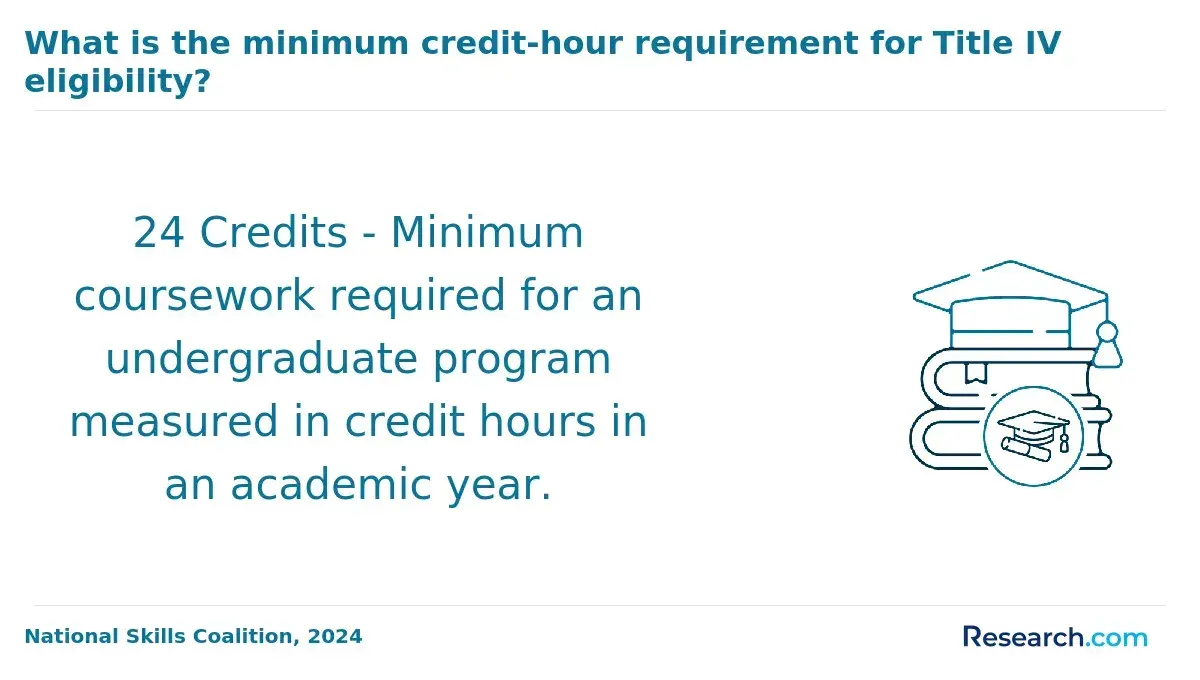
Cost should be evaluated as total cost of attendance, not just tuition. Federal student aid rules also matter: graduate students may borrow up to $20,500 per academic year through Direct Unsubsidized Loans, while Graduate PLUS Loans can cover remaining eligible costs up to the school's cost of attendance after other aid. This does not mean borrowing the maximum is wise; it means you should calculate repayment before enrolling.
The list below shows the main cost categories to compare when reviewing schools. Ask for these numbers in writing so you can compare programs consistently.
- Tuition per credit and total credits required for graduation.
- Mandatory online learning, technology, graduation, clinical placement, or student services fees.
- Books, software, background checks, immunizations, travel, or field experience expenses.
- Transfer credit limits and whether prior graduate credits can reduce the total number of credits needed.
- Employer tuition assistance, military benefits, scholarships, assistantships, or payment plans.
- Expected loan repayment under conservative salary assumptions, not the highest possible salary outcome.
For a broader comparison of healthcare administration tuition patterns and affordability strategies, students can look up MHA degree cost. Behavioral health management programs often overlap with MHA programs, so comparing both can help you identify whether a specialized or broader degree offers better value.
A common cost mistake is choosing the lowest per-credit price without checking total credits, fees, and course availability. A program with fewer credits and reliable course scheduling may cost less overall than a cheaper per-credit program that takes longer to finish.
What accreditations and approvals should behavioral health management programs have?
Accreditation is one of the most important checks before enrolling. At minimum, the institution should hold recognized institutional accreditation from an accreditor accepted by the U.S. Department of Education or the Council for Higher Education Accreditation. This affects federal financial aid eligibility, credit transfer, employer recognition, and future doctoral study.
Programmatic accreditation depends on the degree type. Healthcare administration programs may pursue Commission on Accreditation of Healthcare Management Education recognition, public health programs may pursue Council on Education for Public Health accreditation, social work programs may pursue Council on Social Work Education accreditation, and counseling programs may pursue counseling-specific accreditation. Behavioral health management programs do not all fall under one single accreditor, so the right standard depends on the curriculum and outcome.
Use the checklist below before applying. It is especially important for career changers because a program name can sound similar to a clinical degree without meeting clinical licensure requirements.
- Confirm institutional accreditation directly through the school and recognized accreditation databases.
- Ask whether the program has programmatic accreditation and whether that accreditation is relevant to your intended career.
- If you want licensure, contact your state licensing board before enrolling and ask whether the exact degree and curriculum qualify.
- Review field placement, practicum, or internship rules if your target job requires supervised experience.
- Ask employers in your target setting whether they recognize the credential for management or advancement roles.
The biggest red flag is vague language such as "may prepare you for licensure" without a state-specific explanation. Licensure rules vary by state and profession, and behavioral health management degrees are usually administrative rather than clinical.
What jobs can graduates of behavioral health management master's programs pursue?
Graduates can pursue leadership, operations, compliance, program development, and quality roles across behavioral health and healthcare settings. Job titles vary widely because employers may use "behavioral health," "mental health," "substance use," "human services," "population health," or "clinical operations" differently.
The table below summarizes realistic career directions. It does not guarantee eligibility for every job because requirements depend on employer expectations, state rules, clinical licensure needs, and the applicant's prior experience.
| Role | Typical responsibilities | Best-fit background |
| Behavioral health program manager | Oversees services, staff schedules, budgets, reporting, partnerships, and program outcomes | Human services, healthcare operations, nonprofit management, or supervisory experience |
| Substance use services administrator | Coordinates treatment operations, compliance, referral networks, grants, and quality metrics | Addiction services, case management, public health, criminal justice, or community programs |
| Clinical operations manager | Improves workflows, staffing, documentation, patient access, and care coordination | Healthcare administration, nursing support, clinic operations, or project management |
| Quality improvement specialist | Tracks performance data, audits documentation, supports accreditation, and leads process improvements | Data analysis, compliance, health information, or operations experience |
| Community behavioral health director | Leads agency strategy, funding, partnerships, workforce planning, and service expansion | Prior management experience plus strong knowledge of behavioral health systems |
| Care coordination or population health manager | Supports integrated care, referral pathways, high-need populations, and outcomes reporting | Case management, public health, social services, or managed care experience |
Career changers often start in coordinator, analyst, supervisor, or assistant program manager roles before moving into director-level positions. If you already have management experience, the degree may help you pivot faster, but you may still need behavioral health-specific exposure to compete for senior roles.
Employers increasingly expect leaders to understand telehealth workflows, electronic health records, data dashboards, privacy rules, and equity-focused service design. AI tools may support documentation review, risk flagging, scheduling, and reporting, but leaders remain responsible for ethical oversight, patient privacy, and human judgment.
What salary ranges and advancement opportunities exist in behavioral health management?
Salary potential depends on the role, location, employer type, funding model, management level, and whether the position requires clinical licensure. The closest national BLS category for many leadership roles is medical and health services managers, which had a May 2024 median annual wage of $117,960. This figure is useful as a labor-market benchmark, but it includes hospital, medical practice, nursing facility, and broader healthcare management roles, not only behavioral health.
Behavioral health-specific leadership salaries can vary because community agencies, nonprofits, public programs, hospitals, insurers, and private treatment providers operate under different budgets. A director at a large health system may have very different compensation from a program manager at a small nonprofit clinic.
The table below shows how advancement commonly works. Use it to match your current experience with realistic next steps instead of assuming a master's degree alone will place you directly into executive leadership.
| Career stage | Common roles | What usually supports advancement |
| Entry transition | Program coordinator, care coordination lead, intake operations supervisor, quality assistant | Behavioral health terminology, documentation standards, service workflow knowledge, and reliability |
| Mid-level management | Program manager, operations manager, compliance analyst, quality improvement specialist | Budgeting, staff supervision, data reporting, grants, payer knowledge, and process improvement |
| Senior leadership | Director of behavioral health, service line manager, community program director, clinical operations director | Strategic planning, multi-site leadership, financial accountability, accreditation readiness, and stakeholder management |
| Executive path | Vice president, chief operating officer, executive director, behavioral health administrator | Broad healthcare leadership experience, board relations, major funding responsibility, and measurable organizational results |
To improve return on investment, choose a program that helps you build evidence of leadership results: capstone projects, applied analytics, practicum work, budget plans, quality improvement proposals, or employer-sponsored projects. These work samples can be more persuasive than coursework alone during interviews.
How is the job outlook for behavioral health management and related leadership roles?
The job outlook is favorable for people who can combine healthcare operations with behavioral health knowledge. BLS projects medical and health services managers to grow 23% from 2024 to 2034, which reflects broader demand for healthcare leaders as organizations expand services, manage complex reimbursement, improve quality, and respond to an aging population.
Demand is also supported by the need for mental health and substance use services. BLS projects substance abuse, behavioral disorder, and mental health counselor employment to grow 17% from 2024 to 2034. While counselors and managers are different roles, growth in front-line behavioral health services often creates demand for supervisors, program managers, compliance staff, and operations leaders.
Several trends are shaping hiring in behavioral health management. Understanding them can help you choose electives, projects, and internships that match where the field is going.
- Integrated care is expanding, so leaders who understand both behavioral health and primary care coordination are valuable.
- Telebehavioral health remains important, making digital workflow, privacy, patient engagement, and remote team management useful skills.
- Workforce shortages make retention, supervision, burnout prevention, and training key leadership priorities.
- Value-based care and payer accountability increase demand for managers who can track outcomes and improve documentation quality.
- Crisis response models are evolving, creating opportunities in mobile crisis, 988-related systems, stabilization services, and community partnerships.
The strongest candidates will not rely on the degree alone. They will pair graduate education with field exposure, measurable projects, strong communication skills, and a clear understanding of the behavioral health population they want to serve.
Other Things You Should Know About Behavioral Health Management
Many programs require a capstone in the final term, usually a 3- to 6-credit project. Students complete an organizational assessment, quality-improvement plan, or policy analysis using real behavioral health data, then present recommendations to faculty or agency partners.
Not always. Many administrative and operations roles do not require a clinical license, but some director or supervisor roles may prefer or require one depending on the employer, state, and service type.
Look for programs that offer flexible scheduling, practical experience opportunities, and coursework relevant to those new to this field. Accreditation, faculty expertise, and strong career support services are also crucial to ensure a smooth transition for career changers.
Yes, most online master's programs in behavioral health management require internships or practicums. These hands-on experiences are typically integrated in the latter stages of the program, allowing students to apply theoretical knowledge in real-world settings and gain valuable field experience essential for career changers.
References
- Behavioral Health Accreditation | ACHC.ORG https://achc.org/behavioral-health/
- A Complete Guide to Careers in Behavioral Health Fields https://behavioralhealth.careers/blog/careers-in-behavioral-health-guide/
- Health and Human Services: Campus & Online Degrees and Careers https://www.publichealthonline.org/human-services/online-degree-programs/
- Leadership in Behavioral Health - DigitalCommons@Hamline https://digitalcommons.hamline.edu/cgi/viewcontent.cgi
- Behavioral Health Courses and Certification - EIM https://evidenceinmotion.com/behavioral-health/
- Online Master's in Mental Health Counseling https://onlinecounselingprograms.com/online-counseling-degrees/online-masters-in-mental-health-counseling/
- Joint Commission Accreditation: 2026 Guide https://circabehavioral.com/services/joint-commission-accreditation-consulting/
- Master of Health Administration - Graduate School of Public Policy https://www.schoolofpublicpolicy.sk.ca/programs/masters-programs/master-of-health-administration.php
- Is a Mental Health Master's Online Worth It for Career Changers? https://healthmanagement.org/c/hospital/guest-post/is-a-mental-health-masters-online-worth-it-for-career-changers
- Behavioral Health Care Manager Training https://cocmtraining.westhealth.org/behavioral-health-care-manager-training