2027 Behavioral Health Management Skills Employers Want More

Co-Founder and Chief Data Scientist
Behavioral health organizations need managers who can improve access, quality, staffing, compliance, and patient outcomes at the same time. The U.S. Bureau of Labor Statistics reports that medical and health services managers had a median annual wage of $117,960 in May 2024, showing why leadership skills in care settings can carry strong career value.
This guide is for students, career changers, counselors, case managers, and healthcare workers comparing behavioral health management paths. You will learn which skills employers want, which degrees fit different goals, and how to choose a program that supports your career plan.
Key Things You Should Know
- Employers prioritize compliance, care coordination, data-informed decision-making, crisis response, team leadership, budgeting, and behavioral health technology skills.
- A bachelor's can support entry-level human services management, while a master's is more common for director-level, clinical operations, or policy leadership roles.
- BLS May 2024 wage data shows relevant management roles vary widely, with social and community service managers at a median of $78,240 and medical and health services managers at $117,960.
What skills do behavioral health management employers want most?
Behavioral health management employers want people who can lead services that are clinically responsible, financially sustainable, compliant, and easy for patients to access. The strongest candidates combine people-centered judgment with operations, data, and policy skills.
The table below summarizes the skills most often valued in behavioral health management roles and explains why each skill matters in real workplaces such as community mental health centers, substance use treatment programs, hospitals, telehealth organizations, and nonprofit agencies.
| Skill employers want | Why it matters | Where it shows up at work |
| Care coordination | Behavioral health clients often need counseling, medication support, housing, primary care, crisis services, and social support from different providers. | Referral workflows, discharge planning, integrated care teams, and follow-up systems. |
| Compliance and documentation | Organizations must follow privacy, billing, grant, accreditation, and state behavioral health rules. | HIPAA practices, audit preparation, incident reporting, medical record review, and policy updates. |
| Data-informed management | Employers increasingly expect managers to use outcomes, utilization, patient access, and quality metrics instead of relying only on intuition. | Dashboards, quality improvement reports, waitlist tracking, no-show analysis, and payer reporting. |
| Crisis and risk management | Behavioral health settings may involve suicide risk, substance withdrawal, family conflict, mandated reporting, or safety concerns. | Crisis protocols, escalation plans, staff training, risk review, and coordination with emergency services. |
| Workforce leadership | Behavioral health employers face staffing pressure, burnout risk, supervision needs, and high emotional demands. | Scheduling, staff retention, coaching, performance reviews, training, and team culture. |
| Budgeting and reimbursement awareness | Managers must understand how services are funded and how staffing decisions affect program sustainability. | Grant budgets, Medicaid billing, payer contracts, service line planning, and productivity targets. |
| Cultural competence and ethics | Behavioral health services must be respectful, trauma-informed, and appropriate for diverse clients and communities. | Client engagement, staff training, grievance response, program design, and community partnerships. |
| Telehealth and digital workflow skills | Remote care, electronic health records, patient portals, and measurement-based care tools are now part of many behavioral health operations. | Virtual visit policies, EHR optimization, digital intake, remote supervision, and access monitoring. |
To build these skills before applying for management roles, focus on experiences that show measurable responsibility rather than just interest in mental health. Employers tend to respond well to examples that prove you can handle complexity:
- Volunteer for quality improvement, accreditation, scheduling, intake, or reporting projects in your current workplace.
- Learn common behavioral health metrics, including wait times, no-show rates, readmission patterns, treatment engagement, client satisfaction, and staff caseloads.
- Practice explaining regulations in plain language because managers often translate policy into usable procedures for frontline staff.
- Develop supervisory skills through shift lead, case conference, peer mentoring, or team training responsibilities.
- Strengthen spreadsheet, EHR, reporting, and dashboard skills because operational decisions increasingly depend on clean data.
A common mistake is presenting yourself only as "passionate about mental health." Passion helps, but employers usually hire managers for evidence of judgment, reliability, communication, compliance awareness, and the ability to improve systems.
What is behavioral health management?
Behavioral health management is the leadership and coordination of services that address mental health, substance use, emotional wellness, and related social needs. It sits at the intersection of healthcare administration, human services, public health, counseling operations, compliance, and community care.
A behavioral health manager may not provide therapy directly, especially in nonclinical administrative roles. Instead, the work often involves making sure qualified clinicians, case managers, peer support specialists, intake teams, and community partners can deliver safe, timely, and effective services.
Typical responsibilities include supervising staff, managing program budgets, monitoring outcomes, improving access to care, maintaining compliance, coordinating referrals, handling crises, preparing for audits, and communicating with payers or government agencies. In larger systems, the role may be specialized; in smaller nonprofits, one manager may handle operations, reporting, staffing, and community partnerships.
The field is changing because behavioral health is being integrated more closely with primary care, emergency response, schools, courts, and social services. Employers increasingly want managers who understand both human needs and organizational performance.
Which degree is best for behavioral health management careers?
The best degree depends on whether you want to manage programs, lead healthcare operations, supervise social services, move into executive leadership, or maintain a clinical career while taking on management duties. A healthcare administration degree online can be a strong fit if your target roles involve operations, compliance, finance, staffing, or health system leadership.
The table below compares common education paths so you can match the credential to the type of behavioral health role you want instead of choosing a program based only on speed or tuition.
| Degree path | Best fit | Typical career direction | Important limitation |
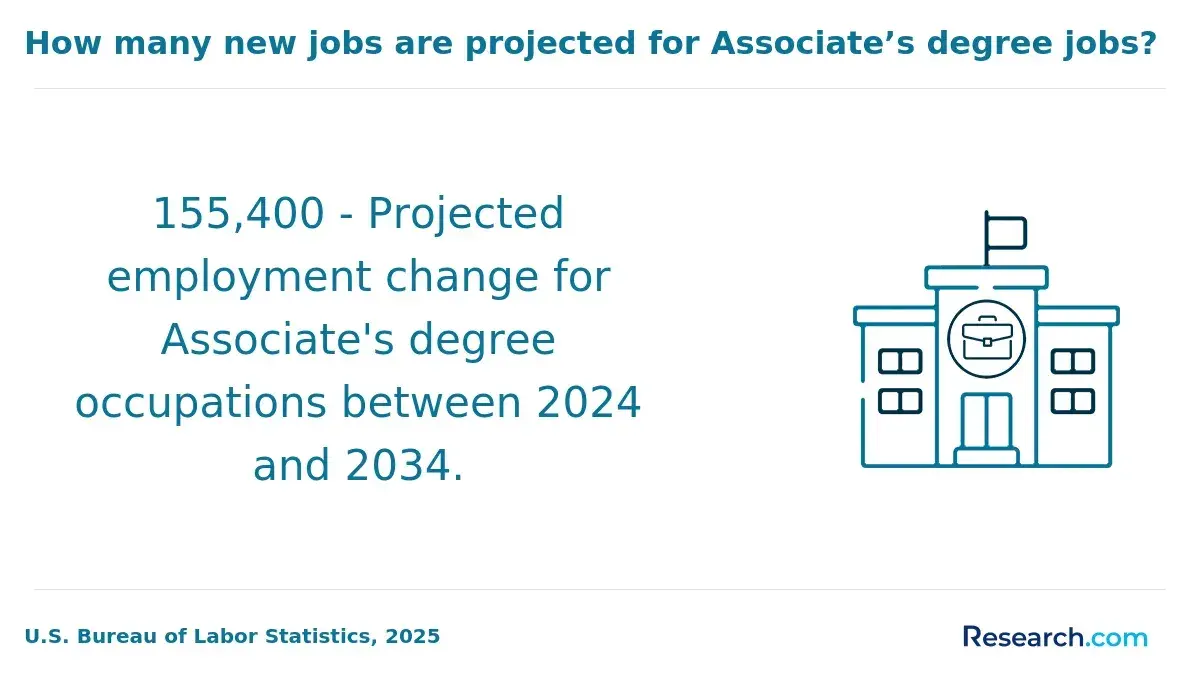
| Associate degree in human services or behavioral health | Students seeking entry-level support roles before committing to a bachelor's degree. | Behavioral health technician, intake assistant, case management aide, residential program support. | Usually not enough for most management roles without substantial experience. |
| Bachelor's in human services, psychology, social work, or healthcare administration | Students seeking coordinator, supervisor, case management, or program operations roles. | Program coordinator, case management supervisor, community services manager, behavioral health operations assistant. | Clinical counseling or social work licensure generally requires graduate education and state-specific requirements. |
| Master of Healthcare Administration or Master of Public Health | Professionals aiming for health system, policy, quality, compliance, or executive operations roles. | Behavioral health program director, quality manager, operations manager, service line administrator. | May not provide clinical licensure preparation unless paired with a clinical degree or license. |
| Master's in counseling, social work, marriage and family therapy, or psychology | Students who want clinical practice plus future supervision or program leadership. | Clinical supervisor, outpatient program manager, treatment director, integrated care leader. | Licensure requirements vary by state and usually include supervised postgraduate hours. |
| MBA with healthcare or nonprofit concentration | Professionals focused on finance, strategy, executive leadership, or organizational growth. | Executive director, operations director, business development leader, payer relations manager. | May need behavioral health experience to compete for specialized roles. |
Choose a bachelor's path if you are building your first professional foundation, a clinical master's if you want licensure-connected leadership, and an administration-focused master's if you already understand care delivery and want to manage systems. A certificate may be enough for a working professional who already has a relevant degree and needs targeted skills in compliance, health informatics, project management, or nonprofit leadership.
Who should consider a different option? If your main goal is to provide therapy independently, a management degree alone is usually not the right route. If your goal is business operations outside healthcare, a broader management or analytics degree may offer more flexibility.
Is an online behavioral health management degree respected by employers?
An online behavioral health management degree can be respected by employers when it comes from an accredited institution, uses qualified faculty, includes relevant projects or field experiences, and produces skills that match the role. Employers generally care less about whether the coursework was online and more about whether the program is legitimate, rigorous, and aligned with the job.
The table below shows when online and campus-based options tend to make the most sense. This comparison matters because the "best" format depends on your schedule, local opportunities, learning style, and career goal.
| Program format | Best for | Main advantage | Potential drawback |
| Fully online | Working adults, caregivers, military students, and students without nearby programs. | Greater scheduling flexibility and access to schools outside your local area. | You may need to be more proactive about networking, internships, and faculty contact. |
| Hybrid | Students who want flexibility but also value some in-person learning. | Balance of online convenience and face-to-face connection. | Campus visits can create travel or scheduling challenges. |
| On campus | Students who want structured routines, local clinical partnerships, or frequent in-person support. | More immediate access to campus resources and local networking. | Less flexible for full-time workers or students far from campus. |
Online programs can be especially practical in behavioral health management because many assignments are policy analyses, case studies, budget exercises, leadership projects, data reviews, and program evaluations. However, if the program includes fieldwork, practicum, or internship expectations, ask how placements are arranged in your state or local area.
Red flags include unclear accreditation, no faculty credentials, vague curriculum descriptions, pressure-heavy admissions calls, missing student outcome information, and promises of guaranteed jobs. A respected online degree should make it easy to verify institutional accreditation, curriculum relevance, tuition, transfer credit policies, and support services.
What courses are included in behavioral health management programs?
Behavioral health management programs usually blend healthcare administration, human services, ethics, behavioral health policy, organizational leadership, and data use. Programs with a clinical emphasis may include more counseling, assessment, diagnosis, and supervision content, while administration-focused programs usually emphasize operations, finance, compliance, and quality improvement.
If your goal is therapy or licensure-connected work, compare management programs with clinical mental health counseling programs before enrolling. The course titles can look similar, but the career outcomes and licensure preparation may be very different.
Common course categories include the following:
- Behavioral health systems and policy, including how mental health and substance use services are funded, regulated, and delivered.
- Healthcare management and organizational leadership, including staffing, supervision, conflict resolution, and change management.
- Ethics, legal issues, and privacy, including HIPAA, mandated reporting, documentation standards, and client rights.
- Quality improvement and outcomes measurement, including service access, engagement, patient satisfaction, and performance reporting.
- Budgeting, reimbursement, and grant management, including Medicaid, payer requirements, nonprofit funding, and program sustainability.
- Crisis management and trauma-informed care, including safety planning, escalation procedures, and coordination with emergency or community resources.
- Cultural competence and community engagement, including health equity, stigma reduction, and service design for diverse populations.
- Health informatics and behavioral health technology, including EHR workflows, telehealth operations, digital intake, and data privacy.
These subjects help you understand whether a program is training you for frontline service coordination, clinical supervision, or organizational leadership.
A strong curriculum should connect assignments to real workplace decisions. Look for projects that ask you to evaluate a program, create a staffing plan, analyze a budget, improve access, review compliance risks, or interpret quality data.
What admission requirements do behavioral health management programs have?
Admission requirements vary by school, degree level, and whether the program is administrative or clinical. Bachelor's programs usually focus on prior coursework and readiness for college-level study, while master's programs may evaluate professional experience, undergraduate GPA, recommendations, and fit with the program's mission.
Students coming from a bachelor in human services often have relevant preparation for behavioral health management because they may already understand case management, community resources, ethics, and client support systems.
Most programs ask for a combination of the following materials. Reviewing these early helps you avoid delaying your start date because of transcripts, prerequisites, or missing documents:
- Completed application and official transcripts from high school, community college, or prior colleges attended.
- Minimum GPA, which varies by institution and may be flexible for applicants with strong work experience.
- Personal statement explaining career goals, interest in behavioral health, and readiness for leadership or service work.
- Resume or work history, especially for graduate programs or programs designed for working adults.
- Letters of recommendation from supervisors, instructors, or professionals who can speak to your reliability and communication skills.
- Prerequisite coursework in areas such as psychology, statistics, human services, healthcare systems, or social science, depending on the program.
- Background check, immunization documentation, or field placement eligibility if the program includes internship or practicum experiences.
Clinical programs may have stricter requirements because they can involve client contact and licensure preparation. Before applying, ask whether the program is designed for management, clinical licensure, or both. Assuming that any behavioral health degree leads to counseling licensure is one of the most expensive mistakes applicants can make.
How long does a behavioral health management degree take?
The timeline depends on degree level, transfer credits, enrollment intensity, fieldwork requirements, and whether the program uses traditional semesters or accelerated terms. A faster program can be useful, but speed should not come at the expense of accreditation, internship access, or career fit.
The table below gives a practical timeline comparison for common paths. Use it to estimate how long your route may take and what trade-offs come with each option.
| Credential | Typical full-time timeline | Typical part-time timeline | Best use case |
| Certificate in behavioral health administration or related area | Several months to 1 year | 1 year or more | Adding targeted skills when you already have a degree or relevant experience. |
| Associate degree | About 2 years | 3 years or more | Starting in support roles or preparing to transfer into a bachelor's program. |
| Bachelor's degree | About 4 years | 5 to 6 years or more | Qualifying for coordinator, supervisor, and entry-level management pathways. |
| Master's degree | About 1 to 2 years | 2 to 4 years | Advancing into director, administrator, quality, policy, or clinical leadership roles. |
| Doctoral degree | 3 to 5 years or more | Varies widely | Executive leadership, research, teaching, policy, or advanced clinical leadership. |
To shorten your timeline responsibly, ask schools to evaluate transfer credits before you enroll, confirm whether prior learning or professional certifications can count, and check whether accelerated courses affect financial aid eligibility. If the program includes fieldwork, build extra time into your plan because placement approval and background checks can slow progress.
Part-time study may be the better choice if you are working in behavioral health already. Staying employed can help you apply coursework immediately, build management examples for your resume, and reduce the need to borrow. Full-time study may make more sense if you need the credential quickly and can manage the cost and workload.
What jobs can you get with a behavioral health management degree?
A behavioral health management degree can support roles in community agencies, hospitals, addiction treatment centers, residential programs, integrated care clinics, telehealth companies, public health departments, correctional health programs, and nonprofit organizations. The exact jobs you qualify for depend on your degree level, experience, state rules, and whether you hold a clinical license.
The table below connects common roles to responsibilities and typical preparation. This can help you identify whether you need a bachelor's, master's, license, or additional experience before applying.
| Job title | What the role does | Common preparation |
| Behavioral health program coordinator | Supports daily program operations, scheduling, referrals, documentation, reporting, and communication between staff and clients. | Bachelor's degree plus human services or healthcare experience. |
| Case management supervisor | Leads case managers, reviews service plans, monitors caseloads, and coordinates community resources. | Bachelor's or master's degree plus direct service experience. |
| Residential services manager | Oversees staffing, safety, compliance, client routines, incident response, and program operations in residential settings. | Bachelor's degree, supervisory experience, and knowledge of state regulations. |
| Substance use treatment program manager | Coordinates clinical and nonclinical services, payer requirements, staffing, outcomes, and compliance for addiction treatment programs. | Bachelor's or master's degree; some roles prefer or require clinical licensure or addiction credentials. |
| Behavioral health operations manager | Improves workflows, access, staffing, scheduling, quality metrics, and EHR processes. | Bachelor's or master's degree in healthcare administration, public health, or related field. |
| Quality improvement specialist | Tracks outcomes, audits records, analyzes performance data, and supports accreditation or payer reporting. | Bachelor's or master's degree with data, compliance, or healthcare quality experience. |
| Clinical supervisor | Supervises clinicians, reviews cases, supports ethical practice, and ensures quality of care. | Graduate clinical degree and state licensure are commonly required. |
| Director of behavioral health services | Leads programs, budgets, staffing strategy, compliance, partnerships, and organizational performance. | Master's degree, significant experience, and often a clinical or healthcare leadership background. |
Entry-level candidates should look for coordinator, intake, case management, residential, or quality assistant roles that build operational exposure. Experienced clinicians may move into supervision, program direction, or service line leadership. Nonclinical healthcare workers may transition through compliance, operations, patient access, or quality improvement roles.
A common mistake is applying only for jobs with "behavioral health manager" in the title. Search broader titles such as program coordinator, community services manager, outpatient operations manager, care coordination supervisor, integrated care manager, and quality improvement specialist.
How much do behavioral health management graduates earn?
Earnings vary by role, degree level, licensure, employer type, geography, supervisory scope, and years of experience. Behavioral health management is not one single occupation, so the most useful salary view is to compare related roles rather than assume one fixed outcome.
The table below uses U.S. Bureau of Labor Statistics May 2024 median annual wage data for closely related occupations. These figures are national medians, not guarantees, and local pay may be higher or lower depending on labor market, funding model, and employer size.
| Related occupation | May 2024 median annual wage | How to interpret it |
| Social and community service managers | $78,240 | Relevant for nonprofit, community mental health, residential, outreach, and human services management roles. |
| Medical and health services managers | $117,960 | Relevant for larger healthcare systems, clinics, service line administration, operations, and health facility leadership. |
| Substance abuse, behavioral disorder, and mental health counselors | $59,190 | Useful comparison for clinically focused workers who may later move into supervision or program leadership. |
| Training and development managers | $125,450 | Relevant for behavioral health organizations that need leaders for workforce development, staff training, and compliance education. |
The salary upside is often stronger when a candidate combines behavioral health knowledge with budget responsibility, staff supervision, compliance expertise, data skills, and experience improving measurable outcomes. Clinical licensure can also matter for roles that supervise clinicians or direct treatment programs, but it is not required for every operations or administrative position.
When evaluating return on investment, compare total program cost with the types of roles you can realistically pursue after graduation. Include tuition, fees, books, technology costs, lost work hours, commuting, and loan interest. Avoid assuming that a higher degree automatically leads to a higher salary; employer needs, experience, local funding, and licensure rules all affect compensation.
How do you choose an accredited behavioral health management program?
Start by confirming institutional accreditation, then evaluate whether the curriculum matches your career goal. Accreditation matters because it can affect credit transfer, graduate school eligibility, employer recognition, and access to federal financial aid.
If you want to strengthen operational leadership beyond behavioral health content, a fast track project management degree online or project management coursework can be useful for roles involving implementation, workflow redesign, grant deliverables, or multi-site program coordination.
Use the following steps before enrolling:
- Verify institutional accreditation through recognized accreditation databases or the school's official accreditation page.
- Ask whether the program is designed for administration, clinical licensure preparation, human services leadership, or a combination of these goals.
- Review the curriculum for compliance, behavioral health policy, finance, quality improvement, data, supervision, ethics, and technology content.
- Confirm whether internships, practicums, capstones, or applied projects are required and how placements are arranged.
- Compare total cost, not just tuition, including fees, textbooks, technology, travel, residency requirements, and potential lost wages.
- Ask how many credits can transfer and whether prior learning, military training, or professional certifications may reduce your timeline.
- Review career support, employer partnerships, alumni outcomes, licensure disclosures, and graduate school pathways.
- Speak with admissions, faculty, and ideally current students or alumni before committing.
Common red flags include unclear accreditation, vague program outcomes, no published tuition details, aggressive enrollment pressure, limited faculty information, and promises that the degree will automatically qualify you for licensure or management roles. A good program should be transparent about what it can and cannot do for your career.
The strongest choice is usually the program that aligns with your target role, budget, schedule, and state requirements-not simply the fastest or most advertised option.
Other Things You Should Know About Behavioral Health Management
Not always. Many operations, compliance, quality, and program coordination roles do not require a clinical license. However, roles involving clinical supervision, therapy services, diagnosis, or treatment direction may require state licensure, depending on the employer and state rules.
Useful technology skills include electronic health record navigation, spreadsheet analysis, telehealth workflow management, dashboard interpretation, privacy-aware communication, and basic understanding of digital intake or scheduling systems. You do not need to be a software engineer, but you should be comfortable using data to improve services.
Yes, especially through healthcare administration, public health, nonprofit management, quality improvement, compliance, or operations roles. You will still need to learn behavioral health regulations, service models, crisis protocols, and client-centered communication to be competitive.
References
- A Complete Guide to Careers in Behavioral Health Fields https://behavioralhealth.careers/blog/careers-in-behavioral-health-guide/
- Behavioral Health Career Descriptions | SAMHSA https://www.samhsa.gov/about/careers/behavioral-health-workforce/careers-by-state/descriptions
- Introduction to Behavioral Health | Behave Health https://behavehealth.com/blog/introduction-to-accreditation-in-behavioral-healthcare
- 9 Mental Health Careers You Can Pursue with a BA https://www.nec.edu/news/9-mental-health-careers-you-can-pursue-with-a-ba
- Behavioral Health Academy | Community Health Network https://www.ecommunity.com/careers/behavioral-health/behavioral-health-academy
- 5 Healthcare Management Careers in the Mental Health Field - Healthcare Management Degree Guide https://www.healthcare-management-degree.net/list-articles/5-healthcare-management-careers-in-the-mental-health-field/
- Mental Health Administration Degree | Psychology Degree Guide https://psychologydegreeguide.org/specialty/mental-health-administration/
- Behavioral Health Workforce - Career Roadmap - Mayor's Office of Community Mental Health https://mentalhealth.cityofnewyork.us/workforce-career-roadmap