2027 Best Online Behavioral Health Management Degrees for Care Coordination Leadership Careers

Co-Founder and Chief Data Scientist
Choosing an online behavioral health management degree is really a career investment question: will the program help you lead coordinated mental health, substance use, and whole-person care services? The need is significant; federal workforce data projects medical and health services manager employment to grow 29% from 2023 to 2033, much faster than average.
This guide is for working adults, care coordinators, case managers, and healthcare professionals comparing online options. You will learn how to evaluate accreditation, curriculum, cost, timelines, career outcomes, and red flags before enrolling.
Key Things You Should Know
- The best online behavioral health management pathway is usually a regionally accredited bachelor's or master's program in behavioral health, healthcare administration, human services, public health, social work administration, or health services management with care coordination, population health, or behavioral health coursework.
- Career outcomes vary by role; BLS data lists the May 2024 median pay for medical and health services managers at $117,960, while many direct behavioral health coordination roles pay less but can build the experience needed for leadership.
- Before enrolling, confirm accreditation, transfer-credit rules, fieldwork expectations, state licensure limitations, total program cost, and whether the curriculum includes reimbursement, compliance, data systems, crisis response, and integrated care.
What is an online behavioral health management degree and how does it support care coordination?
An online behavioral health management degree prepares students to organize, supervise, and improve services for people receiving mental health, substance use, developmental disability, and related support services. It is not the same as a counseling degree.
Counseling degrees usually prepare students for clinical licensure, while behavioral health management programs focus on operations, care coordination, compliance, quality improvement, staffing, community partnerships, and patient-centered service delivery.
Care coordination is the practical link between patients, clinicians, payers, community resources, families, and agencies. In behavioral health, that work can include scheduling follow-up care after hospitalization, connecting clients with housing or food support, tracking treatment plans, monitoring risk, coordinating medication-assisted treatment referrals, or helping multidisciplinary teams share information legally and efficiently.
Students should understand the main degree routes before comparing schools. The table below summarizes common online options and the type of care coordination role each one supports:
| Degree pathway | Best fit | Care coordination leadership value |
| Bachelor's in behavioral health, human services, or health services management | Students entering the field or moving from frontline support work into supervision | Builds foundational knowledge in case management, ethics, community resources, and program operations |
| Master's in healthcare administration, human services administration, or public health | Professionals aiming for program manager, director, or service-line leadership roles | Strengthens budgeting, policy, analytics, compliance, and organizational leadership skills |
| MSW or counseling-adjacent master's with administration courses | Students who may want both clinical and administrative flexibility | Can support leadership in clinical settings, but licensure requirements must be checked carefully |
| Graduate certificate in care coordination, behavioral health, or healthcare management | Working professionals who already hold a degree | Adds targeted skills faster than a full degree, but may not meet employer requirements for senior roles |
A management-focused degree makes the most sense if you want to lead systems of care rather than provide therapy as your primary function. If your long-term goal is executive leadership across hospitals, health systems, or payer organizations, you may eventually compare this route with an MBA healthcare pathway, which is usually broader and more finance-oriented.
Which accredited online behavioral health management programs best prepare care coordination leaders?
The strongest online behavioral health management programs share a few qualities: recognized accreditation, a curriculum tied to real healthcare operations, faculty with health or human services experience, and measurable support for online learners.
Because "behavioral health management" is not a single standardized degree title, the best program for you may appear under healthcare administration, human services, public health, social work administration, addiction studies, or integrated health services.
Instead of relying only on rankings, compare programs by how directly they prepare you for care coordination leadership. The table below shows the program types most likely to align with different career goals:
| Program type to prioritize | Choose it when your goal is | Watch for |
| Online bachelor's in behavioral health or human services administration | Entry-level care coordination, case management, residential program supervision, or nonprofit behavioral health operations | Whether the program includes supervised field experience, documentation training, and crisis-response content |
| Online bachelor's in healthcare administration with behavioral health electives | Healthcare operations roles in clinics, hospitals, managed care, or integrated primary care settings | Whether behavioral health is covered beyond a single elective |
| Online master's in healthcare administration or health services leadership | Program manager, director, compliance, quality improvement, or operations leadership roles | Whether the curriculum includes Medicaid, behavioral health reimbursement, population health, and value-based care |
| Online master's in human services or social services administration | Leadership in community behavioral health, social service agencies, addiction recovery organizations, or care networks | Whether graduates can move into healthcare settings if desired |
| Online public health master's with behavioral health or community health focus | Population-level prevention, grant-funded programs, community intervention design, or public agency leadership | Whether the program offers enough management coursework for supervisory roles |
For many students, a healthcare administration masters is a strong comparison point because it can provide broader management mobility while still allowing students to focus projects, electives, internships, or capstones on behavioral health care coordination.
The best choice depends on where you want to lead. A community mental health supervisor may benefit more from human services administration, while a behavioral health service-line manager in a hospital may need healthcare finance, quality reporting, and regulatory knowledge. If you are unsure, ask each school for examples of recent capstone topics, practicum sites, and job titles held by graduates.
How does an online behavioral health management degree compare to campus-based options?
Online and campus-based behavioral health management degrees can lead to similar academic credentials when the school is properly accredited. The biggest differences are scheduling, networking style, fieldwork logistics, and how much structure you need to stay on track.
The table below compares the practical trade-offs that matter most for working adults and career changers:
| Factor | Online degree | Campus-based degree |
| Schedule | Often better for working adults, caregivers, and students who need evening or asynchronous coursework | Better for students who prefer fixed class times and in-person accountability |
| Field experience | May allow local placements, but students often help identify approved sites | May have established relationships with nearby agencies and hospitals |
| Networking | Depends heavily on virtual cohorts, faculty access, alumni platforms, and residency options | Often easier for local networking, campus events, and face-to-face mentoring |
| Technology exposure | Can strengthen comfort with telehealth workflows, learning platforms, digital documentation, and remote collaboration | May offer more in-person simulation labs or local service-learning opportunities |
| Best fit | Self-directed learners balancing work, family, or geographic limitations | Students who want regular in-person interaction or plan to work in the school's local market |
Online learning is especially relevant because behavioral health care coordination increasingly uses electronic health records, secure messaging, telehealth, referral platforms, and data dashboards. A good online program should not simply post recorded lectures; it should teach students how to communicate, document, manage teams, and analyze service outcomes in digital environments.
Campus programs may be better if you are new to college, need intensive academic support, or want to build local agency relationships quickly. Online programs may be better if you already work in healthcare or human services and can connect assignments to your current workplace.
What admission requirements do online behavioral health management programs typically have?
Admission requirements vary by degree level, but most online behavioral health management programs look for academic readiness, communication skills, and evidence that applicants understand the service-oriented nature of the field. Selective master's programs may also value healthcare, social services, counseling-adjacent, public health, or nonprofit experience.
Applicants should expect requirements similar to the following. These items matter because missing prerequisites or fieldwork expectations can delay enrollment or graduation:
- Bachelor's programs commonly require a high school diploma or GED, official transcripts, a minimum GPA set by the school, and sometimes placement testing or prerequisite general education coursework.
- Master's programs usually require a bachelor's degree from an accredited institution, official transcripts, a statement of purpose, a resume, and professional or academic recommendations.
- Some programs ask for prior coursework in psychology, sociology, statistics, health systems, or human services, especially at the graduate level.
- Programs with internships, practicums, or clinical-adjacent placements may require background checks, immunization records, drug screening, liability insurance, or employer approval.
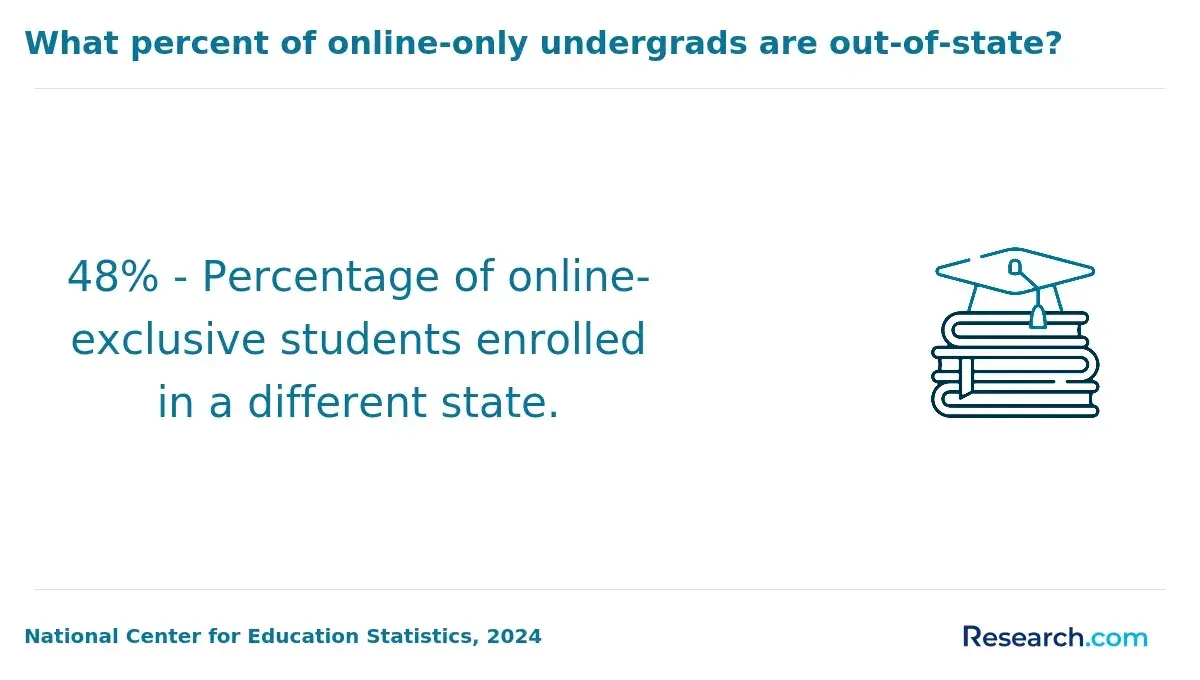
- International applicants and some out-of-state students may face additional documentation, residency, or authorization requirements.
One common mistake is assuming that an online program has no location-based restrictions. If the degree includes fieldwork, state authorization and placement availability can affect whether you can complete requirements where you live. Ask admissions staff to confirm in writing whether the program accepts students from your state and whether local placements are available.
Another mistake is applying only to the fastest program. Accelerated formats can be valuable, but behavioral health management requires strong writing, ethical judgment, regulatory knowledge, and team communication. If you are working full time, a slightly slower program may produce better learning and less burnout.
What core courses and specializations are included in behavioral health management curricula?
Behavioral health management curricula combine human behavior, healthcare systems, leadership, law and ethics, data use, and service coordination. The best programs help students understand both the person receiving care and the system that determines whether care is accessible, funded, documented, and sustained.
Core courses often include the following content areas. Review these carefully because course titles can vary widely even when programs claim similar outcomes:
- Behavioral health systems and policy, including mental health, substance use, community-based care, integrated care, and public-sector service delivery.
- Care coordination and case management, including assessment, referral, service planning, discharge planning, follow-up, documentation, and client advocacy.
- Healthcare finance and reimbursement, including Medicaid, Medicare basics, managed care, grant funding, billing concepts, and value-based payment models.
- Leadership and human resources, including supervision, workforce development, conflict resolution, staff retention, and interprofessional team management.
- Quality improvement and outcomes measurement, including performance indicators, program evaluation, risk management, and patient safety.
- Ethics, privacy, and compliance, including HIPAA, consent, mandated reporting, substance use confidentiality considerations, and organizational accountability.
- Health information systems, including electronic health records, referral platforms, data dashboards, and secure communication tools.
Specializations can make a program more relevant to your target population or work setting. Common options include substance use services, addiction recovery administration, child and family services, gerontology, integrated primary care, trauma-informed services, nonprofit leadership, population health, and healthcare quality.
Students interested in data-heavy care coordination should also pay attention to health information management. Understanding documentation, coding, privacy, and reporting can improve collaboration with quality and compliance teams, and students comparing adjacent roles may want to review how a bachelor of science in health information management salary compares with behavioral health coordination and management roles.
How long do online behavioral health management degrees take and what do they cost?
Program length depends on degree level, transfer credits, course load, and whether the program uses accelerated terms. A bachelor's degree usually requires about 120 credits, while master's programs commonly require 30 to 60 credits depending on the institution and fieldwork expectations. Certificates are shorter, but they may not replace a degree for leadership hiring.
Cost is more variable than many students expect. Published tuition is only one part of the price; technology fees, books, background checks, practicum costs, residency travel, graduation fees, and lost work hours can change the real investment.
College Board's 2024 pricing data lists average published tuition and fees for in-state students at public four-year institutions at $11,610 for 2024-25, which gives students a useful benchmark when comparing annual online tuition against public university options.
Use the comparison below to estimate which route fits your budget and timeline before requesting information from schools:
| Credential | Typical completion pattern | Cost considerations | Best for |
| Bachelor's degree | About four years full time, less with transfer credits | Total cost depends heavily on transfer policy, tuition per credit, and whether general education credits are accepted | Students who need an entry or advancement credential for care coordination and supervisor roles |
| Master's degree | Often one to three years depending on pace | Higher per-credit tuition is common, but fewer credits may be required than a bachelor's degree | Professionals pursuing program management, administration, quality, or director-level roles |
| Graduate certificate | Often less than one year to about one year | Lower total cost than a degree, but financial aid options may be more limited | Degree holders who want focused behavioral health or care coordination training |
| Stackable certificate-to-degree pathway | Varies by school | Can reduce duplicated coursework if credits apply to a future degree | Students who want to test the field before committing to a full master's program |
To reduce cost, start by requesting a transfer-credit evaluation before you enroll, not after. Then compare the total program price rather than the per-credit price alone.
Acceleration is useful only when it does not weaken learning or fieldwork quality. If speed is your top priority, evaluate pacing, credit transfer, and workload transparency the same way students do when comparing a fast track construction management degree: faster is better only if the credential remains credible and manageable.
What careers can behavioral health management graduates pursue in care coordination leadership?
Behavioral health management graduates can pursue roles that connect direct service delivery with organizational leadership. Some positions are available with a bachelor's degree and experience, while others require a master's degree, licensure, or several years in healthcare or social services.
The table below summarizes common career paths and how closely they align with care coordination leadership:
| Role | Typical responsibilities | Common education fit |
| Behavioral health care coordinator | Organizes referrals, follow-up appointments, care plans, documentation, and communication among providers and support services | Bachelor's in behavioral health, human services, psychology, social work, or health services |
| Case management supervisor | Supervises case managers, reviews service plans, monitors documentation, supports staff training, and tracks client outcomes | Bachelor's plus experience; master's preferred by some employers |
| Program manager | Manages staffing, budgets, compliance, service quality, reporting, and partner relationships for a behavioral health program | Master's in healthcare administration, human services, public health, or related field often helpful |
| Integrated care coordinator or manager | Supports collaboration between primary care, psychiatry, counseling, substance use treatment, and community supports | Health administration, public health, nursing-adjacent, social work, or behavioral health management background |
| Quality improvement specialist | Uses data to improve access, documentation, patient experience, safety, and service outcomes | Bachelor's or master's with analytics, compliance, or health systems coursework |
| Director of behavioral health services | Leads service lines, budgets, compliance strategy, staff development, and organizational partnerships | Master's degree and substantial experience commonly preferred |
Daily work often involves balancing people-centered care with operational constraints. Leaders may coordinate with clinicians, peer support specialists, nurses, social workers, probation offices, schools, housing agencies, managed care organizations, and family members when appropriate.
Current technology trends are reshaping these roles. Employers increasingly expect comfort with electronic health records, telehealth workflows, referral management platforms, population health dashboards, and basic data interpretation. AI tools may help summarize notes or flag risk patterns, but behavioral health leaders still need human judgment, privacy awareness, and ethical oversight.
What salary ranges and advancement opportunities exist in behavioral health care coordination roles?
Salary potential depends on role, degree level, clinical licensure, employer type, region, years of experience, and whether the position is primarily direct service, supervision, operations, or executive leadership. A behavioral health management degree can support advancement, but it does not guarantee a specific salary.
BLS May 2024 data lists the median annual wage for medical and health services managers at $117,960. This figure is useful for understanding the upper-management side of the pathway, but many behavioral health care coordination roles sit below that level because they are closer to direct services, nonprofit programs, or case management.
The table below gives a practical view of how advancement often works across care coordination leadership roles:
| Career stage | Common titles | Advancement focus |
| Entry-level | Care coordinator, behavioral health technician lead, case management assistant, peer services coordinator | Learn documentation, referral systems, client engagement, crisis protocols, and community resources |
| Early leadership | Senior care coordinator, case manager, team lead, utilization support specialist | Develop workflow management, staff mentoring, payer communication, and outcome tracking skills |
| Mid-level management | Case management supervisor, program manager, integrated care manager, quality coordinator | Build budgeting, compliance, performance improvement, hiring, and interagency partnership experience |
| Senior leadership | Director of behavioral health services, operations director, service-line administrator | Lead strategy, financial performance, regulatory readiness, workforce planning, and system-wide coordination |
To improve advancement odds, students should treat the degree as one part of a broader portfolio. Employers often value experience with high-need populations, Medicaid-funded services, crisis systems, care transitions, electronic documentation, grant reporting, and cross-functional team leadership.
Students comparing salary potential should also compare alternative healthcare administration routes. Some leadership roles in hospitals, payers, or health systems may reward broader finance and operations training, while community behavioral health roles may place more value on mission fit, population expertise, and direct service experience.
How do accreditation, licensing, and certification affect behavioral health management careers?
Accreditation, licensing, and certification affect both educational quality and career mobility. The most important baseline is institutional accreditation from an agency recognized by the U.S. Department of Education or the Council for Higher Education Accreditation. Without recognized accreditation, students may face problems with financial aid, transfer credits, graduate admission, employer acceptance, or licensure eligibility.
Programmatic accreditation is more specialized. It may be essential for counseling, social work, nursing, or public health degrees, but it is not always available or required for management-focused behavioral health programs. This distinction matters because students sometimes assume any behavioral health degree leads to clinical licensure. Many management degrees do not.
Before enrolling, use this checklist to avoid licensure and credentialing mistakes:
- Confirm institutional accreditation directly through official accreditation databases, not only the school's marketing pages.
- If you want to become a licensed counselor, social worker, marriage and family therapist, or addiction counselor, check your state board's education requirements before applying.
- Ask the program whether it is designed for clinical licensure, administrative advancement, or both.
- Verify whether supervised field hours, practicum structure, and faculty credentials meet the rules in the state where you plan to work.
- Ask employers in your target setting which credentials they prefer for care coordination supervisor, program manager, or director roles.
Relevant certifications may include case management, healthcare quality, healthcare compliance, addiction-related credentials, or project management credentials, depending on the role. Certification requirements differ by organization and may require a specific degree, professional experience, exam, continuing education, or supervised practice.
A good rule is simple: choose a licensure-track degree if your goal is independent clinical practice, and choose a management-track degree if your goal is program leadership. If you want both, look for programs that clearly explain how they support both clinical and administrative outcomes.
How can students evaluate and choose a reputable online behavioral health management program?
Choosing a reputable online behavioral health management program requires more than finding a familiar school name. The right program should match your career goal, budget, schedule, state requirements, and preferred population or care setting.
Use the following steps before committing to a program. They are designed to help you compare schools on evidence rather than marketing language:
- Define your target role first, such as care coordinator, case management supervisor, program manager, quality specialist, or director of behavioral health services.
- Confirm whether the role usually requires a bachelor's degree, master's degree, clinical licensure, certification, or specific work experience.
- Check institutional accreditation and, when relevant, programmatic accreditation or state board alignment.
- Compare curriculum maps for care coordination, behavioral health policy, reimbursement, compliance, data systems, leadership, and field experience.
- Request a full cost breakdown that includes tuition, fees, books, travel, placement costs, and any required residencies.
- Ask for transfer-credit estimates before enrollment and find out whether credits expire or must match specific course categories.
- Review student support, including online advising, tutoring, career services, library access, technical support, and placement assistance.
- Ask how the program tracks outcomes, such as completion, employment support, graduate school placement, or employer partnerships.
Several red flags should make you slow down. Be cautious if a school avoids accreditation questions, promises jobs or salaries, claims licensure eligibility without naming state requirements, refuses to provide total cost information, or pressures you to enroll before you receive a transfer evaluation.
Also consider who should choose a different path. If you want to provide psychotherapy independently, a counseling, social work, psychology, or marriage and family therapy licensure-track program may be a better fit.
If you want broad executive leadership across healthcare finance, strategy, and operations, a general healthcare administration or healthcare MBA route may offer more flexibility. If you only need a narrow skill upgrade, a certificate may be more cost-effective than a full degree.
Other Things You Should Know About Behavioral Health Management
Yes, many online programs are designed for working adults. The key is to check whether courses are asynchronous, whether group projects require scheduled meetings, and whether any practicum or residency hours conflict with your job.
Not always. Some students come from administration, human services, public health, criminal justice, education, or nonprofit work. However, experience with vulnerable populations, documentation, privacy rules, and service coordination can make coursework and job searches easier.
In 2027, key personal skills for success in behavioral health management include strong interpersonal communication, problem-solving abilities, empathy, resilience, and adaptability. Effective leadership and organizational skills are also crucial for navigating the complexities of care coordination and team management in this field.
References
- Introduction to Behavioral Health | Behave Health https://behavehealth.com/blog/introduction-to-accreditation-in-behavioral-healthcare
- Self-Paced Online Training https://www.bhclearinghouse.org/training/self-paced/
- What's Behavioral Health Management? | Horizon Health https://horizonhealth.com/blog/behavioral-health-management/
- Online vs Hybrid vs Campus Learning in Healthcare: Which Is Right for You? https://www.edumed.org/articles/online-vs-hybrid-vs-campus/
- Core Curriculum Healthcare Education Integration - Substance Use | SAMHSA https://www.samhsa.gov/substance-use/treatment/resources/provider-support/core-curriculum
- Director of Quality and Accreditation in Madison, Wisconsin | Careers at Shorewood Behavioral Health https://careers-acadiahealthcare.icims.com/jobs/103162/director-of-quality-and-accreditation/job
- 2025 Best Health Care Management Degrees Online https://www.onlineu.com/degrees/healthcare-management
- Online Health Management Degree | Healthcare Management | Direct Assessment | University of Phoenix https://www.phoenix.edu/online-healthcare-degrees/health-management-competency-based-bachelors-degree.html
- Health and Human Services: Campus & Online Degrees and Careers https://www.publichealthonline.org/human-services/online-degree-programs/
- A Complete Guide to Careers in Behavioral Health Fields https://behavioralhealth.careers/blog/careers-in-behavioral-health-guide/