2027 Online Behavioral Health Management Degrees That Help Build Career-Ready Administrative Skills

Co-Founder and Chief Data Scientist
Choosing an online behavioral health management degree is a career investment, not just an academic decision. Demand is strong: the U. S. Bureau of Labor Statistics projects 29% job growth for medical and health services managers from 2023 to 2033, much faster than average.
This guide is for students, working healthcare staff, counselors, case managers, and career changers who want administrative roles in mental health, addiction treatment, community health, or integrated care. You will learn how programs differ, what they cost, and how to choose one that fits your goals.
Key Things You Should Know
- Online behavioral health management programs are usually built around healthcare administration, human services leadership, public health, or psychology-informed management rather than clinical therapy training.
- The strongest labor-market signal is for healthcare administration: BLS May 2024 data reports a $117,960 median annual wage for medical and health services managers, though behavioral health roles vary by setting and responsibility.
- Before enrolling, verify institutional accreditation, state licensure alignment if you want a clinical credential, total program cost, transfer-credit policy, and whether the curriculum covers billing, compliance, quality improvement, and behavioral health operations.
What is an online behavioral health management degree and how does it build administrative skills?
An online behavioral health management degree prepares students to coordinate, supervise, and improve services in organizations that deliver mental health, substance use, crisis response, case management, or community behavioral health care. The word "management" matters: these programs usually focus less on providing therapy and more on running programs, leading teams, using data, managing reimbursement, meeting regulations, and improving patient access.
Because behavioral health organizations operate at the intersection of healthcare, social services, insurance, law, and community need, administrative skills are not optional. A manager may help schedule clinical teams, monitor grants, oversee intake workflows, prepare quality reports, manage budgets, support telehealth services, or coordinate with hospitals, schools, courts, and public agencies.
Most programs build career-ready administrative skills through applied assignments rather than purely theoretical coursework. A strong program should help you practice the following competencies in a behavioral health context:
- Operations management: Improving intake, referral, staffing, documentation, and service-delivery workflows.
- Healthcare finance: Understanding budgets, reimbursement, revenue cycles, grants, and payer requirements.
- Compliance and ethics: Applying HIPAA, confidentiality standards, mandatory reporting principles, and organizational policies.
- Quality improvement: Using performance measures, patient-experience data, and outcome tracking to improve services.
- Leadership: Supervising interdisciplinary teams while respecting clinical scope, burnout risks, and trauma-informed care principles.
- Technology management: Supporting electronic health records, telebehavioral health platforms, dashboards, and data privacy practices.
This degree is usually a good fit if you want to move into program coordination, clinic administration, care management leadership, nonprofit management, or healthcare operations. It may not be the right standalone path if your main goal is to become a licensed counselor, psychologist, social worker, or psychiatric nurse; those careers typically require specific clinical degrees, supervised experience, and state licensure.
How do online behavioral health management programs compare to campus-based options for flexibility and quality?
Online and campus-based behavioral health management programs can both be high quality, but they serve different students. The better choice depends on your schedule, need for face-to-face networking, learning style, and whether the program includes internships, practicums, or employer-based projects.
The comparison below highlights the practical trade-offs that matter most when choosing a format, especially if you are balancing school with work or caregiving responsibilities.
| Decision factor | Online program | Campus-based program | Best fit |
| Schedule flexibility | Often asynchronous or hybrid, making it easier to study around work shifts. | Usually tied to set class times and commuting. | Online is better for working adults and students outside major metro areas. |
| Networking | Can be strong if the program uses live sessions, group projects, alumni networks, and field placements. | Often easier for spontaneous peer, faculty, and local employer relationships. | Campus may help students who want local agency connections. |
| Quality signals | Depends on accreditation, faculty qualifications, student support, and outcomes, not delivery mode alone. | Also depends on accreditation, curriculum, faculty, and outcomes. | Either format can be credible when properly accredited and well supported. |
| Applied learning | May use workplace projects, virtual simulations, telehealth case studies, or local internships. | May offer campus clinics, agency partnerships, or in-person leadership labs. | Choose the program with the stronger applied experience for your goal. |
| Total cost | May reduce commuting or relocation costs, but technology and distance-learning fees can apply. | May add transportation, parking, housing, or lost work-time costs. | Compare total cost of attendance, not tuition alone. |
Quality is not determined by whether classes are online. A reputable online program should provide regular faculty access, advising, library resources, career support, technical support, and a clear way to complete applied projects in your region. If you are comparing broader healthcare administration options, some accelerated MHA programs online may also be relevant, especially if you already have healthcare experience and want a faster leadership pathway.
Common red flags include unclear accreditation, vague internship policies, limited faculty information, unusually aggressive recruiting, unclear tuition disclosures, and promises of guaranteed employment. If a school cannot explain how online students receive advising, career support, and applied experience, keep comparing.
What types of behavioral health management degrees are available online and which level should I pursue?
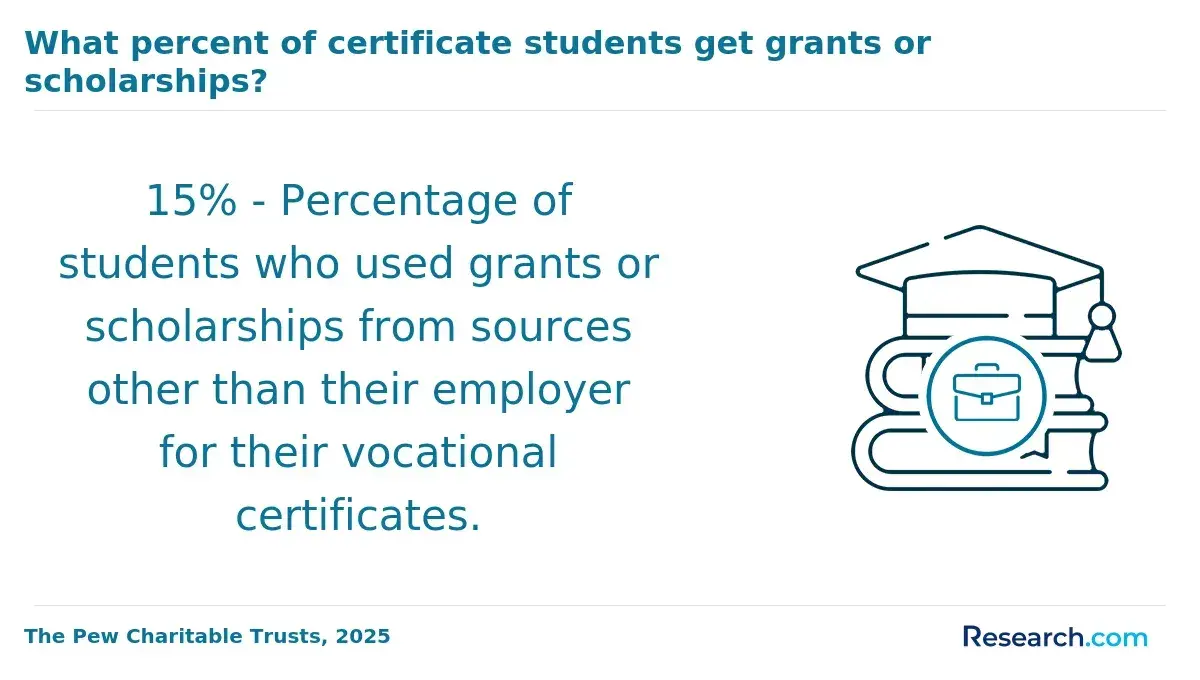
Online behavioral health management education is available at several academic levels. The right one depends on your current education, work experience, budget, and desired role. A certificate can sharpen specific skills, while a bachelor's or master's degree is more likely to support long-term advancement into management.
The table below compares common online options and when each level usually makes sense.
| Program type | Typical student | Common focus | When it makes sense |
| Undergraduate certificate | Students exploring behavioral health administration or employees adding targeted skills. | Behavioral health systems, addiction services, case management, basic administration. | Best for low-risk exploration or skill-building, not for senior management by itself. |
| Associate degree | New college students or career changers seeking entry-level support roles. | Human services, behavioral health support, communication, introductory management. | Best as a lower-cost starting point that can transfer into a bachelor's program. |
| Bachelor's degree | Students seeking coordinator, supervisor, or entry-level administrative roles. | Healthcare administration, human services management, psychology, public health, organizational leadership. | Best for building a broad foundation and qualifying for many nonclinical administrative roles. |
| Graduate certificate | Professionals who already have a bachelor's or master's degree. | Behavioral health leadership, healthcare compliance, population health, nonprofit management. | Best for targeted advancement without committing to a full master's degree. |
| Master's degree | Working professionals aiming for program director, operations manager, or senior administrative roles. | Strategic leadership, finance, policy, quality improvement, analytics, integrated care. | Best for leadership mobility, especially in larger agencies or health systems. |
| Doctoral degree | Senior professionals interested in executive leadership, research-informed administration, or teaching. | Health systems leadership, policy, organizational change, applied research. | Best for advanced leadership or academic goals, not necessary for most entry-level management roles. |
If you are choosing between degree levels, start with the job postings you want to qualify for in your state or region. Look for repeated requirements: bachelor's degree, master's degree, supervisory experience, grant management, EHR experience, licensure, or certification. The repeated requirements tell you more than a school's marketing language.
A doctoral pathway is usually only worth considering after you have significant experience and a clear leadership or academic reason. Readers comparing advanced healthcare leadership options can review healthcare PhD programs online, but many behavioral health management roles do not require a doctorate.
You should also consider whether healthcare is truly the setting you want. If your interest is mainly scheduling, budgeting, safety, and field operations rather than patient services, an unrelated operations-focused path such as an accelerated construction management degree online may better match your career preferences.
What curriculum and courses typically make up an online behavioral health management program?
Curriculum varies because behavioral health management can sit inside healthcare administration, human services, psychology, social work administration, public health, or nonprofit leadership departments. Still, strong programs tend to cover the same core administrative domains.
The courses below are common because they connect behavioral health knowledge with the operational skills employers often expect from coordinators, supervisors, and managers.
| Course area | What it teaches | Why it matters in behavioral health management |
| Behavioral health systems | How mental health, addiction treatment, crisis care, and community services are organized. | Managers need to understand referral pathways, service levels, and care coordination challenges. |
| Healthcare finance and reimbursement | Budgeting, payer systems, claims basics, grants, and revenue-cycle concepts. | Behavioral health programs often depend on mixed funding sources and careful documentation. |
| Health law, ethics, and compliance | Privacy, informed consent, reporting duties, fraud and abuse prevention, and ethical leadership. | Administrative errors can create legal, financial, and patient-safety risks. |
| Quality improvement and outcomes | Performance indicators, process improvement, patient satisfaction, and outcomes reporting. | Funders and payers increasingly expect evidence that services are accessible and effective. |
| Human resources and supervision | Hiring, performance management, team communication, conflict resolution, and workforce planning. | Behavioral health settings often face turnover and burnout, making supervision skills critical. |
| Data systems and health informatics | Electronic health records, reporting dashboards, privacy controls, and basic analytics. | Managers need usable data for staffing, compliance, billing, and service improvement. |
| Capstone, practicum, or applied project | A workplace-based or case-based project tied to a real management problem. | Applied work helps convert coursework into portfolio evidence for employers. |
Current programs are also adapting to technology changes. Telebehavioral health, AI-assisted documentation, predictive analytics, and automated scheduling can improve access and efficiency, but they also raise privacy, bias, consent, and workflow questions. A practical curriculum should teach students to evaluate technology rather than adopt it blindly.
Before enrolling, ask how the program assesses real administrative skill. Strong signs include case studies, budget exercises, mock compliance audits, quality-improvement projects, EHR-related assignments, and capstones tied to behavioral health operations.
How can I verify that an online behavioral health management program is properly accredited?
Accreditation is one of the most important checks you can make before applying. It affects financial aid eligibility, transfer credits, graduate-school admission, employer recognition, and sometimes licensure pathways. At minimum, the institution should hold recognized institutional accreditation from an accreditor approved by the U.S. Department of Education or the Council for Higher Education Accreditation.
Use a step-by-step process rather than relying on a school's homepage. Accreditation language can be confusing, and some schools advertise memberships or approvals that are not the same as recognized accreditation.
- Search the school's name in the U.S. Department of Education's Database of Accredited Postsecondary Institutions and Programs.
- Confirm that the institution name, campus, and online division match the program you are considering.
- Check whether the accreditor is institutional, programmatic, or merely a professional association.
- If the program is tied to counseling, social work, psychology, or addiction counseling, contact your state licensing board to confirm whether the curriculum meets educational requirements.
- Ask the school in writing whether credits transfer, whether graduates qualify for relevant exams, and whether online students receive the same transcript and degree designation as campus students.
Programmatic accreditation is more complicated. A healthcare administration program may seek accreditation from a specialized body, while counseling, social work, psychology, and addiction programs may fall under different accreditors or state rules. Behavioral health management programs that are administrative rather than clinical may not need the same programmatic accreditation as licensure-track clinical degrees, but they still need credible institutional accreditation.
Avoid any program that is vague about accreditation, discourages you from contacting licensing boards, or claims that one degree automatically qualifies you for every behavioral health credential. Licensure and credential eligibility vary by state and role.
What admission requirements do online behavioral health management programs usually have?
Admission requirements depend on degree level and school selectivity. Online programs for working adults may offer several start dates per year and may place more weight on work experience, prior credits, and a statement of goals than on standardized tests.
Expect requirements to differ by level, but most schools will ask for some combination of academic records, identity verification, and evidence that you are prepared for online study.
| Degree level | Common admission requirements | What applicants should prepare |
| Certificate | High school diploma, GED, or prior college coursework, depending on level. | A clear reason for studying behavioral health administration and proof of prerequisites if required. |
| Associate degree | High school diploma or GED, transcripts, placement assessment in some cases. | Transfer plans if you intend to continue into a bachelor's degree. |
| Bachelor's degree | High school diploma or GED, transcripts, minimum GPA, transfer-credit review. | Prior college transcripts, resume if you have healthcare or human services experience, and financial-aid documents. |
| Master's degree | Bachelor's degree, minimum GPA, resume, statement of purpose, recommendations, and sometimes statistics or healthcare prerequisites. | A focused career goal and examples of leadership, service, or administrative experience. |
| Doctoral degree | Master's degree or strong professional background, writing sample, resume, recommendations, interview, and research or leadership goals. | A defined problem of practice, evidence of advanced readiness, and time for major applied projects. |
Applicants can improve their chances by aligning materials with the program's purpose. If the program emphasizes healthcare administration, highlight operations, compliance, finance, or leadership experience. If it emphasizes human services, highlight case coordination, community outreach, crisis support, advocacy, or nonprofit work.
One common mistake is applying before checking transfer-credit rules. If you have prior college credits, ask for an unofficial evaluation before committing. A generous transfer policy can reduce cost and time, while a restrictive policy can make a seemingly affordable program more expensive.
How long do online behavioral health management degrees take and what do they cost?
Program length and cost vary widely by degree level, enrollment pace, transfer credits, residency requirements, and whether the school charges separate online fees. A student entering with many transfer credits may finish much faster than a first-time student, while part-time enrollment can make the calendar longer but easier to manage with work.
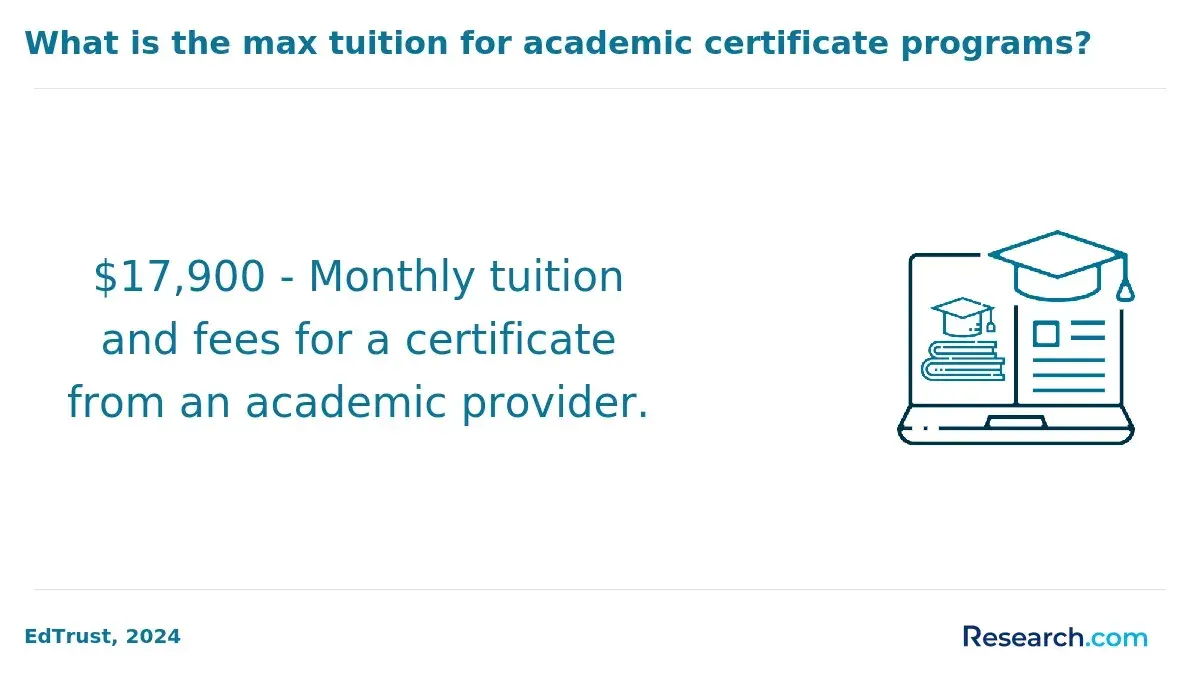
College Board's 2024 Trends in College Pricing reported average published tuition and fees of $11,610 for in-state students at public four-year institutions and $43,350 at private nonprofit four-year institutions for the 2024-25 academic year. Those figures are not specific to behavioral health management, but they are useful benchmarks for judging whether a quoted program price is unusually low, typical, or expensive.
The table below summarizes common time ranges and cost drivers so you can compare programs on total investment rather than headline tuition alone.
| Program type | Typical completion time | Main cost drivers | Ways to reduce cost |
| Certificate | Several months to about one year. | Credit count, graduate versus undergraduate level, employer reimbursement eligibility. | Choose stackable credits that can apply to a later degree. |
| Associate degree | About two years full time; longer part time. | Community college versus four-year pricing, online fees, textbooks, transfer planning. | Use community college credits and confirm bachelor's transfer pathways early. |
| Bachelor's degree | About four years full time; shorter with transfer credits. | Per-credit tuition, transfer-credit acceptance, practicum costs, technology fees. | Maximize transfer credits and compare in-state public options. |
| Master's degree | About one to three years depending on credit load. | Credit requirements, cohort model, residency fees, employer tuition support. | Ask about employer partnerships, scholarships, and accelerated course schedules. |
| Doctoral degree | Often three or more years. | Dissertation or capstone credits, residencies, research support, extended enrollment fees. | Choose only if the credential clearly supports your leadership or academic goal. |
To estimate real cost, request a complete cost-of-attendance breakdown and calculate how many credits you actually need after transfer evaluation. Include tuition, mandatory fees, books, software, background checks, internship expenses, travel for any residency, loan fees, and lost income if you reduce work hours.
Use this practical review before enrolling:
- Ask for the total program cost in writing based on your transfer-credit evaluation.
- Compare at least three accredited programs with similar degree levels and curriculum.
- Check whether employer tuition assistance, military benefits, scholarships, grants, or payment plans apply.
- Estimate monthly loan payments before borrowing and compare them with realistic salary ranges for your target role.
- Choose acceleration only if you can handle the workload without weakening grades, work performance, or family responsibilities.
What behavioral health management careers can these degrees prepare me for?
Behavioral health management degrees can support careers in clinics, hospitals, community mental health centers, addiction treatment programs, crisis services, telehealth companies, public health agencies, correctional health programs, schools, and nonprofits. The best fit depends on your degree level, prior experience, clinical background, and comfort with compliance-heavy environments.
The table below connects common roles with the kinds of responsibilities graduates may pursue. Job titles vary by employer, so focus on duties and qualifications rather than title alone.
| Career path | Typical responsibilities | Helpful background |
| Behavioral health program coordinator | Coordinate referrals, schedules, documentation, reporting, outreach, and program logistics. | Bachelor's degree, human services experience, EHR familiarity, communication skills. |
| Case management supervisor | Support case managers, monitor service plans, review documentation, and coordinate community resources. | Human services experience, supervision skills, knowledge of Medicaid or local service systems. |
| Clinic operations manager | Manage staffing workflows, patient access, billing coordination, quality metrics, and daily operations. | Healthcare administration coursework, operations experience, data and compliance skills. |
| Substance use program administrator | Oversee program policies, grants, outcomes reporting, staff coordination, and compliance requirements. | Addiction-services knowledge, nonprofit or public funding experience, regulatory awareness. |
| Quality improvement specialist | Track performance measures, analyze service gaps, support audits, and lead process-improvement projects. | Data literacy, quality improvement coursework, EHR reporting experience. |
| Behavioral health nonprofit manager | Manage budgets, grants, community partnerships, staff, fundraising support, and service delivery. | Leadership experience, grant knowledge, community engagement, financial management. |
| Integrated care administrator | Coordinate behavioral health services within primary care, hospitals, or population health programs. | Healthcare systems knowledge, care coordination experience, interprofessional communication. |
Project management is increasingly useful in behavioral health because organizations must launch telehealth workflows, implement EHR changes, prepare audits, manage grants, and redesign access processes. If you discover that you prefer cross-industry implementation work over healthcare-specific administration, a project management degree online may be another path to compare.
Career outcomes are strongest when the degree is paired with experience. If you are new to the field, consider entry-level roles such as behavioral health technician, intake specialist, administrative assistant, care coordinator, peer support worker, or community outreach assistant while studying. If you already work in healthcare or human services, use course projects to solve real workplace problems and build a portfolio.
What salary ranges and job outlook can behavioral health management graduates expect?
Salary depends on role, employer type, region, degree level, supervisory responsibility, and whether the job is administrative or clinical. A behavioral health management degree can point toward several occupational categories, so it is better to compare related labor-market data than rely on a single salary promise.
BLS May 2024 wage data places the median annual wage for medical and health services managers at $117,960. That figure reflects healthcare managers broadly, not only behavioral health, but it is useful for understanding the earning potential of roles with substantial administrative responsibility.
The table below summarizes related U.S. labor-market categories that often overlap with behavioral health management career paths.
| Related occupation | Median annual wage | Projected growth | How to interpret the data |
| Medical and health services managers | $117,960 | 29% from 2023 to 2033 | Most relevant for clinic, health system, operations, and senior administrative roles. |
| Social and community service managers | $78,240 | 8% from 2023 to 2033 | Relevant for nonprofit, community program, outreach, and human services leadership roles. |
| Substance abuse, behavioral disorder, and mental health counselors | $59,190 | 19% from 2023 to 2033 | Relevant for clinical counseling pathways, but licensure requirements usually apply. |
Use salary data carefully. A new graduate moving into a coordinator role may not start near a manager median, while an experienced clinician or administrator completing a master's degree may qualify for higher-responsibility roles sooner. Geography also matters because behavioral health funding, Medicaid policy, hospital systems, and nonprofit budgets differ across states.
The outlook is supported by several durable trends: rising demand for mental health and substance use services, telebehavioral health adoption, integrated care models, value-based reporting, and workforce shortages that require better scheduling, retention, and supervision. At the same time, funding instability and reimbursement complexity can make some behavioral health organizations financially challenging places to work.
How do behavioral health management degrees relate to licensing and certification requirements?
Behavioral health management degrees and behavioral health licenses are related but not interchangeable. A management degree can prepare you for administrative leadership, but it usually does not by itself qualify you to provide psychotherapy, diagnose mental disorders, or practice independently as a clinician.
The distinction matters because many students search for "behavioral health" programs without realizing that administrative, clinical, and paraprofessional pathways follow different rules. Before enrolling, identify the outcome you want.
| Goal | Typical education path | Licensure or certification issue |
| Manage a behavioral health program | Healthcare administration, human services management, public health, nonprofit leadership, or related degree. | Licensure may not be required for administrative roles, but employers may prefer healthcare experience. |
| Become a licensed counselor | Licensure-track counseling master's degree with required supervised clinical hours. | State board approval and exam requirements are central. |
| Become a licensed social worker | Social work degree from an appropriate accredited program. | Licensure level and supervised hours vary by state. |
| Work in addiction counseling | Addiction counseling, counseling, psychology, social work, or related pathway depending on state. | Certification and licensure requirements vary widely by state and credential level. |
| Become a psychiatric or behavioral health nurse leader | Nursing degree plus psychiatric, leadership, or healthcare administration preparation. | Nursing licensure is required for nursing practice. |
If you want a credentialed clinical career, contact the state licensing board before you apply. Ask whether the program's exact degree title, accreditation, course content, practicum hours, and online format meet requirements. Do not rely only on an admissions advisor's general statement, especially if you may move states.
For administrative careers, certifications may still help. Depending on your role, useful credentials may include healthcare management, project management, quality improvement, medical billing and coding, compliance, or nonprofit management certifications. These are usually not substitutes for state clinical licensure, but they can strengthen your management profile.
Other Things You Should Know About Behavioral Health Management
Yes, many online programs are designed for working adults. Look for asynchronous courses, part-time plans, predictable assignment schedules, and applied projects you can complete through your current workplace if allowed.
Diplomas typically do not specify whether a degree was earned online or in-person. Students in online behavioral health management programs receive equal recognition as those who complete traditional courses, although it's advisable to confirm with the specific institution.
Useful skills include spreadsheets, presentation tools, electronic health record navigation, scheduling systems, basic data dashboards, secure communication platforms, and familiarity with telehealth workflows.
Yes. Clinical experience can be valuable in management because you understand patient needs and frontline workflows. To transition, build skills in budgeting, supervision, compliance, quality improvement, and organizational leadership.
References
- Healthcare Administration Associate Degree https://www.baypath.edu/academics/undergraduate-programs/healthcare-administration-associate-degree/
- Behavioral Health Care Manager Training https://cocmtraining.westhealth.org/behavioral-health-care-manager-training
- Online DBH Programs – Online Doctor of Behavioral Health https://www.onlineeducation.com/healthcare/doctor-of-behavioral-health-programs
- Is an Online Bachelor’s Degree in Healthcare Management Right for You? | Miller-Motte College https://www.miller-motte.edu/blog/healthcare/is-an-online-bachelors-degree-in-healthcare-management-right-for-you/
- 10 Fulfilling Mental Health Careers You Can Train for Now | Palo Alto University https://paloaltou.edu/resources/blog/mental-health-careers-you-can-start-now
- 9 Mental Health Careers You Can Pursue with a BA https://www.nec.edu/news/9-mental-health-careers-you-can-pursue-with-a-ba
- Online Health Administration Degree Program | University of Phoenix https://www.phoenix.edu/online-healthcare-degrees/health-administration-bachelors-degree.html
- Online Degrees https://onlinecounselingprograms.com/online-counseling-degrees/
- Job Outlook and Salaries for Population Health Management | CUNE https://www.cune.edu/news/population-health-jobs
- Behavioral Health Workforce - Career Roadmap - Mayor's Office of Community Mental Health https://mentalhealth.cityofnewyork.us/workforce-career-roadmap