2027 Behavioral Health Management Careers That Reward Strong Systems Thinking

Co-Founder and Chief Data Scientist
Behavioral health systems need leaders who can connect clinical care, staffing, funding, data, compliance, and community services without losing sight of patients. SAMHSA's most recent national survey reported that 58.7 million U.S. adults experienced any mental illness, underscoring why coordinated behavioral health management matters.
This guide is for students, career changers, clinicians, and operations-minded professionals who want management roles in mental health or substance use services. You will learn which careers fit systems thinkers, what education paths make sense, and how to compare programs, costs, and career outcomes.
Key Things You Should Know
- Behavioral health management is strongest for people who can improve workflows, coordinate interdisciplinary teams, use data responsibly, and balance patient access with compliance and financial constraints.
- BLS May 2024 data places the median annual wage for medical and health services managers at $117,960, but behavioral health pay varies by setting, region, responsibility level, and whether the role is clinical or administrative.
- The fastest path depends on your starting point: certificates can help current professionals specialize, bachelor's degrees support entry-level coordination roles, and MHA, MPH, MSW, counseling, or healthcare MBA programs can support advancement into leadership.
What is behavioral health management and how does systems thinking shape this career field?
Behavioral health management is the planning, coordination, supervision, and improvement of services for mental health, substance use, crisis response, psychiatric rehabilitation, and integrated care programs. It sits between clinical practice and healthcare administration: managers may not provide therapy themselves, but they help make sure services are accessible, ethical, measurable, staffed, reimbursable, and aligned with patient needs.
Systems thinking is the ability to see how one decision affects the whole care environment. In behavioral health, a scheduling change can affect wait times, clinician burnout, crisis escalation, billing accuracy, patient engagement, and compliance reporting. A systems thinker looks for root causes instead of blaming a single person or department.
This field may appeal to people who like solving operational problems with human impact. If you are comparing systems-heavy career paths outside healthcare, an online construction management bachelors degree shows how another industry teaches coordination across people, budgets, timelines, risk, and compliance; behavioral health management uses similar thinking, but in care delivery settings where ethics, privacy, and patient safety are central.
Common behavioral health management responsibilities include translating policy into daily workflows, building referral networks, tracking quality measures, supervising case management or program staff, coordinating with insurers and public agencies, and using data to identify service gaps. The role rewards people who can move between details and strategy without oversimplifying complex patient needs.
Strong candidates usually develop these systems-thinking habits before they enter senior roles. The following capabilities matter because they shape whether a manager can improve care without creating new bottlenecks elsewhere:
- Process mapping: tracing how patients move from screening to intake, treatment, referral, discharge, and follow-up.
- Resource allocation: matching staffing, technology, funding, and community partnerships to real demand.
- Data-informed decision-making: using outcomes, utilization, and compliance metrics while recognizing that patient progress is not always linear.
- Stakeholder coordination: aligning clinicians, peer specialists, families, payers, regulators, schools, courts, hospitals, and community agencies.
- Risk management: reducing privacy, documentation, safety, billing, and continuity-of-care problems before they become crises.
What behavioral health management careers most rely on strong systems thinking skills?
Behavioral health management is not one job title. It includes administrative, program, clinical operations, quality, care coordination, and policy roles. The best fit depends on whether you want to supervise people, improve systems, manage data, lead clinical programs, or coordinate community services.
The table below summarizes career paths where systems thinking is especially valuable. Use it to compare the kind of problems each role solves before choosing a degree or certificate.
| Career path | Typical responsibilities | Why systems thinking matters | Common entry background |
| Behavioral health program manager | Oversees mental health, substance use, outreach, residential, or crisis programs | Connects staffing, budget, outcomes, contracts, compliance, and community access | Bachelor's or master's in healthcare administration, public health, social work, psychology, or counseling-related fields |
| Clinical operations manager | Improves scheduling, intake, documentation, utilization, and interdisciplinary workflows | Finds bottlenecks that affect patient access, clinician workload, and reimbursement | Healthcare administration, nursing, counseling, social work, or operations experience |
| Care coordination or case management supervisor | Leads teams that connect patients to treatment, housing, benefits, medical care, and community support | Manages complex service networks where one missed handoff can disrupt care | Human services, social work, psychology, public health, or peer support leadership |
| Quality improvement specialist | Tracks outcomes, audits documentation, supports accreditation, and improves service quality | Turns data into workflow changes without reducing care to checkboxes | Healthcare quality, analytics, public health, compliance, or clinical administration |
| Behavioral health compliance manager | Monitors privacy, licensing, documentation, payer rules, and regulatory requirements | Builds guardrails that protect patients and organizations without blocking access | Healthcare administration, legal studies, compliance, health information, or clinical operations |
| Integrated care manager | Coordinates behavioral health within primary care, hospitals, FQHCs, or value-based care models | Aligns medical, behavioral, social, and payment systems around patient outcomes | Public health, healthcare management, nursing, social work, psychology, or care management |
For early-career candidates, the most realistic starting points are often care coordinator, intake supervisor, community program coordinator, utilization review assistant, or quality support specialist. For licensed clinicians, the transition often starts with lead clinician, clinical supervisor, utilization manager, or program director responsibilities.
A common mistake is choosing a role only because it sounds senior. A better approach is to match the role to the type of system you want to improve. For example, if you enjoy data and compliance, quality improvement may fit better than direct program supervision. If you prefer community partnerships and service access, care coordination leadership may be a stronger match.
What degrees and training do you need for behavioral health management roles?
The education you need depends on whether the target role is administrative, clinical, supervisory, or executive. Some behavioral health managers start with human services experience and a bachelor's degree, while others move into management after earning a counseling, social work, nursing, public health, or healthcare administration graduate degree.
For professionals who want business leadership roles in provider organizations, payer organizations, or integrated healthcare systems, an online MBA healthcare pathway can make sense when the curriculum includes healthcare finance, operations, analytics, leadership, and regulatory topics. It may be less appropriate for someone whose goal is independent clinical licensure, which usually requires a state-approved clinical degree and supervised hours.
The table below compares common education routes. It is designed to help you avoid overpaying for a credential that does not match your intended job level.
| Education option | Best fit | Typical career use | Important limitation |
| Certificate in behavioral health administration, healthcare management, quality, or compliance | Working professionals who already have a degree or relevant experience | Specialization, promotion readiness, or skill update | Usually not enough by itself for senior leadership or clinical licensure |
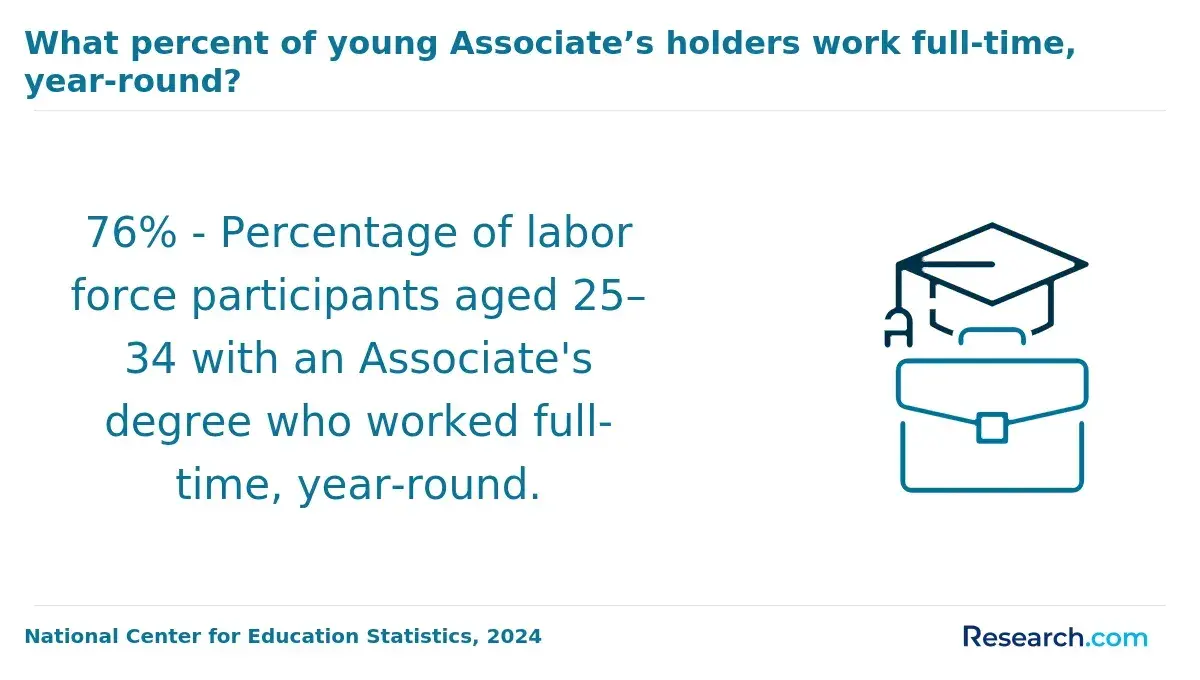
| Associate degree in human services, health information, or behavioral health support | Students seeking entry-level healthcare or support roles | Intake, records, community support, administrative coordination | Management roles often require additional education or experience |
| Bachelor's degree in healthcare administration, psychology, human services, public health, or social work | Entry-level coordinator and program support candidates | Program coordination, case management support, operations assistant roles | Clinical roles may require graduate education and licensure |
| Master of Health Administration, Master of Public Health, MBA in healthcare, or related management master's | Professionals targeting operations, executive, policy, or administrative leadership | Program manager, operations manager, director-level tracks | May not qualify you to provide therapy unless paired with a clinical credential |
| MSW, counseling, marriage and family therapy, psychology, or psychiatric nursing graduate pathway | People who want clinical practice plus leadership potential | Clinical supervisor, program director, integrated care leader | Licensure requirements vary by state and can include exams and supervised practice |
Before enrolling, decide whether your primary goal is management, clinical practice, analytics, compliance, or public-sector program leadership. Then check job postings in your region and compare the required degree, preferred credential, license expectations, and years of experience.
Practical next steps can help you choose the right training path without guessing:
- Collect 10 to 15 job postings for roles you want within the next five years.
- Highlight repeated requirements, including degree level, software skills, licensure, supervisory experience, and quality or compliance knowledge.
- Choose the lowest-cost credential that credibly satisfies those requirements while preserving future advancement options.
- Ask each school whether internships, practicums, capstones, or employer partnerships include behavioral health settings.
- Confirm whether the program is designed for administrative careers, clinical licensure, or both.
How do online behavioral health management programs compare to campus-based options?
Online behavioral health management programs can be a strong option for working adults, caregivers, rural students, and current healthcare employees who need flexibility. Campus-based programs may be better for students who want structured networking, local internships, in-person faculty access, or a more traditional graduate school environment.
If you already work in healthcare and want a faster administrative credential, accelerated MHA programs online may be worth comparing with standard master's programs. The trade-off is intensity: shorter timelines often require heavier weekly workloads and less room for schedule disruptions.
The table below compares online and campus formats using decision factors that matter for behavioral health management students.
| Factor | Online programs | Campus-based programs | Decision tip |
| Schedule flexibility | Often better for working adults and students with irregular schedules | Usually follows fixed class times and campus calendars | Choose online if time flexibility is essential to staying enrolled |
| Field experience | May allow local placements, employer-based projects, or virtual capstones | May have stronger local agency relationships near campus | Ask how the school helps secure behavioral health placements |
| Networking | Depends on live sessions, cohort model, alumni access, and faculty engagement | Often easier to build relationships through in-person events | Do not assume online means weak networking; ask for examples |
| Learning style | Works best for self-directed students who can manage deadlines independently | Works well for students who benefit from routine and face-to-face support | Be honest about your ability to study without weekly in-person accountability |
| Cost control | May reduce commuting and relocation costs | May offer assistantships or local practicum access in some graduate programs | Compare total cost, not only tuition |
Online programs are not automatically easier or lower quality. The strongest online options provide clear faculty access, applied assignments, supervised fieldwork when relevant, career services, and transparent outcomes. The weakest options rely heavily on recorded lectures, vague career promises, or limited support for internships.
Common red flags include unclear accreditation, no explanation of practicum placement support, limited behavioral health coursework, aggressive enrollment pressure, and refusal to provide total cost estimates. If a program claims it will qualify you for licensure, verify that claim directly with the relevant state board before enrolling.
What should you look for in accreditation and program quality for this field?
Accreditation matters because it affects credit transfer, employer recognition, graduate school eligibility, and access to federal financial aid. For behavioral health management, you should look at both institutional accreditation and program-specific accreditation when applicable.
Institutional accreditation should come from a U.S. Department of Education-recognized accrediting agency. Programmatic accreditation depends on the degree type. For example, healthcare management programs may seek CAHME accreditation at the graduate level, public health programs may seek CEPH accreditation, social work programs may seek CSWE accreditation, and counseling programs may seek CACREP accreditation. Not every strong administrative program has every specialized accreditation, but the program should be transparent about what it does and does not hold.
Quality indicators are especially important in behavioral health because management roles involve vulnerable populations, privacy requirements, payer rules, and clinical-administrative coordination. Use the following checklist when comparing schools:
- Accreditation transparency: the school clearly identifies institutional and any programmatic accreditation, including current status.
- Behavioral health relevance: coursework, faculty expertise, projects, or placements connect directly to mental health, substance use, integrated care, or community health systems.
- Applied learning: the program includes case studies, capstones, practicums, simulations, or employer-based projects instead of only theory.
- Faculty access: students can interact with instructors who understand healthcare operations, behavioral health policy, quality improvement, or clinical systems.
- Career transparency: the school can explain common job outcomes without promising employment or salary results.
- Transfer and credit policies: the program states how prior credits, military training, professional certifications, or work-based learning are evaluated.
Avoid choosing a program based only on rankings, advertisements, or speed. A cheaper or faster program can be a poor investment if it does not support your target role, while a more expensive program may not be worth it if the added cost does not improve placement support, field experience, alumni access, or credential alignment.
What core courses and competencies are taught in behavioral health management programs?
Behavioral health management programs blend healthcare administration with behavioral health context. The strongest curricula help students understand both the human side of care and the operational systems that make care possible.
Data and records skills are increasingly important because behavioral health organizations rely on electronic health records, outcomes reporting, payer documentation, and privacy-compliant information sharing. Students who want to build this foundation earlier may compare a health information management associate degree online with broader human services or healthcare administration pathways.
The courses below are common in management-oriented programs. Course names vary by school, but the competencies are the key point.
| Course or competency area | What students learn | Why it matters in behavioral health management |
| Behavioral health systems and policy | How public, private, nonprofit, and community-based systems deliver mental health and substance use services | Managers need to understand funding, access, regulation, and service gaps |
| Healthcare finance and reimbursement | Budgeting, payer models, grants, revenue cycles, and cost control | Programs must remain financially sustainable while protecting patient access |
| Quality improvement and outcomes measurement | Process improvement, performance indicators, documentation review, and patient outcome tracking | Leaders need to improve care using evidence without oversimplifying patient progress |
| Ethics, privacy, and compliance | HIPAA, confidentiality, informed consent, documentation standards, and organizational risk | Behavioral health records and crisis situations require careful governance |
| Leadership and workforce management | Supervision, conflict resolution, staffing models, burnout prevention, and team communication | High-quality care depends on stable, supported, interdisciplinary teams |
| Health analytics and information systems | Dashboards, EHR workflows, utilization data, and reporting tools | Managers increasingly use data to monitor access, equity, outcomes, and compliance |
| Integrated care and care coordination | Collaboration across primary care, hospitals, social services, crisis teams, and community agencies | Patients often need coordinated support across multiple systems |
AI and automation are beginning to affect this field through documentation support, predictive analytics, appointment reminders, call center routing, and quality monitoring. Managers do not need to become software engineers, but they do need enough digital literacy to evaluate tools, protect privacy, avoid biased implementation, and keep human judgment central in clinical decisions.
To prepare for real management work, prioritize programs that teach you to apply concepts to messy scenarios. For example, a good assignment might ask you to reduce no-show rates without reducing access for patients who lack transportation, stable housing, or broadband. That kind of systems problem is closer to real behavioral health management than a simple memorization exam.
What are typical admission requirements for behavioral health management degree programs?
Admission requirements vary by degree level, school selectivity, and whether the program is administrative or clinical. Administrative behavioral health management programs usually emphasize academic readiness, professional goals, and relevant experience. Clinical programs may have stricter prerequisites, interviews, background checks, and state-specific licensure alignment.
The table below shows typical requirements so you can prepare early and avoid last-minute application problems.
| Program level | Common admission requirements | What to prepare |
| Certificate | High school diploma, associate degree, bachelor's degree, or work experience depending on the certificate level | Resume, short statement of goals, transcripts, and proof of current employment if required |
| Associate degree | High school diploma or GED, placement assessment, basic application, and transcripts | Transfer credits, financial aid documents, and any healthcare background requirements |
| Bachelor's degree | High school diploma or prior college credits, transcripts, application essay, and sometimes minimum GPA | Transfer evaluation, prerequisite planning, and evidence of volunteer or work experience if available |
| Master's degree in healthcare administration, public health, or healthcare MBA | Bachelor's degree, transcripts, resume, personal statement, recommendations, and sometimes professional experience | Clear career goals, quantitative readiness, leadership examples, and employer tuition support options |
| Clinical master's degree | Bachelor's degree, prerequisite coursework, recommendations, interview, statement of purpose, and sometimes human services experience | State licensure research, field placement expectations, background check readiness, and supervised-hour requirements |
If your GPA is lower than the preferred range, do not assume you are out of options. Some schools consider professional experience, recent coursework, certifications, military service, or strong recommendations. You can also take a lower-cost prerequisite or certificate course first to demonstrate readiness.
Before applying, take these practical steps:
- Ask admissions whether the program is designed for administrative leadership, clinical licensure, or both.
- Request a transfer credit review before committing to a start date.
- Confirm whether fieldwork can be completed near your home or workplace if you study online.
- Compare application deadlines with financial aid, employer reimbursement, and licensure board timelines.
- Keep copies of syllabi from prior courses in case the school needs them for transfer evaluation.
How long do behavioral health management programs take, and what do they cost?
Program length and cost vary widely by credential level, institution type, enrollment pace, transfer credits, and whether the program requires clinical fieldwork. The most useful comparison is total cost to completion, not advertised tuition per credit.
College Board's 2024 Trends in College Pricing data listed average published tuition and fees for in-state students at public four-year institutions at $11,610 for the academic year. That figure is a helpful benchmark, but your actual cost can differ after grants, scholarships, employer tuition benefits, transfer credits, technology fees, books, and living expenses.
The table below summarizes typical timelines and cost drivers. Use it as a planning tool, then request a program-specific cost sheet from each school.
| Credential | Typical full-time timeline | Cost factors to compare | Best cost-control strategy |
| Certificate | A few months to one year | Per-credit tuition, employer reimbursement eligibility, included materials, and whether credits apply to a degree | Choose stackable certificates that can count toward a future degree when possible |
| Associate degree | About two years | Community college tuition, transfer agreements, online fees, books, and practicum expenses | Use transfer pathways to reduce bachelor's degree cost |
| Bachelor's degree | About four years, less with transfer credits | Residency status, transfer credits, institutional aid, course fees, and internship requirements | Maximize accepted credits before starting upper-division coursework |
| Master's degree | One to three years depending on pace and format | Credit requirements, tuition per credit, practicum or capstone costs, travel, and lost work time | Compare part-time, employer-funded, and accelerated options against workload demands |
| Clinical licensure pathway | Graduate degree plus supervised post-degree experience | Tuition, practicum requirements, exam fees, supervision costs, and state licensing fees | Confirm licensure alignment before enrolling and budget beyond graduation |
The biggest financial mistake is comparing only tuition. A program with lower tuition can become more expensive if it accepts fewer transfer credits, requires unpaid fieldwork that reduces your work hours, or charges high fees. A program with higher tuition may be more manageable if it offers employer partnerships, scholarships, predictable scheduling, or strong placement support.
To evaluate return on investment, compare the credential cost against realistic next-step roles, not ideal senior positions that may require years of experience. Ask schools for examples of recent graduate job titles, but treat salary outcomes as context rather than a promise.
What salaries and advancement opportunities can behavioral health management professionals expect?
Salaries in behavioral health management depend on job title, setting, region, funding source, degree level, licensure, supervisory scope, and years of experience. Administrative leaders in hospitals or large health systems may earn more than managers in small community nonprofits, while licensed clinical supervisors may follow different pay structures than operations managers.
BLS May 2024 Occupational Employment and Wage Statistics reported a median annual wage of $117,960 for medical and health services managers. This broad category includes many healthcare settings, so it should be used as a benchmark for management potential rather than a behavioral health-specific guarantee.
The table below places common behavioral health management-adjacent roles in salary context using BLS occupational categories where available. Actual compensation can differ by employer and local labor market.
| Related BLS occupation | May 2024 median annual wage | How it relates to behavioral health management |
| Medical and health services managers | $117,960 | Closest broad benchmark for healthcare operations, department, clinic, and program leadership roles |
| Social and community service managers | $78,240 | Relevant for nonprofit, community mental health, outreach, housing-linked, and human services leadership |
| Substance abuse, behavioral disorder, and mental health counselors | $59,190 | Useful context for clinical staff roles that may lead to supervisory or program director tracks |
| Health information technologists and medical registrars | $67,310 | Relevant for data, records, reporting, and compliance-oriented pathways in behavioral health organizations |
Advancement usually happens in stages. Entry-level professionals may begin in intake, care coordination, administrative support, case management support, utilization review, or quality assistant roles. Mid-career professionals may move into supervisor, program manager, compliance specialist, or operations manager positions. Senior professionals may advance to director of behavioral health services, executive director, vice president of clinical operations, or integrated care leadership.
To improve advancement potential, build a portfolio of measurable systems improvements. Examples include reducing intake delays, improving documentation timeliness, strengthening referral follow-up, standardizing crisis response procedures, improving staff onboarding, or creating dashboards that help leaders make better decisions. Employers often value proof that you can improve a system without sacrificing patient-centered care.
What is the job outlook and demand for behavioral health management careers in the U.S.?
Demand for behavioral health management is shaped by mental health need, substance use treatment demand, workforce shortages, value-based care, telehealth, crisis response expansion, and integration of behavioral health into primary care. The field needs leaders who can make services more coordinated, measurable, and sustainable.
The BLS employment outlook for medical and health services managers projects much faster-than-average growth, with 29% growth expected from 2023 to 2033. For readers, this suggests broad demand for healthcare managers, but it does not mean every behavioral health role or region will grow at the same pace.
Several U.S. trends are influencing hiring expectations in behavioral health management:
- Integrated care models: more organizations are coordinating mental health, substance use, primary care, and social services, creating demand for managers who understand cross-system workflows.
- Telebehavioral health normalization: virtual care requires leaders who can manage access, privacy, documentation, scheduling, and quality across hybrid service models.
- Workforce strain: behavioral health organizations need supervisors who can support retention, reduce burnout, and design sustainable staffing models.
- Data and accountability: payers, regulators, and funders increasingly expect outcome tracking, quality reporting, and evidence of access improvement.
- Crisis care expansion: mobile crisis, 988-related services, stabilization units, and community response models require coordination across healthcare, public safety, and social services.
The outlook is strongest for professionals who combine behavioral health knowledge with operations, finance, quality improvement, compliance, analytics, or leadership skills. It may be more difficult for candidates who have only general management training and no understanding of privacy, reimbursement, clinical workflows, or community-based care.
If you are deciding whether to pursue this path, choose it because you want to solve complex service-delivery problems, not only because healthcare management appears to be growing. The work can be rewarding, but it often involves funding limits, staffing shortages, urgent patient needs, and regulatory pressure. Strong systems thinkers can make a meaningful difference precisely because those constraints are real.
Other Things You Should Know About Behavioral Health Management
Yes, you can work in behavioral health management without being a licensed therapist. Many roles, like program managers, coordinators, and policy makers, emphasize strong systems thinking and organizational skills over clinical credentials in 2027.
It can be. Managers often deal with crisis services, staff burnout, limited resources, and high-need populations. The role is a better fit if you can stay organized, communicate calmly, and support teams without taking every problem home personally.
Most employers look for both, but the balance depends on the role. Entry-level coordinator jobs may emphasize experience and a bachelor's degree, while director-level or executive roles often prefer graduate education plus several years of healthcare or behavioral health leadership.
Start by choosing a target setting, such as community mental health, substance use treatment, hospitals, integrated care, or nonprofit services. Then compare job postings, identify repeated requirements, and choose a credential that closes those gaps without exceeding what the role actually requires.
References
- Behavioral Health Care Manager Training https://cocmtraining.westhealth.org/behavioral-health-care-manager-training
- The Systems Thinker – The Thinking in Systems Thinking: Eight Critical Skills - The Systems Thinker https://thesystemsthinker.com/%EF%BB%BFthe-thinking-in-systems-thinking-eight-critical-skills/
- Do Higher Wages, Benefits, and Career Development Reduce Turnover in Behavioral Health? https://behavioralhealthnews.org/do-higher-wages-benefits-and-career-development-reduce-turnover-in-behavioral-health/
- How Systems Thinking Can Transform Workplace Well-Being https://www.mindsharepartners.org/blog/how-systems-thinking-can-transform-workplace-well-being
- Behavioral Health Care Manager Competencies for the Collaborative Care Model https://westhealthmosaic.com/articles/behavioral-health-care-manager-competencies-for-the-collaborative-care-model
- Mental Health Licensure, Certification & Degree Requirements https://www.publichealthonline.org/mental-health/
- 9 Mental Health Careers You Can Pursue with a BA https://www.nec.edu/news/9-mental-health-careers-you-can-pursue-with-a-ba
- Behavioral Health Programs https://www.cigna.com/employers/behavioral-health
- A Complete Guide to Careers in Behavioral Health Fields https://behavioralhealth.careers/blog/careers-in-behavioral-health-guide/
- Online vs Hybrid vs Campus Learning in Healthcare: Which Is Right for You? https://www.edumed.org/articles/online-vs-hybrid-vs-campus/