2027 Best Online Master's in Behavioral Health Management for Students Without a Management Background

Co-Founder and Chief Data Scientist
Choosing a behavioral health management master's without prior management experience can feel risky: you want leadership mobility, but you may not know whether you are "qualified enough" to start. The timing is strong: the U.S. Bureau of Labor Statistics projects medical and health services manager employment to grow 29% from 2023 to 2033, much faster than average.
This guide explains program fit, admissions, online formats, cost, accreditation, career outcomes, and licensing limits so you can compare programs realistically and choose the best path for your goals.
Key Things You Should Know
- Non-managers can qualify for many online behavioral health management master's programs if they show relevant healthcare, human services, psychology, social work, public health, nonprofit, or administrative experience.
- The strongest career alignment is with behavioral health operations, program management, compliance, care coordination leadership, and health services management; BLS reported a May 2024 median annual wage of $117,960 for medical and health services managers.
- Before enrolling, verify institutional accreditation, total tuition and fees, fieldwork expectations, and whether the degree supports your intended credential path; federal Direct Unsubsidized Loans for graduate students are capped at $20,500 per academic year.
What is an online master's in behavioral health management and who is it designed for?
An online master's in behavioral health management is a graduate degree focused on leading programs, teams, budgets, operations, quality initiatives, and compliance work in mental health, substance use, integrated care, community health, and social service settings. It is different from a counseling or clinical psychology degree because its center of gravity is organizational leadership rather than direct therapy licensure.
The best programs for students without a management background usually combine healthcare administration, behavioral health policy, finance, supervision, ethics, data-informed decision-making, and program evaluation. Some are offered as concentrations within health administration, public health, social work administration, human services, or healthcare management programs. If you are still comparing broader healthcare leadership options, an online health admin degree can help you understand how behavioral health management fits inside the larger healthcare administration field.
This degree is often designed for working adults who already understand people-facing service environments but need formal training in management. Good-fit applicants may include case managers, behavioral health technicians, peer support specialists, nurses, social workers, substance use program staff, nonprofit coordinators, human services employees, medical office staff, and psychology or public health graduates.
It may be less suitable if your primary goal is to become a licensed therapist, psychologist, or clinical social worker and the program does not include the required clinical curriculum, supervised practice, and state-specific licensure preparation. In that case, a counseling, marriage and family therapy, clinical social work, or psychology program may be the more direct route.
The table below summarizes common program types so you can match the degree format to your career goal rather than choosing based only on the title.
| Program type | Best fit | Typical focus | Potential limitation |
| MS in Behavioral Health Management | Students targeting behavioral health operations or program leadership | Behavioral health systems, supervision, compliance, finance, quality improvement | May not meet clinical licensure requirements |
| MHA with behavioral health electives | Students who want healthcare leadership roles across settings | Healthcare administration, policy, finance, analytics, operations | Behavioral health content may be limited to electives |
| MPH with behavioral health or community health focus | Students interested in population health, prevention, and public programs | Epidemiology, health promotion, program evaluation, policy | Less focused on internal management and budgeting |
| MSW administration track | Social work professionals moving into agency leadership | Social welfare policy, program administration, advocacy, human services leadership | Clinical and macro requirements vary by program |
| MBA in healthcare management | Students prioritizing business leadership in healthcare organizations | Strategy, accounting, operations, finance, organizational leadership | May include less behavioral health-specific policy or clinical context |
Can I pursue behavioral health management online if I lack prior management experience?
Yes, many students enter behavioral health management programs without having supervised employees or managed a budget. Programs often look for readiness for graduate study and relevant exposure to healthcare, behavioral health, public service, nonprofit work, or administrative responsibilities. Prior management experience can strengthen an application, but it is not always a requirement.
What matters most is whether you can show that your background connects to leadership potential. A case manager who has coordinated care plans, a behavioral health technician who has documented patient progress, or a nonprofit staff member who has supported grant reporting may already have practical experience that can translate into management training.
If your background is very early-stage, build evidence before applying. Admissions committees and future employers will want to see that you understand service delivery, accountability, and teamwork. These steps can make your application more credible:
- Ask for small leadership assignments at work, such as coordinating schedules, training new staff, tracking outcomes, or preparing quality reports.
- Complete short courses or certificates in healthcare compliance, project management, data analysis, motivational interviewing, or trauma-informed care.
- Use your statement of purpose to explain why behavioral health leadership is your goal and how your non-management experience prepared you for it.
- Request recommendations from supervisors who can speak to reliability, judgment, communication skills, and readiness for greater responsibility.
- Compare bridge-friendly programs that include introductory management, healthcare finance, and organizational behavior courses rather than assuming you need an MBA first.
A common mistake is assuming that "no management background" means "not competitive." A better question is whether the program teaches foundational management or assumes students already know budgeting, staff supervision, and operations. If you need broader preparation before graduate school, a project manager bachelor degree online may be useful for building planning, coordination, and workflow skills earlier in your education path.
You should also be honest about career timing. A master's can help you compete for coordinator, supervisor, analyst, or program manager roles, but it may not immediately place you into senior leadership if you have little work history. The degree works best when paired with progressive experience in behavioral health or healthcare operations.
What admission requirements do online behavioral health management programs typically have?
Admissions requirements vary by school, but most online master's programs require a bachelor's degree from an accredited institution, transcripts, a resume, a statement of purpose, and letters of recommendation. Some programs prefer applicants with healthcare, human services, psychology, social work, public health, business, criminal justice, or nonprofit experience, but they may not require a specific undergraduate major.
Programs designed for working adults may waive standardized tests or make them optional. Instead of focusing on the GRE or GMAT, they may evaluate professional maturity, writing ability, undergraduate GPA, leadership potential, and mission fit. If your GPA is below the preferred range, some schools may offer conditional admission, require a writing sample, or ask you to complete prerequisite coursework.
Before applying, use the requirements to judge whether the program is truly beginner-friendly for aspiring managers. Pay attention to the following items because they affect both admission and your likelihood of succeeding after enrollment:
- Prerequisites: Check whether the program expects prior coursework in statistics, healthcare systems, psychology, accounting, or research methods.
- Professional experience: Look for wording such as "preferred" versus "required," especially if you have service experience but no formal management title.
- Field placement or practicum rules: Some programs require worksite projects, internships, or applied capstones that may be easier if you are already employed in a related setting.
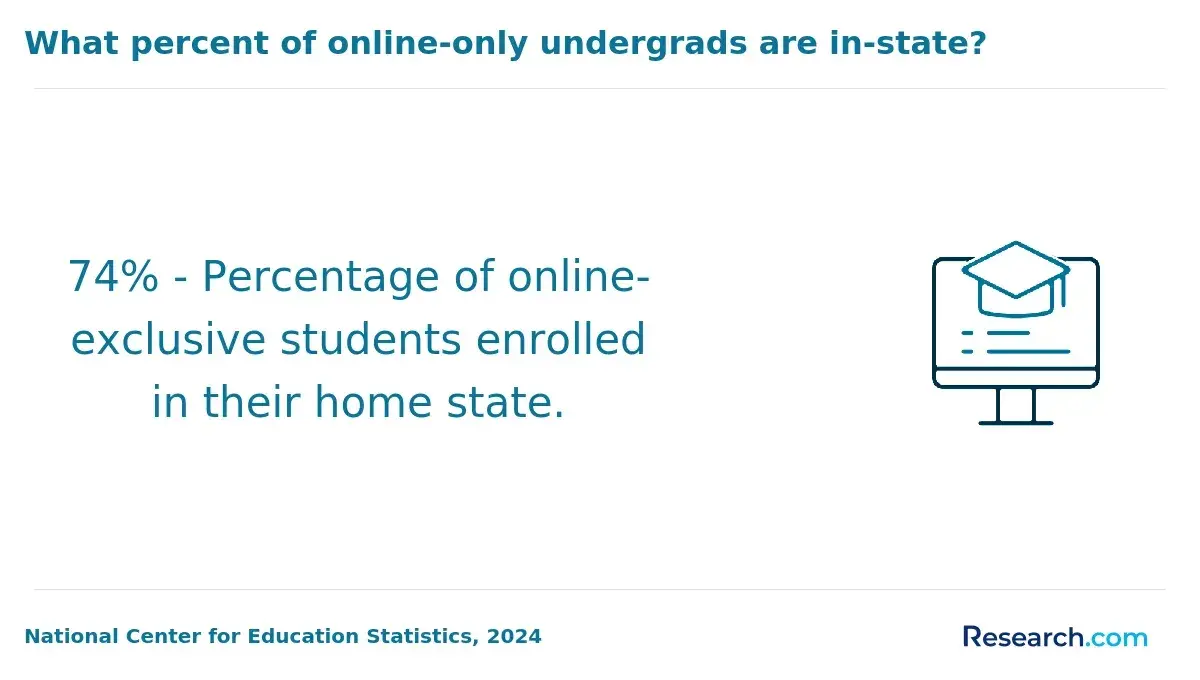
- State authorization: Online programs must be authorized to enroll students in your state, and fieldwork rules can vary by location.
- Application narrative: Your essay should connect your background to behavioral health leadership, not simply state that you want a higher salary.
A red flag is a program that admits almost anyone but provides little advising, no transparent curriculum map, unclear faculty qualifications, or vague career outcomes. Easy admission is not the same as a good fit. For students without a management background, academic support, career coaching, and applied assignments are especially important.
How do online behavioral health management programs differ from campus-based options?
Online and campus-based behavioral health management programs can cover similar academic content, but they differ in scheduling, networking, fieldwork logistics, and how students build professional relationships. The best choice depends on your work schedule, local opportunities, learning style, and need for structure.
The table below compares major decision factors. Use it to identify which format supports your current responsibilities and career stage rather than assuming one format is automatically better.
| Factor | Online program | Campus-based program | Best for |
| Schedule | Often asynchronous or evening-friendly | Fixed class times and campus attendance | Working adults may prefer online; full-time students may prefer campus structure |
| Networking | Virtual discussions, remote faculty access, online alumni groups | In-person events, local employer connections, informal peer interaction | Campus can help if you want local networks; online can help if you need geographic flexibility |
| Applied projects | Often completed at your workplace or a local organization | May be coordinated through campus partners | Online fits employed students; campus may help career changers needing placement support |
| Learning style | Requires self-direction and time management | Provides more built-in routine | Online works for disciplined learners; campus works for students who need structure |
| Access | Can enroll without relocating if authorized in your state | Limited by commuting or relocation | Online is often better for rural students or those near few graduate programs |
Online learning is not automatically easier. It can be more convenient, but it often requires stronger planning because coursework competes with work and family responsibilities. Students without management experience should look for programs with live faculty access, structured group projects, career services, and feedback-heavy assignments, not just recorded lectures.
Campus-based programs may be stronger if you need in-person mentoring, local internships, or regular interaction with classmates. However, they can be harder to manage if you work irregular shifts in a hospital, residential facility, crisis service, or community agency.
A practical way to decide is to ask whether the program format helps you build management evidence while you study. If you can apply assignments to your current workplace, an online program may produce immediate value. If you need a new network to enter behavioral health, a campus program with strong local placement relationships may be worth the commute.
What core courses and specializations are included in behavioral health management curricula?
Behavioral health management curricula usually blend healthcare administration with behavioral health systems knowledge. For students without a management background, the most valuable courses are the ones that translate service experience into leadership competence: budgeting, compliance, supervision, operations, outcomes measurement, and ethical decision-making.
The table below shows common curriculum areas and why they matter in real behavioral health organizations.
| Curriculum area | What students study | Why it matters in behavioral health management |
| Behavioral health systems | Mental health and substance use service models, integrated care, community-based care | Helps managers understand how programs coordinate across clinical, social, and medical needs |
| Healthcare finance | Budgeting, reimbursement, payer mix, grants, cost control | Supports decisions about staffing, service sustainability, and resource allocation |
| Leadership and supervision | Team dynamics, conflict management, workforce development, performance feedback | Prepares non-managers to supervise staff ethically and effectively |
| Quality improvement | Outcome measures, patient safety, process improvement, reporting | Connects program performance to funding, compliance, and client outcomes |
| Law, ethics, and compliance | Privacy, documentation, risk management, mandated reporting, organizational ethics | Reduces risk in highly regulated behavioral health settings |
| Data and informatics | Electronic health records, dashboards, analytics, population health data | Helps managers use evidence instead of relying only on anecdotal impressions |
Specializations vary, but common options include addiction services management, integrated behavioral healthcare, nonprofit leadership, healthcare quality, population health, public health administration, social services leadership, or organizational development. Students targeting business-heavy leadership may also compare online MBA programs healthcare management if they want deeper training in finance, strategy, and executive decision-making.
For non-managers, the strongest curriculum is usually applied rather than purely theoretical. Look for case studies, simulations, practicum projects, capstones, and assignments tied to real operational problems such as reducing appointment no-shows, improving documentation quality, redesigning intake workflows, or evaluating a community program.
Artificial intelligence and analytics are also becoming more relevant. Behavioral health managers increasingly work with electronic health records, telehealth platforms, scheduling systems, outcome dashboards, and compliance data. A good program should teach data literacy and ethical technology use, but it should not imply that software can replace clinical judgment, privacy obligations, or culturally responsive care.
How long do online behavioral health management programs take and what do they cost?
Most online master's programs in behavioral health management or related healthcare administration fields take about one to three years, depending on credit load, transfer credit, calendar structure, and whether you study full time or part time. Accelerated programs can be appealing, but students without management experience may benefit from a steadier pace that leaves time to apply new concepts at work.
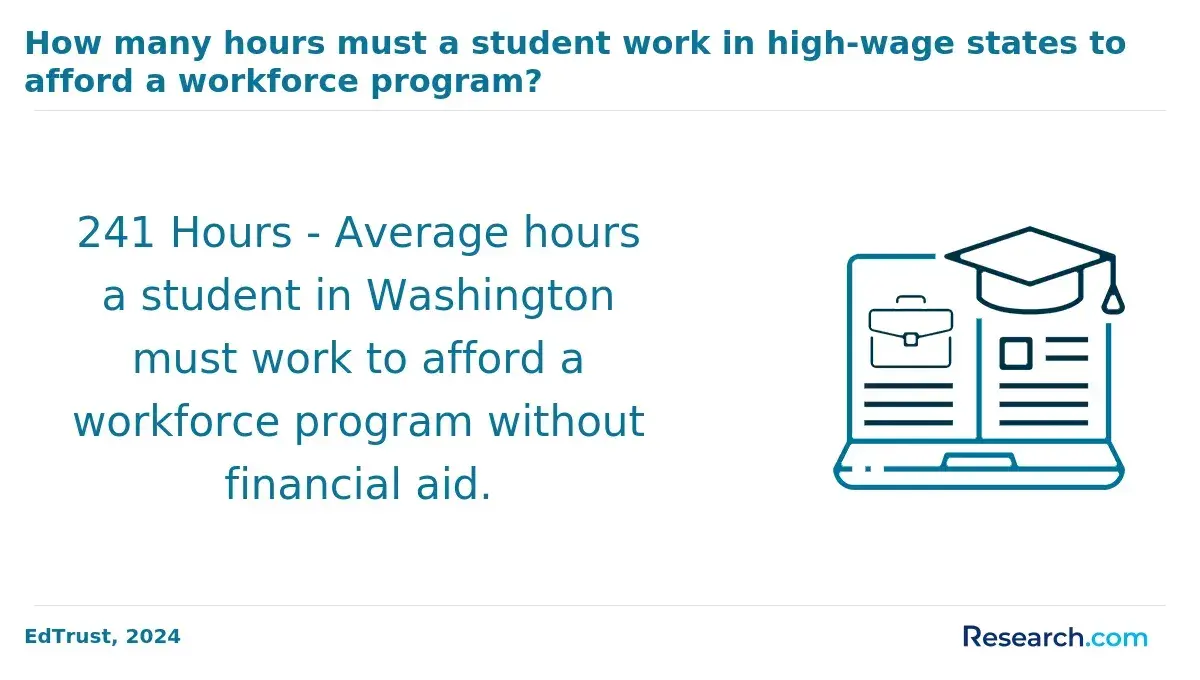
Cost varies widely because schools price programs by credit, term, or flat-rate tuition. You should compare total program cost rather than only per-credit tuition. Include required fees, textbooks, technology charges, travel for any residencies, background checks, field placement expenses, and the income impact of reducing work hours.
One useful benchmark is federal borrowing capacity. Graduate students may borrow up to $20,500 per academic year through Direct Unsubsidized Loans, subject to eligibility rules. If a program's annual cost exceeds that amount, you may need savings, employer tuition assistance, scholarships, payment plans, or Graduate PLUS Loans, which can increase long-term repayment pressure.
Use this sequence to estimate the real cost before you apply:
- Find the total number of required credits, not just the advertised tuition rate.
- Multiply credits by tuition and add mandatory fees listed by the school.
- Ask whether online students pay separate distance-learning, technology, or proctoring fees.
- Confirm whether any campus visits, intensives, or local practicum expenses are required.
- Subtract grants, scholarships, tuition remission, employer benefits, and realistic out-of-pocket payments before estimating loans.
- Compare the remaining debt with the types of jobs you are likely to pursue after graduation.
The trade-off between affordable and accelerated programs is important. A lower-cost part-time program may be better if you can keep earning income and avoid excess borrowing. An accelerated program may make sense if you already work in behavioral health, have strong support, and need the credential quickly for an internal promotion or leadership track.
Common cost mistakes include focusing only on tuition, ignoring interest and repayment, assuming employer reimbursement is automatic, or choosing a program before checking whether credits will transfer if you need to pause. Ask admissions and financial aid offices for a complete cost-of-attendance estimate in writing.
How do I evaluate accreditation and quality for online behavioral health management degrees?
Accreditation is one of the first quality checks for any online behavioral health management program. At minimum, the institution should hold recognized institutional accreditation because it affects federal financial aid eligibility, credit transfer, employer acceptance, and admission to future doctoral or certificate programs.
Programmatic accreditation is more specialized. Some related programs may hold accreditation connected to healthcare management, public health, social work, counseling, or business, depending on the degree type. Not every behavioral health management program will have a dedicated programmatic accreditor, so you should evaluate both accreditation and practical program quality.
Before enrolling, follow these steps to reduce the risk of choosing a weak or mismatched program:
- Verify the school's institutional accreditation through official accreditor or federal databases rather than relying only on marketing pages.
- Ask whether the specific degree, concentration, or online modality is covered by the school's accreditation status.
- Check whether the curriculum matches your goal: operations leadership, clinical licensure, nonprofit administration, public health, or healthcare management.
- Review faculty backgrounds for behavioral health leadership, healthcare administration, compliance, social services, or applied research experience.
- Ask for student support details, including advising, writing help, career services, practicum coordination, and access to faculty.
- Request outcome information such as completion rates, graduate roles, employer partnerships, and internship or capstone examples.
Red flags include unclear accreditation language, pressure-heavy admissions calls, vague tuition disclosures, no named faculty, no curriculum sequence, promises of guaranteed jobs, or claims that the degree automatically qualifies you for licensure in every state. Quality programs are transparent about what the degree can and cannot do.
For students without management experience, quality also means scaffolding. A strong program should introduce management fundamentals before advanced strategy, finance, or analytics courses. If the curriculum assumes prior supervisory experience, ask how students new to management are supported.
What jobs can I get with a behavioral health management master's and what do they pay?
A behavioral health management master's can support movement into supervisory, administrative, and program leadership roles, especially when paired with relevant work experience. It is not a shortcut around experience requirements, but it can help you qualify for roles that require graduate-level knowledge of healthcare systems, compliance, budgeting, and service delivery.
The table below summarizes common roles connected to behavioral health management. Salary figures are national BLS May 2024 median wages for broader occupational categories, so actual pay varies by state, employer, setting, union status, funding model, and years of experience.
| Role | Typical responsibilities | Relevant BLS wage category | May 2024 median annual wage |
| Behavioral health program manager | Oversee service lines, staff workflows, outcomes reporting, budgets, and compliance tasks | Medical and health services managers | $117,960 |
| Clinical operations manager | Coordinate scheduling, intake, documentation quality, access metrics, and cross-functional operations | Medical and health services managers | $117,960 |
| Social or community services manager | Manage community programs, nonprofit services, outreach teams, grants, and partner relationships | Social and community service managers | $78,240 |
| Quality improvement coordinator | Track performance measures, support audits, improve care processes, and prepare reports | Medical and health services managers | $117,960 |
| Substance use program supervisor | Support staff supervision, compliance, client flow, documentation, and program evaluation | Social and community service managers | $78,240 |
| Care coordination manager | Lead teams coordinating behavioral health, medical, social, and community services | Medical and health services managers | $117,960 |
Early-career graduates without management experience may first move into lead coordinator, assistant program manager, compliance analyst, operations specialist, or quality improvement associate roles. Mid-career professionals may be more competitive for direct supervisory or department-level roles, especially if they already understand clinical workflows and payer requirements.
Skills often matter as much as the degree title. Employers may look for experience with electronic health records, documentation standards, privacy requirements, team leadership, grant reporting, crisis service workflows, Medicaid or insurance reimbursement, and cross-agency collaboration. The strongest candidates can translate compassion for clients into operational decisions that improve access, quality, and accountability.
Salary should be evaluated cautiously. National medians describe broad occupations, not guaranteed outcomes for a specific degree. Behavioral health organizations also vary widely: a large health system, managed care organization, government agency, or private provider may pay differently than a small nonprofit or community program.
What is the job outlook and industry demand for behavioral health management professionals?
Demand is supported by two overlapping trends: the expansion of healthcare management needs and the ongoing need for mental health and substance use services. BLS projects medical and health services manager employment to grow 29% from 2023 to 2033, which signals strong demand for professionals who can manage care delivery, staffing, compliance, and operational performance.
Behavioral health organizations are also adapting to integrated care, telehealth, value-based payment, workforce shortages, and data reporting requirements. Managers who understand both service quality and operations are increasingly important because organizations must show that programs are accessible, compliant, financially sustainable, and effective.
Technology is changing the work but not eliminating the need for human leadership. AI-assisted documentation, scheduling analytics, risk stratification tools, and dashboards can help managers identify bottlenecks or monitor outcomes. However, behavioral health leaders still need to interpret data ethically, protect privacy, support staff, and avoid using automation in ways that worsen inequities or reduce quality of care.
Operations knowledge can be a differentiator. If your intended role is less clinical and more focused on workflow, efficiency, systems improvement, and service delivery, comparing an online MBA operations management pathway may help you decide whether a business-oriented degree or a behavioral health-focused degree better fits your target job.
The labor market is promising, but it is not uniform. Rural providers, community mental health centers, hospitals, government agencies, managed care organizations, residential treatment programs, and nonprofit providers may all hire behavioral health managers, but they differ in salary, advancement structure, and credential expectations. Review job postings in your state before choosing a specialization.
How does a behavioral health management master's fit into licensing or certification pathways?
A behavioral health management master's is usually a leadership credential, not a clinical licensure degree. This distinction is crucial. If you want to diagnose mental health conditions, provide psychotherapy independently, or bill as a licensed clinician, you must follow the licensure rules for your state and profession.
Licensure pathways such as licensed professional counselor, licensed clinical social worker, marriage and family therapist, psychologist, or substance use counselor typically require specific coursework, supervised clinical hours, exams, and state board approval. A management-focused degree may not include the required clinical content or supervised practice, even if it includes behavioral health courses.
Certifications may still be useful depending on your role. Behavioral health managers sometimes pursue credentials in healthcare management, project management, quality improvement, compliance, case management, addiction services administration, or nonprofit leadership. These credentials can complement a degree, but they usually do not replace licensure when a job legally requires a clinical license.
Use this checklist before enrolling if credentials matter to your goal:
- Identify the exact job title you want, then review several current job postings in your state.
- Separate "preferred" credentials from legally required licenses.
- Contact the relevant state licensing board if you plan to pursue clinical practice.
- Ask the university to confirm in writing whether the program is designed to meet any licensure requirements.
- Compare the curriculum with state-required coursework, practicum, internship, and supervision rules.
- Consider a dual path only if you can manage the extra time, fieldwork, and cost.
A common mistake is choosing a behavioral health management program because it sounds clinical, then discovering later that it does not meet licensure requirements. The safer approach is to decide first whether you want to manage programs, provide clinical services, or eventually do both. That decision should guide your degree choice.
Other Things You Should Know About Behavioral Health Management
Many universities do not label the diploma as online, but policies vary. Ask the registrar how the degree appears on the diploma and transcript before enrolling if this matters to you.
Students can typically access resources such as mentorship programs, career counseling, and fundamental management courses to enhance their skills. Additionally, online libraries, tutoring services, and digital collaboration tools are available to support academic success and skill-building.
Many online students do, especially in part-time programs. The key is choosing a course load that fits your schedule and confirming whether group projects, live sessions, or fieldwork have fixed time requirements.
Ask about total cost, accreditation, state authorization, practicum expectations, support for students new to management, faculty access, career services, and whether the curriculum aligns with your intended job path.
References
- Beyond Access: The Crucial Role of Independent Accreditation in Behavioral Health https://www.springhealth.com/blog/the-crucial-role-of-independent-accreditation-in-behavioral-health
- Behavioral Health Hiring Outlook 2026 | HCRI https://hcrnetwork.com/behavioral-health-hiring-outlook-2026-what-employers-need-to-know/
- Become a Mental Health Counselor https://socialworklicensemap.com/social-work-resources/become-mental-health-counselor/
- Mental Health Counselor Jobs and Salary | Mental Health Counselor Degree Programs https://www.appliedbehavioranalysisedu.org/jobs-related-to-applied-behavior-analysis/what-is-mental-health-counseling/
- Online vs Hybrid vs Campus Learning in Healthcare: Which Is Right for You? https://www.edumed.org/articles/online-vs-hybrid-vs-campus/
- Social and Behavioral Health https://www.publichealthdegrees.org/specializations/social-behavioral-science/
- Ultimate Guide to Mental Health & SUD Treatment Credentialing — Behavehealth.com https://behavehealth.com/blog/mental-health-substance-use-credentialing-guide
- Behavioral Health Accreditation FAQ | NCQA https://www.ncqa.org/programs/health-plans/behavioral-health-accreditation/faq/
- Core Curriculum Healthcare Education Integration - Substance Use | SAMHSA https://www.samhsa.gov/substance-use/treatment/resources/provider-support/core-curriculum
- Online DBH Programs – Online Doctor of Behavioral Health https://www.onlineeducation.com/healthcare/doctor-of-behavioral-health-programs