2027 How to Choose an Online Behavioral Health Management Degree as a Career Changer

Co-Founder and Chief Data Scientist
Changing careers into behavioral health can be confusing because management, counseling, psychology, and social work lead to different credentials and jobs. The need is real: the U. S. Bureau of Labor Statistics reported a May 2024 median salary of $117,960 for medical and health services managers, a group that includes many behavioral health operations leaders.
This guide is for adults comparing online degree options, costs, accreditation, admissions, and career outcomes so they can choose a program that matches their goals instead of overpaying for the wrong credential.
Key Things You Should Know
- An online behavioral health management degree is best for career changers who want to manage programs, staff, quality, compliance, budgets, or patient access rather than provide independent therapy.
- Accreditation matters because clinical licensure paths usually require specific programmatic standards, while nonclinical management roles usually depend more on institutional accreditation, experience, and employer requirements.
- Career outcomes vary by role: BLS May 2024 data lists $117,960 as the median salary for medical and health services managers and $78,240 for social and community service managers, but entry-level behavioral health roles may pay less.
What is an online behavioral health management degree and how does it support career changers?
An online behavioral health management degree prepares students to coordinate, supervise, and improve services for people receiving mental health, substance use, developmental disability, crisis response, or community-based care. Unlike a clinical counseling degree, the main focus is not diagnosing or treating clients. It is about making behavioral health programs work: staffing, scheduling, case flow, compliance, quality improvement, funding, patient experience, and collaboration across providers.
For career changers, this degree can be a practical bridge into healthcare because it values transferable skills. People coming from business, education, human resources, criminal justice, public administration, social services, insurance, or customer operations may already understand communication, documentation, teams, regulations, and service delivery. The degree adds behavioral health context and healthcare-specific management knowledge.
The best fit depends on the level of education you already have and the role you want next. This table summarizes common options so you can avoid choosing a degree that is either too broad or too clinical for your goal.
| Program type | Typical fit for career changers | Best use | Important limitation |
| Certificate in behavioral health or healthcare administration | Adults who already have a degree or healthcare experience | Testing the field, adding targeted knowledge, or qualifying for internal promotions | May not meet degree requirements for management postings |
| Associate degree | Adults seeking entry-level human services, case support, or patient access roles | Starting quickly and building transfer credits toward a bachelor's degree | Usually limited for supervisory roles |
| Bachelor's degree | Career changers without a healthcare bachelor's credential | Preparing for coordinator, program assistant, intake, compliance support, or team lead roles | Clinical licensure usually requires graduate study |
| Master's degree | Adults with a bachelor's degree who want management advancement | Preparing for program manager, operations manager, director, or policy-oriented roles | Requires careful ROI review because tuition and opportunity costs are higher |
A strong program should help you answer three questions before you enroll: what job title are you targeting, what credential does that job usually require, and whether the program's coursework and field experience match that target.
How does behavioral health management differ from counseling, psychology, and social work careers?
Behavioral health management is an administrative and leadership path. Counseling, psychology, and social work can be clinical paths, depending on the degree and license. This distinction matters because many career changers use similar search terms but need very different programs.
If your goal is to become a licensed therapist, counselor, psychologist, or clinical social worker, a behavioral health management degree by itself is usually not the right credential. If your goal is to supervise programs, improve access, manage operations, or lead service delivery teams, behavioral health management may be more aligned. Adults comparing broader healthcare leadership options may also look at an online masters in healthcare management if they want a degree that can apply across hospitals, clinics, insurers, and long-term care settings.
The differences are easier to see when you compare role purpose, typical credentials, and daily work.
| Path | Main focus | Typical education direction | Common work activities |
| Behavioral health management | Program operations and service delivery | Healthcare administration, behavioral health administration, public health, human services management | Managing staff schedules, budgets, intake workflows, compliance, reporting, partnerships, and quality improvement |
| Counseling | Therapeutic services for individuals, groups, or families | Usually a licensure-aligned counseling master's degree | Assessment, treatment planning, therapy sessions, documentation, and supervision hours |
| Psychology | Human behavior, assessment, research, or clinical practice | Varies from bachelor's to doctoral study depending on role | Research, testing, evaluation, therapy, organizational consulting, or academic work |
| Social work | Client advocacy, systems support, casework, policy, or clinical services | BSW or MSW, with licensure requirements for clinical practice | Case management, resource coordination, advocacy, therapy in clinical roles, and community programs |
A common mistake is choosing a management degree because it sounds related to mental health, then later discovering that it does not qualify for licensure. Before enrolling, compare the degree title, curriculum, fieldwork, and state licensing requirements against your intended job title.
What education, skills, or background do career changers need for behavioral health management?
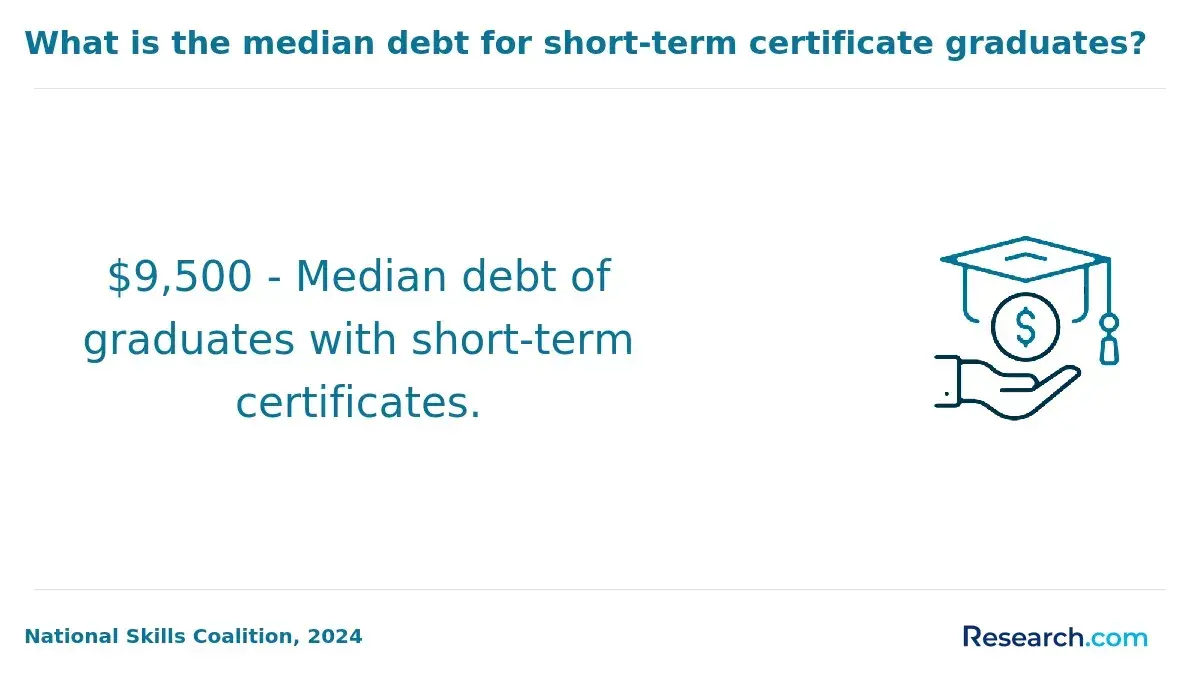
Career changers do not always need a clinical background to enter behavioral health management, but they do need credibility in service delivery, operations, people management, compliance, or community systems. Employers often look for a mix of education and practical judgment because behavioral health programs involve vulnerable populations, regulated funding, privacy rules, and interdisciplinary teams.
Your starting point should shape the degree level you choose. A bachelor's degree can help you enter the field, while a master's degree is more useful when you already have professional experience and want to compete for leadership roles.
| Previous background | Transferable strengths | Likely education move | Smart first target role |
| Business, operations, or project management | Budgeting, workflow improvement, supervision, performance metrics | Graduate certificate or master's degree with behavioral health electives | Operations coordinator or program manager |
| Education or youth services | Communication, family engagement, documentation, crisis awareness | Bachelor's completion or master's in human services management | Community program coordinator |
| Customer service or call center leadership | Scheduling, service recovery, team metrics, client communication | Bachelor's degree or certificate plus healthcare compliance coursework | Intake supervisor or access coordinator |
| Healthcare support or medical office experience | HIPAA awareness, patient flow, EHR familiarity, billing exposure | Bachelor's or master's degree depending on current credential | Behavioral health clinic lead or care coordination supervisor |
| Human services or case management | Client advocacy, community resources, documentation, interdisciplinary collaboration | Master's degree for advancement | Program supervisor or service line coordinator |
Before choosing a program, evaluate whether it will help you build the skills employers expect in behavioral health settings. The most useful skill areas usually include both human-centered judgment and operational discipline.
- Healthcare compliance and privacy, including HIPAA-informed documentation and ethical handling of sensitive client information.
- Program operations, including staffing, referrals, intake workflows, waitlists, vendor coordination, and performance reporting.
- Budget and funding awareness, especially for nonprofit agencies, Medicaid-funded programs, grants, and community partnerships.
- Behavioral health literacy, including common service models, crisis response systems, substance use treatment structures, trauma-informed care, and integrated care.
- Leadership and communication, including conflict resolution, supervision, cultural responsiveness, and collaboration with clinicians.
Career changers should avoid programs that are too theoretical if they need an employment pivot. Look for assignments, simulations, capstones, or practicums that produce portfolio evidence such as a quality improvement plan, compliance audit, workflow redesign, or community needs assessment.
How do online behavioral health management programs compare to campus-based options for adults?
Online programs can work well for adults because they reduce relocation barriers and often make it easier to keep working. Campus-based programs may be better when you need local networking, in-person labs, structured support, or a placement pipeline tied to nearby behavioral health providers.
The right choice depends less on prestige and more on fit: schedule, fieldwork access, transfer credits, instructor availability, and employer recognition. This comparison highlights the practical trade-offs adults should weigh before applying.
| Decision factor | Online program advantage | Campus-based advantage | What career changers should check |
| Schedule | Often better for full-time workers and caregivers | More fixed structure for students who need routine | Whether classes are asynchronous, synchronous, or hybrid |
| Networking | Can connect students across regions and healthcare settings | Often stronger for local employer relationships | Whether the school hosts virtual career events and employer panels |
| Field experience | May allow placements near the student's home | May have established local placement partners | Who is responsible for finding and approving practicum sites |
| Student support | Convenient advising, tutoring, and library access if well designed | In-person access to faculty, peers, and campus services | Response times for advising, tech support, and placement coordination |
| Cost | May reduce commuting and relocation costs | May provide local scholarships or assistantships | Total cost, not just tuition per credit |
Online learning is not automatically easier. Adults should ask specific questions before enrolling so they know whether the format supports their life and career transition.
- Ask how many hours per week students typically spend on one course.
- Confirm whether exams, group meetings, or live classes require attendance at fixed times.
- Ask whether online students receive the same career services as campus students.
- Find out whether practicum or capstone projects can be completed with your current employer.
- Request examples of recent employer partners, job titles, or capstone projects connected to behavioral health management.
A red flag is a program that describes itself as flexible but cannot clearly explain time expectations, placement support, or online student services. Flexibility should be operational, not just a marketing phrase.
What accreditation should behavioral health management programs have to support licensure and careers?
At minimum, an online behavioral health management degree should come from an institution accredited by an agency recognized by the U.S. Department of Education or the Council for Higher Education Accreditation. Institutional accreditation affects credit transfer, graduate school eligibility, employer recognition, and access to federal financial aid.
Programmatic accreditation is more complicated because behavioral health management is often nonclinical. A management-focused program may not need the same accreditation as counseling or social work, but clinical licensure programs usually do. If you are also interested in health data, privacy, coding, analytics, or revenue cycle work in behavioral health organizations, a CAHIIM accredited HIM degree online may be a better fit than a general behavioral health management program.
Use this table to separate accreditation that supports general career credibility from accreditation tied to specific regulated professions.
| Accreditation or approval area | Most relevant for | Why it matters | Career changer caution |
| Institutional accreditation | All degree seekers | Supports federal aid eligibility, credit transfer, and employer recognition | Do not rely only on a school's marketing language; verify the accreditor |
| CAHME | Healthcare management graduate programs | Signals alignment with healthcare administration standards | More common in MHA programs than behavioral health-specific degrees |
| CACREP | Counseling programs | Often relevant for counseling licensure pathways | A management degree without CACREP alignment may not support counseling licensure |
| CSWE | Social work programs | Important for social work education and licensure pathways | Behavioral health administration is not the same as an MSW |
| CEPH | Public health programs | Useful for population health, prevention, policy, and community health roles | May be less focused on clinic operations unless the curriculum includes management |
The safest approach is to work backward from your target role. If the job requires a license, ask the state board and the school to confirm whether the degree meets educational requirements. If the job is nonclinical, focus on institutional accreditation, curriculum relevance, internships, employer partnerships, and graduate outcomes.
What courses, practicums, and specializations are included in behavioral health management degrees?
Behavioral health management programs usually combine healthcare administration, behavioral health systems, ethics, leadership, finance, and community services. The strongest programs do not treat behavioral health as an abstract topic; they connect coursework to real operational problems such as access delays, crisis response coordination, staff turnover, documentation quality, and funding constraints.
Course titles vary by school, but career changers should look for coverage in several core areas. These subjects help determine whether the degree prepares you for management work rather than only general human services knowledge.
- Behavioral health systems and policy, including mental health services, substance use treatment, integrated care, and community-based delivery models.
- Healthcare finance and budgeting, including payer mix, grants, Medicaid-related funding concepts, and resource allocation.
- Quality improvement and outcomes measurement, including performance indicators, client satisfaction, access metrics, and continuous improvement methods.
- Legal, ethical, and compliance issues, including privacy, documentation, mandated reporting concepts, and risk management.
- Human resources and supervision, including team leadership, staffing models, burnout prevention, and interdisciplinary communication.
- Health information systems, including EHR workflows, reporting, data quality, and technology-supported care coordination.
Practicums and capstones are especially important for career changers because they create applied experience. A practicum may place you with a behavioral health agency, nonprofit, hospital department, community organization, insurer, or government program. A capstone may let you solve a management problem through research and implementation planning.
Specializations can make a program more useful if they match your target employer. Common options include substance use services, community mental health, healthcare administration, public health, nonprofit leadership, health informatics, trauma-informed systems, and integrated care. Avoid choosing a specialization only because it sounds interesting; choose it because it supports a job title you can identify in your region or remote job market.
What are typical admission requirements for online behavioral health management programs?
Admission requirements depend on degree level, school selectivity, and whether the program is clinical or administrative. Online programs for working adults may offer multiple start dates and transfer-friendly policies, but legitimate programs still require documentation that shows you are prepared for college-level or graduate-level work.
Most applicants should expect to provide a combination of academic records and career materials. Review these requirements early because transcript delays, prerequisite gaps, or unclear transfer credit rules can affect your start date and cost.
- Official transcripts from prior colleges, and sometimes high school records for undergraduate applicants.
- A minimum GPA requirement, which varies by school and may be flexible for applicants with strong work experience.
- A resume showing healthcare, human services, management, volunteer, military, or related professional experience.
- A statement of purpose explaining why you want to move into behavioral health management and what role you are targeting.
- Letters of recommendation, especially for graduate programs or selective cohorts.
- Prerequisite coursework in areas such as statistics, psychology, healthcare systems, or writing, depending on the program.
- Background checks or immunization documentation if the program includes field placement in healthcare or community service settings.
Career changers should pay close attention to transfer credit and prior learning assessment. A school that accepts previous credits, professional training, military education, or certifications may reduce both time and cost. However, do not assume all credits will transfer; ask for a written transfer evaluation before committing.
A useful admissions conversation should go beyond whether you can get in. Ask whether your background fits the outcomes of the program, whether graduates with similar experience have moved into your target roles, and what additional experience you may need before applying for management jobs.
How long do online behavioral health management degrees take, and what do they cost?
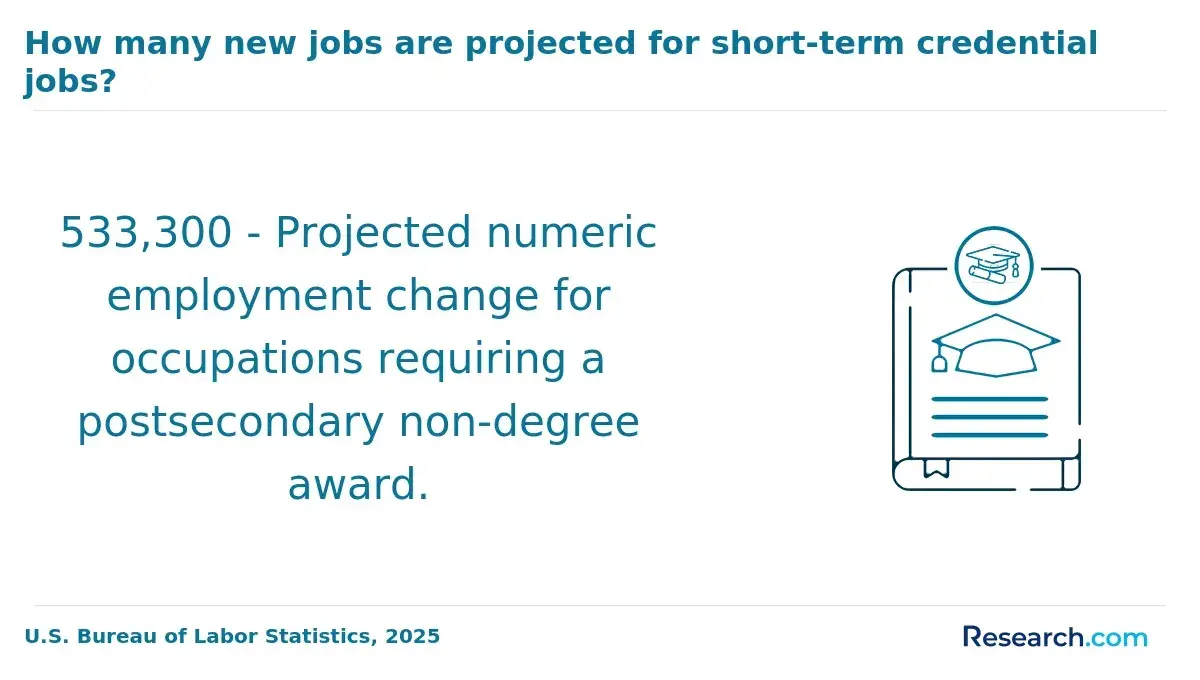
Program length depends on degree level, transfer credits, course load, and whether the school uses traditional semesters or accelerated terms. For working adults, the fastest program is not always the best choice because heavy course loads can reduce time for internships, networking, and job searching.
Costs also vary widely, so compare total program price rather than only tuition per credit. College Board's 2024 Trends in College Pricing reported average published tuition and fees of $11,610 for in-state students at public four-year institutions and $43,350 at private nonprofit four-year institutions for the 2024-25 academic year. Those figures are not behavioral health-specific, but they show why institution type, residency, and aid can significantly change the final price.
- Certificate programs may cost less overall because they require fewer credits, but they may not qualify you for degree-required roles.
- Bachelor's completion programs often cost less when you transfer substantial prior credit.
- Master's programs usually require a higher upfront investment but may align better with supervisory or director-level goals.
- Public universities may offer lower in-state tuition, while private nonprofit universities may offer institutional grants that narrow the difference.
- Extra costs can include technology fees, books, background checks, practicum expenses, travel to optional residencies, and graduation fees.
The timeline and cost trade-offs are clearer when compared by program type.
| Program type | Common completion time | Cost drivers | Best fit |
| Certificate | Several months to about one year | Number of credits, graduate vs undergraduate level, employer reimbursement eligibility | Adults adding behavioral health knowledge to an existing degree |
| Associate degree | About two years full time | Community college tuition, transfer pathway, books, online fees | Students starting from limited college credit |
| Bachelor's completion degree | About one to three years depending on transfer credits | Accepted credits, residency rules, tuition per credit, course load | Career changers who need a bachelor's credential for coordinator or lead roles |
| Master's degree | About one to three years depending on pace | Credit requirements, practicum expectations, employer tuition support, private vs public tuition | Professionals seeking management advancement |
Accelerated formats can be helpful if you have strong time management and a clear career goal. If you are comparing speed-focused online programs across different career paths, reviewing how an accelerated construction management degree is structured can help you understand the broader trade-off between shorter terms, workload intensity, and career alignment.
To reduce cost, start with transfer evaluation, employer tuition assistance, federal aid eligibility, scholarships for adult learners, and public university options. Avoid borrowing based on best-case salary assumptions; use conservative salary estimates for the roles you can realistically pursue after graduation.
What jobs, salaries, and advancement opportunities follow a behavioral health management degree?
A behavioral health management degree can support roles in outpatient mental health centers, substance use treatment programs, hospitals, community agencies, crisis service organizations, public health departments, managed care organizations, nonprofits, and residential care providers. The exact job level depends on your degree, experience, state requirements, and whether the role is clinical or nonclinical.
Salary data should be used as context, not a promise. BLS May 2024 data lists the median annual wage for medical and health services managers at $117,960 and for social and community service managers at $78,240. Behavioral health managers may fall into either broad category depending on employer and duties, while entry-level coordinators and case support roles may be lower. Readers comparing adjacent healthcare administration paths may also want to review health information management bachelor degree salary information because HIM roles can overlap with compliance, privacy, reporting, and healthcare operations.
The table below shows common career directions and how a behavioral health management degree may support them.
| Role | Typical responsibilities | Degree usefulness | Advancement path |
| Behavioral health program coordinator | Supports scheduling, referrals, documentation workflows, reporting, and community partnerships | Strong fit for bachelor's graduates or career changers entering the field | Program manager or operations supervisor |
| Intake or access supervisor | Manages front-end client access, eligibility, waitlists, call workflows, and staff performance | Useful for applicants with customer operations or healthcare support experience | Access manager or clinic operations manager |
| Community services manager | Oversees programs, staff, budgets, grants, and service outcomes | Strong fit for bachelor's plus experience or master's-level preparation | Director of programs or nonprofit executive leadership |
| Behavioral health operations manager | Coordinates staffing, quality improvement, compliance, productivity, and service delivery | Often stronger with graduate study and relevant healthcare experience | Director of behavioral health operations |
| Quality improvement or compliance specialist | Reviews processes, documentation, policies, incidents, audits, and performance metrics | Useful when the curriculum includes analytics, compliance, and healthcare systems | Compliance manager or quality director |
Advancement usually comes from combining the degree with field experience. Career changers can improve their odds by taking entry points seriously: intake, care coordination, program support, quality assistant, or clinic operations roles can build the behavioral health context needed for management.
AI and digital tools are also changing expectations. Managers increasingly need comfort with electronic health records, dashboards, telehealth workflows, automated scheduling, and data-informed quality improvement. These tools do not replace ethical leadership, but they make data literacy more important for promotion.
How is the job outlook for behavioral health management professionals in the United States?
The outlook is generally favorable because behavioral health demand is tied to mental health access, substance use treatment needs, integrated care, Medicaid-funded services, crisis response systems, and workforce coordination. However, demand varies by region, funding environment, employer type, and whether the role requires clinical credentials.
BLS projections released for 2023-2033 show medical and health services managers growing by 29%, much faster than the average for all occupations. For career changers, this suggests strong demand for healthcare leadership, but it does not mean every behavioral health management graduate will immediately qualify for a high-level role. Employers still weigh experience, supervision history, compliance knowledge, and local service needs.
Use job outlook data together with local labor market research. Before enrolling, search postings in your target area and compare requirements for at least three role levels.
- Review entry-level postings such as behavioral health coordinator, intake specialist, care coordination assistant, or program assistant.
- Review mid-level postings such as program supervisor, clinic lead, access supervisor, or quality improvement specialist.
- Review advanced postings such as behavioral health operations manager, director of programs, or service line administrator.
- Note repeated requirements, including degree level, years of experience, license preferences, EHR skills, grant experience, or supervisory background.
- Choose the program that closes the most important gaps instead of the program with the most attractive marketing claims.
One common red flag is relying only on national salary and growth numbers. National data is useful for direction, but your decision should also include local employer demand, licensure rules, placement support, total debt, and your willingness to start below management level while you gain behavioral health experience.
Other Things You Should Know About Behavioral Health Management
Many employers accept online degrees when the institution is properly accredited and the program is relevant to the role. What matters most is whether you can show practical skills, field experience, strong references, and familiarity with behavioral health operations.
Often, yes, especially in asynchronous programs. Still, adults should ask about weekly workload, live class requirements, group projects, and practicum scheduling before enrolling because field experience may require daytime availability.
A certificate alone might not suffice for a full career switch into behavioral health management in 2027. While certificates can enhance skills and knowledge, a comprehensive degree provides the necessary depth and is often required by employers for advanced positions in the field.
Usually no. If your end goal is therapy, start by researching licensure-aligned counseling, social work, marriage and family therapy, or psychology programs in your state. Behavioral health management is better suited to operations, supervision, and program leadership.
References
- Counseling vs. Social Work | Comparisons and Differences https://www.tuw.edu/school-news/counseling-vs-social-work-differences/
- Effectiveness of Telebehavioral vs In-Person Counseling - European Society of Medicine https://esmed.org/effectiveness-of-telebehavioral-vs-in-person-counseling/
- Healthcare Management Careers: Opportunities at Every Level https://www.edumed.org/medical-careers/healthcare-management/
- 9 Mental Health Careers You Can Pursue with a BA https://www.nec.edu/news/9-mental-health-careers-you-can-pursue-with-a-ba
- Career Options and Salaries https://www.stonehill.edu/programs/healthcare-management/career-options-and-salaries-vont/
- Home https://www.husson.edu/online/blog/2025/11/types-of-mental-health-counseling-specializations
- Online vs On-Campus HIM Programs: How to Choose | Health Information Management Programs https://healthinformationmanagementprograms.com/guides/online-vs-campus-him-programs/
- Social Work vs. Counseling https://socialworklicensemap.com/social-work-resources/comparing-social-service-degrees/social-work-vs-counseling/
- Ultimate Guide to Mental Health & SUD Treatment Credentialing — Behavehealth.com https://behavehealth.com/blog/mental-health-substance-use-credentialing-guide
- Mental Health Counselor Job Outlook and Salary | Bradley University Online https://onlinedegrees.bradley.edu/blog/mental-health-counselor-job-outlook