2027 Paying for an Online Ed.D. in Leadership and Learning in Organizations: A Leave of Absence and Tuition Liability
Audited and Verified:
Our Editorial and Data Verification Process
Research.com uses government datasets, official education statistics and primary institutional information to support its career and degree guides. Our review process checks factual accuracy, occupational definitions, source dates and the requirements associated with the credentials discussed.
How This Article Was Fact-Checked
Our editorial team verifies salary estimates, employment projections, education requirements and program information against original data providers and official organizations. Salary figures are checked against the relevant occupational definitions and reporting periods. Information about licensure, accreditation and required in-person training is reviewed separately.
Fact-checked and verified on:

Co-Founder and Chief Data Scientist
A leave of absence can stop future Ed.D. enrollment without erasing tuition already charged. That distinction matters if work, health, caregiving, or finances interrupt an online leadership and learning doctorate.
This guide is for prospective and enrolled students who need to understand what they may still owe, how aid and employer support could change, and which written policies control the answer. It also shows how to compare the cost of a temporary pause with withdrawing or continuing at a slower pace.
Key Things You Should Know
- An approved academic leave does not automatically cancel tuition for classes already underway; the effective withdrawal date and published refund schedule usually determine current-term charges.
- Federal aid, loan status, and employer reimbursement can change independently of the university's tuition bill. Get separate written answers from the student accounts, financial aid, and employer benefits offices.
- For federal student aid purposes, an approved leave generally cannot exceed 180 days in a 12-month period and must meet additional conditions; a university may have a different academic leave policy.
What Is an Online Ed.D. in Leadership and Learning in Organizations?
An Ed.D. in leadership and learning in organizations is a practice-oriented doctorate focused on how people learn at work, how organizations change, and how leaders use evidence to improve practice. An online program may combine remote coursework with live meetings, group work, or campus convenings. "Online" describes delivery, not necessarily self-paced attendance.
The degree may suit an established learning and development professional or organizational leader who can connect doctoral work to a real workplace problem. It is not, by itself, a school-administrator license or a guarantee of promotion. Program names and awarded concentrations vary; an Ed.D. concentration selection guide can help distinguish a formal concentration from a course or elective.
That structure matters financially: a student who pauses during a cohort course or applied project may face both a current-term bill and a delayed opportunity to complete required work. The institution's actual curriculum and leave rules - not the degree label - determine that risk.
How Much Does an Online Ed.D. in Leadership and Learning Cost?
There is no reliable single price for this degree. Schools may charge by credit, term, or program; required credits, fees, tuition increases, and the number of enrolled terms affect the final bill. An online doctoral education program cost guide can provide comparison context, but use each school's current billing schedule for a decision about leaving.
For a student considering a pause, the important distinction is between charges already incurred and costs that might arise later. The table separates them without assuming that any particular school waives a charge.
| Cost category | Why a leave matters |
| Current-term tuition and fees | May remain payable after the refund deadline, even if the leave is approved. |
| Future tuition | Usually depends on when enrollment resumes and which rates or curriculum then apply. |
| Travel and lodging | Campus-convening bookings may have separate cancellation terms. |
| Financing and household costs | Loan interest, lost wages, childcare, and a longer completion period may change the overall cost. |
Request an itemized estimate for both staying enrolled and taking leave. Include any required project or continuation charges, and do not subtract a scholarship or employer payment until its terms are confirmed in writing.
How Does a Leave of Absence Affect Ed.D. Tuition Liability?
Tuition liability is the amount you remain obligated to pay under the university's billing and refund rules. Approval to pause your academic program is a separate decision from receiving a tuition refund. A leave requested before a term begins may avoid that term's tuition; one granted after classes start may leave part or all of the term's charges in place. The controlling dates and rules vary by institution.
Four decisions can produce different answers for the same student: the program approves academic leave; the registrar records an effective withdrawal or leave date; student accounts applies the refund schedule; and financial aid determines whether aid must be adjusted. Employer reimbursement is governed by the employer's agreement, not by the university's approval.
Before submitting a request, obtain written answers to these questions. They establish the amount at risk and help prevent an academic decision from becoming an unexpected debt.
- What date will be used for my current-term withdrawal or leave, and what tuition and fees remain due under the published schedule?
- Will my institutional scholarship, federal aid, or loan status change, and could an aid adjustment create a new balance?
- Does my employer reimburse completed courses only, require a minimum grade, or reclaim payments if I stop attending or leave my job?
- Will returning require a new deposit, a different tuition rate, or payment of an outstanding balance before registration?
Federal aid treatment deserves particular care. A school-approved academic leave is not automatically an approved leave for federal student aid. If it does not meet the applicable aid requirements, the school may have to treat the student as withdrawn and calculate the return of unearned federal aid. That calculation can increase what the student owes the school even when the original tuition charge has not changed. Ask the financial aid office how the specific leave dates affect aid and loan repayment status.
Keep the leave approval, effective-date notice, refund calculation, aid revision, and employer determination together. If an emergency makes advance notice impossible, ask whether the school has a documented exception or appeal process; do not assume an exception will be granted.
Confirm that the institution awarding the Ed.D. holds recognized institutional accreditation and that the accreditation covers the institution offering the degree. Check the institution and accreditor directly, including the status applicable to your enrollment period. A course platform or recruiting partner is not a substitute for an accredited degree-granting institution.
Accreditation does not resolve tuition liability or make an academic leave eligible for federal aid. Nor does institutional accreditation mean a general organizational leadership Ed.D. prepares graduates for principal or superintendent licensure. If a regulated role is your goal, confirm the program's disclosures and the relevant state licensing authority's requirements before paying a deposit.
Depending on the program, coursework may cover adult learning, organizational change, leadership, program evaluation, and qualitative or quantitative methods. A capstone, dissertation in practice, or other culminating requirement may extend beyond ordinary course terms. Verify the actual course sequence and assessment requirements rather than assuming these components are interchangeable.
For a possible leave, ask which courses run only with a cohort, whether research-methods courses must be taken in sequence, and what happens to an approved project when enrollment stops. A pause during data collection may also require renewed organizational permission or revised faculty approval. If the culminating requirement is a major concern, compare dissertation-free Ed.D. study options to evaluate while checking what project each program requires instead.

Requirements vary, but programs commonly evaluate prior graduate study, professional experience, a statement of purpose, recommendations, and readiness for applied doctoral work. Some specify a master's degree or particular graduate credits; others have different conditions. Admission credit thresholds are not the same as credits accepted toward the Ed.D.
If you already hold an education specialist degree, online doctoral program choices after an Ed.S. may help you identify programs to investigate. Request a written credit evaluation before assuming earlier study will lower tuition or shorten the degree. Prospective students should also request leave, refund, and readmission policies before enrolling if an interruption is foreseeable.
Completion time depends on required credits, course availability, project progress, and the program's maximum time-to-degree rule. A leave may stop enrollment for a period without stopping every academic clock. A cohort course missed during leave might not be available immediately on return, while an employer-sponsored project may need a new site or scope.
Ask the program director for a return-to-study plan showing the next available required courses, project supervision arrangements, and the deadline for completing the degree. Compare that plan with reduced enrollment if the school permits it: slower study may preserve access to a course or advisor, but it can still trigger tuition, fees, or aid changes.
Graduates may pursue or advance in learning and development management, organizational development, consulting, or leadership roles across businesses, nonprofits, and public institutions. Their prospects depend heavily on prior responsibility, sector knowledge, and demonstrated results. An Ed.D. does not replace experience managing people, budgets, or organizational change.
If a leave is needed because a current role no longer supports study or an applied project, assess career and academic plans together. A targeted employer development program or shorter credential may be less costly than returning to a doctorate when the goal is a specific near-term skill rather than doctoral-level inquiry.
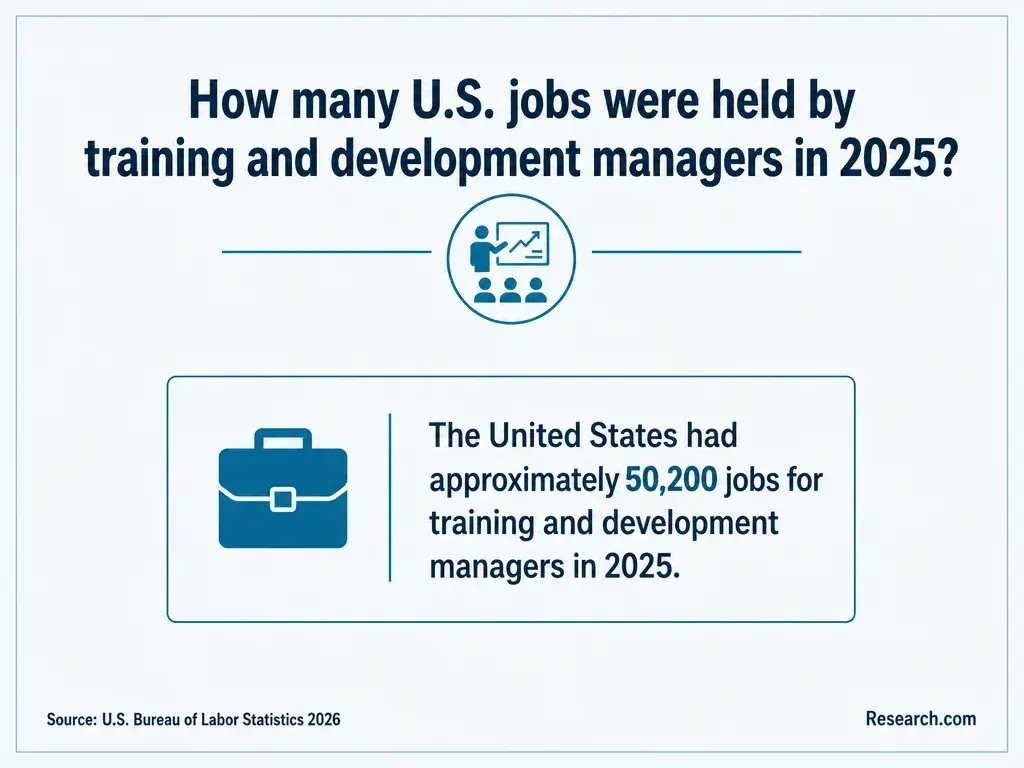
The U.S. Bureau of Labor Statistics reports a May 2025 median annual salary of $133,000 for training and development managers. This is an occupational median across workers with varied education and experience - not an Ed.D. graduate salary or a forecast of a raise. Do not use it to justify carrying nonrefundable tuition without a credible, role-specific advancement plan.
For a financial decision, compare your present compensation and likely opportunities with the remaining degree cost, any unpaid leave from work, and possible extra terms after an academic pause. A public-sector pay schedule or employer's promotion criteria may offer more useful evidence than a national occupational median.
How Do You Choose a Reputable Online Ed.D. Program?
For a student concerned about interruption, a reputable program is one that clearly explains both academic progression and financial consequences before enrollment. Compare the written refund schedule, leave eligibility, return deadlines, course rotation, project requirements, and access to advising during a pause - not merely the advertised online format or per-credit price.
Use affordable doctoral education in organizational leadership as a starting point for comparing programs, then obtain institution-specific figures and policies. Send the same proposed leave scenario to each school's program office, registrar, student accounts office, and financial aid office. If their answers conflict, ask for the governing policy and a coordinated written response before committing.
Other Things You Should Know About EdD Leadership
No. Employment leave and university leave have separate eligibility rules and approval processes. Notify the program and request its academic procedure independently.
Transcript notation varies by institution and by whether you leave before or after a term begins. Ask the registrar how your specific dates and course statuses will be recorded.
Possibly, but access and faculty supervision may be limited when you are not enrolled. Ask the program which services remain available under its approved-leave policy.
Check your program's leave conditions before registering elsewhere. Coursework completed during leave may not transfer, and outside enrollment can affect aid or your planned return.
- Student Loan Repayment | studentaid.gov https://studentaid.gov/manage-loans/repayment
- .12 Tuition, Fees, Enrollment Contracts, Refunds. | Library of Maryland Regulations https://regs.maryland.gov/us/md/exec/comar/13B.01.01.12
- General Requirements for Withdrawals and the Return of Title IV Funds | 2023-2024 Federal Student Aid Handbook https://fsapartners.ed.gov/knowledge-center/fsa-handbook/2023-2024/vol5/ch1-general-requirements-withdrawals-and-return-title-iv-funds
- Tuition Refund When Dropping Units | sandiego.edu https://usdkb.sandiego.edu/s/article/Tuition-Refund-when-dropping-units
- Current Student FAQs | UC Berkeley Law https://www.law.berkeley.edu/admissions/financial-aid/financial-aid-faq-glossary/current-student-faqs/
- Leave of Absence | Rackham Graduate School https://rackham.umich.edu/navigating-your-degree/leave-of-absence/
- Tuition Refund Policy | ASU https://tuition.asu.edu/billing-finances/tuition-refund
- Withdrawing from a Class | STLCC https://stlcc.edu/tuition/withdrawal/
- Refund Policies - Bursar's Office - The University of Arizona https://bursar.arizona.edu/refunds/options/policies