2027 Choosing an Online Ed.D. in Leadership and Learning in Organizations for Leadership in Cooperative Organizations
Audited and Verified:
Our Editorial and Data Verification Process
Research.com uses government datasets, official education statistics and primary institutional information to support its career and degree guides. Our review process checks factual accuracy, occupational definitions, source dates and the requirements associated with the credentials discussed.
How This Article Was Fact-Checked
Our editorial team verifies salary estimates, employment projections, education requirements and program information against original data providers and official organizations. Salary figures are checked against the relevant occupational definitions and reporting periods. Information about licensure, accreditation and required in-person training is reviewed separately.
Fact-checked and verified on:

Co-Founder and Chief Data Scientist
Leading a member-owned organization requires more than conventional management skills. Decisions must account for member voice, board authority, staff development, and the organization's financial health. If you work in a credit union, food cooperative, agricultural cooperative, or another member-owned enterprise, an online Ed.D. in leadership and learning may help you tackle those challenges - but it may not be the most direct qualification.
This guide explains what to look for in a program, how doctoral work could serve a cooperative, and when experience or shorter training would be a better investment.
Key Things You Should Know
- An Ed.D. is most useful when your cooperative leadership goal involves sustained organizational change, adult learning, or evaluating whether an initiative works - not simply obtaining an executive title.
- Check whether a program permits an applied project with your cooperative and whether the organization can authorize the work and data access; online enrollment alone does not settle either question.
- The U.S. Bureau of Labor Statistics reports a $133,000 median annual salary for training and development managers in May 2025, but that occupational figure is not an Ed.D. graduate salary or a promise of cooperative-sector pay.
What Is an Online Ed.D. in Leadership and Learning in Organizations?
An Ed.D. is a professional doctorate. A leadership and learning program typically examines how adults develop, how organizations change, and how leaders use evidence to improve practice. "Online" describes the primary delivery format; it does not necessarily mean self-paced study or an absence of campus visits.
The exact degree title matters. Schools may offer organizational leadership, leadership and learning, or educational leadership degrees with substantially different requirements. A course on organizational learning is not proof of a formal cooperative-focused concentration. Compare the awarded degree, required curriculum, electives, and final doctoral project rather than relying on similar-sounding program names. An overview of types of Ed.D. programs and concentrations can help you identify distinctions to verify with each school.
For a cooperative leader, the degree's value depends on whether it develops capabilities you can use in a member-governed setting. A program designed chiefly for school administration may be a weaker fit than one that permits cross-sector organizational inquiry.
How Can an Ed.D. Prepare You for Leadership in Cooperative Organizations?
Cooperatives are owned or controlled by members, but their structures vary. A credit union, worker cooperative, and agricultural cooperative can have different regulatory duties, operating models, and divisions of responsibility between boards and managers. An Ed.D. can help a leader diagnose a learning or change problem within those constraints; it cannot replace sector knowledge or the authority to implement a solution.
Consider a cooperative introducing a new member-service process. A useful doctoral approach would first distinguish a training gap from unclear board policy, inadequate systems, or conflicting incentives. The leader could then work with stakeholders to design an intervention and evaluate appropriate measures, such as consistent process use and member-service quality. That is a possible project design, not evidence that training would solve the problem.
The right educational route depends on the responsibility you want to assume. This comparison separates sustained organizational inquiry from other common cooperative leadership needs.
| Goal | Potential fit | Important limitation |
| Lead learning, change, and evaluation across a cooperative | Practice-oriented leadership and learning Ed.D. | Requires time, research access, and relevant leadership experience |
| Strengthen finance, operations, or general management | MBA or focused management education | May offer less depth in adult learning or applied organizational research |
| Improve member governance or a specific operating practice | Cooperative-sector training, mentorship, and supervised projects | May not provide doctoral research preparation |
If you cannot identify a recurring organizational problem you have the authority and support to investigate, start with cooperative-specific development or a smaller improvement project. The doctorate becomes more compelling when you already lead across teams and need deeper methods for learning and change.
Is an Online Ed.D. Accredited and Recognized by Employers?
An online Ed.D. can be a recognized doctorate when the awarding institution holds appropriate institutional accreditation. Verify the institution and degree in the school's official materials and the accreditor's directory. Do not assume that institutional accreditation establishes a specialized cooperative credential, a state license, or eligibility for a particular job.
Employer recognition is a separate question. A cooperative hiring committee may value an accredited doctorate, but it will also assess governance judgment, financial and operational experience, and results achieved with members and staff. Before applying, examine positions you actually want: note whether a doctorate is required, preferred, or absent from the qualifications, and ask whether your current employer supports doctoral study. Treat broad claims about graduate career outcomes cautiously unless the school explains who was counted and how outcomes were measured.
Relevant study may include adult learning, organizational culture, change leadership, stakeholder engagement, research methods, and program evaluation. For cooperative work, look beyond course labels: Can you study how members and employees learn new practices? Will you learn to assess implementation without confusing satisfaction surveys with improved performance? Does coursework address ethical decisions when stakeholders have unequal access to information or influence?
Most consequential is the final doctoral requirement. Schools may require a dissertation in practice, another dissertation model, a capstone, or a differently structured applied project. If you hope to study member onboarding or leadership succession, ask the program who approves the topic, whether an external cooperative can serve as a site, and what data and faculty oversight the work requires. Resources on reviewing nontraditional Ed.D. completion requirements may help frame your questions, but "no dissertation" does not mean no substantial doctoral research or project.
Cooperative permission, academic approval, and ethical review are distinct. Access to identifiable member or employee information may require organizational authorization, privacy safeguards, and institutional review. Never assume that your employment or board position gives you permission to use restricted records for coursework.
Online study can preserve your location and employment while you learn. It does not necessarily reduce scheduled commitments: live classes, team meetings, faculty consultations, and campus convenings may still be required. Campus-based study may make in-person collaboration easier but can impose relocation or commuting costs. Neither format automatically offers better access to cooperative partners or a more suitable project.
Compare actual attendance requirements before comparing convenience. Ask for the class schedule, residency dates, group-work expectations, accessibility arrangements, and a realistic account of workload during the final project. If your cooperative has seasonal production, lending, or reporting peaks, check whether those periods conflict with mandatory sessions. Listings of affordable distance learning education doctorates can be a starting point, but confirm both travel obligations and the curriculum before treating a program as practical for your schedule.
Requirements vary by institution. Programs may assess prior graduate education, academic records, professional experience, recommendations, a statement of purpose, and readiness for applied doctoral work. An education degree or executive title is not universally required; neither does cooperative service automatically meet a program's definition of qualifying leadership experience.
Make your application specific about decisions you have made and people or processes you have led. For example, distinguish responsibility for designing staff development from participation in training, and describe an unresolved organizational question without inventing results.
If you have a business, public administration, or other non-education background, ask whether the program expects prior research-methods or learning-theory preparation. Request a written determination of eligibility when your graduate study or experience does not fit published examples; credits considered for admission are not necessarily credits transferable into the doctorate.
Completion time depends on the required credits, course sequence, enrollment pace, and final project - not just the advertised program length. A cooperative project can take longer if board approval, partner access, or data collection is delayed. Ask how the school handles an employer change or a project site that withdraws.
For a usable cost comparison, request each school's current charges for the full required curriculum, including tuition, mandatory fees, and any required convenings. Add travel, lodging, materials, and time away from paid work where applicable. When comparing tuition across online Ed.D. programs, check whether the quoted price is per credit, term, or program and what happens if project work extends enrollment. A low advertised tuition rate may not produce the lowest total cost.
If your cooperative offers education assistance, obtain its terms in writing. Reimbursement may depend on grades, continued employment, annual limits, or repayment after departure. Compare the likely cost with the responsibilities you could realistically gain; do not budget around an assumed promotion or salary increase.
An experienced cooperative professional might use an Ed.D. to pursue broader responsibility for workforce development, organizational improvement, member education, or leadership development. Some may move into consulting with cooperatives. These are experience-dependent paths, not positions conferred by the degree. Senior executives also need relevant operating, financial, and governance judgment.
A prospective training and development manager, for instance, should be able to show needs assessment, program design, implementation, and evaluation - not merely doctoral coursework. Someone aiming to advise multiple cooperatives needs credible sector experience and evidence of working across different governance arrangements. If your goal is primarily general organizational leadership rather than cooperative-specific learning, affordable doctoral education in organizational leadership offers another category to compare, subject to the same curriculum and project checks.
Before enrolling, review target job descriptions and identify the experience gap the degree would not fill. Taking responsibility for a cross-functional initiative, working with a mentor, or completing targeted cooperative-sector training may be a faster route to that missing evidence.
There is no single reliable salary for Ed.D. graduates working in cooperatives. Compensation depends on the occupation, organization, location, scope of responsibility, and prior experience. U.S. Bureau of Labor Statistics occupational data provide context, not a forecast for a particular degree holder or cooperative employer.
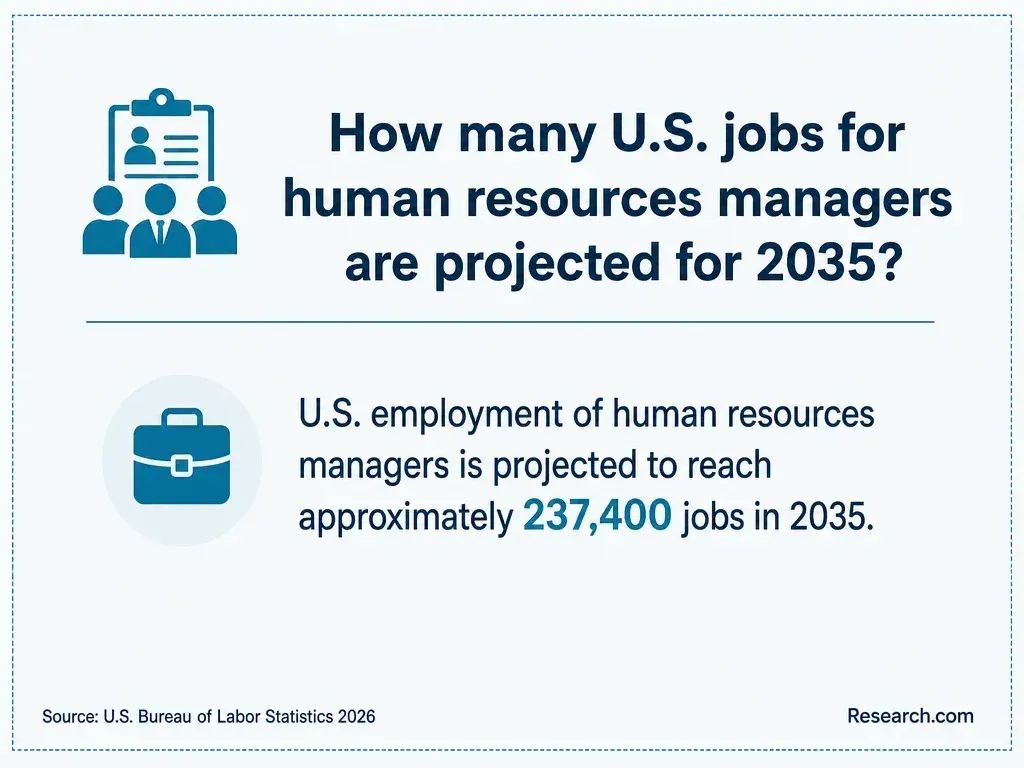
The BLS reports a May 2025 median annual salary of $133,000 for training and development managers, with projected employment growth of 6.4% from 2025 to 2035. That figure describes workers in the occupation across industries. Use it to understand the broader role, then compare actual cooperative job postings and your current compensation before making a financial decision. A doctorate by itself does not qualify someone for a management position or determine their pay.
Do Cooperative Organization Leaders Need Licenses or Professional Certifications?
A general leadership and learning Ed.D. does not itself grant a cooperative leadership license, professional certification, or school-administrator license. Requirements attach to particular duties and sectors, not to cooperative ownership as a whole. Regulated financial services, education, and other specialized activities may have role-specific rules; verify those with the employer and responsible regulator before assuming a degree satisfies them.
Professional credentials can still be useful when tied to a defined task, such as training, project management, or an industry-specific function. Choose one because it addresses a documented skills or hiring requirement, not because a doctorate supposedly requires it. For governance responsibilities, practical knowledge of the cooperative's bylaws, board-management boundaries, and applicable rules may matter more than an unrelated certification.
Other Things You Should Know About EdD Leadership
Not necessarily. Membership and employment are different relationships, and eligibility varies by cooperative. Check the organization's bylaws and the qualifications for the particular staff or board role.
Seek responsibility for a real member, staff, or operational initiative. Document your decisions, collaborators, and what you learned; participation alone may provide less evidence of leadership than accountable project work.
It could strengthen your approach to learning and organizational development, but starting a cooperative also calls for legal, financial, governance, and sector-specific preparation. Get qualified advice on those needs rather than treating the doctorate as a startup credential.
Potentially, if the program schedule and your board obligations are compatible. Keep academic work separate from board authority: disclose conflicts and obtain proper authorization before proposing to study the organization or use its information.
- Types of Financial Aid: Grants, Work-Study, and Loans | studentaid.gov https://studentaid.gov/understand-aid/types
- Cost of Attendance (Budget) | 2025-2026 Federal Student Aid Handbook https://fsapartners.ed.gov/knowledge-center/fsa-handbook/2025-2026/vol3/ch2-cost-attendance-budget
- Student and faculty perceptions of effectiveness of online teaching modalities - PMC https://pmc.ncbi.nlm.nih.gov/articles/PMC9670677/
- Employee Ownership Initiative Report to Congress | dol.gov https://beta.dol.gov/research-data/surveys-reports-publications/employee-ownership-initiative-report-congress
- EdD vs. PhD in Education: Choosing the Right Program | Goodwin College of Professional Studies https://drexel.edu/soe/resources/career-path/edd-vs-phd/
- About | Adult Learning and Leadership | Organization and Leadership | Teachers College, Columbia University https://www.tc.columbia.edu/organization-and-leadership/adult-learning-and-leadership/about/
- COOPERATIVE PRINCIPLES - Cooperatives https://cooperatives.dyson.cornell.edu/home/cooperatives-101/cooperative-principle/
- Minimum Standards and Expectations for Online Instruction | buffalo.edu https://socialwork.buffalo.edu/information-faculty-staff/part-time-faculty-resources/minimum-standards-and-expectations-for-online-instruction.html
- How Do Online Classes Work? What to Expect as an Online Student - Online Degrees & Programs | Kent State University https://onlinedegrees.kent.edu/blog/how-do-online-classes-work-what-to-expect-as-an-online-student
- Cooperative Principles | UW Center for Cooperatives https://uwcc.wisc.edu/about-co-ops/cooperative-principles/