2027 Best Engineering Degrees for Working Adults

Co-Founder and Chief Data Scientist
Balancing a full-time job while pursuing an engineering degree can overwhelm working adults, especially when programs lack flexibility. Nearly 45% of adult learners cite rigid course schedules as a primary barrier to completing engineering education. This challenge often leads to prolonged graduation timelines and stalled career growth. The engineering workforce increasingly demands professionals who can adapt and advance without sacrificing current employment. This article explores the best engineering degrees tailored for working adults, highlighting flexible, accredited programs designed to support continuous career development while accommodating busy schedules.
Key Things to Know About Engineering Degrees for Working Adults
- Many engineering programs offer online or hybrid formats to accommodate working adults, enabling study without disrupting full-time employment.
- Flexible scheduling and accelerated pacing allow completion in fewer years, meeting increased demand for timely career advancement.
- Employer partnerships often align coursework with industry needs, enhancing practical skills and improving job placement rates by over 20%.
What Are the Best Engineering Degrees for Working Adults?
The best engineering degrees for working adults depend on individual priorities such as schedule flexibility, alignment with career goals, and return on investment. A growing trend is the availability of online education, which enables adult learners to balance work and studies without sacrificing quality. Many professionals seek programs that offer practical skills while accommodating full-time employment.
Several engineering degree options suit these needs well:
- Industrial Engineering: Focused on optimizing processes in manufacturing and logistics, this degree features practical coursework relevant to workplace efficiency, making it ideal for professionals aiming to improve operations.
- Software Engineering: In high demand across tech sectors, this degree often offers flexible online programs that allow for skill development applicable to ongoing work projects, fitting well for those looking for top online engineering programs for professionals.
- Electrical Engineering: Covering telecommunications to power systems, this specialization frequently includes part-time formats that support advancement in various industries without interrupting employment.
- Civil Engineering: Offering evening or weekend classes, this degree emphasizes project management and design, suitable for professionals in construction and infrastructure who require adaptable schedules.
- Mechanical Engineering: Known for versatility, these programs combine hands-on learning with flexible pacing, appealing to those in manufacturing or product design fields.
For adult learners interested in related fields, exploring online SLP master's programs can also provide flexible options for career advancement.
What Are the Admission Requirements for Working Adults in Engineering Degree Programs?
Admission requirements for working adults pursuing engineering degree programs often accommodate the unique challenges of balancing full-time employment with academic commitments. This flexibility responds to a growing trend, as nearly 40% of graduate students enroll part-time, highlighting diverse learning pathways for adult learners. Adjustments in admission criteria recognize the professional experience and varied academic backgrounds typical among these students.
Key admission considerations for working adults in engineering degree admission criteria for professionals include:
- Relevant Experience: Many programs value professional engineering or technical work experience, sometimes considering it as a partial substitute for recent academic performance.
- GPA Flexibility: While a solid GPA remains important, some programs offer leeway if the applicant demonstrates strong professional achievements and career progression.
- Test Waivers: Standardized test requirements such as the GRE are increasingly waived for seasoned professionals, streamlining the admissions process.
- Professional Recommendations: Letters from employers or supervisors that attest to an applicant's skills, reliability, and work ethic are often required as evidence of readiness and commitment.
- Flexible Enrollment: Part-time, evening, and online formats help accommodate working adults, providing options that fit a full-time work schedule without sacrificing educational quality.
Working adults seeking flexible, accredited options can also explore online business colleges alongside engineering programs to enhance their career advancement opportunities.
What Coursework Is Required in Engineering Degree Programs for Working Adults?
Coursework in engineering degree programs for working adults is carefully designed to balance career relevance, practical skills, and flexible learning formats. Nearly 40% of students in bachelor's engineering programs are over 25 years old, reflecting increasing demand for flexible engineering classes for professionals. These programs accommodate part-time study and online learning, allowing adult learners to manage full-time employment alongside their education.
Common coursework areas typically focus on building core competencies while supporting career advancement. Key subjects include:
- Fundamentals of Engineering: This covers core principles such as mechanics, thermodynamics, and materials science, providing essential problem-solving skills that are directly applicable in various engineering roles.
- Project Management and Systems Design: Emphasizes managing engineering projects, leading teams, and integrating systems, which helps professionals improve operational efficiency and oversee complex projects.
- Applied Mathematics and Data Analysis: Focuses on quantitative methods, statistics, and data interpretation important for optimizing designs and enhancing real-world processes.
- Specialized Technical Electives: Offers flexibility to tailor education to specific career goals in areas such as civil, electrical, or software engineering, which enhances expertise relevant to a student's job function.
- Ethics and Professional Practice: Covers industry standards, legal aspects, and professional responsibility, preparing students to address ethical challenges in the workplace.
For adult learners exploring flexible, affordable pathways in higher education, programs comparable to the cheapest online psychology degree can provide insight into managing education with other life commitments effectively.
Breakdown of Private Fully Online For-profit Schools

Completion time for an engineering degree varies significantly for working adults due to the need to balance jobs, family, and studying. On average, part-time students pursuing engineering degrees take about twice as long as full-time students, generally extending their studies to five to seven years.
Several key factors influence the duration it takes working adults to finish their engineering degrees:
- Program Format: Online or hybrid models provide flexibility, enabling students to attend classes during evenings or weekends. This flexibility can either speed up or slow down progress depending on how students manage their schedules.
- Course Load: Many working students take fewer courses per term to avoid burnout, which naturally lengthens the overall time needed to graduate but fosters better work-life balance.
- Prior Credits: Transferring relevant credits from previous education can shorten the path to a degree by reducing the number of required classes.
- Work Schedule: Demanding or irregular work hours limit the hours available for study, directly impacting how quickly coursework can be completed.
- Accelerated Options: Enrollment in summer sessions or accelerated terms allows motivated students to complete degree requirements faster.
Cost remains a major factor for working adults pursuing an engineering degree, especially as part-time enrollment in these programs has risen by over 20% in the last ten years. Balancing work and study requires careful budgeting to manage tuition and related expenses effectively.
Several key factors shape the overall cost for employed students:
- Tuition per Credit: Tuition rates fluctuate greatly depending on whether the institution is public, private, or online, making this a primary driver of total expenses.
- Program Length: Longer degree programs involve more credits, which increases both tuition and associated fees over time.
- Additional Fees: Charges for technology, labs, and administration can add hundreds or even thousands to the financial commitment beyond base tuition.
- Textbooks and Materials: Specialized software and engineering textbooks are often costly but necessary for course completion.
- Format of Study: Online programs may reduce costs related to commuting and housing but sometimes come with differing tuition rates compared to traditional on-campus classes.
Many working adults also reduce expenses by utilizing employer tuition assistance and scholarships designed for non-traditional students, which can substantially improve affordability while maintaining full-time employment.
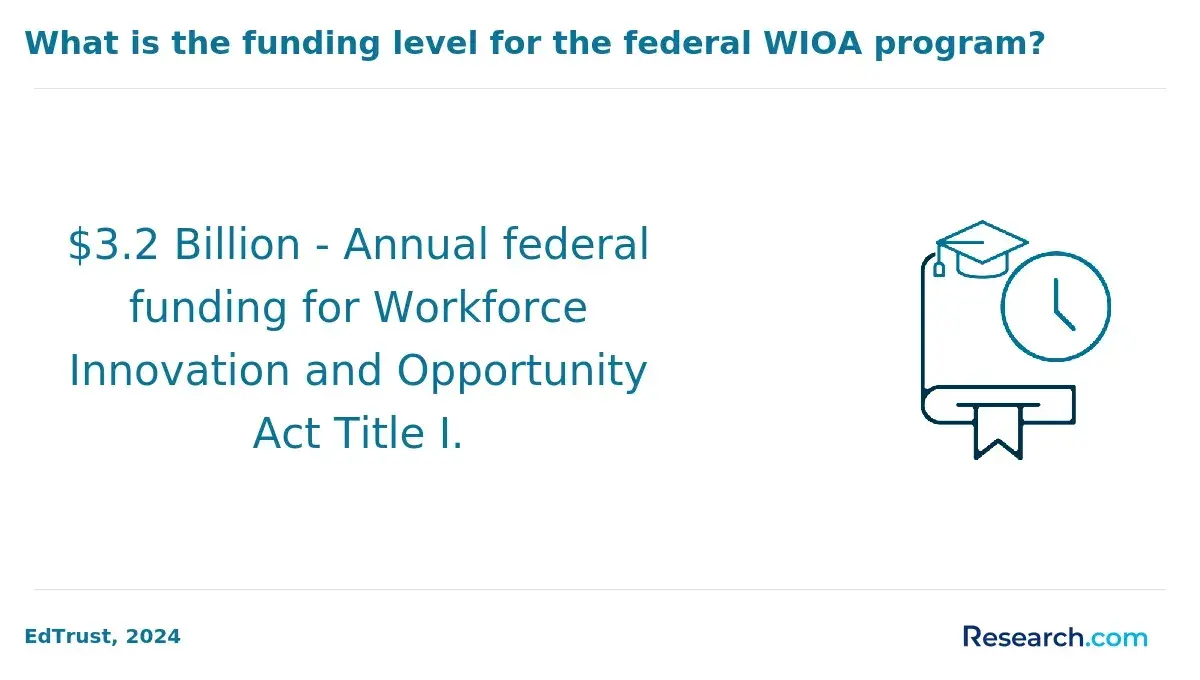
Balancing a job, studies, and personal life makes financial aid essential for adults pursuing engineering degrees. It helps reduce the financial strain that comes with tuition and living costs, enabling students to focus on their education and career goals.
Below are several key financial aid opportunities tailored to working adults in engineering programs.
- Federal Financial Aid: This includes government-funded grants and loans designed to ease tuition costs based on need and eligibility. Programs like Pell Grants and Direct Subsidized Loans provide critical support without immediate repayment obligations.
- Employer Tuition Assistance: Many companies invest in their employees' skill development by offering tuition reimbursement programs. These benefits often require that the coursework be relevant to the employee's role and that they maintain active employment.
- Scholarships for Adult Learners: Targeted scholarships help lower expenses for non-traditional students who bring work experience or demonstrate commitment to engineering fields. Proof of enrollment or professional background may be necessary to qualify.
- Grants: Offered by public and private organizations, grants require no repayment and specifically help adult learners pursuing engineering disciplines. They provide valuable financial relief and are awarded based on various criteria.
- Payment Plans: Flexible tuition installment plans spread out expenses over time without added interest, making managing monthly budgets easier for those balancing multiple financial obligations.
Working adults enrolled in engineering programs often face the challenge of balancing academic demands with full-time jobs and personal commitments. Institutional support services are vital to help these students manage their responsibilities effectively and achieve academic success.
- Academic Advising: Advisors offer tailored support to help students choose courses aligned with their career goals while ensuring manageable credit loads that fit into busy schedules.
- Flexible Scheduling: Offering classes during evenings, weekends, and online allows students to attend courses without compromising work or family responsibilities.
- Online Learning Support: Access to technical assistance and digital resources enables students to study remotely and engage with materials at their own pace, enhancing learning flexibility.
- Tutoring and Study Groups: Specialized help and peer collaboration reinforce understanding of difficult engineering concepts, boosting confidence and retention.
- Mental Health Resources: Counseling services and stress management programs assist students in maintaining emotional well-being amidst academic and personal pressures.
Accreditation for engineering programs involves a thorough evaluation by recognized bodies to verify that the curriculum, faculty, and student outcomes meet established quality standards. This validation is especially important for working adults, as it ensures the degree holds credibility with employers and qualifies for federal financial aid, easing the financial burden for students balancing jobs and studies. Accredited programs also demonstrate alignment with industry needs, which reassures both employers and students.
Notably, enrollment of adult learners in graduate engineering programs has increased by 15% in recent years, reflecting rising interest in flexible, reputable education options.
Beyond immediate benefits, accreditation enhances the long-term worth of an engineering degree by supporting the transfer of credits to other institutions and meeting requirements for professional licensure or certification. This is critical for working adults seeking career growth or shifts, as it preserves educational investment and opens doors to advanced roles. Ultimately, attending an accredited program helps secure a degree's value in the competitive job market, reinforcing its role as a strategic step in professional development.
Salary growth is a key motivator for working professionals pursuing an engineering degree, as it enables greater financial stability and career flexibility. Adults with an engineering degree typically see median salaries ranging from $70,000 to over $100,000 annually, depending on the discipline and region.
- Industry Demand: Different sectors such as software, civil, and electrical engineering have varying hiring needs that directly influence salaries. High-demand industries often offer better pay, reflecting the market's need for specialized skills.
- Role Advancement: An engineering degree can open doors to leadership positions and specialized technical roles, both of which usually come with increased compensation. Career growth opportunities are closely tied to educational attainment in this field.
- Employer Policies: Some organizations provide tuition reimbursement or salary adjustments upon earning an engineering degree. These incentives can accelerate salary increases and support working adults balancing education with employment.
- Years of Experience: Salary growth is often tied to the combination of education and work experience. Seasoned engineers tend to earn more than recent graduates, reflecting their accumulated expertise and contributions.
- Specialization: Fields such as environmental, mechanical, or aerospace engineering have distinct market demands and technical complexities that affect pay scales. Choosing a specialization aligned with industry needs can lead to higher earnings.
For those examining the impact of engineering degrees on career earnings, understanding these factors can help in making informed decisions. Additionally, it is useful to explore which fields and roles offer the best return on investment, especially for working adults seeking flexible, accredited engineering degree programs. For insights into lucrative career paths, explore what job makes the most money.
These considerations are essential for working professionals evaluating how an engineering degree salary increase for working adults aligns with their long-term financial and professional goals.
An engineering degree enables working adults to qualify for higher-level, specialized, and leadership-oriented roles rather than just entry-level positions. This academic achievement signals advanced technical expertise and problem-solving abilities, which are highly valued for career advancement in engineering fields.
Several advanced job roles commonly pursued by professionals with prior experience and an engineering degree include:
- Project Manager: Overseeing engineering projects from inception to completion, this role involves budget management, scheduling, and leading multidisciplinary teams. The degree provides essential technical background to make sound decisions and coordinate resources effectively.
- Systems Engineer: This position focuses on designing and integrating complex systems requiring in-depth technical knowledge and analytical thinking. Professionals with an engineering degree are equipped to manage these challenges and work collaboratively with diverse stakeholders.
- Engineering Consultant: Acting as advisors, consultants leverage their expertise to recommend technical improvements and innovations. Holding an engineering degree enhances credibility and ensures familiarity with the latest engineering principles.
- Technical Lead: Combining hands-on engineering with team leadership, this role requires strategic planning and mentorship skills. The degree supports the mastery of both design and management responsibilities necessary for success.
- Quality Assurance Manager: Responsible for upholding product or system standards, this role demands analytical rigor and a strong understanding of engineering processes. Degree holders implement best practices and continuous improvement methodologies effectively.
These career paths illustrate the broad job opportunities with an engineering degree, particularly for experienced professionals seeking upward mobility. For those balancing work and study, selecting flexible, accredited programs is crucial.
Many adult learners explore online college programs designed to accommodate full-time employment while supporting career advancement in engineering careers for working adults.
What Graduates Say About Their Engineering Degrees for Working Adults
- Sparrow: "Choosing an online engineering degree program while working full-time was challenging, but the flexibility allowed me to balance both worlds effectively. Considering the average cost of attendance is around $15,000 to $25,000 for part-time students, the investment felt manageable compared to traditional programs. Since completing my degree, I've seen a significant boost in my job opportunities and salary growth, making every effort worthwhile. "
- Fennor: "Pursuing a part-time engineering degree while maintaining my career gave me the chance to grow professionally without pausing my income. Reflecting on the expenses, the cost was a critical factor, but the return on investment has been impressive-I've advanced to a management role that wouldn't have been possible otherwise. The experience was demanding yet essential for my development. "
- Quinley: "As a working professional, opting for an online engineering degree program was both a strategic and financial decision. The cost, which typically falls between $20,000 and $30,000, was a significant consideration, but the convenience allowed me to apply what I learned directly to my projects. Completing the program has elevated my credibility and opened doors to leadership roles, validating the dedication it required."
Other Things You Should Know About Engineering Degrees
Yes, scholarships for working adults are available from various organizations in 2027, such as the Society of Women Engineers and ASME. Eligibility often requires part-time study, industry involvement, or financial need and varies by individual program criteria.
Yes. Many engineering programs accept up to 90 transfer credits toward a 120-credit bachelor’s degree, but core engineering courses are usually limited to 30 to 60 transferred credits. Schools also require official transcripts and a minimum grade, often C or higher.
Yes. For licensure-track engineering study, ABET accreditation is the key standard in the United States. ABET accredits bachelor’s programs in engineering, and many state licensing boards require an ABET-accredited degree when you later pursue the PE exam and professional engineer licensure.
- Engineering school at 30 [working full time job + family responsibilities] https://talk.collegeconfidential.com/t/engineering-school-at-30-working-full-time-job-family-responsibilities/3671124
- Engineering Student Support Guide | Cornell Engineering https://www.engineering.cornell.edu/parents-families-guide/engineering-student-support-guide/
- 40 Different Types of Engineering Degrees https://typesofengineeringdegrees.org/
- Engineering courses for school leavers | City of Bristol College https://www.cityofbristol.ac.uk/engineering-courses-for-adults/
- Adult into Engineering (AME) Diploma Level 3 - BMet College https://www.bmet.ac.uk/courses/detail/adult-into-engineering-ame-diploma-level-3-2/
- How to become a professionally qualified engineer | Institution of Civil Engineers (ICE) https://www.ice.org.uk/your-career/how-to-become-a-professionally-qualified-engineer
- Financial Aid for Adult Learners: Your Step-by-Step Guide | National University https://www.nu.edu/blog/financial-aid-for-adult-learners/
- Engineering programme accreditations (EUR-ACE) https://www.karvi.fi/en/evaluations/higher-education/engineering-programme-accreditations-eur-ace
- Financial Aid for Engineering School | All Engineering Schools https://www.allengineeringschools.com/engineering-careers/article/financial-aid/
- When it Comes to Engineers, Demand Exceeds Supply - ASME https://www.asme.org/topics-resources/content/when-it-comes-to-engineers,-demand-exceeds-supply