2027 Are Online Engineering Degrees Respected by Employers?

Co-Founder and Chief Data Scientist
Online engineering degrees have surged in popularity, reflecting advances in technology and flexible learning options. Recent studies show that 68% of employers recognize online degrees as comparable to traditional ones, signaling a shift in acceptance. Understanding how employers perceive online engineering credentials is crucial for prospective students and graduates navigating career choices.
This article explores the current landscape of employer attitudes toward online engineering degrees and examines the factors influencing their credibility and value in the workforce. The insights provided aim to clarify the standing of these degrees without delving into specific program qualities or employer biases, offering a balanced overview.
Key Benefits of Online Engineering Degrees Respected by Employers
- Employers increasingly recognize online engineering degrees from accredited institutions as equivalent to traditional degrees, with 70% of hiring managers reporting trust in graduates' qualifications according to recent industry surveys.
- Graduates develop strong self-discipline and technical skills through rigorous online coursework and virtual labs, which 65% of employers find valuable for navigating remote and hybrid work environments.
- Online engineering degree holders often experience improved career outcomes, including a 15% higher chance of promotion within five years, reflecting the growing legitimacy and flexibility such programs offer in the competitive job market.
Which Accrediting Bodies Make an Online Engineering Degree Legitimate?
Accreditation is essential for ensuring the quality and employer recognition of online engineering degrees. It confirms that programs meet established academic standards and industry expectations, which directly influence a graduate's ability to obtain employment, licensure, and seamless credit transfer. Understanding the main types of accreditation relevant to online engineering programs supports making informed decisions about the legitimacy and value of your degree.
Key accrediting bodies and their impacts include:
- ABET Accredited Online Engineering Programs - ABET remains the definitive accreditor for engineering and technology programs. Holding ABET accreditation signals that a program adheres to rigorous standards trusted by employers and licensing boards. This accreditation greatly enhances professional licensure prospects in many states and improves global employment opportunities and credential portability.
- Regional Accreditation - Regional accreditors assess the overall quality of institutions, ensuring a baseline of academic integrity and financial stability. Although regional accreditation establishes institutional credibility and facilitates credit transfer, it is not sufficient on its own to verify an engineering program's specialized quality.
- Programmatic Accreditation - Beyond ABET, some engineering disciplines may hold specialized accreditations tailored to specific fields such as software or systems engineering. Programmatic accreditation provides added assurance of industry-specific rigor, validating graduate readiness for professional practice in niche engineering areas.
For prospective students looking at online options, ensuring your program is certified by legitimate online engineering accrediting bodies is critical. This includes verifying accreditation status through reliable sources or the ABET program search tool to avoid unrecognized or dubious agencies. Those seeking accelerated pathways might also consider 1 year online masters programs that combine accreditation with flexible formats, balancing quality and speed for career advancement.
Does University Reputation Affect Employer Views of Online Engineering Degrees?
University reputation plays a significant role in shaping employer perceptions of online engineering degrees. Employers often rely on institutional prestige as a key indicator of the quality and rigor behind the degree, which can influence their trust in the candidate's educational background. This is especially true for engineering, where practical skills and technical knowledge are paramount, and reputable institutions are viewed as providing stronger preparation.
Factors such as accreditation status and industry partnerships contribute heavily to this perception. Employers tend to have more confidence in online degrees that come from accredited programs within well-known universities, viewing them as credible and consistent with campus-based offerings.
Additionally, universities with robust alumni networks and established ties to engineering employers bolster their graduates' credibility by showcasing successful career outcomes and alignment with industry standards. This network effect reinforces employer perceptions of accredited online engineering programs and the advantages they bring.
Despite the enhanced credibility provided by university reputation and online engineering degree credibility, employers emphasize that these factors do not replace demonstrated skills and experience. Ultimately, technical competencies, problem-solving abilities, and relevant work history weigh heavily in hiring decisions. Candidates who combine a respected online degree with tangible engineering expertise tend to be most successful in the job market.
For students considering their educational options, it's important to balance university reputation with the acquisition of practical skills. Exploring options such as the easiest bachelor's degree to obtain might help streamline degree completion while focusing on gaining experience that employers value.
Do Employers Treat Online and On-campus Engineering Degrees Equally?
Employer perceptions of online engineering degrees have shifted significantly in recent years, with a growing number of hiring managers treating them as equally credible to traditional on-campus credentials. According to recent surveys, a majority of employers now view online engineering degrees from accredited institutions as comparable to those earned in person.
This change reflects the increasing prevalence of online programs offered by reputable universities and the strong technical and communication skills demonstrated by graduates. Over two-thirds of employers in 2025 consider online degrees just as credible as their on-campus counterparts, a notable rise from just five years earlier.
When evaluating engineering degrees, employers place the highest importance on accreditation, ensuring the program is recognized by reputable agencies regardless of delivery method. University reputation also greatly influences perceptions; degrees from well-known institutions that offer both in-person and online options are often regarded similarly.
Many employers do not distinguish between online and traditional credentials on resumes if the institution is reputable. However, practical experience remains critical, especially in engineering fields that require hands-on learning and problem-solving abilities.
While a few employers may still question the rigor of online programs, these concerns are becoming less common as online graduates consistently demonstrate discipline, self-motivation, and skills in digital collaboration. Graduates can enhance the credibility of their online engineering degrees by choosing fully accredited programs, emphasizing project-based learning, and highlighting internships or technical achievements in their applications and interviews.
Artificial intelligence technologies significantly enhance the quality and credibility of online engineering education. Adaptive learning systems tailor course material to match each student's pace, ensuring they thoroughly understand complex engineering concepts before moving forward. Virtual simulations offer risk-free environments where students can perform experiments and complete design projects that reflect real-world scenarios-opportunities that traditional classrooms may struggle to provide at scale.
Additionally, AI tutors deliver instant feedback and personalized support, helping students address knowledge gaps promptly. These combined AI-powered tools produce rigorous and measurable learning outcomes. When integrated by accredited institutions, they demonstrate a strong commitment to quality assurance and student success, which boosts the academic legitimacy of online engineering programs.
Employer perception of online engineering degrees has evolved positively alongside these AI advancements, though some skepticism remains. Many employers now prioritize accreditation, demonstrable skills, and proven job performance over whether an education was completed online. AI platforms provide detailed competency data and project portfolios that transparently showcase graduates' abilities, making it easier for hiring managers to trust the qualifications.
However, among employers less familiar with these technologies, doubts about the rigor and interaction in online programs can persist. Overcoming this skepticism requires clear communication about program accreditation, hands-on experience with AI-driven simulations, and evidence of alumni career success. Prospective students benefit from choosing programs that openly incorporate AI tools while maintaining recognized accreditation to ensure stronger employer acceptance in the job market.
Online engineering graduates bring a unique combination of professional expertise and soft skills that make them highly competitive in today's job market. These graduates develop competencies that not only demonstrate technical mastery but also adaptability and effective communication, which are crucial in modern engineering roles.
Employers particularly value a range of skills that online engineering programs help cultivate. Here are some of the most in-demand skills employers look for in online engineering degree graduates:
- Problem-solving skills employers seek in engineers: Problem-solving and critical thinking are foundational to engineering success. Online learning environments often require students to independently navigate complex challenges and collaborate virtually, sharpening their ability to devise innovative solutions. Employers prize these skills for driving innovation and addressing real-world problems.
- Technical Proficiency: Mastery of core engineering tools such as CAD and simulation software is emphasized in online programs. This technical proficiency enables graduates to quickly contribute to projects and adapt to evolving technologies, a trait highly valued by employers in the competitive engineering field.
- Communication and Collaboration: Online students develop strong communication skills tailored to virtual and hybrid work setups. Effective collaboration in remote teams is increasingly critical, and employers recognize graduates' ability to manage projects and work collectively across distances as a key asset.
- Adaptability and Time Management: Successfully balancing an online degree while working or managing other commitments showcases a graduate's discipline and time management prowess. Employers see this adaptability as evidence of ambition and commitment, essential for thriving in dynamic engineering environments.
The combination of technical proficiency and soft skills for engineering careers enhances graduates' employability and readiness for demanding roles. For professionals interested in the financial outcomes of advancing their education, it is worth exploring the top paying master's degrees available to maximize career potential.
Earning professional certifications alongside an online engineering degree can significantly enhance its credibility and demonstrate mastery of industry-specific competencies. These certifications provide tangible proof of practical skills and a commitment to ongoing professional growth that employers highly value. This section outlines the primary ways in which professional certifications reinforce the standing of online engineering degrees in the eyes of employers.
Professional certifications contribute to the validation and perceived value of online engineering credentials through several important factors, including:
- Industry Recognition (INCOSE ASEP/CSEP, Fundamentals of Engineering): Certifications such as INCOSE's Associate Systems Engineering Professional (ASEP) or Certified Systems Engineering Professional (CSEP), along with passing the Fundamentals of Engineering (FE) exam, demonstrate an individual's proficiency in engineering fundamentals and best practices. These credentials provide objective evidence of technical skills that transcend the degree format, helping to neutralize skepticism about online education.
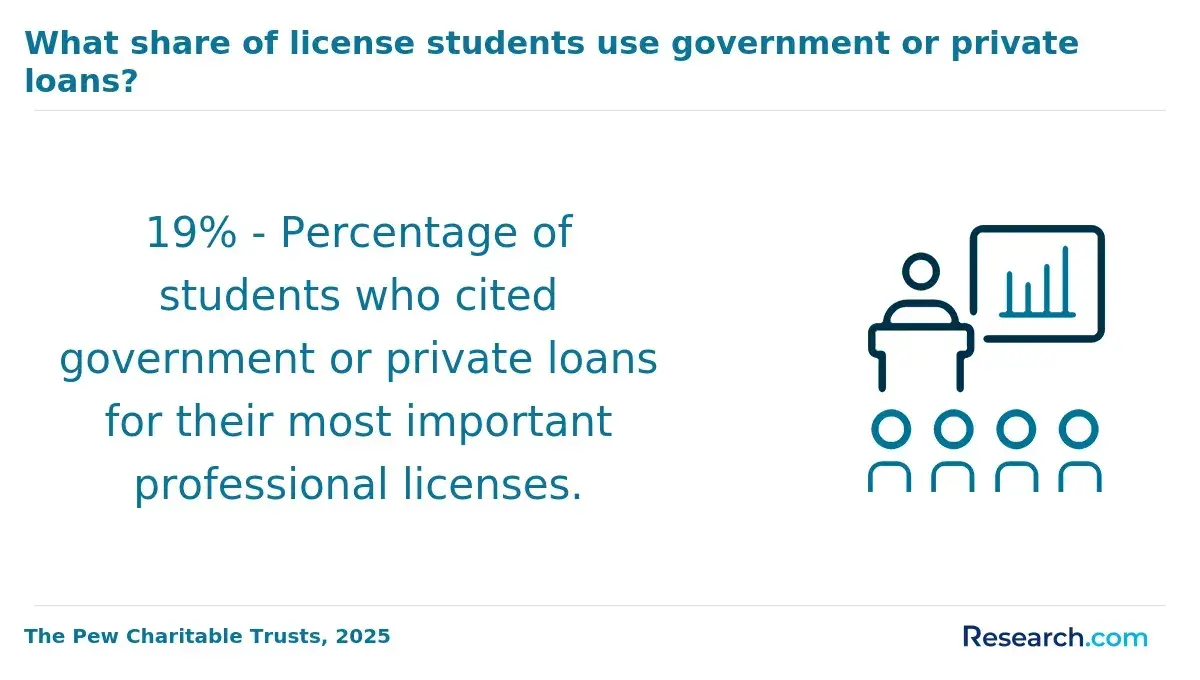
- Career Advancement: Certificates offered by institutions like Cornell or the University of West Florida focus on leadership and specialized technical training critical for advancing into managerial or senior analyst roles. Earning such credentials often correlates with increased earning potential, as reflected in data showing roughly a 10% median weekly wage boost for certificate holders compared to peers without postsecondary training.
- Employer Trust: Certifications act as a signal of dedication to professional development and lifelong learning. Employers frequently rely on these credentials as a standard to assess qualifications, particularly when evaluating candidates who completed their engineering education online, thus bridging perceived gaps in rigor.
- Specialized Competencies (Certified Solidworks Professional, Engineering Management): Credentials targeting specific skills, like the Certified Solidworks Professional (CSWP) or engineering management certificates, validate expertise in high-demand areas. These certifications help candidates stand out in competitive job markets and prepare them for roles requiring focused technical abilities.
- Transferable and Stackable Value: Many certification programs offer credits that may be applied toward advanced degrees or additional credentials. This flexibility boosts the long-term marketability of online engineering graduates by supporting continuous education and career growth.
In speaking with a professional who pursued an online engineering degree, his experience highlights how earning certifications truly helped overcome doubts about the online format. "Completing the Certified Solidworks Professional certification gave me a concrete credential that showed employers I wasn't just learning theory but had applicable skills," he recounted. Facing initial skepticism in interviews, he found that these certifications sparked deeper conversations about his capabilities and professionalism. The process required balancing study, work, and family commitments, and at times felt overwhelming.
However, achieving certification boosted his confidence and opened doors for promotions and project leadership roles within his company. He reflected, "Without those credentials, I'm not sure my online degree alone would have convinced hiring managers of my readiness." This firsthand perspective affirms how professional certifications serve as essential validation tools for online engineering graduates striving to establish themselves in the workforce.
There is ongoing debate about whether online engineering graduates earn the same salaries as their on-campus counterparts. National trends indicate that, while some differences exist, many online engineering degree salary comparison studies show that graduates from reputable online programs can achieve salaries comparable to those of traditional graduates.
Several key factors influence these salary outcomes for online versus on-campus graduates, and understanding these can help prospective students assess the value of an online degree.
- Accreditation and Quality of Education: The accreditation status of an online program, especially if it is recognized by organizations like ABET, greatly affects its reputation and graduate employability. Programs with strong accreditation tend to prepare students better, resulting in salaries that rival those from traditional degrees.
- Career Field and Specialization: The engineering field and chosen specialization have a significant impact on salary potential. Sectors such as aerospace and petroleum engineering often command higher wages, and well-regarded online degrees in these areas can offer competitive compensation.
- Employer Perception and Industry Trends: Acceptance of online degrees varies by industry. In technology and business sectors, online qualifications are increasingly seen as equivalent to on-campus degrees, while more hands-on disciplines may still prefer traditional credentials. This evolving perception directly influences salary opportunities.
- Personal Experience and Networking: Networking and professional connections, which may be more challenging in online programs, also affect earning potential. However, many online degrees provide alternative networking platforms, ensuring graduates can still build valuable industry relationships.
For students seeking flexible educational routes, exploring online colleges that take fafsa might be a practical starting point to find accredited programs that align with their financial needs and career goals.
Earning an online engineering degree can significantly influence long-term career advancement and promotion opportunities across a variety of industries. This flexible educational path enables professionals to upskill and adapt to evolving technical demands without interrupting their current employment.
To better understand how these programs contribute to career growth, consider the following key benefits that online engineering degrees offer for professional development and upward mobility.
- Specialized Expertise: Online engineering programs often allow students to focus on cutting-edge fields such as data science, artificial intelligence, or advanced manufacturing. This tailored knowledge equips graduates to meet emerging industry challenges and positions them as valuable assets for leadership roles requiring specialized technical skills.
- Increased Leadership Potential: Obtaining an advanced engineering degree signals readiness for higher responsibility and complex project management. Employers frequently associate these credentials with improved problem-solving abilities and innovation, making graduates more competitive candidates for promotions into managerial and research-focused positions.
- Enhanced Earning Power: Advanced degrees correlate with higher salary prospects, especially in engineering disciplines where expertise is in high demand. Over time, the return on investment from an online engineering degree often manifests through access to roles with greater financial rewards and career stability.
- Credibility with Employers: Accredited online programs have gained strong acceptance, with hiring managers prioritizing quality of education and relevant experience over delivery format. Professionals graduating from such programs are increasingly viewed as credible contributors ready to meet industry standards.
- Flexibility and Adaptability: The ability to balance work and education through online programs demonstrates important skills like time management and self-discipline. These qualities are highly regarded by employers and can be decisive factors during internal reviews for promotions or leadership tracks.
When I spoke with a professional who completed an online engineering degree, she shared how the program's flexibility allowed her to maintain a demanding full-time job while pursuing specialized coursework in renewable energy systems. Facing the challenge of juggling project deadlines and family responsibilities, she found that the practical skills gained directly improved her confidence and technical input during strategy meetings.
Over the course of two years, her enhanced expertise helped her lead a critical cross-departmental initiative, which in turn earned her a promotion to senior engineer. She reflected, "Completing the online degree was demanding but also empowering-it opened doors I hadn't imagined and gave me the credibility to step into leadership roles that had previously felt out of reach." This experience highlights how an online engineering degree can translate into tangible career advancements when combined with professional determination and the right opportunities.
Employers across various industries are increasingly open to hiring candidates with online engineering degrees, recognizing the value of flexibility and the strong technical foundation these graduates offer. This trend reflects a broader acceptance of online education as a credible pathway to building skilled professionals. Many leading companies now actively recruit graduates from online engineering programs, reflecting their confidence in the quality and preparedness of these candidates.
Examples of companies and industries known to employ online engineering program graduates include:
- Software and IT Companies: These companies frequently hire online engineering graduates for roles such as software developers, data engineers, and IT support specialists. They value the problem-solving skills and adaptability that online degree holders develop while balancing work and study, which are essential in fast-paced digital environments.
- Consulting and Technology Firms: Firms in consulting and technology sectors often employ online engineering graduates in project management, consulting, and software engineering roles. They appreciate the analytical thinking and broad technical knowledge these candidates bring, which supports diverse client needs and complex projects.
- Startups and Emerging Technologies: Startups, especially in cutting-edge fields like AI and cybersecurity, look for online graduates for their innovative mindsets and ability to adapt quickly. The remote engineering jobs at top tech companies frequently offer opportunities for these graduates to apply their skills in dynamic, growth-oriented environments.
Further, for those exploring career options after completing an online engineering degree, there are various trade jobs that pay well, some of which can complement or serve as alternative paths within the engineering field.
Technology advancements, evolving accreditation standards, and shifting employer attitudes are actively reshaping how online engineering degrees are viewed in today's job market. These changes increasingly emphasize skill proficiency and practical knowledge over traditional learning methods.
Several key trends are expected to strengthen the legitimacy and recognition of online engineering programs, enhancing their academic quality and employer trust:
- AI-Driven Learning Validation: AI technologies are being integrated to customize learning experiences and rigorously assess the skills gained by students in online programs. This application of AI helps demonstrate competence more precisely, thereby boosting confidence in graduates' abilities and making them more competitive candidates.
- Global Accreditation Collaboration: Growing cooperation among international accreditation bodies aims to standardize quality benchmarks across online engineering degrees. This alignment ensures that credentials are recognized worldwide, increasing employer confidence in the consistency and reliability of online education.
- Increased Employer Partnerships: Closer collaboration between educational institutions and industry leaders is providing students with real-world experience through projects and internships. These partnerships directly tie online curricula to market needs, improving graduate employability and reinforcing the credibility of such degrees among employers.
Here's What Graduates of Respected Online Engineering Programs Have to Say About Their Degree
- Khari: "Completing my online engineering degree opened doors that I never thought possible, especially balancing work and family commitments. The flexibility of the program allowed me to gain applicable skills while still earning a steady income, which gave me a competitive edge when applying for roles. Today, I'm proud to say I'm leading a team in renewable energy technology, directly contributing to sustainable solutions. This degree truly transformed my career trajectory and gave me a profound sense of accomplishment."
- Estrella: "Going through an online engineering degree challenged me in ways that made my professional skills stronger and more adaptable. The virtual collaboration with classmates from diverse backgrounds mirrored the global work environment I face now. After graduation, I secured a position in aerospace design, where continuous learning and certification opportunities have allowed me to advance steadily. This journey has deepened my passion for innovation while giving me the confidence to mentor others entering the field. "
- Callahan: "My online engineering degree was a crucial stepping stone that helped me pivot into a more technical role within my company. The program emphasized practical problem-solving and project management, skills that proved invaluable when I was promoted to lead engineer. What stood out most was the supportive online community that helped me overcome challenges and celebrate milestones, keeping me motivated throughout. This experience has inspired me to contribute back by volunteering to support STEM education initiatives in underserved communities. "
Other Things You Should Know About Respectable Online Engineering Degree Programs
For employer recognition, the key agency is ABET, the Accreditation Board for Engineering and Technology. In the U.S., many employers and state licensing boards expect an engineering bachelor’s degree to come from an ABET-accredited program, especially for roles that may lead to the FE and PE exams.
In 2027, online engineering degrees are becoming increasingly respected by employers, especially when obtained from accredited programs. Employers focus more on the skills and knowledge candidates bring, making the source of the degree less significant. However, traditional degrees may still be preferred for certain specialized fields where hands-on experience is crucial.
- Find Programs - ABET https://www.abet.org/accreditation/find-programs/
- Full article: Employees’ perceptions of the fairness of AI-based performance prediction features https://www.tandfonline.com/doi/full/10.1080/23311975.2025.2456111
- The Role of Online Learning in Shaping Future Careers - The Happy Manager https://the-happy-manager.com/the-role-of-online-learning-in-shaping-future-careers/
- Key Engineering Trends to Watch in 2025 and Beyond :Engineering Institute of Technology https://www.eit.edu.au/key-engineering-trends-to-watch-in-2025-and-beyond/
- Engineering Salary Statistics https://www.mtu.edu/engineering/about/salary/
- How do 100% Online Degrees impact employability in today's job market? https://www.emerging.fr/post/how-do-100-online-degrees-impact-employability-in-todays-job-market
- Can You Actually Earn an Engineering Degree Online? How It Works and What It Costs https://money.com/online-engineering-degrees/
- The Future of Engineering: Courses, trends, and Predictions - Engineer's Planet https://engineersplanet.com/the-future-of-engineering-courses-trends-and-predictions/