2027 Bioinformatics Degree vs. Certificate: Which Should You Choose?

Co-Founder and Chief Data Scientist
Today's students and professionals face important decisions when choosing between earning a degree or a certificate in bioinformatics. Both paths can significantly advance careers in this rapidly growing field, which is projected to grow over 15% in the coming decade. However, they differ in time investment, depth of study, and career flexibility.
A bioinformatics degree typically offers comprehensive training in biology, computer science, and statistics, preparing graduates for research or advanced roles. Certificates provide targeted skills and quicker entry into the workforce, ideal for professionals seeking specialization or career shifts.
This article compares these key differences to guide readers in selecting the best option for their goals and lifestyle.
Key Points About Bioinformatics Degree vs. Certificate Programs
- Bioinformatics degrees typically offer comprehensive training and deeper theoretical knowledge, enhancing long-term career growth and higher salary potential, often exceeding $90,000 annually.
- Certificate programs focus on practical skills and faster completion, ideal for professionals seeking skill upgrades or career shifts without extended time commitments.
- Degree holders often access broader research opportunities and leadership roles, while certificates provide targeted expertise beneficial for specialized job functions or continuing education.
What Are the Differences Between Bioinformatics Degree and Certificate Programs?
Both bioinformatics degrees and certificate programs offer pathways to careers in the field, yet they differ in several important aspects. Recognizing these differences enables students to select the educational option that aligns best with their personal goals and time availability.
Below is a comparison highlighting the primary distinctions between these two types of programs.
- Depth of Learning: Degree programs provide a comprehensive and in-depth understanding of bioinformatics concepts, suited for those seeking thorough theoretical knowledge and extensive training. Certificate programs focus on practical skills and specific competencies, ideal for professionals aiming to quickly upskill or pivot roles.
- Time Commitment: Degrees typically require a longer time investment due to their extensive curriculum and coursework. Certificates are designed to be completed faster, appealing to individuals who need flexibility and accelerated entry into the field.
- Career Advancement: A degree often opens doors to advanced research roles and leadership positions because of its rigorous academic foundation. Certificates can enhance existing qualifications and are best for those looking to supplement skills without committing to a full degree.
- Cost and Accessibility: Certificates generally have lower costs and more flexible enrollment options. Degrees may involve greater financial and time commitments but provide a more recognized credential in many professional settings.
How Long Does It Take to Complete a Bioinformatics Degree vs. a Certificate Program?
Completion time is one of the most important factors for students deciding between a bioinformatics degree vs. certificate. Understanding the typical duration of each option helps prospective students evaluate their educational and career goals.
- Typical Duration: The duration of a Bioinformatics master's degree program usually ranges from two to five years depending on full-time or part-time enrollment. Most master's programs require 30 to 35 credit hours and include research or thesis work, which extends the timeline. In contrast, bioinformatics certificate programs typically require 12 to 18 credits and can be completed in as little as six months to a year, offering a faster path to credentialing.
- Flexibility: Degree programs like the University of Maryland's MS in Bioinformatics and Computational Biology allow full-time students to complete in under two years while part-time students might take longer. Universities such as UCLA or the University of Minnesota permit up to five years for degree completion to accommodate research or work schedules. Certificates offer more flexibility for working professionals and can often be pursued online, making them attractive for those seeking quick upskilling or a career pivot.
- Factors Affecting Timeline: Several variables influence how long to finish a Bioinformatics certificate or degree, including prior learning, transfer credits, and course availability. Evening, summer, or online classes can accelerate completion for motivated students. Certificate programs focus solely on coursework, unlike some degrees requiring a thesis, resulting in shorter completion times.
For a more detailed look at accelerated options that might fit tight schedules, consider exploring programs like a 6 month associate degree online which exemplify rapid credentialing pathways useful for many students balancing multiple commitments.
Can You Complete a Bioinformatics Degree or Certificate Entirely Online?
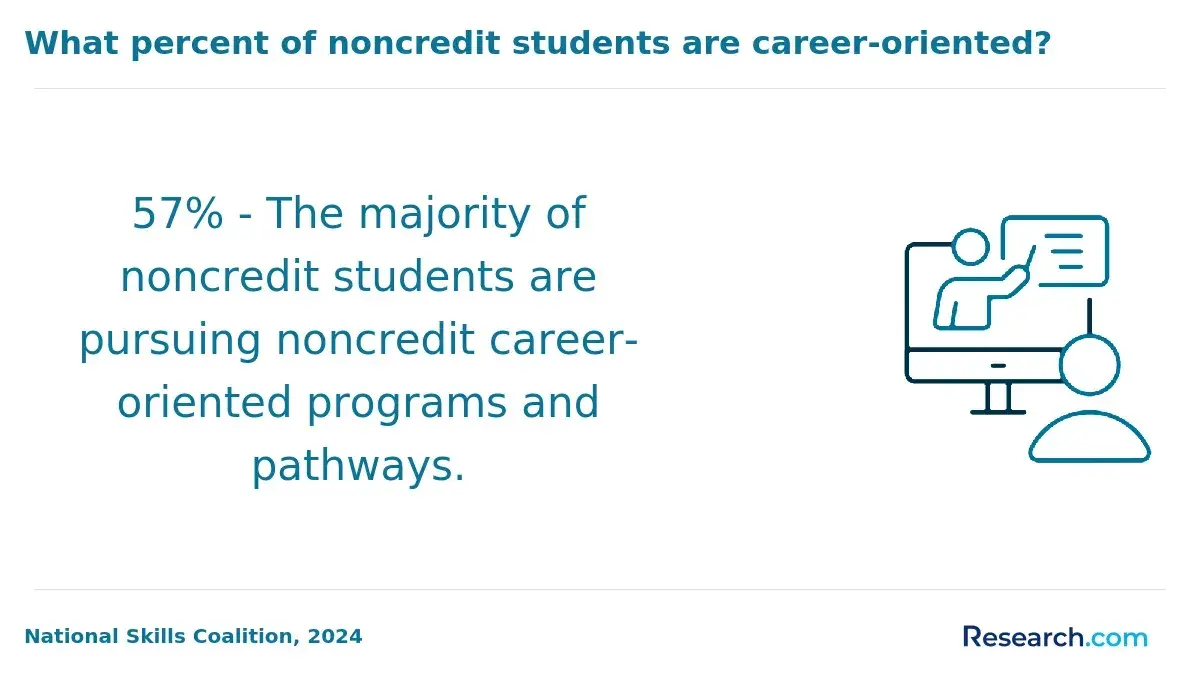
Online education in bioinformatics has expanded rapidly, offering flexible options for students and professionals across the U.S. It is now possible to earn a bioinformatics certificate online completion or even a full degree through various reputable programs.
For instance, the University of Maine's online Professional Science Master's and Brandeis University's fully online MS in bioinformatics allow all coursework to be completed remotely without any on-campus residency.
Likewise, graduate certificates in bioinformatics-such as those at the University of Delaware-can be completed entirely online in as little as one year. According to Mastersportal, there are more than 40 fully online master's programs in bioinformatics and biostatistics available, supporting a wide range of student needs and schedules.
While many online bioinformatics degree programs offer fully virtual curricula, some may include hybrid components like hands-on training, internships, or capstone projects to build practical skills. These elements are often arranged locally or virtually, but students should carefully verify any in-person requirements, especially if pursuing licensure or research-intensive career paths.
Choosing between an online degree versus a certificate depends on your career goals, time availability, and desired training depth. Working professionals seeking rapid upskilling might find a certificate ideal, while those targeting leadership or research roles may benefit from a full degree.
For those exploring flexible and rewarding options, exploring easy certifications that pay well can provide additional guidance.
Admission requirements play a crucial role in determining whether a bioinformatics degree or certificate program is the best fit for your background and career objectives. Knowing the differences between these admission criteria helps prospective students align their qualifications with the right educational path.
Below is a side-by-side comparison of typical admission requirements for bioinformatics degree and certificate programs.
Admission Requirements for Bioinformatics Degree Programs
- Educational Background: Applicants must have a bachelor's degree in biological, computational, physical sciences, engineering, computer science, mathematics, or a closely related field from an accredited institution.
- Minimum GPA: A competitive GPA, often around 3.0 on a 4.0 scale, is typically required for master's programs.
- Prerequisite Coursework: Foundational courses in math, computer science, and biology are expected, with some programs specifying calculus or statistics.
- Letters of Recommendation: Two or three letters from academic or professional references are generally required to attest to the applicant's preparedness for graduate-level study.
- Personal Statement: Applicants must submit a statement explaining their interest in bioinformatics and their career goals.
- Standardized Tests: GRE scores are gradually becoming optional or waived, but some programs or international applicants may still need to submit them.
- English Language Proficiency: International candidates must prove proficiency through exams like TOEFL or IELTS.
Admission Requirements for Bioinformatics Certificate Programs
- Educational Background: A bachelor's degree is generally required, though fields of study are more flexible compared to degree programs.
- Minimum GPA: GPA requirements are usually lower or unspecified, emphasizing degree completion over academic ranking.
- Prerequisite Knowledge: Basic understanding of biology, computer science, or statistics may be recommended but often with greater flexibility for diverse applicants.
- Application Materials: Fewer documents are needed, typically transcripts and a brief statement of interest; letters of recommendation and standardized tests are rarely required.
- Application Deadlines: Many certificate programs offer rolling admissions or accept applications until classes begin, appealing to working professionals seeking quick skill advancement.
For those who want to understand if programs require additional components like a dissertation, it is useful to explore resources addressing whether do all doctorates require a dissertation.
These insights complement your understanding of bioinformatics degree admission requirements and bioinformatics certificate program prerequisites as you consider your educational options.
Knowing the credit requirements for bioinformatics programs helps students effectively plan their academic schedules and anticipate the time commitment involved. Understanding how these credits differ between degree and certificate paths is essential for making an informed choice.
Here's a comparison of credit expectations for bioinformatics degrees versus certificate programs:
- Bioinformatics Degree: Typically requires 30 to 36 credit hours, involving a combination of core courses, electives, and sometimes thesis or capstone projects. This extensive credit load supports comprehensive training aimed at research or advanced professional roles.
- Bioinformatics Certificate: Usually spans 12 to 18 credit hours, focusing on fundamental bioinformatics skills and introductory computational techniques. Certificates cater to professionals seeking to enhance expertise without the extensive time investment of a full degree.
When asked about his experience, a student pursuing a bioinformatics certificate shared, "Choosing the certificate path felt like the right balance-challenging enough to deepen my knowledge but manageable alongside my job."
He described navigating the condensed curriculum as intense but rewarding, noting that while some course topics moved quickly, the focused credit load allowed him to apply new skills sooner.
"It wasn't easy," he reflected, "but knowing I didn't have to commit to three full years of study made it feel achievable." This streamlined approach offered flexibility while still opening doors to new opportunities in bioinformatics.
Tuition costs are a critical factor when deciding between pursuing a bioinformatics degree or a certificate, as they directly affect your financial commitment and potential return on investment. Comparing the typical tuition ranges can guide students in selecting the educational path that best fits their budget and career goals.
Below is a detailed comparison of the average tuition for bioinformatics degree programs versus certificate offerings.
Average Tuition for Bioinformatics Degree Programs
- Tuition Range: The average tuition for a bioinformatics degree in the US is approximately $36,876 per year for a bachelor's program, while graduate (master's) programs average around $31,871 per year.
- Public vs. Private Institutions: Public universities usually charge lower tuition for in-state students, whereas private schools often have substantially higher annual costs.
- Program Structure: Some institutions charge a flat semester rate, which can range between $20,682 and $30,468 per semester for full-time graduate study.
- Additional Fees: Tuition does not cover other expenses such as program fees, books, or living costs; some programs require one-time fees near $500.
- Financial Aid Availability: Degree programs often provide more scholarship options, assistantships, and federal aid, helping to reduce net tuition expenses.
Average Tuition for Bioinformatics Certificate Programs
- Tuition Range: The bioinformatics certificate program cost comparison shows rates between $689 and $2,539 per credit, varying by institution and format.
- Total Program Cost: Because certificates generally range from 12 to 18 credits, the total tuition tends to be between $8,000 and $25,000.
- Institution Type: Online certificate programs and those at public universities typically cost less, while private universities charge higher per-credit fees.
- Program Length: The shorter duration of certificate programs makes them a more affordable and faster option for gaining bioinformatics skills or advancing a career.
- Limited Financial Aid: Scholarships and federal aid are less commonly available for certificates, increasing the importance of evaluating out-of-pocket costs.
For prospective students exploring options, considering accredited institutions can be beneficial, and resources highlighting accredited online colleges no application fee offer convenient starting points for research.
Transferring certificate credits toward a bioinformatics degree is often possible but depends on several factors. Institutional policies vary; some universities formally permit applying certificate coursework toward a master's or doctoral bioinformatics program, while others do not guarantee transferability.
Critical aspects include the accreditation of the certificate-granting institution and how closely the course content aligns with the degree requirements.
Accreditation ensures that credits come from recognized institutions, and course relevance means the certificate classes must match the academic rigor and topics of the degree program.
Additional considerations include limits on how many credits can be transferred, which typically range from six to nine credits, and grade minimums, where most programs require a B or better for eligible courses.
Because policies differ greatly, students should always confirm their specific situation with advisors from both the certificate and degree programs before enrolling. This step protects your investment and helps you plan an efficient educational path that builds on previous coursework.
When I spoke with a student who pursued a bioinformatics degree after finishing a certificate program, she shared how navigating transfer credits was initially confusing.
"I wasn't sure which credits would count until I talked with both programs," she recalled. The process involved reviewing course syllabi and grades to determine alignment and eligibility.
Ultimately, she was pleased to learn that a portion of her certificate credits did apply, accelerating her degree progress. Reflecting on her experience, she emphasized, "Double-checking transfer options upfront saved me time and stress later on."
Bioinformatics degree programs, such as bachelor's or master's degrees, are generally provided by regionally accredited universities. This regional accreditation ensures that both the program and the institution meet nationally recognized standards for higher education.
In contrast, bioinformatics certificate programs show more variation in accreditation. Many certificates are offered by regionally accredited universities, benefiting from the institution's established credentials. However, some certificates, especially those from trade schools or unaccredited online providers, may lack formal accreditation or only hold state-level or industry-specific recognition.
Accreditation is important because it assures academic quality, improves credit transferability, and increases acceptance by employers and other educational institutions.
Programs with recognized accreditation are more likely to have rigorous curricula and offer valuable credentials. Students should verify that the institution is regionally accredited and confirm whether the specific degree or certificate program is included under that accreditation.
Additional endorsements from professional bioinformatics organizations can further enhance credibility. Before enrolling, it is advisable to confirm accreditation status through recognized accrediting bodies to ensure the credential's value.
Both bioinformatics degrees and certificates offer pathways into the field, but they often prepare graduates for different levels of responsibility and types of roles. Degrees generally lead to positions involving greater independence and leadership, while certificates tend to qualify individuals for more technical or support-focused jobs.
Below is a comparison of typical career opportunities for each credential.
Jobs You Can Get with a Bioinformatics Degree
- Bioinformatics Scientist: Develops and applies computational methods to analyze biological data, often working in research labs or biotech companies.
- Computational Biologist: Uses algorithms and models to understand biological systems, frequently collaborating on interdisciplinary research projects.
- Bioinformatics Analyst: Interprets complex datasets to support scientific investigations or clinical studies, usually employed in academic or healthcare settings.
- Principal Investigator: Leads research projects, supervises teams, and secures funding, typically requiring a PhD.
- Faculty/Professor: Engages in teaching and research within academic institutions, a role requiring doctoral credentials.
Jobs You Can Get with a Bioinformatics Certificate
- Bioinformatics Technician: Provides technical assistance and maintains laboratory equipment or software tools, often supporting research teams.
- Junior Bioinformatics Analyst: Assists in data processing and preliminary analyses under the guidance of senior scientists.
- Bioinformatics Programmer: Writes and tests code for managing biological data, contributing to software development projects.
- Data Curator: Organizes and standardizes datasets to ensure quality and accessibility across platforms.
- LIMS Specialist: Manages laboratory information management systems to streamline samples and data tracking.
Salary potential often varies significantly between bioinformatics certificate holders and those with bioinformatics degrees. Understanding these differences is crucial for prospective students weighing their educational options in this field. Below is a side-by-side comparison of the average starting salary for bioinformatics certificate holders versus degree graduates.
The following factors illustrate the salary disparities and career prospects for each group:
- Typical Salary Range: Certificate holders commonly start in entry-level technician or assistant roles with salaries between $40,000 and $60,000 annually, reflecting the average starting salary for bioinformatics certificate holders in the U.S.
- Degree Graduate Salary Comparison: Graduates with bachelor's or master's degrees in bioinformatics generally command higher starting salaries, with undergraduates averaging around $42,090, while those entering research or scientific roles can expect $68,000 to $91,700, sometimes exceeding $100,000 with experience.
- Influencing Factors: Key elements impacting salaries include education level, prior experience in biology, computer science or data analysis, industry sector (pharmaceutical, academic, healthcare, biotech), and location - urban and tech hubs typically offer higher compensation.
- Career Outlook: Advanced degrees such as master's or PhD often lead to quicker advancement and higher starting pay, while certificates mainly provide entry points that may have slower salary growth.
- Industry Demand Insight: Salaries can fluctuate depending on market trends, and for insights to the highest trade school salary sectors, certificate holders should consider regional and sector-specific demand.
Here's What Graduates of Bioinformatics Programs Say About Their Degree or Certificate
- Joya: "Pursuing a bioinformatics certificate was an excellent choice for me because it offered a focused learning experience at a faster pace compared to a full degree. The certificate allowed me to quickly gain practical skills without the higher cost and time commitment of a degree program, which made a big difference for my career transition into data analysis."
- Teagues: "Completing a bioinformatics degree gave me a comprehensive understanding of both the biological sciences and computational techniques, which I felt was necessary for long-term career growth. Although the degree took more time and was more expensive-often costing tens of thousands more than certificate programs-the depth of knowledge and credibility it offered have been invaluable in landing research opportunities and technical roles."
- Jacob: "I chose to complete both the bioinformatics certificate and degree programs because they complemented each other perfectly. The certificate provided a fast-paced introduction that built my confidence, while the degree deepened my expertise and gave me a competitive edge. Balancing cost and time was challenging, but ultimately, this combined approach has opened doors in academia and industry that I wouldn't have accessed otherwise."
Other Things You Should Know About Bioinformatics Degrees
In 2027, bioinformatics degree programs offer extensive lab work, internships, and in-depth capstone projects, providing robust practical experience. Certificates, while shorter, typically offer focused workshops or short-term projects to gain specific skills rapidly, though they may lack the comprehensive hands-on approach of a degree.
For a bioinformatics degree, prerequisites often include a high school diploma, proficiency in math and science, and sometimes introductory programming skills. Certificate programs might only require basic computer literacy and a keen interest in bioinformatics. Always check individual program requirements for specifics.
Yes, bioinformatics degree programs in 2027 often offer specialized tracks, such as genomics, computational biology, or systems biology, which are typically not available in certificate programs. This allows for in-depth study tailored to specific career goals within the bioinformatics field.
- Online Graduate Certificate Programs in Bioinformatics https://www.graduatecertificates.com/healthcare/bioinformatics
- Bioinformatics Careers, Salary, & Outlook - School of Biomedical Engineering, Science and Health Systems https://drexel.edu/biomed/academics/graduate-programs/bioinformatics-master-of-science-degree/careers/
- Online Graduate Certificate Bioinformatics https://www.umgc.edu/online-degrees/graduate-certificates/bioinformatics
- Graduate Certificate in Bioinformatics Data Science (BIDS-CERT) https://bioinformatics.udel.edu/education/degrees/graduate-certificate-in-bioinformatics-data-science-bids-cert/
- Applied Bioinformatics - University of Wisconsin-Stevens Point https://www.uwsp.edu/programs/certificate/graduate-certificate-in-applied-bioinformatics/
- Graduate Certificate in Bioinformatics https://sbs.wsu.edu/graduate-studies/graduate-certificate-in-bioinformatics/
- Bioinformatics Technology Certificate - College of Computing and Informatics https://cci.charlotte.edu/academics/bioinformatics/bioinformatics-graduate-certificates/
- Bioinformatics, M.S. or Graduate Certificate, Early Entry https://catalog.charlotte.edu/preview_program.php
- Advanced Graduate Certificate Requirements https://bmi.stonybrookmedicine.edu/degreerequirements/adc