2027 Online Bioinformatics Degree Programs With Monthly Tuition Payment Plans

Co-Founder and Chief Data Scientist
Paying a full term's tuition at once can make an online bioinformatics degree difficult to start, even when the total program price fits a long-term budget. Monthly tuition payment plans divide a school's bill into scheduled installments, usually within one semester or term. This guide is for prospective bioinformatics students comparing cost, flexibility, and financing options. The U.S. Bureau of Labor Statistics reported a $112,590 median annual wage for data scientists in May 2024, highlighting the value of carefully evaluating education costs before pursuing data-intensive careers.
Key Things to Know About Bioinformatics Programs with Monthly Tuition Payments
- Monthly tuition plans usually spread one term's remaining balance across 2 to 5 payments; they are not the same as a long-term student loan and generally must be paid before the term ends.
- There is no reliable national average monthly payment for online bioinformatics degrees because tuition, credit load, grants, employer support, and plan length vary; divide the net term balance by the number of scheduled installments instead.
- Check the enrollment fee, required down payment, missed-payment policy, and excluded charges in writing before enrolling; a low monthly amount can still leave a large final installment or uncovered technology costs.
Which online Bioinformatics degree programs have monthly tuition payment plans?
Online bioinformatics programs and monthly payment plans are often administered by different offices. The academic department determines whether the degree is online, while the bursar or student accounts office decides whether installment billing is available for a particular term. A school may offer a payment plan to eligible students across many programs without advertising it on the bioinformatics degree page.
The programs below illustrate the type of school-level option prospective students should investigate. Availability, installment count, enrollment windows, and eligibility can change by term, so obtain confirmation from student accounts before paying an enrollment deposit.
| Institution and online option | Monthly-payment plan question to confirm | Why confirmation matters |
| University of Maryland Global Campus, online M.S. in Bioinformatics | Whether the current term's balance can be enrolled in the university installment plan after financial aid is applied | Graduate tuition, residency status, and course load can affect the remaining balance available for installments. |
| Schools offering online bioinformatics, computational biology, or genomics master's programs | Whether online graduate students are included, rather than only campus-based or undergraduate students | A university-wide plan may have separate rules for professional, graduate, accelerated, or distance-learning divisions. |
| Part-time certificate-to-master's pathways | Whether each course can be paid through a term plan and whether a minimum balance applies | Taking one course at a time may reduce the bill but can also make a payment-plan enrollment fee less economical. |
Start with the program's total credit requirement, then contact both admissions and student accounts. Ask for the current payment-plan agreement, not just an informal estimate. This distinction is important because bioinformatics students may take courses through engineering, health sciences, computer science, or continuing education units that use different billing systems.
Students comparing health-related graduate pathways may also find that timelines and billing cycles differ substantially from accelerated DNP programs online. Compare the specific school's academic calendar rather than assuming all online professional programs bill alike.
How much do online Bioinformatics degree programs typically cost?
Online bioinformatics costs depend primarily on the institution, credit requirement, residency policy, and whether the program charges a flat per-credit rate. Many master's programs require roughly 30 to 36 credits, while graduate certificates often require fewer credits. A payment plan changes when the bill is due; it does not reduce the published tuition rate.
Because institutions publish prices differently and revise them by academic year, there is no dependable national average tuition or average monthly payment specifically for online bioinformatics degrees. The most useful figure is your net balance for one term: tuition and mandatory charges, minus confirmed grants, scholarships, employer payments, and accepted aid.
This example shows how the same term balance produces different monthly obligations. It is a budgeting illustration, not a quoted price from a specific university.
| Illustrative net balance for one term | Installment schedule | Estimated payment before any plan fee | Budget implication |
| $3,600 | 3 monthly payments | $1,200 per month | Useful for a student with steady monthly cash flow but limited savings for a lump-sum bill. |
| $3,600 | 4 monthly payments | $900 per month | Lower monthly pressure, although the school may charge an enrollment fee. |
| $3,600 | 5 monthly payments | $720 per month | May extend close to the end of the term; verify the final due date and consequences of a late payment. |
Compare total program cost as well as the monthly amount. A lower per-credit tuition rate can matter more than an extra installment, especially for a 30-credit or 36-credit degree. Students evaluating adjacent health-science options can use FNP online programs as a reminder that professional programs can have very different credit totals, clinical requirements, and non-tuition costs.
To estimate your own payment, use this sequence:
- Obtain the tuition and mandatory-fee estimate for your planned number of credits.
- Subtract only financial aid and employer reimbursement that has been approved or is reasonably certain.
- Add the payment-plan enrollment fee and any required down payment.
- Divide the remaining balance by the number of installments, then reserve room in your budget for books, software, and unexpected charges.
How common are monthly tuition payment plans among Bioinformatics programs?
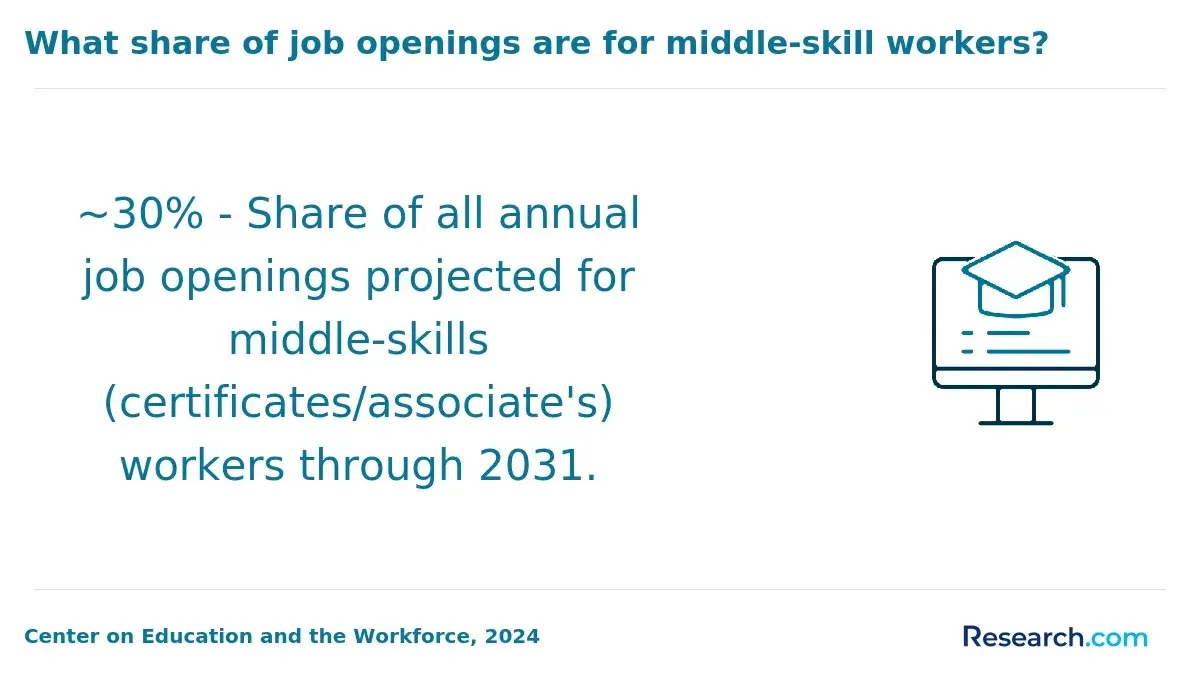
Monthly payment plans are common at U.S. colleges and universities, but they are not universal and are usually offered at the institution level rather than designed specifically for bioinformatics students. A plan may be available for fall and spring terms but not for short summer sessions, condensed courses, or students with past-due balances.
The key limitation is timing. Most institutional payment plans are short-term arrangements that divide a single academic term's charges. They generally do not let a student pay a two-year master's degree over several years after graduation. If a bioinformatics program uses eight-week sessions or an accelerated calendar, the available installment period may be especially short.
Before applying, ask whether the school's plan applies to your exact online program, start date, and student classification. Schools are increasingly using electronic billing portals, but online access does not itself mean that installment financing is offered or that every charge is eligible.
Can monthly tuition plans make paying for Bioinformatics degrees more attainable?
Monthly payments can make a bioinformatics degree more attainable for a student who can cover the full term's net cost over several paychecks but cannot pay it all before classes begin. They are particularly useful for working professionals, students receiving employer reimbursement after grades are posted, and learners taking one or two courses while maintaining full-time employment.
The central benefit is cash-flow management. An interest-free institutional plan can be less expensive than putting tuition on a high-interest credit card or borrowing a private loan solely to bridge a few months. It does not solve an affordability gap, however: the entire balance is still due on the school's schedule.
Consider these fit factors before selecting a plan:
- Good fit: Your reliable monthly income exceeds the installment amount after rent, food, insurance, transportation, and emergency savings.
- Potentially useful fit: Your employer reimburses eligible coursework, but only after you pay the university; confirm reimbursement rules and timing before committing.
- Weak fit: You would need to use another high-cost debt product for every installment or expect uncertain income to cover the final payment.
- Consider paying upfront: You have sufficient savings, the school offers a meaningful prompt-payment discount, and paying does not deplete your emergency fund.
Program pace also affects attainability. An accelerated curriculum can shorten time in school but raise each term's bill because more credits are taken at once. Students considering a faster healthcare training route, such as fast track medical programs, should similarly compare the monthly cash requirement with the total time to completion.
A payment plan is most effective when paired with a realistic course load. Taking fewer credits may lower each term's installment, although it can extend the degree timeline and delay completion. Ask the program whether part-time enrollment affects course sequencing, financial aid, scholarships, or access to required classes.
Does monthly payment plans have an effect on the overall cost of Bioinformatics degrees?
A monthly payment plan usually does not change the base tuition charged for an online bioinformatics degree. It can change your total out-of-pocket cost through enrollment fees, returned-payment charges, late fees, or consequences triggered when a balance remains unpaid. Some schools offer no-interest plans; others charge a nonrefundable fee to enroll each term.
Use the comparison below to separate the cost of timing from the cost of borrowing.
| Payment method | Typical cost feature | When it may make sense | Main trade-off |
| Pay tuition in full | No installment-plan fee; tuition is paid immediately | You have available funds without sacrificing essential savings | Large upfront cash requirement |
| Institutional monthly payment plan | Often a per-term enrollment fee; may be interest-free | You can pay the full term balance within the school's deadline | Short repayment window and missed-payment consequences |
| Federal student loan, if eligible | Interest and applicable federal loan fees may apply | You need financing beyond one academic term and have reviewed federal aid terms | Debt can continue after graduation |
| Private education loan | Interest rate and fees vary by lender and borrower profile | Federal aid, savings, and employer benefits do not cover the gap | Terms and protections can be less favorable than federal borrowing |
The common mistake is comparing only the first monthly payment. Instead, add every required fee and compare that total with the cost of paying upfront or using a loan. Also review whether a missed installment can lead to a registration hold, transcript hold where permitted, removal from future classes, or referral of a delinquent balance under school policy.
A longer plan is not automatically cheaper. It may lower the monthly bill while adding another enrollment fee or leaving less time to correct a billing error before the term ends.
Do monthly payment plans affect your financial aid eligibility for Bioinformatics programs?
Enrolling in a monthly tuition plan generally does not by itself reduce eligibility for federal student aid. Eligibility is determined through the FAFSA, institutional policies, enrollment status, satisfactory academic progress, program eligibility, and other requirements. The payment plan is usually a billing arrangement used after the school calculates charges and posts aid.
Timing matters because financial aid may not disburse until a term begins and enrollment is confirmed. A school may require a down payment before expected aid is released, or it may calculate installments after anticipated aid is deducted. Do not assume an award letter means funds have already been applied to your account.
Ask financial aid and student accounts these questions before enrolling:
- Will the payment-plan balance be calculated after pending grants, scholarships, and accepted federal loans are applied?
- What payment is due before aid disburses, and what happens if aid is delayed, reduced, or canceled?
- Does taking fewer credits to lower the monthly bill change my aid eligibility or award amount?
- Can employer tuition benefits be treated as an anticipated payment, or must I pay first and seek reimbursement later?
Avoid accepting loans solely because a payment portal displays a balance. First confirm all scholarships, tuition assistance, and employer benefits. If borrowing is necessary, compare the payment plan's short-term deadline with the repayment terms and total borrowing cost of available loan options.
Is there a deposit required before starting Bioinformatics monthly payment plans?
Possibly. Many institutional plans require either a first installment, a percentage of the term balance, or both when the student enrolls. Schools may describe this amount as a down payment rather than a deposit. Unlike a refundable housing or enrollment deposit, a payment-plan down payment normally goes toward tuition owed.
The required upfront amount varies by institution, term length, enrollment date, and remaining balance. Enrolling earlier may allow more installments and a smaller first payment; enrolling shortly before classes begin can require a larger amount because fewer due dates remain. A separate program application fee, admissions deposit, or seat-confirmation deposit may not be included in the plan.
Get a written answer to three points: whether the initial payment is credited toward tuition, whether it is refundable if you withdraw before classes start, and whether the payment-plan enrollment fee is refundable. These details matter more than the label used by the school.
Do not confuse an admissions deposit with tuition. In some programs, accepting admission requires a payment before registration, while the tuition payment plan opens only after a student registers for courses. Budget for both if the institution requires them.
Are there fees not covered by monthly tuition payment plans for Bioinformatics programs?
Yes. A payment plan may cover eligible tuition and some mandatory institutional fees, but schools frequently bill other expenses separately. Bioinformatics students should pay special attention to technology and course-material expenses because coursework can require computing access, software, textbooks, datasets, or proctored assessments.
This table identifies common charges to verify before treating the displayed monthly installment as your full education budget.
| Possible charge | Often included in tuition installments? | What to verify |
| Tuition for registered courses | Usually | Whether all courses in the term appear before the plan is calculated |
| Mandatory student, technology, or distance-learning fees | Sometimes | Whether each fee is eligible for installment billing |
| Payment-plan enrollment fee | Usually charged separately | Amount, refundability, and whether it is charged each term |
| Late, returned-payment, or reinstatement fees | No | Amount, grace period, and consequences of a failed automatic payment |
| Books, software, equipment, and external certification costs | Often no | Required items, licensing duration, and whether alternatives are permitted |
| Application, graduation, or transcript fees | Often no | When each charge is billed and whether it can be covered by aid |
Request an itemized estimate for your first term, not only a tuition-per-credit figure. A manageable tuition installment can still leave a significant upfront expense if materials and software are due before the course begins.
What should you look for in payment plan terms for Bioinformatics programs?
Read the actual payment-plan agreement before enrolling. Marketing language such as "flexible payments" does not reveal the number of installments, the due dates, or the school's response to a missed payment. The best plan is one whose required dates match your predictable income and aid timeline.
Use this checklist to compare terms across schools:
- Plan duration: Confirm the first and final payment dates, especially for accelerated or summer terms.
- Upfront requirement: Identify the down payment, first installment, enrollment fee, and any separate admissions deposit.
- Eligible charges: Verify whether mandatory fees and prior balances are included or excluded.
- Automatic payments: Check the accepted payment methods, authorization rules, and procedure for changing bank or card information.
- Late-payment policy: Review late fees, returned-payment fees, grace periods, registration holds, and potential course cancellation rules.
- Withdrawal and refund rules: Learn how a schedule change or withdrawal affects installments and whether you remain responsible for a balance after tuition is recalculated.
- Financial-aid coordination: Determine how expected aid, external scholarships, and employer benefits alter the scheduled amount.
Keep a copy of the agreement and the itemized term bill. If a representative explains a special arrangement by phone or email, ask for written confirmation from the office that administers billing. Students comparing education costs across disciplines can apply the same careful review used for masters in nutrition programs: compare total required charges and payment deadlines, not tuition alone.
Red flags include a plan that does not disclose fees until checkout, an installment schedule that ends before expected aid arrives, and a final payment that is substantially larger than the others without a clear explanation.
How do you know if online Bioinformatics degrees with monthly payments are right for you?
An online bioinformatics degree with monthly payments is a sensible choice when the program fits your academic goals, is offered in a format you can complete successfully, and the full term balance fits a conservative monthly budget. Payment flexibility should be a secondary selection factor after program quality, curriculum, support, total cost, and career relevance.
A strong candidate usually has stable income, understands the term-by-term obligation, and has a plan for expenses outside tuition. A weaker candidate has irregular income, relies on uncertain reimbursements, or would need to miss essential bills to make the scheduled payments. In that situation, reducing course load, postponing enrollment, increasing savings, pursuing scholarships, or reviewing aid options may be safer.
Before making a final decision, complete these practical steps:
- Confirm the program's online delivery format, credit requirement, admissions prerequisites, and whether its curriculum matches your intended work in genomics, computational biology, health data, or related fields.
- Request an itemized first-term bill based on your planned course load.
- Calculate the monthly installment using only confirmed aid and dependable income.
- Compare the plan's total fees and final due date with paying upfront, federal aid if eligible, employer benefits, and other financing options.
- Choose the course load that lets you meet every payment without relying on credit-card debt or sacrificing emergency savings.
Also evaluate whether the degree offers the instructional support you need, including faculty access, programming preparation, statistics coursework, and career services. A lower monthly payment does not offset a program that lacks the coursework or student support needed for your goals. As with cheapest online accelerated BSN programs, the least expensive monthly bill is not necessarily the best educational or financial fit when program pace and total obligations differ.
In short, choose monthly payments when they improve cash flow without creating a recurring affordability problem. Choose another funding approach when the plan merely postpones a balance you are unlikely to pay by the institution's deadline.
Other Things You Should Know About Bioinformatics
Institutional accreditation is the primary accreditation to verify for an online bioinformatics degree. Confirm that the university is recognized by an accrediting agency accepted by the U.S. Department of Education, and review the curriculum, faculty credentials, and student-support services. Bioinformatics programs do not typically use one universal programmatic accreditation requirement.
Completion time depends on credit requirements, transfer credits, course sequencing, and whether you study full time or part time. A student taking one course per term may need substantially longer than a full-time student. Ask whether required courses are available every term before relying on an advertised timeline.
Requirements vary. Programs may expect prior coursework in biology, statistics, calculus, computer programming, or related fields. Applicants without one area of preparation may need prerequisites or foundational coursework, which can increase both time to completion and total cost.
Often, yes, if your employer's policy covers an eligible institution and program. Confirm grade requirements, annual reimbursement limits, documentation deadlines, and whether reimbursement occurs before or after you pay tuition. If reimbursement is paid after the term, a monthly plan may help manage the timing gap.
References
- Boost Income with Flexible Online Degrees https://www.marian.edu/blog/2026/02/how-flexible-online-degrees-help-you-boost-income-on-a-budget.php
- Online Bachelor's Students Loans & Scholarships - Office of Financial Aid - Biola University https://www.biola.edu/financial-aid/scholarships-and-aid/online
- Data Sources for Post-Graduation Outcomes https://www.airweb.org/article/2021/09/30/data-sources-for-post-graduation-outcomes
- Paying for a Computer Science Degree | Scholarships, Grants, Loans https://www.computerscience.org/resources/how-to-pay-for-a-degree/
- Bioinformatics Degree Online: What to Expect, Costs, and Career Paths | Campaign Chronicle https://campaignmanagement.copcap.com/journal/bioinformatics-degree-online-what-to-expect-costs-and-yrvz
- Online Master of Science in Biotechnology: Bioinformatics https://www.umgc.edu/online-degrees/masters/biotechnology-bioinformatics
- Cost of an Online Degree: Calculate the Cost of Your Higher Education https://www.edumed.org/articles/cost-of-an-online-degree/
- Financial Aid For Online Colleges https://www.affordablecollegesonline.org/financial-aid/financial-aid-for-online-colleges/
- Browse Scholarships - Scholarship America https://scholarshipamerica.org/students/browse-scholarships/
- Master's in Bioinformatics https://www.brandeis.edu/online/academics/masters-degrees/bioinformatics/index.html