
2027 Is Demand for Health Informatics Degree Graduates Growing or Declining?

Co-Founder and Chief Data Scientist
Healthcare organizations increasingly struggle to manage vast patient data efficiently, creating a critical need for professionals skilled in health informatics. According to the U. S. Bureau of Labor Statistics, employment for medical and health services managers, which includes health informatics specialists, is projected to grow 28% from 2021 to 2031, much faster than the average for all occupations. This surge reflects expanding digital health technologies and regulatory requirements. This article examines whether demand for health informatics degree graduates is growing or declining, offering insights on job market trends to help prospective students and professionals make informed career decisions.
Key Things to Know About the Demand for Health Informatics Degree Graduates
- Employment for health informatics degree graduates is expanding rapidly due to healthcare digitization, with a 15% increase in related job postings over the past five years.
- The U.S. Bureau of Labor Statistics projects a 10% growth in health informatics roles through 2030, outpacing many healthcare support professions.
- Specializing in data analytics or cybersecurity within health informatics significantly enhances career longevity amid evolving industry requirements and technological integration.
What Factors Are Driving Demand for Health Informatics Degree Professionals?
Recognizing the factors driving workforce demand helps prospective students evaluate the long-term value and stability of a health informatics degree. These forces clarify which skills remain essential and how the job market might evolve. Below are key drivers shaping employment trends for health informatics professionals.
- Industry Growth: The expanding healthcare sector-including hospitals, outpatient centers, and insurance providers-needs specialists to handle rising data complexity and enhance patient care delivery. Due to the accreditation importance for health informatics degree programs, certified graduates gain an advantage in this growing market.
- Technological Advancements: The swift adoption of electronic health records (EHRs), telemedicine, and big data analytics fuels demand for experts who implement and optimize these technologies efficiently.
- Regulatory and Policy Changes: Government mandates promoting interoperability and data privacy standards-like HIPAA-require informatics professionals to ensure compliance and secure patient information, highlighting the impact of program accreditation on health informatics careers.
- Demographic Shifts: An aging population intensifies the need for effective health data management to support chronic disease monitoring and tailored care strategies.
- Evolving Employer Skill Requirements: Employers increasingly value candidates with hybrid expertise-clinical knowledge combined with IT skills and data analysis-to advance evidence-based decision-making. For those exploring related educational options, there are also valuable resources like rn to bsn online programs without clinicals that complement career growth in health fields.
Which Health Informatics Occupations Are Seeing the Highest Growth Rates?
Employment growth rates are a crucial indicator for students evaluating health informatics career paths, as they reflect job availability and future stability. The U.S. Bureau of Labor Statistics projects healthcare occupations will grow 16% from 2021 to 2031, significantly faster than the average for all fields. This strong outlook naturally highlights several health informatics occupations with notably high growth rates.
- Health Information Managers: Expected to grow by about 13% over the next decade, the demand for health information managers is driven by expanding healthcare facilities and evolving regulatory requirements for accurate patient data management. These roles typically require a bachelor's degree or higher.
- Clinical Informatics Specialists: With a projected growth rate near 15%, these specialists often hold master's degrees and benefit from advances in electronic health record systems and interoperability standards, making their expertise increasingly valuable.
- Health Data Analysts: Typically holding a bachelor's degree, health data analysts support providers in improving patient outcomes through data-driven decision-making. Their role is growing rapidly as healthcare providers leverage big data and analytics.
- Medical Records Technicians: Growth for this group is around 9%, fueled by the digitization of medical records. These technicians usually require certification or an associate degree and play a key role in managing medical data accuracy and accessibility.
Identifying top growing health informatics careers and job outlook by specialization helps students select paths with strong prospects. Those interested in advancing quickly might also explore flexible education options like online dnp programs without dissertation to complement their skills and credentials.
Which Industries Hire the Most Health Informatics Degree Graduates?
Knowing which sectors actively recruit health informatics graduates allows students to better evaluate their career options and prospects for job stability. Several key industries consistently seek professionals with this specialized expertise.
- Healthcare Providers: Hospitals and clinical facilities lead demand for health informatics experts to manage electronic health records, maintain data integrity, and support clinical decision-making processes. Common positions include clinical informatics specialists and EHR coordinators.
- Health Insurance: Insurers employ informatics professionals to analyze claims data, detect fraud, and optimize cost management strategies. Roles such as data analysts and informatics consultants help improve operational efficiency in this sector.
- Government Agencies: Public health departments and federal organizations utilize health informatics graduates to track disease patterns, inform health policy, and handle large health data systems. Positions often involve epidemiology informatics and program evaluation.
- Pharmaceutical and Biotech: These companies require informatics specialists to oversee clinical trial data, ensure compliance with regulations, and streamline research workflows. Clinical data managers and research informatics experts are typical roles.
- Health IT Firms: Companies developing healthcare software rely on informatics knowledge for system design, user support, and integration. Graduates fit well into product development and technical training roles within this technology-driven industry.
Breakdown of All 2-Year Online Title IV Institutions

Geographic factors play a crucial role in shaping job prospects for health informatics degree holders, influencing both demand and competition. Various regional elements impact how opportunities develop across different areas.
- High-Demand States: Certain states like California, Texas, New York, and Massachusetts feature robust healthcare sectors that drive higher need for health informatics professionals. These markets benefit from numerous hospitals, tech companies, and research centers fueling employment.
- Regional Industry Concentration: Urban regions often present greater opening volumes due to dense healthcare infrastructure and quicker adoption of technology. This concentration creates hubs of growth, while less populated areas may offer fewer roles but potentially reduced competition.
- Urban vs. Rural: Jobs tend to cluster in metropolitan settings, providing more possibilities but with stiffer rivalry among applicants. Rural locales may have limited postings but occasionally less competition, presenting alternative pathways for candidates.
- Cost-of-Living Impact: States with higher living expenses may offer increased salaries for health informatics roles; however, these gains can be tempered by the elevated cost of housing and services, influencing overall career value.
- Remote and Hybrid Work Trends: Expanding telehealth and digital data management facilitate flexible work arrangements, enabling some professionals to engage in health informatics positions regardless of geographic constraints.
Considering these diverse geographic dimensions helps graduates strategically navigate their job searches, balancing opportunity availability, competition intensity, and lifestyle factors in health informatics careers.
The degree level achieved in health informatics plays a crucial role in shaping job opportunities, career advancement, and overall competitiveness. Differences between associate, bachelor's, master's, and doctorate degrees create varied pathways and outcomes in this growing field.
- Associate Degree: This level prepares graduates for entry-level positions such as health information technicians or medical records specialists. Roles at this stage typically involve foundational tasks with limited room for rapid progression.
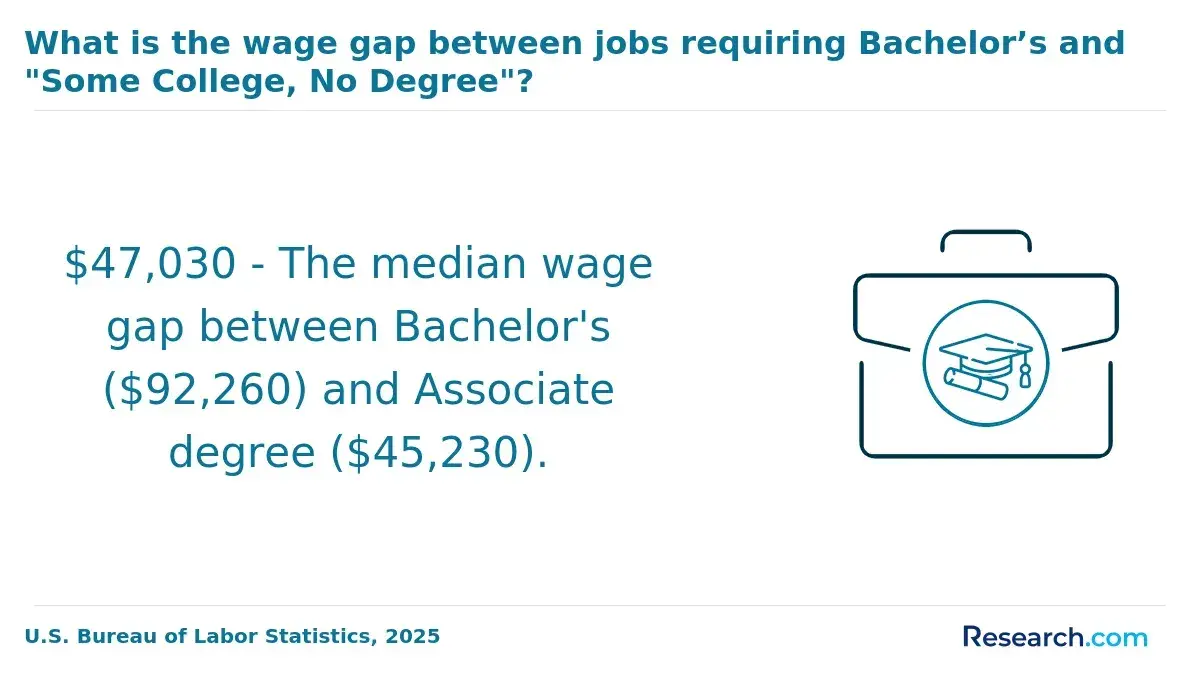
- Bachelor's Degree: Holding a bachelor's opens access to specialist and analyst roles and is widely considered the minimum credential for many professional positions. This degree enhances employability and often leads to better salary prospects compared to an associate degree.
- Master's Degree: Advanced degrees enable candidates to pursue leadership roles like health informatics managers or clinical informaticists, focusing on strategic data management. Given the projected 32% job growth in medical and health services management, a master's degree strengthens both job prospects and career growth.
- Doctorate Degree: This highest education level targets careers in academic research, policy development, and expert consultancy. Though niche and highly competitive, such roles demand specialized knowledge and offer prestigious opportunities.
For individuals evaluating educational paths, understanding these distinctions is vital to align ambitions with market realities. Additionally, exploring nursing schools with high acceptance rates can provide insight into accessible programs that support advanced health informatics degrees job prospects.
Recognizing the skills most valued by employers is essential for those pursuing a career in health informatics to stay competitive and job-ready. The following competencies highlight the key areas where graduates can demonstrate their value in the workforce.
- Data Interpretation: The ability to analyze complex healthcare data enables professionals to support clinical decisions and optimize patient outcomes through evidence-based insights.
- Technical Proficiency: Expertise with electronic health records and healthcare IT platforms is critical for maintaining accurate patient information and ensuring seamless health system functionality.
- Collaborative Communication: Strong interpersonal skills that bridge clinical, administrative, and technical teams help facilitate efficient teamwork and project success.
- Compliance Knowledge: Familiarity with healthcare laws and privacy regulations, including HIPAA, equips graduates to protect sensitive data and guide organizations in meeting legal standards.
- Analytical Problem-Solving: Employing critical thinking to identify and resolve challenges in health data management enhances system reliability and operational flow.
- Leadership in Project Delivery: Managing projects effectively aids in adopting new technologies and refining healthcare processes, bolstering organizational improvement efforts.
When discussing with a recent health informatics graduate, he shared how adapting to fast-paced changes in healthcare technology was initially daunting. "Navigating evolving software while juggling team expectations challenged my adaptability," he recalled.
He emphasized that the ability to learn quickly and communicate clearly across departments was vital in overcoming obstacles. "Employers are not just looking for technical skills but also for those who can lead initiatives and foster collaboration under pressure," he noted, reinforcing that a mix of technical and soft skills defines employability in the field.
Fluctuations in job demand significantly influence starting salaries, wage growth, and long-term earning potential for health informatics graduates by affecting how employers compete for talent. For example, employment of medical and health services managers, a related field, is projected to grow 28% from 2021 to 2031, indicating robust demand that supports salary increases. The following points explain how these demand shifts impact compensation trends.
- Starting Salaries: When demand exceeds the supply of qualified candidates, employers often raise starting salaries to attract applicants, making entry-level positions more lucrative for new graduates.
- Wage Growth: High demand environments usually lead to faster wage growth as employers compete to retain skilled employees, rewarding experience and advanced competencies over time.
- Long-Term Earnings: Sustained demand for specialized health informatics skills can boost long-term earning potential, as professionals who continue developing expertise become highly valuable in competitive labor markets.
- Market Balance: Conversely, an oversupply of graduates or reduced demand tends to suppress initial offers and slow wage increases, limiting career earnings despite qualifications.
Rapid advancements in artificial intelligence are transforming workforce demands within health informatics, with studies showing that over 60% of healthcare providers have integrated AI tools as of 2023. This shift is significantly changing the skills and roles required in the field.
The influence of AI on employment in health informatics can be seen in several key areas:
- Automation of Routine Tasks: Many traditional entry-level functions are being streamlined, leading to fewer positions focused solely on manual data management. Instead, the need rises for experts who can monitor AI systems and maintain data integrity.
- Emergence of Specialized Roles: New positions such as AI implementation specialists, data scientists, and algorithm reviewers are becoming common, offering diverse career paths within health informatics.
- Enhanced Skill Requirements: Professionals must now blend in-depth knowledge of AI, machine learning, and complex analytics with foundational health informatics expertise to remain competitive.
- Hiring Trends Favoring Hybrid Expertise: Employers increasingly seek candidates who combine healthcare, information technology, and AI proficiency, which supports greater job stability for adaptable professionals.
When discussing how AI shapes demand for health informatics professionals, a recent graduate shared that entering the workforce felt daunting initially due to the rapid pace of technological change. She recalled, "Many days involved learning new AI tools on the job while ensuring error-free data processing."
Despite these challenges, she felt her program's focus on both healthcare and AI fundamentals helped build confidence. "It's rewarding to see how I contribute to improved patient outcomes by bridging clinical knowledge and technology," she added, highlighting a positive outlook fueled by continuous learning and adaptation.
Long-term career stability is a crucial consideration for students and professionals evaluating health informatics career paths, as it affects job security and future growth prospects. Several key factors influence the stable long-term career outlook for health informatics graduates.
- Consistent Employment Growth: Long-term employment trends in healthcare demonstrate steady expansion. As healthcare systems increasingly rely on digital recordkeeping and data analytics, demand rises for graduates skilled in health informatics, contributing significantly to job market stability in health informatics careers.
- Diverse Industry Dependence: Health informatics roles are essential across various sectors, including hospitals, insurance companies, government agencies, and technology firms. This broad industry reliance creates multiple employment opportunities, which helps buffer against downturns in any single area.
- Technological Adaptability: Professionals in health informatics frequently update their skills to stay current with emerging technologies such as artificial intelligence, telemedicine, and enhanced data security. This adaptability reduces vulnerability to automation and economic fluctuations, reinforcing career sustainability.
- Advancement and Reskilling: Opportunities for career growth are strong, with many pursuing certifications or advanced degrees to specialize in fields like data science or health policy. Such continuous learning supports long-term career prospects and leadership development within the field.
If you are looking to strengthen your professional foundation or explore further education, consider affordable np programs that provide valuable skills complementary to a health informatics career.
The demand for health informatics degree graduates in the United States job market is growing, supported by labor projections from the U.S. Bureau of Labor Statistics. Employment for medical and health services managers, which includes many roles in health informatics, is expected to expand faster than the average for all occupations over the next decade.
This growth largely results from the widespread implementation of electronic health records, telemedicine, and data-driven patient care practices in healthcare organizations. Such trends indicate that pursuing a health informatics degree can offer strong entry points into a dynamic and evolving sector.
The long-term career outlook for health informatics degree holders in North America is influenced not only by demand but also by the level of education and alignment with industry needs. Advanced degrees often enhance prospects for leadership or specialized positions, while technical skills in data analytics, cybersecurity, and health IT systems are increasingly valued by employers.
Candidates who can bridge clinical knowledge with information technology and healthcare regulations tend to achieve better employment outcomes. For those evaluating educational options, programs such as the cheapest dnp online program offer an example of accessible pathways supporting career advancement in related health fields.
What Graduates Say About the Demand for Their Health Informatics Degree
- Theo: "Pursuing a health informatics degree was a turning point in my career; it opened doors in the healthcare tech field that I never imagined. The ROI was clear as I quickly advanced in roles that value data-driven decision-making. Every day I use what I learned to improve patient outcomes, and it feels rewarding."
- Aries: "Choosing a health informatics degree was a thoughtful decision that aligned with my passion for healthcare and technology. Reflecting on my journey, the knowledge I gained has been invaluable, connecting clinical expertise with informatics solutions. This degree gave me the tools to make meaningful contributions to health systems."
- Anthony: "From a professional standpoint, obtaining a health informatics degree significantly enhanced my credibility and skill set. The investment paid off as I transitioned into leadership roles focused on implementing health IT innovations. I appreciate how the degree blends practical learning with industry relevance."
Other Things You Should Know About Health Informatics Degrees
Health informatics graduates should possess expertise in data analytics, proficiency with electronic health record systems, and a solid understanding of health care regulations. In addition, strong communication skills and the ability to work collaboratively in interdisciplinary teams are vital as the field continues to grow in 2027.
The demand for health informatics graduates in 2027 is influenced by increased electronic health record adoption, regulatory requirements for data management, and the expansion of telemedicine services. These factors create a growing need for professionals skilled in managing and analyzing healthcare data.
In 2027, technology trends like the increased adoption of telemedicine, advancements in electronic health records (EHR) systems, and the use of artificial intelligence in healthcare are significantly boosting the demand for health informatics graduates, as these require specialized knowledge and skills to implement effectively.
In 2027, industries such as hospitals, pharmaceutical companies, and public health agencies actively hire health informatics graduates. These sectors seek individuals skilled in managing electronic health records, data analysis, and improving patient care through advanced medical technologies.
- Healthcare Informatics: Scope, Career, and Salary Insights — The BridgeWay Firm https://www.bridgewayfirm.com/news-updates/healthcare-informatics
- The Revolutionary Impact of AI and Machine Learning in Healthcare - Digital Health Canada https://digitalhealthcanada.com/revolutionary-impact-of-ai-and-machine-learning-in-healthcare/
- A Career Guide to your Future in Health Informatics | Pitt SHRS https://www.shrs.pitt.edu/story/a-career-guide-to-your-future-in-health-informatics/
- What Can You Do with a Master’s in Health Informatics? Top 10 Career Options https://www.pace.edu/news/health-informatics-careers
- Recommendations for someone considering pursuing MSc in Health Informatics - Student blogs https://studentblogs.ki.se/2023/03/26/tips-for-hi-students/
- What Can You Do With a Master’s in Health Informatics? https://masterspublichealth.com/masters-in-health-informatics-jobs/
- What is Health Informatics? https://www.mtu.edu/applied-computing/graduate/health-informatics/what-is/
- Career Outcomes With a Master's in Health Informatics and Data Analytics https://online.txst.edu/degrees/graduate/masters-health-information-management/data-analytics/top-careers-with-a-mhim-degree/
- How best to leverage artificial intelligence in healthcare informatics - Health Data Management https://healthdatamanagement.com/articles/how-best-to-leverage-artificial-intelligence-in-healthcare-informatics/
- Health Informatics: A Career Opportunity https://www.usfhealthonline.com/resources/health-informatics/health-informatics-career-opportunity/


