2027 Cheapest Way to Get a Teaching Credential in Sacramento, CA: Degree Requirements & Certification

Co-Founder and Chief Data Scientist
Trying to become a licensed teacher in Sacramento is partly an education decision and partly a cost-management decision. California requires a bachelor’s degree, a state-approved credential program, classroom practice, and state credentialing steps, but candidates in Sacramento do not all have to follow the same expensive route.
The lowest-cost path depends on your starting point. A recent high school graduate may save money by beginning at a community college and transferring. A career changer with a bachelor’s degree may move faster through a post-baccalaureate credential program, district residency, or intern pathway. A working adult may reduce commuting and housing costs through an online or hybrid option.
This guide explains the cheapest ways to earn a teaching credential in Sacramento, CA, what requirements you must meet, how much local programs may cost, which routes can shorten your timeline, and how to use grants, residencies, transfer credits, and district support to reduce debt.
Quick Answer: Cheapest Teaching Credential Programs in Sacramento, CA
- Teaching credential programs in Sacramento commonly fall around $10,000 to $15,000, although the total cost varies by institution, credential type, enrollment status, and added fees.
- Sacramento educators carry about $25,000 in average student debt, but candidates can often reduce borrowing through transfer credits, grants, residencies, paid internships, and careful program selection.
- Major aid options include the California Teacher Grant and TEACH Grant, especially for candidates who plan to teach in public schools or high-need settings.
- What academic background do Sacramento teacher candidates need?
- What certification steps are required for teachers in Sacramento?
- How much do Sacramento teaching credential programs cost?
- How long does it take to earn a teaching certificate in Sacramento?
- Which Sacramento-area schools offer affordable teaching pathways?
- Are online credential programs less expensive than campus programs?
- How can students reduce the total cost of teacher preparation?
- What are Sacramento teacher job prospects and salary trends?
- What should special education candidates know in Sacramento?
- Can additional certifications such as BCBA expand teaching options?
- Which Sacramento organizations help fund future teachers?
- Is a Sacramento teaching credential worth the investment?
- What career services should credential candidates expect?
- What professional development can strengthen a teaching career?
- What alternative routes can Sacramento candidates use to get credentialed?
What are the academic requirements for teachers in Sacramento, CA?
Sacramento teachers follow California credentialing rules. Before you compare prices, make sure you understand the academic requirements, because missing a prerequisite can delay your credential and add avoidable costs.
- Bachelor’s degree: California teacher candidates generally need a bachelor’s degree before earning a teaching credential. The degree does not always have to be in education, but a major aligned with the subject or grade level you want to teach can make subject-matter requirements easier to satisfy.
- Subject-matter preparation: Candidates must show they are prepared to teach their content area. Depending on your background, this may be documented through approved coursework, your major, or a state-approved exam.
- State-approved teacher preparation: After completing the degree requirement, candidates enroll in an approved credential program. These programs combine pedagogy, classroom management, assessment, equity-focused instruction, and supervised field experience.
- Clinical practice, student teaching, or internship: California requires classroom-based preparation. Most candidates complete student teaching, while some qualify for intern models that allow them to teach while finishing credential coursework.
If you have not yet completed a bachelor’s degree, the cheapest long-term route may be to choose an affordable undergraduate pathway that aligns with your intended credential. Students comparing flexible options can review the best rated online bachelor's in education programs as one starting point for planning a cost-conscious route.
| Starting point | Most practical low-cost strategy | What to check before enrolling |
| No college credits | Begin at a community college, complete transferable lower-division coursework, then transfer to a bachelor’s program. | Confirm transfer agreements, major preparation, and whether courses support future credential prerequisites. |
| Some college credits | Use prior coursework to reduce the number of remaining bachelor’s or credential units. | Ask for a transcript evaluation before committing to a program. |
| Bachelor’s degree completed | Enter a post-baccalaureate credential, intern, or residency pathway instead of earning another full degree. | Verify subject-matter competence, testing needs, field placement requirements, and total program cost. |
| Already working in schools | Explore district-supported internships, residencies, or classified-employee pathways. | Ask whether employment, tuition support, or service commitments are required. |
What are the certification requirements for teachers in Sacramento, CA?
Teacher certification in Sacramento is managed under statewide California Commission on Teacher Credentialing requirements. Local schools and districts may provide support, but the credential itself must meet state rules.
- Apply for the Preliminary Credential: After completing the required preparation steps, candidates submit their application through the California Commission on Teacher Credentialing. The Preliminary Credential is a five-year provisional license.
- Complete basic skills, subject, and related requirements: Candidates may need to meet basic skills and subject-matter rules through exams such as the CBEST or CSET, approved coursework, or other state-accepted options. Elementary candidates may also need the RICA, and candidates must satisfy the U.S. Constitution requirement through an approved course or exam.
- Receive a program recommendation: Your credential program must formally recommend you for the credential. This step is important because completing coursework alone is not the same as being cleared for state credentialing.
- Move from Preliminary to Clear Credential: New teachers typically complete a CTC-approved induction program, often through a district or county office, or qualify through National Board for Professional Teaching Standards certification.
- Track credentials online: Candidates and working teachers should use the CTC online system to monitor applications, renewals, and credential status.
One cost-saving tip: ask whether the district where you hope to work helps pay for induction or provides structured mentoring. Those supports can lower the out-of-pocket cost of moving from a Preliminary to a Clear Credential. Teachers interested in future leadership or academic roles may also compare online PhD programs in higher education, but that is usually a later-career decision rather than a first credential step.
How much do teaching credential programs cost in Sacramento, CA?
The cost of a Sacramento-area teaching credential depends on the institution, credential type, number of units, student teaching requirements, technology fees, books, commuting, and whether you attend full time or part time.
At Sacramento State, part-time credential students taking 6 units or fewer in the 2026-27 academic year can expect to pay around $4,604 per semester. Full-time students taking more than 6 units usually pay closer to $7,938 per semester, including tuition and campus fees.
Alternative and related educator-preparation routes may have different pricing. The Sacramento County Office of Education Leadership Institute’s one-year Preliminary Administrative Services Credential Program costs approximately $8,750 for the 2025-2026 year, including textbooks, program materials, and tuition. Cal State East Bay’s online Single Subject Teaching Credential program costs about $12,137.50 total, or roughly $4,045.83 per term.
| Program or pathway | Cost stated | Best fit | Cost questions to ask |
| Sacramento State credential program, part-time | Around $4,604 per semester for 6 units or fewer in 2026-27 | Students who need a slower pace while working or managing family responsibilities | How many semesters will I need, and which fees are not included? |
| Sacramento State credential program, full-time | Closer to $7,938 per semester for more than 6 units in 2026-27 | Candidates who want to finish faster and can manage a heavier course and fieldwork load | Will full-time enrollment reduce total living costs by shortening the timeline? |
| SCOE Leadership Institute Preliminary Administrative Services Credential Program | Approximately $8,750 for the 2025-2026 year | Educators pursuing an administrative services credential route | Does the cost include all materials, and are there district reimbursements? |
| Cal State East Bay online Single Subject Teaching Credential | About $12,137.50 total, or roughly $4,045.83 per term | Students seeking an online single-subject option | Are there travel, placement, exam, or technology costs in addition to tuition? |
Do not compare programs by tuition alone. A lower sticker price can become more expensive if the program delays completion, requires unpaid daytime fieldwork you cannot afford, or does not place you near your home.
How long does it take to get a teaching certificate in Sacramento, CA?
If you already have a bachelor’s degree, the Sacramento teaching credential timeline commonly takes about 1-2 years. That estimate includes a teacher preparation program, which often takes around a year, plus required testing, field placement, and application processing. Candidates who still need to complete a bachelor’s degree should expect roughly four additional years before the credential phase.
After completing preparation requirements, candidates receive a Preliminary Credential that is valid for five years. During that period, new teachers must complete a two-year induction program or another approved route to earn the Clear Credential.
Program availability can affect your schedule. Sacramento State University offers credential options, and new programs such as Education Specialist: Deaf & Hard of Hearing and Single Subject Credential in Theatre are scheduled to begin in Fall 2025. Applications for that term open October 1, 2024.
Timeline depends on several practical factors: whether you attend full time, how quickly you satisfy testing or coursework requirements, whether you receive a field placement on schedule, and whether you choose a traditional student teaching model or a paid intern route. Candidates with specific credential questions can visit the California Commission on Teacher Credentialing’s Sacramento office from 12:30 to 4:30 p.m. for in-person assistance.
Graduate study is not required for an initial teaching credential, but some educators later pursue advanced degrees for leadership, research, or administrative goals. If that is part of your long-range plan, you can compare cheap online EdD programs after you understand the cost and timing of your initial credential.
| Path | Approximate timeline stated | Main advantage | Main trade-off |
| Bachelor’s degree first, then credential | About four additional years for the bachelor’s degree, then credential preparation | Best for students starting college from the beginning | Longest route if you have few or no credits |
| Post-baccalaureate credential | About 1-2 years if you already have a bachelor’s degree | Direct route for career changers and graduates | May require unpaid student teaching |
| Intern pathway | Often completed while working in a teaching role | Can provide income while finishing requirements | Requires readiness to teach while completing coursework |
| Preliminary to Clear Credential | Preliminary Credential is valid for five years; induction is typically two years | Supports new teachers on the job | Must be completed after initial credentialing |
The table below provides additional context on how public school teachers view their occupation.
Are there schools in Sacramento, CA offering affordable teaching programs?
Sacramento offers several cost-conscious options, but they serve different types of students. The cheapest program is not automatically the best fit; the right choice depends on whether you need an undergraduate foundation, a full credential, an online format, or a pathway connected to local school employment.
- Sacramento State University: Sacramento State’s College of Education offers multiple subject, single subject, and education specialist credential programs. California resident tuition is listed at $7,000-$9,000. Candidates complete coursework, supervised classroom practice, and requirements connected to subject-matter preparation.
- Sacramento City College: Sacramento City College can be a low-cost starting point through Associate in Arts for Transfer options in Child and Adolescent Development and Elementary Teacher Education. Full-time tuition is approximately $1,100-$1,500 per semester. These degrees do not award a full teaching credential, but they can reduce the cost of the first two years before transfer.
- California State University’s CalStateTEACH: CalStateTEACH is a mostly online route to a Multiple Subject Credential. Tuition generally falls between $5,500-$8,000 for the full program. It can be a strong option for students who need flexibility and can complete approved classroom placements.
| Option | Credential or degree focus | Cost stated | When it makes sense |
| Sacramento State University | Multiple subject, single subject, and education specialist credentials | $7,000-$9,000 for California residents | You want a local public university credential program with supervised student teaching. |
| Sacramento City College | Transfer-oriented education and child development pathways | Approximately $1,100-$1,500 per semester for full-time students | You need an affordable foundation before transferring to a bachelor’s or credential pathway. |
| CalStateTEACH | Mostly online Multiple Subject Credential | Typically $5,500-$8,000 for the entire program | You want flexibility and a lower-cost CSU-connected credential route. |
Teachers who later want to move into school leadership can also compare this ranking of cheapest online masters degrees in educational leadership, but it is usually best to first confirm your initial credential pathway and employment goals.
Are online teaching programs cheaper than traditional ones in Sacramento, CA?
Online teaching credential programs can be cheaper overall, but not always because of tuition. The biggest savings often come from avoiding commuting, parking, relocation, and lost work hours. Candidates still need to complete required fieldwork or classroom placements, so “online” does not mean the entire credential can be finished without in-person teaching experience.
Cal State East Bay’s fully online Single Subject Teaching Credential program costs around $12,137.50 total. Campus-based options such as Sacramento State can be a strong fit for students who want local faculty access, in-person support, and regional school connections, but students should include parking, transportation, and scheduling constraints when estimating the full cost.
| Factor | Online or mostly online credential | Campus-based credential |
| Tuition | May be lower or comparable depending on the institution | Varies by enrollment status and campus fees |
| Commuting and parking | Usually lower | Often higher if frequent campus attendance is required |
| Field experience | Still required in approved classrooms | Built into the local program structure |
| Flexibility | Often better for working adults | May be better for students who prefer scheduled in-person support |
| Networking | Depends on placement and program design | May offer stronger local district contact if the program has established Sacramento partnerships |
Before choosing an online program, confirm that it is approved for the credential you want, that field placements are available where you live, and that the format matches your work schedule. A program that saves money on tuition but forces you to stop working may not be the lowest-cost option in practice.
How can students lower the cost of attending teaching programs in Sacramento, CA?
The most affordable Sacramento teaching credential route usually combines several savings strategies rather than relying on one scholarship. Start with a full cost estimate, then look for ways to reduce tuition, fees, transportation, housing, books, and lost income.
- Use transfer credits strategically: If you completed community college or previous university coursework, request a transcript review before enrolling. Accepted credits can reduce the number of required units and shorten your timeline.
- Apply early for scholarships and grants: Teacher-focused awards can be competitive and deadline-driven. Build a calendar for state, institutional, district, and local funding opportunities.
- Consider district residencies or internships: Some Sacramento-area pathways provide tuition support, stipends, or paid teaching opportunities in exchange for a service commitment.
- Reduce housing and transportation costs: Living at home, choosing a nearby placement, or selecting a mostly online program such as CalStateTEACH can lower non-tuition expenses.
- Control materials costs: Ask whether textbooks, software, and classroom materials are included. Use library copies, digital editions, used books, or approved low-cost alternatives when possible.
- Compare the total program cost, not one semester: A program with a higher semester cost may be cheaper if it finishes faster, while a lower-cost program may become expensive if it adds extra terms.
| Common mistake | Why it can cost more | Better approach |
| Choosing only by advertised tuition | Fees, exams, transportation, books, and unpaid fieldwork can raise the real price. | Ask for a full cost-of-attendance estimate. |
| Ignoring accreditation or state approval | An unapproved program may not lead to the California credential you need. | Verify CTC approval before applying. |
| Assuming online means fully remote | Credential programs still require supervised classroom experience. | Confirm placement expectations in writing. |
| Waiting until admission to explore aid | Scholarship and residency deadlines may pass before you enroll. | Research funding while comparing programs. |
| Not checking transfer policies | You may repeat coursework that could have counted. | Request a transcript evaluation early. |
-
: "
A Sacramento teacher candidate described the biggest savings as coming from a combination of community college transfer credits, early scholarship applications, and living with family during the credential year. She also noted that online coursework reduced commuting and rent pressure, but financial aid forms and work-school scheduling still required close attention.
"
What are the employment prospects and compensation trends for teachers in Sacramento, CA?
A teaching credential can position candidates for work in Sacramento-area public, charter, private, and specialized school settings. Hiring needs vary by district, grade level, subject area, bilingual ability, and special education preparation, so candidates should not assume every credential has the same job market.
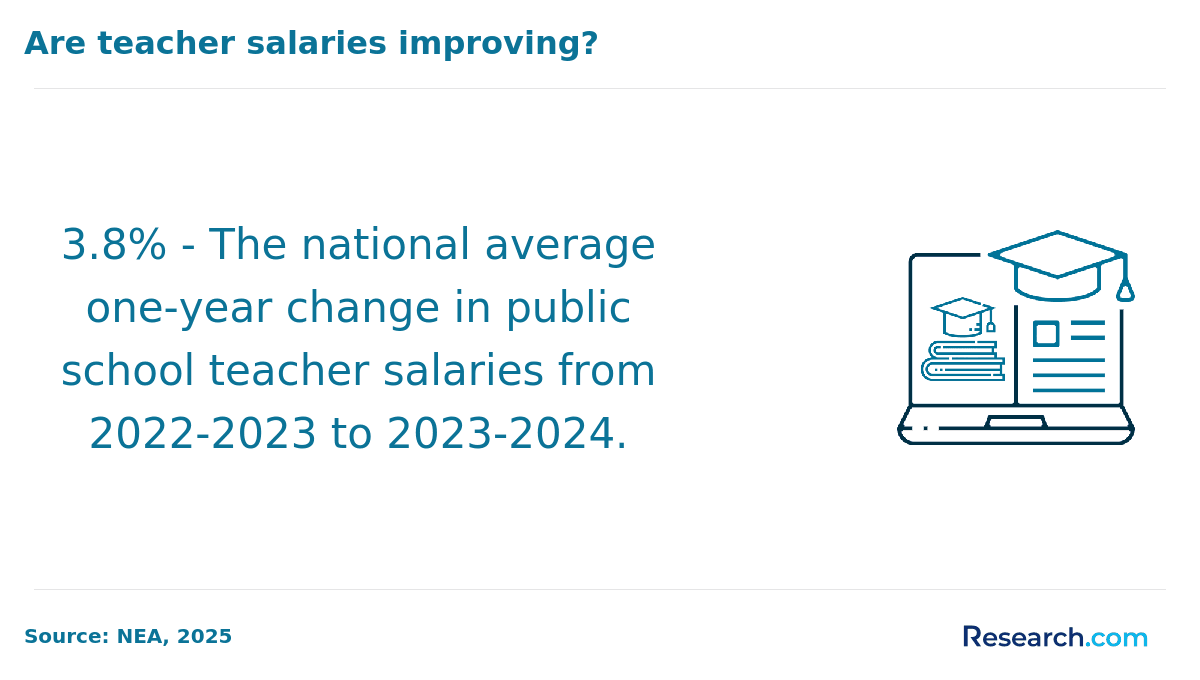
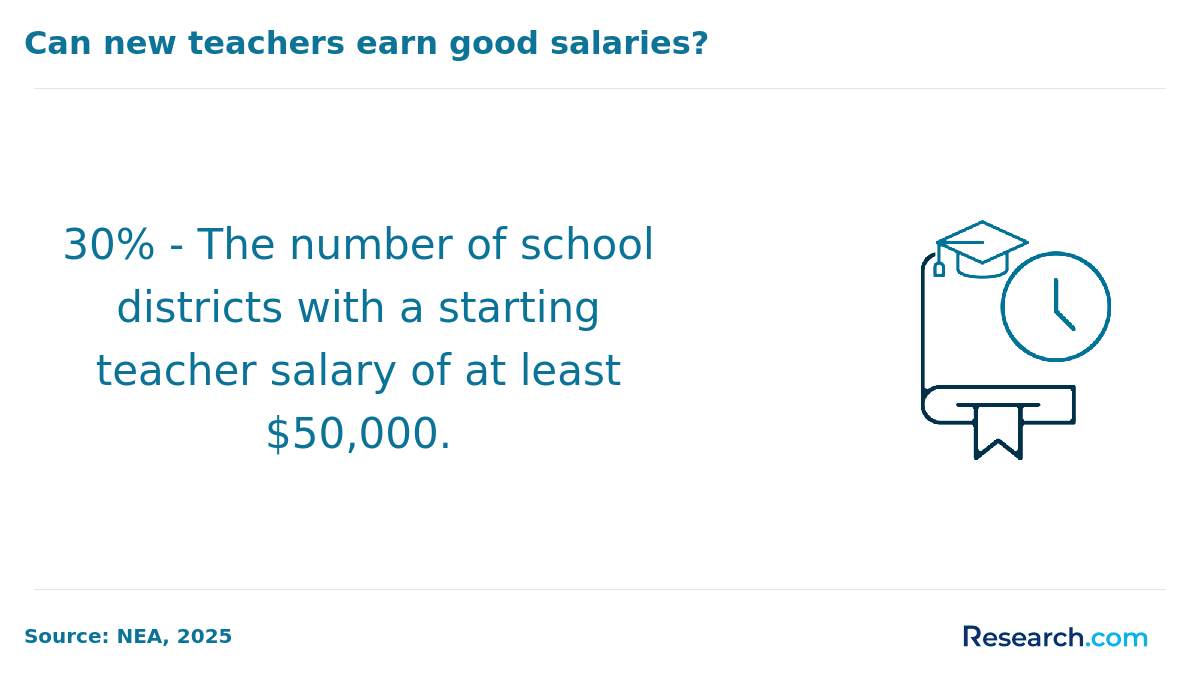
Compensation also differs by district salary schedule, years of service, education level, and additional credentials. The average public school teacher salary in Sacramento ranges from about $58,000 to $64,000 annually, while experienced teachers can earn over $90,000 depending on the district. Benefits such as health insurance, retirement plans, and paid breaks should be included when evaluating the total value of a teaching job.
For candidates whose primary concern is affordability, reviewing the cheapest way to become a teacher in Sacramento can help connect program cost decisions with long-term career planning.
What are the special education teacher requirements and opportunities in Sacramento, CA?
Special education teaching is a distinct credential pathway, not simply an add-on to general classroom preparation. Candidates typically complete specialized coursework, supervised fieldwork, and practice in supporting students with diverse learning, behavioral, communication, and accessibility needs.
Sacramento-area districts may have strong interest in special education candidates, and some residency or funding programs are designed specifically for this area. Before enrolling, ask whether the credential prepares you for the population and setting you want to serve, what placements are available, and whether tuition support requires a service commitment. For a deeper route-specific overview, review the guide to special education teacher requirements in Sacramento.
Can supplemental certifications, such as a BCBA, broaden my teaching career opportunities in Sacramento, CA?
Additional certifications can expand what you are prepared to do, especially if you work with students who need behavioral, developmental, or intensive intervention support. A credentialed teacher who later pursues a BCBA-related path may build stronger expertise in behavior analysis, intervention planning, and collaboration with families and support teams.
However, supplemental certification should be chosen for a clear career reason. It may require additional coursework, supervised experience, exams, and fees. If you are considering this direction, compare the requirements carefully through the overview of BCBA education requirements in Sacramento.
Are there organizations in Sacramento, CA that provide financial aid for teachers?
Yes. Several Sacramento-area and statewide programs can lower the cost of teacher preparation, especially for candidates willing to teach in partner districts, high-need schools, bilingual classrooms, or special education settings. Many of these programs include service commitments, so read the fine print before accepting funds.
- Sacramento City Unified School District’s BRIDGE Residency: This residency covers full tuition and provides a $10,000 to $20,000 stipend for the school year. It is designed for BIPOC and bilingual teacher candidates and requires a four-year teaching commitment in the district after completion.
- Sacramento Metro Teacher Residency: This pathway focuses on Special Education teachers. It covers all tuition costs and provides up to $20,500 in additional support. Participants must student teach and work in a Sacramento county district partner school.
- Natomas Unified School District’s “Recruiting Diverse Future Teachers” program: This program covers up to 80% of tuition and includes a MacBook, a $1,000 monthly allowance, and other supports.
- Golden State Teacher Grant Program: This statewide program offers up to $20,000 for students enrolled in credential programs. Recipients must complete the program within six years and commit to working 2-4 years at a priority school or California State Preschool Program.
| Funding option | Support stated | Who it may fit | Commitment to review |
| Sacramento City Unified School District BRIDGE Residency | Full tuition plus $10,000 to $20,000 stipend | BIPOC and bilingual teacher candidates | Four-year teaching commitment in the district |
| Sacramento Metro Teacher Residency | All tuition costs plus up to $20,500 extra | Special Education teacher candidates | Student teaching and employment in a Sacramento county district partner school |
| Natomas Unified School District “Recruiting Diverse Future Teachers” | Up to 80% of tuition, MacBook, $1,000 monthly allowance, and other supports | Candidates seeking district-supported preparation | Program-specific participation and employment expectations |
| Golden State Teacher Grant Program | Up to $20,000 | Credential students willing to serve in eligible settings | Program completion within six years and 2-4 years at a priority school or California State Preschool Program |
Ask each program what happens if you cannot complete the service requirement. Some grants or residencies may convert to repayment obligations if the terms are not met.
Is investing in a teaching credential in Sacramento, CA worth it?
A Sacramento teaching credential can be worth the investment if you want a licensed classroom role, understand the total cost, and choose a pathway aligned with your target job. The credential is less compelling if you are unsure about teaching, cannot complete fieldwork, or would need to borrow heavily without a clear employment plan.
- Potential for stable employment: Sacramento schools need qualified educators across multiple settings, though demand differs by subject, grade level, and district.
- Defined salary schedules: Public school teaching salaries are generally tied to district schedules, experience, and education level. In Sacramento, the average public school teacher salary ranges from about $58,000 to $64,000 annually, and experienced teachers may earn over $90,000 depending on the district.
- Benefits matter: Health coverage, retirement plans, and school-year calendars can add value beyond base salary.
- Cost of living is part of ROI: Sacramento can be more affordable than some other large California cities, but housing and transportation still affect whether the credential pays off for you personally.
| A teaching credential may be worth it if... | You may want another path if... |
| You are committed to classroom teaching in California. | You are exploring education generally but do not want a licensed teaching role. |
| You can access grants, residencies, transfer credits, or district support. | You would need to borrow heavily without knowing your target district or salary schedule. |
| You are open to high-need areas such as special education, bilingual education, or shortage subjects. | You want a flexible remote-only job with no in-person classroom requirements. |
| You have reviewed the total cost, including unpaid fieldwork and exam fees. | You are choosing a program based only on convenience or advertising. |
If you are comparing education programs by difficulty and flexibility, this list of easy teaching degrees may help you understand available options, but make sure any path you choose actually leads to the credential required for your target role.
The chart below compares teacher employment in California with other major teaching states.
What career support do teaching credential programs offer in Sacramento, CA?
Career support can affect how quickly your credential turns into a job. In Sacramento, stronger programs often maintain relationships with local districts, help candidates prepare for interviews, explain district hiring timelines, and support candidates through student teaching or intern placement.
When comparing programs, ask about job fairs, résumé support, mock interviews, alumni hiring outcomes, mentorship, and whether the program has placement relationships with the districts where you want to work. Career counseling is also useful if you are deciding between elementary, single subject, special education, or alternative education settings.
Some education graduates eventually move into adjacent helping professions. If you are considering a broader human-services career rather than classroom teaching, you can also explore how to become a marriage and family therapist in Sacramento. That path has different education, licensure, and clinical requirements, so it should not be treated as interchangeable with teacher credentialing.
What professional development opportunities can enhance your teaching career in Sacramento, CA?
Teacher learning does not stop after the Preliminary Credential. Sacramento educators can build skills through induction, district workshops, county office training, professional learning communities, mentoring, and online professional development. Useful topics include classroom management, literacy instruction, special education inclusion, multilingual learner support, assessment, trauma-informed practice, and responsible use of education technology.
AI is also becoming part of teacher professional learning. Current education research and district practice increasingly address how teachers can use AI tools responsibly for planning, feedback, differentiation, and administrative tasks while protecting student privacy and academic integrity. Candidates should ask credential programs whether they teach practical AI literacy and school policy awareness.
Some educators also add training in counseling, behavioral health, or student support fields. If that broader direction interests you, review how to become a substance abuse counselor in Sacramento to understand how that career differs from classroom teaching.
Are there alternative pathways aspiring educators in Sacramento, CA can take to obtain credentials?
Alternative pathways can lower costs or allow candidates to earn income while completing requirements. They are especially useful for career changers, paraprofessionals, substitute teachers, and school employees who already know they want to teach.
- Teacher Intern Programs: The Sacramento County Office of Education offers a two-year program that allows candidates to teach for pay while completing credential coursework. The route usually costs between $10,000 and $15,000 and may reduce the need for additional borrowing.
- CalStateTEACH Online Credential Program: This mostly online CSU pathway leads to a Preliminary Multiple Subject Credential. It is designed for working adults and typically costs around $8,000 to $10,000.
- Subject Matter Competency plus credential program: Candidates who already hold a bachelor’s degree may satisfy subject-matter competence through approved exams or coursework, then complete credential preparation without earning another full degree. This route can keep credential coursework under $15,000.
| Alternative route | Cost stated | Best for | Important caution |
| Teacher Intern Programs | Usually between $10,000 and $15,000 | Candidates ready to teach while completing coursework | Working as teacher of record while studying can be demanding. |
| CalStateTEACH Online Credential Program | Around $8,000 to $10,000 | Working adults seeking a flexible Multiple Subject route | Field placement requirements still apply. |
| Subject Matter Competency plus credential program | Less than $15,000 for credential coursework | Bachelor’s degree holders who do not need another degree | You must verify how your subject-matter requirement will be met. |
Key Insights
- The cheapest way to get a teaching credential in Sacramento depends on your starting point: community college transfer routes help new students, while post-baccalaureate, intern, and residency pathways may be better for degree holders and career changers.
- Program price is only one part of affordability. Add fees, books, exams, transportation, housing, unpaid fieldwork, and lost work hours before deciding.
- Sacramento State, Sacramento City College, CalStateTEACH, district residencies, and intern programs all serve different needs. Compare them by credential outcome, timeline, placement support, and total cost.
- Financial aid can be substantial, but many programs require a teaching commitment. Understand service obligations before accepting grant, residency, or district funding.
- Online programs can reduce commuting and scheduling costs, but California teaching credentials still require supervised classroom experience.
- Special education, bilingual education, and other high-need areas may offer stronger funding or hiring opportunities, but they require specific preparation and a clear commitment to the work.
- Before enrolling, verify CTC approval, ask for a full cost estimate, request a transfer-credit review, and confirm that the program leads to the exact credential you need.
Related Articles for Nearby Cities
- 2027 Cheapest Way to Get a Teaching Credential in Stockton, CA: Degree Requirements & Certification
- 2027 Cheapest Way to Get a Teaching Credential in Oakland, CA: Degree Requirements & Certification
- 2027 Cheapest Way to Get a Teaching Credential in San Francisco, CA: Degree Requirements & Certification
- 2027 Cheapest Way to Get a Teaching Credential in Fremont, CA: Degree Requirements & Certification
- 2027 Cheapest Way to Get a Teaching Credential in San Jose, CA: Degree Requirements & Certification
- 2027 Cheapest Way to Get a Teaching Credential in Reno, NV: Degree Requirements & Certification
- 2027 Cheapest Way to Get a Teaching Credential in Fresno, CA: Degree Requirements & Certification
- 2027 Cheapest Way to Get a Teaching Credential in Bakersfield, CA: Degree Requirements & Certification
- 2027 Cheapest Way to Get a Teaching Credential in Los Angeles, CA: Degree Requirements & Certification
- 2027 Cheapest Way to Get a Teaching Credential in Long Beach, CA: Degree Requirements & Certification
References:
- Braga, D. et al. (April 2024). What Public K-12 Teachers Want Americans To Know About Teaching. Pew Research Center. https://www.pewresearch.org/social-trends/2024/04/04/what-public-k-12-teachers-want-americans-to-know-about-teaching
- Diliberti, M.K. et al. (April 2025). More Districts Are Training Teachers on Artificial Intelligence. RAND. https://www.rand.org/pubs/research_reports/RRA956-31.html
- Doan, S. et al. (June 2024). Findings from the 2024 State of the American Teacher Survey. RAND. https://www.rand.org/content/dam/rand/pubs/research_reports/RRA1100/RRA1108-12/RAND_RRA1108-12.pdf
- Education Resource Strategies (May 2025). Examining School-Level Teacher Turnover Trends (2021-24): A New Angle on a Pervasive Issue. https://www.erstrategies.org/tap/teacher-turnover-trends-analysis
- National Center for Education Statistics (August 2024). School Pulse Panel - Interactive Results. https://nces.ed.gov/surveys/spp/results.asp
- National Education Association (2024). FINANCIAL SNAPSHOT: TEACHERS, PRE-K–12. https://www.nea.org/sites/default/files/2025-04/financial-snapshot-pre-k-12-teachers.pdf
- National Education Association (April 2025). 2025 Reports Educator Pay in America. https://www.nea.org/resource-library/educator-pay-and-student-spending-how-does-your-state-rank
- National Education Association (April 2025). Starting Teacher Pay. https://www.nea.org/resource-library/educator-pay-and-student-spending-how-does-your-state-rank/starting-teacher
- National Education Association (April 2025). Teacher Pay & Per Student Spending, Rankings & Estimates. https://www.nea.org/resource-library/educator-pay-and-student-spending-how-does-your-state-rank/teacher
- O*NET OnLine (n.d.). O*NET OnLine Help. https://www.onetonline.org/find/quick?s=teacher Data Retrieved May 2025
- O*NET OnLine (2024). Special Education Teachers, Secondary School 25-2058.00. https://www.onetonline.org/link/summary/25-2058.00
- O*NET OnLine (2024). Teaching Assistants, Preschool, Elementary, Middle, and Secondary School, Except Special Education 25-9042.00. https://www.onetonline.org/link/summary/25-9042.00
- Schaeffer, K. (September 2024). Key facts about public school teachers in the U.S. Pew Research Center. https://www.pewresearch.org/short-reads/2024/09/24/key-facts-about-public-school-teachers-in-the-u-s
- Shapiro, A. et al. (April 2025). American Public School Pre-K Teacher Survey. RAND. https://www.rand.org/content/dam/rand/pubs/research_reports/RRA3200/RRA3279-3/RAND_RRA3279-3.pdf
- Tan, T.S. et al. (August 2024). State Teacher Shortages 2024 Update. Learning Policy Institute. https://learningpolicyinstitute.org/media/4412/download?inline&file=State_Vacancy_2024_RESOURCE.pdf
- The New Teacher Project (June 2024). Teacher Diversity Data Statements. https://tntp.org/wp-content/uploads/2024/08/k12-demo-key-data-statements.pdf
- U.S. Bureau of Labor Statistics (2024). Educational instruction and library workers. https://www.bls.gov/ors/factsheet/pdf/educational-instruction-and-library-occupations.pdf
- U.S. Bureau of Labor Statistics (April 2025). Postsecondary Teachers. https://www.bls.gov/ooh/education-training-and-library/postsecondary-teachers.htm
- Will, M. (January 2024). Teacher Preparation, Explained: Alternative Routes, Enrollment Trends, and More. Education Week. https://www.edweek.org/teaching-learning/teacher-preparation-explained-alternative-routes-enrollment-trends-and-more/2024/01
- Zuo, G. et al. (June 2023). How Do Teachers Spend Professional Learning Time, and Does It Connect to Classroom Practice?. https://www.rand.org/content/dam/rand/pubs/research_reports/RRA100/RRA134-18/RAND_RRA134-18.pdf
Other Things You Should Know About Getting a Teaching Credential in Sacramento, CA
To obtain a teaching credential in Sacramento, you must pass specific sections of the California Subject Examinations for Teachers (CSET) relevant to the subject you wish to teach, such as Mathematics, English, or Multiple Subjects for elementary education. These requirements ensure subject matter competence.
Applicants typically need a completed online application through the California Commission on Teacher Credentialing, official transcripts showing a bachelor’s degree from an accredited institution, passed basic skills or approved equivalency, CSET results or subject-matter proof, U.S. residency verification, and a valid Certificate of Clearance before recommendation.