2027 Military-Friendly Online Engineering Degree Programs: Benefits, Accreditation, and Career Outcomes

Co-Founder and Chief Data Scientist
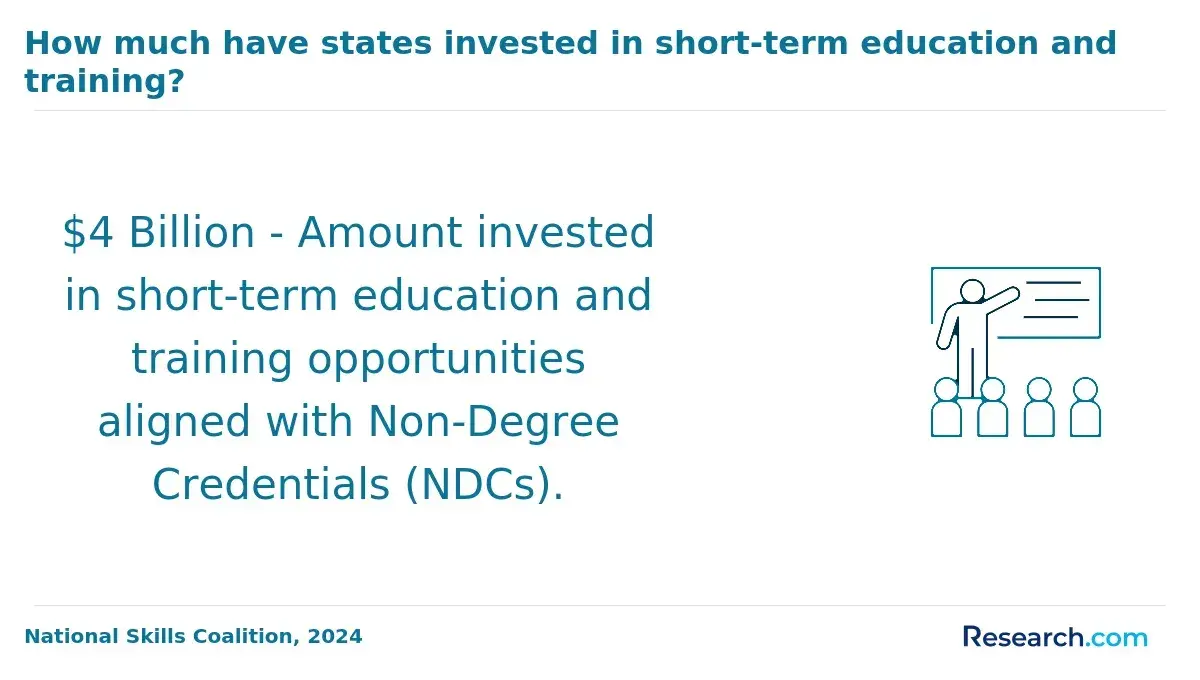
Many U. S. veterans and military service members face difficulties transferring their military experience into civilian career credentials. Despite a growing demand for engineers, only 28% of veterans pursue college degrees within ten years of service, limiting their career advancement. Online engineering degree programs offer flexible learning tailored to military lifestyles but vary widely in quality and recognition.
This article examines the key benefits, accreditation standards, and career outcomes associated with military-friendly online engineering degree programs. It aims to help military-affiliated students make informed decisions that align with their professional goals and leverage their unique backgrounds effectively.
Key Benefits of Military-Friendly Online Engineering Degree Programs
- Military-friendly online engineering programs offer flexible scheduling, allowing service members to balance coursework with deployments and duty commitments effectively.
- These programs often credit military training and experience, accelerating degree completion and reducing overall tuition costs.
- Many provide specialized career services, improving transition outcomes with connections to employers valuing veterans' technical skills.
What Does "Military-Friendly" Mean for Online Engineering Degree Programs?
The term "military-friendly" in relation to online engineering degree programs holds significant value for service members, veterans, and military-affiliated students comparing their educational choices. These students often face unique challenges such as frequent relocations and deployments that disrupt traditional academic progress.
Approximately 20% of all postsecondary students using the GI Bill choose online programs, emphasizing the need for flexible engineering degrees for veterans tailored to their circumstances. Choosing a military-friendly program can greatly ease managing study alongside service commitments.
Military-friendly online engineering degree programs stand out by offering flexible scheduling that accommodates unpredictable military duties and recognizing military training for academic credit to speed up degree completion. They ensure compatibility with tuition assistance and veteran education benefits to alleviate financial burdens.
Additionally, these programs provide dedicated support through advisors familiar with military challenges and include resources that facilitate smooth career transitions from military roles to civilian engineering positions.
Accreditation is essential, as it guarantees educational quality and the acceptance of credits and degrees by employers and licensure boards, making it a crucial factor for military-affiliated students to consider. Those interested in the cheapest online MBA programs may find similar financial benefits available in engineering offerings, enhancing their educational investment.
Who Qualifies for Military-Friendly Online Engineering Degree Programs?
Access to military-friendly online engineering degree programs often depends on eligibility criteria that allow service members and their families to benefit from tailored support and financial aid. Over 15% of military-affiliated students choose online programs nationwide, reflecting a strong preference for flexible learning options. Knowing who qualifies ensures prospective students can make informed decisions about their education and maximize available resources.
Several groups typically qualify for military-friendly online engineering programs, each with specific documentation requirements and benefits.
- Active-Duty Service Members: These individuals qualify by providing a current military ID or official orders. This status generally grants access to tuition discounts, flexible course scheduling, and military-specific academic advising to accommodate deployment or duty commitments.
- Veterans: Veterans usually need to submit a DD-214 form or equivalent discharge paperwork. They benefit from veteran benefits such as GI Bill eligibility and may receive academic credit for military training, which supports faster degree completion.
- Reservists and National Guard Members: Reservists and National Guard personnel typically verify eligibility through official orders or unit confirmation. Their military affiliation opens doors to similar education funding and advising services available to active-duty members.
- Military Spouses: Spouses qualify by presenting a marriage certificate along with their partner's military ID. They may access dedicated scholarships and career counseling designed to ease transitions and support workforce development.
Exploring options thoroughly, including considering online business degree programs accredited, can help broaden career opportunities after engineering studies. Military service member eligibility for online engineering degrees often unlocks valuable veteran benefits for military-friendly engineering programs, making education more accessible and affordable.
Are Military-Friendly Online Engineering Programs Accredited?
Accreditation plays a critical role for military-affiliated students evaluating online engineering degree programs because it ensures program quality, facilitates credit transfer, and determines eligibility for professional licensure. Without proper accreditation, students may face challenges transferring credits between institutions or qualifying for licensure required in engineering careers. Over 90% of reputable online engineering programs are accredited by recognized agencies, highlighting the importance of accreditation in this field.
National accreditation for military-friendly engineering programs is essential to understand before enrolling in an online degree. Common types include:
- Regional accreditation by agencies recognized by the U.S. Department of Education, which validates overall institutional quality
- Programmatic accreditation from ABET (Accreditation Board for Engineering and Technology), crucial for confirming the rigor and relevance of engineering curricula
Students should verify accreditation status using official resources like the U.S. Department of Education's Database of Accredited Postsecondary Institutions and Programs or the ABET website. Accreditation also impacts eligibility for federal financial aid, an important consideration for many service members and veterans pursuing accredited online engineering degrees for military students.
Completion of an accredited program is often a prerequisite for professional engineering licensure, which directly influences career advancement and earning potential in engineering fields. Military students may also want to explore related fields, such as pursuing a library master's degree, which offers alternative educational pathways compatible with military life.
Military-affiliated students must carefully evaluate the costs of online engineering programs to manage their education budgets effectively. Rising tuition rates, which have increased by an average of 2.5% annually, make knowing these costs essential for avoiding unexpected expenses. Below is an overview of common expenses in military-friendly online engineering programs.
- Tuition per credit hour: This is the primary cost, typically ranging from $300 to $600 per credit. Rates vary by institution, and military benefits can help offset these charges, reducing the overall burden.
- Administrative and technology fees: Many programs include mandatory fees for services like student support, platform access, and online resources. These fees help maintain quality instruction and technology infrastructure.
- Course materials: Textbooks, software licenses, and specialized digital content can add to costs. While sometimes included in tuition, these materials may require extra purchases depending on the program's requirements.
- Practicum or lab fees: Certain disciplines require hands-on or lab experiences, which can incur additional expenses for equipment, safety gear, or remote lab access. These fees ensure practical training is part of the curriculum despite the online format.
Accessing financial aid can significantly reduce the cost burden for military-affiliated students pursuing online engineering degrees, making higher education more attainable. Statistics show that approximately 60% of these students benefit from federal or institutional assistance, highlighting the importance of exploring available aid options. The following outlines key funding opportunities tailored for military learners:
- GI Bill Benefits: Veterans and active service members may qualify for the Post-9/11 GI Bill, which helps cover tuition, fees, and a housing stipend. This benefit substantially lowers education expenses and supports degree completion.
- Tuition Assistance (TA): Active-duty personnel can utilize TA programs that may cover up to the full cost of tuition, depending on military branch policies. It's essential to verify eligibility and request approval prior to enrollment.
- Scholarships for Military Students: Numerous scholarships specifically target military-affiliated students, rewarding factors like service record, academic merit, or financial need. These awards help bridge gaps that other aid might not cover.
- Federal Student Loans and Loan Forgiveness: Those who qualify can take advantage of low-interest federal loans and participate in public service loan forgiveness programs, particularly if pursuing careers in government or military sectors.
A military veteran who completed an online engineering degree shared that navigating financial aid initially felt overwhelming due to paperwork and eligibility details. He emphasized the value of reaching out early to the financial aid office, which provided guidance tailored to his military benefits.
He also noted how choosing electives aligned with both career goals and available funding helped him stay motivated and manage expenses effectively. "I wasn't just worried about classes but making sure the money side was sorted without surprises," he reflected.
Evaluating credit transfer for military training is essential for service members, veterans, and military-affiliated students pursuing online engineering degrees because it can significantly reduce education time and costs. Approximately 70% of veterans who apply for academic credit based on military experience receive at least some credit, reflecting a favorable trend in higher education acceptance of military training.
Here are key ways online engineering programs assess and award credit for military backgrounds and certifications:
- Transcript evaluation: Programs review official military transcripts like the Joint Services Transcript to identify completed technical courses and training. These records form the basis for determining transferable credits aligned with college-level engineering coursework.
- Elective and technical credit: Eligible military training often counts as elective or technical credits within an engineering curriculum. This approach helps reduce the number of required courses, potentially shortening the degree timeline.
- Relevance to discipline: Credit eligibility depends largely on how closely military coursework matches the specific engineering field. Directly related technical skills and training increase the likelihood of credit acceptance.
- Professional certifications: Certifications earned through military service or recognized federal and industry organizations may qualify for academic credit. Such credits can further accelerate degree completion and support career advancement.
Service members and veterans are encouraged to research credit transfer policies early to maximize the benefits of their military education and experience within online engineering programs.
Flexibility is essential for active-duty service members and military-affiliated students who often face deployments, relocations, and unpredictable schedules. These circumstances demand educational programs that can adapt to interruptions without compromising progress. Military-focused online engineering programs are designed to meet these unique needs.
Such programs typically offer asynchronous classes, so students can complete coursework anytime, which is critical during deployments. They frequently provide extended deadlines and specialized support services tailored to those experiencing limited connectivity or frequent moves. Key features enabling steady advancement include access to recorded lectures, communication platforms for keeping in touch with faculty, flexible exam arrangements, and dedicated military student support teams.
When asked about her experience, an active-duty service member enrolled in a military-friendly online engineering degree shared that balancing deployments with studies was challenging but manageable.
She explained, "During my recent deployment, I was grateful for the ability to watch lectures on my schedule and coordinate with advisors remotely. It wasn't easy juggling responsibilities, but the program's flexibility and understanding kept me on track." This personal insight highlights how such programs support service members through demanding circumstances while fostering academic success.
Licensure eligibility is crucial for military-affiliated students choosing online engineering programs because it determines their ability to obtain professional certification and legally practice after graduation. Holding a Professional Engineer (PE) license often results in better job prospects and higher salaries. Recent data indicates that around 65% of graduates pass the Fundamentals of Engineering (FE) exam on their first try, emphasizing the need for programs that support licensure success.
Military-friendly online engineering programs address licensure requirements through these key aspects:
- Curriculum Alignment: These programs follow ABET accreditation standards, which many states require for licensure. This ensures that course content meets industry benchmarks and prepares students for professional engineering roles.
- Practical Experience: Incorporation of virtual labs and supervised work experiences helps fulfill state mandates for engineering practice hours. This hands-on training is essential for applying theoretical knowledge in real-world settings.
- Exam Preparation Resources: Dedicated support for passing the FE and PE exams is provided, including study materials and practice tests. This increases the likelihood of candidates passing on their first attempts.
- Regulatory Compliance: Programs adhere to state and national guidelines regarding degree requirements, credit hours, and qualified faculty. Maintaining these standards guarantees the program's credibility and acceptance by licensing boards.
These elements are especially beneficial for military students balancing coursework with service commitments, as they provide flexible yet rigorous pathways to professional licensure and career advancement.
Military-affiliated students evaluating online engineering programs benefit greatly from knowing which career paths best align with their unique skills and experiences. This understanding helps ensure that their education supports their long-term goals and smooth transition into civilian roles. Employment in engineering occupations is projected to grow by 4% from 2022 to 2032, highlighting steady demand for qualified professionals in the field.
Career options for military students who earn an online engineering degree include:
- Civil Engineer: Designs and manages construction projects like roads, bridges, and buildings. Military skills in project management and problem-solving translate well to overseeing complex civilian infrastructure.
- Mechanical Engineer: Develops and tests mechanical devices and systems, including machinery and tools. Hands-on military experience with equipment maintenance makes this a natural fit.
- Electrical Engineer: Creates electrical systems used in power generation and communications, benefitting from military training in electronics and systems troubleshooting.
- Aerospace Engineer: Focuses on aircraft and spacecraft design and testing. Veterans with aviation or aerospace experience often find this specialty aligns closely with their background.
- Systems Engineer: Coordinates complex projects to ensure all components operate efficiently, leveraging strategic planning skills common among service members.
For those interested in exploring high-paying opportunities within this field, military students should consider programs designed to lead into high paying degrees in engineering. These degrees often open doors to some of the most competitive and rewarding positions available in the industry.
Online engineering degrees are key to unlocking a variety of engineering careers for military veterans, especially those aiming for high-paying engineering jobs for service members. Aligning educational choices with career outcomes ensures that military-affiliated students make the most of their investment and expertise.
For military-affiliated students and veterans, understanding salary potential is crucial when evaluating online engineering degree programs. Data indicates that graduates in engineering fields, including those with military backgrounds, often experience steady salary growth and robust employment outcomes, making this a critical factor in their educational investment. This overview will highlight key factors influencing salaries for military graduates with online engineering degrees.
- Licensure and Certification: Obtaining a professional engineering license, such as the PE designation, significantly boosts earning potential. Licensed engineers typically command salaries 10-20% higher and gain access to advanced leadership roles that require official certification. This credential also enhances professional credibility, an important consideration for veterans entering civilian engineering roles.
- Years of Experience: Experience in engineering projects, especially in specialized areas relevant to the military, directly impacts salary scales. Veterans with hands-on military engineering experience or relevant civilian work tend to earn more as their expertise grows over time.
- Specialty or Role: Engineering specialties aligned with military applications, such as military engineering degree salary sectors, often pay more due to the complexity and critical nature of projects involved. Roles in project management or design approval also carry premium compensation.
- Geographic Location: Salaries vary based on regional demand for engineers, cost of living, and local industry presence. Military-affiliated graduates can leverage this knowledge to target locations that offer better pay and growth opportunities.
- Educational Accreditation and Program Quality: Completing degrees through accredited online certificate programs reassures employers of the candidate's skills and can positively affect starting salaries, especially for those concerned about the mode of study such as online engineering degree salary for veterans.
What Graduates Say About Their Military-Friendly Online Engineering Degree
- Alfredo: "Enrolling in a military-friendly online engineering degree program was a game changer for me. The flexibility to study while fulfilling my duty allowed me to maintain my commitments without sacrificing my education. At an average cost of attendance that was manageable with military benefits, the program set a solid foundation for my career advancement. I'm thrilled with how this degree has opened doors in both civilian and defense sectors."
- Erik: "The experience of pursuing a military-friendly online engineering degree was enriching and well-structured to fit the unpredictable schedule of military life. The curriculum balanced practical skills and theoretical knowledge, and the support from faculty who understand military constraints was invaluable. Reflecting on my growth, the degree has enhanced my technical expertise and provided a pathway to leadership roles in engineering projects."
- Landon: "Completing a military-friendly online engineering degree required dedication, but the program's design made it attainable despite frequent relocations and deployments. The cost was reasonable, especially given the quality and recognition of the program. Professionally, this degree has fortified my credentials and significantly improved my problem-solving skills, putting me on a competitive track in the engineering field."
Other Things You Should Know About Engineering Degrees
Yes. Many online engineering programs accept military training through the Joint Services Transcript or CCAF recommendations. Schools often evaluate courses using the ACE Military Guide and may award transfer credit for technical training, lower-division math, or general education courses after official transcript review.
Military students must generally have a reliable computer and internet connection to participate in online engineering courses. Specific software related to engineering design, simulation, or CAD may be required and is often provided or discounted through the institution. Additionally, proficiency with online learning platforms and tools is important for success.
- Working in the U.S Military as an Engineer | NEWENGINEER https://newengineer.com/advice/working-in-the-us-military-as-an-engineer-1345770
- What Does Military Friendly School Mean? | Tulsa Welding School https://www.tws.edu/blog/skilled-trades/what-does-military-friendly-school-mean/
- Military Friendly Online Degrees https://unity.edu/distance-education/military-friendly-online-degrees/
- Membership | Military Friendly https://www.militaryfriendly.com/school/membership/
- Military Students and Veterans https://online.uttyler.edu/military-friendly-college-programs/
- Exploring the “Military Friendly” School Designation https://www.higheredmilitary.com/news/articleDisplay.cfm
- What to Look for in a Military-Friendly College: Which Is Right for You? https://www.umassglobal.edu/blog-news/look-a-military-friendly-college-which-right-you
- Military Friendly Online College - Sessions College https://www.sessions.edu/military-students/