2027 Online Environmental Science Master's Curriculum Breakdown: Core Courses & Specializations

Co-Founder and Chief Data Scientist
Curriculum design in online environmental science master's programs increasingly shapes employability and specialization depth amid evolving workforce demands. Employers now prioritize candidates whose coursework aligns closely with certification standards and emerging industry technologies, pushing learners to navigate tradeoffs between broad foundational knowledge and focused expertise.
This balance affects professional positioning and long-term adaptability, as overspecialization can limit cross-sector mobility while sequencing constraints may delay access to key skill sets. Additionally, disparities between academic theory and applied practice complicate readiness for operational challenges. This article evaluates how curriculum structure, core courses, and specialization pathways directly influence career outcomes within the environmental science landscape.
Key Things to Know About Online Environmental Science Master's Curriculum
- Curriculum tradeoffs often arise between emphasizing quantitative modeling skills and applied field methods, influencing graduates' employability in data-driven roles versus hands-on environmental assessment careers.
- With 72% of environmental science employers in 2024 prioritizing specialization alignment over generalist knowledge, selecting focused concentrations directly affects job market competitiveness and role suitability.
- Programs requiring fewer core credits reduce time and tuition costs but may limit exposure to interdisciplinary perspectives, impacting long-term adaptability in evolving environmental sectors.
What Core Courses Are Included in an Online Environmental Science Master's Program?
Core courses in an online environmental science master's program reveal much about how a curriculum balances technical rigor with real-world application. These foundational classes frequently demand significant intellectual investment upfront, shaping a learner's ability to specialize effectively while meeting employer expectations for analytical and regulatory competence.
Understanding this core curriculum can help prospective students assess workload sequencing and how foundational competencies translate into practical skills valued in the workforce.
- Environmental Systems and Ecology: This course establishes an essential framework by analyzing ecosystem dynamics, biodiversity, and anthropogenic impacts on natural habitats. Its integrative approach supports specialization by grounding students in scientific principles needed to assess and manage environmental changes at multiple scales.
- Environmental Chemistry or Toxicology: Focused on chemical processes influencing air, water, and soil quality, this course equips students to understand pollutant behavior and mitigation strategies. These competencies align with employer demands for expertise in environmental monitoring and contamination control.
- Quantitative Methods and Statistics: Emphasizing data collection, statistical modeling, and GIS (geographic information systems), this coursework directly addresses the analytical skills that, according to the U.S. Bureau of Labor Statistics' 2024 report, are critical for 68% of environmental science roles. Mastery here is pivotal for roles requiring evidence-based decision-making and spatial analysis.
- Environmental Policy and Management: Covering regulatory frameworks, sustainability practices, and socio-economic decision factors, this course reflects the growing importance of navigating complex policy environments. Knowledge in this area readies graduates to engage with federal and state laws, international agreements, and corporate compliance challenges.
- Research Design and Methods: This course hones scientific inquiry skills including hypothesis formulation, experimental methodology, and effective communication, underpinning both thesis research and applied projects. It is foundational for graduate-level problem-solving and critical synthesis in workplace contexts.
- Capstone Seminar or Integrative Project: Typically required, this course synthesizes interdisciplinary knowledge and encourages real-world problem resolution with practical stakeholder engagement. This approach is consistent with workforce trends emphasizing collaborative and solution-oriented skill sets.
For those evaluating program structures, recognizing how these core courses interplay helps in anticipating the demands of foundational work critical to specialization. It also aids in understanding the direct translation of coursework into professional capabilities, especially for working professionals and career changers navigating online degrees.
Programs vary, so comparing core requirements can influence decisions around pacing, workload, and targeted career outcomes within the environmental science field. For a broader context on flexible learning pathways, readers can explore insights about online degrees as an avenue to balance professional and academic commitments effectively.
What Specializations Are Available in Online Environmental Science Master's Programs?
Specializations within online environmental science master's programs serve as strategic academic choices that significantly shape both skill development and employability. Selecting a focus area is not merely a label but a critical decision that determines alignment with industry needs, the depth of technical expertise acquired, and competitive positioning for specific roles.
Some concentrations demand more intensive technical training or field experience, which can affect workload and program delivery suitability for working professionals or career changers.
- Environmental Policy and Management emphasizes regulatory frameworks and governance processes essential for roles in government agencies or advocacy organizations. Students gain skills in navigating compliance, stakeholder engagement, and legislative strategy. However, the practical aspects like internships may be limited in fully online formats, which could affect experiential learning quality.
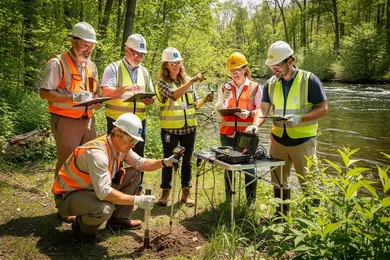
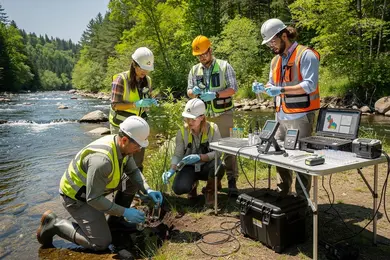
- Ecological Restoration and Conservation Biology focus on applied science skills, often requiring field-based training. Programs catering to online learners may use hybrid models or partnerships to provide local hands-on experiences. Graduates targeting restoration work or conservation agencies must assess how effectively a program offers this critical practical component.
- Environmental Health bridges environmental factors with human health concerns, preparing students for roles in risk assessment, toxicology, or public health outreach. With growing demand linked to climate impacts, this specialization coordinates well with interdisciplinary public health systems but expects foundational scientific competencies.
According to data from the U.S. Bureau of Labor Statistics (2024), environmental science-related occupations are projected to grow by 8% through 2032, reflecting sustained sector demand. Nonetheless, employers increasingly prioritize candidates who combine interdisciplinary knowledge with verifiable field experience, underscoring the practical tradeoffs and decision points around specialization selection for online learners.
Can Students Choose Electives Outside Their Specialization?
Elective selection within online environmental science master's programs is often governed by structured curriculum frameworks that impose clear boundaries on how much variation outside the core specialization is feasible. Students generally follow a prescribed sequence of foundational courses before branching into specialization-specific classes, with electives typically designed to complement rather than depart from this core path.
Approval from academic advisors is usually required to enroll in courses outside the chosen track, and availability of seats can further limit options, especially in popular or resource-intensive classes. According to a 2024 survey of accredited programs, approximately 62% permit at least some elective coursework outside a student's primary specialization, but full elective freedom remains uncommon, reflecting a balance between focused expertise and interdisciplinary breadth.
This balance carries important consequences for career mobility and skill development. Elective flexibility can provide valuable exposure to adjacent fields, enhancing adaptability in a labor market where environmental roles increasingly intersect with policy, data science, or sustainability management.
However, venturing too far afield risks diluting technical depth and potentially prolonging degree completion if prerequisite chains or sequencing prevent smooth progression. Employers in environmental sectors often emphasize mastery in a core area supported by relevant complementary knowledge rather than broad but superficial exposure, meaning that overly diverse electives may reduce job readiness for specialized roles.
For students reassessing career direction mid-program, restrictive elective policies might necessitate additional certifications or degrees to shift effectively, highlighting the strategic trade-offs in elective planning. A graduate recalled struggling early in the admissions process to finalize specialization choice due to rolling application deadlines and unclear elective restrictions.
Initially drawn to a policy-focused track but curious about ecological data analytics, they hesitated to commit without knowing if cross-specialization courses would be accessible. The delay meant missing early registration for key core classes, pushing back program start by a semester.
Ultimately, after consulting advisors and researching elective limits, the graduate decided on a single specialization path but supplemented learning with noncredit workshops. This experience underscored how unclear elective policies and sequence constraints can affect timing and academic planning in online environmental science programs.
How Are Online Environmental Science Master's Courses Delivered?
Online environmental science master's degree course delivery formats primarily rely on asynchronous instruction, where students access recorded lectures, readings, and assignments on their own schedule. This approach, used by about 72% of graduate programs according to the National Center for Education Statistics 2024 report, provides flexibility that suits working professionals or those with complex commitments.
Many programs complement this with synchronous sessions like live discussions or virtual labs, which enhance peer interaction and real-time feedback but require fixed attendance times. Hybrid models further blend these methods, incorporating hands-on experiences through partnerships or regional fieldwork that aim to address concerns about practical skill acquisition in an online environment.
These delivery structures create distinct implications for time management and engagement. Asynchronous formats enable learners to pace themselves, which supports non-traditional students balancing work and study, but can sometimes lead to reduced motivation or limited spontaneous interaction.
Conversely, scheduled synchronous components promote collaboration and immediate guidance but may pose challenges for students in different time zones or with unpredictable work hours, potentially affecting consistent participation. This tension between flexibility and structure is a critical consideration for those evaluating flexible learning options for online environmental science graduate programs.
The choice of delivery format also influences skill development and program completion outcomes. Programs emphasizing digital literacy through learning management systems and interactive tools reflect employer demands for tech-savvy graduates prepared for data analysis and environmental fieldwork.
However, prioritizing asynchronous delivery often requires students to cultivate self-discipline and time-management skills independently. For instance, a professional juggling shift work may excel in asynchronous courses but struggle with fixed webinar sessions, directly impacting their progression.
These dynamics underscore how delivery design shapes both the educational experience and employability in environmental science fields, making careful evaluation essential before enrollment. Prospective students might also explore related pathways like an online family counseling degree to compare instructional frameworks across disciplines.
Which Core Classes Are Considered the Most Challenging?
Core courses in online Environmental Science master's programs that consistently pose the greatest challenge typically combine intensive quantitative skills with technical complexity and interdisciplinary scope. Classes focused on advanced environmental statistics and data analysis demand not only mastery of mathematical concepts but also practical proficiency in specialized software, creating a barrier for students without prior experience in analytics.
Similarly, environmental chemistry and toxicology require deep understanding of intricate chemical and biological mechanisms essential for environmental assessment, which can overwhelm those lacking solid foundational science backgrounds. Additionally, courses involving GIS and remote sensing introduce unique difficulties stemming from the need to interpret spatial data through dedicated technological tools, adding to cognitive and practical workload pressures in the curriculum.
These demanding core classes influence student trajectories by affecting completion timelines and specialization options. According to a 2024 National Center for Education Statistics report, about 62% of environmental science graduate students identify these technical and quantitative courses as the primary cause of academic hurdles, often leading to extended program lengths and attrition.
For working professionals balancing jobs and study, mastering these subjects can directly impact readiness for niche roles in environmental consulting or resource management, where employers expect both theoretical knowledge and applied technical skills. For example, students frequently report that without targeted preparation in statistics and GIS, they encounter significant delays and must revisit prerequisite materials.
One online environmental science student shared that during the rolling admissions process, they hesitated to submit their application until securing a stronger quantitative background, fearing the steep learning curve of core analytics courses. The waiting period for their admission decision felt uncertain, compounded by pressure to begin coursework that required prior experience in data analysis software.
This student ultimately prioritized completing supplementary statistics coursework beforehand to avoid early setbacks, reflecting a strategic but cautious approach shaped by realistic concerns about the program's challenging curriculum and the need to match personal skillsets with academic demands.
Do Online Environmental Science Master's Programs Require Internships or Practicums?
Internships and practicums in online environmental science master's programs are not uniformly mandated; their inclusion depends heavily on program focus, accreditation standards, and the balance each institution strikes between theory and applied learning. About 62% of accredited programs require experiential components, ranging from short local internships to virtual practicums tailored to remote students.
These hands-on requirements are often integrated with core coursework or capstone projects to develop practical skills without delaying academic progress. Students evaluating environmental science practicum requirements online should note the variation-some programs offer these as optional for specialization tracks, while others embed them as essential to meeting regulatory knowledge and professional competencies.
While internships enhance employability by fostering skill application and professional networks, they also introduce scheduling and geographic challenges, especially for working professionals balancing full-time jobs or personal commitments. Programs without mandatory internships can reduce time-to-degree but may limit direct field experience, potentially affecting readiness for roles that emphasize real-world environmental assessment or compliance.
This tradeoff between accessibility and applied learning should guide prospective students' choices, particularly those weighing the demands of career change or accelerated study. For those interested in comparing options that blend flexibility and hands-on components effectively, the accelerated master's program psychology offerings provide a useful perspective on structuring intensive yet practical graduate education pathways.
Which Courses Are Required for Professional Certification Exams?
Universities designing online Environmental Science master's programs often align required coursework directly with the competencies tested in professional certification exams, reflecting standards set by credentialing bodies like the American Academy of Environmental Engineers and Scientists or the Board of Certified Environmental Professionals.
Core subjects such as environmental chemistry, toxicology, regulatory policy, and applied statistical methods are intentionally mapped to specific exam domains that emphasize analytical skills, legal frameworks, and quantitative reasoning. This structured curriculum approach ensures candidates gain foundational knowledge precisely calibrated to certification expectations rather than peripheral or unrelated topics.
According to recent data from the National Environmental Workforce Institute, over three-quarters of certified professionals identify these core courses as critical to successfully meeting exam benchmarks. The practical impact of curriculum alignment is significant: omitting or substituting certain courses can delay a candidate's eligibility or require additional preparatory study beyond the degree.
For instance, a professional switching into environmental science from a nontechnical background might assume foundational statistics is optional, only to find that gaps in quantitative coursework impede passing the exam on the first attempt. Additionally, specialized electives like hazardous waste management or water quality systems cater to niche certifications, allowing focused preparation but potentially narrowing broader regulatory knowledge if overemphasized.
Programs that integrate case studies or capstone projects addressing real-world regulation and risk assessment help bridge academic learning with exam-relevant problem-solving-an increasingly valuable component as industry employers prioritize candidates who demonstrate applied competence beyond theoretical understanding.
Do Specialization Requirements Extend Graduation Timelines?
Specialization requirements in online Environmental Science master's programs are often organized around a core set of foundational courses complemented by specialized electives and projects, but the degree to which these tracks extend completion times varies notably. Programs with rigid sequencing, where students must complete prerequisite courses before advancing, can create bottlenecks that delay progression, especially if specialization courses are only offered in specific terms.
Some curricula impose additional credit loads through research-intensive capstones or internships aligned with the specialization, which can prolong the typical two-year timeline. The balance between program flexibility and the depth of a chosen concentration determines whether a student maintains standard pacing or faces prolonged enrollment.
The real-world impact of these structural elements frequently surfaces as delayed course access or restricted substitution options, creating challenges for working professionals managing job demands alongside academic expectations. For example, a student specializing in environmental toxicology may encounter prerequisites that push key courses into later terms, lengthening time to degree completion and potentially delaying entry into the workforce.
According to a 2024 report by the National Center for Education Statistics, about 32% of master's students pursuing specialization tracks experience extensions of one to two semesters compared to generalist peers. While this extended timeline represents a heavier short-term investment, it often results in a more focused skill set that aligns with employer needs in niche areas.
How Do Environmental Science Specializations Affect Career Opportunities?
Specializations within an online environmental science master's program act as crucial signals to employers, shaping expectations around candidates' technical competencies and applied experience. Recruiters assess not only the coursework focus but also how well candidates have engaged with industry-relevant projects, regulatory frameworks, or technology platforms like geographic information systems.
According to a 2024 report from the U.S. Bureau of Labor Statistics, graduates with focused expertise in areas such as climate change mitigation or environmental policy enjoy a 15-20% higher employability rate, reflecting demand for specialists who can address distinct organizational challenges. This data underscores the importance of aligning specialization choices with recruiter recognition and sector-specific hiring pipelines.
The environmental science master's specialization impact on job prospects is often intertwined with how well these technical skills meet evolving regulatory and operational needs in government, consultancy, or corporate settings. However, selecting a specialization involves tradeoffs that affect long-term career mobility and sector alignment. Narrow specializations may limit the range of entry-level roles available.
For example, a graduate specializing in renewable energy is likely to find roles primarily within clean technology sectors, whereas someone with a broader environmental science foundation might access more diversified opportunities across conservation or research institutions. Transitioning between these areas without retraining can be challenging due to differences in technical language and job function expectations.
This specialization-driven narrowing versus broadening of career options significantly informs decision-making, especially for working professionals and career changers evaluating curriculum structures. For students concerned about tuition investments and financial planning, it is advisable to compare costs strategically, including resources like electrical engineering online tuition costs, to understand the financial dimension of specialization choices within interdisciplinary science fields.
How Should Students Compare Online Environmental Science Master's Curriculum?
Comparing online environmental science master's curriculums requires evaluating structured tradeoffs that directly influence employability, workload management, and time-to-completion. Differences in curriculum design and specialization pathways are not merely stylistic choices; they shape the depth of practical skills acquired and alignment with evolving industry requirements.
- Core Course Focus and Breadth: Examine how foundational courses cover essential domains such as ecology, environmental policy, and sustainable resource management. Programs with comprehensive cores provide broad expertise, but may limit time for specialization, affecting how well students can tailor learning toward specific career goals.
- Depth and Variety of Specializations: Comparing specialization options in environmental science master's degrees reveals differences in how programs support targeted expertise areas like renewable energy or environmental toxicology. More robust specializations often require additional coursework, impacting program length and workload.
- Elective Flexibility and Interdisciplinary Opportunities: Consider whether electives allow customization outside strict environmental science tracks. Interdisciplinary courses can foster versatility but may reduce focused depth if not balanced well.
- Experience-Based Learning Integration: Programs incorporating internships, practicum, or research projects provide essential applied skills. The 2024 National Center for Education Statistics reports that such experiential components correlate with a 15% higher employment rate early in environmental science careers.
- Delivery Format and Scheduling Flexibility: Modular or asynchronous courses accommodate working professionals and career changers, enabling pacing aligned with individual time constraints. Conversely, rigid sequencing can extend time-to-degree or impose scheduling conflicts.
- Alignment With Professional Certifications: Some curricula are explicitly designed to prepare students for certifications recognized in environmental science fields. Aligning course selections with these credentials can enhance employability and specialization credibility.
- Course Sequencing and Progression: Evaluate how courses build upon each other-programs with clearly scaffolded progression support knowledge retention and skill application, whereas less structured sequences may hinder consistent competency development.
Students seeking the best online environmental science master's programs for career goals must weigh these factors to find curricula that balance foundational rigor with targeted specialization and real-world applicability. For those exploring transferability and curriculum efficiency, reviewing policies on transfer credits for online MBA programs may offer useful comparative insights on flexibility, even outside environmental science contexts.
What Graduates Say About Online Environmental Science Master's Curriculum
- Mordechai: "Navigating the job market after completing my core courses in environmental science, I quickly realized that employers often prioritize hands-on experience and portfolios over formal licensure. My internship projects became the talking points in interviews, which was crucial since many roles still require proof of practical skills. This program gave me flexibility to work remotely, which shaped how I approached consulting gigs early in my career."
- Casen: "While I appreciated the academic rigor of the specializations, breaking into senior roles felt challenging without additional certifications related to hazardous materials management. The program accelerated my entry into the workforce, but I've had to be strategic about gaining relevant field experience separately. It's clear that advancing beyond certain levels demands a mix of formal qualifications and on-the-ground accomplishments."
- Walker: "Finishing the environmental science master's sharpened my understanding of sustainability frameworks, yet I found that some employers still preferred candidates with state licensure for specific environmental compliance roles. I pivoted towards consulting and project management where the program's flexible structure and focus on remote collaboration gave me an edge. It wasn't an easy transition, but it aligned well with my long-term career goals outside traditional employment tracks."
Other Things You Should Know About Environmental Science Degrees
Yes. Many programs offer both tracks: the thesis option usually requires 6 to 12 research credits and a faculty-supervised dissertation, while the non-thesis option replaces that work with capstone or elective credits. Thesis tracks often suit students planning doctoral study or research careers.
To enroll in a 2027 online environmental science master's program, candidates typically need a bachelor's degree in science or a related field. Some programs may also require prior coursework in biology, chemistry, or environmental studies, alongside standardized test scores like the GRE.
Online courses in this field vary widely in workload intensity and assessment methods, including timed exams, extensive research projects, or ongoing lab work simulations. Working professionals should carefully review the assessment formats since courses heavily reliant on synchronous labs or frequent deadlines can complicate time management. Programs with flexible, asynchronous assessments and project-based evaluations usually accommodate working students better but may require strong self-discipline to meet expectations.
Emerging specializations in environmental science, such as climate data analytics or environmental policy innovation, can offer cutting-edge skills but may lack broad employer recognition or established career pathways. Prospective students should weigh these risks against potential rewards; pursuing well-established specializations generally ensures clearer job market alignment and transferable skills. However, if your goal is to pioneer niche areas or influence evolving sectors, a less common specialization may provide a competitive advantage despite shorter-term market uncertainty.
References
- Change the World: Online Options for Green Master’s Degrees https://www.onlinemastersdegrees.org/features/green-masters-degrees/
- New Master of Science program opens doors to careers in environmental sciences https://www.athabascau.ca/news/university-news/news-and-announcements/interdisciplinary-master-of-science-applications-open.html
- Environmental Certifications for entry-level and career changers https://www.theenvironmentalcareercoach.com/certification-links
- Certification Guide for Young Professionals - Board for Global EHS Credentialing https://gobgc.org/professional-environmental-certifications-professionals/
- Master of Science in Environmental Sciences and Policy https://www.ceu.edu/academics/degrees/ms-environmental-sciences-policy
- Site parent Master Universitaire Sciences de l'Environnement Master Universitaire Sciences de l'Environnement https://www.unige.ch/muse/master-environmental-sciences
- Online Master's Degree: Environmental Management https://www.umgc.edu/online-degrees/masters/environmental-management
- Environmental science (M.S.) | University of Idaho https://www.uidaho.edu/academics/degree-finder/environmental-science-ms
- Going to grad school for masters unrelated to bachelors https://talk.collegeconfidential.com/t/going-to-grad-school-for-masters-unrelated-to-bachelors/1723454
- Environmental Sciences Internships: Find 15 Environmental Sciences Intern Jobs https://internshala.com/internships/environmental-sciences-internship/