2027 Environmental Science Degree Coursework Explained: What Classes Can You Expect to Take?

Co-Founder and Chief Data Scientist
Many students face uncertainty about what to expect in an environmental science degree program, hindering their ability to plan effectively. According to the U. S. Bureau of Labor Statistics, employment for environmental scientists and specialists is projected to grow 8% from 2022 to 2032, highlighting the importance of relevant skills.
Coursework typically combines natural sciences with policy and technology, equipping graduates to address complex environmental issues. This article details the core and elective classes in environmental science programs and explains how they build the knowledge and practical abilities necessary for success in this evolving field.
Key Benefits of Environmental Science Degree Coursework
- Environmental science coursework fosters analytical thinking through data interpretation and field research, skills highly valued in environmental consulting and policy roles.
- Students gain expertise in interdisciplinary topics, enhancing adaptability and problem-solving abilities critical for addressing complex environmental challenges.
- Graduates typically see a 10-15% higher average salary than peers without specialized training, reflecting strong employer demand for environmental science skills.
What Types of Class Do You Take in a Environmental Science Degree?
Environmental science degree programs combine structured coursework with opportunities for practical experience to equip students with a solid foundation in scientific principles and skills.
The curriculum typically includes several types of classes:
- Core Foundational Classes: These courses cover basic scientific disciplines like biology, chemistry, geology, and environmental systems, providing essential knowledge for tackling complex environmental challenges.
- Specialization or Elective Courses: Students choose courses aligned with their interests, including topics in ecology, environmental policy, or sustainable technology, allowing for focused expertise. This variety supports the demand for tailored learning pathways seen in environmental science degree electives and internships.
- Research and Methods Coursework: These classes develop skills in data collection, statistical analysis, and field techniques, preparing students to conduct independent investigations and interpret scientific data accurately.
- Practicum, Internship, or Capstone Experiences: Hands-on opportunities help students apply classroom theory to real-world problems, enhance critical thinking, and build professional networks essential for employment after graduation.
Prospective students should consider how this blend of academic and practical training compares to other advanced studies, such MBA programs, when planning their education and career trajectory.
What Are the Core Courses in a Environmental Science Degree Program?
Core classes in environmental science degree programs build essential knowledge and skills needed for understanding complex ecological systems and human-environment interactions.
Common essential coursework in environmental science degree covers a broad range of topics. Below is a list highlighting key courses and the skills they develop.
- Ecological Principles: This course covers fundamental theories explaining organism interactions, ecosystems, and biodiversity. Students learn to analyze natural processes and how human activities impact environmental balance.
- Environmental Research Methods: Focused on scientific techniques, this course teaches data collection, statistical analysis, and interpretation to support hypothesis-driven research in real-world settings.
- Professional Communication and Ethics: Emphasizing teamwork, ethical decision-making, and effective communication, this class prepares students to collaborate across disciplines and engage with stakeholders in environmental fields.
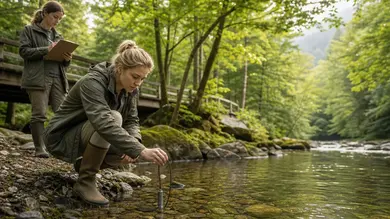
- Applied Field Techniques: Practical training in modern tools and technologies for monitoring and managing natural resources, including GIS mapping, sampling methods, and environmental assessment protocols.
Integrating these courses provides a comprehensive foundation in environmental science core classes overview that supports both academic success and career readiness.
Prospective students interested in expanding their skills through quality programs may also consider pursuing an accredited online business degree to complement their environmental expertise.
What Elective Classes Can You Take in a Environmental Science Degree?
Elective courses give students the chance to customize their environmental science degree to fit their unique interests and career ambitions. Studies show that approximately 70% of environmental science students opt for at least two electives to either deepen their specialization or broaden their abilities.
Below are some popular electives that can enhance a degree and open doors in various environmental fields.
- Environmental Policy and Law: This course delves into the legal aspects of environmental protection, including regulations and compliance. It sharpens skills in policy evaluation and advocacy, which are vital for roles in government agencies and non-profit organizations.
- Geographic Information Systems (GIS): Focused on spatial data techniques and mapping, this elective prepares students for careers in research, urban development, and natural resource management by teaching key technologies used for environmental analysis.
- Wildlife Ecology and Conservation: It covers ecosystem dynamics, animal habitats, and biodiversity conservation. This class is ideal for students aiming to work in conservation biology or environmental consulting.
- Sustainable Agriculture: This course explores the environmental challenges of farming practices and promotes sustainable methods. It's especially relevant for those interested in food systems, land use planning, or environmental sustainability.
- Renewable Energy Technologies: Introducing solar, wind, and other clean energy sources, this class helps students develop expertise in energy management and environmental engineering fields.
When I spoke with a professional who completed an environmental science degree, he recalled feeling uncertain yet excited about choosing electives.
"It was a bit overwhelming at first," he shared, "because I wanted to pick classes that not only interested me but also would help in my future job prospects."
He described carefully researching course descriptions and chatting with advisors to strike the right balance.
"Eventually, I selected electives that pushed me beyond what the core curriculum offered, which really broadened my understanding and gave me confidence in my career direction."
His experience highlights how electives can shape both academic growth and practical skills development in meaningful ways.
Breakdown of All Fully Online Title IV Institutions

Practical experiences in environmental science programs help students apply theoretical knowledge in real-world contexts, enhancing their grasp of ecological challenges and solutions.
Here are key elements of these hands-on components:
- Program Requirements: Most environmental science curricula include an internship or practicum, aimed at integrating applied skills with classroom study. This requirement supports student engagement with authentic environmental tasks.
- Duration and Hours: Internship or practicum commitments typically range between 100 and 300 hours. These hours are usually fulfilled during a semester or summer session, balancing academic and practical work.
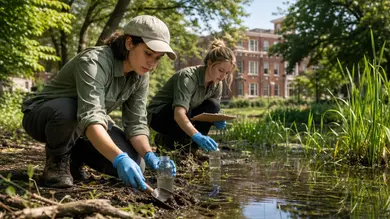
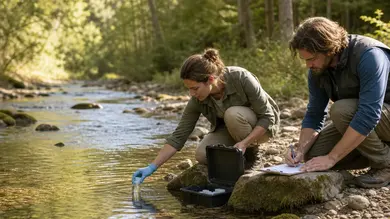
- Types of Experiences: Placements often involve work with government agencies, nonprofits, research centers, or private companies. Activities may cover environmental monitoring, conservation efforts, GIS mapping, and policy analysis.
- Skills Developed: Students strengthen abilities in data collection, critical thinking, problem-solving, and communication. Supervised projects typically include reporting or presentations that demonstrate applied learning outcomes.
Capstone projects and theses are essential components in environmental science programs, designed to showcase students' mastery of both theory and practical application. Approximately 60% of bachelor's programs require one of these culminating experiences to fulfill graduation criteria.
Below is a concise overview distinguishing these two approaches.
- Thesis Focus: A thesis centers on independent research, necessitating the development of a unique study, systematic data gathering, and comprehensive analysis. It involves producing a formal paper that often extends over a semester or longer, demanding strong academic writing and investigative skills.
- Capstone Approach: Capstones emphasize applied problem-solving through projects, case analyses, or community-based initiatives. These typically encourage collaboration and culminate in presentations or practical reports rather than extensive written documents, fostering teamwork and communication abilities.
- Skill Development: Writing a thesis sharpens research methodology and critical thinking, useful in graduate-level work or research careers. Capstones build project management and interpersonal skills valuable in many environmental science professions focused on real-world challenges.
- Time Commitment: A thesis usually requires more sustained effort over months due to its research depth, while capstones often fit within a single semester with concentrated hands-on tasks and team interactions.
- Career and Academic Support: A thesis prepares students aiming for advanced study or research-intensive roles, whereas capstones better suit those entering professional environments where collaboration and applied knowledge are vital.
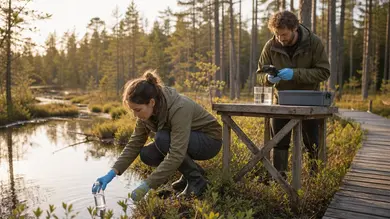
To understand how this plays out in practice, I spoke with a professional who completed an environmental science degree. She recalled the intense but rewarding nature of her capstone experience, which involved coordinating with a local conservation group to assess water quality.
"It was challenging juggling schedules and gathering meaningful data," she said, "but presenting our findings directly to community members made the work feel impactful."
Reflecting on her choice between thesis and capstone options, she appreciated how the project honed her communication and leadership skills, which boosted her confidence entering the workforce.
She noted, "While I didn't pursue a thesis, the capstone was a practical gateway that prepared me for real environmental work beyond the classroom."
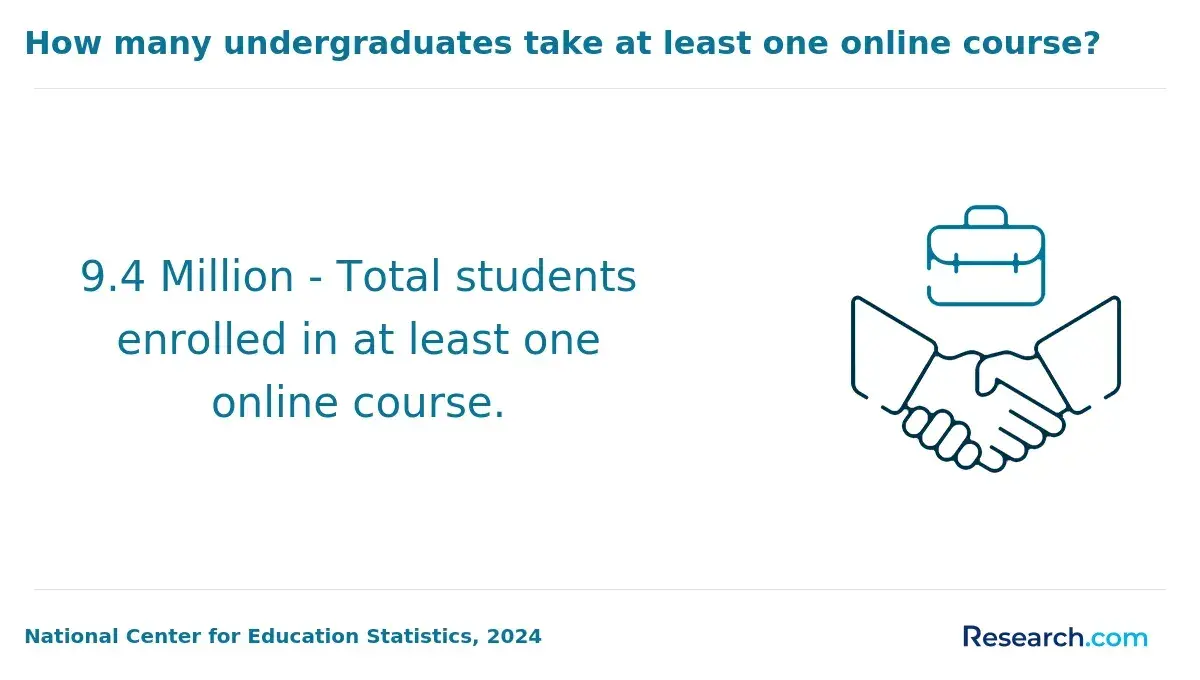
Environmental science coursework is largely consistent whether completed online or on campus. Both formats follow similar curricula and uphold equivalent academic standards, ensuring students gain comparable knowledge and skills.
Core subjects like ecology, geology, and environmental policy are central to the learning outcomes across both delivery methods. Therefore, the fundamental content remains the same regardless of the course format.
Differences arise mainly in how the material is delivered and experienced. Online courses offer more scheduling flexibility and depend on digital tools for lectures and discussions, with communication conducted through video calls, forums, and emails.
Practical elements such as labs and fieldwork are adapted via virtual simulations or local partnerships, though access to on-campus facilities is limited. Assessments online often include open-book exams and project-based work, contrasting with traditional in-person testing methods.
On average, students spend 3 to 5 hours in lectures or live sessions, 4 to 6 hours on readings and research, 2 to 3 hours collaborating in groups, and another 2 to 4 hours involved in hands-on activities.
Several key factors influence the weekly time commitment for environmental science students. The following list highlights these important considerations:
- Enrollment status: Full-time students usually face the higher end of the workload spectrum, while part-time students spend fewer hours due to taking fewer credits each term.
- Course level: Advanced courses or those requiring complex projects generally demand more outside study time and effort.
- Course format: Online students often need to allocate extra independent study hours to compensate for reduced live interaction compared to on-campus learners.
- Credits per term: The more credits a student takes, the greater the weekly hours needed to manage the coursework effectively.
- Practicum and projects: Special requirements like capstone projects or fieldwork can temporarily increase the workload, sometimes doubling weekly hours during intensive phases.
Prospective students considering an environmental science degree can better manage their time by understanding the average hours per week environmental science classes typically require.
For those weighing options, exploring the cheapest online degree in psychology can offer perspective on managing coursework alongside professional or personal commitments.
Total credit hour requirements are a crucial factor influencing the length of an environmental science degree program, the semester workload, and successful graduation planning. These requirements vary based on the level of study, whether undergraduate or graduate, as well as the specific program structure.
Typical environmental science degree credit hour requirements generally include several components. Below is a summary of common credit-hour elements and how they are typically distributed:
- Core coursework: For environmental science bachelor's degree programs, core classes typically account for a substantial portion of the 120 to 130 credit hours required. These often cover subjects such as ecology, geology, chemistry, and environmental policy, providing a solid scientific foundation.
- Electives: Elective courses allow students to tailor their education by exploring specialized or complementary topics like geography, data analysis, or sustainability. Electives make up a smaller but significant fraction of total credits and help broaden academic and practical knowledge.
- Experiential components: Many programs include practicums, internships, capstone projects, or theses to offer hands-on experience. These requirements vary but are essential for applying theoretical knowledge, especially in graduate programs, which usually require between 30 and 45 credit hours focused on advanced study.
Prospective students looking for flexible learning formats may also explore cheapest online EdD programs as an example of affordable advanced education options.
Environmental science coursework is designed to equip students with the skills, knowledge, and practical experiences needed to succeed in related careers. The curriculum emphasizes critical thinking, technical competence, and real-world problem solving, making graduates ready to meet industry demands.
According to the U.S. Bureau of Labor Statistics, employment in environmental science-related occupations is projected to grow 8% from 2022 to 2032.
- Skill Development: Coursework enhances critical thinking and problem-solving abilities essential for addressing complex environmental challenges. These skills prepare students to analyze data, evaluate risks, and make informed decisions in various professional contexts.
- Applied Projects: Many programs incorporate hands-on projects that simulate real-world issues, fostering practical understanding and readiness. This experiential learning sharpens students' ability to apply theoretical concepts to tangible environmental problems.
- Industry Tools and Technologies: Students gain experience with relevant technologies such as GIS mapping, environmental impact assessments, and data analysis software. Familiarity with these tools is vital for effective job performance in environmental science careers.
- Knowledge of Environmental Regulations: Coursework often covers current regulations and sustainability practices, enabling graduates to support organizational compliance and innovation. Understanding policy frameworks ensures alignment with industry standards and enhances career prospects.
- Professional Networking Opportunities: Programs may facilitate connections with industry professionals through internships and collaborative projects, helping students build valuable relationships for career advancement.
For prospective students considering degree options, exploring a cheapest online college can be a practical starting point for accessing affordable education without sacrificing quality.
Studies show professionals with specialized training or certifications in this field can earn up to 15% more compared to peers with a general background. Such data reflect the growing value of focused academic preparation for higher-paying careers.
Key aspects of environmental science coursework that influence salary prospects include:
- Development of In-Demand Skills: Advanced classes enhance technical knowledge and analytical abilities, equipping students to solve complex environmental challenges that attract better job offers.
- Completion of Specialized or Advanced Courses: Focusing on topics like environmental law, GIS, or renewable energy technologies positions graduates for niche roles in expanding markets where compensation tends to be higher.
- Leadership and Management Training: Courses cultivating supervisory skills prepare students to move into higher-rank positions, which usually come with increased pay and responsibility.
- Applied Experiences: Practicums, internships, and capstone projects provide practical exposure and networking opportunities, helping graduates demonstrate competence and secure stronger starting salaries.
- Certification Preparation: Specialized coursework helps students qualify for professional certifications that often correlate with wage increases and career advancement.
Incorporating these elements into an environmental science program ensures graduates are equipped not only for entry-level roles but also for upward mobility and long-term financial success across government, nonprofit, and private sector positions.
What Graduates Say About Their Environmental Science Degree Coursework
- Angela: "Enrolling in the environmental science degree program was a fantastic investment despite the moderate tuition fees; I appreciated how the online format allowed me to balance work and study effectively. The coursework was engaging and directly applicable to my role in sustainable development, which truly accelerated my career growth. I feel confident that the skills I gained set me apart in a competitive job market."
- Lara: "The cost of the environmental science coursework was a significant consideration for me, but attending classes on campus offered invaluable hands-on experiences and networking opportunities. Reflecting on my time in the program, I realize how deeply it broadened my understanding of ecological systems and environmental policies. This foundation has been instrumental in my current role as an environmental consultant."
- Felix: "Though the investment in tuition was considerable, completing the environmental science degree primarily through online coursework offered me flexibility without compromising academic rigor. Professionally, the degree sharpened my analytical skills and enhanced my ability to address complex environmental challenges in my organization. This education has been a key factor in my successful career advancement."
Other Things You Should Know About Environmental Science Degrees
Most environmental science bachelor’s programs require 6 to 9 credits in math and statistics, usually including college algebra, calculus, and an introductory statistics course. Some programs also expect quantitative ecology or data analysis before upper-division lab and field classes.
The environmental science curriculum is highly interdisciplinary, integrating principles from biology, chemistry, geology, geography, and policy studies.
This approach allows students to understand complex environmental systems and human impacts from multiple scientific and social perspectives.
Such diversity prepares graduates to work collaboratively across fields in addressing environmental challenges.
In 2027, environmental science degree programs frequently incorporate software tools like Geographic Information Systems (GIS) and statistical analysis programs. These tools are embedded in coursework to enhance skills in data analysis, modeling, and mapping, essential for addressing complex environmental challenges.
- Guide to Environmental Internships | Higherin https://higherin.com/career-guides/science-research/environmental-internships
- Environmental Science BSc | University of Northampton https://www.northampton.ac.uk/courses/environmental-science-bsc-hons/
- SEEDS Summer 2025 Internships | TREES DLA https://www.trees-dla.ac.uk/seeds-summer-2025-internships
- BS Environmental Science | American University, Washington, DC https://www.american.edu/cas/environmental/bs-environmental-science.cfm
- Online Environmental Science Undergraduate Tutors Spires | Is a degree in Environmental Science worth it? https://spires.co/online-environmental-science-tutors/undergraduate/is-a-degree-in-environmental-science-worth-it
- Environmental Sciences https://vancouver.calendar.ubc.ca/faculties-colleges-and-schools/faculty-science/bachelor-science/environmental-sciences
- BA Environmental Studies Approved Program Electives (APE) https://www.ualberta.ca/en/agriculture-life-environment-sciences/programs/undergraduate-programs/degree-programs/environmental-studies/ba-environmental-studies.html
- Environmental Science concentration https://earth.sas.upenn.edu/undergraduate/majors/earth-science/environmental-science-concentration
- The ENVS Capstone https://college.lclark.edu/programs/environmental_studies/major/the-envs-capstone/