2027 Military-Friendly Online Environmental Science Degree Programs: Benefits, Accreditation, and Career Outcomes

Co-Founder and Chief Data Scientist
Choosing an online environmental science degree is not just a question of convenience for service members, veterans, reservists, National Guard members, and military families. The real decision is whether a program can support military schedules, accept eligible benefits, recognize prior training, and still provide a credible path into environmental science work after graduation.
Flexibility matters because nearly 40% of service members who pursue higher education choose online formats to accommodate deployments and relocations. But flexibility alone is not enough. A strong program should be accredited, transparent about costs, clear about transfer credit, realistic about fieldwork requirements, and aligned with the careers students are likely to pursue.
This guide explains how to evaluate military-friendly online environmental science degree programs in 2026. It covers what “military-friendly” should mean in practice, who typically qualifies, how accreditation and licensure affect career options, what costs and aid to review, and how military experience can translate into academic credit or civilian environmental roles.
Key Benefits of Military-Friendly Online Environmental Science Degree Programs
- Flexible online formats allow military learners to balance coursework with deployments and relocations, promoting degree completion despite unpredictable schedules.
- Many programs recognize military training or experience for academic credit, reducing time and cost to degree completion for veterans and service members.
- These degrees enhance career readiness, offering transition support and connections to civilian environmental science roles, important as 250,000+ veterans enter college annually.
What Does "Military-Friendly" Mean for Online Environmental Science Degree Programs?
A military-friendly online environmental science program is designed to reduce the academic, financial, and scheduling barriers that military-affiliated students often face. The label should mean more than a marketing phrase. It should show up in the way the school handles deployments, transfer credit, tuition benefits, advising, and career planning.
The Department of Veterans Affairs reported over 700,000 veterans utilized education benefits in the 2022-2023 academic year, which makes institutional support for military learners especially important. For environmental science students, support also needs to account for labs, fieldwork, internships, and career preparation in areas such as compliance, conservation, sustainability, hazardous materials, and environmental consulting.
Core features to look for
- Flexible course delivery: Asynchronous classes, recorded lectures, and clear weekly deadlines help students keep making progress during duty schedule changes, relocations, or family obligations.
- Deployment-aware policies: Strong programs explain how students can request extensions, pauses, incompletes, or re-entry after military-related interruptions.
- Credit for military learning: Schools may review official military transcripts and ACE credit recommendations to determine whether prior training can apply to general education, electives, or related technical requirements.
- GI Bill and Tuition Assistance compatibility: Military-friendly programs should have staff who understand how VA education benefits, military Tuition Assistance, and institutional aid interact.
- Military student advising: Dedicated advisors can help students plan around deployments, transfer credit, benefit limits, and environmental science field requirements.
- Career support for civilian transition: Good programs help students translate military experience into resumes, internships, certifications, and interviews for environmental roles.
When comparing programs, ask for written policies rather than relying on broad claims. A program that is truly military-friendly should be able to explain how it handles late withdrawals, fieldwork near a student’s location, transfer credit review timelines, and benefit certification.
Students comparing online degrees across disciplines may also find it useful to review cost-focused options such as the most affordable online MBA programs to understand how tuition, fees, and aid structures vary by field.
Who Qualifies for Military-Friendly Online Environmental Science Degree Programs?
Eligibility depends on the school, the benefit program, and the type of support being requested. In general, military-friendly online environmental science programs serve active-duty personnel, veterans, reservists, National Guard members, and military spouses. Over 30% of military-affiliated students enroll in online higher education, so many institutions have formal processes for verifying status and connecting students with benefits.
Admission to the degree program is usually separate from eligibility for military benefits. A student may qualify academically for admission but still need specific documentation to receive military tuition rates, GI Bill® processing, Tuition Assistance approval, transfer credit, or spouse benefits.
| Military-affiliated group | Common documentation | Typical support available |
| Active-duty service members | Military ID, Tuition Assistance authorization, or deployment orders | Flexible scheduling, TA processing, deployment accommodations, and military advising |
| Veterans | DD-214 form and VA benefit documentation when applicable | GI Bill® benefit processing, veteran advising, transfer credit review, and career transition support |
| Reservists and National Guard members | Reserve or Guard documentation, activation orders, or benefit eligibility records | Support for mixed civilian-military schedules, benefit counseling, and flexible enrollment options |
| Military spouses | Military ID, marriage certificate, or spouse benefit documentation | Spouse-focused aid, portable online study options, and advising for frequent relocation |
Before applying, students should ask the admissions or military services office which documents are required, whether military tuition rates apply to online environmental science programs, and whether benefit certification happens before or after enrollment. This can prevent delays in payment processing or course registration.
Some military-affiliated students also compare environmental science with public service or health-related programs. For example, cacrep accredited online masters counseling programs may interest students considering careers that combine service, community support, and professional licensure.
Are Military-Friendly Online Environmental Science Programs Accredited?
Yes, many military-friendly online environmental science programs are accredited, but students should verify each school before enrolling. Accreditation affects financial aid eligibility, credit transfer, graduate school admission, employer recognition, and, in some career paths, eligibility for certification or licensure. Research shows that over 90% of reputable online environmental science programs hold regional or specialized accreditation.
The most important baseline is recognized institutional accreditation. Military-friendly accredited online environmental science degrees may be offered by schools accredited by regional bodies such as the Middle States Commission on Higher Education or the Higher Learning Commission. Some programs may also cite specialized review from organizations such as the Environment and Ecology Accreditation Commission. Students should confirm any accreditation claim directly through the U.S. Department of Education's database or the accreditor’s official website.
Why accreditation matters for military students
- VA and federal aid eligibility: Accreditation is often tied to whether students can use federal aid and military education benefits.
- Transfer credit: Accredited institutions are more likely to accept credits from other accredited schools, which matters for students who have moved or stopped out due to service obligations.
- Graduate study: Master’s programs, professional certificates, and some employers may require a degree from an accredited institution.
- Career credibility: Employers in environmental consulting, public agencies, and compliance roles often prefer candidates from recognized institutions.
- Licensure or certification pathways: Some professional credentials may require coursework, field experience, or degrees from accredited programs.
Students should not rely only on a school’s homepage. Ask whether the specific online environmental science program is covered by the institution’s accreditation, whether any programmatic accreditation applies, and whether the degree meets requirements for the student’s intended state or career path.
For a broader view of affordable online graduate options that may fit military schedules, students can also review this affordable online psychology masters resource.
The cost of a military-friendly online environmental science degree depends on tuition rate, transfer credit, benefit eligibility, fees, course materials, and fieldwork requirements. Tuition rates for these programs generally increase around 2% each year, so students should compare current costs and ask whether tuition is locked in or subject to annual increases.
Tuition alone does not show the full price. Environmental science programs may include lab kits, software, field experiences, or local practicum expenses that are less common in some other online degrees. Students using military benefits should also confirm which costs are covered and which may remain out of pocket.
| Cost category | What it usually covers | What to ask before enrolling |
| Tuition per credit | Instruction, course access, faculty support, and online learning platform use | Is tuition charged at an in-state, out-of-state, military, or flat online rate? Rates usually range between $300 and $600 per credit hour. |
| Mandatory fees | Technology, registration, library access, student services, or online course support | Are fees included in the military tuition rate, or are they billed separately? |
| Course materials | Textbooks, digital resources, lab manuals, software, or online subscriptions | Are materials included in tuition, available through open resources, or purchased separately? |
| Practicum or fieldwork fees | Equipment, site supervision, travel, local field activities, or required environmental sampling work | Can fieldwork be completed near a duty station, home location, or approved local site? |
To compare programs accurately, calculate total program cost after transfer credit and military benefits, not just tuition per credit. A program with a higher per-credit price may cost less overall if it accepts more prior learning, has fewer fees, or offers better benefit coordination.
Military-affiliated students should review every available funding source before committing to an online environmental science program. Nearly half of military students rely on federal or institutional aid, and the order in which benefits are used can affect out-of-pocket cost, future eligibility, and debt.
The best starting point is the school’s military education office or certifying official. Students should ask how the institution processes VA benefits, whether Tuition Assistance can be used for the specific degree, and how scholarships, federal aid, and employer support interact.
Common aid options
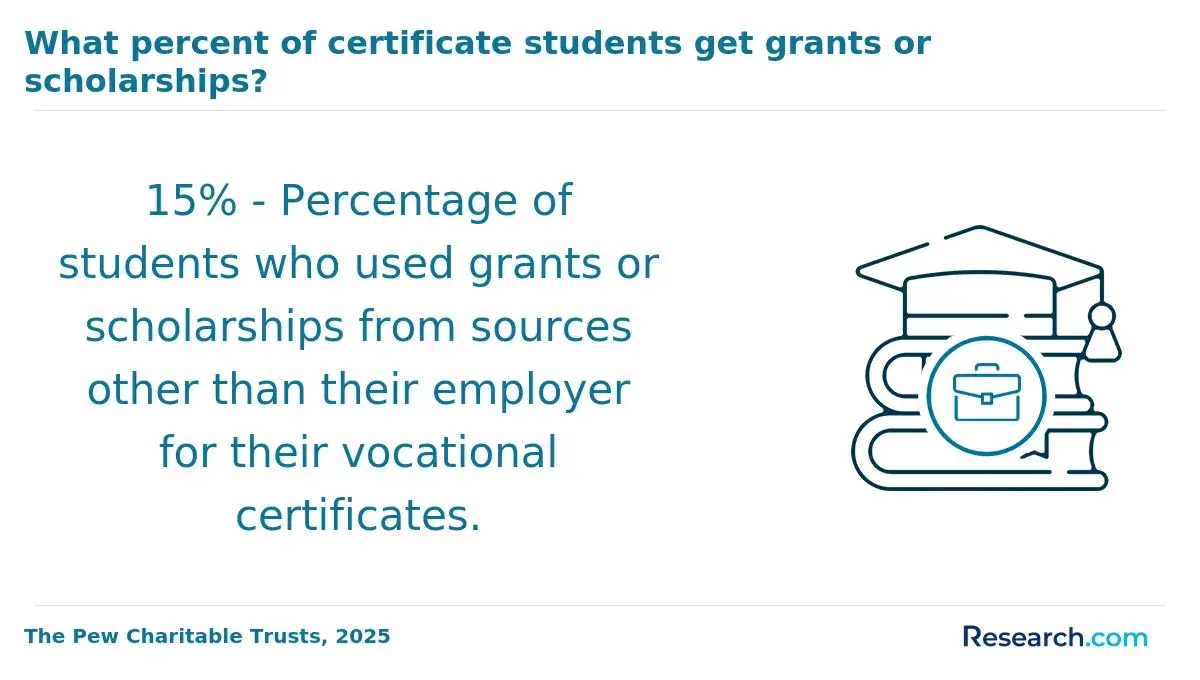
- GI Bill benefits: Eligible veterans and service members may use GI Bill benefits for tuition, fees, and housing-related support, depending on benefit type, eligibility, enrollment status, and institutional approval.
- Tuition Assistance (TA): Military branches offer TA programs that may cover full or partial tuition for approved courses or degree programs. Active-duty students should secure approval before the course begins.
- Scholarships for military-affiliated students: Foundations, professional associations, schools, and military support organizations may offer awards for veterans, active-duty personnel, reservists, Guard members, and spouses.
- Federal student aid: Completing the FAFSA can help students access grants, loans, and need-based support for which they qualify.
- Loan forgiveness programs: Some federal initiatives may apply to graduates who enter qualifying public service or environmental careers, subject to program rules.
Practical questions to ask the financial aid office
- Can GI Bill benefits be used for this online environmental science program?
- Does the school participate in military Tuition Assistance processing?
- Are technology, lab, fieldwork, or practicum fees covered by benefits?
- Will scholarships reduce unmet need or reduce other aid first?
- What happens financially if deployment requires a withdrawal or incomplete?
- : "A military veteran who completed an online environmental science degree described the financial aid process as initially “overwhelming,” especially while balancing service obligations and family responsibilities. He said that “understanding which benefits applied and coordinating GI Bill use with tuition assistance took time but was ultimately empowering.”"
He also noted that choosing electives tied to his post-military goals made the degree feel more purposeful. That is a useful lesson for prospective students: financial aid reduces cost, but careful course planning helps ensure the investment supports a realistic career direction.
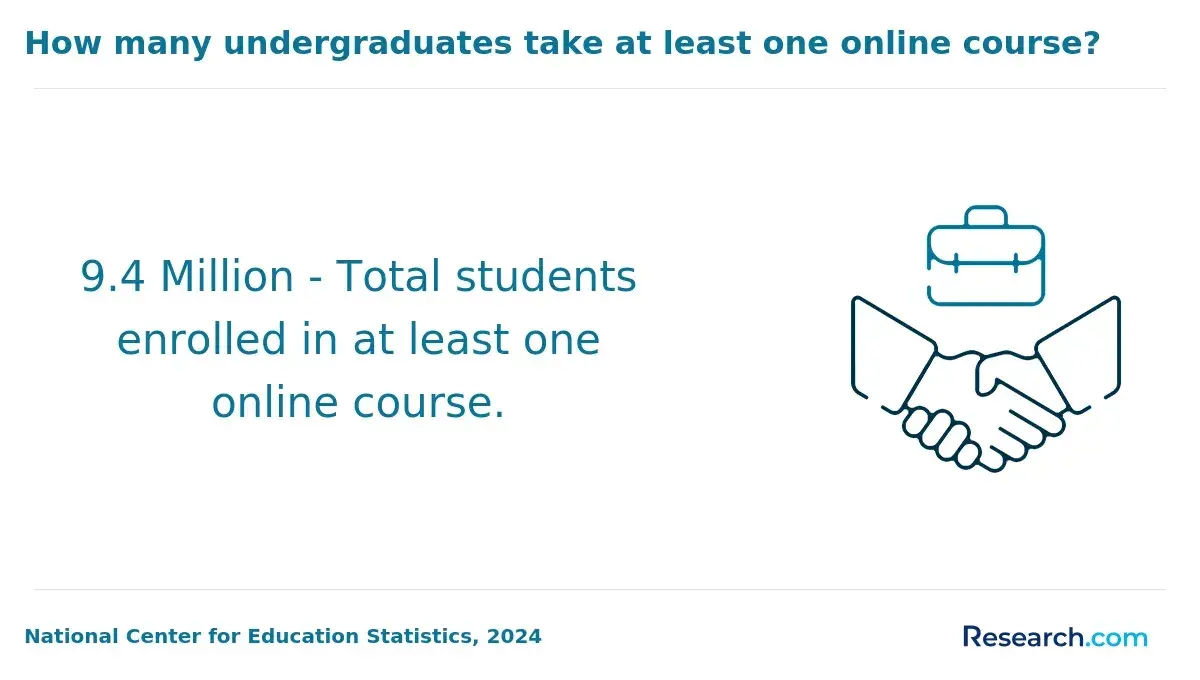
Many online environmental science programs review military training for possible college credit, but acceptance is not automatic. Data from the American Council on Education shows that almost 70% of military courses are recommended for college credit, yet each college decides how those recommendations apply to a specific degree plan.
For environmental science students, military credit may be most useful for general education, free electives, leadership-related coursework, safety training, technical operations, or areas connected to environmental management and hazardous materials. Major requirements such as biology, chemistry, ecology, statistics, or field methods may be harder to replace unless the training closely matches the academic outcomes.
How credit review usually works
- Transcript review: Schools typically evaluate official military records such as Joint Services Transcripts to identify ACE-recommended credit and match it to degree requirements.
- Certification recognition: Programs may consider military certifications related to environmental management, occupational safety, logistics, emergency response, or hazardous materials handling for elective or applied credit.
- Department evaluation: Environmental science faculty or transfer credit evaluators may determine whether prior learning is equivalent to required coursework.
- Degree audit update: Accepted credits should appear in a degree plan so students can see exactly which requirements remain.
How to avoid losing usable credit
- Submit military transcripts before registering for classes.
- Ask whether credits apply to the major, general education, or electives.
- Request a written transfer evaluation, not just a verbal estimate.
- Confirm whether transfer credit affects financial aid status or course sequencing.
- Compare schools if one institution accepts significantly less military credit than another.
Military training credit can reduce both time and cost, but students should focus on how credit applies to the degree. A large number of elective credits may not shorten the program if required science courses still remain.
Some online environmental science programs are highly flexible for deployments, but students should review the actual policies before enrolling. The strongest military-friendly programs combine asynchronous coursework with clear procedures for extensions, withdrawals, incompletes, re-enrollment, and fieldwork adjustments.
Environmental science can be more complex than some online majors because it may include labs, data collection, field observations, or supervised projects. Flexibility should therefore cover both weekly coursework and hands-on requirements.
Deployment-friendly features to confirm
- Asynchronous courses: Recorded lectures and flexible participation windows help students study across time zones and irregular schedules.
- Extended deadlines: Programs may allow deadline adjustments for mission-related interruptions when students provide appropriate documentation.
- Military withdrawal or leave policies: Clear policies help students pause without unnecessary academic or financial penalties.
- Advisor support: A military-aware advisor can help revise schedules, communicate with faculty, and plan around deployment cycles.
- Local fieldwork options: Programs that allow approved local sites can be easier for students who relocate frequently.
- Reliable digital access: Mobile-friendly platforms, downloadable materials, and recorded sessions can reduce disruption when internet access is inconsistent.
- : "An active-duty service member enrolled in a military-focused online environmental science degree said recorded sessions were essential during deployment: “During my last deployment, I was able to catch up on lectures whenever possible thanks to recorded sessions.”"
- : "She also said, “The extended deadlines relieved so much pressure, and having an advisor who understood military life made navigating coursework much less stressful.”"
Prospective students should ask for examples of how the program handled past deployment interruptions. A flexible program should be able to explain the process clearly before a student is in crisis.
Some military-friendly online environmental science programs may meet certain licensure or certification requirements, but students must verify requirements for their intended state, employer, and career path. Environmental science is a broad field. Not every role requires licensure, but some specialized positions, public-sector jobs, consulting responsibilities, or credentialed professional tracks may require specific education, exams, experience, or supervised work.
National data shows that around 70% of environmental science graduates seeking licensure successfully pass their certification exams within two years, which underscores the value of programs that prepare students for credentialing where it applies.
What to verify before enrolling
- Curriculum alignment: Confirm whether required courses match the academic prerequisites for the credential or state pathway you plan to pursue.
- Fieldwork or practicum requirements: Some credentials or employers may expect supervised field experience, lab work, or documented applied projects.
- Exam preparation support: Ask whether the program offers review materials, advising, practice exams, or faculty guidance related to certification exams.
- Accreditation and compliance: Make sure the institution’s accreditation is recognized and that the program can document how it supports credential eligibility.
- State-specific rules: Requirements can vary by jurisdiction, so military students who may relocate should check more than one state when planning a career.
Students should be cautious of any program that promises licensure without explaining the exact requirements. A degree may satisfy the education portion of a credential, while exams, work experience, background checks, or state applications may still be required after graduation.
For military-affiliated students pursuing environmental consulting, government agency work, compliance, conservation, or hazardous materials roles, the safest approach is to identify target jobs first and then confirm that the degree supports the credentials those jobs commonly require.
An online environmental science degree can support several civilian career paths for military-affiliated students, especially when combined with military experience in operations, safety, logistics, engineering support, emergency response, compliance, or leadership. Employment of environmental scientists and specialists is expected to grow 8% from 2022 to 2032, faster than the average for all occupations.
The right path depends on the student’s degree level, fieldwork experience, technical skills, location, and certifications. Military students should review job postings early and choose electives, internships, and projects that match the roles they want after graduation.
| Career path | What the work involves | Military experience that may transfer well |
| Environmental Consultant | Evaluating environmental impacts, preparing reports, supporting permitting, and advising organizations on compliance or sustainability | Problem-solving, technical documentation, project coordination, and risk assessment |
| Environmental Health and Safety Specialist | Monitoring workplace and environmental safety, supporting regulatory compliance, and reducing hazards | Safety protocols, inspections, leadership, training, and attention to detail |
| Environmental Scientist | Studying pollution, conservation, land use, resource management, and environmental data | Data collection, field discipline, reporting, and mission-focused analysis |
| Natural Resource Manager | Supporting land, water, habitat, and conservation planning for agencies or organizations | Strategic planning, team coordination, operations management, and resource stewardship |
| Hazardous Materials Specialist | Handling, monitoring, documenting, or advising on hazardous substances and safety procedures | Hazard recognition, emergency response, compliance habits, and procedural discipline |
Students should choose programs that include applied projects, geographic information systems exposure where available, statistics, environmental policy, and field methods when those areas fit their career goals. Veterans and service members may already have transferable strengths, but employers still look for evidence of scientific training and relevant civilian terminology.
For students seeking lower-cost online options, the most affordable online colleges can be a helpful starting point for comparing accredited programs without overlooking quality.
Earnings for military graduates with an online environmental science degree vary by role, location, experience, employer type, degree level, and credentials. The degree can support entry into environmental science and related fields, but salary outcomes are not guaranteed by the online format or by military-friendly status alone.
Students should evaluate salary potential by researching specific job titles in their target region and comparing those expectations with program cost. Career earnings for military graduates in environmental science tend to grow significantly with advanced qualifications and experience, so the long-term value of the degree often depends on continued skill development after graduation.
Factors that affect earning potential
- Licensure: Obtaining licensure can increase salary prospects by 15% to 25%, especially when it qualifies graduates for specialized responsibilities, regulatory work, or roles that require verified professional competency.
- Experience and role: Entry-level field or technician-oriented positions typically differ from project management, compliance leadership, consulting, or agency specialist roles. Military leadership experience may help, but civilian employers still evaluate direct environmental experience.
- Specialization: Areas such as hazardous materials management, environmental health and safety, sustainability consulting, compliance, or natural resource management may lead to different salary ranges and advancement paths.
- Geographic location: Pay can vary by region, local regulations, employer demand, and cost of living. Students who relocate after service should research multiple labor markets.
- Job security and advancement: Accredited education, relevant certifications, strong field experience, and clear documentation of military skills can improve competitiveness for promotions and stable roles.
To maximize value, students should confirm that their online program is accredited, supports any needed licensure or certification pathway, and offers career services that help translate military experience into environmental science language. Those comparing fast degrees online should be especially careful to verify accreditation, course quality, and employer relevance before prioritizing speed.
What Graduates Say About Their Military-Friendly Online Environmental Science Degree
- : "As a professional already working in environmental management, enrolling in a military-friendly online environmental science program helped sharpen my expertise without disrupting my career. The cost-effective tuition and the ability to learn at my own pace were invaluable. Earning this degree opened new doors for leadership roles and enhanced my contributions to environmental projects within government agencies. — Benjamin"
- : "The experience of studying environmental science online while serving was challenging but rewarding. The curriculum was thoughtfully designed for military schedules, and the reasonable tuition meant I didn't have to worry about finances while focusing on my studies. Reflecting on my journey, this degree has broadened my understanding of sustainable practices, shaping my approach as an environmental consultant. — Eden"
- : "Completing my military-friendly online environmental science degree was a game-changer. The program's flexibility allowed me to balance deployments and coursework seamlessly, and with an average cost of attendance well below traditional programs, it made advancing my education accessible. Now, I'm applying what I learned directly to environmental policy work, making a real difference in my community. — Ryker"
Other Things You Should Know About Environmental Science Degrees
Yes. Active-duty service members can use Department of Defense Tuition Assistance for approved online environmental science courses, usually up to 250 dollars per semester credit hour and 4,500 dollars per fiscal year. Programs must be regionally accredited, and a school may require prior approval from the military education office.
In 2027, military personnel can access the Post-9/11 GI Bill, Tuition Assistance, and the Yellow Ribbon Program for financial aid in online environmental science degree programs. Each program offers specific benefits and covers tuition, fees, and sometimes educational supplies.
In 2027, military-friendly online environmental science degree programs are typically accredited by bodies like the Accreditation Board for Engineering and Technology (ABET) or the Distance Education Accrediting Commission (DEAC), ensuring the programs meet rigorous educational standards and are recognized for quality.
- Online Environmental Science Degree | Programs & Career Options https://www.learnhowtobecome.org/best-online-bachelors-in-environmental-science-degree-programs/
- What Does Military Friendly School Mean? | Tulsa Welding School https://www.tws.edu/blog/skilled-trades/what-does-military-friendly-school-mean/
- Online Degrees for Veterans: Why Flexible Learning is a Great Fit https://www.ucumberlands.edu/blog/benefits-of-online-degrees-for-veterans
- What to Look for in a Military-Friendly College: Which Is Right for You? https://www.umassglobal.edu/blog-news/look-a-military-friendly-college-which-right-you
- Military & Veterans Program https://carolinau.edu/military
- 2025 Most Affordable Online Environmental Science Degrees https://www.onlineu.com/most-affordable-colleges/environmental-science-degrees
- Military-friendly Online Master’s Programs for Service Members https://www.onlinemastersdegrees.org/features/military-friendly-programs/
- Welcome Military & Veteran Students https://online.norwich.edu/welcome-military-veteran-students-0
- Military Friendly Online Degrees https://unity.edu/distance-education/military-friendly-online-degrees/
- Membership | Military Friendly https://www.militaryfriendly.com/school/membership/