2027 Online Paralegal Studies Degrees With Legal Writing Coursework

Co-Founder and Chief Data Scientist
Choosing an online paralegal studies degree is really a decision about career readiness: can the program teach you to research law, draft legal documents, and support attorneys accurately? That matters because the U. S. Bureau of Labor Statistics reported a $61,010 median annual wage for paralegals and legal assistants in May 2024. This guide is for prospective students comparing online degrees, certificates, and campus options. You will learn how legal writing coursework works, what accreditation to verify, what programs cost, and how to choose a path that fits your goals.
Key Things You Should Know
- Strong legal writing is central to paralegal work because many roles involve drafting pleadings, discovery requests, contracts, research memos, client correspondence, and case summaries under attorney supervision.
- According to College Board's 2024 pricing data, published tuition and fees averaged $4,050 at public two-year colleges and $11,610 for in-state students at public four-year colleges, so program type can strongly affect total cost.
- The BLS reported a May 2024 median annual wage of $61,010 for paralegals and legal assistants, but outcomes vary by location, employer, experience, specialization, and whether the graduate has strong research and writing samples.
What are online paralegal studies degrees that emphasize legal writing coursework?
Online paralegal studies degrees are academic programs that prepare students to perform legal support work under the supervision of licensed attorneys. A program that emphasizes legal writing gives extra attention to clear legal analysis, citation, document drafting, case briefing, and professional communication rather than treating writing as a minor skill.
These programs are usually offered at the associate or bachelor's level. Some schools also offer post-baccalaureate or undergraduate certificates, which may be useful for students who already have college credits or a degree and want faster career preparation. The best fit depends on your prior education, budget, transfer credits, and target employer.
The table below compares common online paralegal study options. Use it to understand which credential matches your timeline and career goal before comparing individual schools.
| Program type | Typical student profile | Legal writing focus | Best fit |
| Associate degree in paralegal studies | Students starting college or changing careers with limited prior credits | Introductory legal research, legal writing, document drafting, civil litigation writing | Entry-level paralegal or legal assistant roles |
| Bachelor's degree in paralegal studies or legal studies | Students seeking broader education, advancement potential, or transfer pathways | More advanced research projects, analytical writing, legal ethics, specialty electives | Law firms, corporate legal departments, government agencies, compliance support |
| Undergraduate certificate | Students who want focused training without completing a full degree | Core drafting and research courses, often fewer electives | Career changers, administrative professionals, or students testing the field |
| Post-baccalaureate paralegal certificate | Students who already hold a bachelor's degree | Intensive legal writing, research, and practical document preparation | Graduates seeking a faster transition into legal support work |
A writing-focused online paralegal program is often worth considering if you want a practical legal career but do not plan to become an attorney immediately. It may not be the right investment if your main goal is to practice law independently, give legal advice, or represent clients in court; those activities generally require law school, bar admission, and state authorization.
How do online paralegal programs compare to campus options for legal writing training?
Online and campus paralegal programs can both teach legal writing well, but they deliver feedback differently. Online programs usually rely on discussion boards, annotated drafts, virtual research platforms, writing rubrics, and recorded lectures. Campus programs may offer more face-to-face drafting workshops, live library instruction, and local networking.
The important question is not whether the program is online or in person. It is whether the format gives you repeated writing practice, instructor feedback, access to legal research tools, and assignments that resemble actual paralegal work.
The table below summarizes the trade-offs most students should compare when deciding between online and campus legal writing training.
| Factor | Online paralegal program | Campus paralegal program | Decision point |
| Writing feedback | Often provided through digital comments, rubrics, and revision cycles | May include in-person conferences or workshops | Ask whether major writing assignments require revisions, not just final submissions |
| Schedule flexibility | Usually stronger for working adults and caregivers | Often less flexible if classes meet at fixed times | Choose online if you need to balance school with work, but confirm deadlines are manageable |
| Legal research tools | May include remote databases and simulated assignments | May include law library access and live research sessions | Verify access to Westlaw, LexisNexis, or comparable research instruction |
| Networking | Depends on virtual career services, internships, and local placement support | May offer easier local employer connections | Online students should ask how the school supports internships in their area |
| Class interaction | Can be asynchronous or live online | Typically in person | Students who need immediate discussion may prefer live or hybrid formats |
Online learning can be especially effective for legal writing because students submit written work frequently and learn to communicate clearly in digital formats, which mirrors modern legal workplaces. However, a weak online program may leave students isolated, especially if it offers few writing assignments or limited instructor feedback.
Before enrolling, ask admissions or the program director for examples of major writing assignments. Good signs include legal memoranda, case briefs, pleadings, demand letters, discovery documents, contracts, and citation exercises.
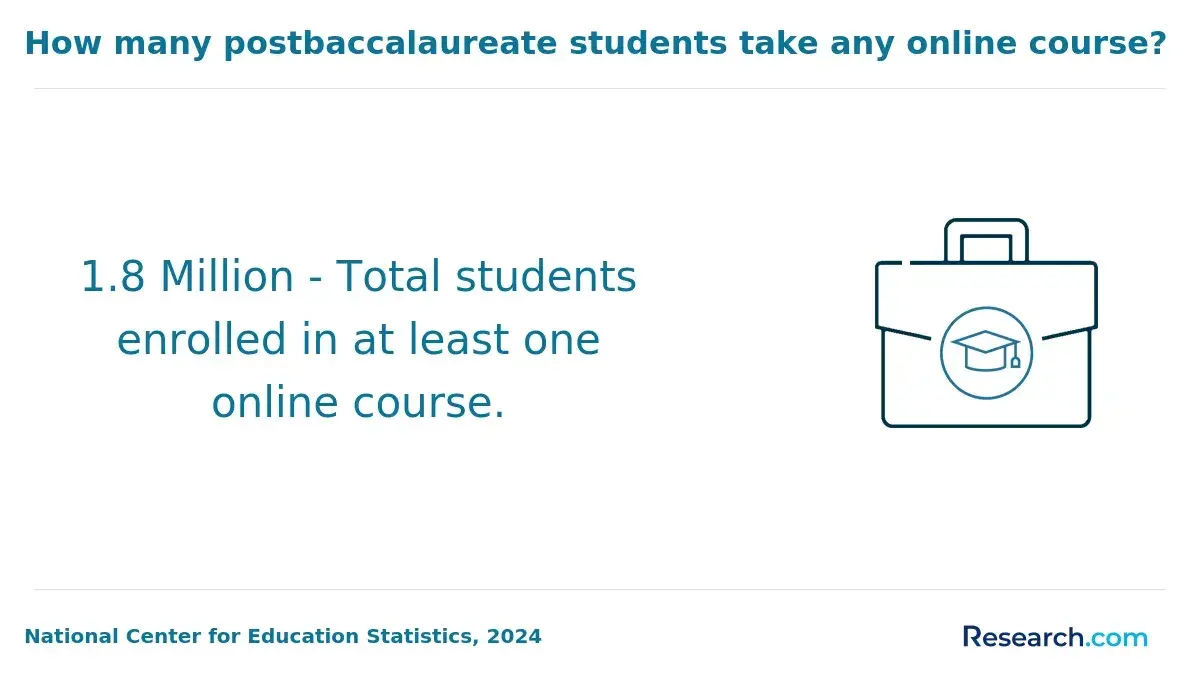
What accreditation should paralegal studies programs with legal writing coursework have?
Accreditation is one of the most important quality checks for online paralegal studies degrees. At minimum, the college or university should hold institutional accreditation from an agency recognized by the U.S. Department of Education or the Council for Higher Education Accreditation. This affects credit transfer, financial aid eligibility, graduate study options, and employer confidence.
Paralegal programs may also seek approval from the American Bar Association. ABA approval is not required for every paralegal job, and not all online programs are ABA-approved because the ABA has specific program requirements. Still, ABA approval can be a useful quality signal, especially in competitive legal markets.
The table below explains the accreditation and approval terms students often see while comparing programs.
| Quality marker | What it means | Why it matters | What to verify |
| Institutional accreditation | The school is reviewed as a whole by a recognized accreditor | Supports financial aid eligibility, transferability, and legitimacy | Check the school in the U.S. Department of Education accreditation database |
| ABA approval | The paralegal program meets American Bar Association program standards | May be valued by some employers and local legal communities | Confirm whether the specific paralegal program, not just the school, is approved |
| State authorization | The school is allowed to serve students in particular states | Important for online students enrolling across state lines | Ask whether your state is authorized for enrollment and complaint resolution |
| Program learning outcomes | The curriculum defines what students should be able to do | Shows whether legal writing, research, ethics, and technology are central | Look for measurable outcomes tied to writing and practical legal tasks |
A common mistake is assuming that "online" automatically means lower quality or, on the other hand, assuming that every online college with a professional-looking website is reputable. Neither is safe. Accreditation should be verified independently, and students should be cautious of programs that promise fast employment, avoid discussing accreditation, or provide vague course descriptions.
What legal writing and research courses are typically included in paralegal curricula?
Legal writing coursework teaches students how to turn legal research into accurate, organized, and useful documents. In a paralegal program, writing is usually tied to ethics because paralegals cannot give legal advice or independently represent clients. They must draft under attorney supervision and understand the limits of their role.
Most quality curricula combine general legal writing with specialty writing assignments. The following courses are especially important because they build the practical skills employers often test through writing samples or on-the-job assignments.
- Legal research and writing: Introduces case law, statutes, regulations, citation formats, research databases, case briefs, and objective legal memoranda.
- Civil litigation: Covers pleadings, discovery requests, motions, deposition summaries, trial preparation, and court filing procedures.
- Legal document drafting: Focuses on professional documents such as correspondence, affidavits, contracts, settlement materials, and internal case summaries.
- Legal technology and e-discovery: Teaches students how digital evidence, document management, databases, and litigation software affect legal work.
- Legal ethics: Explains unauthorized practice of law, confidentiality, conflicts of interest, attorney supervision, and professional responsibility.
- Specialty electives: May include family law, criminal law, real estate, probate, business law, immigration law, or employment law with field-specific drafting tasks.
Because legal workplaces increasingly use digital tools, students should also look for coursework that addresses AI-assisted research, document automation, e-filing, and data privacy. AI can help organize information, but paralegals still need judgment to verify sources, check citations, protect confidentiality, and avoid submitting inaccurate content.
The strongest programs do not simply teach students to write in a general academic style. They teach legal organization: issue, rule, analysis, conclusion; fact-to-law reasoning; neutral tone; concise drafting; and accurate citation. Those habits are useful across law firms, courts, corporations, insurers, nonprofits, and government offices.
What admission requirements do online paralegal studies degrees usually have?
Admission requirements vary by credential level, but most online associate and bachelor's programs are designed to be accessible to students who meet general college admission standards. Certificate programs may have different requirements depending on whether they are undergraduate or post-baccalaureate.
Students should review admissions rules closely before applying because legal employers may also consider background checks, internships, and professional conduct. If you are comparing education options after a conviction or record-related barrier, resources on the best associate degrees for felons can help you think through program access, career restrictions, and questions to ask before enrolling.
Common admission materials usually include the following items. Requirements can differ by school, so confirm them directly with each admissions office.
- High school diploma, GED, or equivalent for undergraduate admission.
- Official transcripts from high school and any previous colleges attended.
- Minimum GPA requirement, especially for bachelor's completion or certificate programs.
- Placement testing or prior college coursework in English and math, depending on the institution.
- Application form and application fee, though some schools waive fees.
- Resume, statement of purpose, or interview for some certificate or competitive programs.
- Bachelor's degree from an accredited institution for most post-baccalaureate paralegal certificates.
Transfer credit can be a major cost saver. Students with prior college coursework should ask whether English composition, business law, criminal justice, political science, or general education credits can apply toward the degree. However, paralegal core courses may need to be completed at the issuing institution, especially if the program follows ABA-related standards.
Avoid choosing a program before checking whether you meet technology requirements. Online legal writing courses may require reliable internet, a webcam, word processing software, PDF tools, legal database access, and the ability to submit properly formatted documents.
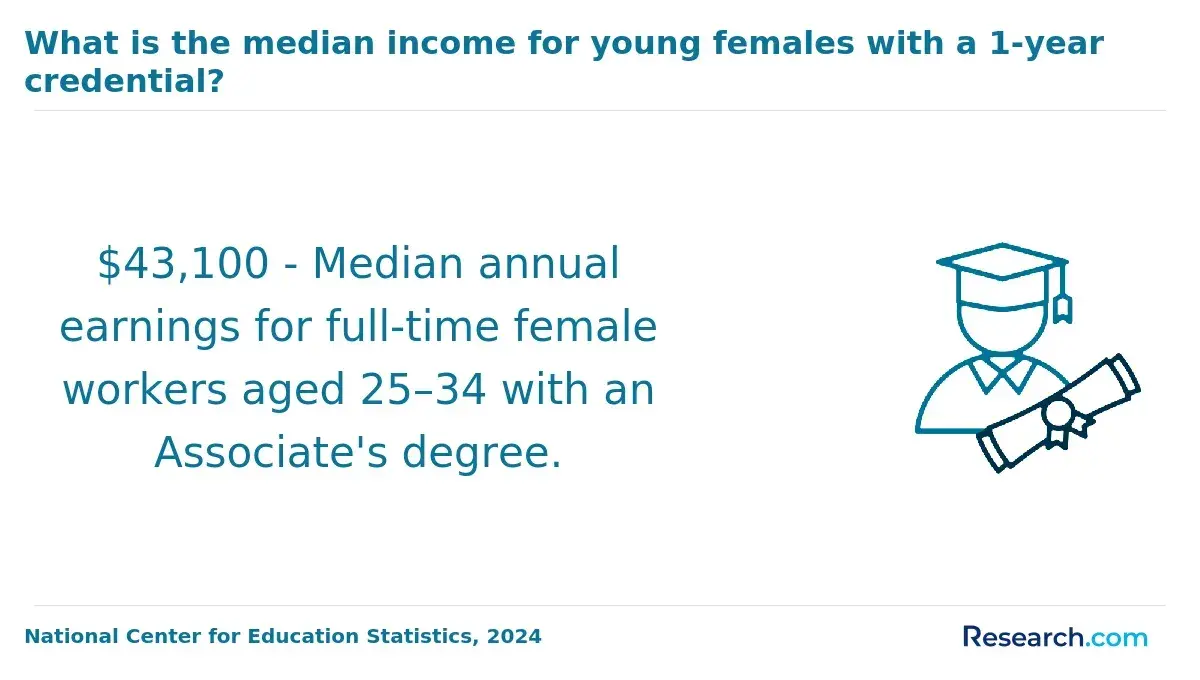
How long do online paralegal degrees take, and what do they cost?
Program length and cost depend on the credential, number of credits, transfer policy, tuition rate, fees, books, technology, and whether the student attends full time or part time. College Board's 2024 pricing data reported average published tuition and fees of $4,050 at public two-year colleges and $11,610 for in-state students at public four-year colleges. For paralegal students, that means community colleges and transfer-friendly public universities can be especially cost-conscious options.
The table below gives a practical comparison of common timelines and cost considerations. It does not replace school-specific tuition quotes, but it can help you frame the financial decision.
| Credential | Typical time to complete | Main cost drivers | Best value strategy |
| Undergraduate certificate | Several months to about one year | Per-credit tuition, books, legal database fees, limited financial aid availability | Best if you already have college experience and need focused job skills |
| Associate degree | About two years full time; longer part time | Tuition, general education courses, course materials, technology fees | Start at a public community college and confirm transfer options if you may pursue a bachelor's |
| Bachelor's degree | About four years full time; less with transfer credits | Upper-division tuition, residency requirements, elective credits, student fees | Use transfer credits and compare total degree cost, not just first-year tuition |
| Post-baccalaureate certificate | Often less than two years | Specialized tuition, required paralegal core courses, professional materials | Best if you already hold a bachelor's degree and want targeted legal training |
Students should calculate total cost of attendance, not only tuition. Fees for online courses, textbooks, legal citation manuals, exam proctoring, graduation, parking for occasional campus visits, and technology can change the real price.
To reduce cost without weakening quality, compare these options before committing.
- Ask for a written transfer-credit evaluation before enrolling.
- Compare in-state public tuition, community college pathways, and employer tuition assistance.
- Check whether the program participates in federal financial aid if you need loans or grants.
- Look for legal writing courses included in the base curriculum rather than paid add-ons.
- Ask whether internships are credit-bearing and whether they add tuition costs.
Accelerated programs can be worthwhile for students who can handle intensive writing deadlines. They may be a poor fit if you are working full time, have limited writing experience, or need more instructor interaction to build confidence.
What paralegal career paths rely most on strong legal writing skills?
Legal writing skills are valuable in nearly every paralegal setting, but some roles rely on them more heavily than others. Students who enjoy reading, organizing facts, drafting precise documents, and revising work based on attorney feedback may find these paths especially relevant.
The table below connects writing-heavy paralegal paths with the kinds of documents students may encounter. For a broader comparison of types of paralegals and salaries, students can use specialization data alongside program curriculum details.
| Career path | Writing-intensive responsibilities | Useful coursework |
| Litigation paralegal | Drafting pleadings, discovery, deposition summaries, trial binders, and case chronologies | Civil litigation, legal writing, e-discovery, trial preparation |
| Corporate paralegal | Preparing resolutions, compliance documents, entity filings, contract summaries, and board materials | Business law, contract drafting, legal technology, compliance |
| Family law paralegal | Drafting petitions, financial affidavits, settlement documents, and client correspondence | Family law, legal ethics, interviewing, document drafting |
| Estate planning and probate paralegal | Preparing probate forms, asset summaries, correspondence, and trust or estate administration documents | Wills and trusts, probate law, legal writing, client communication |
| Immigration paralegal | Preparing forms, declarations, evidence packets, cover letters, and case summaries | Immigration law, administrative law, legal research, professional writing |
| Compliance or regulatory support | Writing policy summaries, investigation notes, audit responses, and regulatory filings | Administrative law, business law, compliance, legal research |
Writing strength also helps paralegals adapt as legal technology changes. Document automation and AI tools can speed up first drafts, but employers still need staff who can identify missing facts, verify authority, maintain confidentiality, and produce work that attorneys can trust.
What salaries and job outlook can graduates with legal writing training expect?
The U.S. salary picture for paralegals is solid but not uniform. The Bureau of Labor Statistics reported a May 2024 median annual wage of $61,010 for paralegals and legal assistants. A median is not a starting salary or a guarantee; it is the midpoint across workers with different experience levels, employers, industries, and regions.
Job outlook should also be interpreted carefully. BLS employment projections for paralegals and legal assistants indicate limited growth compared with faster-growing fields, but the occupation still sees recurring openings because workers retire, change careers, or move into other roles. For students, this means strong writing samples, internships, technology skills, and specialization can matter more than simply holding a credential.
The table below shows how salary context can vary by work setting. The categories are practical examples rather than promises of compensation.
| Work setting | Why legal writing matters | Career considerations |
| Law firms | High volume of pleadings, motions, discovery, correspondence, and case summaries | Can offer strong training but may involve deadline pressure and billable-hour expectations |
| Corporate legal departments | Contracts, compliance records, entity filings, and policy documentation must be accurate | May prefer candidates with business law, contract, or compliance coursework |
| Government agencies | Administrative records, regulatory materials, case files, and public-facing documents require precision | Hiring may involve civil service rules, background checks, or location-specific requirements |
| Nonprofits and legal aid | Client summaries, forms, advocacy materials, and procedural documents support access to services | Mission-driven roles may offer meaningful work but vary widely in pay and workload |
| Insurance and claims organizations | Investigation summaries, records review, settlement materials, and litigation support are common | Useful for students interested in civil litigation, medical records, or compliance |
To improve employability, students should graduate with a small portfolio of polished legal writing samples. Useful samples may include a redacted research memo, case brief, demand letter, discovery request, contract summary, or litigation chronology. Always remove confidential or identifying information and follow school or employer rules before sharing any legal work.
Students interested in evidence-heavy legal support may also explore adjacent fields such as criminal justice, digital forensics, or forensic science. For example, a forensic degree online may be a better fit for someone more interested in laboratory evidence, crime scene analysis, or forensic investigation than legal document preparation.
Are certifications or professional credentials required for paralegals in the U.S.?
Paralegals in the U.S. generally do not need a state license in the same way attorneys do. However, employers may prefer or require a paralegal degree, a certificate, ABA-approved coursework, experience, or voluntary certification. Requirements can vary by employer, state, court system, and practice area.
Voluntary credentials can help demonstrate professional knowledge, especially for students who are entering the field without extensive legal experience. They are not a substitute for accredited education, strong writing ability, or attorney-supervised work experience.
The table below summarizes common credentialing options students may encounter while researching paralegal careers.
| Credential or organization | General purpose | Who may consider it |
| NALA Certified Paralegal | Demonstrates knowledge of legal concepts, ethics, research, communication, and judgment | Graduates seeking a recognized national credential |
| NFPA Paralegal CORE Competency Exam or PACE | Assesses paralegal competency at different experience levels | Students or working paralegals who want a competency-based credential |
| NALS Professional Paralegal | Supports legal professionals seeking to document skills and legal knowledge | Legal assistants and paralegals building professional credibility |
| State or local paralegal association credentials | May reflect regional standards, networking, or continuing education | Students targeting a specific local legal market |
Certification makes the most sense when it aligns with your target employers. Before paying for an exam, review job postings in your area and ask local paralegal associations which credentials are respected. Some employers value experience and writing samples more than voluntary exams, while others treat certification as a plus.
Students should also understand the boundary between paralegal work and the unauthorized practice of law. Paralegals may draft documents and communicate with clients under attorney supervision, but they generally cannot set legal fees, represent clients in court, or give independent legal advice.
How can students evaluate and choose a reputable online paralegal program?
Choosing a reputable online paralegal program requires more than scanning tuition and rankings. The best program for you should match your career goal, state, schedule, writing-skill level, and budget. It should also provide enough practical assignments to help you graduate with confidence and usable work samples.
Use the following steps to evaluate programs in a structured way before you apply.
- Verify institutional accreditation through an independent accreditation database, not only the school website.
- Check whether the paralegal program has ABA approval or, if it does not, whether local employers still recognize the program.
- Review the curriculum for at least one dedicated legal research and writing course plus drafting assignments in litigation or specialty courses.
- Ask how online students receive feedback on legal writing and whether revisions are required.
- Confirm access to legal research databases, citation instruction, document-management tools, and legal technology training.
- Request total cost information, including tuition, fees, books, software, graduation fees, and internship-related costs.
- Ask about internship support, career services, graduate outcomes, and employer partnerships in your state or region.
- Compare transfer credit rules and residency requirements before assuming prior credits will reduce your timeline.
- Review student support services, including tutoring, library help, disability accommodations, and technical support.
- Look for transparent policies on refunds, withdrawals, academic integrity, and online attendance expectations.
Common red flags include vague course descriptions, no clear accreditation information, pressure to enroll immediately, unrealistic salary claims, and programs that treat legal writing as a single short module. A reputable program should be willing to explain how students learn research, drafting, ethics, and technology.
Students comparing multiple online degrees may also benefit from looking at how transparent schools are in other fields. For example, an accredited online animal science degree guide can show how tuition, fees, accreditation, and program outcomes should be presented clearly, even though the subject area is different.
The smartest choice is usually the program that combines verified accreditation, meaningful legal writing practice, realistic cost, strong student support, and a curriculum connected to your preferred legal setting. If one of those pieces is missing, ask more questions before enrolling.
Other Things You Should Know About Paralegal Studies
A 2027 online paralegal studies degree with legal writing coursework enhances career prospects beyond entry-level roles by equipping you with advanced skills in research, communication, and critical thinking. This foundation can lead to opportunities in higher-level legal support positions, policy development, or specialize in specific areas of law, providing a pathway for career advancement.
Some programs require an internship or practicum, while others make it optional. An internship can be valuable because it gives students supervised experience, local contacts, and practical writing samples.
It can be challenging at first because legal writing is more structured and evidence-based than general academic writing. Students usually improve through repeated drafting, citation practice, instructor feedback, and revision.
It may help you understand legal environments and confirm your interest in law, but it does not replace law school prerequisites or guarantee admission. If law school is your long-term goal, choose a program with strong writing, critical thinking, and transferable credits.
References
- How to Choose an Online Paralegal Studies Program | Campus https://campus.edu/blog/paralegal/how-to-choose-online-paralegal-program
- Best Online Paralegal Associate Degrees https://www.onlineu.com/degrees/associate-paralegal
- Paralegal Certification Guide https://onlinemasteroflegalstudies.com/career-guides/become-a-paralegal/paralegal-certification/
- Your Guide to Online Paralegal Programs: Degrees, Classes, and Training https://www.paralegalinst.com/online-paralegal-program
- Legal Research and Writing for Paralegals https://emond.ca/Store/Books/Legal-Research-and-Writing-for-Paralegals
- How long does it take to become a paralegal? That depends. https://paralegal-bootcamp.com/how-long-does-it-take-to-become-a-paralegal/
- Earn an Online Paralegal Degree | OEDb.org https://www.oedb.org/rankings/online-paralegal-programs/
- Associate Degree in Paralegal Studies Online https://www.uagrantham.edu/online-degrees/paralegal-studies/
- The Best Alternative Career for Paralegals (+Other Roles to Consider) | Brightflag https://brightflag.com/resources/paralegal-career-change/
- Paralegal Certificate vs Certification | Let's clear up the confusion. https://paralegal.edu/blog/paralegal-certificate-vs-paralegal-certification-lets-clear-up-the-confusion/