2027 Online Paralegal Studies Degrees With Real-World Applied Legal Projects

Co-Founder and Chief Data Scientist
Choosing an online paralegal studies degree is really a choice about career readiness: will the program teach legal research, drafting, case management, and client-facing skills in ways employers recognize? The field remains accessible, but competitive; the U. S. Bureau of Labor Statistics reports a May 2024 median annual wage of $61,010 for paralegals and legal assistants.
This guide is for students comparing certificates, associate degrees, and bachelor's programs, especially those who want practical legal projects, flexible study, and a clear path into legal support work.
Key Things You Should Know
- Online paralegal programs are strongest when they combine accredited coursework with applied projects such as legal memos, pleadings, discovery organization, contract review, and simulated client files.
- The BLS reported a May 2024 median annual wage of $61,010 for paralegals and legal assistants, but pay varies by region, employer type, experience, and legal specialty.
- Most paralegals do not need a state license, but reputable programs should prepare students for employer expectations, voluntary certifications, legal technology, ethics rules, and supervised practical work.
What is an online paralegal studies degree with real-world applied legal projects?
An online paralegal studies degree is a college-level program that prepares students to support attorneys, legal departments, government agencies, compliance teams, and courts.
"Applied legal projects" means the program does more than test definitions; it asks students to complete work products that resemble what paralegals actually do, such as drafting a complaint, summarizing deposition testimony, preparing a trial notebook, organizing discovery, or researching a statute and writing a legal memo.
The key distinction is practice orientation. A traditional course may explain civil litigation, while an applied course may require students to move a simulated case from intake through pleadings, discovery, settlement preparation, and trial support. That matters because many entry-level legal employers want candidates who can use legal terminology accurately, follow deadlines, format documents, protect confidentiality, and work with case files from day one.
Online delivery can work well for paralegal education because much of modern legal support already happens through digital tools: e-filing platforms, case management software, document review systems, legal research databases, cloud-based collaboration, and secure client communications. A well-designed online program should therefore help students practice both legal reasoning and legal operations.
Students should also understand the boundaries of the role. Paralegals may perform substantive legal work under attorney supervision, but they do not give legal advice, represent clients in court, set legal fees, or form attorney-client relationships. Strong programs teach this ethical boundary repeatedly because unauthorized practice of law is a serious risk.
If you are still comparing whether a short credential or a full paralegal school pathway is the better fit, focus first on your target job: entry-level legal assistant roles may require less education than corporate, litigation, intellectual property, or government paralegal roles that prefer a degree or prior legal experience.
How do online paralegal programs compare to campus-based options for training and flexibility?
Online and campus-based paralegal programs can lead to similar learning outcomes when they are properly accredited, taught by qualified legal professionals, and built around practical assignments. The main differences are schedule structure, access to local networks, classroom interaction, and how hands-on legal projects are delivered.
The table below compares the formats in the areas that usually matter most to working adults, career changers, and first-time college students.
| Factor | Online paralegal program | Campus-based paralegal program | Best fit |
| Schedule flexibility | Often asynchronous or evening-friendly, with weekly deadlines | More fixed class times and commuting requirements | Online is often better for working adults, caregivers, and military-affiliated students |
| Applied projects | May use simulations, digital case files, recorded feedback, and virtual legal research tools | May use in-class drafting exercises, mock hearings, and local courthouse observations | Both can be strong if projects are graded with detailed legal-writing feedback |
| Networking | Depends on virtual career services, alumni access, and internship placement support | May offer more direct access to nearby law firms, courts, and local bar events | Campus can help students who need local relationship-building; online can work if career services are active |
| Technology preparation | Usually emphasizes remote collaboration, e-discovery, document management, and online databases | May include technology, but classroom delivery can be less digitally integrated | Online may better mirror hybrid legal workplaces |
| Accountability | Requires self-direction and comfort with written communication | Provides more in-person structure and immediate classroom interaction | Campus may suit students who need a fixed routine; online suits self-managed learners |
Online programs are not automatically easier. In many cases, they require more independent time management because students must track discussion posts, research assignments, document submissions, quizzes, and group projects without the rhythm of a physical classroom.
Before choosing either format, compare how each school supports practical training. A strong online program should provide access to legal research platforms, sample case files, instructor feedback on legal writing, career support, and opportunities to complete internships or capstone projects in your local area.
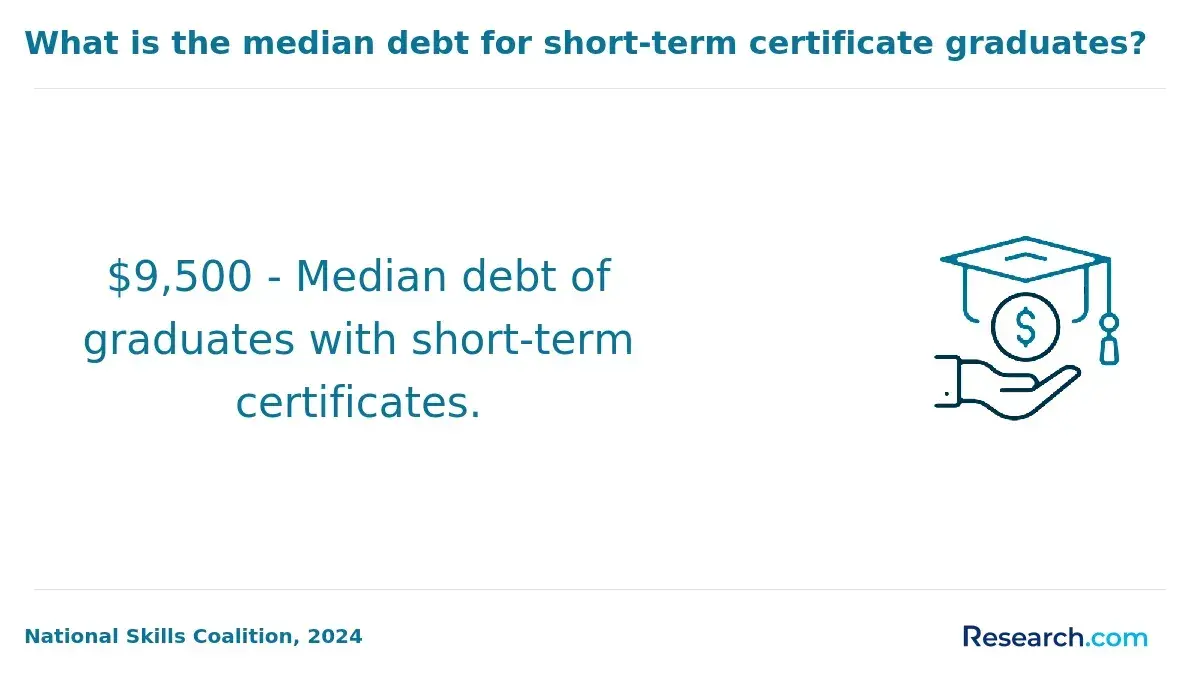
What types of online paralegal degrees and certificates are available and who are they for?
Online paralegal education is not one-size-fits-all. The right credential depends on your current education level, budget, career goal, and how quickly you want to enter the legal workforce.
The table below summarizes the most common online paralegal credentials and the type of student each one typically serves.
| Credential | Typical length | Who it is for | Decision point |
| Undergraduate certificate | Several months to about one year | Students who already have some college credit or want a faster entry into legal support | Best when employers in your area accept certificates and the program includes practical assignments |
| Post-baccalaureate certificate | About six months to one year | Career changers who already hold a bachelor's degree | Often efficient for graduates who do not want another full degree |
| Associate degree in paralegal studies | About two years full time | Students who want both general education and paralegal coursework | Useful for entry-level roles and possible transfer into a bachelor's program |
| Bachelor's degree in legal studies or paralegal studies | About four years full time, less with transfer credits | Students targeting corporate legal departments, compliance roles, government positions, or long-term advancement | May offer broader writing, policy, business, and legal analysis preparation |
| Minor or concentration in paralegal studies | Varies by major | Students majoring in criminal justice, business, political science, or related fields | Good supplement, but may not provide enough paralegal-specific training alone |
A certificate can make sense if you already have a degree or need the fastest affordable route into legal support. An associate degree can be a better fit if you are starting college and want a recognized academic credential. A bachelor's degree may be worth considering if you want broader career mobility, plan to work in complex legal environments, or want a credential that can support future graduate study.
Students exploring justice-related work sometimes compare paralegal studies with a forensic psychology degree. The difference is important: paralegal studies focuses on legal documents, procedure, research, and attorney support, while forensic psychology focuses on behavior, mental health, assessment, and the legal system.
How can students verify that an online paralegal program is properly accredited and reputable?
Accreditation is one of the most important checks before enrolling. In the U.S., students should first verify that the college or university has institutional accreditation from an accreditor recognized by the U.S. Department of Education or the Council for Higher Education Accreditation. This matters for transfer credits, federal financial aid eligibility, employer recognition, and graduate study options.
Paralegal programs may also seek approval from the American Bar Association, but ABA approval is program-specific and not the same as institutional accreditation. ABA approval can be a quality signal, especially for students targeting traditional law firm employment, but not every reputable online or hybrid paralegal program has it. Students should confirm what employers in their region actually prefer.
Use the following steps before applying or paying a deposit. These checks help you avoid programs that sound convenient but may not serve your career goals.
- Search the institution in the U.S. Department of Education's accreditation database and confirm the accreditor is recognized.
- Ask whether the paralegal program itself has ABA approval, and if so, whether any required courses must be completed in person or synchronously.
- Review faculty qualifications to see whether instructors have legal practice, paralegal management, litigation, compliance, or legal technology experience.
- Request details on applied assignments, internship options, legal research database access, writing feedback, and career placement support.
- Check transfer credit policies, graduation requirements, total program cost, refund rules, and whether credits apply to a higher degree.
- Look for transparent student outcomes, employer partnerships, alumni examples, and clear complaint-resolution procedures.
Common red flags include vague accreditation language, pressure to enroll immediately, unclear tuition totals, no named faculty, no legal research tools, and promises of guaranteed employment or guaranteed salaries. A reputable school should answer detailed questions directly and provide documentation without relying on sales language.
What core courses and applied legal project experiences are included in online paralegal curricula?
Most online paralegal curricula combine legal foundations, procedure, research, writing, ethics, technology, and specialty electives. The strongest programs integrate projects throughout the curriculum instead of saving practical work for one final course.
The table below shows common course areas and the applied work students should expect if the program is truly practice-focused.
| Course area | What students learn | Applied legal project examples |
| Legal research and writing | How to locate statutes, cases, regulations, and secondary sources and explain them clearly | Research memo, case brief, citation exercise, statute comparison |
| Civil litigation | Stages of a lawsuit, pleadings, discovery, motions, settlement, and trial preparation | Complaint draft, discovery request set, deposition summary, trial binder index |
| Contracts and business law | Contract formation, interpretation, breach, business entities, and transactional documents | Contract clause review, entity comparison memo, due diligence checklist |
| Criminal law and procedure | Elements of crimes, constitutional protections, charging documents, and court process | Case timeline, motion outline, evidence summary |
| Family law, estate planning, or real estate | Specialized practice workflows and client documents | Asset inventory, real estate closing checklist, probate document packet |
| Legal ethics | Confidentiality, conflicts, supervision, billing, and unauthorized practice of law | Ethics scenario analysis, confidentiality protocol, billing entry review |
| Legal technology | Case management, e-filing, e-discovery, document automation, and secure collaboration | Digital case file organization, e-discovery coding exercise, document management plan |
AI is also changing what entry-level legal support workers need to know. Paralegals are increasingly expected to understand how automation can help with document review, summarization, calendaring, and research support, while also recognizing that AI output must be checked for accuracy, confidentiality, privilege, and attorney supervision.
Students should look for programs that teach responsible technology use rather than treating software as a shortcut. A good applied project might ask students to compare AI-assisted research output against primary legal authority, identify errors, and produce a corrected memo with proper citations.
If you are interested in the behavioral side of law rather than document-heavy legal support, an online master's degree in forensic psychology may be a better long-term path, especially for students drawn to assessment, victim advocacy, correctional settings, or court-related behavioral research.
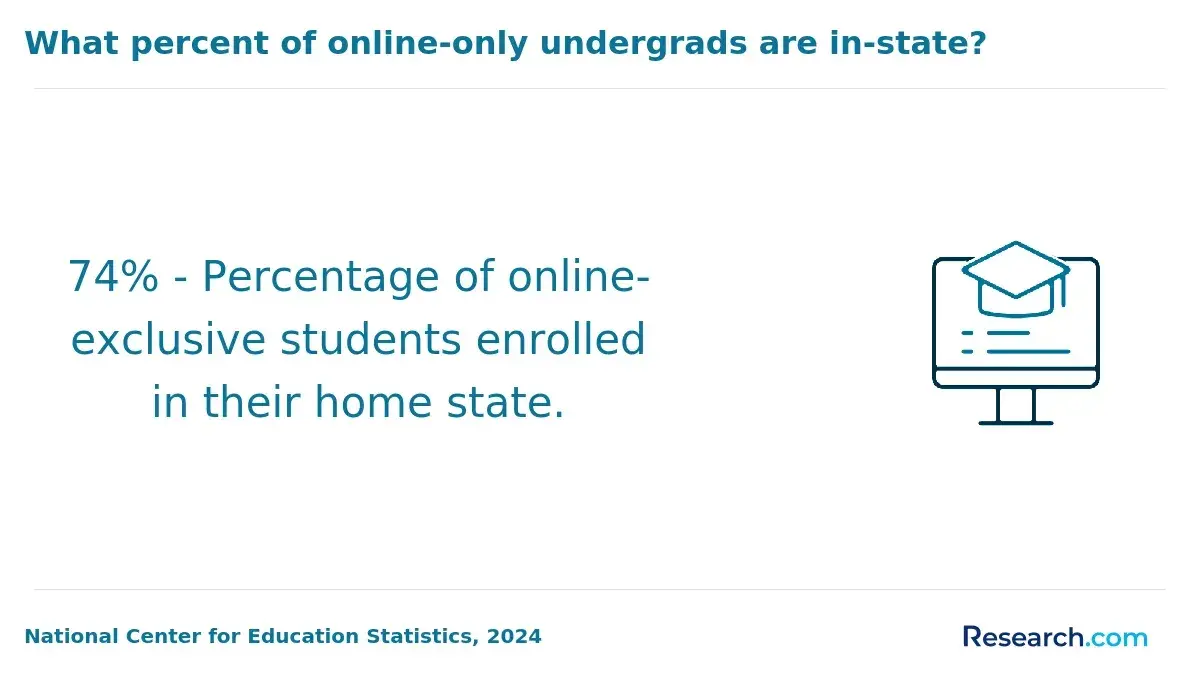
What are typical admissions requirements for online paralegal studies programs?
Admissions requirements vary by credential level. Certificate and associate programs are often more accessible, while bachelor's completion and post-baccalaureate certificates may require prior college coursework or a completed degree.
Most applicants should be ready to provide a mix of academic records, identity information, and career-intent materials. Requirements commonly include the following:
- High school diploma, GED, or equivalent for undergraduate certificates and associate programs.
- Official transcripts from high school and any colleges previously attended.
- Minimum GPA requirements, especially for bachelor's completion or post-baccalaureate certificate programs.
- Placement testing or proof of college-level English and writing readiness.
- Application form, fee, and proof of residency if applying to a public institution.
- Personal statement or short career-goal response for selective programs.
- Technology requirements such as reliable internet, webcam access, document software, and the ability to use a learning management system.
Some programs also require background checks before internships, courthouse placements, or work involving sensitive client information. A past criminal record does not automatically block every paralegal education path, but it can affect internship eligibility, employer screening, and access to certain legal environments.
Applicants with prior college credits should ask for a formal transfer evaluation before enrolling. This is especially important for adult learners because accepted transfer credits can reduce both time and cost. Do not rely only on an admissions estimate; ask which specific credits apply to general education, electives, and paralegal major requirements.
How long do online paralegal degrees take and what do they usually cost?
Program length depends on credential level, transfer credits, course load, and whether the school uses traditional semesters, accelerated terms, or self-paced formats. A certificate may take less than a year, an associate degree usually takes about two years of full-time study, and a bachelor's degree generally takes about four years without transfer credit.
Cost varies widely, so students should compare total attendance cost rather than tuition alone. For a broad benchmark, the College Board's 2024 Trends in College Pricing reported average published tuition and fees of $4,050 for public two-year in-district students, $11,610 for public four-year in-state students, and $43,350 for private nonprofit four-year institutions for the 2024-25 academic year.
These are not paralegal-specific prices, but they help students evaluate whether a quoted program cost is low, typical, or unusually high.
The table below summarizes common time and cost considerations by program type. Use it as a planning tool, then confirm exact numbers with each school.
| Program type | Typical completion time | Main cost drivers | Best value strategy |
| Undergraduate certificate | Several months to about one year | Per-credit tuition, technology fees, legal database access, books | Choose a regionally recognized school and confirm credits can apply to a degree later |
| Post-baccalaureate certificate | About six months to one year | Upper-division tuition, course sequencing, professional materials | Use your existing bachelor's degree to avoid repeating general education courses |
| Associate degree | About two years full time | General education credits, paralegal core, student fees, part-time enrollment length | Start at an accredited public college if cost and transfer options are strong |
| Bachelor's degree | About four years full time, shorter with transfer credits | Upper-division tuition, electives, residency requirements, longer enrollment | Maximize transfer credits and compare public, private nonprofit, and online completion options |
To control costs, ask schools for a written estimate that includes tuition, mandatory fees, books, software, graduation fees, transcript fees, internship-related costs, and any proctoring charges. Also ask whether online students pay the same rate regardless of state residency.
A common mistake is choosing the cheapest program without checking accreditation, faculty feedback, and employer recognition. Another is choosing the fastest program without confirming whether it includes enough legal writing and applied practice to support a job search.
What paralegal careers and legal support roles can graduates pursue after completing these programs?
Graduates of online paralegal studies programs can pursue roles across law firms, corporate legal departments, government agencies, insurance companies, banks, healthcare organizations, nonprofit legal services, and compliance teams. Job titles vary because some employers use "paralegal," while others use "legal assistant," "legal specialist," "case coordinator," or "compliance assistant."
The table below outlines common legal support roles and how applied legal projects can help students prepare for them.
| Role | Typical responsibilities | Helpful applied preparation |
| Litigation paralegal | Draft pleadings, manage discovery, organize exhibits, track deadlines, support trial preparation | Discovery projects, deposition summaries, trial notebooks, motion support |
| Corporate paralegal | Maintain entity records, assist with contracts, support transactions, coordinate filings | Contract review, due diligence checklists, business entity assignments |
| Real estate paralegal | Prepare closing documents, review title materials, coordinate deadlines, communicate with parties | Closing file simulations, title review exercises, document checklists |
| Estate planning or probate paralegal | Prepare drafts, organize asset information, file probate documents, communicate with clients | Asset inventories, probate packets, client intake summaries |
| Immigration legal assistant | Gather client documents, prepare forms, track case status, support attorney filings | Document collection plans, form review exercises, case timeline projects |
| Compliance assistant | Monitor regulations, organize policies, support audits, maintain records | Regulatory research memo, compliance checklist, policy comparison project |
| Legal operations or e-discovery assistant | Manage digital files, support document review, coordinate legal technology workflows | E-discovery coding practice, database organization, privilege log exercises |
Career fit matters. Paralegal work is a strong match for people who enjoy reading carefully, organizing details, meeting deadlines, writing clearly, and working behind the scenes on complex problems. It may be a poor fit for students who dislike documentation, time tracking, procedural rules, or high-stakes accuracy.
Not every analytical career has to be legal. If you are more interested in performance data, media, and competition than statutes and court procedures, a sport analyst path may align better with your strengths.
What salary ranges and earning potential do paralegals with online degrees typically have?
Salary depends on location, legal specialty, employer size, education, experience, certifications, overtime practices, and technology skills. An online degree from an accredited institution should not be viewed as a lower-value credential simply because it was completed remotely; employers usually care more about accreditation, skills, writing ability, work samples, and relevant experience.
The BLS reported a May 2024 median annual wage of $61,010 for paralegals and legal assistants. That median is a midpoint, not a promise: some entry-level roles pay less, while experienced paralegals in high-cost metro areas, corporate legal departments, intellectual property, litigation support, or e-discovery may earn more.
The table below shows how earning potential can differ by career stage and work setting without implying guaranteed outcomes.
| Career stage or setting | Typical salary influence | What can improve competitiveness |
| Entry-level legal assistant or junior paralegal | Often shaped by local market, office size, and prior administrative experience | Strong writing samples, internship experience, legal software familiarity |
| Experienced law firm paralegal | Can rise with billable experience, litigation depth, specialty knowledge, and deadline reliability | Trial support experience, discovery management, advanced research skills |
| Corporate legal department | May reward contract, governance, compliance, and business communication skills | Contract lifecycle knowledge, entity management, Excel and database skills |
| Government or public interest legal support | Often follows structured pay scales and may offer stability or benefits | Procedure knowledge, public records familiarity, bilingual skills where relevant |
| E-discovery or legal technology support | Can value specialized software skills and large-document workflow experience | E-discovery tools, data handling, privilege review, quality control processes |
To evaluate return on investment, compare the program's total cost with realistic local job postings. Look for postings that list required education, preferred experience, salary range, software tools, and practice area. If employers in your area consistently require experience, choose a program with internships, externships, capstones, or employer-connected projects.
Are certifications or licensing required for paralegals, and how do online programs prepare students?
Most U.S. states do not license paralegals in the same way they license attorneys, nurses, or teachers. However, requirements and restrictions can vary by state, court, employer, and practice area. Paralegals must work under attorney supervision when performing substantive legal tasks and must avoid unauthorized practice of law.
Voluntary certification can help some candidates demonstrate professional knowledge, especially when they lack extensive experience. Certifications are offered by professional organizations and usually have eligibility rules, exam requirements, continuing education expectations, and renewal processes.
Students considering certification should evaluate the following options and ask whether their online program's curriculum aligns with exam content.
- NALA Certified Paralegal credential, often used to demonstrate broad paralegal competency.
- NFPA Paralegal CORE Competency Exam or advanced registered paralegal pathways, depending on experience level.
- NALS professional credentials for legal support professionals, including roles that overlap with legal assistant and paralegal work.
- State or local paralegal association certificates, continuing legal education, or specialty training recognized by regional employers.
Good online programs prepare students for certification indirectly by teaching legal research, writing, ethics, litigation, legal terminology, and professional responsibility. Some programs also include exam-prep modules, practice questions, or mapped learning outcomes. Still, students should verify eligibility rules directly with the certifying organization because a school's marketing language does not control certification requirements.
A smart final step before enrolling is to contact three employers in your target market and ask what credentials they prefer for entry-level paralegal roles. Their answers can help you decide whether a certificate, associate degree, bachelor's degree, internship, or voluntary certification will carry the most value where you plan to work.
Other Things You Should Know About Paralegal Studies
Yes, many students do, especially in asynchronous programs. The key is to confirm weekly workload expectations before enrolling because legal writing, research, and document projects can take more time than standard reading-based assignments.
In 2027, online paralegal programs often include access to necessary legal research databases and document management software as part of the coursework. Typically, specialized software is provided or included in program fees, with essential tools being accessible through the university’s platform.
It should. Ask whether you can keep redacted or simulated work samples such as legal memos, case briefs, discovery plans, contract reviews, and research projects. A portfolio can be useful when applying for entry-level roles.
Usually, paralegal credits do not shorten the Juris Doctor curriculum at ABA-accredited law schools. They may strengthen legal familiarity and study habits, but law school admissions and credit policies are separate from paralegal education.
References
- Accredited Online Courses: How to Pick Programs That Actually Count https://www.upskillist.com/blog/accredited-online-courses-how-to-pick-programs-that-actually-count/
- Online Paralegal Certificate Program | Self-Paced Course https://www.uscareerinstitute.edu/online-paralegal-school
- Admission Requirements - Paralegal College | Center for Advanced Legal Studies https://paralegal.edu/admission-requirements/
- How long does it take to become a paralegal? That depends. https://paralegal-bootcamp.com/how-long-does-it-take-to-become-a-paralegal/
- Paralegal Certification Guide https://onlinemasteroflegalstudies.com/career-guides/become-a-paralegal/paralegal-certification/
- Paralegal Schools: Types of Studies and Paralegal Degrees https://www.allcriminaljusticeschools.com/legal-and-paralegal/paralegal-programs/
- Is Your Online Degree Legitimate? How to Verify Private University Approval https://matchtocollege.com/blog/verify-private-university-online-degree-approval
- Paralegal Studies Online Training Program - Campus Sacramento https://sacramento.campus.edu/programs/legal/paralegal-studies-online
- How to get a paralegal certificate? | edX https://www.edx.org/resources/how-to-get-a-paralegal-certificate
- Paralegal Professional Certificate Part-Time Evening Program https://www.villanova.edu/university/professional-studies/academics/professional-education/parttime_evening_online_program.html