2027 What Careers Can You Pursue With a Sustainability Degree? Salary Potential, Job Outlook, and Next Steps

Co-Founder and Chief Data Scientist
Many recent graduates with a sustainability degree face uncertainty about where their education can lead in today's competitive job market. Despite common beliefs that sustainability roles are limited or niche, employment in this sector is projected to grow 11% through 2032, faster than average for all occupations.
Graduates possess skills applicable across industries including environmental consulting, renewable energy, and corporate social responsibility, making career options diverse. Understanding potential salary ranges and the evolving demand for sustainability experts is crucial for effective career planning. This article explores career paths, salary potential, and job outlooks, offering practical next steps for sustainability degree holders.
Key Things to Know About the Careers You Can Pursue With a Sustainability Degree
- Careers with a sustainability degree span industries like energy, agriculture, urban planning, and corporate social responsibility, reflecting growing market demand predicted to rise 11% by 2030.
- Skills such as data analysis, environmental policy, and project management are highly transferable, enabling graduates to adapt across diverse roles and sectors.
- Educational foundations in sustainability support long-term growth, with many professionals advancing into leadership positions focused on strategic environmental and social governance.
What Careers Can You Pursue With a Sustainability Degree?
A sustainability degree opens doors to diverse career paths across industries as organizations increasingly emphasize environmental responsibility. Employment in environmental science and related fields is projected to grow by about 8% over the next decade, highlighting strong demand for expertise in this area.
These opportunities reflect the expanding market for professionals focused on sustainability principles and practices.
Careers aligned with this degree include roles such as:
- Environmental Consultant: These experts evaluate the environmental impact of projects and guide organizations in regulatory compliance. They work with sectors like construction and energy to reduce ecological harm while supporting sustainable practices.
- Energy Manager: Energy managers develop plans to lower energy consumption and increase the use of renewable sources within corporations or public entities. Their work promotes corporate sustainability by enhancing efficiency and cutting carbon footprints.
- Corporate Social Responsibility (CSR) Manager: CSR managers integrate sustainability into business strategy and oversee social and environmental initiatives. They ensure companies operate ethically while positively impacting communities and stakeholders.
- Urban and Regional Planner: These planners apply sustainability concepts to land use, transportation, and infrastructure development. Their goal is to create livable, eco-friendly communities that balance growth with environmental stewardship.
- Conservation Scientist: Conservation scientists manage natural resources and protect biodiversity. Their role combines scientific knowledge with sustainability to maintain healthy ecosystems alongside human development.
Prospective students interested in top sustainability degree jobs and salary potential can explore fast online degrees that prepare them for such impactful careers in the environmental sector.
What Are the Highest-Paying Careers With a Sustainability Degree?
A sustainability degree can open doors to lucrative career opportunities across multiple industries such as energy, consulting, government, and corporate sectors. According to the U.S. Bureau of Labor Statistics, environmental managers earn median salaries ranging between $70,000 and $120,000, demonstrating strong earning potential in this growing field.
The demand for professionals with sustainability expertise continues to rise faster than in many other areas.
Below are some of the top sustainability degree jobs with salary potential:
- Environmental Manager: This role involves developing and implementing policies to ensure environmental compliance and sustainable business operations. Salaries typically range from $70,000 to $120,000 annually, supported by a sustainability degree's focus on environmental regulations and corporate responsibility.
- Energy Manager: Energy managers optimize energy use within organizations to reduce costs and environmental impact. Annual pay is generally between $75,000 and $115,000, with the degree providing technical knowledge in renewable energy systems and efficiency strategies.
- Corporate Social Responsibility Director: Overseeing a company's sustainability initiatives, this position often commands salaries from $90,000 to $140,000. Coursework in sustainable business and stakeholder engagement underpins success in this leadership role.
- Renewable Energy Project Manager: Responsible for managing projects such as solar or wind installations, salaries in this role range from $80,000 to $130,000. A sustainability degree equips graduates with a blend of technical training and project management skills essential to the job.
With a sustainability degree, graduates can explore these and other careers that not only offer competitive pay but also contribute meaningfully to environmental solutions. Those evaluating their education options may also consider programs listed among the most affordable online counseling degrees to find flexible paths to degree completion.
What Is the Job Outlook for Sustainability Degree Careers?
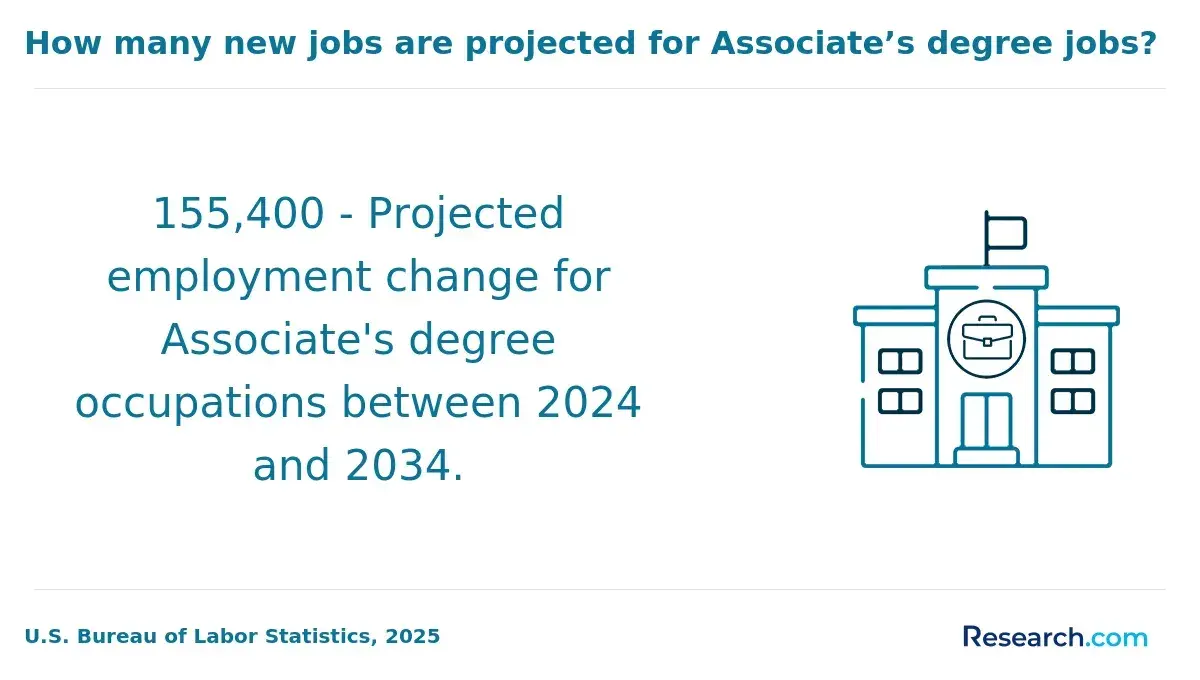
Careers connected to a sustainability degree show promising growth as demand rises across multiple industries embracing environmental responsibility. Sectors like renewable energy, environmental consulting, and corporate sustainability are expanding rapidly in response to increased regulations and consumer demand for greener practices.
The U.S. Bureau of Labor Statistics projects an 8% growth rate from 2022 to 2032 in related fields, outpacing many other occupations. Workforce needs are evolving with advances in technology and tighter regulatory frameworks, creating more opportunities for professionals skilled in developing sustainable solutions. This trend reflects a broader shift toward integrating sustainability into organizational strategies and operations.
When asked about the job outlook, a professional with a degree in sustainability shared that entering the field was initially overwhelming due to the fast-paced changes and diverse challenges. He described navigating regulatory updates and balancing environmental goals with business priorities as "a constant learning process."
Despite these hurdles, he finds the career rewarding, particularly when complex projects lead to meaningful environmental improvements. His advice emphasizes staying adaptable and proactive, as "the landscape keeps shifting, but the need for knowledgeable expertise only grows."
A degree in sustainability provides graduates with a comprehensive background in environmental science, policy, and management, enabling them to enter diverse industries that prioritize environmental responsibility. Approximately 61% of sustainability graduates find employment within six months, demonstrating strong demand for entry-level sustainability careers in environmental management.
This multidisciplinary training equips students to contribute effectively to organizations focused on sustainable development.
Common roles for those holding a sustainability degree include the following:
- Environmental Analyst: Professionals in this role collect and interpret environmental data to evaluate impacts and ensure compliance with regulations. The degree's emphasis on environmental laws and data analysis serves as essential preparation for this position.
- Sustainability Coordinator: These coordinators oversee sustainability initiatives and monitor progress toward organizational goals. Coursework in project management and sustainable methodologies supports their ability to implement effective programs.
- Energy Consultant: Entry-level consultants analyze energy consumption and suggest efficiency improvements. Training focused on renewable energy systems directly benefits graduates pursuing sustainability degree jobs with growth potential in this technical area.
- Corporate Social Responsibility Assistant: CSR assistants help promote ethical business practices and sustainable operations, leveraging knowledge of social and environmental frameworks gained during their studies.
- Environmental Educator: Educators develop and present programs on sustainable practices, with the degree's focus on science communication and environmental policy preparing graduates to engage effectively with varied audiences.
Students interested in expanding their options can explore flexible or specialized paths, such as a bachelor of psychology online, to complement their sustainability expertise.
A sustainability degree develops a versatile skill set valued by employers in sectors ranging from environmental consulting to corporate responsibility. Research from the World Economic Forum shows that more than half of global employers seek candidates with expertise in sustainability and environmental management.
These skills enable graduates to address complex challenges in diverse professional settings.
Key competencies gained from a sustainability degree include:
- Analytical Thinking: This skill involves evaluating environmental data and policy impacts critically. Students build it through coursework in environmental science, statistics, and sustainability assessment methods.
- Systems Thinking: Understanding the interconnectedness of ecological, social, and economic factors is central to this skill. Learning occurs via case studies and project-based tasks that examine sustainability issues in a holistic way.
- Communication Skills: Conveying sustainability concepts effectively to varied audiences is essential. Programs emphasize developing clear writing, presentations, and stakeholder engagement abilities.
- Project Management: Leading and coordinating sustainability initiatives is practiced through managing group projects and community-based efforts.
- Policy and Regulatory Knowledge: Grasping environmental laws and governance at multiple levels is key. Students engage with policies through practical policy analysis assignments.
A sustainability degree graduate shared that navigating real-world projects was initially daunting but immensely rewarding. She described how managing a community resource project sharpened her leadership and problem-solving skills under pressure.
"Applying what I learned in class to coordinate different stakeholders taught me resilience and adaptability," she said. This hands-on experience deepened her confidence in addressing complicated environmental issues with practical solutions.
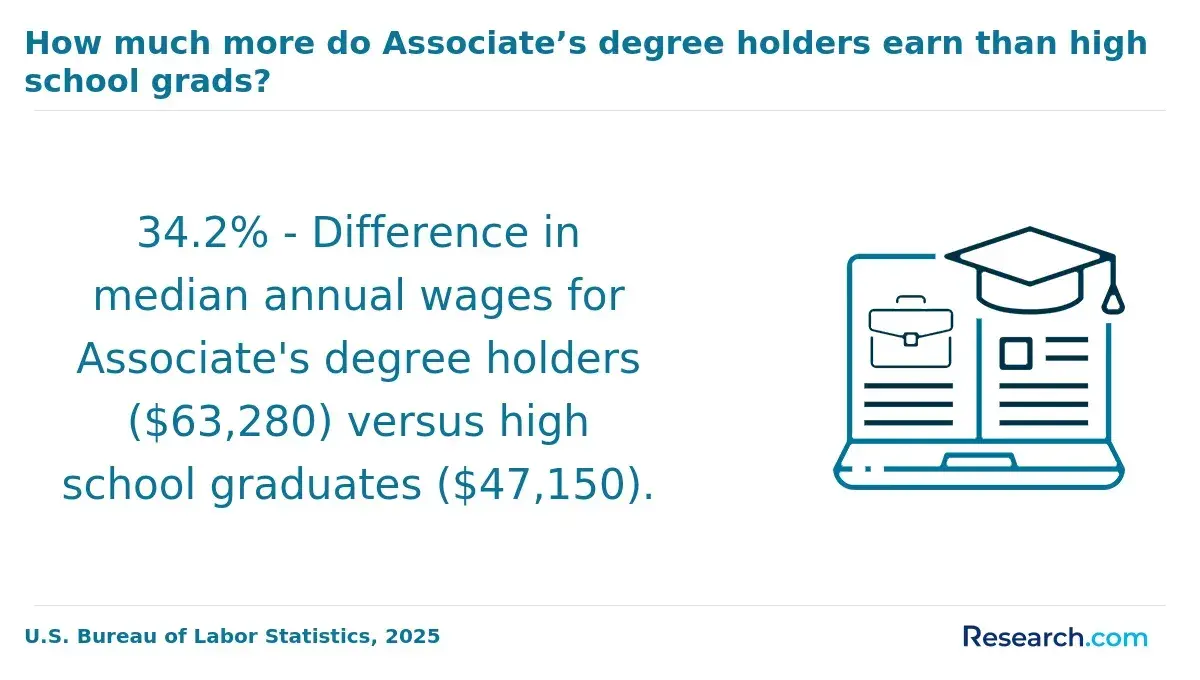
A bachelor's degree in Sustainability frequently enables graduates to progress into professional roles without pursuing further formal education or certifications. Data indicates that about 60% of individuals with bachelor's degrees advance into mid-level or specialized positions within five years of workforce entry. This degree fosters a multidisciplinary understanding that helps graduates take on more strategic responsibilities in their careers.
Several career options become available that emphasize applied business functions, project oversight, and policy enactment rather than technical credentials. Examples include:
- Environmental Compliance Manager: Responsible for ensuring adherence to environmental laws and corporate sustainability standards, this role involves conducting audits and advising management on compliance strategies. A Sustainability degree provides essential knowledge of environmental regulations and corporate governance frameworks critical to success in this position.
- Corporate Social Responsibility Specialist: These professionals design and manage initiatives that enhance a company's social and environmental impact. Their duties include stakeholder collaboration, sustainability reporting, and aligning programs with organizational values. The ethical and developmental insights gained from a Sustainability degree equip graduates to fulfill these responsibilities effectively.
- Energy Analyst: This position focuses on analyzing energy consumption patterns to improve efficiency and reduce environmental impact. Energy analysts leverage data-driven approaches and a thorough understanding of renewable technologies, both central components of a Sustainability curriculum, to support informed decision-making.
- Supply Chain Sustainability Coordinator: In this role, professionals work to embed sustainable practices within procurement and logistics. They ensure vendors comply with environmental and social standards, drawing on the degree's comprehensive coverage of supply chain management and sustainability principles.
These roles illustrate the potential for upward movement into positions involving increased leadership in business strategy, policy implementation, and environmental stewardship without the requirement of additional academic or professional certifications.
Certain careers related to sustainability often demand further education or certifications beyond a bachelor's degree to ensure specialized expertise and professional credibility. The U.S. Bureau of Labor Statistics reports that around 20% of environmental science roles require a master's degree or higher, underscoring the value of advanced credentials in this field.
Many positions also require licensure or professional certifications to meet industry standards and regulatory requirements.
The following are examples of sustainability careers where additional credentials are commonly necessary:
- Environmental Engineer: This role involves designing sustainable infrastructure and solving complex environmental challenges. Advanced degrees and licensure such as the Professional Engineer (PE) license are essential due to the technical and regulatory nature of the work.
- Urban Planner: Professionals in this field typically need a master's degree in urban planning or a related discipline, plus certification from bodies like the American Institute of Certified Planners (AICP). These qualifications demonstrate expertise in land use, zoning, and sustainable community development.
- Environmental Scientist or Specialist: Many positions require at least a master's degree and sometimes professional certifications to conduct thorough environmental assessments and ensure compliance with legal and regulatory standards.
- Corporate Sustainability Manager: Increasingly, this leadership role favors candidates with MBA degrees emphasizing sustainability, along with credentials like the LEED Accredited Professional certification, to effectively oversee corporate sustainability initiatives.
Additional certifications and advanced education deepen professionals' knowledge, bolster their credibility, and are often prerequisites for career advancement or full professional practice in sustainability-related fields.
Graduates with a sustainability degree often move beyond traditional environmental roles, embracing interdisciplinary and innovative career paths. Recent research shows that nearly 45% of these graduates transition into unconventional roles within five years, highlighting the versatility of the degree in the workforce.
This adaptability allows graduates to explore a wide range of alternative career opportunities for sustainability graduates.
Below are some nontraditional career paths with a sustainability degree that demonstrate the range of possibilities available:
- Corporate Social Responsibility Manager: Responsible for overseeing a company's ethical operations, this role involves managing social and environmental impacts. Graduates apply their knowledge of environmental regulations and stakeholder engagement to develop effective, sustainable business strategies.
- Urban Planner: Urban planners design sustainable land-use plans that promote climate adaptability and resource efficiency. Sustainability graduates contribute by ensuring community development balances economic growth with environmental preservation and social equity.
- Supply Chain Analyst: This career focuses on optimizing supply chains to reduce environmental footprints. Graduates use skills in life cycle assessment and resource management to promote greener procurement and logistics practices.
- Data Analyst in Sustainability: Data analysts interpret environmental metrics such as emissions or energy use to support decision-making. Those with sustainability expertise translate complex data into actionable insights for organizations aiming to achieve their sustainability goals.
- Environmental Education Coordinator: This role centers on creating educational programs that raise awareness about environmental challenges. Sustainability graduates leverage their communication abilities and scientific knowledge to design campaigns that inspire change in communities and organizations.
By blending environmental science with economic and social perspectives, these roles reflect the broad applicability and growing demand for expertise in sustainability-focused positions. Prospective students interested in expanding their career options might also consider pursuing advanced degrees like an MBA under 30k to complement their sustainability background and enhance leadership prospects.
Salary potential for sustainability graduates varies widely due to several professional and educational factors. Industry-based salary differences alone can mean wages are up to 30% higher in sectors like technology and energy compared to nonprofit or educational roles.
On average, graduates with specialized skills and more than five years of experience earn about 40% more than entry-level peers, reflecting notable wage variation across the field.
The key factors influencing salary potential include the following:
- Industry Choice: Graduates in private sectors such as renewable energy or consulting typically command higher salaries than those in nonprofit or government roles. These higher wages reflect job market trends affecting sustainability salaries, where demand and funding vary significantly across industries.
- Level of Experience: Entry-level roles offer modest starting pay, but salary increases with years of practical experience. Professionals who develop expertise and move into managerial or specialized positions frequently benefit from substantial pay raises.
- Geographic Location: Urban regions with concentrated environmental or industrial activities, including California and the Northeastern U.S., tend to provide better compensation. Location strongly influences salary because of regional job demand and cost of living differences.
- Specialization Within Sustainability: Focusing on niche areas such as environmental engineering or sustainable supply chain management often leads to higher salaries. Specialists are in greater demand, and their skills create a wage premium compared to generalist roles.
- Responsibility Level: Higher positions, such as director roles that include leadership and strategic planning, command increased salaries. Greater responsibility correlates with higher pay due to the impact on organizational direction and policy implementation.
Students interested in sustainability degrees should research various programs carefully, including accredited options at non profit schools, to align their education with career goals and salary expectations.
About 60% of bachelor's degree graduates enter the job market immediately after finishing their studies, while others opt to continue their education or training. Those with a sustainability degree often face diverse post-graduation paths that prepare them for roles in various sectors.
Exploring these options can support choosing a direction that fits individual career goals.
The following are some common avenues taken after completing a sustainability degree:
- Direct Employment: Many graduates begin working in fields such as environmental consulting, policy development, or corporate responsibility. This allows them to apply learned concepts and gain valuable practical experience.
- Graduate Studies: Pursuing advanced degrees like a master's in environmental science, public policy, or business with a sustainability focus can provide deeper knowledge and enhanced career prospects.
- Professional Experience: Internships, fellowships, and volunteer positions offer hands-on learning, helping to build skills and expand professional networks.
- Certifications and Training: Obtaining credentials like LEED or attending specialized workshops strengthens expertise and signals dedication to employers.
- Interdisciplinary Roles: Combining sustainability knowledge with skills in data analysis, communication, or management broadens employment opportunities across multiple industries.
What Graduates Say About the Careers You Can Pursue With a Sustainability Degree
- Tony: "Studying sustainability opened my eyes to the urgent environmental challenges we face and motivated me to be part of the solution. After graduating, I realized that the career paths are incredibly diverse-ranging from policy development to renewable energy and corporate social responsibility. The degree empowered me to approach my role with a holistic mindset, understanding both ecological and social impacts in my work."
- Denver: "Choosing a sustainability degree was a reflective decision driven by my passion for balancing economic growth with environmental care. Deciding my career path was challenging but rewarding, as I found opportunities in urban planning and sustainable agriculture. Earning this degree has deeply influenced my professional approach, enabling me to advocate for systems that foster both community well-being and environmental resilience."
- Kai: "My journey into sustainability started with wanting to make a tangible difference in how businesses operate. Post-graduation, I discovered the value of integrating sustainability practices within corporate strategy, which is a growing and impactful career field. The degree provided me with the credibility and knowledge to drive meaningful change in corporate sustainability initiatives and engage stakeholders more effectively."
Other Things You Should Know About Sustainability Degrees
In 2027, geographic location greatly influences sustainability career opportunities. Regions with robust green initiatives, like California or parts of Europe, may offer more jobs in renewable energy or urban planning. Conversely, areas less focused on sustainability may offer fewer opportunities but can be ripe for pioneering roles that drive local change.
Pursuing advanced degrees like a Master's in Environmental Science or an MBA with a sustainability focus can enhance career prospects. These programs often provide specialized skills and knowledge, preparing graduates for leadership roles and higher salaries in 2027's competitive job market.
The LEED Green Associate, ISSP Sustainability Associate, and GRI Certified Sustainability Professional credentials are the most recognized entry points. For environmental compliance roles, EPA and state-specific training may also matter, while some corporate sustainability jobs prefer ISO 14001 knowledge and verified ESG reporting experience.
- Green Jobs for the Eco-Conscious: No Degree Required https://www.greenworkx.org/article-posts/green-jobs-for-the-eco-conscious-no-degree-required
- Early careers - ERM Careers https://www.erm.com/erm-careers/early-careers/
- A green skills guide to the sustainability transformation - 365Talents https://365talents.com/en/resources/green-transition-sustainability-skills/
- The Future of Green Jobs: Non-Traditional Roles in Sustainability and Social Impact - Green Career Centre https://www.greencareer.ca/whats-new/the-future-of-green-jobs-non-traditional-roles-in-sustainability-and-social-impact/
- 44 sustainability certifications for businesses and sustainability professionals https://fsc.org/en/blog/sustainability-certifications
- Ultimate Guide to Sustainability Certifications for Job S... https://scale.jobs/blog/ultimate-guide-to-sustainability-certifications-for-job-seekers
- Graduate Skills for Sustainability | Change Agents UK https://www.changeagents.org.uk/skills-for-the-future
- 5 Sustainability Careers to Consider https://claremontlincoln.edu/news-blog/sustainability-careers/
- Green careers: find a graduate job that helps the environment https://targetjobs.co.uk/careers-advice/career-ideas/green-careers-find-graduate-job-helps-environment
- 64 sustainability certifications to advance your career in 2025 | Trellis https://trellis.net/article/64-sustainability-certifications-to-advance-your-career-in-2025/