2027 Is a Sustainability Degree Better Than Experience Alone? Salary, Hiring, and Career Growth Compared

Co-Founder and Chief Data Scientist
Entering the sustainability field without a degree raises significant challenges. While work experience and self-teaching provide practical skills, employers increasingly favor candidates with formal sustainability education. Recent data shows graduates with a sustainability degree earn on average 15% higher starting salaries than those relying solely on experience. Additionally, a 2025 industry survey found 78% of sustainability employers require a relevant degree for mid-to-senior roles, limiting advancement opportunities for non-degree holders.
This article examines salary differences, hiring preferences, and career growth prospects between degree holders and experienced professionals, guiding readers to make informed decisions about pursuing formal education or gaining hands-on experience in sustainability careers.
Key Points About Having Sustainability Degrees vs Experience Alone
- Sustainability degree holders earn 15% higher salaries on average than experienced non-degree professionals due to specialized knowledge valued by employers in green innovation and compliance roles.
- Employment opportunities expand significantly with a Sustainability degree, as 68% of hiring managers prefer candidates with formal education over those relying solely on experience and self-teaching.
- Degree holders are 40% more likely to advance into leadership positions, with academic credentials providing a clearer pathway for career growth in sustainability-focused organizations.
What technical proficiencies can you gain from having Sustainability degrees vs self-teaching?
Professionals can gain foundational principles and practical applications more systematically through sustainability degrees compared to learning largely on the job. Degree programs provide structured curricula that develop core technical skills, while hands-on experience often focuses on specific tasks without the broader academic context. Below are key technical proficiencies where a sustainability degree delivers distinct advantages over self-teaching or work-only experience.
- Life Cycle Assessment: Degree programs teach standardized methodologies and specialized software tools necessary to quantify environmental impacts across product lifecycles. Self-taught professionals may handle basic assessments but often lack access to comprehensive tools and formal methods.
- Environmental Impact Modeling: Formal education includes training on predictive techniques and interpreting complex environmental datasets, which are rarely mastered fully through casual learning or purely practical work.
- Regulatory Compliance Analysis: Understanding intricate legal frameworks governing sustainability requires in-depth study, a component thoroughly covered in academic settings. On-the-job learning may leave gaps due to evolving and region-specific regulations.
- GIS for Sustainability Planning: Proficiency with Geographic Information Systems involves both software skills and spatial data analysis, usually developed through coursework rather than experience alone.
- Systems Thinking: This holistic conceptual framework linking ecological, social, and economic systems is a core focus of sustainability degrees, providing insights that short tutorials or self-study rarely deliver.
While many professionals gain practical sustainability software and tools expertise through work experience and self-teaching, a degree ensures a deeper, more integrated technical foundation. According to a survey, 68% of employers prefer candidates with formal education for advanced roles. Students interested in expanding their credentials may also explore BCBA accredited programs online to complement their sustainability training.
Are there certifications or licenses that only Sustainability degree holders can obtain?
Continuing education and obtaining additional credentials are increasingly valuable, even as more employers emphasize skills-based hiring. Certain professional certifications and licenses, however, still require candidates to hold formal degrees in sustainability or related fields. Here are several such credentials often tied to sustainability degree credentials:
- LEED Accredited Professional (LEED AP): This credential specializes in Building Design + Construction and demonstrates expertise in green building standards. While not always mandatory, having a sustainability or environmental design degree improves eligibility by fulfilling coursework and experience requirements, making it highly sought after by employers in architecture and construction.
- Certified Energy Manager (CEM): Aimed at professionals in energy efficiency and auditing, the CEM often favors candidates with sustainability or engineering degrees. This certification opens doors to senior roles in energy consulting and corporate sustainability departments.
- Environmental Professional (EP) Certification: Offered by the Academy of Board Certified Environmental Professionals, this certification typically requires an educational foundation in sustainability or environmental science combined with professional experience. It validates competency in environmental regulations and management, boosting credibility with government agencies.
- Certified Sustainability Practitioner (CSP): Although open to various backgrounds, this credential strongly prioritizes candidates holding sustainability degrees due to its comprehensive curriculum linking theoretical knowledge and practical application. It can accelerate advancement into managerial or strategic sustainability roles.
According to industry data, a significant portion of sustainability hiring managers prefer candidates with formal sustainability education for mid-level and senior roles. This preference highlights how professional certifications requiring sustainability degree credentials remain powerful indicators of preparedness, supplementing experience and self-teaching. For students still deciding, exploring 2 year accelerated bachelor degrees online programs can be a strategic step toward meeting these eligibility criteria and accessing exclusive licenses available to sustainability degree graduates.
Will a degree in Sustainability make you more employable?
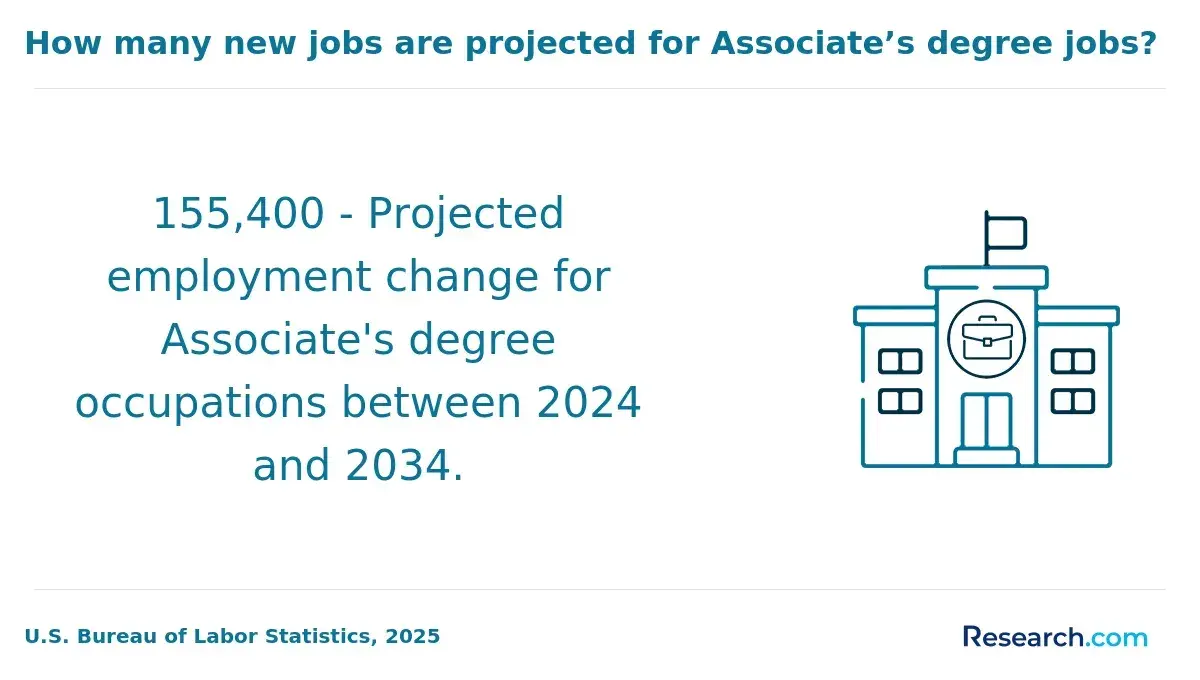
The job market generally favors candidates with a degree in sustainability, with data showing they are more likely to secure interviews and early-career roles than those relying solely on experience. While some employers value hands-on skills and proven expertise, many prefer applicants who have formal education credentials, reflecting a deeper understanding of environmental policy, resource management, and sustainable technologies.
This preference often stems from the structured knowledge a degree program provides, along with networking opportunities and internships that help build relevant experience. Conversely, individuals without degrees can succeed in specialized technical or consultancy roles, but may face a longer path due to the need to demonstrate practical ability and leadership without formal certification.
Ultimately, whether a sustainability degree is necessary depends on the career direction. For entry-level positions and roles requiring broad foundational knowledge, a degree can be a decisive advantage. However, seasoned professionals with proven skills might thrive without it, particularly in niche sectors where experience weighs heavily in hiring decisions.
When asked about employability, a professional who recently graduated from an online sustainability bachelor's program shared that while the degree opened doors she hadn't anticipated, the journey was still challenging. "Balancing coursework with part-time work was tough, but the structured curriculum helped me grasp complex topics faster," she reflected. She added that the degree also gave her access to a network that led to internships, saying, "Those connections felt like the key that made employers consider me seriously." Her experience suggests that a sustainability degree can significantly enhance employability, especially early on, even though real-world skills remain essential to long-term success.
Certain careers in sustainability require formal education due to their technical demands and regulatory requirements, while other roles may prioritize skills and job-readiness, welcoming candidates with experience alone. Here are some key careers available to sustainability degree holders, showing how education can influence job opportunities.
- Environmental Consultant: These professionals assess the environmental impact of projects and ensure compliance with laws. A sustainability degree is often necessary because the role involves complex scientific and legal knowledge, though experienced individuals with strong certifications may qualify without a degree.
- Renewable Energy Manager: Managing solar, wind, and other renewable projects requires understanding engineering and industry standards. A formal degree is valuable for grasping these complexities, but those with extensive experience and relevant certifications sometimes enter the field.
- Corporate Social Responsibility Specialist: CSR specialists develop sustainable business practices and stakeholder engagement strategies. A sustainability degree helps build this expertise, but seasoned professionals in corporate communications or compliance may also succeed without formal education.
- Sustainability Analyst: These analysts use data to improve environmental performance, needing strong research skills usually gained through degree programs. However, self-taught experts familiar with sustainability frameworks can occasionally find roles in start-ups or smaller organizations.
- Urban Planner: Focused on eco-friendly infrastructure, this career demands knowledge of environmental, social, and economic factors. Degrees in sustainability or environmental planning are typical, though related fields like architecture or civil engineering combined with sustainability training also provide access.
For graduates seeking careers for sustainability degree holders in the US, a formal degree generally opens more doors and supports career stability. A recent workforce survey found that 75% of sustainability-related job postings require a degree, while 20% accept relevant experience or certifications. This balance is important for those evaluating whether to pursue formal education or rely on hands-on learning.
For students still unsure about committing to a Sustainability degree, exploring an online hospitality management course can be a useful parallel example of how industry-specific education shapes career opportunities. Such educational pathways illustrate how structured programs can benefit career growth in specialized fields.
Individuals with sustainability degrees often gain access to a variety of networking channels that can be more challenging for those without formal education. These include structured mentorship programs, alumni connections, and invitations to industry-specific events that foster meaningful professional relationships. Additionally, academic programs frequently provide exclusive platforms like specialized forums and career fairs that help students and graduates connect directly with employers and thought leaders in sustainability.
On the other hand, professionals without a sustainability degree typically build their networks through personal effort such as attending conferences, joining online groups, and volunteering. Their networking resources tend to be more informal, relying heavily on immediate contacts or workplace relationships. While this approach can be effective, it often requires more time and consistent outreach to develop comparable connections to those offered through academic institutions.
The sustainability field strongly values networks as a key driver of career advancement. Degree holders benefit from access to alumni databases, faculty endorsements, and organized referral systems that can enhance job prospects. Non-degree holders must often leverage their current circles and on-the-job connections to gain similar advantages. Overall, networking plays a significant role in sustainability careers, making formal education a valuable asset in establishing lasting professional ties.
Holding a sustainability degree can make professionals more competitive for leadership and advanced roles within the sustainability sector. Employers often seek candidates with formal education to ensure a thorough grasp of environmental strategies and corporate social responsibility. The following points highlight how a sustainability degree can influence promotion prospects:
- Comprehensive knowledge: Degree programs offer structured learning about current regulations, technologies, and best practices, helping graduates stay ahead in a fast-evolving field.
- Professional networks: Academic settings provide access to internships, industry connections, and collaborative projects, giving students practical experience and exposure that employers value.
- Credibility with employers: A formal credential signals to hiring managers a candidate's commitment and specialized expertise, which can be critical when competing for senior positions.
Although hands-on experience remains important, those without degrees often encounter slower progression to senior roles. Certifications and documented project achievements can somewhat bridge the gap but usually do not replace the advantages gained through formal education. Combining a sustainability degree with relevant experience typically offers the strongest foundation for career advancement in this field.
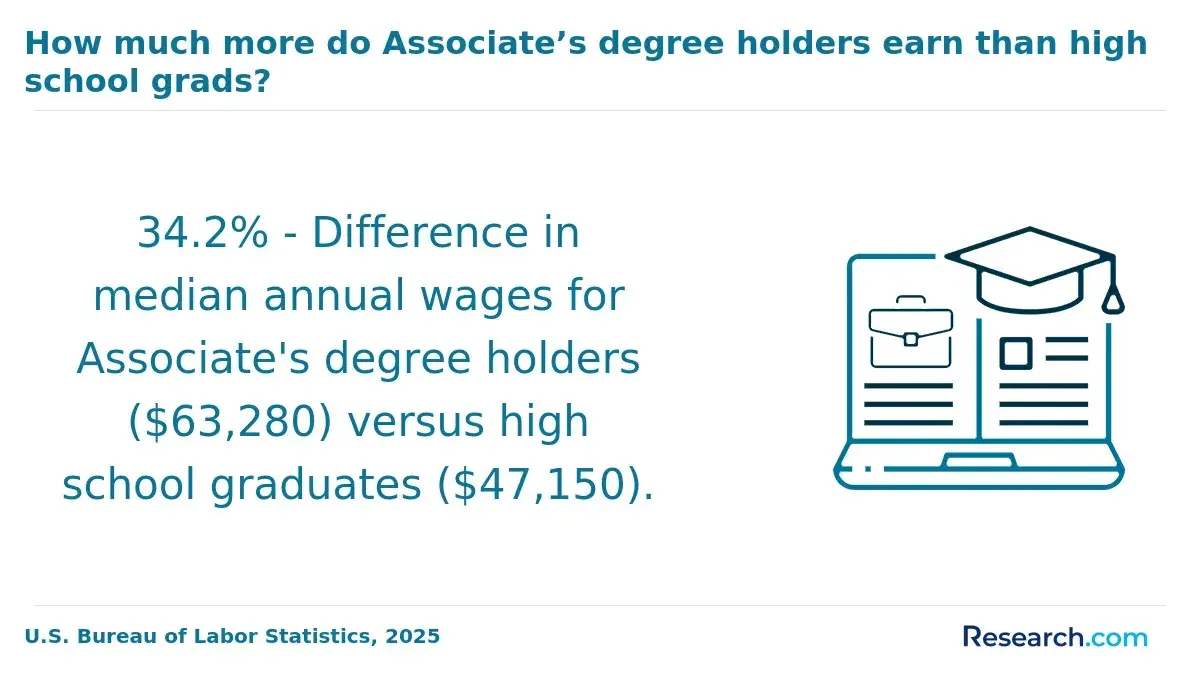
Individuals with a sustainability degree typically earn more than those who rely solely on experience or self-directed learning. Entry-level sustainability professionals holding degrees start with an average salary around 18% higher than their non-degree counterparts, with figures close to $60,000 compared to $51,000. This wage pay gap often expands as careers advance because degree holders tend to qualify for higher-paying leadership positions such as sustainability managers or consultants, with salaries exceeding $100,000.
Meanwhile, those without degrees frequently encounter slower income growth and may hit an earlier income ceiling due to limited access to these senior roles. This sustainability degree salary comparison illustrates clear advantages in long-term earnings potential for graduates. There are ways for professionals without degrees to improve their income outlook and possibly narrow this gap.
Pursuing relevant certifications and gaining additional interdisciplinary skills can enhance job prospects and salary negotiations. Constantly upskilling also makes professionals less vulnerable during company reorganizations and economic shifts. Below are key skills sustainability graduates and non-degree holders alike should develop to improve employability and job security:
For those exploring pathways, evaluating options such as the cheapest online accounting degree may also provide financial foundation skills that complement sustainability careers and broaden income potential.
Sustainability degree programs in the United States generally cost between $15,000 and $40,000 per year, depending on the institution and program length. Despite the upfront tuition expense, graduates often see a return on investment (ROI) within 5 to 7 years. This is largely due to starting salaries that are 15% to 25% higher than those of professionals with similar experience but without a formal degree. Median starting salaries for sustainability degree holders average around $60,000, compared to about $48,000 for individuals relying solely on work experience and self-teaching.
Financial aid options such as scholarships and grants targeted at sustainability fields can help reduce the initial cost and limit reliance on student debt. Additionally, enrolling in accelerated degree programs cuts down the time spent in school, allowing graduates to enter the job market sooner. Internships integrated into degree programs also enhance practical skills and hiring prospects, helping graduates build professional networks that further improve career growth. These strategies collectively help maximize ROI, making a sustainability degree a financially sound investment for many students.
The sustainability sector is gradually integrating AI and automation to improve efficiency, particularly in data processing and monitoring environmental impacts. Despite this technological surge, the field remains less prone to job displacement because many roles demand strategic planning, interdisciplinary collaboration, and complex problem-solving that technology cannot easily replicate. Economic shifts do create volatility, yet professionals with formal sustainability education tend to experience more stable employment as their expertise aligns with evolving regulations and market needs.
Holding a degree in sustainability seems to reduce the risk of replacement by automation or layoffs during downturns compared to those without formal qualifications. Degree programs equip individuals with advanced knowledge of environmental policies, proficiency in emerging sustainability tools, and strong communication skills valued across industries. In contrast, professionals relying solely on experience or self-taught skills may face increased pressure to continually update their capabilities to remain competitive when employers prioritize certified expertise.
When asked about job security, a professional who completed an online sustainability bachelor's degree shared that while transitioning back to study after years in the workforce was challenging, the structured learning broadened his understanding far beyond practical experience. He noted, "I realized that automation could take over routine tasks, but my ability to interpret data and advise on sustainability strategies keeps me relevant." He also mentioned feeling more confident during economic uncertainty, saying, "Having a degree reassured employers and gave me peace of mind knowing I had formal credentials that matched real-world skills."
What Graduates Say About Their Sustainability Degrees
- Tony: "Having a degree in sustainability truly gave me an edge when entering the environmental consulting field. The practical skills and industry knowledge I gained made me job-ready from day one, helping me stand out in a competitive market. This foundation has been invaluable for career progression and negotiating a better salary as I advanced."
- Denver: "Reflecting on my journey, my sustainability degree was crucial in shaping my understanding of real-world environmental challenges. It not only prepared me to be competitive in the job market but also fostered a mindset geared toward innovation and responsibility. The credibility from my degree helped open doors to meaningful projects and leadership roles."
- Alice: "My sustainability education gave me a solid framework that employers recognized and valued highly. It boosted my confidence and readiness to tackle complex sustainability issues in corporate settings. Ultimately, having that degree positively influenced my employment opportunities, career growth, and earning potential in this fast-evolving field."
Other Things You Should Know About Sustainability Degrees
Practical experience is highly valued in sustainability roles, especially for positions emphasizing project management or community engagement. However, many employers seek a combination of formal education and real-world experience since sustainability challenges often require both theoretical knowledge and applied skills. A degree provides foundational understanding, while experience demonstrates the ability to implement solutions.
In 2027, employers typically value both sustainability degrees and industry experience. A degree often provides foundational knowledge, whereas experience contributes practical skills. Increasingly, companies are seeking candidates who possess a blend of both to drive innovative sustainability initiatives and adapt to dynamic environmental challenges.
The most widely recognized credentials are GRI, LEED Green Associate, and ISSP’s Sustainability Associate. For environmental compliance roles, ISO 14001 lead auditor training is also valued. Employers usually list these alongside a bachelor’s degree or 2–5 years of relevant experience.
- Environmental Jobs Without a Degree: Your 2025 Guide https://careerkarma.com/blog/environmental-jobs-without-a-degree/
- How a sustainability degree prepares you for a career - People of Pacific https://www.pacific.edu/blog/2026/03/06/sustainability-degree-career/
- What is ROI in sustainability? https://instituteofsustainabilitystudies.com/insights/lexicon/the-roi-of-business-sustainability/
- Green skills as a foundation for employability among young graduates https://www.emerging.fr/post/green-skills-as-a-foundation-for-employability-among-young-graduates
- Sustainability-focused Degrees & their positive impact on the World https://www.westfordonline.com/blogs/how-sustainability-focused-degrees-can-make-a-positive-impact/
- Top seven reasons to study an MSc Sustainability in Practice https://www.mla.ac.uk/blog/top-seven-reasons-to-study-an-msc-sustainability-in-practice/
- Sustainability Careers, Salary, and Job Outlook https://teach.com/online-ed/short-courses/online-sustainability-courses/sustainability-career-salary-outlook/
- Regular MBA vs. Sustainability MBA: What’s the Difference? - S U M A S https://sumas.ch/regular-mba-vs-sustainability-mba-whats-the-difference/
- AI’s Impact on Job Growth | J.P. Morgan Global Research https://www.jpmorgan.com/insights/global-research/artificial-intelligence/ai-impact-job-growth
- A guide to sustainability certifications for professionals | TechTarget https://www.techtarget.com/sustainability/feature/Sustainability-certifications-for-professionals