2027 Online Accounting Degree Master's Programs That Accept FAFSA

Co-Founder and Chief Data Scientist
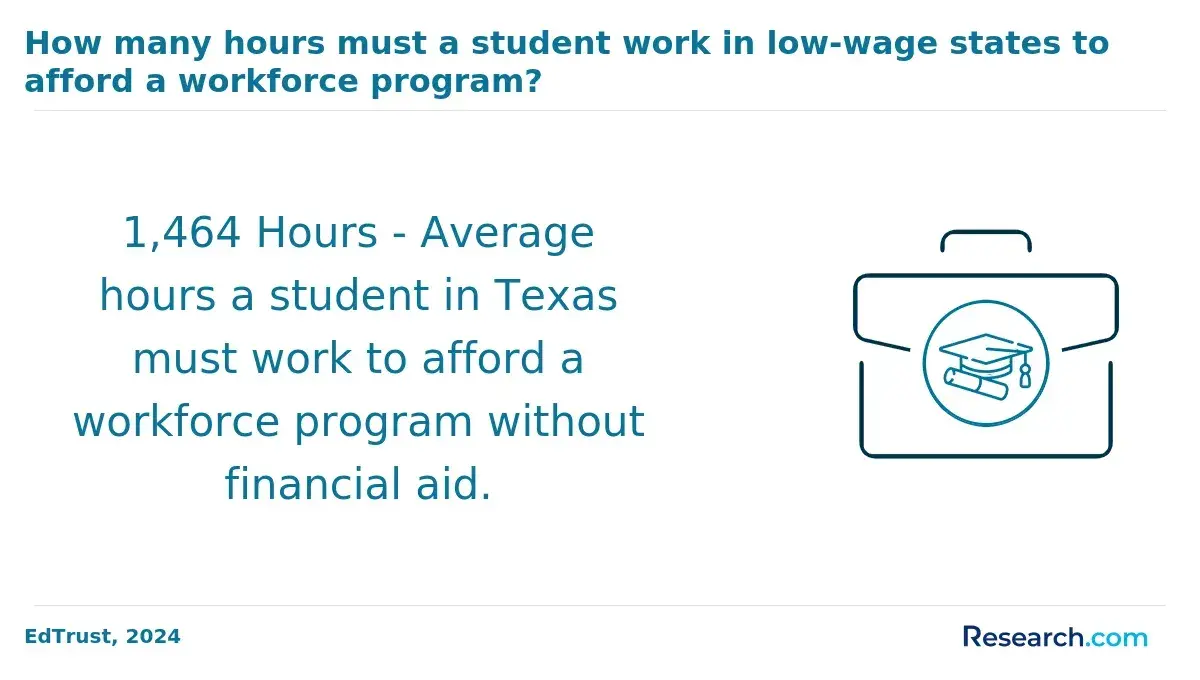
Choosing an online master's degree in accounting is not only an academic decision; it is a funding decision. Many applicants want the flexibility of online study but need to know whether the program is accredited, eligible for FAFSA-based aid, and worth the debt they may take on. Cost is a major concern, with 62% of learners citing cost as a primary barrier, and the stakes are higher at the graduate level because federal aid is usually loan-based rather than grant-based.
This guide explains how FAFSA applies to accredited online accounting master's programs, what types of federal aid graduate students can access, and how to compare programs before enrolling. It also covers admissions requirements, GPA expectations, completion timelines, curriculum options, technology needs, tuition planning, career outcomes, and how employers and licensing boards typically view online accounting credentials. The goal is to help you choose a program that fits your budget, professional goals, and CPA or accounting career plans while keeping the Bureau of Labor Statistics projection of a 7% employment increase in accounting roles by 2030 in perspective.
Key Things to Know About Online Accounting Degree Master's Programs That Accept FAFSA
- Eligibility for FAFSA in online accounting master's programs requires enrollment in accredited institutions with programs approved for federal aid; applicants must meet standard admission criteria including bachelor's degree and GPA requirements.
- Application procedures typically involve submitting FAFSA forms annually, alongside program-specific documents such as transcripts and letters of recommendation, with attention to deadlines for priority financial aid consideration.
- Comparing programs should focus on tuition cost, program flexibility, accreditation, and post-graduation employment rates to select options aligning with career goals and financial situations.
How Does FAFSA Work for Graduate Students Enrolling in an Online Accounting Master's Program?
FAFSA, the Free Application for Federal Student Aid, is the gateway to federal aid for eligible graduate students. For an online accounting master's student, the key issue is not whether the program is online. The key issue is whether the institution participates in federal student aid programs and holds recognized accreditation. If the school is not eligible for federal aid, completing the FAFSA will not produce a federal aid package for that program.
Institutional accreditation matters because the U.S. Department of Education (ED) relies on recognized accrediting agencies to determine whether a school meets standards tied to federal aid participation. Students should also confirm that the specific institution participates in Title IV federal student aid programs. Programmatic business or accounting accreditation can be a quality signal, but FAFSA eligibility depends primarily on the institution's federal aid participation and recognized accreditation.
The demand for accounting professionals remains a major reason students consider graduate study, with employment projected to expand by 7% from 2022 to 2032, faster than the average for all occupations. Examples of regionally accredited universities offering online master's degrees in accounting that participate in federal financial aid programs include:
- Arizona State University: Offers a 30-credit, fully online master's in accounting that can typically be completed within 1.5 to 2 years. The program participates in federal financial aid programs for eligible students.
- University of Illinois at Urbana-Champaign: Provides a 32-credit online Master of Science in Accounting with flexible scheduling options. The program is regionally accredited and eligible for FAFSA funding.
- Northeastern University: Features a 30-credit online MS in Accounting designed for completion in about 18 months. It maintains recognized accreditation and supports federal financial aid eligibility.
- Indiana University-Kelley School of Business: Offers an online Master of Science in Accounting with a 30-credit curriculum. The program holds accreditation recognized by the ED and participates in FAFSA programs.
- University of North Carolina at Chapel Hill: Runs a 36-credit online Master of Accounting program with a cohort-based delivery format. It is regionally accredited and supports federal financial aid for qualifying students.
Before applying, verify the school in the Federal Student Aid school search tool at studentaid.gov, then confirm details with the university's financial aid office. Ask whether online graduate accounting students are eligible for the same federal aid options as campus-based students, whether enrollment must be at least half-time, and how the school defines satisfactory academic progress.
Students comparing graduate funding across disciplines can review online SLP master's programs for another example of how accreditation, program cost, and federal aid eligibility affect graduate affordability.
What Types of Federal Financial Aid Are Available to Online Accounting Master's Students Through FAFSA?
Graduate students who submit the FAFSA are usually considered for federal loans, not the broad grant packages many undergraduates receive. For online accounting master's students, FAFSA most often opens access to Direct Unsubsidized Loans and, when needed, Grad PLUS Loans. These funds can help cover tuition, fees, books, and other approved costs of attendance, but they must be repaid with interest.
Accounting professionals are expected to see steady demand with median salary growth of 6% from 2022 to 2032, but students should still borrow carefully. A master's degree can support career advancement, CPA preparation, and specialization, but the right amount of debt depends on tuition, expected earnings, employer tuition benefits, and whether the degree is required for the roles you want.
- Federal Direct Unsubsidized Loan: Graduate students may borrow up to $20,500 annually at a fixed 7.54% interest rate for 2023-2024. Interest begins accruing while the student is in school, so borrowers should review capitalization rules before accepting the full amount.
- Grad PLUS Loan: This loan can cover up to the full cost of attendance minus other aid at an 8.05% fixed rate. It can be useful when tuition exceeds unsubsidized loan limits, but it increases total borrowing and may require a credit check.
- Limited federal grants: Grants such as the TEACH Grant are generally restricted to education-related fields. Accounting master's students typically should not build a budget assuming federal grant aid will be available.
- Repayment options: Income-driven repayment plans and Public Service Loan Forgiveness (PSLF) may help some borrowers manage repayment. Repayment usually begins six months after completion or after falling below half-time enrollment.
- Federal work-study: Work-study is rare for graduate accounting students, especially in online programs. Students who need work income should ask about graduate assistantships, employer tuition assistance, or flexible course pacing instead.
- Responsible borrowing: Compare the full cost of attendance, not just tuition. Fees, technology costs, books, exam preparation, and possible CPA-related expenses can change the true price of the degree.
Students weighing other graduate pathways can compare aid structures with 1 year MSW programs online, but accounting applicants should make decisions based on accounting licensure goals, curriculum fit, and total repayment obligations.
What Are the General Admission Requirements for an Online Accounting Master's Program?
Most online accounting master's programs evaluate whether an applicant is academically prepared for graduate-level accounting, able to handle quantitative coursework, and clear about professional goals. Requirements vary by school, but applicants should expect to provide academic records, written materials, and evidence of readiness for advanced business study. As enrollment in online graduate degrees has risen by more than 20% from 2019 to 2022, strong programs may still be selective even when they offer flexible online formats.
- Bachelor's degree from an accredited institution: A completed undergraduate degree is typically required. Many applicants hold degrees in accounting, business, finance, or related fields, but some programs admit career changers who complete prerequisite accounting coursework.
- Official transcripts: Programs use transcripts to review GPA, accounting prerequisites, business courses, and performance in quantitative subjects. Strong grades in intermediate accounting, finance, statistics, or economics can support an application.
- Letters of recommendation: Recommendations usually come from professors, supervisors, or professional mentors. The strongest letters speak to analytical ability, reliability, communication skills, and readiness for graduate study.
- Personal statement or statement of purpose: This document should explain why the applicant wants a master's in accounting, how the program supports career goals, and whether the degree is tied to CPA eligibility, advancement, specialization, or a career change.
- Standardized test scores: Some programs require GRE or GMAT scores, while many have moved to test-optional policies post-2020. Submitting strong scores may help applicants with weaker GPAs or limited accounting coursework.
- Professional experience or licensure: Some tracks value accounting, audit, tax, finance, or compliance experience. Specialized programs may consider CPA licensure or other credentials, but requirements differ widely.
Applicants should read each program's admission page carefully and contact admissions before applying if they lack an accounting background. A short conversation can clarify whether prerequisite courses, bridge options, or conditional admission routes are available.
What Are the Steps to Apply for FAFSA and Enroll in an Online Accounting Master's Program?
The strongest applicants treat FAFSA and graduate admission as two connected processes. You can complete the FAFSA before receiving an admission decision, but aid cannot be finalized until the school has the information it needs and you are admitted or otherwise eligible under the institution's policies. Planning both timelines together helps you avoid late applications, missing documents, and rushed borrowing decisions.
- Create a StudentAid.gov account: Start at the official Federal Student Aid website. This account allows you to complete the FAFSA, sign required aid documents, and monitor federal loan information.
- Gather financial documents: Have tax returns, W-2 forms, bank information, and other required records ready. Accurate information reduces the risk of processing delays or corrections.
- Complete the FAFSA: List the accredited online accounting master's programs you are considering. FAFSA results are sent to the schools you include, allowing their financial aid offices to determine your eligibility.
- Request official transcripts: Contact all prior colleges and universities early. Transcript delays are one of the most common avoidable problems in graduate applications.
- Ask for recommendation letters: Choose recommenders who can address your academic ability, work ethic, accounting-related skills, or professional judgment. Give them enough time and provide your resume and program details.
- Write a tailored statement of purpose: Avoid a generic essay. Explain your accounting goals, relevant experience, interest in the specific program, and how the degree supports your next career step.
- Submit supplemental materials: Upload any required resume, writing sample, prerequisite documentation, test scores, or professional certifications. Review the application checklist before submission.
- Track deadlines: Coordinate admission deadlines, FAFSA submission, scholarship deadlines, and enrollment deposit dates. Aid award letters often arrive after admission decisions, so build in time to compare offers.
- Review the aid package before accepting loans: You do not have to accept every dollar offered. Compare tuition, fees, living costs, employer reimbursement, scholarships, and expected monthly repayment before borrowing.
Applicants should use official accreditation and federal aid resources, including CHEA's accreditation directory, Federal Student Aid tools, and occupational information from the BLS Occupational Outlook Handbook. Program websites are useful, but final verification should come from the institution's admissions and financial aid offices.
Students comparing business-related online degrees can also review best online business management degree listings to understand how tuition, delivery format, and institutional reputation affect affordability across related fields.
What Is the Minimum GPA Requirement for a Accounting Master's Program?
A minimum GPA of around 3.0 on a 4.0 scale is commonly cited for online accounting master's programs, but it should be viewed as a baseline rather than a guarantee of admission. Some programs are flexible, while others are more selective depending on applicant volume, prerequisite performance, and the competitiveness of the cohort.
- Program-by-program variation: GPA expectations depend on the university's policies, selectivity, and applicant pool. A 3.0 may be enough for one program but below the typical admitted-student profile at another.
- Conditional admission: Some schools consider applicants slightly below the stated GPA if they show compensating strengths, such as relevant work experience, strong recommendations, recent accounting coursework, or solid GMAT or GRE scores.
- Course relevance: Admissions committees often look beyond the cumulative GPA. Grades in accounting, finance, statistics, economics, and other quantitative courses may matter more than unrelated electives.
- Career changers: Applicants without an accounting major may need prerequisite or bridge coursework. Strong performance in those courses can help demonstrate current readiness even if the original undergraduate GPA was lower.
- Personal statement strategy: Applicants with weaker academic records should address the issue directly and briefly. Explain the context, show evidence of improvement, and focus on current preparation rather than excuses.
- Alternative pathways: Certificate programs, nondegree prerequisite courses, or bridge options can help applicants strengthen their profile before entering the full master's program.
If your GPA is below the stated minimum, contact the admissions office before applying. Ask whether the program reviews applications holistically, whether conditional admission is possible, and what evidence would make your application stronger.
How Long Does It Take to Complete an Online Accounting Master's Degree?
Most online accounting master's programs take between 18 months and 3 years to complete. The timeline depends on credit load, course availability, prerequisites, and whether the student attends full-time or part-time. Working professionals often choose a slower pace to balance employment, family responsibilities, and CPA preparation.
- Full-time enrollment: Full-time students take more credits each term and can finish faster. This option may work best for students who can reduce work hours or focus heavily on school.
- Part-time enrollment: Part-time students usually take fewer courses per term, which can extend completion up to 3 years. The trade-off is greater flexibility and often a more manageable workload.
- Accelerated formats: Some online programs use condensed terms or year-round scheduling. These formats can shorten the timeline but may require intensive weekly study.
- Prerequisite coursework: Students without an accounting background may need additional courses before or during the program. Prerequisites can extend the total time to completion.
- Capstone, thesis, practicum, or internship: Programs with applied final projects or experiential components may require extra planning. These requirements can be valuable but may affect graduation timing.
- Financial aid pacing: FAFSA-based aid is tied to enrollment status and satisfactory academic progress. Dropping below required enrollment levels or failing to complete courses can affect aid eligibility.
Before enrolling, ask for a recommended course sequence for both full-time and part-time students. Also confirm how often required courses are offered, because a missed prerequisite or core class can delay graduation.
What Core Courses and Specializations Are Typically Offered in an Online Accounting Master's Program?
Online accounting master's programs are designed to build advanced technical accounting knowledge, analytical judgment, and professional communication skills. Enrollment in graduate accounting degrees has grown steadily, and programs commonly serve students preparing for CPA eligibility, promotion into accounting leadership, or specialization in tax, audit, reporting, or forensic work.
- Advanced financial reporting: Students learn to analyze complex financial statements, apply reporting standards, and understand how accounting information supports external decision-making.
- Auditing and assurance services: Coursework focuses on audit planning, evidence, internal controls, risk assessment, professional standards, and regulatory compliance.
- Managerial accounting: Students study budgeting, cost behavior, performance measurement, and internal decision-making for organizations.
- Taxation: Tax courses cover laws, planning strategies, compliance responsibilities, and tax implications for individuals or businesses.
- Accounting analytics: Many programs incorporate data tools, spreadsheet modeling, and financial analysis to reflect the growing role of technology in accounting work.
- Ethics and professional responsibility: Students examine ethical decision-making, independence, fraud risk, and the responsibilities of accounting professionals.
Common specialization options include forensic accounting, taxation, auditing, financial reporting, accounting analytics, and controllership. Forensic accounting emphasizes fraud detection and investigative methods. Taxation is useful for students targeting tax advisory or compliance roles. Financial reporting tracks may suit students interested in corporate accounting, SEC reporting, or technical accounting roles.
Many programs end with a capstone, practicum, or thesis project that requires students to apply accounting concepts to real or simulated business problems. Before choosing a program, compare the curriculum against your career target and CPA requirements in your state. The shortest program is not always the best option if it lacks the courses you need for licensure or advancement.
What Is the Average Tuition Cost of an Online Accounting Master's Program That Accepts FAFSA?
Online accounting master's tuition varies widely, so students should compare total program cost rather than relying on the advertised per-credit price alone. Accredited programs typically charge between $400 and $1,200 per credit hour. Complete program costs often fall between $15,000 and $30,000 at public universities, while private or specialized programs may exceed $40,000.
- Public vs. private tuition: Public universities often cost less, especially for in-state students. Private institutions may charge more but can offer different pacing, faculty access, brand recognition, or specialized tracks.
- Residency rules: Some schools offer the same online tuition to all students, while others charge separate in-state and out-of-state rates. Verify this before assuming an online program will be cheaper.
- Credit requirements: A lower per-credit rate does not always mean a lower total price. Compare the number of required credits, prerequisites, and any foundation courses.
- Specializations and program prestige: Programs with specialized tax, auditing, analytics, or financial reporting tracks may cost more because of faculty expertise, advanced coursework, or market demand.
- Additional fees: Budget for technology fees, online course fees, graduation fees, books, software, and possible travel if the program includes short-term on-campus residencies.
- FAFSA cost of attendance: Federal aid calculations consider tuition and approved education-related expenses, not just the tuition bill. Review the school's official cost of attendance to understand the maximum aid framework.
If affordability is your main concern, compare tuition after fees and consider whether an affordable accounting degree online may help you reduce borrowing before moving into a master's program or related graduate pathway.
The best financial choice is not always the lowest sticker price. A more expensive program may be worth considering if it shortens time to graduation, aligns with CPA requirements, offers stronger employer recognition, or provides meaningful career support. Still, students should borrow only what they need and compare estimated repayment before enrolling.
What Technology, Tools, or Clinical Requirements Are Expected of Online Accounting Master's Students?
Online accounting master's students do not usually complete clinical requirements, but they do need reliable technology and may need accounting software, analytics tools, proctoring systems, or applied project platforms. Technical readiness matters because coursework often includes live sessions, data analysis, exams, group projects, and case-based assignments.
- Reliable high-speed internet: Students need a stable connection for streaming lectures, joining live discussions, downloading materials, and taking online exams through platforms such as Canvas, Blackboard, or Moodle.
- Modern computer: A current laptop or desktop with an up-to-date operating system is usually required. Some analytics or accounting tools may not work well on older devices or tablets.
- Productivity software: Programs commonly require Microsoft Office, especially Excel. Advanced spreadsheet skills are often essential for accounting analytics, financial modeling, and reporting assignments.
- Accounting and business software: Courses may use QuickBooks, SAP, Excel-based financial analysis tools, or other platforms. Access may be provided through institutional licenses, but students should confirm whether software costs are included in tuition and fees.
- Learning management system skills: Students should be comfortable submitting assignments, checking grades, participating in discussions, and communicating with instructors through the program's LMS.
- Virtual simulations and case tools: Some courses use simulations, audit case software, tax research tools, or virtual labs to mirror professional accounting tasks.
- Internships or practicums: In-person clinical hours are rare in accounting, but internships, practicums, or applied projects may be required or encouraged. Online programs may allow students to complete these locally.
- Online exam proctoring: Some programs use webcam-based or secure browser proctoring. Students should review privacy policies, hardware requirements, and exam scheduling rules.
Before enrolling, ask the program for a current technology checklist and estimated software costs. Requirements can change quickly, especially when programs update analytics, tax, audit, or enterprise resource planning tools.
What Career Outcomes and Salary Expectations Follow an Online Accounting Master's Degree?
An online accounting master's degree can support roles in public accounting, corporate finance, auditing, taxation, compliance, financial reporting, and management. Career outcomes depend on prior experience, location, licensure, industry, and whether the program helps the student meet CPA or other credential requirements.
- Common job titles: Graduates may work as financial analysts, auditors, tax examiners, controllers, accounting managers, senior accountants, or compliance professionals. Some use the degree to move from staff-level roles into supervisory or specialized positions.
- Salary expectations: The median annual wage for accountants and auditors is approximately $77,000, with senior and specialized roles frequently earning six-figure salaries. An advanced degree can improve competitiveness, but salary gains are not automatic and depend on experience, credentials, and employer demand.
- Professional credentials: The Certified Public Accountant (CPA) license is important for many accounting careers, especially in public accounting and audit. A master's program may help students meet education requirements, but CPA eligibility is set by state boards, so students must verify credit-hour and coursework rules before enrolling. Other credentials may include CMA or CFA, depending on career goals.
- Job growth: Accounting careers are projected to grow about 7% through 2032. Demand is tied to financial reporting, regulatory compliance, tax planning, business advisory work, and data-informed decision-making.
- Return on investment: Students should compare program cost with realistic career benefits. A lower-cost program with strong CPA alignment may be a better choice than a higher-priced program that does not support the student's licensing or advancement goals.
FAFSA-based funding can make graduate study accessible, but loans should be evaluated against expected outcomes. Students interested in adjacent technical fields can also compare cyber security degrees to understand how different graduate and professional pathways affect cost, credentialing, and salary potential.
How Do Employers and Licensing Boards View an Online Accounting Master's Degree Compared to an On-Campus One?
Employers and licensing boards generally focus less on whether the degree was completed online and more on accreditation, institutional reputation, curriculum quality, and whether the coursework meets professional requirements. An online accounting master's degree from a respected, accredited university can carry the same practical value as an on-campus degree, especially when the transcript and diploma do not distinguish the delivery format.
- Employer acceptance has improved: Recent survey data and employer feedback indicate increased acceptance of online degrees from regionally accredited universities. This shift accelerated after the pandemic as remote learning and remote work became more familiar.
- Accreditation is essential: Employers are more likely to trust an online degree from an institution with recognized accreditation. Accreditation also matters for federal aid and may affect eligibility for professional credentials.
- Licensing boards review requirements, not convenience: State accounting boards typically care about credit hours, specific accounting and business coursework, and institutional accreditation. Whether the classes were online or on campus is usually secondary, but state rules vary.
- CPA eligibility must be verified: Students should contact the relevant state board of accountancy before enrolling, especially if they plan to sit for the CPA exam. Do not rely only on general program marketing language.
- Program reputation still matters: A well-known accounting school, strong faculty, career support, and employer connections can improve the practical value of the degree.
- Transparency is a good sign: Strong programs clearly explain accreditation, CPA alignment, curriculum, faculty qualifications, student support, and career outcomes. Be cautious if a school avoids direct answers about licensure or federal aid eligibility.
For most students, the online format is not the problem. The risk comes from choosing a poorly aligned or insufficiently accredited program. Verify the credential before paying deposits or accepting loans.
What Graduates Say About Getting Accepted in Online Accounting Degree Master's Programs That Accept FAFSA
- Ryker: "Applying to an online accounting master's program became much easier once I confirmed that the school accepted FAFSA. The biggest challenge was sorting through accredited options and understanding the real tuition cost. Once I verified financial aid eligibility, I felt more confident choosing a program that could support both my budget and my career goals."
- Eden: "The hardest part was figuring out which online accounting master's programs were both respected and FAFSA-compatible. Reviewing official academic catalogs and federal education resources helped me understand curriculum requirements, accreditation, and funding options. That research made my final decision much clearer."
- Benjamin: "I relied on accrediting agencies, school catalogs, and financial aid offices to compare online accounting master's programs. Focusing on FAFSA eligibility and academic requirements helped me avoid programs that looked convenient but did not fit my goals. Enrolling in a credible program strengthened my accounting knowledge and professional confidence."
Other Things You Should Know About Accounting Degrees
Yes. To receive federal student aid through FAFSA, graduate students must enroll at least half-time, usually 5 to 6 credit hours per term, as defined by the school. Programs also must be offered by an eligible Title IV institution and meet U.S. Department of Education rules.
To be eligible for FAFSA while pursuing an online Accounting master's degree, students must be U.S. citizens or eligible noncitizens, have a valid Social Security number, and be enrolled at least half-time in an accredited program. Check updated requirements annually.
Several accredited universities offer online accounting master's programs eligible for FAFSA, including well-known institutions such as University of Florida, Northeastern University, and Auburn University. These programs vary in format and specialization but share a commitment to academic quality and federal financial aid compliance. Prospective students should verify the current FAFSA eligibility on the institutions' financial aid websites before applying.
References
- University of Central Arkansas | UCA https://uca.edu/accounting/macc/admission/
- MASTER OF ACCOUNTING (REPORTING AND MANAGEMENT ACCOUNTABILITY) (MIXED-MODE) https://study.um.edu.my/master-of-accounting-reporting-and-management-accountability-mixed-mode
- Discover What You Can Do With a Master's in Accounting Online from STU https://online.stu.edu/degrees/business/masters-accounting/what-careers-can-you-get/
- The Ultimate Master's Program FAFSA Guide (How to File and Apply) https://collegefinance.com/financial-aid/the-ultimate-masters-program-fafsa-guide-how-to-file-and-apply
- What Core Courses Will I Take in an Online Master’s in Accounting Program? - Best Colleges Online https://www.bestcollegesonline.org/faq/what-core-courses-will-i-take-in-an-online-masters-in-accounting-program/
- Apply for Financial Aid - Online Degree Programs | The Master's University https://online.masters.edu/financial-aid/
- Master in Acounting https://study.uis.edu.my/en/mt13
- Master of Science in Accountancy Admissions https://www.boisestate.edu/online/online-master-of-accountancy/admissions/
- Online Master’s in Accounting Degree Programs - OnlineEducation.com https://www.onlineeducation.com/business/masters-in-accounting-programs
- Master of Science in Accounting https://www.msu.edu.my/graduate-school-management/msc-accounting-finance.php