
2027 Online Accounting Master's Degree Program Costs: Tuition & Fees

Co-Founder and Chief Data Scientist
The central question for many prospective graduate accounting students is not whether an online master’s degree is convenient; it is whether the total cost makes sense for their career goals, licensing plans, and current financial situation. Tuition is only the starting point. Fees, course materials, exam costs, software, proctoring, and the pace of enrollment can change what students actually pay.
In 2023, the average total tuition and fees for online accounting master’s programs in the U. S. hovered around $28,000, but individual programs can cost much less or substantially more. This guide explains how online accounting master’s degree costs are structured, which expenses are easy to overlook, when part-time or accelerated study may affect the final price, and how financial aid and salary outcomes should factor into the decision.
Key Things to Know About the Online Accounting Master's Degree Program Costs
- Tuition for online accounting master's programs varies widely, averaging between $20,000 and $60,000, depending on the institution's prestige and program length.
- Additional fees, such as technology, registration, and library access, can add 10-15% to the total program cost.
- Overall costs often include materials and exam fees, making budget planning essential; financial aid and employer tuition reimbursement help offset expenses.
How Much Does an Online Accounting Master's Degree Cost?
An online accounting master’s degree commonly costs between $20,000 and $50,000 in total tuition and fees in the United States. One widely referenced figure places the average total tuition for these programs at about $35,000. For planning purposes, students should treat these figures as a starting range, not a guaranteed final price.
The difference between a $20,000 program and a $50,000 program usually comes down to more than brand name. Total cost can be shaped by credit requirements, per-credit tuition, residency rules, student fees, included course materials, accounting software access, and whether the program is designed for CPA preparation or another professional objective.
When comparing programs, ask schools for the total program cost in writing. A per-credit rate is useful, but it does not show the full obligation unless you also know the number of required credits and mandatory fees.
| Cost item to verify | Why it matters |
| Total required credits | More credits can raise tuition even when the per-credit rate looks affordable. |
| Mandatory university fees | Technology, registration, student services, and graduation fees can increase the final bill. |
| Course materials and software | Accounting programs may require digital texts, data tools, tax software, or analytics platforms. |
| CPA or certification preparation | Some programs include exam preparation resources, while others leave those costs to students. |
| Enrollment pace | Part-time, full-time, and accelerated formats can affect recurring fees and aid timing. |
Students comparing graduate costs across professional fields may find it useful to review how another field prices online study, such as a speech pathology masters online, but accounting applicants should ultimately base their budget on accounting-specific credit, fee, and credential requirements.
Do Certain Specializations in an Online Accounting Master's Program Cost More Than Others?
Yes, some accounting specializations can increase the total cost, even when the school advertises one base tuition rate for the entire master’s program. The tuition rate may be the same, but the required credits, software, exam preparation, and experiential components can differ by concentration.
Common areas such as taxation, auditing, forensic accounting, analytics, managerial accounting, and CPA-focused tracks may carry different cost implications. The most expensive option is not always the wrong choice, but students should be clear about what they are paying for and whether that specialization supports their target role.
- Credit hour differences: Some specializations require additional coursework or more credit hours, which can increase tuition proportionally. Longer curricula may also trigger more recurring fees.
- Specialization-specific resources: Tracks in analytics, forensic accounting, or tax may require specialized software, databases, simulation tools, or virtual labs. These charges may appear as course fees rather than tuition.
- Certification preparation: Programs aligned with CPA, CMA, or other professional credentials may include or require exam preparation materials, review courses, or registration-related expenses. These are separate from base tuition unless the school clearly states otherwise.
- Practicum and internship fees: Some concentrations include fieldwork, internships, supervised projects, or placement support. These can create additional supervision, administrative, or travel-related costs.
- Elective flexibility: A program with many elective choices may let students choose lower-cost course paths, while a tightly structured specialization may offer less room to avoid extra expenses.
Before choosing a concentration, compare the total degree plan, not just the label. Ask whether the specialization changes credit requirements, requires paid tools, includes certification preparation, or affects time to completion. Students considering add-on credentials may also review online certification programs to decide whether a separate certificate would be more cost-effective than a higher-cost concentration.
What Additional Fees Are Charged in Online Accounting Master's Programs?
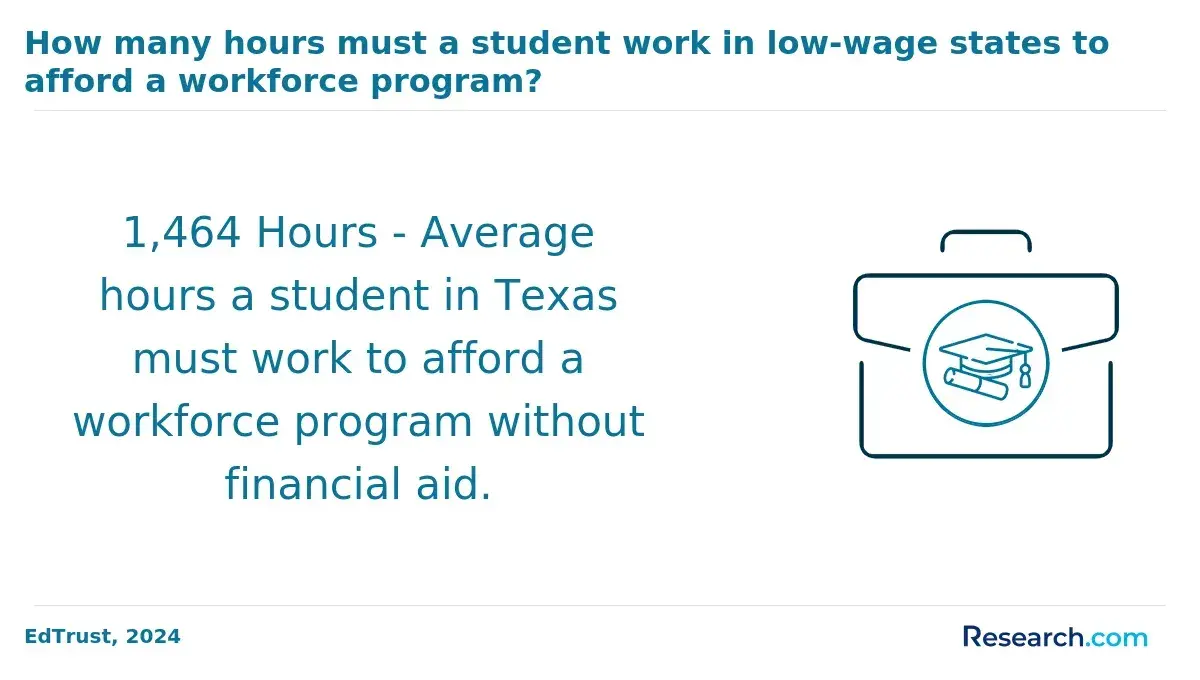
Additional fees are one of the main reasons the final cost of an online accounting master’s degree can exceed the advertised tuition. Research indicates these extra expenses can raise overall costs by 10-15%. A program that looks affordable on a tuition chart may become less competitive once required technology fees, materials, exam costs, and administrative charges are added.
Students should request an itemized cost sheet before enrolling. If a school cannot clearly explain which fees are mandatory, when they are charged, and whether they may increase, that lack of transparency should be treated as a warning sign.
- Technology fees: These are often charged per term and support learning platforms, remote access, technical support, and digital infrastructure.
- Online learning platform fees: Some programs charge separately for proprietary course systems, interactive modules, or virtual collaboration tools.
- Digital course materials: Tuition may not include textbooks, e-books, publisher access codes, case materials, or accounting databases.
- Lab or simulation fees: Courses using audit simulations, tax preparation tools, analytics labs, or other applied exercises may add course-specific charges.
- Practicum or clinical placement fees: If supervised experience is required, students may pay for placement coordination, oversight, or administrative processing.
- Graduation fees: These one-time charges are typically assessed near degree completion and may cover diploma processing, records, and official documents.
- Student services fees: These may fund advising, library access, career services, tutoring, or graduate student support.
- Proctoring or exam fees: Online programs may charge per exam for identity verification, remote proctoring, or secure testing platforms.
A graduate of an online accounting master’s program described the challenge clearly: “I underestimated the cumulative impact of small charges like proctoring and digital material fees.” He explained that the issue was not one large surprise bill but multiple smaller payments across the program. “It wasn’t just the sticker price-I had to track multiple payments throughout my coursework to stay on top of expenses.”
The practical lesson is simple: build a program budget by semester, not only by total tuition. Include the timing of fees, payment deadlines, and whether employer reimbursement or financial aid will arrive before or after charges are due.
Does Attending an Online Accounting Master's Program Part-Time Reduce Total Tuition Costs?
Part-time enrollment can reduce what students pay each term, but it does not automatically reduce total tuition. In many online accounting master’s programs, tuition is charged per credit. If part-time and full-time students complete the same number of credits at the same per-credit rate, tuition may be similar. The difference is that part-time students spread the cost over more semesters.
The trade-off is cash flow versus total cost. Part-time study can make payments easier to manage and allow students to keep working, but it may also lead to additional recurring fees and a longer time before the degree produces career returns.
- Per-credit tuition rates: If tuition is billed by credit hour, taking fewer credits each term usually lowers the term bill but may not reduce total tuition.
- Program fees: Registration, technology, student services, and other recurring fees may be charged every semester, increasing cumulative costs for students who take longer to finish.
- Extended time-to-degree: A longer path can expose students to tuition increases, fee changes, and delayed salary benefits.
- Financial aid eligibility: Part-time students may qualify for fewer grants or scholarships than full-time students, depending on enrollment requirements and aid rules.
- Opportunity costs: Keeping a job while studying can protect income, but a slower path may delay promotions, credential completion, or access to roles requiring the graduate degree.
Part-time study is often the right choice for working professionals who need predictable scheduling and lower term payments. It is less attractive if recurring fees are high or if the student’s career goal depends on finishing quickly. When comparing flexible programs, students may also want to review affordable accounting degrees online to understand how online pricing differs across accounting education options.
Applicants comparing graduate study in other fields, such as a masters in counseling, should remember that each discipline has its own cost drivers, licensure expectations, and fieldwork requirements.
Do Online Accounting Master's Programs Charge Out-of-State Tuition?
Some online accounting master’s programs charge the same tuition rate to all online students, while others still apply residency-based pricing. This is an important distinction because out-of-state tuition can significantly change the value of a public university program.
For example, some online graduate accounting programs charge a uniform rate of $950 per credit hour regardless of residency, while the same institution may charge $750 for in-state and $1,200 for out-of-state on-campus students. In that case, the online format simplifies pricing. At another school, however, online students may still face different rates based on residency.
- Tuition parity: Many online accounting programs use one rate for in-state and out-of-state students, which can make budgeting easier and expand access to nonresidents.
- Regional reciprocity: Agreements like the Western Undergraduate Exchange allow eligible out-of-state students to pay reduced or in-state tuition rates, depending on the institution and program rules.
- Fee variation: Technology, materials, proctoring, and course fees may still vary by student location, even when tuition is the same.
- Program-specific costs: Certification preparation, experiential learning, or required campus visits can create different expenses for students who live farther away.
- Resource access: Residency status may affect eligibility for state-funded scholarships, grants, or institutional discounts.
Students should not assume that “online” means “no out-of-state tuition.” The safest approach is to ask the program for a full cost estimate based on your residency, location, enrollment pace, and intended start term.
Are Public Universities Cheaper for Online Accounting Master's Degrees?
Public universities are often cheaper than private universities for online accounting master’s degrees, but they are not always the lowest-cost option for every student. Public university programs commonly charge between $400 and $800 per credit hour, while private universities typically range from $800 to $1,200 per credit hour. The final comparison depends on residency, fees, scholarships, and how many credits the program requires.
| Factor | Public university considerations | Private university considerations |
| Base tuition | Often lower because of state funding. | Often higher, though institutional discounts may reduce the net price. |
| Residency rules | In-state students may receive lower rates; out-of-state students may pay more unless online pricing is flat. | Pricing is often less tied to state residency. |
| Fees | May include technology, student services, registration, or program fees. | May bundle some services into tuition or charge separate fees. |
| Scholarships | May offer state-supported or school-based aid with residency restrictions. | May offer institutional scholarships that change the actual cost. |
| Price stability | State support can contribute to tuition stability, though fees can still change. | Pricing may shift based on institutional priorities and market demand. |
A professional who completed her online accounting master’s degree at a public university said the lower in-state tuition was the first reason she considered the program. However, she emphasized that the final decision depended on fee transparency, course availability, and whether the program fit her work schedule.
“The lower in-state tuition initially attracted me,” she explained, but she still reviewed the full fee breakdown before enrolling. Even with some unexpected charges, she found the overall cost manageable and valued the consistency in tuition rates throughout her studies.
The takeaway is that public universities are generally worth strong consideration, especially for in-state students. Still, applicants should compare the net cost after fees and aid rather than assuming every public program is automatically the cheapest.
Are Accelerated Online Accounting Master's Programs More Expensive?
Accelerated online accounting master’s programs can look more expensive by term, but they are not always more expensive overall. The key is to compare total program cost, not monthly or semester bills. A faster format may compress tuition into fewer terms, reduce time-related fees, and help students reach salary or promotion benefits sooner.
For example, an accelerated program might charge $8,000 per term over six terms, while a traditional program could charge $5,000 per term for ten terms. The accelerated option has a higher term bill, but the traditional option lasts longer. Without calculating the full degree cost, the comparison can be misleading.
- Per-credit tuition: Accelerated programs may have comparable or modestly higher per-credit rates than traditional formats because of the intensive pace and course design.
- Total credit requirements: Some accelerated paths reduce elective or extended course requirements, but students must confirm whether the degree requires fewer credits or simply moves faster.
- Additional fees: Accelerated or hybrid online programs may add charges for enhanced support, technology platforms, advising, or course materials.
- Financial aid eligibility: Shorter timelines can affect how aid is disbursed and whether certain grants or loans align with the student’s enrollment pattern.
- Time-based savings: Finishing sooner can reduce indirect costs, limit additional terms of fees, and allow working professionals to pursue advancement earlier.
Accelerated programs are best suited to students with strong time management, predictable work schedules, and the ability to handle heavier coursework. They may be a poor fit for students who need a lighter academic load, depend on steady reimbursement cycles, or cannot commit to intensive deadlines.
Students still building an academic pathway before graduate study may find it useful to review the easiest associate degree to get online, though master’s-level accounting programs require a much more advanced evaluation of credits, prerequisites, and career outcomes.
Can Prior Learning Assessment (PLA) Reduce Graduate Tuition?
Prior learning assessment (PLA) allows a university to evaluate a student’s existing knowledge, professional experience, certifications, training, or previous coursework for possible academic credit. In accounting, PLA may be relevant for students with substantial professional experience, CPA or CMA preparation, industry training, or prior graduate-level coursework.
In graduate accounting programs, PLA can reduce course requirements, sometimes granting up to 12 credits. If those credits replace required courses, students may save both time and tuition. However, PLA policies vary widely, and not every accounting master’s program allows graduate students to apply professional learning toward degree requirements.
Students should evaluate PLA carefully because the process itself may involve documentation, deadlines, faculty review, portfolio preparation, transcript evaluation, or assessment fees. A program that grants credit for prior learning can be valuable, but only if the approved credits apply directly to required degree courses rather than electives that do not reduce the total program length.
- Ask which credits are eligible: Confirm whether PLA can replace core accounting courses, electives, prerequisites, or only limited requirements.
- Check the credit cap: Many programs limit how many PLA credits can be applied to a graduate degree.
- Confirm documentation rules: Professional certifications, work samples, training records, and transcripts may need to meet strict review standards.
- Calculate net savings: Subtract any PLA evaluation fees from the tuition savings before assuming the option is cost-effective.
- Review timing: Some schools require PLA requests before enrollment or before a specific point in the program.
Policies may differ between campus-based and online programs, with some online options offering more flexible PLA guidelines for working professionals. Students comparing graduate affordability more broadly may review the cost of criminal justice degree options as another example of how credit transfer, prior learning, and program structure can affect total cost.
What Financial Aid Is Available for Online Accounting Master's Degrees?
Financial aid for online accounting master’s degrees can come from federal loans, private loans, scholarships, grants, employer tuition reimbursement, and military or veteran benefits. Recent data indicates the average aid package for online graduate students totals about $10,000 annually. Eligibility depends on the school, enrollment status, academic progress, program accreditation, and the rules of each funding source.
Online students should complete the FAFSA if they plan to use federal aid and should ask each school whether online graduate accounting students qualify for the same institutional scholarships as campus-based students. Some aid is automatic, but many awards require separate applications and deadlines.
| Aid source | How it can help | What to verify |
| Federal loans | Can help cover tuition and eligible education costs for qualifying students. | FAFSA requirements, enrollment minimums, satisfactory academic progress, and repayment terms. |
| Private loans | May fill gaps when federal aid and scholarships are not enough. | Interest rates, credit requirements, repayment terms, and whether a cosigner is needed. |
| Grants and scholarships | Do not require repayment and may be based on need, merit, accounting interest, or professional goals. | Whether online students qualify, application deadlines, renewal rules, and award limits. |
| Employer tuition reimbursement | Can reduce out-of-pocket cost for working professionals. | Annual reimbursement caps, grade requirements, approved programs, and post-completion employment obligations. |
| Military and veteran benefits | GI Bill benefits and tuition assistance may apply to online formats. | Benefit eligibility, school participation, covered fees, and remaining entitlement. |
Financial aid should be evaluated as net cost, not simply as the amount awarded. A larger aid package made mostly of loans can still leave the student with substantial repayment obligations. By contrast, employer reimbursement, grants, and scholarships can reduce the real cost more directly.
Before enrolling, compare each program’s tuition, mandatory fees, expected aid, payment schedule, and refund policy. This helps students avoid choosing a program that appears affordable only because costs are delayed rather than reduced.
What Is the Average Salary After Earning a Accounting Master's Degree?
Salary outcomes are an important part of evaluating whether an online accounting master’s degree is worth the cost. According to sources like the U.S. Bureau of Labor Statistics and Payscale, median annual salaries for graduates typically range between $70,000 and $90,000, with some reports indicating averages as high as $95,000 depending on role, experience, location, and specialization.
Students should avoid using a single salary figure as a promise of earnings. A graduate degree may support advancement, CPA eligibility, specialization, or movement into leadership, but salary outcomes depend on the labor market and the student’s existing background.
- Industry sector: Public accounting, corporate finance, government, nonprofit, consulting, and advisory roles may pay differently because of workload, client demands, and budget structures.
- Geographic location: Salaries are often higher in large metropolitan areas, but cost of living can also be higher.
- Years of experience: New graduates may earn less than experienced accountants who use the degree to move into senior or managerial positions.
- Specialization: Areas such as forensic accounting, tax, audit, analytics, and advisory work may offer different compensation paths.
- Leadership responsibilities: Roles involving supervision, strategy, compliance responsibility, or executive decision-making often carry higher pay.
- Credential alignment: A master’s program that supports CPA requirements or other professional credentials may improve long-term career utility, depending on the student’s goals.
A practical return-on-investment review should compare the total cost after aid with realistic salary growth, current income, debt tolerance, and the roles the student is actually targeting. The degree is most financially compelling when it directly supports a required credential, promotion path, or specialization that the student intends to pursue.
What Graduates Say About Their Online Accounting Master's Degree Program Costs
- Riley: "Choosing an online accounting master's program was a strategic decision for me because of its affordability compared to traditional on-campus options. The flexible schedule meant I could keep working full-time and avoid taking on debt, which made the cost much more manageable. Since graduating, I've noticed a significant boost in my salary and professional opportunities, proving the investment was well worth it."
- Tim: "The cost savings from the online format were not just about tuition but also related expenses like commuting and housing. This helped me stay focused on my studies without financial stress, making the overall value of the degree very high. Reflecting on my experience, the ROI has been remarkable because my advanced skills opened doors to higher roles that I wouldn't have accessed otherwise."
- Clarence: "I approached the decision with a professional mindset, comparing the tuition and fee structures of several institutions. The online program's transparency and lower fees compared to traditional routes made it a compelling option. More importantly, the degree has enhanced my credentials and accelerated promotions, which easily offsets the initial costs paid upfront."
Other Things You Should Know About Accounting Degrees
Some online accounting master's programs include mandatory residencies, intensives, or internships that require brief in-person attendance. These requirements may add travel, lodging, and related expenses that are not covered by tuition. Prospective students should carefully review program details to understand if such components exist and how they might impact overall costs.
In 2027, tuition and fees for an online accounting master's program typically range from $10,000 to $30,000. Prices vary based on factors like program reputation, length, and the number of credits required. Additional fees may include technology and resource access, impacting overall expenses.
Many online accounting master's programs charge technology or digital access fees to support their online learning platforms and resources. These fees are typically billed each semester or term and can add several hundred dollars per year to the total program cost. Students should inquire about these fees early to plan their finances accordingly.
References
- 2025 Most Affordable Online Master's Degrees in Accounting https://www.onlineu.com/most-affordable-colleges/accounting-masters-degrees
- Cheapest Online Accounting Degree Programs of 2025 - Intelligent https://www.intelligent.com/best-online-accounting-degree-programs/cheapest/
- Tuition Basics | University of Phoenix https://www.phoenix.edu/tuition-financial-aid.html
- Tuition and Financial Aid: Accountancy MACC Online https://www.utrgv.edu/accelerated/programs/accountancy-macc-accelerated-online/tuition/index.htm
- What are the 10 Cheapest Master's in Accounting Programs? - CPA Credits: The Best Way to 150 https://www.cpacredits.com/resources/cheapest-masters-in-accounting-programs/
- Tuition and Financial Aid - MS in Accounting - Pace University Online https://online.pace.edu/graduate-programs/ms-in-accounting/tuition-financial-aid/
- Accounting Scholarships and Grants | Accounting.com https://www.accounting.com/resources/financial-aid/
- Accountancy Costs https://www.boisestate.edu/online/online-master-of-accountancy/costs/
- Scholarships & Resources for Accounting Master’s Students https://www.onlinemastersdegrees.org/student-resources/accounting/
- STU | Master's in Accounting Degree: Leadership Career Paths https://online.stu.edu/degrees/business/masters-accounting/online-masters-in-accounting-worth-it/


