2027 One-Year Online Accounting Master's Degree Programs: Accelerated Options, Costs & Outcomes

Co-Founder and Chief Data Scientist
Choosing a one-year online accounting master's program is a timing, cost, and career-risk decision. The format can help career changers, working professionals, and recent graduates move faster toward accounting roles or CPA-related coursework, but the pace is demanding and not every accelerated program offers the same value.
According to the National Center for Education Statistics, enrollment in online master's accounting programs increased by approximately 48% in 2024, reflecting rising demand for flexible graduate options that do not require students to leave the workforce. That growth also makes careful program evaluation more important: accreditation, CPA eligibility, total cost, admissions requirements, software training, and career outcomes all affect whether a fast program is worth it.
This guide explains how one-year online accounting master's degrees work, how they compare with standard graduate formats, what they typically cost, what admissions committees look for, and how students can judge whether an accelerated path fits their schedule, budget, and career goals.
Key Things to Know About One-Year Online Accounting Master's Degree Programs
- One-year online accounting master's programs offer working professionals flexible schedules, allowing them to balance employment while advancing skills without pausing their careers.
- Accelerated formats enable career changers to quickly acquire critical accounting knowledge, often reducing time-to-degree by 50% compared to traditional programs.
- International applicants benefit from global networking opportunities, connecting with diverse cohorts and faculty that enhance cross-border accounting practices and cultural competencies.
What Exactly Is a One-Year Online Accounting Master's Degree Program, and How Does It Differ from a Standard Graduate Format?
A one-year online accounting master's degree is an accelerated graduate program designed to compress advanced accounting coursework into about 12 months. Instead of spreading classes across a traditional two-year timeline or a slower part-time schedule, these programs use shorter terms, heavier course loads, and limited academic breaks.
The goal is not to make the degree easier. A legitimate accelerated program still covers core graduate accounting topics such as financial accounting, auditing, taxation, accounting information systems, and professional ethics. The difference is intensity: students must absorb and apply material quickly while meeting frequent deadlines.
Examples of this format include the University of Southern California's Online Master of Accounting and Northeastern University's Accelerated MS in Accounting, which use fast-paced online delivery to help students complete graduate accounting coursework more quickly than in a standard format.
How the accelerated format differs from a standard graduate program
- Time to completion: One-year programs are built around about 12 months of continuous study, while standard programs often take two years or longer, especially for part-time students.
- Course intensity: Accelerated students often take multiple demanding courses at once, with less downtime between modules or terms.
- Scheduling: Online programs may use asynchronous lectures, evening sessions, live discussions, or a mix of all three to support working adults.
- Admissions readiness: Students may need accounting prerequisites before entering because the curriculum leaves little room for remedial coursework.
- Best-fit students: The format is often strongest for motivated career changers, recent graduates, and professionals who can dedicate consistent weekly study time.
This pathway is not the right starting point for everyone. Students who still need extensive undergraduate accounting preparation may be better served by completing an online accounting degree or prerequisite coursework before applying to a master's program.
Prospective students comparing graduate options outside accounting can still review related online education pathways, such as a BCBA degree online, but accounting applicants should focus first on accreditation, CPA alignment, prerequisite fit, and employer recognition.
Which Accredited Universities Currently Offer Legitimate One-Year Online Accounting Master's Programs?
Legitimate one-year online accounting master's programs should come from regionally accredited universities. Regional accreditation matters because employers, state boards, graduate schools, and financial aid systems generally rely on it as a baseline indicator of institutional quality. For accounting, AACSB accreditation is also important because it signals that a business school or accounting program has met a widely recognized standard for business education.
Applicants should be cautious about programs that advertise speed but provide little information about accreditation, CPA preparation, faculty credentials, curriculum, or graduate outcomes. National accreditation may be acceptable in some contexts, but it may not carry the same weight for CPA licensure, credit transfer, or employer review as regional accreditation and AACSB recognition.
Before applying, verify each school through official sources such as the U.S. Department of Education's College Navigator, institutional accreditation pages, and program-specific accounting school disclosures. Do not rely only on marketing language such as “CPA-ready,” “career-focused,” or “fast-track.” Ask which state CPA education requirements the curriculum is designed to support.
Examples of accredited accelerated online accounting master's options
- University of Southern California (West Region): USC's online Master of Accounting is AACSB-accredited and designed for completion in 12 months, with tuition around $63,000, focusing on accounting theory and CPA preparation.
- Indiana University Bloomington (Midwest Region): The Kelley School of Business offers an online Master of Science in Accounting that can be completed within one year, holding regional accreditation by HLC and AACSB program accreditation, with tuition averaging $47,000.
- University of North Carolina at Chapel Hill (South Region): UNC's Kenan-Flagler Business School provides an accelerated online Master of Accounting program, AACSB-accredited, typically finished in 12 months for about $58,000.
- Northeastern University (Northeast Region): Northeastern offers a regionally accredited online Master of Science in Accounting with AACSB accreditation, completable in about one year, with tuition near $54,000.
- University of Florida (Southeast Region): UF's online Master of Accounting program, AACSB-accredited, focuses on CPA eligibility and is designed for one-year completion, costing roughly $45,000.
What to verify before enrolling
- Institutional accreditation: Confirm that the university is regionally accredited.
- Business or accounting accreditation: Look for AACSB when comparing business schools and accounting departments.
- CPA alignment: Ask whether the curriculum helps meet education requirements in your state.
- Total program cost: Compare tuition, technology fees, materials, and any residency expenses.
- Outcome evidence: Review job placement, CPA exam support, alumni roles, and employer partnerships when available.
Students searching broadly for the easiest degree to get online should not assume that an accelerated accounting master's will be easy. In accounting, speed usually increases workload, so the better question is whether the program is efficient, accredited, and aligned with the student's professional objective.
How Much Does a One-Year Online Accounting Master's Program Typically Cost in Tuition and Fees?
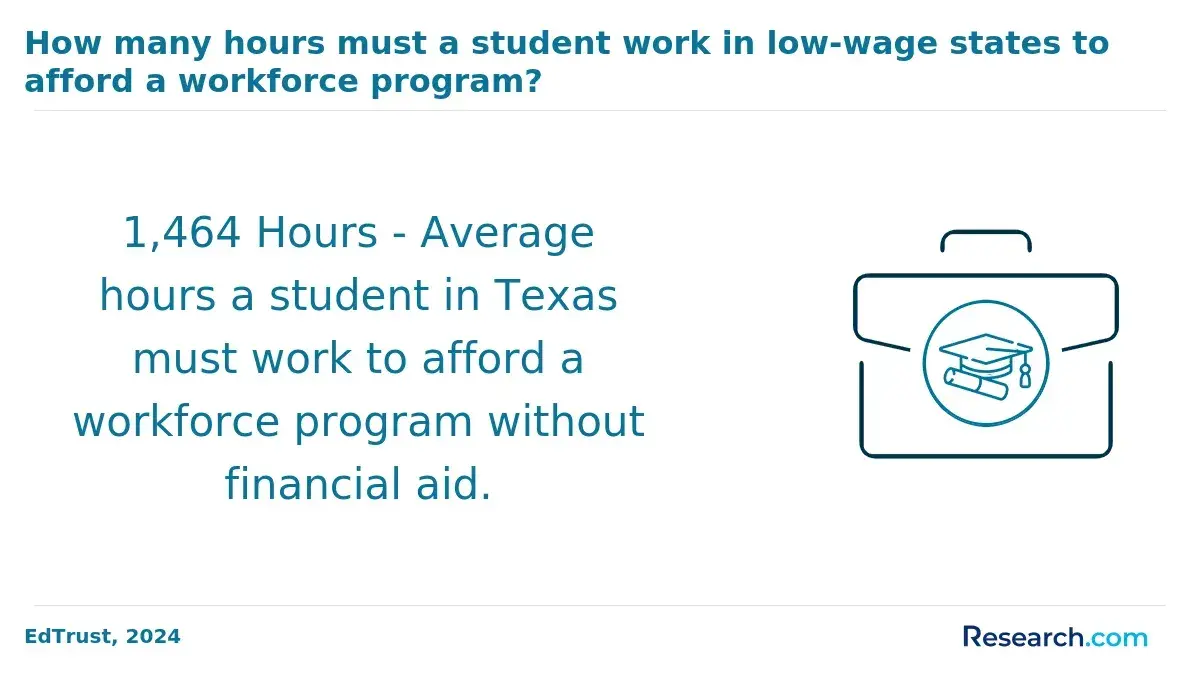
The cost of a one-year online accounting master's program depends heavily on the university type, residency rules, credit requirements, and fee structure. Public universities generally charge between $15,000 and $35,000 for the full program, while private universities tend to cost from $30,000 to $60,000.
Tuition is only part of the budget. Accelerated students should calculate the full cost of attendance before committing because fees and materials can make a lower advertised tuition less affordable than it first appears.
- Technology Fees: Separate fees for technology typically range from $100 to $500 each term. These may cover the learning platform, online support, library access, software systems, or distance education services.
- Course Materials: Textbooks and software costs can add $1,000 to $2,000 annually, especially when courses require current tax materials, accounting databases, or specialized software.
- Proctoring Fees: Online exam proctoring services can cost between $50 and $150 per exam. Ask whether proctoring is included in tuition or billed separately.
- Residency Costs: Although rare, some programs require short campus visits, orientations, or intensive sessions. Travel and lodging expenses for these can total $500 to $1,500 depending on location and length of stay.
- Financial Aid Access: Approximately 75% of graduate students receive some form of aid, so applicants should request detailed cost-of-attendance disclosures and compare projected net prices after scholarships, employer benefits, or loans.
Cost questions to ask each school
- Is tuition charged per credit, per term, or as a flat program rate?
- Are online students charged out-of-state tuition?
- Are accounting software licenses included?
- How many proctored exams are required?
- Are there mandatory campus visits?
- Can scholarships be applied to accelerated terms?
- What happens financially if a student slows down, withdraws, or repeats a course?
A professional who pursued an online accounting master's to change careers said the non-tuition costs were easy to underestimate. “Beyond tuition, the technology fees and exam costs added up more than I expected,” he explained. His advice was simple: ask for the full bill before enrolling, not after the first term starts.
For accelerated students, transparency is especially important. A one-year format leaves little time to pause and reassess finances, so understanding the total outlay at the beginning can prevent avoidable stress later.
What Financial Aid and Scholarship Options Are Available for One-Year Accounting Master's Students?
Students in one-year online accounting master's programs may use several types of financial aid, but the compressed timeline makes planning more urgent. Because accelerated programs often have multiple start dates and shorter terms, students should complete the FAFSA early and confirm how aid is disbursed across the academic calendar.
Graduate students may qualify for federal Direct Unsubsidized Loans and Graduate PLUS Loans. Federal Work-Study may be available at some institutions, but it is often less practical for students in intensive one-year programs, especially those already working full-time.
Scholarships and employer benefits can be more valuable than loans because they reduce the amount a student must repay. Merit-based awards may consider GPA, professional experience, leadership, accounting prerequisites, or career goals. Some accounting departments also offer fellowships, though these may be limited for online or accelerated students.
- Federal Financial Aid Eligibility: Students in accelerated accounting master's programs can generally apply for Direct Loans and may be eligible for other federal aid options, depending on the institution and enrollment status.
- Merit-Based Scholarships: These awards can reduce tuition for applicants with strong academic records, professional achievements, or relevant accounting preparation.
- Departmental Fellowships: Some accounting departments provide tuition support, often connected to research, teaching, or departmental service.
- Employer Tuition Reimbursement: Working professionals should ask their employers whether graduate accounting coursework qualifies for education benefits, especially if the degree supports internal finance, audit, tax, or compliance roles.
- Application Timing and Resources: Early FAFSA submission is important because accelerated start dates can affect aid packaging and disbursement schedules.
About 60% of graduate students in business-focused accelerated programs use some form of financial aid to manage tuition costs. That makes award timing, eligibility rules, and renewal requirements worth reviewing before enrollment.
Applicants comparing return on investment across graduate fields may also examine options such as a cheapest online engineering degree, but accounting students should compare programs based on CPA alignment, total cost, schedule fit, and realistic career outcomes rather than tuition alone.
What GPA, Prerequisites, and Professional Experience Do One-Year Accounting Master's Programs Require?
Most one-year online accounting master's programs expect applicants to show that they can handle fast graduate-level coursework from the first term. A common minimum undergraduate GPA is near 3.0 on a 4.0 scale, although schools may review applications holistically and place special weight on accounting, finance, statistics, economics, or business coursework.
Prerequisites matter because accelerated programs rarely have time to teach basic accounting from scratch. Applicants commonly need prior coursework in financial accounting, managerial accounting, auditing, and intermediate accounting. Students missing one or more courses may be admitted conditionally, asked to complete bridge courses, or required to finish prerequisites before the first graduate term begins.
Professional experience can strengthen an application, especially for candidates whose GPA is not ideal or who are applying without recent academic records. Work in accounting, finance, bookkeeping, audit support, tax preparation, budgeting, payroll, compliance, or business analytics can help demonstrate readiness for the program's pace.
- Minimum GPA Expectations: Most programs require around a 3.0 cumulative GPA and may examine grades in accounting-related courses more closely than unrelated electives.
- Required Coursework: Foundational accounting and business classes are often required, with missing prerequisites handled through bridge courses or conditional admission when available.
- Value of Work Experience: Relevant professional experience can make an application stronger and may help support a test waiver.
- Program Variability: Admissions standards differ by institution, so applicants should review each school's prerequisite list, transcript rules, and conditional admission policy.
- Recent Trends: Over 40% of master's programs now accept professional experience in place of test scores, reflecting a shift toward valuing practical skills.
How to assess your readiness before applying
- Request an unofficial prerequisite review before paying an application fee.
- Ask whether bridge courses add cost or extend time to completion.
- Clarify whether prerequisite grades must meet a minimum threshold.
- Find out whether non-accounting business experience is considered relevant.
- Confirm whether international transcripts need a credential evaluation.
One graduate described the process this way: “I was worried about my GPA not being perfect, but my related work history really made a difference.” She also found that speaking directly with admissions advisors helped her identify which prerequisites she needed before starting the accelerated curriculum.
Are GRE or GMAT Scores Still Required for Accelerated Online Accounting Master's Admissions?
GRE and GMAT requirements are no longer universal for accelerated online accounting master's programs. Many schools shifted to test-optional or test-waiver admissions after the COVID-19 pandemic, especially for applicants with strong academic records, relevant work experience, prior graduate study, or professional credentials.
That does not mean tests are irrelevant everywhere. Some universities still require scores, and others recommend them for applicants with lower GPAs, limited prerequisites, or weak quantitative backgrounds. A strong score may also help an applicant compete for scholarships at some schools.
Applicants should treat test policy as a program-specific rule, not an industry-wide assumption. Requirements can change by intake term, degree track, applicant background, or scholarship category.
- Expansion of Test-Optional Policies: Since 2020, more one-year online accounting master's programs have removed strict testing requirements to broaden access and speed up admissions.
- Waiver Eligibility: Schools typically grant GRE or GMAT waivers to applicants with strong GPAs, relevant work history, previous graduate coursework, or other evidence of academic readiness.
- Work Experience as an Alternative: Professional roles in accounting, finance, audit, tax, compliance, or analytics may help demonstrate readiness when scores are waived.
- Dynamic Admission Standards: Requirements differ significantly between universities and can change often, so applicants should verify the latest admissions page before applying.
- Current Trend: Over 55% of U.S. business and accounting graduate programs embraced test-optional admissions by 2023, highlighting a broad post-pandemic transformation.
When submitting a test score may still help
- Your undergraduate GPA is below the program's usual benchmark.
- Your transcript has limited quantitative or accounting coursework.
- You are applying for competitive scholarships.
- You want to offset a long gap since your last academic program.
- The program recommends, but does not require, scores for certain applicants.
How Are Courses Structured and Delivered in a One-Year Online Accounting Master's Program?
Courses in a one-year online accounting master's program are usually delivered through a mix of asynchronous work and scheduled interaction. Asynchronous components let students watch lectures, complete readings, review modules, and submit assignments on their own schedule. Synchronous sessions may include live classes, case discussions, group meetings, exam reviews, or faculty office hours.
The compressed semester structure often uses 7-10 week terms. Students may enroll in 9 to 12 credit hours per term, which can require 20-30 hours of study weekly. Deadlines come quickly, and students typically cannot rely on long breaks to catch up.
Many programs end with a capstone project, practicum, applied research assignment, or thesis-style experience. These projects may require students to analyze financial statements, evaluate internal controls, prepare tax research, investigate fraud scenarios, or use accounting data to support business decisions.
- Synchronous vs. Asynchronous Learning: Hybrid delivery can combine the flexibility of recorded content with the accountability of live discussions and faculty interaction.
- Compressed Semester Structure: Shortened 7-10 week terms and 9 to 12 credit hours per term require disciplined weekly planning.
- Capstone and Practicum Requirements: Final projects help students apply accounting concepts to practical professional problems.
- Assignment Cadence and Feedback: Frequent assignments, quizzes, discussions, and case submissions keep students engaged but leave little room for procrastination.
- Enrollment Growth Trend: Accelerated online accounting master's programs have seen a 15% annual enrollment increase, reflecting rising student demand.
What the weekly experience may feel like
- Recorded lectures and readings early in the week
- Problem sets, tax research, audit cases, or discussion posts midweek
- Live sessions, group work, or faculty check-ins during evenings or weekends
- Quizzes, exams, or project submissions at the end of the module
- Rapid transition into the next topic with minimal downtime
What Core Curriculum and Specialization Tracks Are Covered in a One-Year Online Accounting Master's Degree?
A one-year online accounting master's curriculum focuses on the graduate-level accounting knowledge students need for professional advancement, CPA-related preparation, or movement into specialized accounting roles. Because the timeline is short, programs usually prioritize required courses and offer fewer electives than longer formats.
Core courses commonly cover financial accounting, managerial accounting, auditing, taxation, accounting information systems, ethics, data analytics, and financial reporting. The strongest programs connect these subjects to practical tasks such as preparing statements, evaluating controls, analyzing tax issues, using audit evidence, and interpreting accounting data.
Specialization tracks may allow students to focus on forensic accounting, tax accounting, auditing, financial reporting, analytics, or advisory services. The right track depends on the student's target role, not just personal interest.
- Core Accounting Fundamentals: Courses cover financial accounting, managerial accounting, auditing, taxation, and accounting information systems, building a foundation recognized by employers.
- Specialization Tracks or Concentrations: Common options include forensic accounting, tax, auditing, and financial reporting.
- Integration of Technology and Analytics: Accelerated degrees increasingly emphasize accounting software, data analytics, dashboards, and technology-enabled reporting.
- Comparative Depth and Compression: Compared with traditional two-year programs, one-year tracks compress the timeline but often use cases, projects, and applied assignments to maintain practical depth.
- Curriculum Updates for Industry Relevance: Programs may align coursework with standards such as GAAP and IFRS while incorporating emerging accounting and analytics trends.
How to choose a specialization
- Tax: Best for students interested in tax preparation, tax research, corporate tax, or public accounting tax roles.
- Audit: Useful for students aiming for public accounting, internal audit, assurance, or risk-focused roles.
- Forensic accounting: Appropriate for students interested in fraud examination, litigation support, compliance, or investigative accounting.
- Financial reporting: Strong fit for corporate accounting, SEC reporting, controller-track roles, or financial statement analysis.
- Analytics: Valuable for students who want to combine accounting knowledge with data tools, dashboards, and decision support.
Students comparing cost and academic fit may also review online affordable master's programs, but the cheapest option is not always the best accounting choice if it lacks accreditation, CPA alignment, or strong technical training.
How Do One-Year Online Accounting Programs Balance Academic Rigor With Accelerated Completion?
One-year online accounting programs balance speed and rigor by narrowing the schedule, not by removing essential graduate-level expectations. Reputable programs use structured modules, frequent assessments, applied projects, and faculty support to help students meet the same professional learning goals in less time.
The main trade-off is workload. Students may cover fewer electives or have less time for exploration, but they are expected to master core accounting concepts quickly. This structure works best for learners who are organized, comfortable with independent study, and ready to treat the program like a major professional commitment.
Cohort models can help because students move through the curriculum together, creating peer accountability and support. Block scheduling may also reduce overload by letting students focus on a smaller set of subjects at a time. Intensive modules mirror real accounting deadlines, where accuracy and timeliness both matter.
- Cohort Models for Peer Support: Students progress through the program as a group, which can improve accountability, collaboration, and persistence.
- Block Scheduling and Intensive Modules: Focused timeframes help students concentrate on fewer subjects while maintaining momentum through the accelerated curriculum.
- Experienced Faculty: Strong programs use instructors with academic preparation and accounting industry experience, helping connect theory to current practice.
- Comprehensive Student Support: Advising, tutoring, writing support, library access, software help, and career coaching are especially important in a compressed format.
- Alumni Success and Job Placement Data: Published employment outcomes, CPA support, and alumni career paths can help applicants judge whether a program delivers practical value.
Warning signs of weak accelerated programs
- Unclear accreditation information
- No published curriculum or vague course descriptions
- Limited faculty information
- No explanation of CPA education alignment
- Little access to advising, tutoring, or career services
- Pressure-based enrollment tactics or unclear tuition disclosures
Students who want to compare accredited online institutions more broadly can review resources on online accredited colleges, but accounting applicants should still verify regional accreditation, AACSB status, and state-specific CPA requirements directly.
What Technology Tools and Software Skills Are Students Expected to Learn in an Online Accounting Master's Program?
Online accounting master's programs increasingly expect students to build practical technology skills, not just theoretical accounting knowledge. Employers often want graduates who can work with accounting systems, spreadsheets, analytics tools, audit platforms, tax software, and collaborative cloud environments.
Before enrolling, students should confirm the program's hardware and software requirements. Candidates should have a computer with at least 8 GB of RAM, a dual-core processor, reliable high-speed internet ideally 25 Mbps or faster, and permission to install required applications or access cloud-based platforms. Some programs include free or discounted licenses, while others expect students to cover software costs separately.
- Accounting Software Platforms: Training may include QuickBooks, Sage Intacct, and ERP systems like SAP or Oracle Financials for bookkeeping, reporting, and compliance work.
- Data Analytics and Visualization: Courses may use advanced Excel functions, Tableau, and Power BI to analyze trends, build dashboards, and support business decisions.
- Audit and Tax Software: Exposure to CaseWare and Thomson Reuters applications can prepare students for audit documentation, tax research, filings, and regulatory tasks.
- Cloud Computing and Collaboration Tools: Platforms like Microsoft Azure and Google Workspace may be used for remote teamwork, document sharing, and project coordination.
- Technical Prerequisites: Essential hardware includes 8 GB RAM minimum and dual-core CPUs, along with reliable high-speed internet and installation access for required tools.
According to a recent American Institute of CPAs report, over 80% of accounting firms now expect candidates to demonstrate expertise in both accounting and data analytics software, underscoring the importance of technical readiness.
Software questions to ask before enrolling
- Which accounting, tax, audit, and analytics tools are used in required courses?
- Are licenses included in tuition or billed separately?
- Can students access software through a virtual lab?
- Are Mac users supported, or is Windows required?
- Is technical support available during evenings or weekends?
Can Students Pursue a One-Year Online Accounting Master's Degree While Working Full-Time?
Yes, some students complete a one-year online accounting master's degree while working full-time, but it requires a realistic plan. The workload is substantial, and the margin for falling behind is small. Students should not choose an accelerated format simply because it sounds convenient; they should choose it only if their work schedule, family responsibilities, and study habits can support the pace.
One-year online accounting master's programs generally require 15 to 20 hours per week, depending on the credit load and course difficulty. Students typically spend 3 to 5 hours per credit each week on lectures, readings, assignments, projects, and exam preparation. Those enrolled in 9 to 12 credits per term may face an especially demanding schedule.
Working professionals often rely on time-blocking, early assignment planning, employer flexibility, and protected weekend study time. Asynchronous courses can help, but asynchronous does not mean self-paced; deadlines still apply.
Institutional reports indicate that 40% to 60% of students in accelerated online accounting master's programs maintain full-time jobs during their studies. Applicants should ask direct questions before enrolling:
- Weekly Time Expectations: What is the average weekly study time per credit load, and how does it vary across terms?
- Course Format Flexibility: Are courses fully asynchronous, or are live sessions required at set times?
- Employer Support Resources: Does the program provide documentation that can help students request schedule flexibility or tuition reimbursement?
- Part-Time Options: Can students slow down if work demands increase, and would that affect tuition or financial aid?
- Academic Support Services: What tutoring, advising, software help, and faculty access are available during accelerated terms?
Who is most likely to manage the workload well?
- Students with predictable work schedules
- Professionals whose employers support graduate study
- Learners who already have accounting prerequisites completed
- Students comfortable with online learning platforms
- Applicants who can reserve consistent weekly study blocks before the term begins
What Graduates Say About Their One-Year Online Accounting Master's Degree Program
- : "Choosing an online accounting master's degree was a strategic move for me to shift from marketing to finance without pausing my career. The flexibility of the program allowed me to balance work and study effectively, while the reasonable tuition kept it affordable. Since graduating, I've been promoted to a senior analyst position, which wouldn't have been possible without the specialized skills I gained. —Thomas"
- : "Reflecting on my journey, the affordability and convenience of an online accounting master's degree made all the difference. I appreciated that I could continue working full-time and still obtain a respected credential that boosted my credibility with clients. The program's practical approach not only enhanced my knowledge but also expanded my career options in new industries. —Bryan"
- : "Pursuing an online accounting master's degree was a professional investment that paid off immensely. I valued the rigorous curriculum and the chance to learn from experienced professors without relocating. This degree has elevated my profile in the corporate world and opened doors to leadership roles I once thought were out of reach. —Edie"
Other Things You Should Know About Accounting Degrees
Most one-year online accounting master’s programs require 30 to 36 semester credits and are structured for completion in 12 months of full-time study. Accelerated formats often use eight-week terms, with some programs accepting up to 9 transfer credits before enrollment.
To enroll in a one-year online accounting master's program in 2027, applicants typically need a bachelor's degree in accounting or a related field, completed prerequisite courses in accounting topics, and possibly a minimum academic GPA, often around 3.0 on a 4.0 scale.
In 2027, the average cost for a one-year online accounting master's program typically ranges from $20,000 to $35,000. The total expense can vary based on the institution, included resources, and residency status, so prospective students should carefully review tuition details.
References
- Top 29 Accounting Scholarships to Apply for in December 2025 https://bold.org/scholarships/by-major/accounting-scholarships/
- Accounting, M.S. (Online) - Brooklyn College https://www.brooklyn.edu/academics/programs/accounting-ms-online/
- Top 10 Questions About Eastern’s Online Master’s in Accounting https://www.easternct.edu/graduate-division/online/articles/top-10-questions-about-an-online-masters-in-accounting-program/
- Master's in Accounting Online | SNHU https://www.snhu.edu/online-degrees/masters/ms-in-accounting
- MBA Programs that Don’t Require GMAT, GRE, or EA Test Scores https://www.clearadmit.com/mba-programs-that-dont-require-gmat-gre-or-ea-test-scores/
- Accounting Scholarships Overview | Accounting.com https://www.accounting.com/resources/scholarships/
- Accountancy Costs https://www.boisestate.edu/online/online-master-of-accountancy/costs/