2027 Licensing Exams Required After Completing an Industrial Engineering Degree Program

Co-Founder and Chief Data Scientist
Most industrial engineering graduates do not need a license to start working, but some career paths make licensing valuable or necessary. The key decision is whether your work will involve public safety, regulated engineering services, government contracts, consulting, or signing and sealing engineering documents. In those situations, the Fundamentals of Engineering (FE) exam and, later, the Professional Engineer (PE) exam can matter.
The licensing path is less automatic for industrial engineers than it is for some civil, structural, or mechanical engineering roles. According to the National Society of Professional Engineers, only 33% of industrial engineers pursue professional engineer (PE) licensure despite its potential to enhance job opportunities and salary. That means many graduates build successful careers without a PE license, while others use licensure to move into higher-responsibility roles, compliance-heavy industries, or independent practice.
This guide explains which exams may apply after an industrial engineering degree, what those exams cover, who is eligible, how online degrees are evaluated, what costs to expect, and when licensure can affect hiring, salary, and interstate mobility.
Key Things to Know About the Licensing Exams Required After Completing an Industrial Engineering Degree Program
- Eligibility for the Principles and Practice of Engineering (PE) exam typically requires a bachelor's degree in industrial engineering and four years of work experience.
- The PE exam covers topics like systems optimization, manufacturing processes, and workplace safety, assessing both theoretical knowledge and practical application.
- Preparing for the exam usually takes several months, with licensure significantly enhancing job prospects and salary potential in industrial engineering roles.
What Licensing Exams Are Required After Completing a Industrial Engineering Degree?
The main licensing exams for industrial engineering graduates are the Fundamentals of Engineering (FE) exam and the Professional Engineering (PE) exam in industrial engineering. They are not required for every job, but they are the standard pathway for graduates who want to become licensed professional engineers.
Recent trends indicate that about 15-20% of industrial engineering professionals pursue licensure, especially in areas tied to public safety or government contracts. For most entry-level roles in manufacturing, logistics, operations, quality improvement, or supply chain analysis, employers may care more about technical skills, internships, software ability, and process improvement experience than licensure. However, the license can become more important as responsibilities expand.
Primary exams industrial engineering graduates may encounter
- FE Exam: The Fundamentals of Engineering exam is typically the first step toward professional licensure. It tests broad engineering knowledge, including mathematics, ethics, engineering sciences, and discipline-related problem solving. Many candidates take it near graduation or shortly after completing an accredited engineering degree.
- PE Exam in Industrial Engineering: The Professional Engineering exam is the advanced licensure exam for engineers who have completed the required education, passed the FE exam where applicable, and gained qualifying work experience. It focuses on industrial engineering practice areas such as systems optimization, production planning, engineering economics, quality, and human factors.
When licensure is most likely to matter
- You work on safety-sensitive systems: Licensure may be important when decisions affect public safety, regulated facilities, or legally accountable engineering work.
- You want to sign or seal engineering documents: Only licensed professional engineers can typically take legal responsibility for certain engineering documents submitted to public authorities.
- You plan to consult independently: Clients and regulators may require a PE license before you offer engineering services directly to the public.
- You want senior technical credibility: Even when not mandatory, a PE license can strengthen your profile for leadership, compliance, and project oversight roles.
Not every industrial engineering graduate should pursue licensure immediately. If your goal is business analytics, operations management, process improvement, or supply chain work in the private sector, the return may be lower than for engineers in regulated practice. If your goal involves public-sector engineering, safety, consulting, or legally responsible project approval, the FE-to-PE route is worth planning early. Graduates considering broader academic options can also compare unrelated pathways such as online SLP master's programs, but those programs do not replace engineering licensure requirements.
What Topics Are Covered on the Industrial Engineering Licensing Exam?
The industrial engineering licensing exam focuses on whether candidates can apply engineering judgment to real workplace systems. Preparation should go beyond memorizing formulas. Candidates need to understand how to analyze processes, evaluate trade-offs, improve productivity, manage risk, and make defensible decisions under practical constraints.
Candidate surveys highlight that systems optimization and safety engineering frequently challenge test takers, emphasizing the exam's focus on practical, real-world applications. The strongest preparation usually combines review of core industrial engineering concepts with timed practice problems.
Core topics commonly tested
- Systems engineering: Candidates may be asked to evaluate complex systems, identify bottlenecks, improve reliability, or balance competing performance goals. This area tests whether an engineer can improve a system without creating new operational problems.
- Operations research: This area includes mathematical modeling, decision analysis, optimization, queuing, forecasting, and resource allocation. It is especially important for candidates working in logistics, scheduling, production, or service operations.
- Manufacturing and production: Exam questions may address production systems, facility layout, lean methods, quality control, inventory, workflow, and process capability. The emphasis is usually on improving output while controlling cost, waste, and variation.
- Human factors and ergonomics: Candidates should understand how workplace design, safety, usability, fatigue, and human performance affect system outcomes. This topic is important because industrial engineers often design work environments and processes used by people every day.
- Engineering economics: This topic covers cost analysis, project feasibility, life-cycle thinking, return on investment, and financial decision-making. It helps engineers justify recommendations in terms that organizations can act on.
How to study these topics efficiently
- Start with the exam specifications: Use the official topic outline from the testing organization or state board as your study map.
- Prioritize weak areas: Industrial engineering is broad, so candidates should not spend equal time on every subject if diagnostic practice shows clear gaps.
- Practice under time limits: Many candidates know the material but lose points because they work too slowly or overcomplicate problems.
- Connect formulas to workplace decisions: Licensing exams often test applied judgment, not just calculation.
Understanding these industrial engineering licensing exam topics helps candidates demonstrate both technical competence and readiness for responsible practice. Graduates who expect to move into project management, budgeting, or executive-facing operational roles may also benefit from business training; for comparison, Research.com also covers online business colleges.
What Requirements Must Be Met to Take the Industrial Engineering Licensing Exam?
Eligibility for industrial engineering licensing exams depends on the state licensing board, the candidate's education, and the amount and type of engineering experience completed. Because rules vary, students should check requirements before graduation rather than waiting until they are ready to apply.
In most cases, the path includes an accredited engineering education, the FE exam, supervised engineering experience, and the PE exam. Some details differ by jurisdiction, and boards may review transcripts, experience records, references, or ethics requirements before approving a candidate.
Common eligibility requirements
- Education: Applicants usually need a bachelor's degree in industrial engineering or a closely related engineering field from an accredited program. Accreditation matters because boards use it as evidence that the program covered the technical foundation expected for professional practice.
- Work Experience: Many states require two to four years of supervised engineering experience. This experience should involve engineering judgment, technical responsibility, and work performed under appropriate supervision.
- Ethics and Professional Conduct: Some licensing boards require references, professional conduct disclosures, or evidence that the applicant understands ethical duties related to public safety, honesty, and responsible practice.
- Examination Prerequisites: Candidates might need to pass the fundamentals of engineering (FE) test before attempting the PE exam. This sequence verifies foundational knowledge before advanced professional licensure review.
Documents candidates should prepare early
- Official transcripts showing the completed degree and institution.
- Proof of program accreditation when requested.
- FE exam results, if required by the state board.
- Detailed experience records that describe engineering duties, not just job titles.
- Supervisor or professional references who can verify qualifying work.
- Any state-specific forms, ethics exams, or application fees.
The most common mistake is assuming that all engineering work automatically qualifies. Boards may distinguish between technical support, operations work, management, and engineering experience that demonstrates progressive responsibility. If your role is hybrid, document the engineering portion carefully. Candidates exploring additional educational directions outside engineering may review resources such as the cheapest MLIS degree online, but licensure eligibility for industrial engineering remains tied to engineering board requirements.
Breakdown of Private Fully Online Nonprofit Schools

Can You Get Licensed with an Online Industrial Engineering Degree?
Yes, graduates with an online industrial engineering degree can often qualify for licensure, but the decisive factor is not whether the program was online. The key issue is whether the degree meets the licensing board's education standards, especially accreditation expectations.
Most states require degrees from programs accredited by recognized bodies like ABET, with online degrees meeting these standards generally accepted. Licensing boards may also review the curriculum, lab or project requirements, internships, and supervised work experience to confirm that the graduate has the preparation expected of an engineer seeking professional licensure.
About 65% of online engineering graduates attain licensure within five years, a rate increasing alongside growing acceptance of remote learning. However, licensing prerequisites vary by jurisdiction. Some states may impose stricter rules, require additional documentation, or expect candidates to take the Fundamentals of Engineering test shortly after graduation. Students in online programs should verify state rules before enrolling if licensure is a serious goal.
What online students should verify before choosing a program
- Accreditation status: Confirm whether the program has the accreditation required by the state where you plan to become licensed.
- Degree title and field: Make sure the program is clearly aligned with industrial engineering or an accepted related engineering discipline.
- Hands-on learning: Ask how the program handles labs, design projects, simulations, internships, or supervised practical experience.
- FE exam preparation: Review whether coursework maps to FE exam content and whether the school provides exam advising.
- State authorization and licensure disclosure: Reputable online programs should be able to explain whether their curriculum meets or does not meet known licensure requirements in specific states.
I spoke with a graduate of an online industrial engineering degree program who described the process as "challenging but manageable." His biggest concern was whether the program's internships would meet board standards. "I spent extra time documenting my practical experiences and communicating with the licensing board to ensure everything aligned," he explained. His experience highlights a practical reality: online students can succeed, but they may need to be more proactive about documentation, board communication, and experience verification.
Do Industrial Engineering Programs Prepare Students for Licensing Exams?
Many industrial engineering programs provide a strong academic foundation for licensing exams, but preparation varies by school. Programs that align coursework with FE and PE exam topics, emphasize quantitative problem solving, and include applied engineering projects tend to prepare students more effectively.
Strong preparation within industrial engineering programs significantly boosts success rates on licensing exams, with approximately 70% of graduates passing the Fundamentals of Engineering (FE) exam on their initial try when their studies align with exam content. That alignment matters because licensing exams test both theory and application.
Program features that support exam readiness
- Curriculum alignment: Courses should cover core areas such as systems optimization, quality control, operations research, engineering economics, probability, statistics, production systems, and human factors.
- Exam-focused coursework: Some programs offer review sessions, capstone preparation, or elective courses that reinforce exam-style problem solving.
- Practice exams: Simulated exams help students identify weak areas, improve pacing, and become familiar with the structure of licensing tests.
- Internships and practical experience: Work-based learning helps students connect classroom models to manufacturing, healthcare, logistics, service operations, and other real systems.
- Faculty guidance: Advisors and instructors can help students decide when to take the FE exam, how to document experience, and whether PE licensure fits their career goals.
Questions to ask a program before enrolling
- Is the industrial engineering program accredited in a way that supports licensure eligibility?
- What percentage of students take the FE exam?
- Does the curriculum include review support or practice exams?
- Are internships or cooperative education placements available?
- Do faculty advisors understand state licensing board requirements?
A degree program can give students the technical base, but it does not automatically make them ready for licensure. Candidates still need focused exam preparation, qualifying experience, accurate documentation, and compliance with their state board's rules.
How Much Does the Licensing Exam Cost After a Industrial Engineering Degree?
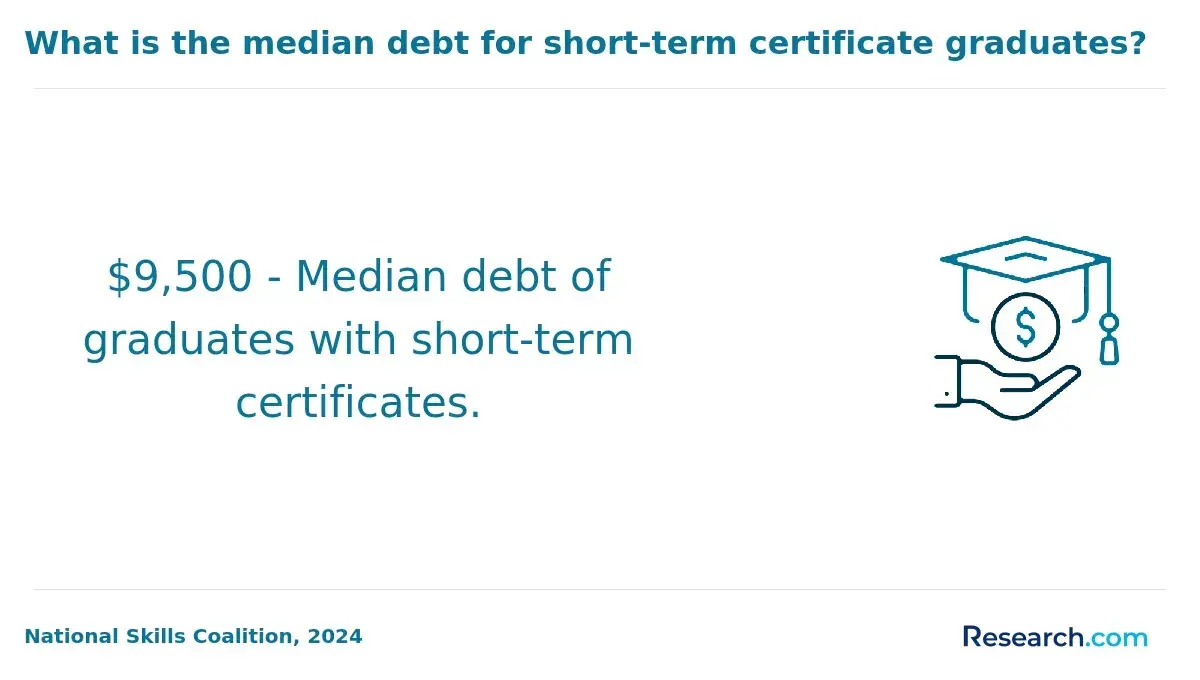
The licensing exam process can cost more than the exam fee alone. Industrial engineering graduates should budget for application charges, exam registration, study resources, possible retake costs, and any state-specific requirements.
Exact costs vary by state board and testing organization, but the following cost categories are common when estimating the cost of licensing exam for industrial engineers.
- Exam fee: This is usually the largest single cost, often ranging between $200 and $500 depending on the specific licensing body or state board administering the exam.
- Application fee: Required when submitting your candidacy, this fee generally falls between $50 and $150 and is necessary to start the licensing process.
- Retake fee: If the exam is not passed on the first try, candidates must pay a retake fee, typically equal to or slightly less than the original exam fee, which can significantly raise total expenses.
- Study materials: Review books, practice tests, online question banks, or preparatory courses can add from $100 to $600 to your costs, depending on the resources chosen and your study preferences.
- Additional training: Some candidates choose extra preparatory classes or training programs that range from several hundred to over a thousand dollars. These may be useful for candidates who have been out of school for several years or who need structured review.
How to control licensing costs
- Take the FE exam while coursework is fresh: Waiting too long can increase the need for paid review materials.
- Use official exam specifications first: Avoid buying multiple resources before you know the tested topics.
- Ask your employer about reimbursement: Some engineering employers pay for exam fees, review courses, or license renewals.
- Plan for a retake without assuming one: Set aside funds, but prepare as if you only want to pay once.
- Check state board fees early: Application, verification, and administrative costs can vary.
Licensing is an investment, not a guaranteed salary increase. It is most financially sensible when the credential connects to your target roles, employer expectations, or long-term plan for consulting, management, or regulated engineering work. Candidates comparing additional credentials can also review unrelated options such as the cheapest online doctorate in educational leadership, but those programs do not substitute for engineering licensure.
How Often Is the Industrial Engineering Licensing Exam Offered?
Industrial engineering licensing exam availability depends on the specific exam, testing format, and state board procedures. On average, most states offer the exam two to four times annually, with flexibility growing due to advances in testing technology.
Candidates should plan backward from their preferred exam date. Application approval, transcript review, experience verification, and board deadlines can take time. Missing a deadline may delay licensure even if you are academically ready.
Scheduling factors to check
- Testing windows: States and licensing boards set specific periods throughout the year when the exam is available, typically ranging from two to four sessions annually. These windows determine when candidates should complete applications and final review.
- Testing format: Many jurisdictions have shifted to computer-based testing, which can provide more scheduling flexibility than traditional paper exams. Some also provide options for remote online proctoring, increasing access without the need to travel.
- Retake intervals: Candidates who do not pass must usually wait several months before reattempting. This waiting period can affect job timelines, promotion plans, and employer reimbursement schedules.
- Regional variations: Frequency and format can differ significantly between states, influenced by local regulations and board procedures. Candidates should use the state licensing board as the final source for deadlines and testing rules.
Practical timeline advice
- Confirm the application deadline before choosing a study start date.
- Allow time for transcripts, references, and experience verification.
- Schedule intensive review for the final weeks before the exam window.
- Do not assume remote proctoring is available in every jurisdiction.
- If you are retaking the exam, use the waiting period to review score feedback and weak topics.
When I spoke with a graduate of an industrial engineering degree about her exam experience, she emphasized the importance of timing. "I initially underestimated how much I needed to plan around the exam windows. The computer-based flexibility made scheduling easier, but I still had to coordinate study time amidst work." After a narrow miss on her first attempt, the mandated waiting period was frustrating but useful. "Waiting was frustrating, but it gave me space to focus on my weak spots," she explained.
Do You Need a License to Get a Job With a Industrial Engineering Degree?
No, most industrial engineering jobs do not require a professional engineering license. Licensure is generally not required for most industrial engineering jobs, with less than 10% of positions demanding a professional engineering (PE) license. Many graduates enter roles in process improvement, manufacturing, logistics, data analysis, quality, supply chain, healthcare operations, and business systems without being licensed.
The reason is that much of industrial engineering focuses on optimizing internal systems and organizational processes rather than providing regulated engineering services directly to the public. Still, licensure can become important in specific job settings.
Jobs where a license is less commonly required
- Manufacturing process engineer
- Operations analyst
- Supply chain analyst
- Quality improvement specialist
- Lean or Six Sigma process improvement role
- Production planner
- Healthcare systems analyst
- Logistics or distribution analyst
Situations where a license may matter
- Regulatory requirements: Licenses are often required when engineering work involves legal accountability, public safety, or regulated infrastructure.
- Job role: Positions focused on internal efficiency often do not require licensure, while roles involving formal engineering approval, compliance, or public submissions may require it.
- Employer preferences: Some employers prefer or require a PE license for senior technical, supervisory, consulting, or client-facing roles.
- Specialization: Licensure can be more relevant in regulated industries such as healthcare or energy, where compliance and safety standards are central to engineering decisions.
- State-specific rules: Licensing regulations differ across states, so a role that does not require a license in one jurisdiction may be treated differently in another.
For recent graduates, the practical question is not simply “Do I need a license?” but “Will the roles I want in five to ten years require or reward licensure?” If you are unsure, taking the FE exam early can preserve the option to pursue the PE later.
Do Licensed Industrial Engineering Professionals Earn More Than Unlicensed Graduates?
Licensed industrial engineering professionals often earn more than unlicensed graduates, but the license is usually one factor among many. Salary also depends on industry, location, experience, management responsibility, technical specialization, employer size, and whether the role involves regulated engineering authority.
Salary ranges in industrial engineering vary significantly: unlicensed engineers may start between $60,000 and $75,000 annually, while licensed engineers holding a Professional Engineer (PE) license often earn above $90,000, with senior positions surpassing $120,000. These figures show why licensure can matter, especially for engineers pursuing senior, consulting, supervisory, or compliance-heavy roles.
Why licensure can improve earning potential
- Regulatory Requirements: Some projects and leadership roles require licensure to meet safety, compliance, or legal standards. When a license is required, qualified professionals may have stronger negotiating power.
- Higher-Paying Roles: Licensing can support access to managerial, consulting, supervisory, and client-facing positions with broader responsibility.
- Employer Preferences: Companies may prefer licensed engineers for critical projects because the credential verifies education, experience, examination, and professional accountability.
- Career Advancement: A PE license can signal long-term commitment and readiness for leadership, which may support promotion opportunities.
- Geographic Variation: Licensing requirements and demand for licensed engineers differ by state and region, affecting salary ranges and job availability.
When the salary return may be strongest
- You work in consulting or plan to offer engineering services independently.
- Your employer handles government contracts or regulated projects.
- You want to move into senior engineering management.
- You need authority to approve or take responsibility for engineering work.
- Your specialization intersects with public safety, compliance, or facility systems.
Licensure can also allow engineers to sign off on certain technical documents when required, which can increase professional value in roles with safety or legal implications. For graduates considering additional education to strengthen leadership or technical depth, one year masters programs online may be worth comparing, although a master's degree does not automatically replace PE exam or state board requirements.
Can I Use My Industrial Engineering License in Another State?
An industrial engineering license is issued by an individual state licensing board, so it does not automatically grant full practice rights in every other state. If you move, accept remote work tied to another jurisdiction, or consult across state lines, you may need licensure in each state where regulated engineering services are offered.
License portability is important for engineers seeking flexibility and broader career opportunities. Over 85% of U.S. engineering boards now participate in some form of interstate licensure recognition, according to a 2022 NCEES report, which helps improve workforce mobility. However, each state still enforces its own rules.
How interstate licensure usually works
- Comity or endorsement: Many engineers apply for licensure in another state by showing that they already hold a valid license and meet comparable education, exam, and experience standards.
- Verification of current license: Boards commonly require proof that the existing license is active and in good standing.
- Experience review: A state may review the applicant's work history to confirm that it satisfies local requirements.
- Supplementary requirements: Some states may require additional ethics, law, or state-specific exams before granting a license.
- Temporary permission: In some circumstances, engineers may need a temporary permit or limited authorization before practicing fully in another state.
The safest approach is to contact the receiving state board before accepting work that may constitute regulated engineering practice. Do not assume that remote work avoids licensing rules. If your engineering decisions, documents, or services are tied to a project in another state, that state's board may have authority over the work.
What Graduates Say About The Licensing Exams After Completing a Industrial Engineering Degree
- Paxton: "Taking the licensing exam after completing my Industrial Engineering degree online was challenging yet thoroughly rewarding. The exam fees and associated costs were reasonable compared to traditional programs, which made the entire process more accessible. Holding my license has opened doors in management roles and boosted my confidence immensely."
- Amira: "The journey to earn my Industrial Engineering license after an online degree was a reflective experience that made me appreciate the value of perseverance. Though the licensure cost was a noticeable investment, it was well worth it considering the career advancement and credibility it provided in the engineering community."
- Alec: "As a professional engineer, obtaining my Industrial Engineering license following an online degree was a strategic move. The cost was manageable and the outcome invaluable, enhancing my marketability and allowing me to lead complex projects with greater authority. This credential truly set me apart."
Other Things You Should Know About Industrial Engineering Degrees
In 2027, the industrial engineering licensing exams are administered by the National Council of Examiners for Engineering and Surveying (NCEES). This organization provides the Fundamentals of Engineering (FE) and Professional Engineering (PE) exams necessary for licensure in the United States.
Graduates must usually submit a completed application, proof of an accredited industrial engineering degree, official transcripts, a government-issued ID, and payment of the exam fee. Some licensing boards also require a recent photo and notarized forms before they approve the test application.
References
- How to Qualify for the PE Exam: Experience Requirements https://schoolofpe.com/blogs/news/what-experience-do-you-need-to-take-pe-exam-html
- Lifelong Learning – Introduction to Industrial Engineering https://uta.pressbooks.pub/industrialengineeringintro/chapter/lifelong-learning/
- Online Industrial Engineering Degrees: Master's & Bachelor's https://www.onlineengineeringprograms.com/industrial
- Principles and Practice of Engineering exam - Wikipedia https://en.wikipedia.org/wiki/Principles_and_Practice_of_Engineering_exam
- Industrial Engineer https://www.energy.gov/eere/water/industrial-engineer
- Industrial Engineering exams | Professional Engineers Ontario https://www.peo.on.ca/apply/become-professional-engineer/technical-exam-program/industrial-engineering-exams
- Licensure | NCEES https://ncees.org/licensure/
- FE Industrial and Systems https://www.prepfe.com/fe-exams/disciplines/industrial-and-systems
- Overview: http://link.iise.org/pe-exam-review
- FE Industrial and Systems Exam Prep https://ppi2pass.com/fe-exam/industrial