2027 Cheapest and Shortest Online Liberal Arts Degree Programs That Pay Well: Cost, Duration, and Salary Outlook

Co-Founder and Chief Data Scientist
Choosing an online liberal arts degree usually comes down to three questions: Can you afford it, can you finish it on a realistic timeline, and will it help you qualify for better work? Those questions matter even more for working adults, transfer students, parents, and career changers who cannot pause their lives for a traditional campus program.
Online liberal arts programs can be flexible and affordable, but the cheapest or fastest option is not automatically the best value. Students need to compare accreditation, transfer-credit policies, total program cost, course pace, student support, and career outcomes before enrolling. Online enrollment in liberal arts programs has grown by over 20% in recent years, which means students now have more choices—but also more programs to evaluate carefully.
This guide explains what affordable online liberal arts degrees typically cost, how financial aid works, which formats can shorten time to completion, what skills graduates build, and which career paths may offer stronger salary outcomes.
Key Benefits of the Cheapest and Shortest Online Liberal Arts Degree Programs That Pay Well
- Lower tuition fees for the cheapest online liberal arts degrees reduce student debt, with average costs often 40% below traditional programs, making education more accessible.
- Accelerated formats allow degree completion in as little as 18 months, catering to career changers who need quick, flexible education options.
- Graduates see a competitive salary increase of about 15% over non-degree holders, highlighting a strong return on investment in liberal arts fields.
How Much Does an Affordable Online Liberal Arts Degree Typically Cost?
An affordable online liberal arts degree can cost substantially less than a campus-based program, but the final price depends on tuition, transfer credits, fees, course load, and how long you remain enrolled. The lowest advertised tuition is not always the lowest total cost, so students should compare programs by total degree price rather than by one semester or one course.
According to the National Center for Education Statistics (NCES), the average annual tuition and fees for online undergraduate programs hover around $9,500. That figure gives students a useful benchmark, but individual programs can vary widely.
- Tuition ranges: Full bachelor's degrees typically cost between $15,000 and $40,000, depending on the institution and credit requirements. Public online programs are often less expensive, while private institutions may charge more but sometimes offer institutional aid.
- Cost per credit: Tuition per credit often falls between $300 and $1,000. Public universities tend to charge on the lower end, usually $300 to $500, while private universities can exceed $1,000 per credit.
- Online versus on-campus costs: Online liberal arts programs usually reduce costs tied to housing, commuting, and campus-based services. However, online students may still pay technology, online learning, library, or student service fees.
- Additional expenses: Budget for textbooks, digital course materials, software, proctoring, graduation fees, and reliable internet access. These smaller costs can affect affordability if you are comparing programs closely.
- Completion time: Most programs take between two and four years, with accelerated options enabling completion in as little as two years. A shorter timeline can reduce living and opportunity costs, but only if the pace is manageable.
Students comparing practical, career-focused online options may also review specialized pathways such as online BCBA programs, especially if they want a more targeted credential path.
The best value is usually a program that combines low net cost, recognized accreditation, generous transfer-credit policies, and enough academic support to help students finish—not just enroll.
Can You Get Financial Aid in the Cheapest Online Liberal Arts Programs?
Yes. Students in the cheapest online liberal arts programs can often use financial aid, provided the school and program meet eligibility requirements. Over 70% of undergraduates studying online receive some form of financial assistance, so aid should be part of every cost comparison.
Before applying, confirm that the institution is accredited, participates in federal student aid programs, and clearly explains tuition, fees, refund policies, and satisfactory academic progress requirements.
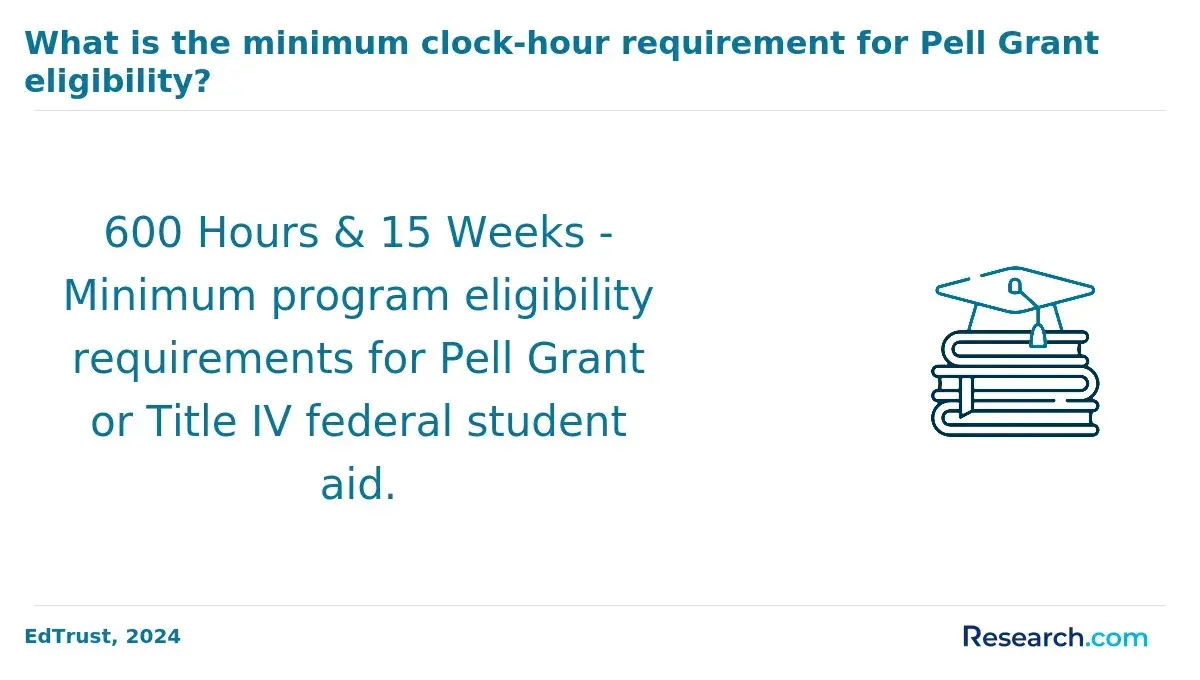
- Federal Grants: Grants such as the Pell Grant do not require repayment and can reduce the amount students need to borrow. Eligibility depends on financial need, enrollment status, program eligibility, and continued academic progress.
- Scholarships: Scholarships may be based on need, academic achievement, community service, military status, employer affiliation, transfer status, or intended career field. Apply early because some awards have limited funding.
- Federal Student Loans: Federal student loans can help cover tuition and related educational expenses, but students should borrow conservatively. Review interest rates, repayment plans, and total projected debt before accepting the full amount offered.
- Employer Tuition Assistance: Working adults should ask whether their employer offers tuition reimbursement or direct tuition assistance. Some employers require students to earn a minimum grade or remain employed for a set period after using the benefit.
- Accelerated Learning Options: Shorter programs can lower total cost if they help students graduate sooner. For example, students considering other accelerated fields may compare models such as accelerated psychology programs online.
The most affordable program is usually the one with the lowest net price after grants, scholarships, employer benefits, and transfer credits—not simply the one with the lowest listed tuition.
What Are the Shortest Online Liberal Arts Degree Programs?
The shortest online liberal arts degree programs are usually accelerated bachelor's completion programs designed for students who already have college credits. Nearly 30% of online bachelor's degree students choose fast-track options, reflecting demand for programs that fit work, family, and career-change timelines.
These programs can move quickly, but speed depends heavily on transfer credits, course load, term structure, and whether the school allows year-round enrollment.
- Program length and format: Accelerated pathways typically span 18 to 24 months. They often use shorter terms, multiple start dates, and continuous enrollment so students can complete requirements faster than in a traditional semester calendar.
- Modular and cohort-based pacing: Some programs organize students into cohorts or modules. This structure can help students stay on track, but it may offer less flexibility if a student needs to pause or reduce course load.
- Competency-based learning: Competency-based options may allow students to move through familiar material more quickly by demonstrating mastery through assessments. This can benefit experienced adults, but it requires strong self-direction.
- Credit and curriculum: Common accelerated liberal arts degrees include general studies, humanities, and interdisciplinary arts. These programs usually require around 120 credit hours for graduation.
- Affordability and outcomes: Cost-effective online tuition ranges from $200 to $400 per credit. Graduates often see median salaries near $55,000, with possibilities to earn above $80,000 in fields like communications, public relations, and education. Students planning for graduate study may also compare options such as affordable online master's degrees in psychology.
The fastest program is not always the best fit. Students should choose an accelerated liberal arts degree only if they can keep up with frequent deadlines, heavy reading and writing, and limited breaks between terms.
What Is the Typical Format of the Shortest Online Liberal Arts Degree Programs?
The shortest online liberal arts degree programs typically use compressed academic terms, asynchronous coursework, and structured weekly deadlines. Over 60% of liberal arts online courses adopt modular pacing, which helps students focus on fewer subjects at a time while progressing more quickly.
- Term Length: Courses often run in 5 to 8 weeks instead of a traditional semester. This format can help students build momentum, but it also means falling behind for even one week can be difficult to recover from.
- Course Delivery: Most classes are fully online. Students usually complete readings, lectures, quizzes, essays, and discussion posts asynchronously, with some courses adding scheduled live sessions or group meetings.
- Weekly Workload: Students usually commit 12 to 15 hours per week. The workload may increase during research papers, capstone projects, group assignments, or final assessments.
- Student Interaction: Interaction usually happens through discussion boards, video meetings, peer review, instructor feedback, and collaborative projects. Strong online participation matters because liberal arts programs often emphasize discussion, argument, interpretation, and writing.
A graduate of an accelerated online liberal arts degree described the experience as demanding but manageable with a strict schedule. She balanced family responsibilities and a part-time job while adjusting to the rapid course tempo. The condensed terms required careful planning, but focusing on fewer courses at a time helped her stay motivated.
Completing her degree in less than three years allowed her to pursue career opportunities sooner. Her main advice was to treat each course like a fixed weekly commitment rather than something to complete only when extra time appears.
How Do Online Classes Work for Accelerated Liberal Arts Degrees?
Online classes in accelerated liberal arts degrees compress the same core expectations—reading, writing, discussion, research, and analysis—into shorter academic terms, typically lasting 5 to 8 weeks. Around 35% of undergraduates exclusively taking online classes as of 2019 shows how common fully online study had become for degree-seeking students.
- Flexible learning formats: Most programs combine asynchronous materials with occasional synchronous activities. Students may watch lectures, read assigned texts, post discussions, and submit papers on their own schedule, while live sessions provide real-time interaction with faculty and classmates.
- Intensive weekly workload: Students generally dedicate 15 to 20 hours weekly, which is about twice the time of a traditional course pace. This can work well for disciplined students but may be difficult for those with unpredictable work schedules.
- Frequent assignments: Accelerated classes rely on steady deadlines. Instead of a few major assignments spread across a long semester, students may complete weekly discussions, short papers, quizzes, presentations, or project milestones.
- Collaborative interaction: Group work, discussion boards, peer responses, and video calls help replace the informal interaction of a classroom. These activities are not just participation requirements; they help students practice argumentation, feedback, and professional communication.
To succeed, students should review the syllabus before the term begins, block recurring study time, start writing assignments early, and contact instructors quickly when a deadline or concept becomes a problem.
What Skills Do Students Gain from a Shortest-Track Online Liberal Arts Degree?
A shortest-track online liberal arts degree is valuable when it helps students build transferable skills that employers can recognize across industries. These programs are especially useful for roles that require writing, analysis, communication, cultural awareness, research, and judgment.
- Critical thinking: Students learn to evaluate arguments, compare evidence, identify assumptions, and make reasoned conclusions. These skills are useful in management, communications, public service, education, and nonprofit work.
- Communication: Liberal arts programs emphasize clear writing, persuasive speaking, discussion, and audience awareness. Graduates often use these skills in reports, presentations, proposals, training materials, and client communication.
- Technical proficiency: Many online programs require students to use learning platforms, research databases, presentation tools, collaboration software, and basic data resources. This strengthens digital literacy for remote and hybrid workplaces.
- Problem-solving and adaptability: Interdisciplinary coursework teaches students to approach complex issues from more than one perspective. That flexibility can help graduates work across departments and adapt as job duties change.
- Time management and self-discipline: The fast-paced online format forces students to plan ahead, meet recurring deadlines, and work independently. These habits transfer well to professional roles with limited supervision.
One graduate from the fastest online liberal arts degree program said the hardest part was balancing coursework with a full-time job. “The accelerated timeline meant I had to stay focused every day, often working evenings to meet deadlines,” he explained.
He also said the pace improved his ability to prioritize, communicate clearly, and finish work under pressure—skills he now uses regularly in his career.
Are Cheap and Fast Online Liberal Arts Degree Programs Considered Legitimate?
Cheap and fast online liberal arts degree programs can be legitimate, but only when they meet recognized academic standards. A low price or accelerated timeline is not a warning sign by itself. The real concern is whether the school is accredited, transparent, academically rigorous, and accepted by employers or graduate programs.
Use the following checks before enrolling:
- Accreditation: Choose a regionally or nationally accredited institution. Accreditation affects credit transfer, graduate school eligibility, employer recognition, and access to many forms of financial aid.
- Faculty Credentials: Review faculty biographies when available. Instructors should have appropriate academic backgrounds, teaching experience, or relevant professional expertise.
- Curriculum Quality: A legitimate program should include substantive coursework in writing, research, humanities, social sciences, communication, ethics, and interdisciplinary analysis. Avoid programs that promise a degree with minimal coursework or unclear requirements.
- Licensing Eligibility: Liberal arts degrees usually do not lead directly to licensure, but students pursuing teaching, counseling, or other regulated fields should verify whether additional education, exams, fieldwork, or state approval is required.
- Industry Recognition: Look for transparent career services, alumni outcomes, employer partnerships, internship options, and clear transfer policies. These signals help show whether the degree has practical value beyond the transcript.
Students should be cautious with schools that guarantee unusually fast completion regardless of prior credits, pressure applicants to enroll immediately, hide fees, or make vague salary promises.
What Are the Highest-Paying Roles for Online Liberal Arts Degree Graduates?
Online liberal arts degree graduates can qualify for many roles, but higher-paying positions usually require a combination of degree completion, relevant experience, strong writing or analytical ability, and industry-specific knowledge. The degree can provide a broad foundation; students often improve salary potential by adding internships, certificates, portfolios, or graduate education.
- Management Consultant: Management consultants analyze organizational problems and recommend ways to improve performance, operations, or strategy. With a median annual wage around $98,000 and experienced consultants earning over $150,000, this path can suit graduates who combine analytical thinking with business experience.
- Technical Writer: Technical writers create manuals, guides, product documentation, training materials, and process instructions. The role has a median salary near $78,000 and often fits liberal arts graduates with strong writing, research, and editing skills.
- Marketing Manager: Marketing managers plan campaigns, manage messaging, study audiences, and coordinate promotional strategies. Median salaries are close to $135,000, but these roles typically require experience in marketing, analytics, brand strategy, or communications.
- Human Resources Specialist: HR specialists support recruiting, onboarding, employee relations, benefits, and workplace policies. Median earnings are about $65,000, and those advancing to management can earn over $120,000.
These top careers with a liberal arts degree online typically require more than the degree alone. Students should use coursework to build evidence of skill, such as writing samples, research projects, presentations, case studies, or internships.
Many students complete affordable online liberal arts degrees often costing between $250 and $450 per credit, generally achievable within 2 to 3 years. For those seeking accelerated advancement, online master's programs may expand career options, depending on the field.
What Is the Job Placement Rate for Online Liberal Arts Graduates?
Job placement rates for online liberal arts graduates typically range from 70% to 80% within a year after graduation. These outcomes can be competitive with traditional programs, especially when students choose accredited schools and gain relevant experience before graduating.
Placement rates vary by institution, student background, local labor market, career services, and how the school defines “placement.” Before relying on a published rate, ask whether it includes full-time employment, part-time employment, continuing education, military service, or jobs unrelated to the degree.
- Program Reputation and Accreditation: Employers are more likely to trust degrees from accredited institutions with clear academic standards. Accreditation also matters for students who later want to transfer credits or apply to graduate school.
- Internships and Practica: Online liberal arts programs with internships, practica, capstones, or project-based learning give students concrete experience to discuss in interviews. These opportunities can be especially important for career changers.
- Alumni Networks: Active alumni networks can provide mentorship, referrals, informational interviews, and job leads. For online students, a strong network can help offset the lack of campus-based relationship building.
- Industry Demand: Communications, education, nonprofit management, government, business support, and public-facing roles often value liberal arts skills. Salary ranges for these roles typically start between $40,000 and $50,000, with potential to exceed $70,000 as experience and skills advance.
- Cost and Resources: Students focused on return on investment should prioritize programs with career counseling, resume support, interview preparation, internship guidance, and transparent outcomes. Some learners may also consider easiest associates degree options as a lower-cost step toward entry-level work or later bachelor's completion.
How Do You Choose the Best Cheap Online Liberal Arts Degree Program?
The best cheap online liberal arts degree program is not simply the lowest-cost option. It is the program that offers recognized accreditation, manageable pacing, useful transfer policies, strong support, and realistic career value at a price you can afford.
Use these criteria before applying:
- Accreditation: Verify that the institution holds regional or national accreditation from a recognized agency. This protects the degree's credibility and can affect financial aid, transfer credit, and graduate school options.
- Curriculum Quality: Look for coursework that strengthens critical thinking, writing, research, communication, ethics, and interdisciplinary analysis. Career-relevant electives in communication, public administration, business, education, or digital media can improve practical value.
- Program Length: Some accelerated options enable finishing in about two years. A shorter timeline can be helpful, but only if you can sustain the workload. Ask whether the timeline assumes full-time enrollment, transfer credits, or year-round study.
- Student Support Services: Online students should have access to academic advising, tutoring, library resources, technical support, writing help, and career counseling. Weak support can turn a cheap program into an expensive delay.
- Career Outcomes: Review reported employment rates, alumni roles, and salary information when available. Graduates typically earn between $40,000 and $65,000 annually, with opportunities for growth depending on experience and industry.
Before enrolling, compare total net cost, not just tuition. Include fees, books, transfer-credit limits, financial aid, employer reimbursement, and the opportunity cost of time spent in school.
What Graduates Say About Their Cheapest and Shortest Online Liberal Arts Degree
- Ramon: "I chose an affordable and fast online liberal arts degree because the average cost was much lower than the traditional colleges I had considered—$10,000 overall. The program let me study interdisciplinary topics while staying within my budget, and it helped me move into the nonprofit sector sooner. The writing, research, and communication skills I gained still shape how I work every day."
- Maxine: "My short online liberal arts degree was a practical choice because of the cost efficiency—$8,500 on average—and the ability to complete coursework rapidly. I needed a program that would fit around family responsibilities while helping me strengthen my qualifications. The flexibility made it possible, and the credential helped open doors to leadership roles in cultural organizations."
- Felicity: "I enrolled in an affordable, accelerated online liberal arts program because the average cost was well below traditional programs at about $9,000. The curriculum improved my critical thinking and communication skills, which became especially useful in corporate communications. The degree gave me more confidence and helped me approach workplace challenges with better judgment."
Other Things You Should Know About Liberal Arts Degrees
The minimum credit hour requirement for the shortest online liberal arts degree programs in 2027 is typically around 120 credit hours. Some accelerated programs may offer pathways to complete the degree faster by accepting transfer credits or offering condensed coursework.
Yes, students typically need a reliable computer with internet access, and possibly software like Microsoft Office or specific platforms for course management. Requirements vary by program, but these are common for online liberal arts degrees in 2027.
References
- Benefits of Earning Your Liberal Arts Degree Online » Newlane University https://newlane.edu/benefits-of-earning-your-liberal-arts-degree-online/
- Online Liberal Arts Bachelor’s Degrees | University of Phoenix https://www.phoenix.edu/online-liberal-arts-degrees/bachelors.html
- Online Bachelor of Arts in Liberal Studies Career Outlook https://scs.georgetown.edu/programs/4/online/online-bachelor-of-arts-in-liberal-studies/career-outlook
- 10 High-Paying Tech Jobs for Liberal Arts Grads - Roostervane https://roostervane.com/high-paying-tech-jobs/
- Liberal Arts (BA) | Online - Cairn University https://cairn.edu/liberal-arts-online/
- The 107 Most Affordable Online Bachelor's Degree in Liberal Arts https://www.geteducated.com/online-college-ratings-and-rankings/online-bachelors-degree-in-liberal-arts/
- Liberal Arts Degree | Accelerated Online Courses | UAGC https://www.uagc.edu/online-degrees/liberal-arts
- Associate Degree in Liberal Arts Online | SNHU https://www.snhu.edu/online-degrees/associate/aa-in-liberal-arts