
2027 How to Become a Licensed Counselor (LPC) in New Hampshire

Co-Founder and Chief Data Scientist
New Hampshire needs more qualified mental health professionals, and the path to licensure is specific. Approximately 211,000 adults in New Hampshire, or about 19% of the population, experience a mental health condition each year (National Alliance on Mental Illness, 2025). For people considering a career as a licensed mental health counselor, that demand creates opportunity—but only if they choose the right graduate program, complete the required supervised experience, pass the licensing exam, and keep their credentials current.
This guide explains how to become a licensed counselor in New Hampshire, what education and supervised hours are required, how the application and renewal process works, and how to compare counseling programs. It is designed for prospective graduate students, career changers, psychology majors, and out-of-state counselors who want a practical roadmap rather than a general overview.
You will also find decision-focused guidance on specializations, affordability, reciprocity, continuing education, common mistakes, and the skills needed to build a sustainable counseling career in New Hampshire.
How to Become a Licensed Counselor (LPC) in New Hampshire Table of Contents
- Counseling Career Outlook in New Hampshire
- Education and Supervised Experience Requirements
- Licensure Application, Renewal, and Reciprocity
- Counseling Specializations to Consider
- Continuing Education Options for New Hampshire Counselors
- Substance Abuse Counseling in New Hampshire
- How to Lower the Cost of Counseling Education
- Counseling vs. Psychology Licensure in New Hampshire
- How to Judge Counseling Program Quality
- Career Growth Options for Licensed Counselors
- List of Top Counselor Programs in New Hampshire for 2027
- Moving Into School Counseling
- Skills That Matter Most in Counseling Practice
- Behavior Analysis Certification for Counselors
- Challenges in New Hampshire Mental Health Counseling
- Helpful Resources for Aspiring Counselors
- Using Social Work Practices in Counseling
- Trends Affecting Counseling Careers
- Exam Preparation for Licensure
Quick Answer: How do you become a licensed counselor in New Hampshire?
To become a licensed professional counselor in New Hampshire, you generally need a master’s or doctoral degree in counseling or a closely related field from a regionally accredited institution, 3,000 postgraduate supervised clinical hours, 100 hours of face-to-face supervision, a passing score on the National Clinical Mental Health Counseling Examination (NCMHCE), a background check, and approval from the New Hampshire Board of Mental Health Practice.
| Step | What You Need to Do | Why It Matters |
| 1. Earn the right graduate degree | Complete a master’s or doctoral degree in counseling or a related field from a regionally accredited school. | Your degree must satisfy New Hampshire’s academic requirements before you can move toward independent licensure. |
| 2. Complete supervised practice | Accumulate 3,000 postgraduate supervised hours, including 100 hours of face-to-face supervision. | Supervision proves that you can apply counseling knowledge safely and ethically with real clients. |
| 3. Pass the exam | Apply for and pass the NCMHCE administered by the National Board for Certified Counselors. | The exam evaluates clinical judgment and readiness for professional counseling practice. |
| 4. Submit your application | Provide transcripts, supervision documentation, exam scores, personal information, and required forms to the licensing authority. | The board uses these records to verify that you meet statutory and professional standards. |
| 5. Complete background review | Undergo the criminal background check required in the state process. | This protects clients and confirms eligibility for professional practice. |
| 6. Maintain your license | Complete at least 40 continuing education units every renewal period, including ethics and suicide prevention hours. | Licensure is not a one-time milestone; counselors must keep skills and ethical knowledge current. |
Counseling Career Outlook in New Hampshire
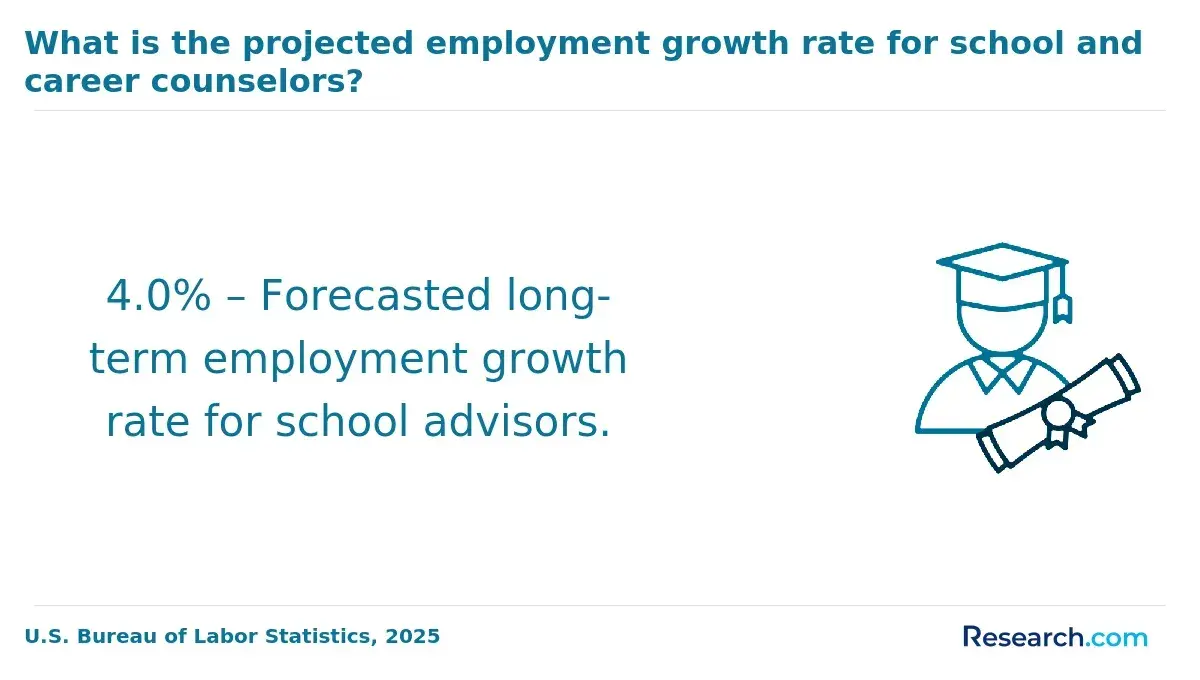
New Hampshire’s counseling field is shaped by two realities: residents need better access to care, and employers need clinicians who can serve clients across mental health, addiction, crisis, family, and community settings. According to the U.S. Bureau of Labor Statistics (BLS), employment of substance abuse, behavioral disorder, and mental health counselors is projected to grow by 19% through 2033.
Awareness of mental health needs continues to affect demand for counseling services. New Hampshire had 2,420 LPCs employed, which translates to approximately four licensed counselors per one thousand population. For prospective students, this does not guarantee a job, but it does show why state-specific licensure preparation matters.
Counseling salaries in New Hampshire depend on specialization, clinical setting, level of experience, employer type, and whether the counselor works in community mental health, private practice, schools, hospitals, corrections, or addiction treatment. The median annual wage for licensed counselors in New Hampshire was $50,860, compared with the $49,710 national median.
Because New Hampshire’s cost of living is generally higher than the national average, salary should be evaluated alongside debt, expected caseload, benefits, commute, telehealth options, and opportunities for supervision or advancement. A higher wage may not produce strong return on investment if the graduate program is expensive or if the role offers limited growth.
Several institutions in the state offer counseling-related graduate programs, including Master of Arts (MA) pathways in counseling, clinical mental health counseling, and marriage and family therapy. Students who are still comparing undergraduate routes may also review affordable online psychology degrees, but licensure as a New Hampshire counselor requires graduate-level preparation.
Education and Supervised Experience Requirements for Licensed Counselors in New Hampshire
The core educational requirement for New Hampshire counselor licensure is a master’s or doctoral degree in counseling or a related field from a regionally accredited institution. A student may begin with an online bachelor’s degree in psychology, human services, social science, or another relevant undergraduate major, but the bachelor’s degree alone is not enough for independent professional counseling licensure.
Before enrolling, confirm that the graduate curriculum matches the New Hampshire Board of Mental Health Practice requirements. Do not rely only on a program title. A degree called “counseling,” “psychology,” or “human services” may or may not include the coursework, practicum, internship, and clinical training needed for licensure.
After earning the graduate degree, candidates must complete 3,000 postgraduate supervised hours under an approved licensed mental health professional. Of those hours, 100 hours must be face-to-face supervision. This supervised period is where candidates strengthen assessment, treatment planning, diagnosis, documentation, ethics, risk management, and client communication skills.
Once the supervised experience requirement is complete, the next major step is the National Clinical Mental Health Counseling Examination (NCMHCE), administered by the National Board for Certified Counselors (NBCC). Passing the exam is required before moving forward with full licensure.
Among practicing counselors in New Hampshire in 2025, 84.2% were licensed alcohol and drug counselors (NH Department of Health and Human Services, 2025). This shows the importance of addiction-related training in the state’s broader behavioral health system, even for counselors who do not plan to specialize exclusively in substance use treatment.
Applicants must submit transcripts, proof of supervised clinical experience, examination results, and other required documentation to the New Hampshire Board of Mental Health Practice. A criminal background check is also part of the process and should be planned for early so that avoidable paperwork delays do not slow down the application.
| Requirement | New Hampshire Expectation | Applicant Tip |
| Graduate education | Master’s or doctoral degree in counseling or a related field from a regionally accredited institution | Ask the school to explain in writing how its curriculum aligns with New Hampshire licensure rules. |
| Supervised clinical experience | 3,000 postgraduate supervised hours | Track hours consistently and keep copies of supervisor approvals and signed logs. |
| Direct supervision | 100 hours of face-to-face supervision | Clarify whether individual and group supervision formats are accepted before counting them. |
| Licensure exam | NCMHCE | Begin exam preparation before your supervised hours are fully complete, not after. |
| Background check | Required during application review | Follow the licensing office’s instructions exactly to avoid processing delays. |
New Hampshire Licensure Application, Renewal, and Reciprocity Process
In 2025, the New Hampshire community health system allocated approximately $52 million toward workforce stabilization and recruitment initiatives (New Hampshire Department of Health and Human Services, 2025). This investment reflects the state’s continuing need for qualified behavioral health professionals and aligns with reports of high demand for licensed counselors in New Hampshire.
NH Department of Health and Human Services. (2025). New Hampshire healthcare workforce health professions data report. https://www.dhhs.nh.gov/reports-and-data/labor-and-workforce-statistics
After completing the graduate degree, supervised experience, and NCMHCE requirement, candidates may apply for licensure. Applications may be submitted online or by mail. Expect to provide personal details, academic history, supervised experience records, and examination scores. A nonrefundable application fee is also part of the process.
Applicants should be prepared to submit official transcripts, professional documentation, letters of recommendation when required, and materials connected to the criminal background check. The New Hampshire Office of Professional Licensure and Certification (OPLC) reviews the application and supporting evidence. After approval, applicants may be required to attend a board meeting for an interview and swearing-in.
How to Renew Your Counselor License in New Hampshire
New Hampshire counselor licenses must be renewed regularly, and renewal requires continuing education. LPCs must complete at least 40 continuing education (CE) units during each renewal period. Within those hours, at least six hours must address professional ethics and three hours must cover suicide prevention.
Renewal may be completed online or by mail through the OPLC process. Counselors should retain documentation of all CE activities and submit proof when required. After the renewal form, CE documentation, and renewal fee are accepted, the license is renewed for another two years.
Is there license reciprocity for LPCs in New Hampshire?
New Hampshire’s behavioral health workforce need is also visible in vacancy data. From 212 total vacancies in New Hampshire community mental health centers, a total of 245 vacancies were reported through 2025 (Community Behavioral Health Association, 2025). Reciprocity and interstate practice options can help address workforce gaps while giving qualified counselors more mobility.
License reciprocity may allow an LPC with an active license in another state to practice in New Hampshire if the other state’s requirements are substantially equivalent. The licensing board reviews education, supervised experience, exam history, disciplinary standing, and other eligibility factors.
New Hampshire is also a member of the Counseling Compact. The Counseling Compact is designed to let licensed professional counselors practice in other compact member states without obtaining a completely separate license in every state.
To practice in New Hampshire through the compact, a counselor must hold an LPC license in a compact member state, remain in good standing with the home licensing board, follow applicable ethical requirements, and complete the required criminal background check in New Hampshire. Eligible counselors can then request a privilege to practice through the Counseling Compact portal.
Counseling Specializations to Consider in New Hampshire
Specialization can make a counseling career more focused and, in some cases, more marketable. The right concentration depends on the population you want to serve, the settings where you want to work, and whether you are willing to complete extra training or credentials.
| Specialization | Best Fit For | Important Consideration |
| Clinical mental health counseling | Students who want broad preparation for outpatient, community, crisis, and private practice settings | Choose a program that clearly supports New Hampshire clinical counseling licensure. |
| Marriage and family therapy | Future clinicians interested in couples, families, parenting concerns, and relational systems | Licensure may follow a distinct MFT path; review how to become a marriage and family therapist in New Hampshire. |
| Addiction counseling | Counselors drawn to substance use recovery, relapse prevention, and co-occurring disorders | Ask whether the program also supports alcohol and drug counseling credentials. |
| Trauma and crisis counseling | Professionals who want to support clients after violence, loss, disaster, or acute distress | Look for supervised training in risk assessment, safety planning, and evidence-based trauma care. |
| Child and adolescent counseling | Counselors who want to work with youth, families, schools, and developmental concerns | Training should include family collaboration, mandated reporting, developmental assessment, and age-appropriate interventions. |
Marriage and family therapy is a strong option for students who want to understand mental health within relationships and family systems. Training often emphasizes communication patterns, parenting dynamics, conflict, and the effects of addiction or trauma on households.
Addiction counseling is especially relevant in New Hampshire’s behavioral health landscape. Counselors in this area often work with clients who have substance use disorders and co-occurring mental health conditions, using evidence-based treatment plans and community recovery supports.
Trauma and crisis counseling requires careful preparation because clients may present with acute distress, post-traumatic symptoms, grief, safety risks, or complex histories. Some clinicians pursue additional training in approaches such as EMDR, while others focus on crisis stabilization, grief, or community response.
Child and adolescent counseling is a good match for professionals who want to work with anxiety, depression, school stress, behavior concerns, family transitions, and developmental challenges. This specialty usually requires collaboration with caregivers, educators, physicians, and other support systems.
Continuing Education Options for Licensed Counselors in New Hampshire
Continuing education is required for license renewal, but it should also be treated as a career strategy. Well-chosen CE can help counselors build specialty skills, reduce ethical risk, adapt to telehealth, and serve high-need populations more effectively.
- Workshops and seminars: Professional associations, universities, and behavioral health agencies often provide training on ethics, suicide prevention, trauma-informed care, cultural responsiveness, documentation, and clinical supervision.
- Online CE courses: Online learning can be useful for counselors balancing client hours, family responsibilities, and rural travel barriers. Before enrolling, confirm that the CE provider and topic meet renewal requirements.
- Professional conferences: State, regional, and national conferences can combine CE credit with networking, exposure to research, and updates on practice standards.
- Specialized clinical training: Counselors may pursue focused education in addiction treatment, trauma therapy, grief counseling, mindfulness-based approaches, or work with specific populations.
The best CE plan is intentional. Instead of collecting credits at the last minute, map your CE choices to your caseload, supervision goals, career direction, and ethical responsibilities.
What distinguishes substance abuse counseling in New Hampshire’s mental health landscape?
Substance abuse counseling focuses on addiction, recovery, relapse prevention, family impact, and co-occurring mental health disorders. In New Hampshire, this pathway can be especially meaningful because addiction treatment is closely connected to community mental health, crisis response, and long-term recovery support.
Compared with general counseling practice, addiction counseling often requires deeper knowledge of screening tools, stages of change, group treatment, medication-assisted treatment coordination, recovery planning, and community resources. Students interested in this route should review state-specific guidance on how to become a substance abuse counselor in New Hampshire before choosing a program.
How can you secure affordable counseling education and manage tuition costs?
Counseling licensure requires graduate education, so cost planning should begin before enrollment. Tuition is only one part of the total expense. Students should also compare fees, books, commuting, internship travel, technology costs, exam fees, application fees, and the possibility of reduced work hours during practicum or internship.
To manage cost, compare public and private institutions, ask about scholarships and assistantships, check employer tuition support, review transfer credit policies, and avoid programs that require expensive extensions because of limited practicum placements. Students considering school counseling may find useful comparisons among the most affordable online school counseling degrees.
| Cost Factor | Question to Ask | Why It Matters |
| Tuition and fees | What is the full program cost, not just the per-credit price? | Fees can materially change affordability. |
| Clinical placement support | Does the school help students secure practicum and internship sites? | Poor placement support can delay graduation and licensure progress. |
| Program format | Can I complete classes while working? | A flexible schedule may reduce lost income. |
| Transfer credits | Will prior graduate credits apply? | Accepted credits can shorten the path and reduce cost. |
| Licensure alignment | Does the program meet New Hampshire requirements? | A cheaper program is not a bargain if it does not qualify you for licensure. |
How do psychology and counseling licensure requirements differ in New Hampshire?
Counseling and psychology are related fields, but the licensure paths are not the same. Counseling licensure in New Hampshire is typically built around a master’s or doctoral degree, supervised clinical counseling experience, and a counseling-focused licensing examination. Psychology licensure generally involves doctoral-level education, more extensive assessment training, research preparation, and different supervised practice expectations.
If your goal is psychotherapy practice with a master’s-level pathway, counseling may be the more direct option. If your goal includes psychological testing, doctoral research, or psychologist licensure, review the requirements for how to become a psychologist in New Hampshire before committing to a graduate program.
How can I evaluate the quality of counseling education programs in New Hampshire?
A counseling program should be judged by more than reputation or convenience. The strongest choice is the program that matches your licensure goal, supports clinical placement, offers appropriate supervision, and provides transparent student outcome information.
- Check accreditation and institutional approval. Confirm regional accreditation and ask whether the counseling program holds specialized accreditation such as CACREP when relevant.
- Match the curriculum to New Hampshire rules. Request a course-by-course explanation of how the degree satisfies state educational requirements.
- Ask about practicum and internship sites. Strong programs have established relationships with clinics, schools, agencies, hospitals, or community organizations.
- Review exam and employment outcomes. Ask for licensure exam pass rates, graduation rates, and recent graduate employment data when available.
- Consider faculty expertise. Faculty who practice, supervise, publish, or lead in specialty areas can strengthen your training.
Students comparing broader clinical mental health options can also review the best clinical mental health counseling programs while remembering that rankings should support—not replace—licensure research.
What avenues exist for career advancement for counselors in New Hampshire?
After licensure, counselors can grow by specializing, moving into supervision, leading programs, teaching, consulting, or building a private practice. Advancement often depends on documented competence, ethical practice, professional relationships, and the ability to serve complex client needs.
Common growth routes include clinical supervision, addiction treatment leadership, trauma specialization, school or college counseling roles, program administration, crisis services, and interdisciplinary behavioral health work. Counselors who want additional academic grounding may also explore good colleges for psychology in New Hampshire for related education, research exposure, or advanced training opportunities.
List of Top Counselor Programs in New Hampshire for 2027
The following programs are examples of New Hampshire counseling-related graduate options. Before applying, confirm current accreditation, curriculum requirements, practicum expectations, tuition, admissions criteria, and whether the program meets your intended New Hampshire license pathway.
MS in Clinical Mental Health Counseling Plymouth State University
The MS in Clinical Mental Health Counseling at Plymouth State University is designed to prepare students for work as licensed clinical mental health counselors. Students may pursue concentrations such as addiction treatment, marriage and family therapy, eating disorders, play therapy, and wellness leadership. The program is structured to address the educational prerequisites identified by the New Hampshire Board of Mental Health Practice for clinical mental health counseling licensure.
MA in Clinical Mental Health Counseling Antioch University New England
The MA in Clinical Mental Health Counseling at Antioch University New England emphasizes professional identity, reflective practice, and counselor development. The CACREP-accredited program includes preparation across eight core areas: professional counseling orientation and ethical practice, social and cultural diversity, human growth and development, career development, counseling and helping relationships, group counseling and group work, assessment and testing, and research and program evaluation.
MA in Clinical Mental Health Addiction Counseling Antioch University New England
The addictions counseling concentration within Antioch University New England’s MA in Clinical Mental Health begins with the same foundational coursework as the clinical mental health counseling track during the first two semesters of the 60-credit program. Students then complete additional addiction counseling coursework over the following three semesters and participate in an addiction-focused internship. Graduates meet the academic requirements for clinical mental health counselor licensure and the academic criteria for certification and licensure as alcohol and drug counselors.
MA in Clinical Mental Health Counseling Rivier University
The MA in Clinical Mental Health Counseling at Rivier University covers contemporary counseling theories, clinical practice, group counseling, psychopathology, ethics, and related professional topics. The program follows standards set by the New Hampshire Board of Mental Health Practice and is intended to help students meet eligibility expectations for state licensure as a licensed clinical mental health counselor (LCMHC). Its curriculum also supports preparation for New Hampshire counseling exam requirements.
MS in Marriage and Family Therapy University of New Hampshire
The MS in Marriage and Family Therapy at the University of New Hampshire is grounded in human development and family studies with a marriage and family therapy focus. Students study major therapeutic models and develop skills for assessing and treating individuals, couples, and families across diverse backgrounds. The program emphasizes systems-based care and includes supervised clinical practice at the University of New Hampshire’s Marriage and Family Therapy Center, along with externship opportunities.
Should counselors in New Hampshire pursue behavior analysis certification?
Behavior analysis certification can be useful for counselors who want stronger tools for assessing behavior, designing intervention plans, and collaborating with schools, developmental disability services, healthcare teams, or autism-related programs. It is not necessary for every counselor, and it should be pursued only when it supports your client population and career plan.
Counselors considering this additional credential can review how to become a behavior analyst in New Hampshire to understand the education, supervision, and certification steps involved.
Challenges in New Hampshire's Mental Health Counseling Landscape
Counseling in New Hampshire can be rewarding, but the work is demanding. Future LPCs should understand the pressures they may face before entering the field.
Rural Access Barriers
Clients in rural areas may have fewer provider options, longer travel times, and limited specialty services. Counselors serving these communities may need to rely on telehealth, flexible scheduling, referral networks, and strong knowledge of local resources.
Workforce Shortages and High Caseloads
Demand for services can create heavy caseloads, especially in community mental health and addiction treatment settings. New counselors should ask employers about supervision, documentation expectations, productivity requirements, and burnout prevention.
Continuing Education Demands
The requirement of at least 40 continuing education units every two years, including ethics and suicide prevention hours, is manageable when planned early. It becomes stressful when counselors postpone CE until renewal deadlines are near.
Telehealth Practice Requirements
Telehealth can expand access, but it also requires attention to confidentiality, emergency planning, technology reliability, informed consent, and appropriate clinical boundaries. Counselors should seek training before assuming that in-person methods transfer directly to virtual care.
Client Financial Barriers
Some clients struggle to afford consistent counseling. This affects continuity of care and can create ethical tensions for providers who want to maintain access while operating a sustainable practice.
Counselors can prepare for difficult client needs by developing focused competence. For example, professionals interested in bereavement work may explore how long it takes to become a grief counselor and what additional training may be helpful.
How can I transition into a school counseling career in New Hampshire?
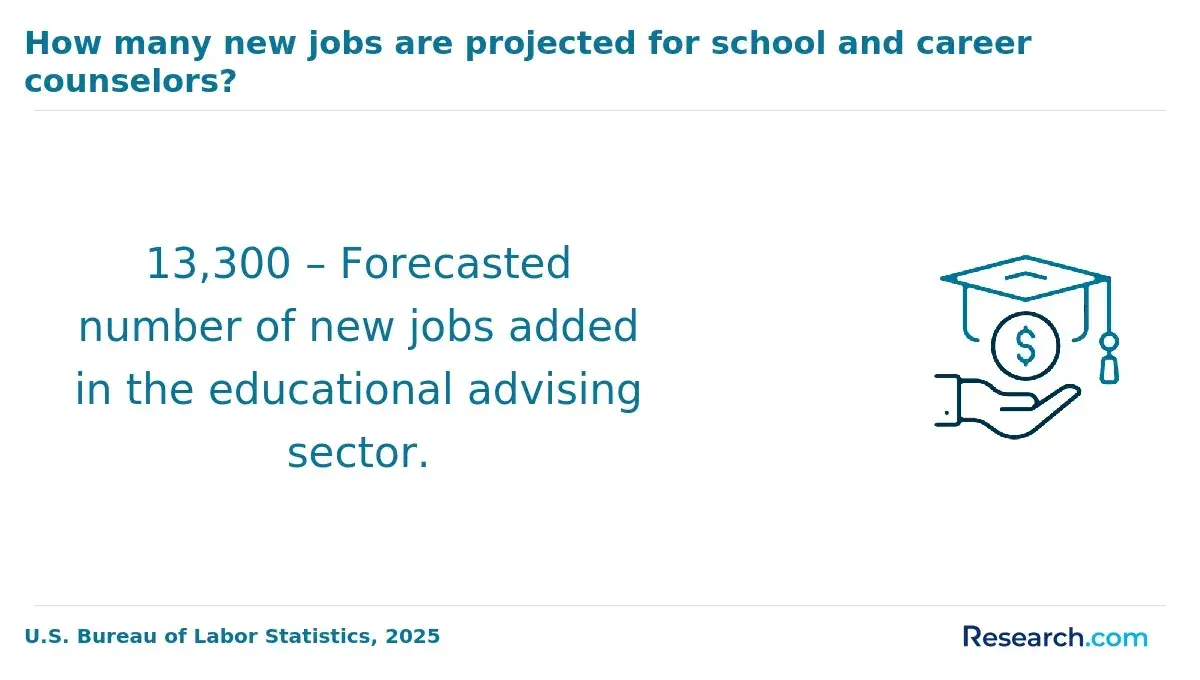
School counseling is different from clinical mental health counseling. It combines academic planning, student development, prevention, family communication, crisis response, and collaboration with teachers and administrators. It is a strong fit for professionals who want to support children and adolescents in educational settings rather than primarily in outpatient clinical offices.
Because school counseling has state-specific requirements, prospective candidates should review the process for becoming a school counselor in New Hampshire before assuming that an LPC pathway automatically qualifies them for school-based roles.
Skills That Matter Most for Successful Counselors
Licensure establishes minimum professional eligibility. Long-term effectiveness depends on clinical judgment, self-awareness, communication, ethics, and the ability to keep learning from supervision, clients, research, and experience.
- Empathy and active listening: Clients need to feel heard without being judged. Skilled counselors listen for emotions, patterns, risks, strengths, and unspoken concerns.
- Clear communication: Counselors must explain treatment plans, boundaries, informed consent, diagnoses, referrals, and difficult feedback in language clients can understand.
- Emotional resilience: Work involving trauma, grief, addiction, and crisis can be draining. Sustainable practice requires supervision, consultation, boundaries, and self-care.
- Critical thinking: Counselors must assess client needs, choose appropriate interventions, monitor progress, and change course when a plan is not working.
- Ethical judgment: Confidentiality, dual relationships, mandated reporting, documentation, informed consent, and scope of practice are central to safe counseling.
- Cultural responsiveness: Effective counselors consider clients’ identities, communities, histories, values, and lived experiences rather than applying one-size-fits-all treatment.
- Adaptability: Counseling practice changes as research, technology, laws, and client needs evolve. Strong clinicians continue learning throughout their careers.
Students drawn to addiction-focused work can build specialized competence through a drug and alcohol counselor degree or related graduate concentration, depending on their licensure goals.
Helpful Resources for Aspiring Counselors in New Hampshire
Aspiring counselors should use official licensing sources first, then supplement with school advisors, professional associations, exam preparation materials, and career guides. A strong resource plan helps prevent costly mistakes such as enrolling in a program that does not meet state requirements or misunderstanding supervised hour rules.
For a focused overview of the mental health counseling route, review how to become a licensed mental health counselor in New Hampshire. Students should also contact the licensing board directly when they have questions about unusual academic backgrounds, out-of-state degrees, prior supervision, or reciprocity.
What are the benefits of integrating social work practices in a counseling career?
Counselors often work with clients whose mental health is affected by housing, employment, family systems, transportation, healthcare access, legal stress, and community resources. Social work-informed practices can help counselors understand these broader conditions and coordinate care more effectively.
Case management, advocacy, referral coordination, and systems thinking can strengthen counseling practice, especially in community mental health, addiction treatment, crisis work, and rural care. Professionals interested in a broader human services role can explore how to become a social worker in New Hampshire and compare that path with counseling licensure.
Trends Affecting Mental Health Counseling in New Hampshire
Several trends are reshaping counseling work in New Hampshire. Telehealth continues to influence access and scheduling. Digital tools are changing how clients track symptoms, communicate with providers, and engage with between-session resources. Data-informed care is also becoming more common as organizations look for ways to measure outcomes and improve treatment planning.
At the same time, counselors must be careful with technology. AI-supported tools, digital documentation, and online platforms can improve efficiency, but they do not replace clinical judgment, ethical responsibility, confidentiality safeguards, or human therapeutic relationships.
Students who want to enter the field efficiently should still avoid shortcuts that weaken licensure eligibility. A guide to the fastest way to become a counselor in New Hampshire can help identify legitimate time-saving options, such as choosing an aligned program early and planning supervised experience carefully.
How can targeted exam preparation enhance licensure success?
The NCMHCE is not an exam to approach casually. It evaluates applied clinical decision-making, not just memorized definitions. Candidates should study assessment, diagnosis, treatment planning, ethics, crisis response, documentation, and case conceptualization.
Effective preparation usually includes a structured schedule, practice scenarios, review of weak content areas, and familiarity with exam format. Candidates should also compare their preparation plan with New Hampshire LPC license requirements so that exam readiness and application readiness develop together.
Common Mistakes to Avoid When Becoming a Counselor in New Hampshire
| Mistake | Why It Can Hurt You | Better Approach |
| Choosing a graduate program based only on convenience | The degree may not meet New Hampshire licensure requirements. | Verify curriculum alignment with the licensing board before enrolling. |
| Looking only at tuition | Fees, clinical placement delays, commuting, and lost income can change total cost. | Calculate the full cost of attendance and the expected time to licensure. |
| Assuming online programs automatically qualify | Some online degrees may not meet state-specific requirements. | Ask the program for written licensure alignment details for New Hampshire. |
| Waiting to track supervised hours | Incomplete records can delay application approval. | Use a consistent tracking system from the first supervised hour. |
| Preparing for the exam too late | Exam delays can slow the entire licensure timeline. | Begin studying before the supervision period is fully complete. |
| Relying only on rankings | A highly ranked program may not be the best fit for your license, budget, or location. | Use rankings as one input, then compare accreditation, placements, costs, and outcomes. |
Questions to Ask Before You Enroll in a Counseling Program
- Does this program meet New Hampshire’s academic requirements for the license I want?
- Is the institution regionally accredited?
- Does the counseling program hold specialized accreditation, and does that matter for my intended career path?
- How does the school support practicum and internship placement?
- What percentage of students graduate on time and pass the required licensing exam?
- Are evening, hybrid, or online courses available for working adults?
- What is the full estimated program cost, including fees and clinical requirements?
- Can I speak with current students or recent graduates about their experience?
- Will the program help me prepare for the NCMHCE?
- What support is available for students pursuing addiction counseling, marriage and family therapy, school counseling, or other specialties?
How to Become a Licensed Counselor in New Hampshire: A Practical Career Roadmap
The path to becoming a counselor in New Hampshire is clear, but it requires careful planning. Start by confirming the license you want, then choose a graduate program that meets state expectations. During the program, prioritize clinical skill development, ethical practice, and strong supervision relationships. After graduation, document every supervised hour carefully, prepare strategically for the NCMHCE, and submit a complete application to avoid delays.
If you are still exploring whether counseling is the right profession, review broader guidance on how to be a counselor. The work can be emotionally demanding, but it can also be deeply meaningful for professionals who are prepared for clinical responsibility, lifelong learning, and service to clients facing serious challenges.
Key Insights
- New Hampshire has a significant mental health need. Approximately 211,000 adults in the state, or about 19% of the population, experience a mental health condition each year.
- The licensure path is graduate-level. Candidates need a master’s or doctoral degree in counseling or a related field from a regionally accredited institution.
- Supervised experience is substantial. New Hampshire requires 3,000 postgraduate supervised hours, including 100 hours of face-to-face supervision.
- The NCMHCE is a key licensing milestone. Passing the National Clinical Mental Health Counseling Examination is required before full licensure approval.
- Program choice affects licensure, cost, and timeline. Before enrolling, verify accreditation, curriculum alignment, clinical placement support, and total cost.
- Renewal requires ongoing education. LPCs must complete at least 40 continuing education units each renewal period, including six hours in professional ethics and three hours in suicide prevention.
- Reciprocity and the Counseling Compact can help qualified counselors move across states. Eligibility still depends on good standing, background checks, and compliance with applicable requirements.
- Do not assume outcomes are guaranteed. Salary, job opportunities, and career growth depend on specialization, location, experience, employer type, and professional performance.
Related Articles for Nearby States
- 2027 How to Become a Licensed Counselor (LPC) in Vermont
- 2027 How to Become a Licensed Counselor (LPC) in Massachusetts
- 2027 How to Become a Licensed Counselor (LPC) in Maine
- 2027 How to Become a Licensed Counselor (LPC) in New York
- 2027 How to Become a Licensed Counselor (LPC) in Connecticut
- 2027 How to Become a Licensed Counselor (LPC) in Rhode Island
- 2027 How to Become a Licensed Counselor (LPC) in New Jersey
- 2027 How to Become a Licensed Counselor (LPC) in Pennsylvania
- 2027 How to Become a Licensed Counselor (LPC) in Delaware
- 2027 How to Become a Licensed Counselor (LPC) in Maryland
References:
- American Counseling Association. (n.d.). Becoming a professional counselor. https://www.counseling.org/education-careers/becoming-a-counselor
- Community Behavioral Health Association. (2025). New Hampshire mental health workforce census report 2025. https://nhcbha.org/wp-content/uploads/2025/01/NH-Workforce-Data-Report.pdf
- Indeed. (2025). Licensed Professional Counselor (LPC) salary & career advice. https://www.indeed.com/career-advice/finding-a-job/how-to-become-licensed-professional-counselor
- National Alliance on Mental Illness. (2025). Mental health in New Hampshire. https://www.nami.org/NAMI/media/NAMI-Media/StateFactSheets/NewHampshireStateFactSheet.pdf
- New Hampshire Department of Health and Human Services. (2025). State of the mental health system: 2025 biennial report on workforce and accessibility. https://www.dhhs.nh.gov/reports/mental-health-workforce-stabilization-2025.pdf
- National Board for Certified Counselors. (n.d.). National Counselor Examination (NCE) & National Clinical Mental Health Counseling Examination (NCMHCE). https://www.nbcc.org/exams/exams
- New Hampshire General Court. (n.d.). Section 330‑A:19 Clinical mental health counselors (counselor licensing criteria). https://gc.nh.gov/rsa/html/XXX/330-A/330-A-19.htm
- Psychology.org. (2025). How to become a licensed counselor: A step‑by‑step guide. https://www.psychology.org/careers/counseling/
- U.S. Bureau of Labor Statistics. (2025). Community and social service occupations employment data – Northeast region including NH. https://www.bls.gov/regions/northeast/news-release/occupationalemploymentandwages_burlington.htm
Other Things You Should Know About Becoming a Licensed Counselor (LPC) in New Hampshire
The New Hampshire Board of Mental Health Practice regulates LPC licensure. It reviews applications, sets supervision and exam rules, and issues the license under state law. Applicants should follow Board of Mental Health Practice requirements in 2027 for education, supervised practice, and renewal.
To obtain supervision for clinical experience in New Hampshire, you must find a qualified supervisor approved by the New Hampshire Board of Mental Health Practice. Supervisors need to have appropriate credentials and experience under the state's regulations to guide you effectively during the required hours.
To become a Licensed Counselor in New Hampshire, candidates must complete 3,000 hours of post-master’s supervised clinical experience. This requirement ensures that counselors acquire the necessary practical skills and knowledge to effectively serve their clients in a professional capacity.
To become a licensed counselor in New Hampshire, you must pass the National Counselor Examination (NCE) administered by the National Board for Certified Counselors (NBCC). This exam assesses knowledge, skills, and abilities necessary for effective counseling practice.
Yes, New Hampshire offers license reciprocity for LPCs who hold an active license in another state with substantially equivalent licensure requirements. The Counseling Compact also allows licensed counselors to practice in New Hampshire without obtaining a new license if they are from a compact member state.


