2027 Christian Ministry ROI by Institution Type: Public vs Private vs Nonprofit Online Programs

Co-Founder and Chief Data Scientist
When a prospective Christian Ministry student compares online programs across public, private, and nonprofit institutions, seemingly small differences in tuition and support can lead to vastly different outcomes. A 2024 study by the National Student Clearinghouse found that private nonprofit online programs often report higher graduation rates but also substantially higher average debt. Meanwhile, public programs tend to offer more affordable tuition but may lack specialized career services tailored to ministry fields.
These disparities affect not only upfront costs but also long-term financial and vocational outcomes. This article examines institutional distinctions in Christian Ministry ROI to guide informed decisions based on affordability, completion, and career value.
Key Things to Know About Christian Ministry ROI by Institution Type
- Public institutions often offer lower total education costs but may have less robust learner support for working adults, increasing time-to-completion and affecting long-term ROI through delayed workforce entry.
- Private nonprofit Christian Ministry programs commonly show higher graduation rates, which employers may view favorably, but elevated tuition can amplify student debt, necessitating careful debt-to-income outcome analysis.
- Recent 2024 data show rising student borrowing in private online programs, highlighting a tradeoff: access and reputation against increased financial burden, crucial for career changers weighing immediate costs versus future advancement.
- Key Things to Know About Christian Ministry ROI by Institution Type Key Things to Know About Christian Ministry ROI by Institution Type
- What Does ROI Mean for a Christian Ministry Program and How Is It Measured? Understanding Christian Ministry Program ROI
- How Do Public, Private, and Nonprofit Online Christian Ministry Programs Differ in Overall Value? Value by Institution Type
- How Do Tuition Costs Affect the ROI of a Christian Ministry Program Across Institution Types? Tuition Costs and ROI
- How Do Graduation Rates Influence Christian Ministry Program ROI? Graduation Rates Impact ROI
- What Role Do Career Outcomes Play in the ROI of a Christian Ministry Degree? Career Outcomes and ROI
- How Does Student Debt Impact the Long-Term ROI of a Christian Ministry Program? Debt vs. Long-Term ROI
- How Do Flexibility and Adult Learner Support Affect Christian Ministry Program Value? Flexibility and Program Value
- How Do Accreditation and Institutional Reputation Influence Christian Ministry ROI? How Do Accreditation and Institutional Reputation Influence Christian Ministry ROI?
- How Does Time-to-Degree Affect the ROI of Public, Private, and Nonprofit Christian Ministry Programs? How Does Time-to-Degree Affect the ROI of Public, Private, and Nonprofit Christian Ministry Programs?
- How Can You Choose the Best Christian Ministry Program Based on Your ROI Goals? Choosing Programs by ROI
What Does ROI Mean for a Christian Ministry Program and How Is It Measured?
Assessing the Christian ministry program return on investment calculation requires a nuanced approach that goes beyond sticker price comparisons. Prospective students must balance total educational costs, including tuition, fees, and the potential debt burden, against institutional factors like graduation rates and time-to-degree completion. For instance, private nonprofit programs often deliver higher graduation rates-sometimes 12% above public counterparts according to the National Center for Education Statistics-resulting in faster workforce entry and lower opportunity costs, which can significantly improve ROI despite higher upfront costs.
When measuring ROI for online Christian ministry degrees, it is essential to consider how program quality, learner support, and institutional reputation influence long-term value. Lower-cost public programs might initially seem fiscally attractive but may offer less personalized mentorship and weaker denominational networks, which can impact ministry placement and career growth. Conversely, nonprofits typically provide robust community engagement and tailored support, enhancing both skill development and spiritual alignment crucial for vocational success. Decisions should reflect individual goals and circumstances, recognizing that a less expensive path does not always yield the strongest long-term outcomes. Students seeking efficient pathways might also explore the fastest DNP program online model for insight into balancing duration and investment efficiently within professional education.
How Do Public, Private, and Nonprofit Online Christian Ministry Programs Differ in Overall Value?
The overall value of online Christian ministry programs varies significantly across public, private, and nonprofit institutions, shaped by tuition costs, student support, and career outcomes. Public programs tend to offer more affordable tuition, particularly for residents, often resulting in 15% lower average student debt at graduation, per a 2024 National Center for Education Statistics report. However, these savings might come with less personalized advising and fewer community-building opportunities, potentially impacting retention and completion for working adults. Private nonprofit programs usually have stronger graduation rates and emphasize spiritual formation, but their higher tuition and associated debt require weighing the benefits of enhanced mentorship and alumni networks against financial strain.
Nonprofit programs, whether public or private, often hold specialized religious accreditations that reinforce their reputation within faith communities, yet those credentials may have limited recognition in broader job markets. Employer perceptions frequently depend more on institutional reputation and accreditation than on nonprofit status alone, underlining the importance of nuanced research into long-term employability when selecting a program. For students balancing career goals, debt management, and educational depth, choosing a public program might maximize affordability and flexibility, while private nonprofit options could deliver greater spiritual integration but at increased cost and financial risk.
One prospective student deliberated between a public online ministry program with low tuition and more limited advising, a private nonprofit option offering rich spiritual engagement but higher fees, and a nonprofit public hybrid with strong accreditation but modest alumni support. Concerned about incurring excessive debt, she prioritized affordable tuition and decent graduation outcomes, ultimately selecting the public program after discovering it had partnerships with local churches and offered weekend cohort formats suited to her schedule. This choice balanced her financial constraints and professional objectives, illustrating the complex tradeoffs adult learners face in assessing overall program value beyond surface cost comparisons.
How Do Tuition Costs Affect the ROI of a Christian Ministry Program Across Institution Types?
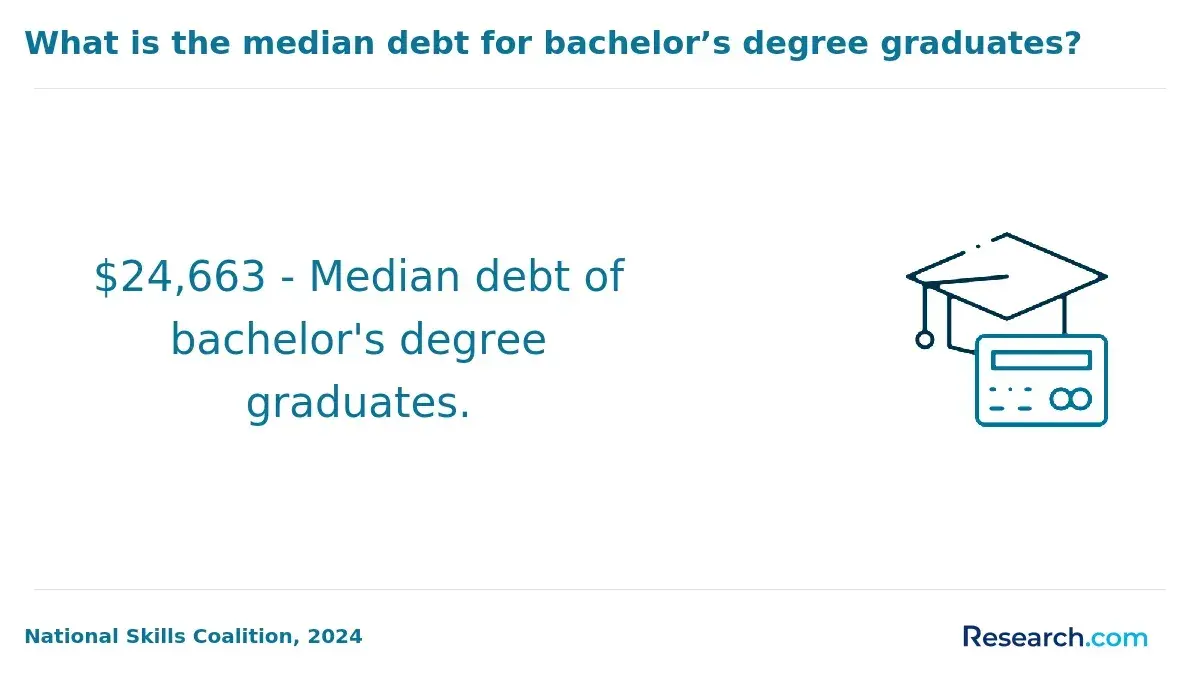
Tuition costs significantly impact the return on investment for online Christian Ministry programs, but lower prices do not necessarily guarantee better value. Public institutions generally offer tuition that is 40-60% less expensive than private nonprofits, which can reduce debt and ease financial strain. However, lower cost often corresponds with less robust support services and fewer networking opportunities, which may affect program completion rates and long-term job placement. For example, private nonprofit programs tend to have completion rates 10-15% higher than those at public schools, a factor that can offset their steeper sticker prices by improving employability.
Student debt disparities further complicate the ROI equation, with graduates from high-cost private ministry programs carrying about 30% more median debt than their public school peers, according to 2024 data from the Institute for College Access & Success. While this increased borrowing can be justified in cases where specialized training or community connections lead to higher starting salaries, such gains are not uniform and depend heavily on local job markets and individual career trajectories. Adult learners juggling work and study should also weigh program flexibility and time-to-degree, as longer durations can escalate overall costs and delay earning potential, diminishing financial returns regardless of school type.
Ultimately, assessing Christian Ministry programs requires balancing upfront affordability against institutional factors that influence graduation and employment success. Financial aid availability and employer recognition often play crucial roles in strengthening ROI beyond sticker price alone. Students must carefully consider their career goals and personal circumstances to determine whether the higher cost of a private nonprofit program is justified or if a public institution provides an acceptable tradeoff between price and outcomes in this specialized field.
How Do Graduation Rates Influence Christian Ministry Program ROI?
Graduation rates significantly influence the practical return on investment in Christian Ministry online program ROI, particularly when considering how completion impacts employability and debt management. Higher graduation rates, often seen in smaller private and nonprofit online programs, can reflect stronger academic support and tailored student services that improve degree completion rates. However, these benefits may be offset by higher tuition fees, necessitating a careful evaluation of program cost versus outcomes, especially since public institutions typically report more moderate graduation rates due to diverse part-time and adult learner populations balancing study with other responsibilities.
While graduation rates offer a useful indicator of institutional effectiveness, they should not be regarded as a sole measure of program value given the varied contexts of student persistence and time-to-degree flexibilities. For instance, nonprofit programs frequently serve mission-driven students prioritizing access and spiritual growth over speed, which affects completion timelines without necessarily diminishing long-term career benefits. According to a 2024 National Student Clearinghouse report, programs exceeding a 60% graduation threshold tend to yield more consistent economic returns, yet this metric must be balanced with the total cost of education and the support mechanisms that facilitate persistence in complex life situations.
Prospective students comparing Christian Ministry programs must weigh these graduation outcomes against financial implications and workforce demands, mindful that institutional differences affect both short- and long-term ROI. Those seeking affordability alongside academic quality might also explore related fields with strong completion metrics, such as several online MHA programs, which reflect growing demand across healthcare systems and similarly emphasize value through persistence and cost control.
What Role Do Career Outcomes Play in the ROI of a Christian Ministry Degree?
Career outcomes critically shape the return on investment for Christian ministry degrees, particularly when comparing public, private, and nonprofit online programs. Data from the National Center for Education Statistics (2024) shows that private Christian institutions produce employment rates roughly 10% higher within six months post-graduation than public counterparts, highlighting the advantage of targeted employer networks and vocation-specific training. However, while private programs may yield quicker placement in ministry roles, nonprofit online programs offer more flexible, skill-based curricula that cater to evolving church contexts but may lead to slower initial salary growth. Public institutions often emphasize broader theological frameworks, which might better prepare graduates for specialized or academic ministry roles but do not always translate directly into immediate employment, complicating their ROI calculus for cost-sensitive students balancing debt load and time-to-degree.
Employers in ministry sectors value credentials that combine theological expertise with leadership, counseling, and engagement abilities-skills more consistently integrated into private and nonprofit programs than some public offerings focused on theory. This distinction influences graduates' readiness for both entry-level ministry positions and potential career mobility within nonprofit and faith-based organizations. For prospective students, this means that evaluating career outcomes is inseparable from assessing tuition costs, program length, and alignment with personal vocation goals. Those seeking rapid employment often face tradeoffs between cost and credential recognition, influencing long-term sustainability in ministry vocations and the practical value of their investment.
One graduate of a nonprofit online Christian ministry program reflected on weighing these factors before enrollment. Initially uncertain whether the degree's limited immediate salary boost justified the financial and time commitment, they found over a few years that the program's emphasis on practical ministry skills led to increased responsibilities and internal promotion opportunities at their local church. Though not instantly lucrative, the degree's alignment with employer expectations and the flexibility to study while working made the ROI more tangible beyond simple salary metrics, illustrating how career outcomes extend into nuanced professional growth rather than quick financial returns alone.
How Does Student Debt Impact the Long-Term ROI of a Christian Ministry Program?
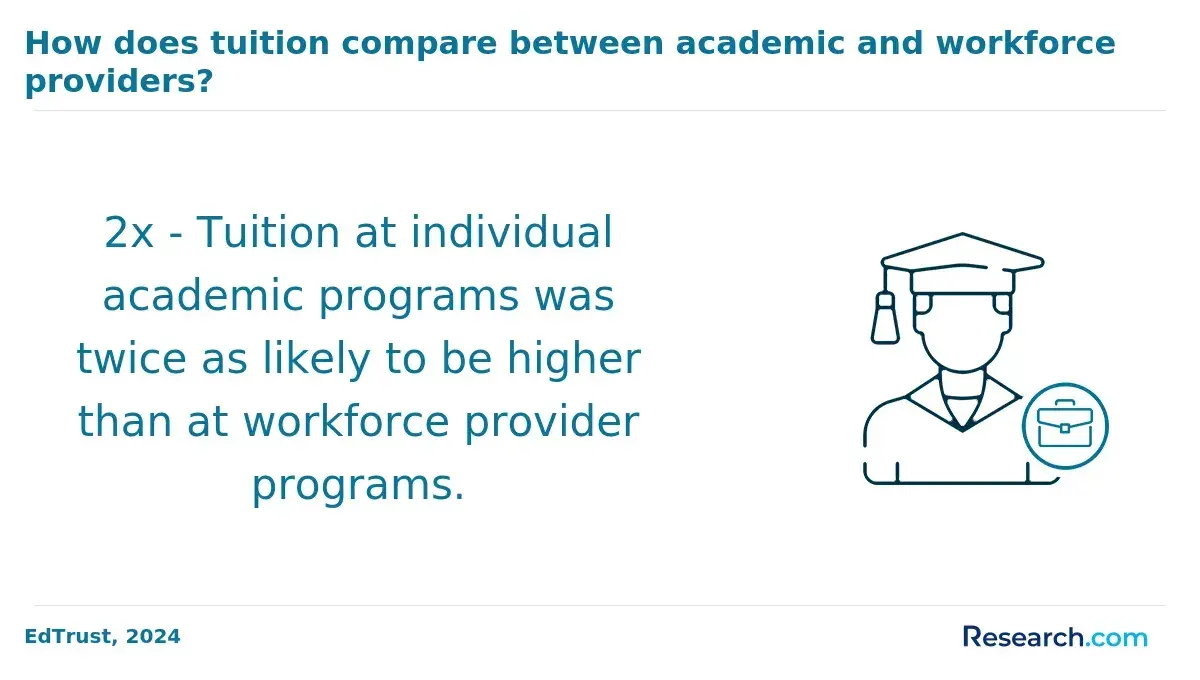
Student debt critically influences the long-term return on investment (ROI) of Christian ministry programs by shaping monthly repayment burdens and affecting financial stability post-graduation. Graduates from private institutions frequently face higher loan balances, sometimes surpassing $30,000, compared to around $15,000 for public program completers. When combined with relatively modest salaries in ministry roles-often between $35,000 and $45,000 annually-this debt load can extend repayment periods and reduce disposable income, limiting wealth-building opportunities. These financial tradeoffs become particularly poignant for students who may not complete their degrees on time, since lower graduation rates at some private and nonprofit online institutions increase the risk of accumulating debt without the credential payoff, undermining the effectiveness of borrowing strategies.
Evaluating student loan repayment affects Christian ministry program ROI over time, as borrowers must weigh debt relative to program cost, institutional graduation rates, and expected career advancement opportunities. Public programs are often more affordable upfront and benefit from higher completion rates, presenting a clearer path to debt offset through steady employment. However, private and nonprofit options may still appeal to those seeking specialized training or influential ministry networks despite their higher debt risks. Navigating these factors requires attention to repayment terms and the realities of ministry employment, which can include part-time or unstable roles. For cost-conscious students, understanding these variables alongside related occupational data-such as the psych NP salary by state-informs more grounded financial planning and program selection aligned with long-term career goals.
How Do Flexibility and Adult Learner Support Affect Christian Ministry Program Value?
Program flexibility and targeted adult learner support critically shape the ROI of Christian Ministry programs, especially when weighing public, private, and nonprofit online options. For example, institutions that provide asynchronous coursework and multiple start dates accommodate students juggling jobs and family, directly improving persistence rates by up to 15%, according to recent national data. Yet, this convenience often comes paired with a tradeoff between personalized advising and cost: public schools excel at broad access and affordability but may lack the tailored academic and career counseling found in private or nonprofit programs, which can accelerate degree completion and enhance employment readiness.
Support services-such as faculty accessibility, transfer credit recognition, and accommodations for military and working adults-play a decisive role in shortening time-to-degree and reducing overall debt burden. While private providers often lead in these specialized supports, their higher tuition fees may diminish net financial gain despite better graduation outcomes. Meanwhile, public programs leverage scale and state funding to offer essential supports but may not fully meet the nuanced needs of adult learners seeking comprehensive guidance. This balance affects long-term value, with employer expectations increasingly favoring graduates who demonstrate both knowledge and practical skills developed through robust student services.
How Do Accreditation and Institutional Reputation Influence Christian Ministry ROI?
Accreditation and institutional reputation are critical determinants of the return on investment for Christian Ministry programs, particularly when balancing tuition costs and potential debt against career opportunities. Programs with regional or recognized programmatic accreditation, such as those approved by the Association of Theological Schools, provide tangible advantages in credit transferability, eligibility for federal aid, and acceptance by employers familiar with quality standards. For example, a student choosing a public institution with regional accreditation may find it easier to transfer credits or pursue graduate studies, while also benefiting from a broader alumni network that can influence hiring prospects. However, these benefits must be weighed against often higher tuition fees and the potential for greater debt burdens compared to some nonprofit or private alternatives.
Employer perception in faith-based and nonprofit sectors strongly favors accredited credentials, as demonstrated by recent National Center for Education Statistics data showing nearly 90% of employers recognize degrees from accredited online programs. Institutional reputation adds nuance to this dynamic; while public universities generally command wider recognition, private and nonprofit institutions may offer specialized curricula and close-knit communities that align better with specific ministry pathways. Yet this specialization doesn't always translate into higher salaries or faster job placement, making it essential for students to consider how accreditation and reputation interact with actual job market conditions and long-term earning potential when evaluating ROI for Christian Ministry education.
How Does Time-to-Degree Affect the ROI of Public, Private, and Nonprofit Christian Ministry Programs?
Time-to-degree significantly shapes the financial and career outcomes of students pursuing christian ministry programs, with notable differences between public, private, and nonprofit online institutions. Longer completion times common in public programs-often due to part-time enrollment balancing work and family-can increase total tuition exposure and delay entry into ministry roles, reducing practical ROI. For example, a student managing employment may spend six or more years at a public institution, incurring ongoing costs and lost earning potential, while a comparable private sector program with accelerated options could enable credentialing in three to four years but at a higher upfront price. This dynamic requires weighing affordability against the value of faster degree access.
In assessing average completion time vs return on investment for nonprofit christian ministry online degrees, structured cohort models and transfer credit policies facilitate quicker graduations and higher persistence rates, though tuition premiums may offset savings. Program flexibility and academic support directly impact persistence, often resulting in completion rates above 60% in nonprofit settings. However, accelerated tracks might restrict course selection depth or adaptability, influencing long-term preparation. Prospective students should consider how these factors affect timelines and ROI alongside personal circumstances-especially when balancing adult commitments-rather than assuming that faster always equals better.
For decision-makers comparing programs, understanding these tradeoffs is crucial, especially since employers value not just speed but also the quality of formation and practical readiness. Those interested in exploring comparable credentials aligned with workforce requirements may find value in investigating specialized pathways such as online school psychology programs NASP approved, which reflect parallel considerations about balancing duration, cost, and employability.
How Can You Choose the Best Christian Ministry Program Based on Your ROI Goals?
The highest ROI in Christian Ministry programs depends largely on individual priorities rather than institutional category alone. Public online programs often offer lower tuition and reduce upfront debt, which can benefit students balancing family obligations or full-time employment who need to minimize financial risk. However, private and nonprofit programs, despite higher costs, tend to deliver stronger learner support, higher graduation rates, and specialized ministry training that can prove valuable for those targeting robust career advancement within faith-based networks. According to the National Center for Education Statistics, graduation rates and debt outcomes vary widely, influencing long-term financial sustainability and career prospects.
Choosing between public, private, and nonprofit Christian Ministry programs requires weighing factors like financial aid availability, program flexibility, and institutional reputation. Many working adults benefit from online formats that accommodate their schedules, shortening time-to-degree and lowering opportunity costs. Accreditation and employer networks also affect job placement and credential recognition, crucial for maximizing ROI beyond mere tuition figures. These practical considerations shape how cost-conscious learners, career changers, and transfer students approach the best online Christian Ministry programs for career advancement given their unique circumstances.
Prospective students should evaluate trade-offs in student debt, graduation success, and ongoing career returns as they compare programs. For an informed comparison of options beyond Christian Ministry, resources exist detailing the best online bachelors in sociology programs, illustrating how careful selection based on outcomes data can guide meaningful educational investments.
References
- Having my student debt forgiven helps me believe there is another way https://faithandleadership.com/having-my-student-debt-forgiven-helps-me-believe-there-another-way
- ‘MBAs for the Public Good’? https://www.vitalcitynyc.org/mbas-for-the-public-good-does-getting-a-masters-degree-make-sense-for-nonprofit-professionals/
- View of Evaluating University Degree Programs Regarding the Effective Use of Public and Private Funding https://www.econjournals.com/index.php/irmm/article/view/3307/pdf
- You’re Not Too Late: Why Adults Thrive When They Return to Online College - Grace Christian University https://gracechristian.edu/blog/youre-not-too-late-why-adults-thrive-when-they-return-to-online-college/
- The long-term effects of student debt - In Trust Center https://www.intrust.org/in-trust-magazine/spring-2020/the-long-term-effects-of-student-debt/
- 12 Goals Finance and Stewardship Leaders Might Choose - Lewis Center for Church Leadership https://www.churchleadership.com/leading-ideas/12-goals-finance-and-stewardship-leaders-might-choose-2/
- Accreditation for Religious Institutes: Upholding Quality Across All Educational Contexts https://www.ieac.org.uk/69-Accreditation-for-Religious-Institutes-Upholding-Quality-Across-All-Educational-Contexts-blog.php
- Assessing the Positive Impact of Christian Colleges https://www.apu.edu/articles/christian-education-assessing-the-impact-of-christian-colleges/
- Christian Leadership Degree Careers: What Can You Do in Ministry or the Marketplace? https://anchoru.com/christian-leadership-degree-careers-what-can-you-do-in-ministry-or-the-marketplace/
- Measuring Return on Objectives | Church Juice https://churchjuice.com/blog/measuring-return-on-objectives
Other Things You Should Know About Christian Ministry
Yes, the institution type can influence employer perception, though this varies by region and ministry context. Public institutions often provide broader academic rigor that some employers value, especially in secular or interfaith settings. Private and nonprofit institutions tend to emphasize faith-based training, which may align better with denominational employers or specific ministry roles. Prospective students should align their choice with the type of ministry or organization they intend to serve to optimize employability and networking opportunities.
Workload and course intensity indeed vary; public programs may lean toward standardized academic pacing, while private and nonprofit programs often offer more flexible schedules tailored to working adults. However, nonprofit programs sometimes require additional practicum or community engagement hours, increasing time commitment but enhancing practical ministry skills. Understanding these structural differences is key, as heavier workloads or tighter schedules can affect job retention or simultaneous work, which in turn influences overall ROI.
Not necessarily. While public programs tend to be less costly and reduce upfront debt, private and nonprofit institutions often provide deeper theological formation and spiritual mentorship critical for certain ministry careers. For those targeting pastoral leadership or denominational roles, specialized training may lead to better long-term network support and vocational advancement, justifying higher costs. Cost savings should be weighed against the practical ministry competencies and relationships you gain, as these impact career trajectory and ministry effectiveness.
Practical ministry experience often drives ROI by improving job readiness and employer confidence in graduates. Nonprofit programs typically embed internships or field education as core components, which can open doors to leadership roles faster. Public programs vary widely and may offer less structured practical engagement, which could delay hands-on skill development. Prioritizing programs with robust real-world application opportunities aligns better with career growth, making this a critical factor when balancing institution type against ROI.