2027 Christian Ministry Affordability by State: Where Students Pay the Most and Least

Co-Founder and Chief Data Scientist
Choosing between a $12,000 in-state Christian ministry program in Oklahoma and a $28,000 out-of-state option in California poses a significant financial puzzle. While tuition prices often headline cost concerns, a 2024 National Center for Education Statistics report reveals that average living expenses vary by over 35% between states, frequently tipping the total cost balance. This discrepancy complicates decisions, as students risk higher debt or diminished post-graduate flexibility if they underestimate regional cost drivers like housing and transportation. Understanding where tuition savings align-or clash-with daily expenses is crucial for those weighing Christian ministry education across states.
This article explores state-level affordability differences in Christian ministry education, guiding students to identify where pursuing this degree is most and least financially viable.
Key Things to Know About Christian Ministry Affordability by State
- States with lower published tuition often have higher living costs, offsetting savings; this tradeoff means students must weigh total cost of attendance-not just sticker price-when choosing where to enroll.
- Higher in-state funding in some states reduces borrowing needs, influencing employer perceptions by signaling financial resilience and commitment; debt burden differences affect long-term career flexibility.
- Online Christian Ministry programs vary widely in cost and timing flexibility; students prioritizing accelerated completion may face premium pricing, impacting access and financial aid availability in critical ways.
- Key Things to Know About Christian Ministry Affordability by State Key Things to Know About Christian Ministry Affordability by State
- Which States Have the Most Affordable Christian Ministry Degree Programs? Most Affordable State Programs
- Which States Have the Highest Christian Ministry Degree Costs? Highest State Tuition Costs
- How Much Does a Christian Ministry Degree Cost by State? Degree Costs by State
- Why Does Christian Ministry Affordability Vary So Much Between States? State Affordability Variations
- How Do In-State and Out-of-State Tuition Rates Affect Christian Ministry Affordability? In-State vs. Out-of-State Rates
- How Does the Cost of Living Impact Overall Christian Ministry Affordability by State? Living Costs and Affordability
- Which States Offer the Best Value for a Christian Ministry Degree? Best Value State Degrees
- What Financial Aid and Scholarship Opportunities Can Reduce Christian Ministry Costs? What Financial Aid and Scholarship Opportunities Can Reduce Christian Ministry Costs?
- Are Online Christian Ministry Degree Programs More Affordable Than On-Campus Options? Are Online Christian Ministry Degree Programs More Affordable Than On-Campus Options?
- Is a Christian Ministry Degree Worth the Cost Based on Career Outcomes and ROI? Degree ROI and Outcomes
Which States Have the Most Affordable Christian Ministry Degree Programs?
States with the most affordable Christian Ministry degree programs consistently reflect the impact of targeted public higher education funding, residency-based tuition policies, and local economic conditions. For example, universities in Wyoming benefit from strong state financial support that reduces in-state tuition well below national averages, providing a concrete cost advantage for residents pursuing ministry studies. This dynamic creates practical tradeoffs for nonresidents, who may face significantly higher expenses, influencing decisions about relocation or seeking online alternatives. These distinctions highlight how affordability is not uniform but highly contingent on the student's residency, financial aid eligibility, and willingness to engage with local educational infrastructure.
Regional cost-of-living differences also influence the total affordability of Christian Ministry degree programs, as seen in states like New Mexico and Mississippi where lower ancillary costs complement moderated tuition rates. Such environments can be especially beneficial for budget-conscious learners balancing education with housing and transportation expenses. However, the availability of public universities offering expansive online ministry programs further shifts this equation, offering pathways to reduce or avoid relocation costs while maintaining access to quality instruction. Students comparing Christian Ministry degree cost rankings in the United States should weigh these factors comprehensively, recognizing that lower sticker prices may come with varying degrees of institutional support and financial aid that directly affect long-term educational value. Those considering flexible options might also explore fields such as online DNP programs for insight into emerging trends in accessible advanced degree delivery.
Which States Have the Highest Christian Ministry Degree Costs?
States with the highest christian ministry degree costs typically point to deeper structural challenges, including uneven public funding for religious programs and dominant private institution presence. In places like Massachusetts and New York, where tuition at private christian colleges frequently surpasses $40,000 annually according to 2024 NCES data, the financial impact is compounded by elevated living expenses in dense urban areas. Residency policies further skew affordability; out-of-state students in California and New Jersey often face tuition fees nearly double those charged to residents, forcing many to weigh the benefits of relocation or online study against substantial additional costs. This confluence of limited public subsidy, program concentration in costly private colleges, and high local living costs creates a dynamic where paying for a christian ministry degree in these states requires careful consideration of debt burden and post-graduation ministry job market realities.
Such geographic cost disparities directly influence student decisions on where to enroll, prompting some to pursue in-state or online options primarily for financial viability rather than program prestige or local network advantages. The tradeoff involves balancing higher sticker prices and living expenses against the availability of specialized ministry programs and potential access to faith-based community resources. Prospective students must critically assess whether the premium paid in high-cost states delivers sufficient long-term returns, given that widespread financial aid may not fully offset sticker shock and that ministry roles often do not offer salaries aligned with heavy educational debt. Navigating these complexities demands practical financial planning and realistic expectations about both educational experience and employment prospects.
One recent christian ministry student shared the challenge of sifting through options after discovering the stark tuition gap between their home state and a neighboring state known for more affordable in-state rates. Initially tempted by a prestigious private college in a high-cost urban center, the student reconsidered after factoring in additional living expenses and restrictive residency rules that would eliminate any in-state rate advantage. After extensive research, including financial aid comparisons and discussions with admissions counselors about online alternatives, they cautiously chose a less costly in-state public program. Although the decision involved sacrificing some specialized coursework, the student felt relief in avoiding excessive debt and uncertainty about whether the investment in a high-cost program would pay off through ministry employment opportunities.
How Much Does a Christian Ministry Degree Cost by State?
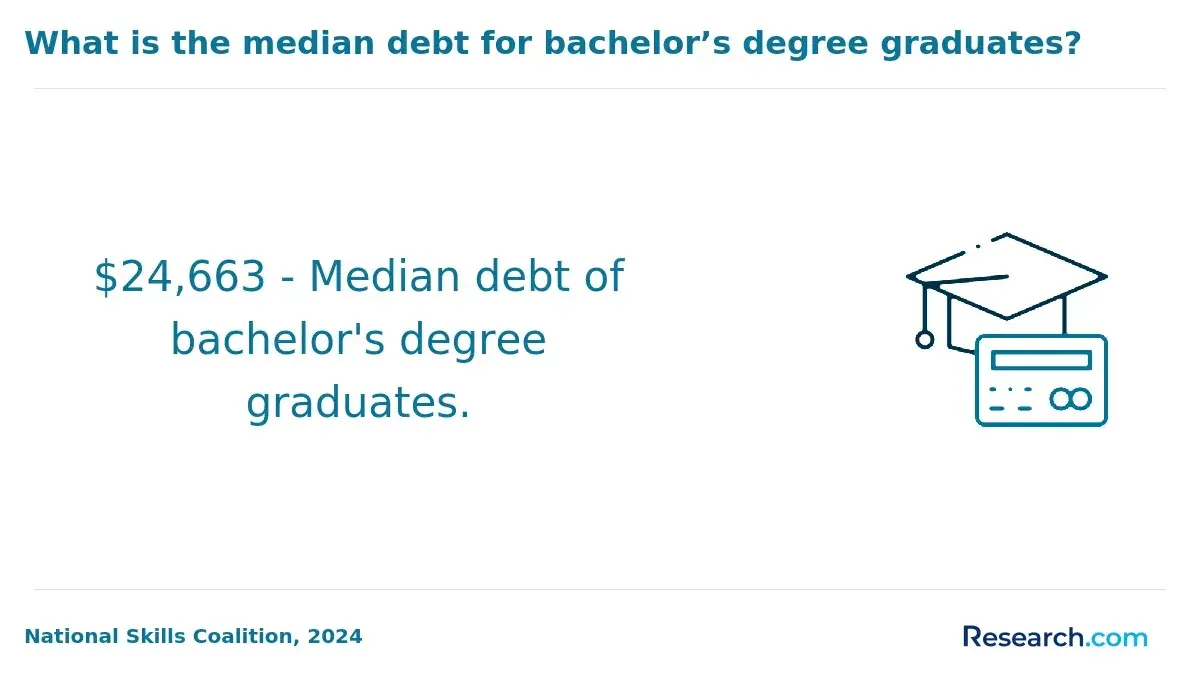
State-level disparities in the cost of earning a Christian ministry degree reflect complex institutional and economic dynamics that directly impact student choices and financial planning. For instance, states like Massachusetts and New York often present total annual costs-including tuition, fees, and living expenses-exceeding $30,000 at private religious colleges, which may necessitate higher borrowing or work commitments. Conversely, states such as Texas and North Carolina offer significantly lower price points, frequently under $15,000 annually for in-state students attending public universities, illustrating how residency status and public institution presence shape affordability and access.
These cost variations are seldom just about sticker price; they intertwine with regional funding sources, such as church networks and state aid programs, and the broader economic environment, including housing and transportation expenses. Students weighing cross-state enrollment must consider these factors alongside practical tradeoffs: higher tuition states might offer richer ministry internship options or stronger denominational ties that enhance employment prospects, while lower-cost states may limit these opportunities but reduce debt load. According to 2024 data from the National Center for Education Statistics, such differences significantly influence net price outcomes and consequent student debt burdens, highlighting the importance of aligning program choice with realistic expectations for post-graduation ministry placement and financial sustainability.
Why Does Christian Ministry Affordability Vary So Much Between States?
The wide variations in Christian ministry degree costs by state largely reflect differing state commitments to higher education funding and the local mix of public versus private institutions. States like California and New York benefit from substantial public support, enabling lower tuition rates for in-state Christian ministry programs compared to regions dominated by private colleges that typically charge more. Additionally, states with higher living expenses, such as Massachusetts and Hawaii, face higher operational costs that translate into steeper tuition, creating notable affordability challenges for students whose budgets cannot accommodate these regional economic disparities.
Financial aid policies also shape these disparities, as some states supplement tuition with targeted grants or scholarships specifically for ministry students, easing the burden and influencing enrollment decisions. When demand for Christian ministry education outpaces available spots-particularly in more affordable states-tuition may rise, forcing potential students to weigh costly private alternatives, out-of-state programs, or online options. Budget-conscious learners may find it strategic to explore colleges with no application fee to mitigate upfront costs while considering transfer pathways or programs that balance long-term career benefits with immediate financial realities.
How Do In-State and Out-of-State Tuition Rates Affect Christian Ministry Affordability?
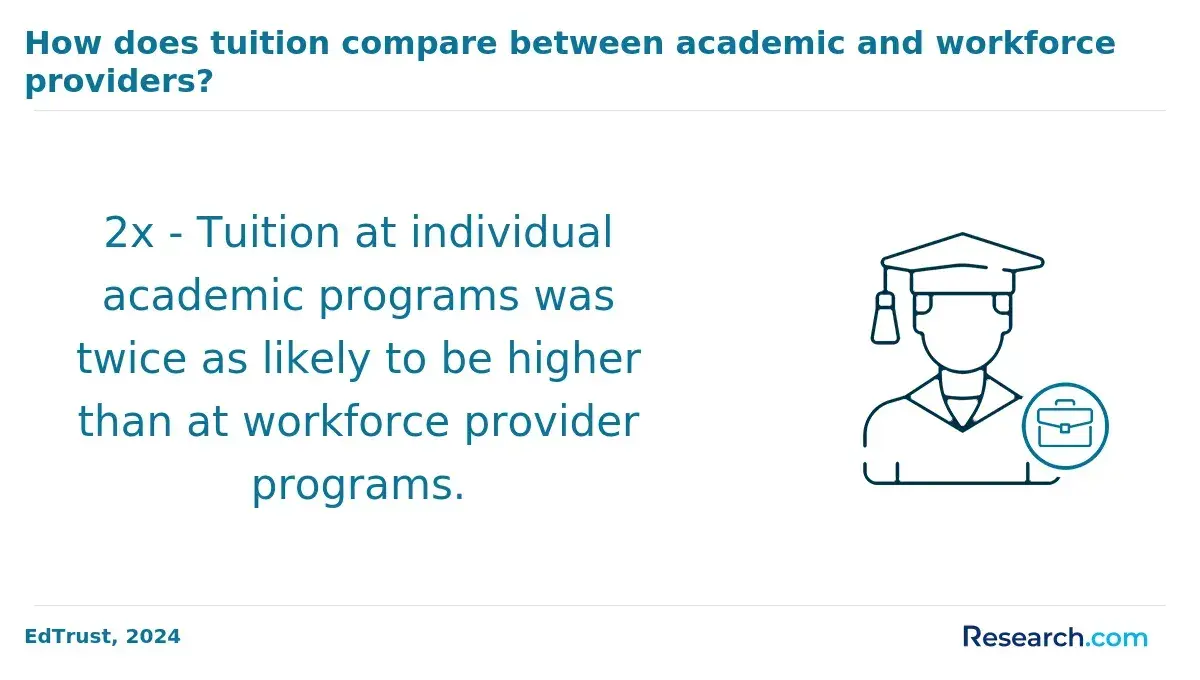
Residency-based tuition rates critically influence the financial feasibility of pursuing a Christian Ministry degree, as out-of-state students at public institutions often face significantly higher costs-commonly 50% to 100% more-than their in-state counterparts, according to 2024 data from the National Center for Education Statistics. This disparity affects not just annual expenses but shapes longer-term financial planning, influencing whether students choose to establish state residency, seek regional reciprocity agreements, or opt for online programs with flat tuition fees. The decision to pay out-of-state rates can substantially increase loan burdens and may prompt students to favor institutions in states with more flexible residency policies or generous financial aid, especially since private colleges tend to charge uniform tuition regardless of residency but usually at a higher base cost.
Moreover, the interplay between residency requirements and tuition impacts geographic mobility and program accessibility. Where strict proof-of-residency rules exist, students encounter barriers that can limit options or necessitate relocation, which adds indirect costs. Regional compacts like the Southern Regional Education Board's Academic Common Market offer valuable alternatives by enabling in-state tuition for specific programs across member states, yet these opportunities are unevenly distributed and program-specific. Christian Ministry students must weigh such considerations alongside the quality and career relevance of programs, as staying close to home for financial reasons might also align better with local ministry networks and employment prospects.
A recent graduate recalled wrestling with the decision to enroll at a well-regarded out-of-state public college after moving for family reasons. Despite qualifying for reclassification, strict residency timelines meant paying full out-of-state tuition for the first year, sharply straining the budget. The student described feeling caught between the immediate financial stress and the hope that accessing that program's network would justify the cost long-term. This experience underscores how nuances in residency policies and timing can introduce unexpected hurdles, underscoring the importance of early financial and enrollment planning for those balancing ministry calling with budget constraints.
How Does the Cost of Living Impact Overall Christian Ministry Affordability by State?
Housing costs frequently define the real expense of pursuing a Christian Ministry degree, with states like California and New York presenting financial barriers due to rents and homeownership prices exceeding national averages by over 50%. Students facing these elevated living expenses must often weigh the tradeoff between attending a local institution with higher costs or exploring more affordable states where housing, utilities, and transportation collectively reduce overall budget pressure. For example, a student living in Mississippi may find lower housing and food costs offset tuition slightly above average, resulting in a more sustainable financial balance and potentially less dependency on loans.
Variability in transportation, healthcare, and utility expenses further complicates affordability assessments, especially when combined with regional wage and employment conditions for ministry-related roles. Urban centers may provide better public transit and higher-paying opportunities but often incur longer commutes or more expensive healthcare premiums. Conversely, rural areas with lower costs might limit ministry job prospects, forcing students to incorporate remote or part-time study options. Budget-conscious learners often examine these factors when deciding between traditional attendance and options like 12-month accelerated nursing programs online, which demonstrate how online accelerated degrees can mitigate some geographic financial disparities.
Considering Christian Ministry degree cost of living differences by state is essential for students shaping realistic educational plans. Location decisions affect financial aid needs, the likelihood of accumulating debt, and the feasibility of balancing study with work or family commitments. By integrating detailed cost analyses-including rent, transportation, food, and healthcare-students can better evaluate where pursuing their Christian Ministry education is most financially viable, ensuring an effective alignment between long-term workforce expectations and attainable educational pathways.
Which States Offer the Best Value for a Christian Ministry Degree?
States like Texas, North Carolina, and Ohio demonstrate that the financial value of a Christian ministry degree depends heavily on more than just tuition sticker price. For instance, Texas offers in-state tuition near $10,000 annually at public institutions-significantly lower than the national average-and combines that with well-funded financial aid and strong graduation rates. This reduces student debt burdens which, according to 2024 College Scorecard data, results in ministry graduates carrying about 15% less median debt compared to peers nationally, a crucial factor given often modest ministry salaries. Students should weigh such state policies and aid availability carefully, as residency-based tuition savings coupled with completion likelihood can strongly influence long-term affordability and career investment returns.
North Carolina and Ohio further illustrate how indirect costs and institutional networks contribute to degree value. North Carolina's public universities regularly exceed 50% graduation rates within six years for ministry-focused programs, helping students avoid extended study periods where living and opportunity costs accumulate. In contrast, Ohio's moderate cost of living combined with stronger ties between programs and local churches or nonprofits can enhance post-degree employment options despite average tuition. This suggests that students prioritizing career pathways and debt minimization may find better overall value in states that balance educational quality, steady completion, and practical workforce access rather than chasing the absolute lowest tuition figures found in some regions with fewer ministry opportunities or support systems.
What Financial Aid and Scholarship Opportunities Can Reduce Christian Ministry Costs?
Access to financial aid significantly shapes the real cost of pursuing a Christian ministry degree, with federal Pell Grants serving as a crucial baseline for many students facing financial need. Approximately 85% of undergraduates receive some form of aid, but maximizing these funds depends heavily on state policies, residency status, and institutional criteria. For example, a student in a state with targeted religious education grants and tuition reciprocity agreements can substantially reduce overall expenses compared to someone in a state lacking such support. However, these benefits often come with tradeoffs, such as maintaining full-time enrollment status or meeting renewal requirements, which can complicate long-term planning.
Institutional scholarships and employer-sponsored tuition programs further nuance affordability but vary widely in availability and eligibility. Awards based on merit or demonstrated ministry commitment can offset costs considerably but might not be stackable with need-based grants, forcing students to strategize between immediate tuition reduction and preserving aid eligibility for subsequent years. Online or part-time learners may find fewer funding opportunities, highlighting the importance of understanding each program's format and aid policies. Effective decision-making requires weighing these layered aid options against practical factors like geographic mobility, enrollment intensity, and the likelihood of continued financial support throughout the program.
Are Online Christian Ministry Degree Programs More Affordable Than On-Campus Options?
Claims that online Christian Ministry degree programs are inherently more affordable than on-campus options overlook important contextual factors. While online tuition is often 15-20% lower per credit hour due to fewer campus fees and no housing costs, true affordability depends on individual circumstances such as state residency and institutional pricing policies. For instance, in states like Texas or Florida, strong in-state tuition benefits for campus students can substantially narrow or even reverse the expected cost advantages of online programs. Moreover, technology expenses and opportunity costs related to balancing work and study can offset some tuition savings for online learners, making the total cost equation more complex than headline rates suggest. This nuanced affordability landscape is critical for those researching online christian ministry degree affordability in the United States.
Financial aid availability further complicates direct price comparisons. Scholarships and grants may apply differently depending on residency rules and whether programs are delivered online or on-campus, influencing net costs substantially. Students evaluating program choice should weigh these factors alongside employer perceptions, which generally value accredited Christian Ministry degrees similarly regardless of delivery mode. However, in-person programs often provide enhanced networking and hands-on experiences that can affect career trajectory and long-term value. Accessing resources such as curated lists of the cheapest MSN online programs can help prospective students identify institutions with favorable cost structures aligned to their specific financial and professional goals.
Is a Christian Ministry Degree Worth the Cost Based on Career Outcomes and ROI?
Evaluating whether a Christian ministry degree is worth the cost depends heavily on regional tuition disparities, program completion rates, and long-term career alignment rather than a simple salary comparison. For instance, students pursuing this degree in states like Texas or Ohio benefit from generally lower tuition costs, which can substantially improve return on investment compared to those in higher-cost states such as California or New York. This geographic affordability factor is critical since ministry graduates face median earnings around $40,000 to $50,000, below the national average for bachelor's degree holders, making debt load and opportunity costs particularly impactful in the calculation of true financial value.
The variable employment demand and career pathways associated with Christian ministry degrees further complicate ROI analysis. Employment growth projections near 5% suggest moderate opportunities in pastoral and religious education roles, but many positions involve unpaid or part-time work, affecting income stability. Students who complete advanced degrees, like a Master of Divinity, may improve their job prospects but must weigh increased tuition and loan burdens against incremental career stability. Moreover, evaluating return on investment for Christian ministry graduates by state should incorporate program quality, completion success, and alignment with vocational goals, especially for budget-conscious learners seeking sustainability in ministry and religious careers.
Beyond immediate financial returns, assessing a Christian ministry degree's value entails considering personal fulfillment and community impact alongside economic factors. Students should also explore complementary credentials and licenses, such as those found in online marriage and family therapy graduate programs, to expand employment options and enhance long-term career resilience.
References
- Christian Ministry https://www.umhb.edu/programs/christian-ministry
- All Ministry Degree Programs - TheologyDegree.org https://www.theologydegree.org/programs/ministry-degrees/
- Home — Housing Affordability Finance https://www.housingaffordability.co/home
- Servants University | Training Servants for Christ https://www.servantsuniversity.com/austin-bible-university-home/
- Affordability or Spending: A Christian Perspective for 2026 | Sun City West Christian Church https://scwcc.org/news/affordability-or-spending-a-christian-perspective-for-2026
- Importance of Cost of Living | Goldwater Institute https://www.goldwaterinstitute.org/cost-of-living/
- How Much Does a Theology Degree Cost? | CTS https://calvinseminary.edu/blog/how-much-theology-degree-cost/
- Why Pursuing a Degree in Christian Ministry Is Worthwhile https://christianministryedu.org/blog/5-reasons-why-pursuing-a-degree-in-christian-ministry-is-worthwhile/
- Cost of Ministry https://hwwchurch.org.uk/stewardship/cost-of-ministry
- Rebuilding the domestic church: Why housing affordability is a pro-family cause https://www.osvnews.com/rebuilding-the-domestic-church-why-housing-affordability-is-a-pro-family-cause/
Other Things You Should Know About Christian Ministry
States with a strong presence of particular denominations often have affiliated institutions offering discounted tuition or targeted scholarship programs for students within those networks. This can make certain states more affordable for students aligned with those denominations but less so for others. Prospective students should weigh the cost savings against the potential limitations on theological diversity and networking opportunities that come with attending a denomination-specific program.
While lower tuition states may offer budget-friendly options, smaller or less resourced programs can impact the depth and breadth of ministry training. Programs with fewer faculty or limited specialization areas may not prepare students as rigorously for diverse ministry roles, potentially affecting long-term career flexibility. Budget-conscious students should carefully evaluate whether the savings justify possible compromises in academic quality and mentorship.
Some states require more extensive in-person practicum hours, often tied to local church partnerships, which can increase costs through travel and housing if off-site. Others offer more flexible or online-integrated ministry practicums that reduce these expenses but may limit hands-on experience. Students balancing cost with practical training benefits should prioritize states and programs with practicum structures that align with their logistical and financial realities.
States with strong local faith communities or growing ministry roles offer better employment prospects, increasing the return on investment even if tuition is moderately higher. Conversely, low-cost programs in states with limited ministry job growth may extend the time to employment or limit salary potential. Students should factor in local industry health and placement rates after graduation, not just sticker price, when judging affordability.