2027 Online vs Campus Christian Ministry Outcomes Report: Graduation Rates, Cost, and Career Trade-Offs

Co-Founder and Chief Data Scientist
Adult learners weighing Christian Ministry programs face a complex challenge: maximizing transfer credits without extending time-to-graduation. In 2024, only 63% of online programs matched campus peers' acceptance rates for transfer credits, creating hidden delays and increased costs for many students. This gap highlights how online delivery often shifts course equivalency hurdles onto students, disproportionately affecting those balancing work and ministry commitments.
Meanwhile, campus programs may offer more seamless credit integration but demand greater physical presence, impacting work-life balance and affordability. This article analyzes graduation rates, total costs, and career trade-offs for online versus campus Christian Ministry pathways to help readers make data-driven, practical decisions.
Key Things to Know About Online vs Campus Christian Ministry Outcomes
- Graduation rates average 15% higher for campus Christian Ministry students, highlighting stronger in-person engagement but often extending program duration due to fixed scheduling, affecting timely career entry.
- Online program graduates face a 10% lower rate of employment in ministry roles, reflecting employer preference for campus-based hands-on training and networking, crucial for faith leadership placements.
- Lower upfront costs and flexible pacing in online Christian Ministry studies reduce financial strain for working adults but may delay credential completion, impacting early career momentum and ministry advancement.
- Key Things to Know About Online vs Campus Christian Ministry Outcomes Key Things to Know About Online vs Campus Christian Ministry Outcomes
- What Are the Biggest Differences Between Online and Campus Christian Ministry Program Outcomes? Online vs Campus Outcomes
- How Do Graduation Rates Compare Between Online and Campus Christian Ministry Programs? Comparing Graduation Rates
- Why Do Online and Campus Christian Ministry Students Have Different Completion Rates? Why Completion Rates Differ
- How Do Online and Campus Christian Ministry Programs Compare on Total Cost? Total Cost Comparison
- What Hidden Costs Should Students Expect in Online vs Campus Christian Ministry Programs? Hidden Program Costs
- How Does Financial Aid Affect the Cost of Online and Campus Christian Ministry Programs? Financial Aid Impact
- Do Online and Campus Christian Ministry Graduates Have Different Career Outcomes? Comparing Career Outcomes
- How Do Employers View Online vs Campus Christian Ministry Degrees? How Do Employers View Online vs Campus Christian Ministry Degrees?
- Which Christian Ministry Degree Format Offers Better Flexibility for Working Adults? Which Christian Ministry Degree Format Offers Better Flexibility for Working Adults?
- How Should Students Choose Between an Online and Campus Christian Ministry Program? Choosing Your Program Format
What Are the Biggest Differences Between Online and Campus Christian Ministry Program Outcomes?
Graduation rates illustrate a notable divide between online and campus Christian Ministry programs, with campus offerings typically achieving 60% to 70% completion within six years compared to 45% to 55% for online cohorts, according to recent NCES data. This difference often reflects the varying support structures, where campus students benefit from direct access to academic advising and peer networks critical to persistence and retention.
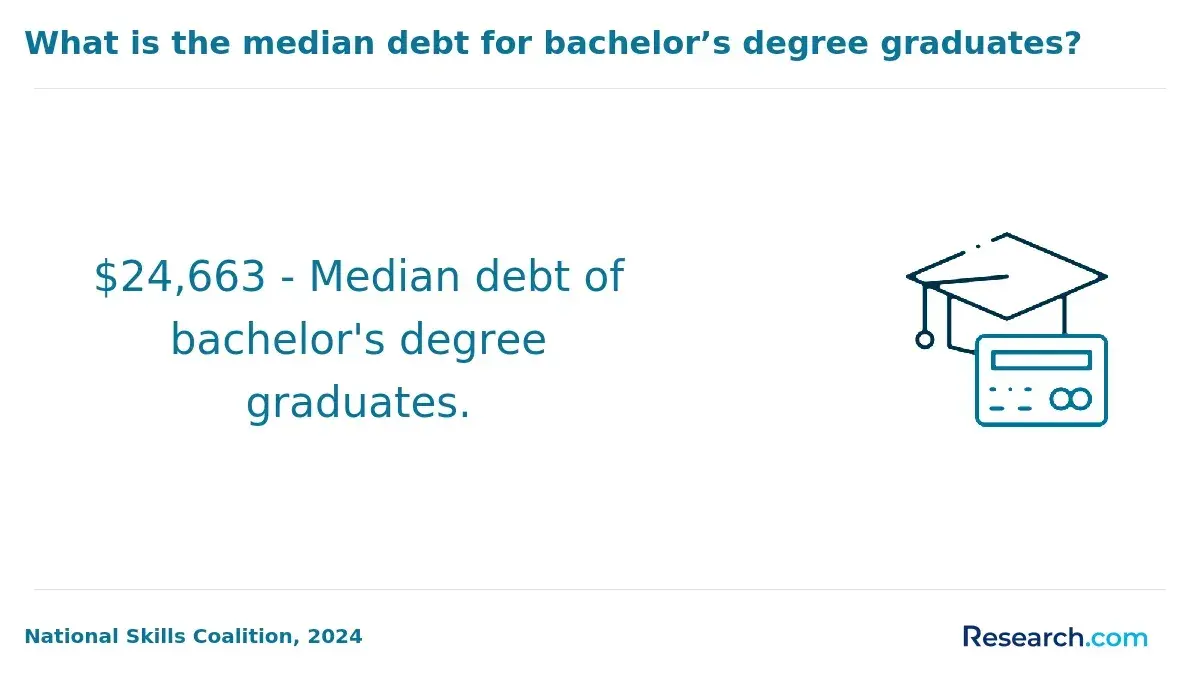
For example, students balancing ministry roles and family commitments may find online programs appealing for their flexibility, but this can extend completion timelines and increase total debt due to longer program duration and additional costs such as technology fees and textbooks. Cost and career trade-offs become particularly pronounced when factoring in total cost of attendance. While online Christian Ministry programs may advertise lower tuition, their higher average student debt-highlighted by the College Scorecard-signals less favorable financial outcomes for many nontraditional students.
Practically, employers frequently favor graduates with on-campus experience for ministry roles because of perceived hands-on training and cohort engagement, which influences long-term career mobility. Those considering alternatives should weigh the convenience of online formats, which can suit working ministers, against the stronger career signaling and fieldwork access that come with campus-based program participation, similar to how some students research online PharmD programs for both flexibility and professional credibility.
How Do Graduation Rates Compare Between Online and Campus Christian Ministry Programs?
Graduation rates for Christian Ministry programs reveal significant operational differences that extend beyond format preference, impacting completion outcomes. Campus-based programs, with average six-year graduation rates near 60% according to 2024 data from the National Center for Education Statistics, often benefit from structured cohort progression, on-site academic advising, and consistent peer interactions that reinforce student persistence.
In contrast, online programs experience lower completion rates, typically between 30% and 45%, partly because many online learners enroll part-time while managing full-time jobs and family obligations, which challenges sustained engagement and timely progression. These demographic and scheduling variables complicate direct comparisons, as online students frequently transfer credits and navigate asynchronous course pacing, factors that do not align neatly with traditional graduation metrics.
Raw graduation-rate comparisons can be misleading without considering these complexities. Students attending campus programs might have more immediate access to faculty and practicum opportunities integrated into their schedules, a critical element for ministry-related preparation. Meanwhile, online formats increasingly adopt personalized coaching and virtual support mechanisms to offset the lack of physical presence, but this often requires greater self-motivation and disciplined time management.
Decision-makers must weigh how program design, advising access, cohort cohesion, and part-time status influence not only the likelihood of degree completion but also the quality of experiential learning and subsequent vocational readiness in Christian Ministry fields. One Christian Ministry student initially hesitated between formats after learning about the lower reported graduation rates for online programs. Balancing a full-time job and childcare responsibilities, they worried the online format might lack enough structure to maintain progress.
However, after consulting academic advisors and reviewing cohort-based campus programs requiring daily commuting, the student recognized that on-campus demands conflicted heavily with family commitments. Ultimately, choosing a hybrid program with synchronous sessions and access to virtual tutoring provided a compromise: the flexibility needed to stay enrolled steadily while still benefiting from a connected learning community, easing concerns about stop-out risk and transfer credits disrupting their timeline.
Why Do Online and Campus Christian Ministry Students Have Different Completion Rates?
Completion rates between online and campus-based Christian Ministry programs often diverge due to structural and demographic differences rather than purely academic quality. Full-time, first-time undergraduates at traditional campuses typically benefit from regimented scheduling and a cohort model that encourages sustained peer interaction and accountability, resulting in six-year graduation rates around 62%, according to the National Center for Education Statistics 2024 data.
In contrast, online students frequently enroll part-time while juggling work, family, or ministry obligations, which can prolong time-to-degree and increase the risk of dropping out, contributing to lower completion rates near 35% in similar fields. Access to advising and community engagement further distinguishes these paths. Campus students often receive more consistent in-person academic and pastoral support, which promotes retention through personalized interventions.
Online formats rely heavily on self-motivation amid asynchronous course structures and less cohort cohesion, making proactive advising crucial yet often less accessible. Additionally, online learners face unique financial and administrative barriers, such as inconsistent transfer-credit evaluations and added expenses for technology or childcare, complicating their progress. Prospective Christian Ministry students should weigh these realities against their own schedule flexibility, support needs, and readiness for self-directed learning when interpreting graduation rates and planning their educational pathway.
How Do Online and Campus Christian Ministry Programs Compare on Total Cost?
Cost comparisons between campus Christian Ministry tuition and fees versus online programs reveal significant variations beyond tuition rates alone. While online programs often advertise lower tuition, the true total cost depends on factors like mandatory campus fees, room and board, commuting expenses, and technology charges. For instance, campus students may face $1,000 to $2,500 annually in additional fees plus living costs, which can double their out-of-pocket expenses compared to online learners who incur smaller technology fees but potentially higher expenditures for broadband and course materials.
Enrollment planning must consider these trade-offs, as campus programs usually require relocation or commuting, impacting work continuity and program length. Financial aid access also shapes affordability; federal aid covers both formats, but state grants often prioritize campus enrollment, limiting support for some online students. Employer tuition assistance increasingly favors online Christian Ministry pathways, reflecting workforce trends among working adults balancing education and employment.
A 2024 IPEDS report highlights that median student loan debt for campus graduates exceeds that of online peers by about $5,000, underscoring how format choice influences long-term financial planning. Prospective students assessing these cost differences should evaluate how expenses align with career goals, timelines, and lifestyle, noting that total cost impacts both immediate affordability and graduation outcomes.
Those weighing options for ministry education may also investigate specialized funding, especially for programs like a cheapest master's in healthcare administration with targeted scholarships or employer support. Aligning realistic budget assumptions with personal and professional circumstances helps avoid hidden costs and debt surprises in either format.
What Hidden Costs Should Students Expect in Online vs Campus Christian Ministry Programs?
When weighing online against campus Christian Ministry programs, hidden expenses frequently reshape the overall financial picture beyond advertised tuition. Campus students typically incur significant costs such as commuting, parking, housing, and meal plans-NCES data from 2024 notes that on-campus room and board alone can top $12,000 annually, a figure absent from tuition price tags.
Online programs shift the cost profile: technology fees averaging between $300 and $500, proctored exam expenses, and necessary investments in equipment and reliable internet can accumulate. These additional charges, combined with potential travel for mandatory residencies or clinical fieldwork for both formats, influence budgeting and completion strategies, particularly for working adults balancing study and employment.
Beyond direct expenses, opportunity costs differ distinctly by format. Campus learners often face rigid schedules limiting work hours and elevating childcare or housing demands, while online students may maintain employment but encounter challenges securing hands-on ministry experience and networking opportunities critical to employer expectations in faith-based roles.
Approximately 15% of online students report unexpected tech-related costs rarely affecting their campus counterparts, highlighting that lower advertised online tuition does not always translate to overall savings. Such subtleties affect how learners anticipate total costs and weigh the sacrifice between flexibility and experiential learning, which can impact their practical readiness and job market competitiveness after graduation.
One recent Christian Ministry student recalled hesitating between a local campus program and a fully online option. While the online tuition appeared lower upfront, the student's detailed review uncovered recurring technology fees and the cost of proctored exams required for accreditation.
Meanwhile, the campus alternative demanded high commuting costs and parking fees but offered more predictable expenses and built-in community connections. Navigating these trade-offs, the student ultimately factored in not only dollar amounts but also how hidden fees and lost work time affected their financial stability and preparation for ministry roles, underscoring the nuanced cost calculus prospective students must undertake.
How Does Financial Aid Affect the Cost of Online and Campus Christian Ministry Programs?
Financial aid fundamentally reshapes the cost comparison between online and campus Christian Ministry programs, but its impact is not uniform. Campus-based students typically have greater access to institutional scholarships and assistantships that require residency or active participation in campus ministry, creating higher face-value aid packages. In contrast, those pursuing online programs often rely more on federal Pell Grants, employer tuition reimbursement, and military benefits, which accommodate working adults or service members but may not fully offset additional technology fees.
For example, an online learner using veterans' benefits might face lower institutional grant availability but can reduce debt by leveraging these external funds, highlighting the importance of comparing not just sticker prices but the composition of financial aid when planning enrollment. Prospective students balancing campus Christian Ministry tuition assistance and financial aid options need to consider how aid affects net cost and borrowing decisions alongside program pacing.
On-campus programs tend to incur higher living expenses and may prompt greater loan dependence, with average graduate debt nearing $27,000, whereas online students' debt averages closer to $22,500, partly due to flexible course loads and reduced living costs. However, limited institutional aid for online students can translate into slower degree completion or heavier reliance on federal grants tied to part-time status.
Understanding these trade-offs is critical, as the real value of attendance hinges on matching financial aid availability to individual circumstances, especially for those weighing options like the what is the easiest RN to BSN online program.
Do Online and Campus Christian Ministry Graduates Have Different Career Outcomes?
Employment outcomes for graduates of online and campus Christian Ministry programs are largely similar, with about 78% securing jobs within a year according to recent National Center for Education Statistics data. However, the differences lie in practical experience and networking access. Campus-based programs typically provide more direct internships and supervised ministry practicums, which many employers in traditional church leadership roles continue to value for the hands-on skills and peer collaboration they foster.
This often results in stronger early-career mobility for campus graduates, especially in regions or denominations where local relationships and in-person training remain highly significant. Online graduates benefit from more flexible schedules and generally lower costs, which can reduce debt burdens and accommodate working adults better. Still, online formats may face challenges in replicating the depth of face-to-face mentorship and community connections critical for referrals or licensure readiness in some Christian Ministry contexts.
Though transcripts mostly do not indicate delivery format, some denominations require supplemental fieldwork beyond online coursework to meet credential requirements. Career services also differ, with in-person students tapping into campus chapel events and live career advising, while online learners rely increasingly on virtual networking that can vary widely in effectiveness depending on local employer familiarity with remote education.
How Do Employers View Online vs Campus Christian Ministry Degrees?
Employer evaluations of online versus campus Christian Ministry degrees hinge less on delivery format and more on elements such as accreditation, institutional credibility, and the presence of substantive experiential learning. A 2024 survey by the National Association of Colleges and Employers found that 68% of employers hold neutral to positive views on online degrees overall, but this acceptance hinges strongly on whether programs embed rigorous internships or ministry practicums.
For example, a hiring manager at a midsize church may view an online degree with structured local placements as equally valid to a campus degree, whereas fully virtual programs without clear practical components frequently raise concerns about adequate preparation for ministry roles. The workforce implications are nuanced: employers in smaller or traditional ministry contexts often prefer campus-based degrees because on-site mentorship and community formation remain difficult to replicate online.
According to the Council for Christian Colleges & Universities, 72% of church employers emphasize nationally recognized accreditation-such as from the Association of Theological Schools-highlighting that credentials signaling rigorous academic and pastoral training trump mode of instruction. Transcript transparency and curriculum parity also influence perceptions, as employers reviewing consistent pastoral counseling, leadership, and theology coursework alongside documented ministry experience are less likely to differentiate between online and campus graduates in hiring or advancement decisions.
Ultimately, student and workforce decisions must account for employer familiarity with online formats and visibility of hands-on ministry work. Experienced candidates leveraging reputable online programs with embedded field training may navigate hiring comparably to campus peers, while those emerging from purely online classroom settings without real-world placement risk limited recognition in ministry job markets. These nuanced evaluations underscore how program design and demonstrable practical experience, rather than program delivery alone, critically shape career outcomes for Christian Ministry graduates.
Which Christian Ministry Degree Format Offers Better Flexibility for Working Adults?
The key difference in flexibility between online and campus-based Christian ministry degree programs lies in scheduling control and logistical demands, which directly affect persistence and completion rates among working adults. While online formats generally allow asynchronous coursework and part-time pacing, enabling students to study outside traditional work hours, their flexibility can be diminished by mandatory synchronous cohort sessions or on-site practicums.
For example, a student juggling shift work and caregiving may find an online program advantageous unless required punctual attendance for clinicals restricts their time management, unlike campus programs where fixed weekday classes and commutes can clash with stable work hours. Moreover, adult learners enrolled in online Christian ministry programs report better alignment with employment and family responsibilities, contributing to graduation rates 5-8 percentage points higher than those solely attending campus.
However, the tradeoff includes balancing reduced face-to-face faculty interaction and potentially fragmented cohort engagement, which can impact networking and mentoring opportunities. Those comparing campus versus online Christian ministry degree work-life balance must also weigh how cohort structure and course sequencing influence study momentum and credit retention, particularly when transfer-friendly policies and digital resource access vary widely across programs.
Working adults interested in a faster completion timeline with minimal interruption might consider programs promoting part-time enrollment and minimal commuting. For those seeking streamlined options, exploring options like a 12-month FNP program online illustrates how accelerated online formats can offer career continuity without sacrificing credit transfer or employer acceptance. Ultimately, decision-makers should critically evaluate the real-world demands of hybrid or fully online models against in-person expectations to ensure the format matches their personal and professional schedule constraints.
How Should Students Choose Between an Online and Campus Christian Ministry Program?
Deciding between an online and campus Christian Ministry program requires careful analysis of graduation outcomes, total cost, and career implications. Campus programs generally show higher graduation rates, around 65%, reflecting advantages like direct faculty engagement and peer support that boost persistence and course completion. However, students balancing work or caregiving may find the flexibility of online formats essential, though this can lengthen course sequencing and introduce risks of delayed completion unless strong self-motivation and discipline are present.
This tradeoff influences both the timing of degree attainment and subsequent ministry placement readiness, which employers often scrutinize. Financially, total cost of attendance extends beyond tuition, incorporating housing, commuting, and technology fees, complicating assumptions that online paths are always cheaper. Online ministry programs tend to range from $8,000 to $15,000 annually, while campus options may list $10,000 to $20,000 but frequently offset by institutional aid, altering net affordability.
Career networking and internship access remain more robust on campus, critical for roles requiring local ministry involvement or denominational endorsements, underscoring the importance of location for employability and vocational validation. For those unsure how to navigate these factors, exploring the easiest NP programs to get into offers insight into program accessibility and workforce alignment that parallels decision considerations for ministry students.
Evaluating how each delivery format shapes opportunity costs and employability is central to choosing the right pathway. Students must weigh the immediate benefits of structured, immersive campus environments against the gradual progress and scheduling freedoms online learning offers. Checking accreditation, state licensing, and employer preferences is crucial given that some ministry careers require specific program formats or endorsements. Overall, comparing graduation and career outcomes of Christian Ministry learning formats demands pragmatic judgment tied to individual goals, financial context, and long-term vocational plans.
References
- Is Online Seminary School Right for You? What to Consider - Calvin Theological Seminary https://calvinseminary.edu/resources/is-online-seminary-school-right-for-you-what-to-consider/
- What Can You Do With a Ministry Degree? https://christianministryedu.org/faq/what-can-you-do-with-a-ministry-degree/
- Best Online Psychology Degrees: Differences Between Christian and Secular Schools - Grace Christian University https://gracechristian.edu/blog/best-online-psychology-degrees-differences-between-christian-and-secular-schools/
- Student Success - Calvary Chapel Bible College https://calvarychapelbiblecollege.com/student-success/
- Key Components of Campus Ministry https://www.greatplainsumc.org/keycomponentsofcampusministry
- Does membership of campus ministry impact student success at TCU? https://tcu360.shorthandstories.com/does-membership-of-campus-ministry-impact-student-success-at-tcu/index.html
- CCU - Your Top Questions Answered: Christian College Online FAQ | CCU Online https://www.ccu.edu/blogs/cags/category/online-learning-tips/ccu-your-top-questions-answered-christian-college-online-faq/
- How Employers View Online Degrees: Interviews with Nine Hiring Executives https://www.onlineeducation.com/features/how-employers-view-online-degrees
- Cost Comparison of Christian Leaders Institute - Christian Leaders Institute - Leadership Excellence School https://degrees.christianleaders.org/cost-comparison-of-christian-leader-college/
Other Things You Should Know About Christian Ministry
The campus setting generally offers more structured, immersive experiences through direct community engagement, group projects, and face-to-face mentoring, which are critical for developing interpersonal and pastoral skills. Online programs often lack these embedded relational opportunities, which can delay practical readiness unless supplemented by local ministry involvement. Students prioritizing hands-on pastoral formation should weigh how effectively their chosen program integrates fieldwork or in-person practicum components, as this affects their ability to transition smoothly into ministry roles.
Campus students benefit from natural networking in daily interactions, chapel services, and local ministry partnerships, which often lead to job referrals and mentorship. Online students must actively seek networking through virtual events or local church involvement, which requires more self-direction and initiative. For those entering ministry leadership, prioritizing campus programs or ensuring robust online networking support can significantly influence career advancement potential.
Online programs generally offer flexibility but demand higher self-discipline to manage asynchronous coursework alongside ministry or family commitments. Failure to balance these can increase attrition risk or extend time to completion. Campus programs impose a more fixed schedule, which can benefit students who thrive on structure but may limit those working full-time. Prospective students should realistically assess their time management skills and daily responsibilities when choosing between formats to optimize completion likelihood.
Yes, students aiming for roles requiring extensive pastoral leadership or denominational endorsement might prefer campus programs due to stronger local church ties and more frequent mentoring by experienced clergy. Conversely, online programs can suit bivocational ministers or those in remote areas needing flexible study but might limit immediate access to traditional ordination pathways or denominational placement networks. Careful alignment of program format with intended ministry context and endorsement requirements is crucial for sustaining long-term vocational progress.